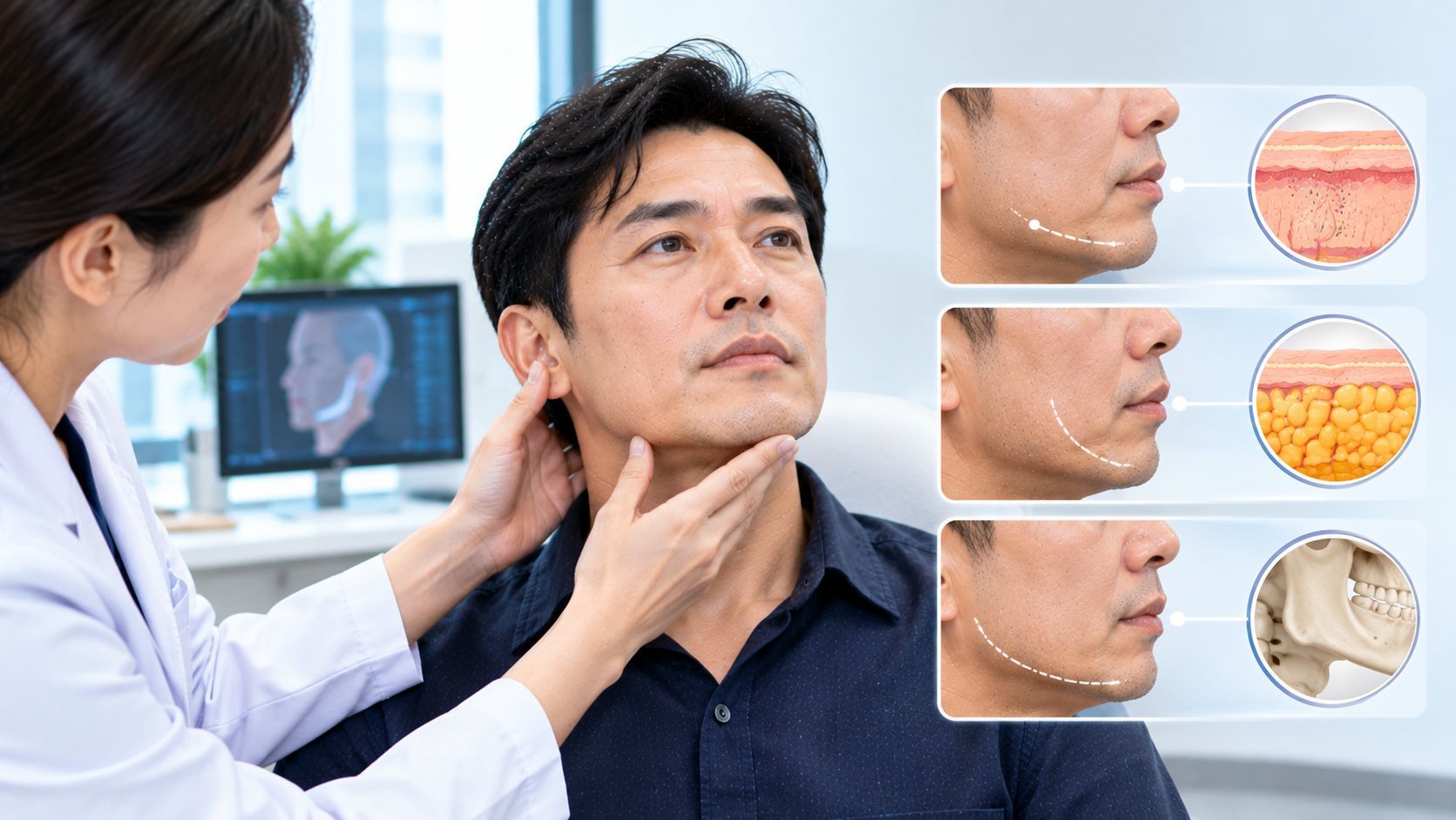
How Can I Improve My Face Without Getting That Overfilled Look?
Introduction
If you want to improve your face but are worried about looking “overfilled,” the goal should not be to avoid every injectable treatment. The better approach is to identify what is actually making your face look older or less refreshed and treat that specific concern without adding unnecessary volume.
Depending on your concerns, you may be able to improve your appearance with skincare, laser or light treatments, chemical peels, microneedling, radiofrequency-based treatments, or carefully selected muscle-relaxing treatments. If you genuinely have age-related volume loss, a conservative amount of filler may also restore lost fullness without creating a puffy appearance. The American Academy of Dermatology specifically notes that conservative filler treatment tends to produce more natural-looking results.
The key is restoration rather than transformation: improve the features that bother you while preserving the facial proportions and characteristics that already look like you.
What Causes an “Overfilled” Look?
An overfilled appearance usually isn't simply caused by the fact that someone had filler. It can happen when too much volume is added, when areas that do not need additional volume are treated, or when multiple treatments are performed without considering the overall facial proportions.
Common contributors include:
- Adding more filler than necessary
- Treating several areas at once without reassessment
- Trying to correct skin texture with filler
- Adding volume where the person's natural anatomy already provides adequate fullness
- Repeatedly adding filler instead of reassessing the face
- Trying to create a particular trend-driven facial shape
- Treating symmetry as though both sides must be identical
Filler can produce natural-looking results when appropriately selected and injected by an experienced medical professional. The AAD emphasizes that injector expertise and a conservative approach are important for natural results.
Start by Asking: What Actually Needs Improvement?
Before deciding on a treatment, separate your concern into categories.
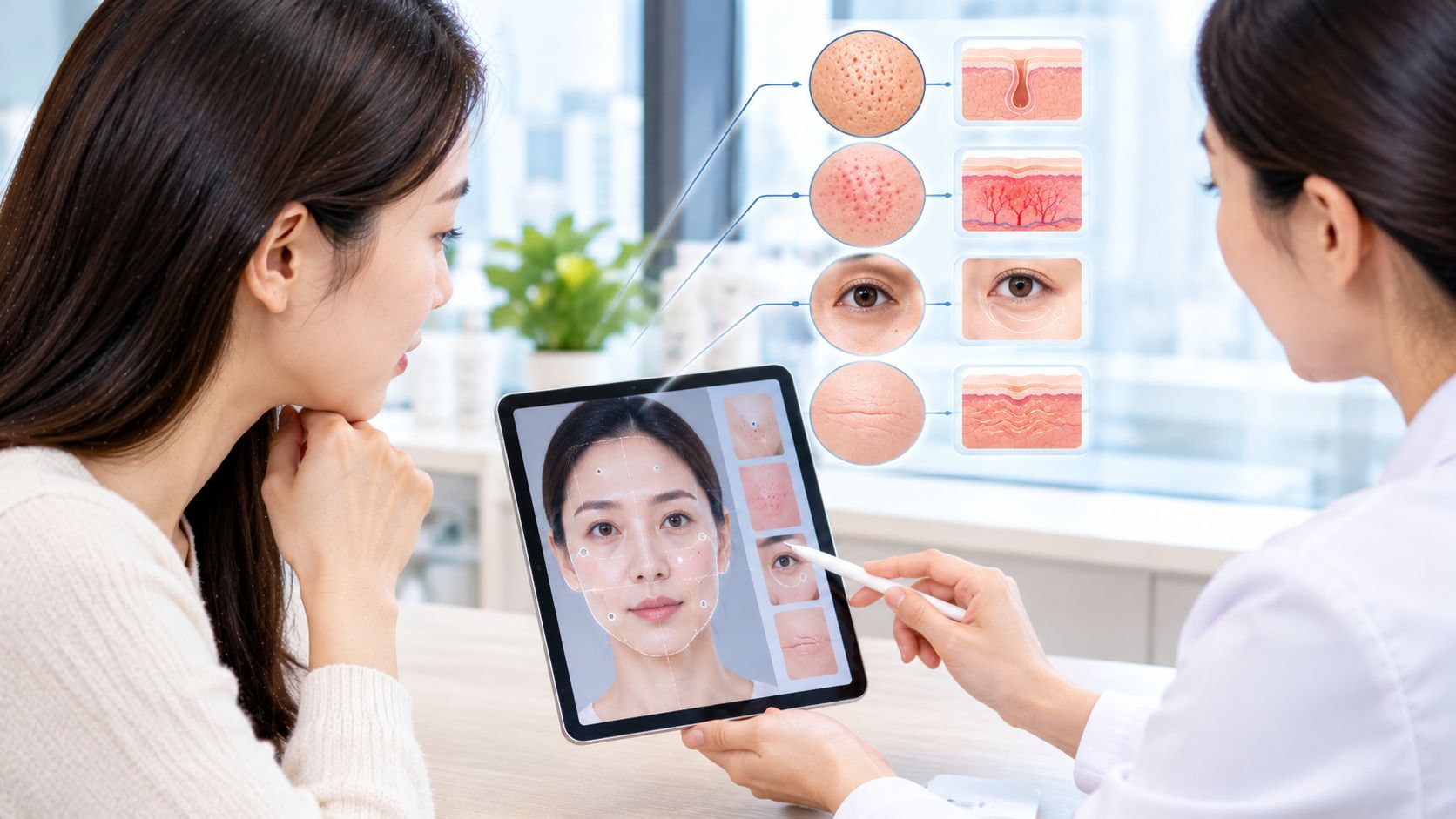
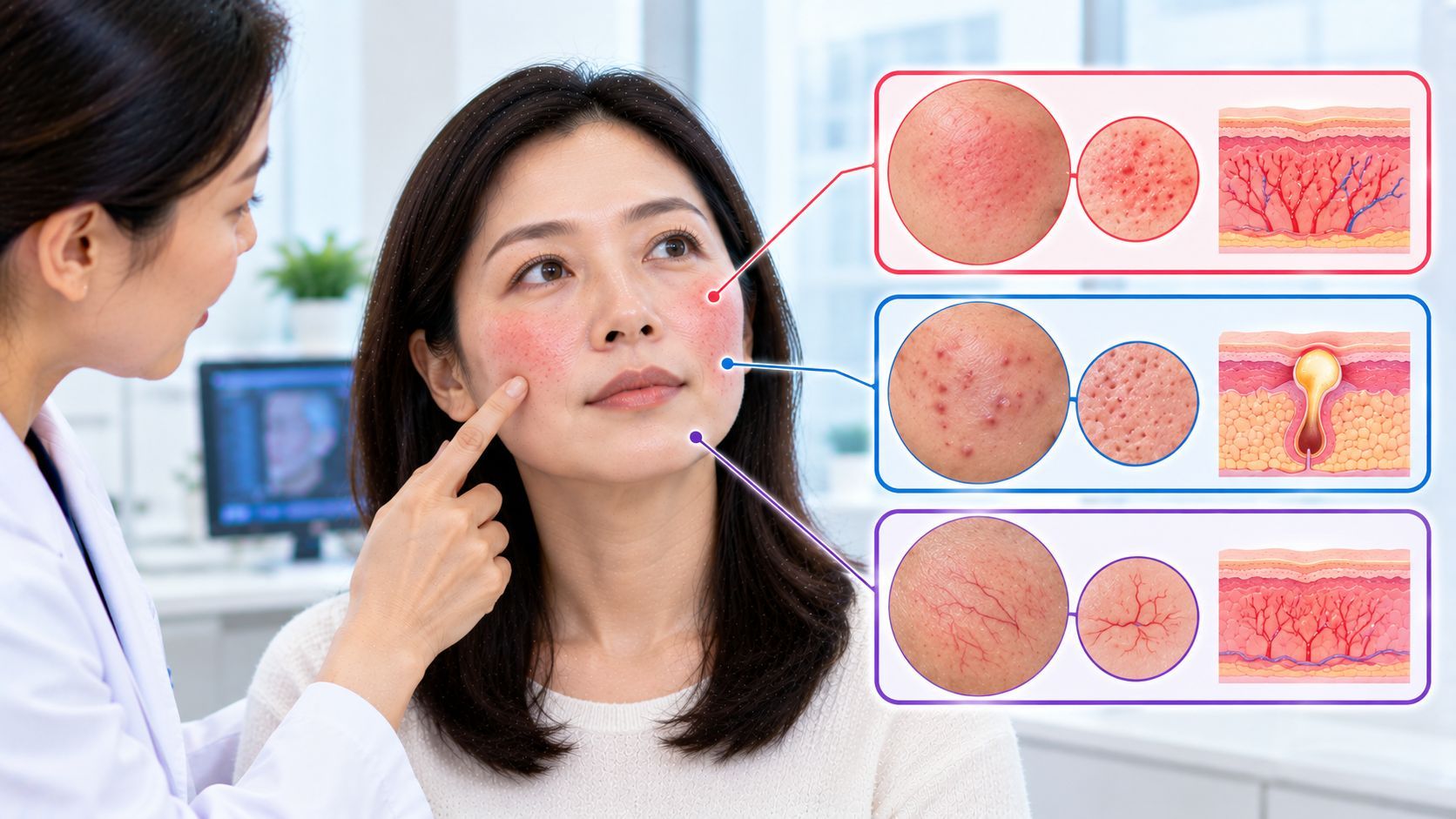
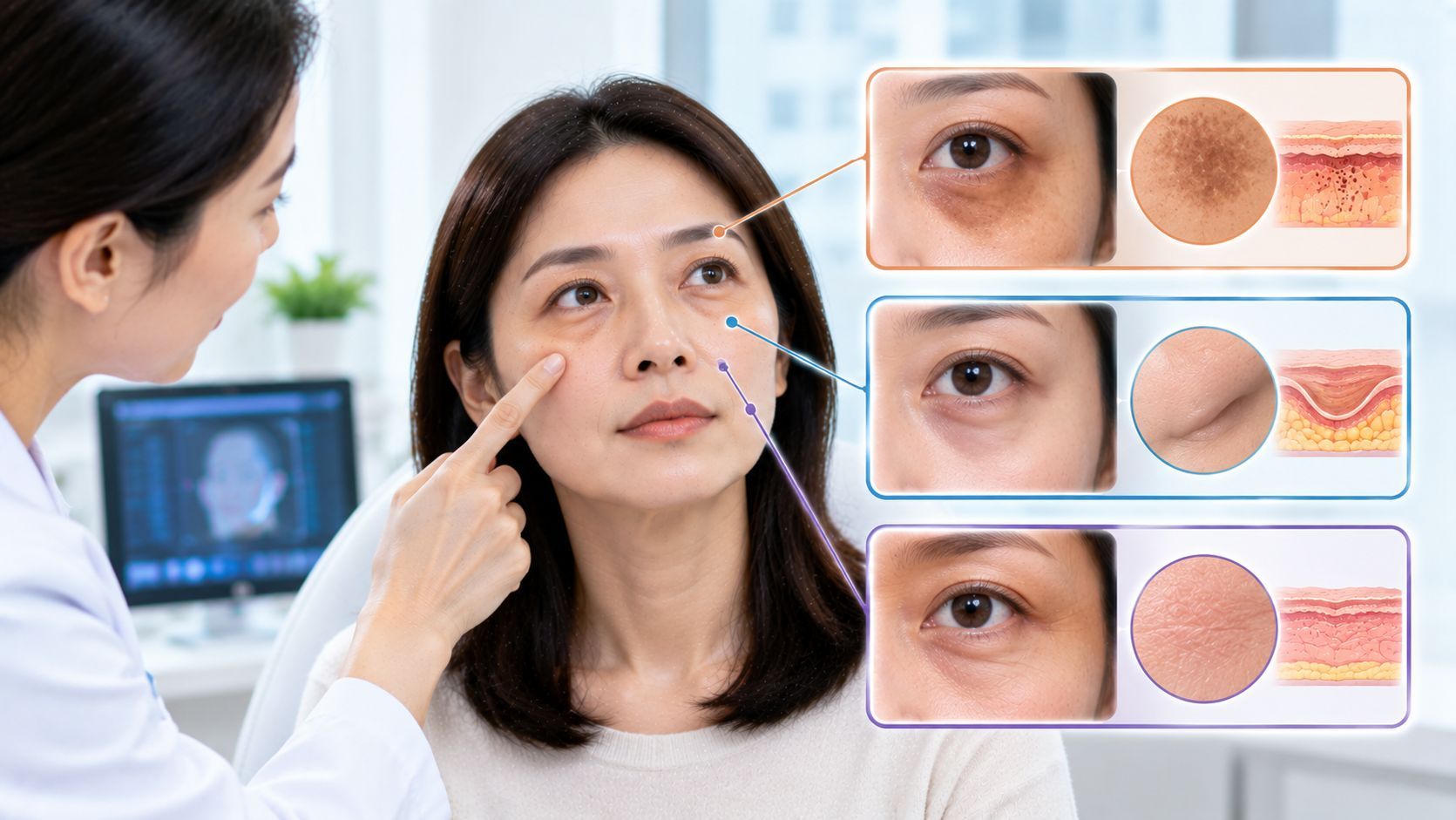
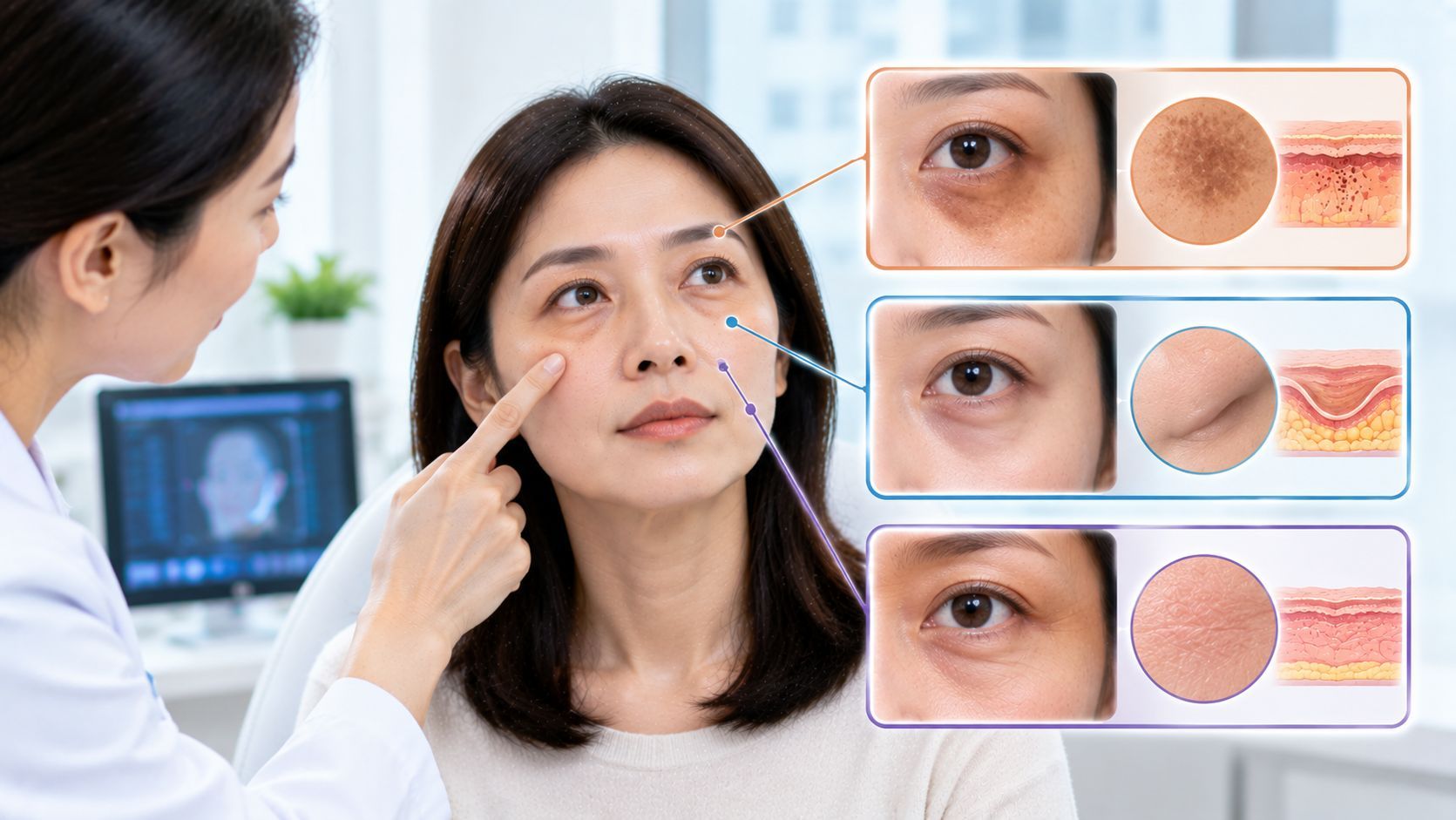
Your main concernTreatments that may be consideredDull or uneven skinSkincare, chemical peels, selected laser/light treatmentsFine lines and rough textureMicroneedling, laser treatments, skincareAcne scars or enlarged poresMicroneedling, laser-based treatmentsPigmentation or sun damageAppropriate laser/light treatments and medical skincareDynamic expression linesBotulinum toxin when appropriateMild skin laxityNon-invasive tightening or selected RF treatmentsTrue loss of facial volumeConservative filler or another volume-restoration approachGeneral tired appearanceOften a combination based on the actual cause
This distinction matters because not every aging concern is a volume problem.
For example, adding filler to skin that primarily needs improvement in pigmentation or texture may not address the underlying issue. Microneedling can target concerns such as uneven texture, fine lines, acne scars and some forms of sagging by stimulating collagen production.
Can You Improve Your Face Without Filler?
Yes. If your main goal is to look fresher rather than fuller, several non-filler approaches may be appropriate.
Improve Skin Quality
Healthy-looking skin can make the face appear more refreshed without changing its shape.
A dermatologist may recommend a combination of:
- Daily sun protection
- Appropriate medical skincare
- Retinoid or retinol-based products when suitable
- Chemical peels
- Microneedling
- Laser or light treatments
- Treatments for pigmentation or uneven texture
Laser and light treatments can be used for several signs of skin aging, including wrinkles, age spots and some forms of skin laxity. However, treatment should be selected according to your skin type and concern, particularly if you have darker skin that may be more susceptible to post-inflammatory pigmentation after some laser treatments.
Consider Microneedling for Texture
If the problem is texture rather than lost volume, microneedling may be more logical than adding filler.
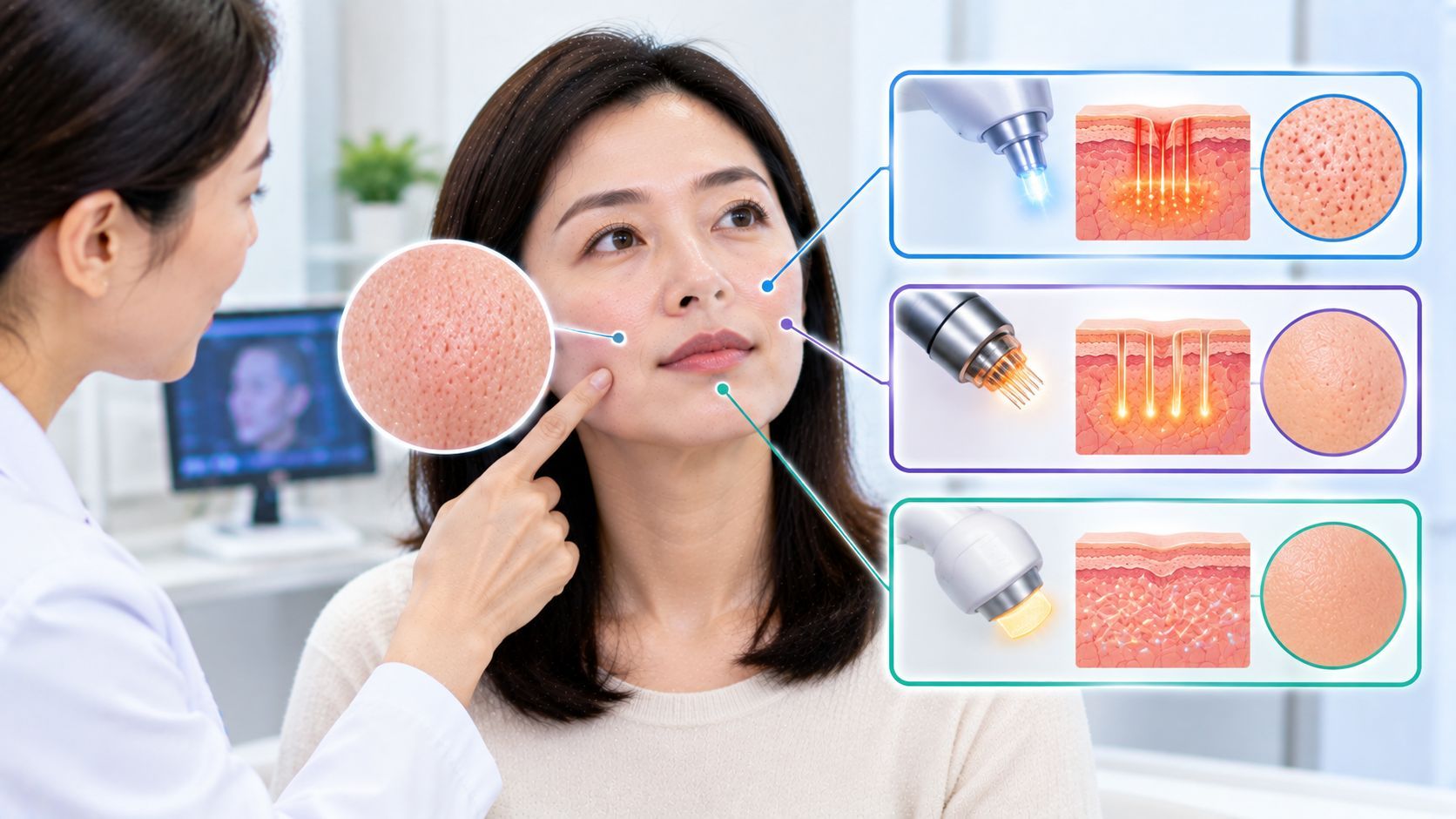
Microneedling creates controlled micro-injuries that stimulate collagen production. It can be used for concerns including fine lines, acne scars, uneven texture and some pigmentation concerns.
Radiofrequency microneedling adds controlled heat beneath the skin and may be considered when both texture and mild laxity are concerns.
Consider Non-Invasive Skin Tightening
If your concern is mild laxity rather than facial volume loss, non-invasive skin-tightening treatments may be worth discussing.
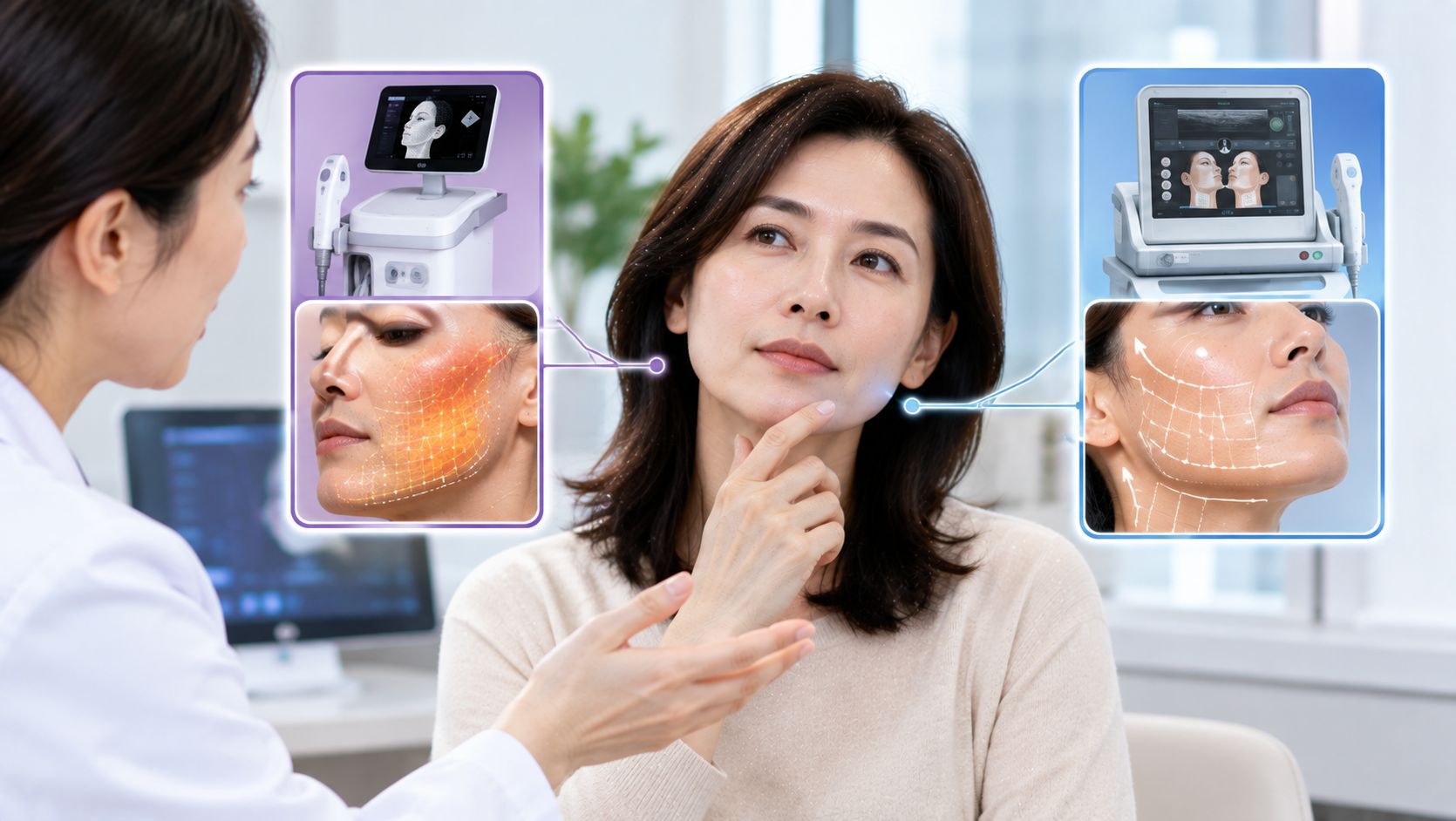
Ultrasound and radiofrequency treatments can stimulate collagen and produce gradual tightening. The AAD notes that results from non-invasive tightening generally develop gradually, which can contribute to a more subtle-looking change.
However, tightening is not automatically better. If your face is already naturally lean, aggressive attempts to make it tighter or slimmer may not match your desired appearance.
What About Botox?
Botulinum toxin is different from filler because it does not add facial volume.
It works by temporarily reducing the activity of targeted muscles and is commonly used for expression-related lines such as frown lines.
That can make it useful when the problem is dynamic wrinkles rather than volume loss.
However, Botox should also be conservative. The objective should be to soften unwanted lines while maintaining natural facial movement when that matches your preference.
What If You Actually Have Volume Loss?
Avoiding filler completely is not always necessary.
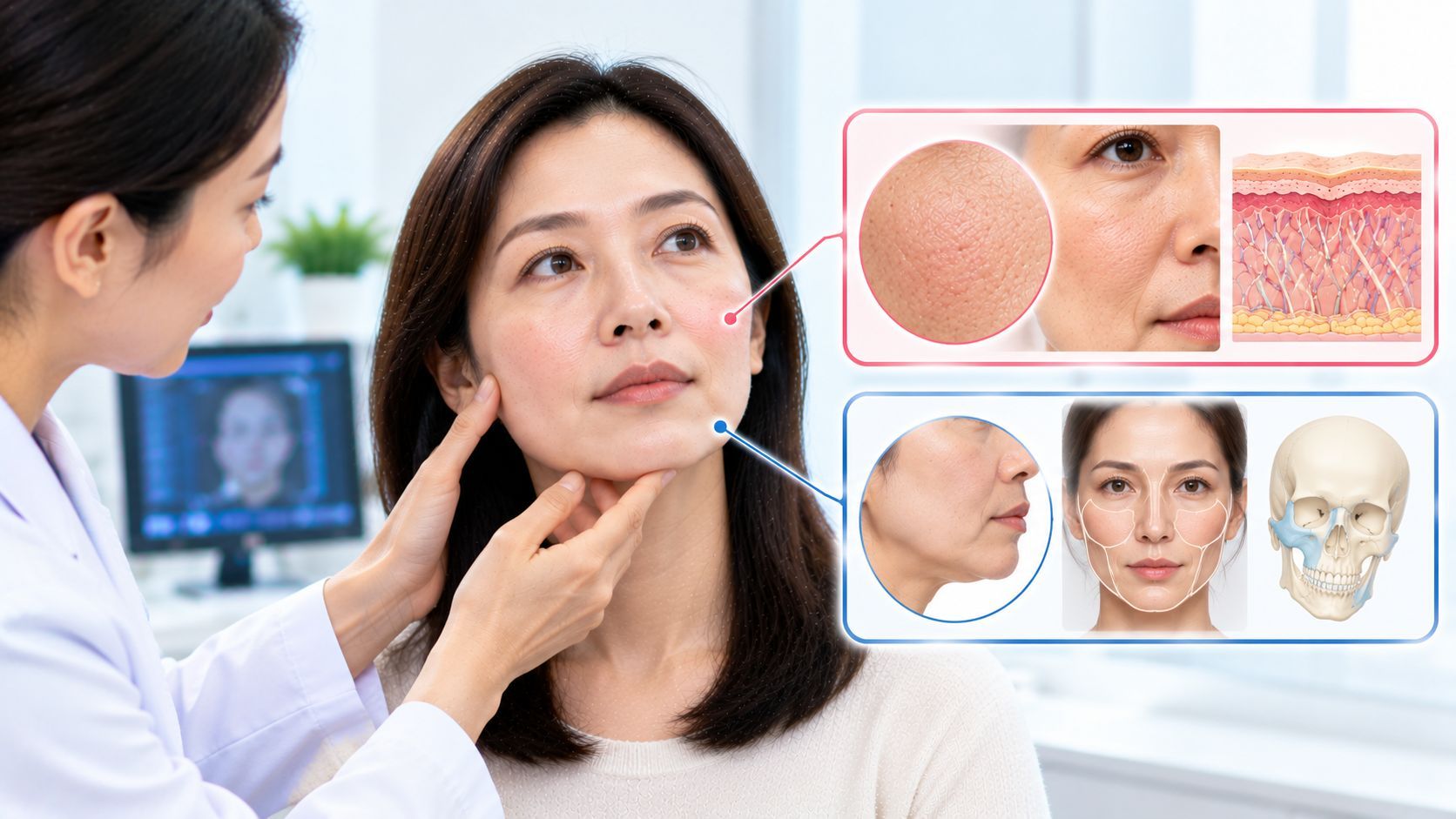
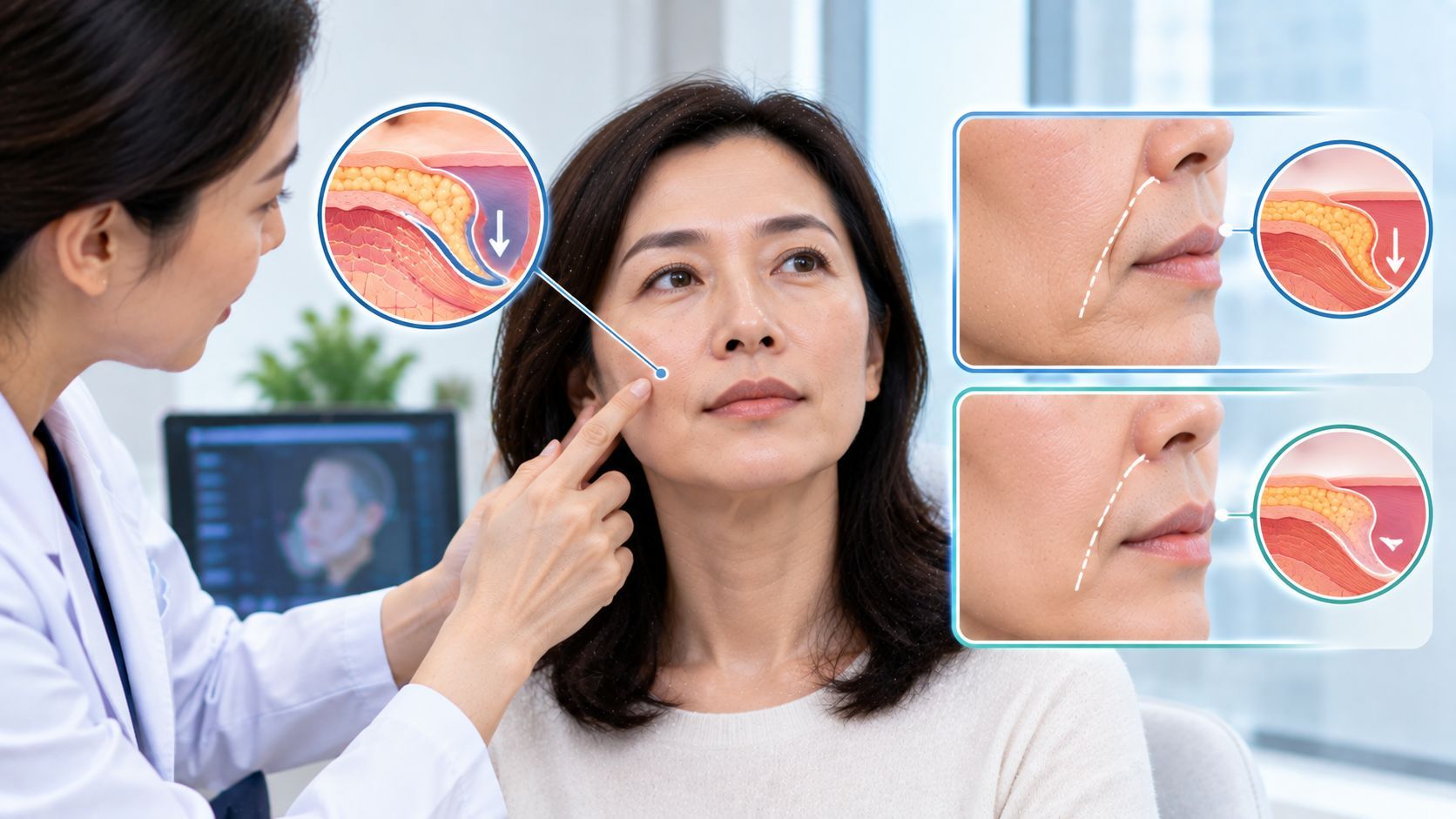
As the face ages, some areas can lose fullness. The AAD describes fillers as a way to restore lost fullness in areas such as the cheeks and under-eye hollows.
The important distinction is:
Volume restoration ≠ making the face bigger.
If a specific area has genuinely lost volume, a carefully planned amount of filler may restore some of the fullness that was previously there.
For someone concerned about looking overfilled, the conversation with the injector should therefore be about how little is needed to achieve the intended correction, rather than simply asking for “more volume.”
How to Keep Filler Looking Natural
If filler is recommended, several principles can help reduce the chance of an overdone appearance.
Treat a Specific Problem
Instead of saying, “I want a younger-looking face,” explain what bothers you.
For example:
- “I feel that this hollow has become more noticeable.”
- “I want to restore some lost cheek support.”
- “I don't want my cheeks to look larger.”
- “I want to preserve my current facial shape.”
This gives the provider a much clearer treatment objective.
Use a Conservative Amount
The AAD specifically recommends a conservative approach for natural-looking filler results.
You do not necessarily need to correct every visible sign of aging in one appointment.
A staged approach can sometimes make more sense: treat the primary concern, allow swelling to settle, reassess, and then decide whether anything else is actually necessary.
Don't Chase Perfect Symmetry
Small differences between the left and right sides of the face are normal.
Trying to make every feature perfectly symmetrical can lead to unnecessary treatment and additional volume.
Natural-looking facial rejuvenation should generally preserve some of your individual facial characteristics.
Choose the Injector Carefully
Filler is a medical procedure, not simply a beauty service. The AAD recommends having fillers performed by a qualified medical professional with appropriate experience.
This is particularly important when treating anatomically complex areas such as the lips, nose or under-eye region.
Natural-Looking Facial Rejuvenation in Korea
Korea offers many options for people interested in subtle facial rejuvenation, but having many treatment choices can also make it tempting to combine too many procedures during one trip.
If you are traveling to Korea, don't feel that you need to maximize your appointment.
A better consultation can be based on a simple request:
“I want to look fresher, but I don't want to look noticeably treated or overfilled.”
You can also show photographs of yourself from a period when you liked your appearance. The AAD recommends bringing photographs to help communicate the result you want.
For international patients, also ask about:
- Which treatment is actually being recommended and why
- Whether filler is restoring lost volume or simply adding volume
- The amount and areas being treated
- Expected swelling and bruising
- When the final result should be assessed
- What happens if you are unhappy with the result
- Follow-up availability after returning home
- Whether the treatment is appropriate before your planned flight
What Should You Avoid If You Don't Want an Overfilled Look?
Be cautious about treatment decisions based mainly on trends or package deals.
You may want to reconsider a plan if:
- Every facial concern is being treated with filler
- You are encouraged to add volume without a clear reason
- There is no discussion of your existing facial proportions
- The provider does not ask about previous fillers or procedures
- You are pressured to treat several areas immediately
- The procedure is offered outside an appropriate medical setting
- You are promised a guaranteed result
The AAD warns that filler injections should not be performed in non-medical settings such as salons, parties or homes.
Are There Risks With Filler?
Yes. Even when treatment is performed correctly, temporary effects such as redness, swelling, tenderness and bruising can occur. More serious complications can also occur, particularly with inappropriate technique or inadequate medical expertise.
Potential complications include:
- Lumps or uneven areas
- Infection
- Significant swelling
- Skin discoloration
- Allergic reactions
- Vascular complications
This is why filler should be treated as a medical procedure rather than an ordinary cosmetic service.
For the same reason, avoid DIY or needle-free filler devices. The AAD and FDA have warned about serious injuries associated with needle-free filler devices.
A Better Way to Think About Facial Rejuvenation
Instead of asking:
“What can I inject to make my face look younger?”
consider asking:
“What is making my face look older, and what is the least aggressive treatment that can address it?”
That might mean improving skin texture rather than adding volume, treating pigmentation rather than changing facial contours, softening expression lines rather than filling them, or restoring a small amount of genuinely lost volume rather than creating new fullness.
This approach can produce a more balanced result and makes it easier to preserve your recognizable facial features.
Questions to Ask at a Korean Dermatology Consultation
If you are considering treatment in Seoul or elsewhere in Korea, ask:
- What specifically is making my face look older?
- Do I actually have volume loss, or is this primarily a skin-quality issue?
- Could this concern be treated without filler?
- If filler is recommended, how much do you think I actually need?
- Will this change my facial shape or make an area look fuller?
- Can we treat one concern first and reassess later?
- What swelling or downtime should I expect?
- What follow-up is available if I am an international patient?
A good consultation should leave you understanding not only what is being recommended, but also why it is being recommended. The AAD similarly recommends discussing risks, expected results, previous treatments, medications and alternatives during a filler consultation.
Conclusion
You can improve your face without developing an overfilled appearance. The most natural strategy is usually to identify the actual source of the concern first and then choose the least invasive treatment that can reasonably address it.
Skin-quality treatments, microneedling, laser or light treatments, carefully selected tightening procedures and conservative muscle-relaxing treatments can all play a role. If genuine volume loss is present, filler does not necessarily mean a larger-looking face. When appropriately planned and conservatively performed, it can restore lost fullness while preserving your existing proportions.
For international patients visiting Korea, the best treatment plan is not necessarily the one with the most procedures. A thoughtful consultation, conservative treatment strategy and realistic expectations are more important than trying to change everything at once.
FAQs
Can I get facial rejuvenation without looking overfilled?
Yes. Many facial concerns can be addressed without adding volume. Skin treatments, microneedling, laser/light procedures, non-invasive tightening and appropriately selected botulinum toxin may be options depending on the problem.
Does filler always make your face look fuller?
No. Filler can be used to restore lost volume rather than simply increase facial size. Natural results depend heavily on appropriate treatment planning, conservative amounts and injector expertise.
What is the best treatment for a natural-looking face?
There is no single best treatment. The appropriate choice depends on whether your main concern is skin quality, pigmentation, wrinkles, muscle movement, laxity or genuine volume loss.
Is Botox better than filler if I don't want an overfilled look?
Not necessarily. Botox and filler address different concerns. Botox changes targeted muscle activity, while filler restores or adds volume. The right option depends on what is causing the feature you want to improve.
Can I ask a Korean dermatologist to use less filler?
Absolutely. Tell the provider that preserving your facial shape and avoiding an overfilled appearance are priorities. You can specifically ask whether the proposed amount is necessary and whether a staged approach is possible.
Should international patients get filler immediately after arriving in Korea?
Not automatically. A consultation should come first. You should understand the treatment, expected swelling, recovery, follow-up arrangements and how the timing fits with your travel plans before deciding.