What Treatments Make People Say “You Look Good” Rather Than “What Did You Have Done?”
Introduction
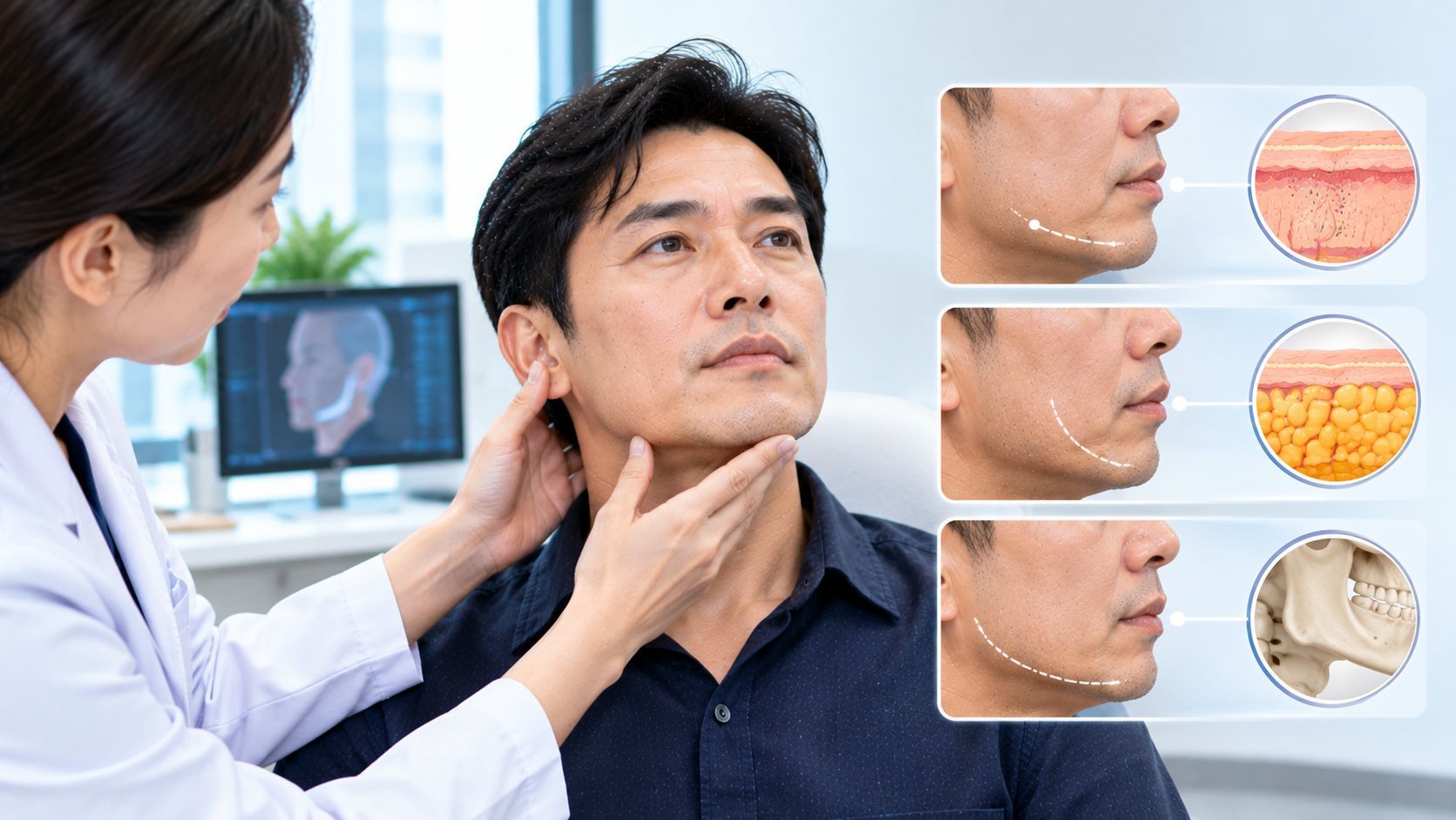
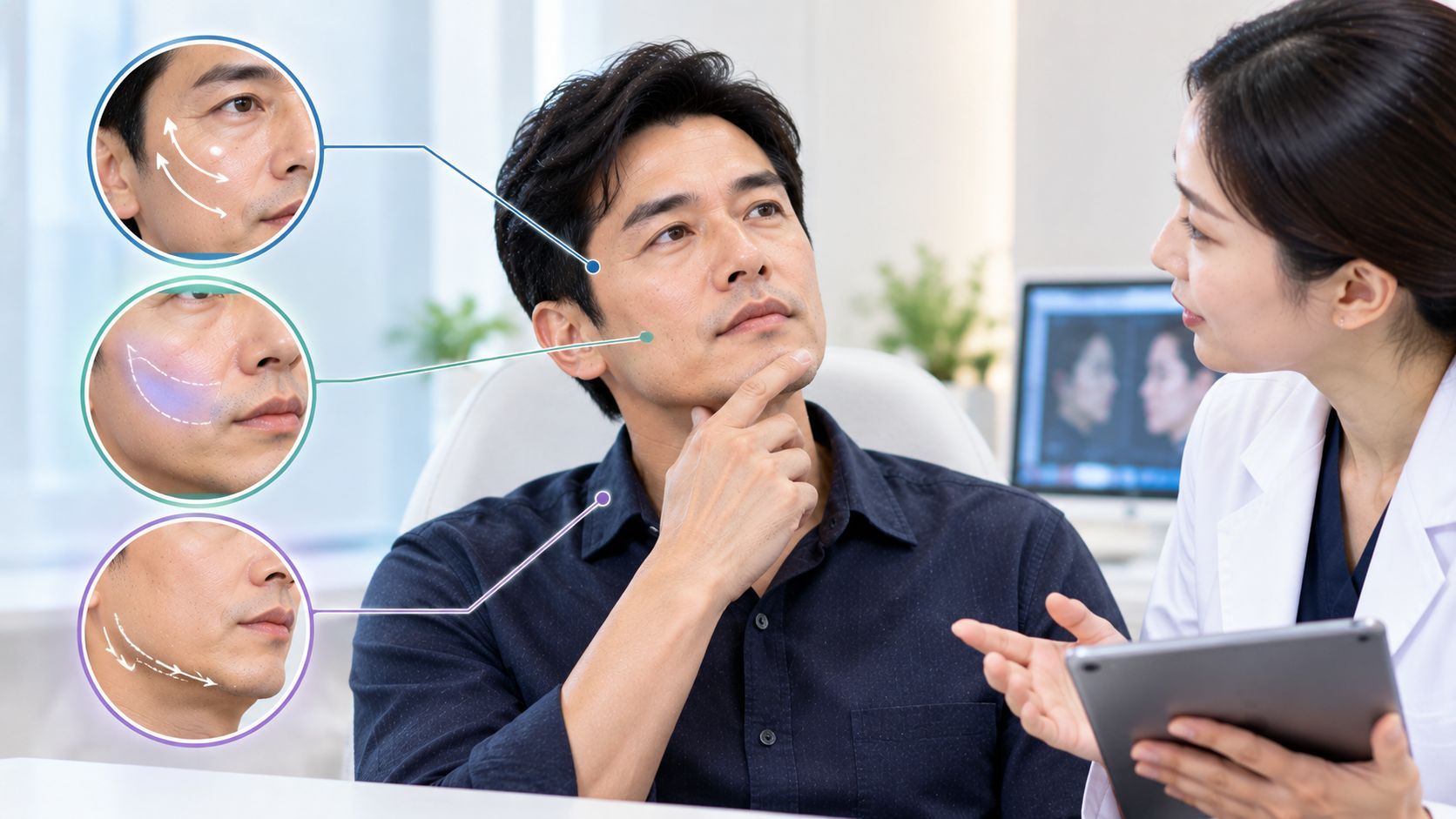
Many people want to look fresher and younger without creating an obvious cosmetic change. They do not necessarily want a sharper jawline, fuller cheeks, completely smooth skin, or a visibly lifted face. They simply want people to notice that they look well-rested or healthier.
The treatments most likely to create this kind of subtle improvement are usually those chosen for a specific concern rather than for dramatic facial transformation. Depending on what is making you look older, this may include skincare, pigmentation treatment, laser or light-based procedures, chemical peels, microneedling, or carefully selected skin-tightening treatments.
The goal is not to make someone wonder what procedure you had. It is to make the overall appearance look naturally improved.
What Makes a Cosmetic Result Look Natural?
A natural-looking result does not necessarily mean that nothing has changed.
It means the change is subtle enough that your facial identity remains recognizable.
You may notice:
- More even skin tone
- Smoother texture
- Less visible sun damage
- Softer fine lines
- Healthier-looking skin
- Slightly improved firmness
- A less tired appearance
But your:
- Facial proportions
- Natural expressions
- Normal skin texture
- Characteristic facial features
- Overall facial shape
can remain largely unchanged.
The American Academy of Dermatology notes that dermatologists may use more than one treatment to address different signs of aging and achieve a natural, healthy appearance.
Why “Looking Better” Is Different From “Looking Done”
A dramatic cosmetic treatment may produce a noticeable change in one particular feature.
A subtle treatment plan may instead improve several small details.
For example, a person might have:
- Mild pigmentation
- Slightly rough texture
- A few fine lines
- Sun damage
- Mild dryness
None of these problems may be dramatic individually. Together, however, they can make the face look older or more tired.
Improving those factors may create an overall fresher appearance without changing facial structure.
This is one reason it is often better to treat the cause of the tired or aged appearance rather than automatically choosing the most visible cosmetic procedure.
Treatments That Can Create Subtle Improvement
1. Medical Skincare
Skincare is often underestimated because it does not produce an immediate dramatic transformation.
However, consistent use of sunscreen, moisturizer, and appropriate active ingredients can improve the appearance and help prevent additional photoaging.
The AAD recommends starting with sunscreen and moisturizer and then focusing on the specific aging concern that bothers you most.
Depending on your skin, a dermatologist may also recommend ingredients such as retinoids or retinol.
Retinoids can help improve skin turnover, uneven tone, and fine lines, although they can irritate some skin types and should be introduced appropriately.
For someone seeking a subtle result, this can be an excellent foundation.
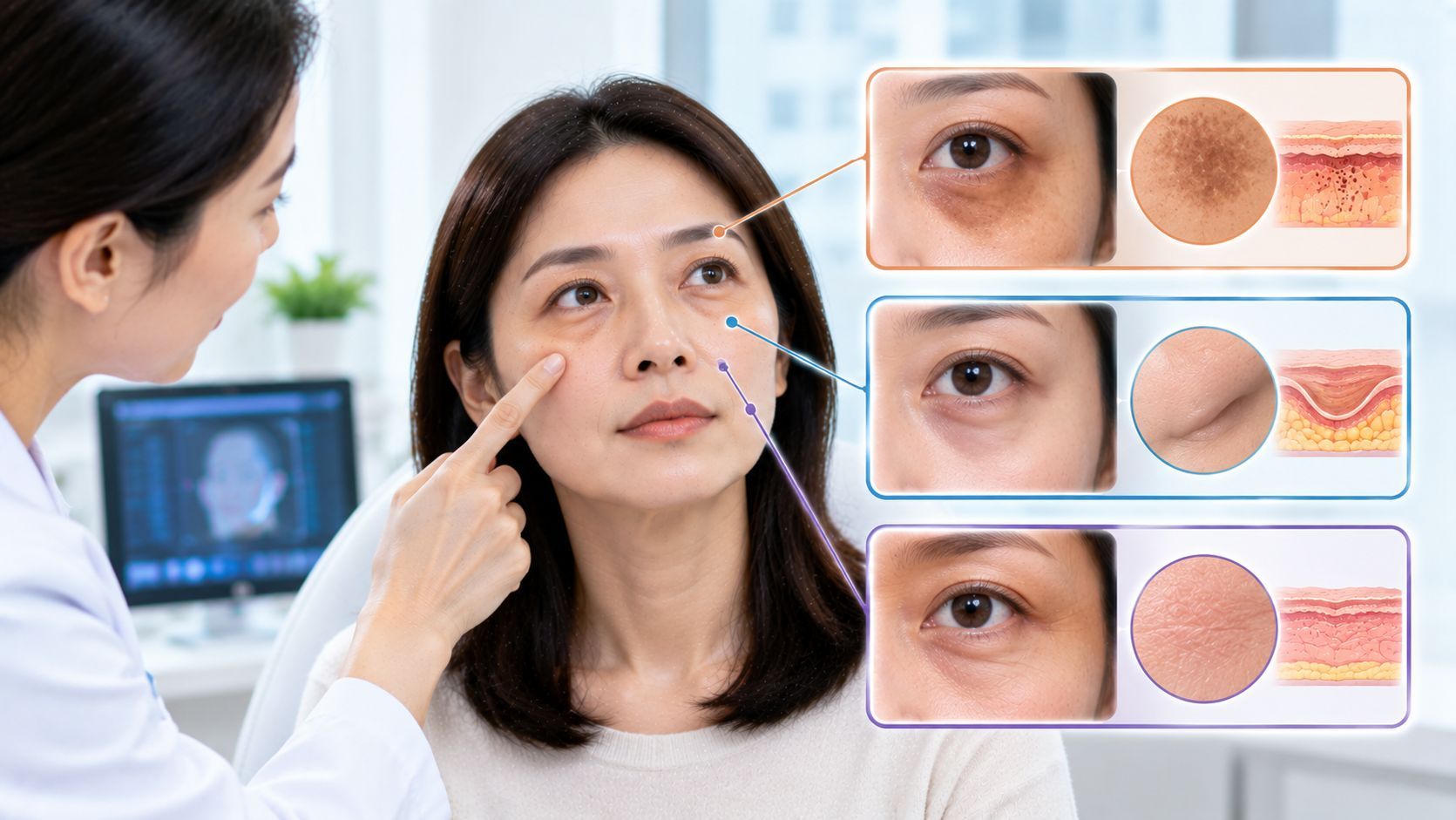
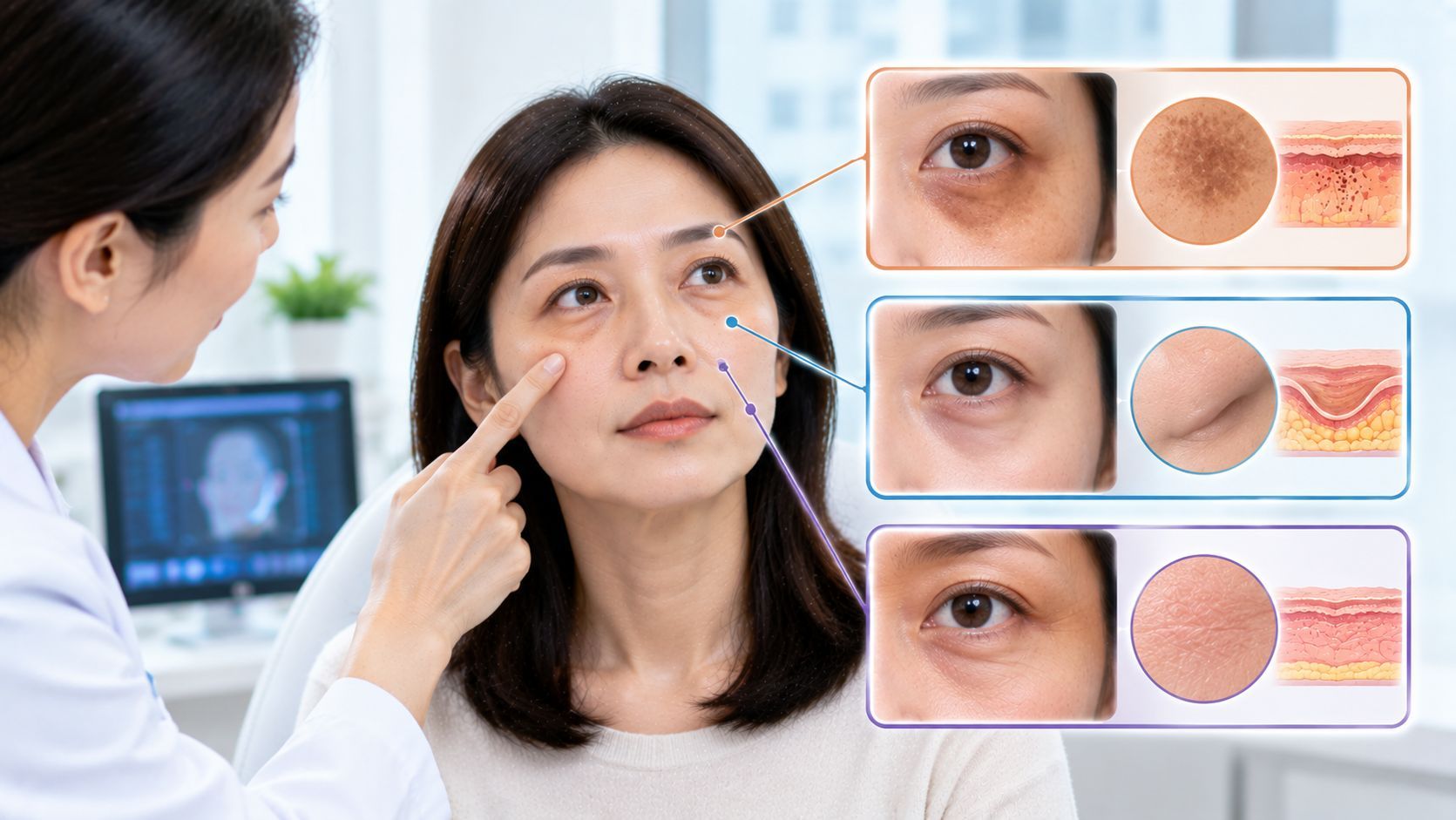
2. Treating Sun Damage and Pigmentation
Sometimes the face does not need lifting or added volume at all.
It simply needs better color uniformity.
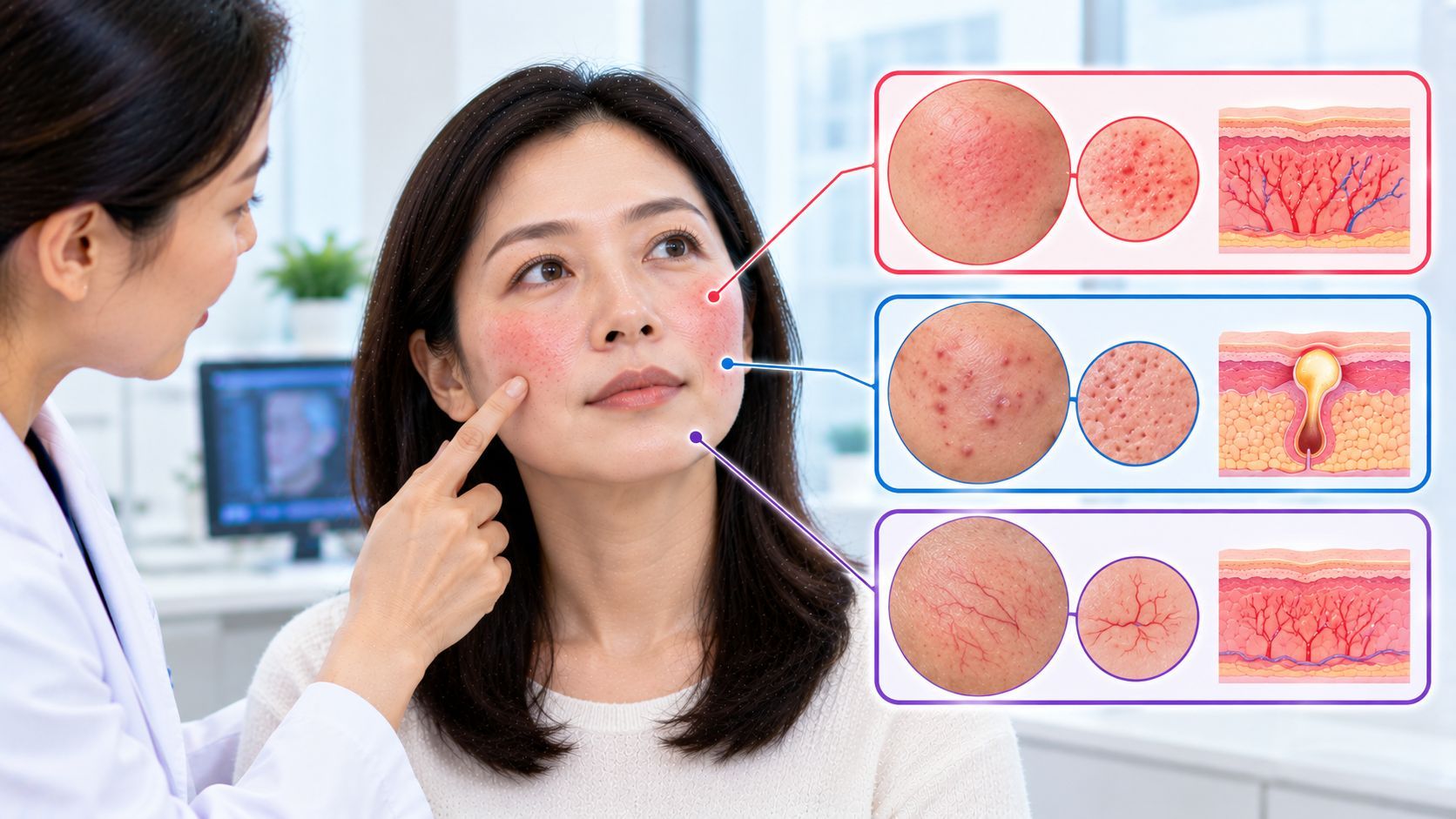
Sun damage can contribute to:
- Wrinkles
- Age spots
- Uneven complexion
- Roughness
- Loose skin
Dermatologists may use treatments such as laser resurfacing, intense pulsed light, chemical peels, or microdermabrasion depending on the specific problem.
Reducing visible pigmentation can make the complexion look healthier without changing the shape of the face.
3. Chemical Peels
Chemical peels can improve certain concerns involving the surface of the skin.
Depending on the peel, they may help with:
- Dullness
- Uneven tone
- Rough texture
- Certain fine lines
- Some pigmentation concerns
A peel does not need to be aggressive to be useful.
If your goal is a subtle improvement, the appropriate treatment may be one that produces gradual skin-quality improvement rather than dramatic resurfacing.
The depth and type of peel should be selected according to your skin and treatment objective.
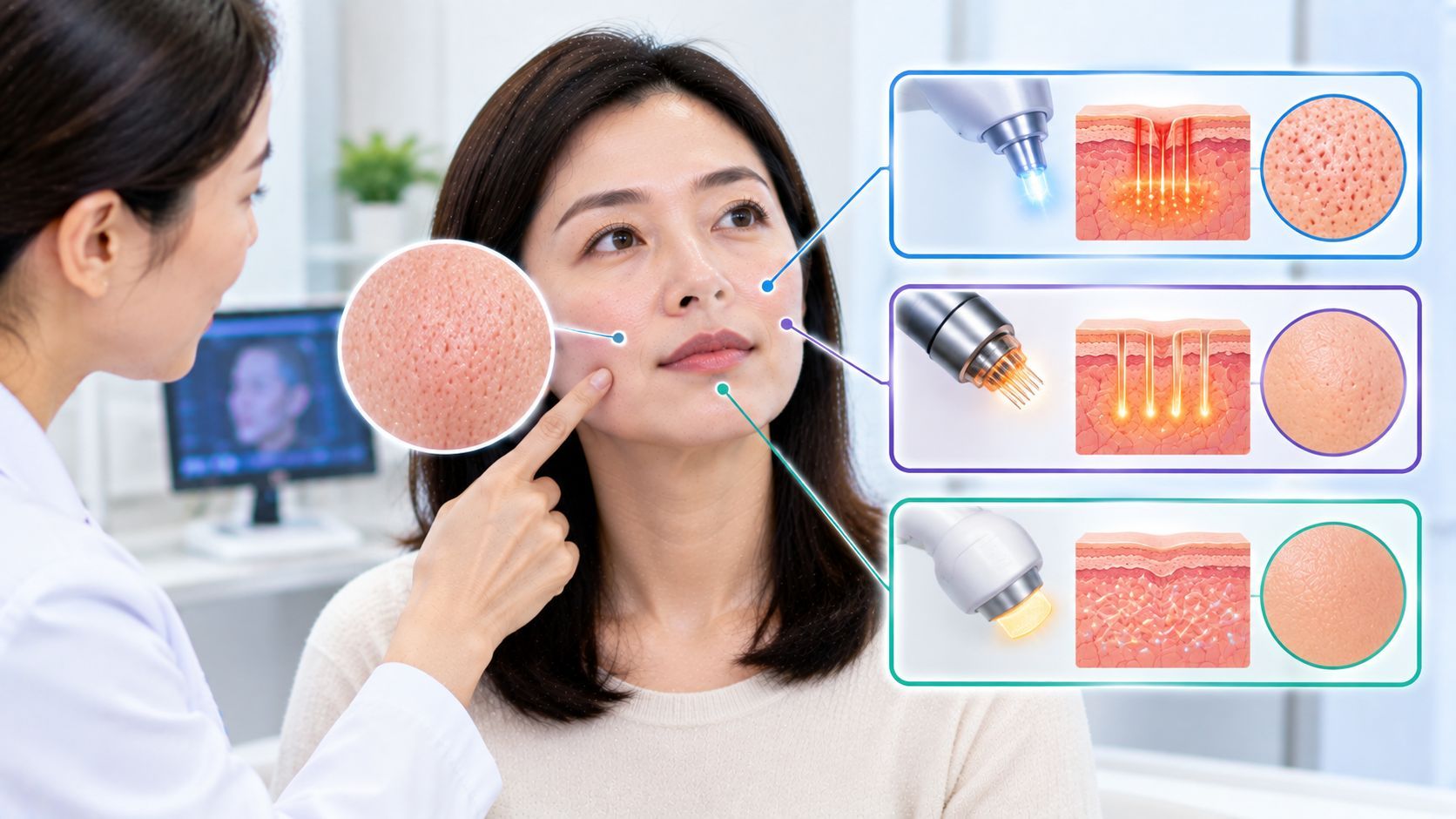
4. Microneedling
Microneedling may be useful when texture is one of the reasons you feel your face looks older.
It can be considered for concerns such as:
- Fine lines
- Acne scars
- Uneven texture
- Enlarged pores
- Some signs of skin aging
Because the treatment is directed at the skin and collagen remodeling rather than facial volume, it may fit well with a “you look good” rather than “what happened to your face?” goal.
Results are gradual, however, and the procedure is not appropriate for every skin condition.
5. Laser and Light-Based Treatments
Laser and light-based procedures can be targeted toward specific concerns rather than used simply to create an overall dramatic change.
Depending on the technology, they may address:
- Pigmentation
- Sun damage
- Uneven texture
- Certain redness concerns
- Fine lines
The AAD describes several treatment options for different forms of sun-related skin aging, emphasizing that different signs may require different approaches.
This makes laser treatment highly dependent on diagnosis and treatment settings.
A good consultation should answer:
“What exactly are we treating?”
rather than simply:
“Which laser should I get?”
What About Skin Tightening?
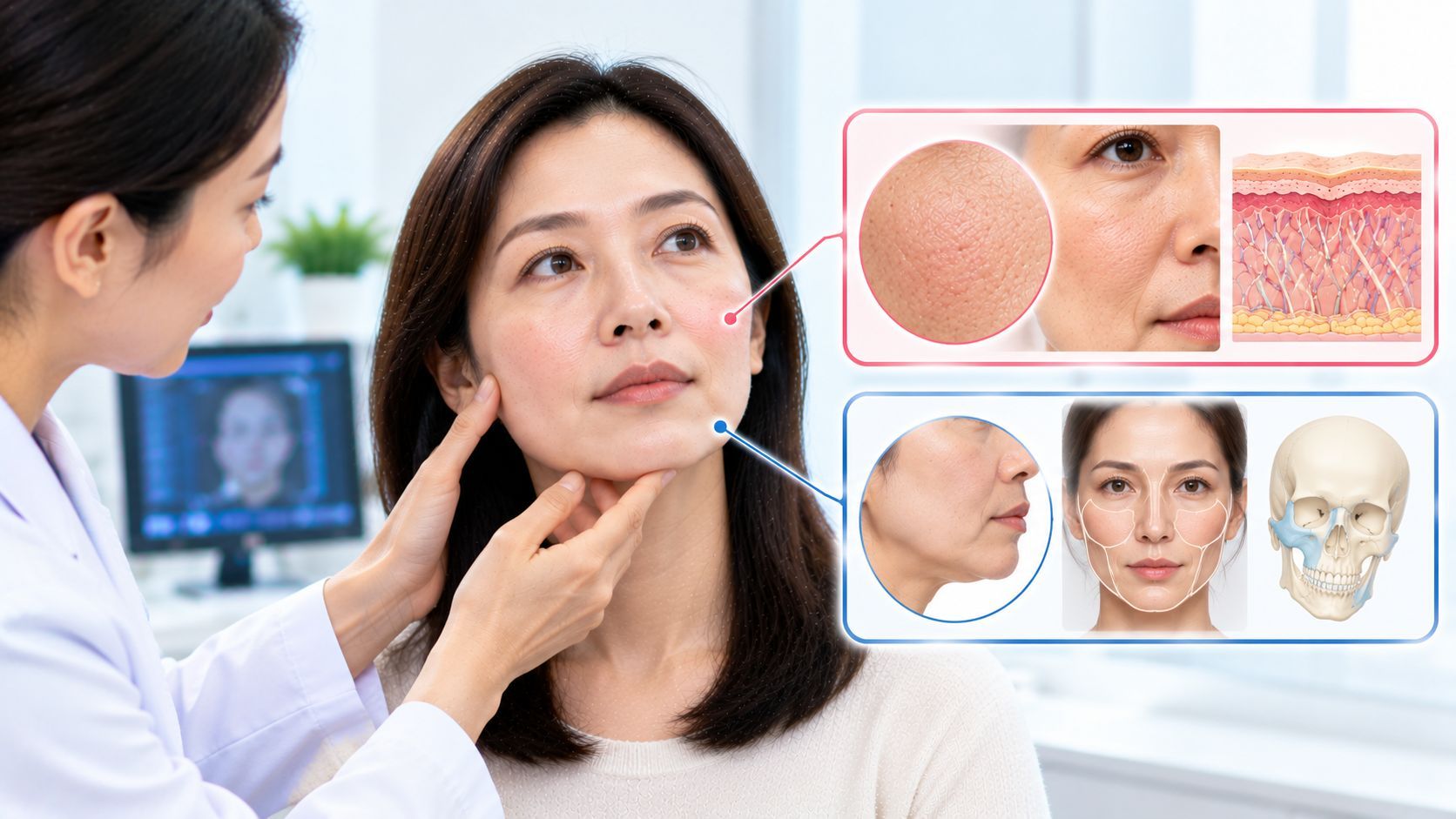
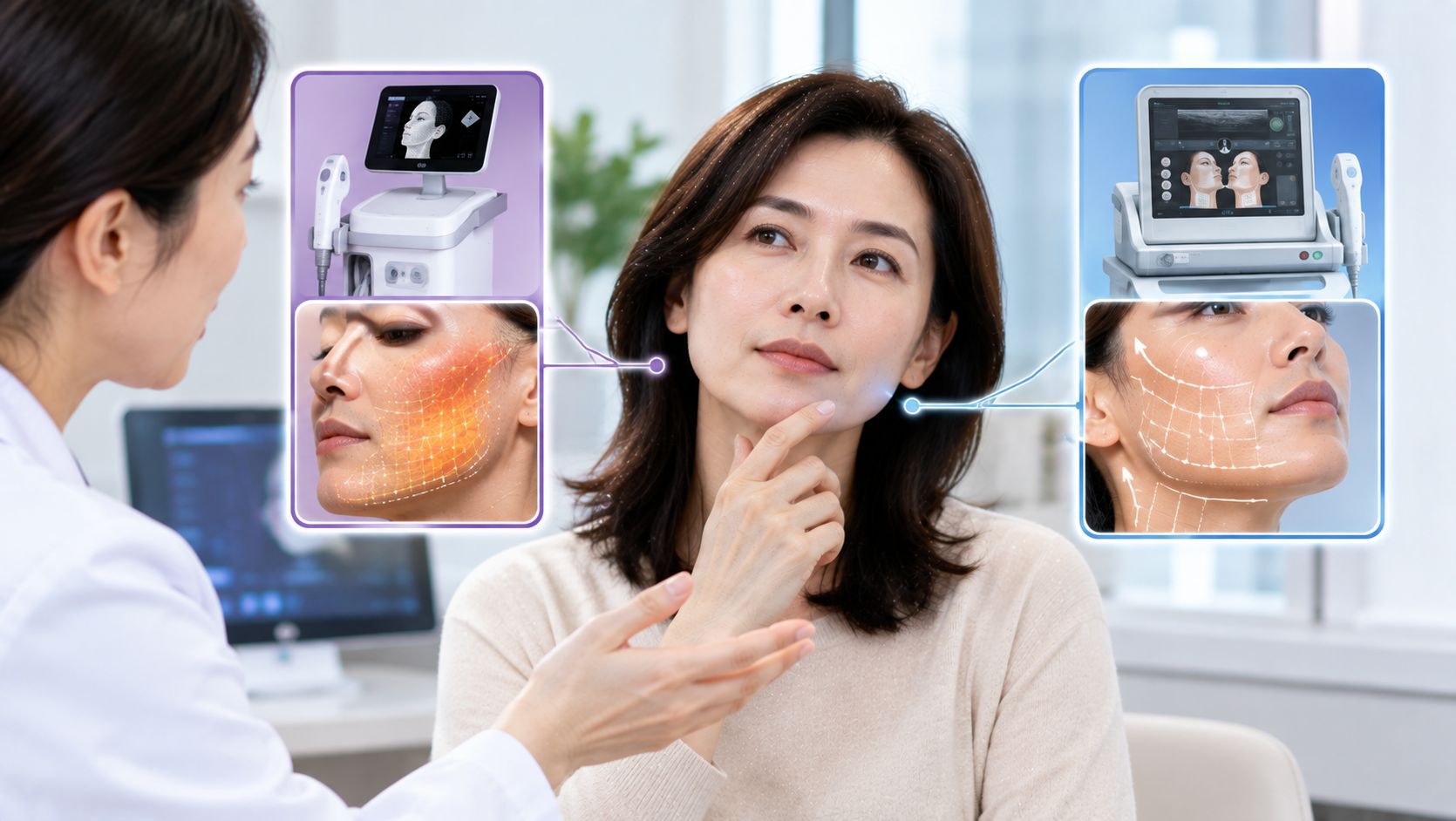
Mild tightening can sometimes improve the appearance of aging skin without creating a dramatically different face.
The AAD lists ultrasound, non-invasive radiofrequency, and laser treatments among approaches that dermatologists may use for loose skin.
However, the degree of tightening matters.
If your goal is subtle rejuvenation, you may not want maximum tightening.
You may instead want:
- Slightly improved firmness
- Better skin quality
- Less visible laxity
- No obvious change in facial proportions
Tell your provider this explicitly.
What About Botox or Filler?
Botox and filler can produce natural-looking results when appropriately selected and performed, but they address different problems.
Botulinum toxin temporarily reduces muscle activity and can soften certain expression lines.
Fillers can restore or increase fullness in areas where volume has been lost.
If your goal is simply to look refreshed, you do not necessarily need either.
But avoiding them should also not become an arbitrary rule.
If a particular concern is genuinely caused by volume loss, a dermatologist should explain that honestly rather than pretending a skin treatment will produce the same result.
How to Get a “You Look Good” Result
Focus on the Biggest Aging Signal
Do not automatically treat every visible sign of aging.
Ask yourself:
What is the one thing that makes me look older or more tired?
It could be:
- Pigmentation
- Fine lines
- Dullness
- Texture
- Acne scars
- Mild laxity
- Under-eye darkness
The AAD recommends focusing on your number-one aging concern rather than adding many anti-aging products simultaneously, because excessive products can irritate the skin.
The same principle can be useful when considering procedures.
Avoid Trying to Perfect Everything
A completely smooth, poreless, uniformly reflective face may actually look less natural.
Real skin has:
- Pores
- Fine lines
- Texture
- Expression
- Color variation
A subtle treatment plan should improve what bothers you without attempting to erase every normal feature.
Consider Gradual Improvement
If you want people to notice that you look good rather than immediately notice that you had a procedure, gradual treatment can sometimes make more sense than pursuing the strongest available option.
This might mean:
- Improve the skin barrier.
- Address sun protection.
- Treat one major concern.
- Allow the skin to recover.
- Reassess.
- Add another treatment only if necessary.
This approach can also reduce the temptation to combine too many treatments at once.
What If I Want to Preserve My Facial Shape?
Tell your dermatologist.
You can say:
“I want to look fresher, but I don't want my face to become fuller, slimmer, tighter, or noticeably different.”
This is useful information because it tells the provider what not to change.
Your priorities might be:
- Preserve facial proportions
- Preserve natural expression
- Avoid unnecessary volume
- Avoid aggressive contouring
- Improve skin quality
- Reduce visible signs of aging
That is a legitimate aesthetic goal.
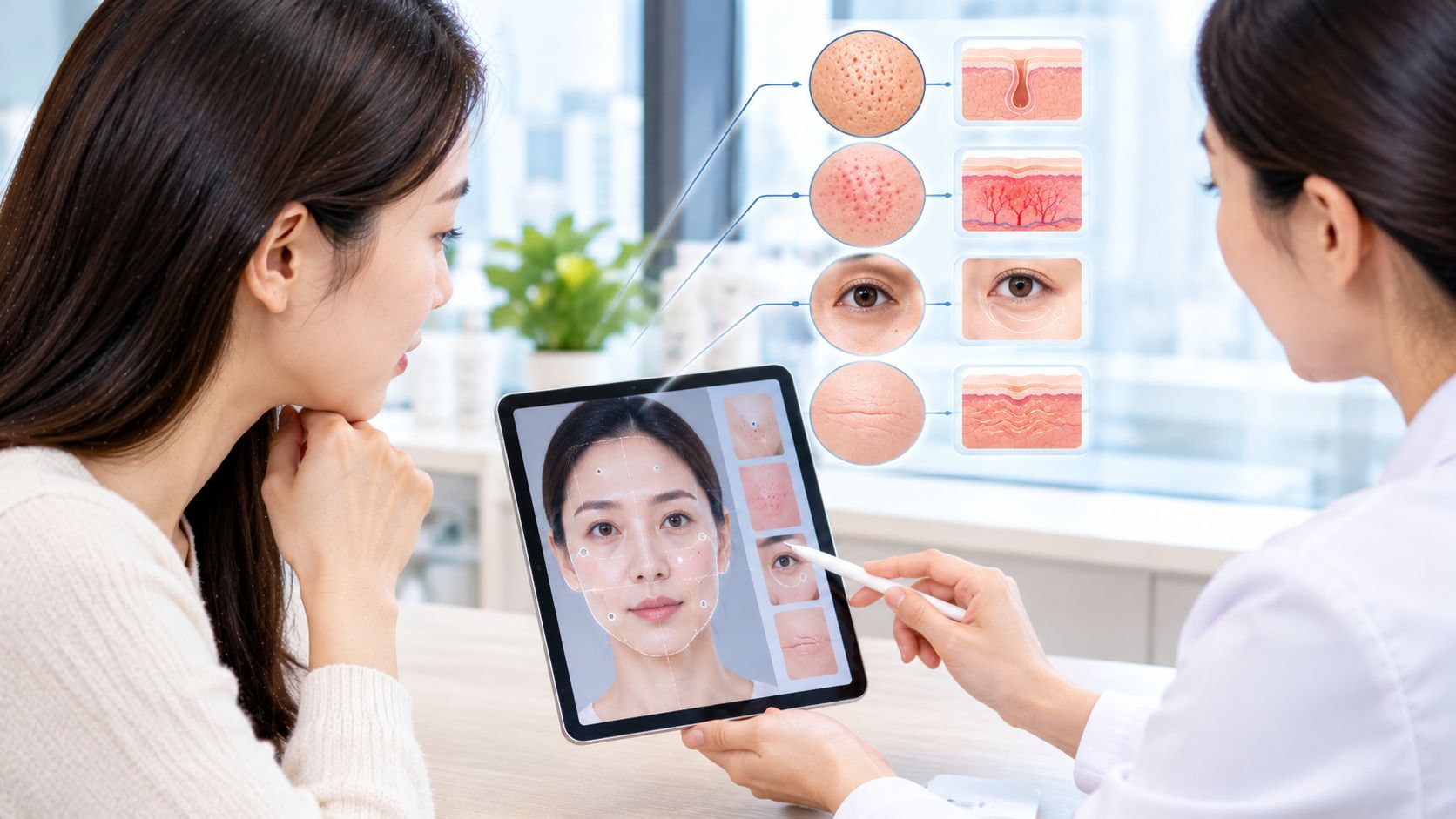
What Treatments Should You Consider Based on the Problem?
Main concernPotential treatment categoriesDull skinSkincare, gentle exfoliation, selected peelsPigmentationSkincare, peel, laser/light treatmentSun damageSunscreen, skincare, laser, peelRough textureMicroneedling, peel, laserFine linesSkincare, retinoids, resurfacing, microneedlingAcne scarsMicroneedling, laser, combination treatmentMild laxityCarefully selected RF, ultrasound, or other tighteningGeneral tired appearanceIdentify the dominant cause first
These options are not interchangeable, and a treatment that works well for one person may be inappropriate for another.
What Should International Patients Ask in Korea?
South Korea offers many cosmetic dermatology options, but having access to numerous treatments does not mean you need several procedures.
If you are traveling to Korea, ask:
- What is actually making me look older?
- Which treatment targets that specific issue?
- Will this treatment change my facial shape?
- Will it add or remove volume?
- What is the expected downtime?
- How long will redness or swelling last?
- How many sessions are normally needed?
- What should I avoid after treatment?
- Can I safely fly home during the recovery period?
- What follow-up is available after I return home?
A consultation should be about matching treatment to your goals—not simply choosing from a menu.
What If the Clinic Recommends Several Treatments?
Ask what each procedure is supposed to accomplish.
For example:
Treatment A → pigmentation
Treatment B → texture
Treatment C → laxity
If you cannot understand what each procedure contributes, it may be worth asking whether all of them are necessary.
More treatments do not automatically produce a more natural result.
In fact, the AAD cautions that using too many anti-aging products can irritate the skin, making signs of aging more noticeable.
A similar principle of avoiding unnecessary intervention can be useful when planning cosmetic procedures.
Risks and Limitations
Subtle does not mean risk-free.
Chemical peels, lasers, microneedling, and energy-based treatments can cause temporary redness, swelling, irritation, peeling, or pigmentation changes.
Your skin type, treatment settings, medical history, medications, previous procedures, and aftercare can influence the risk.
Skincare can also cause irritation if too many active products are introduced at once.
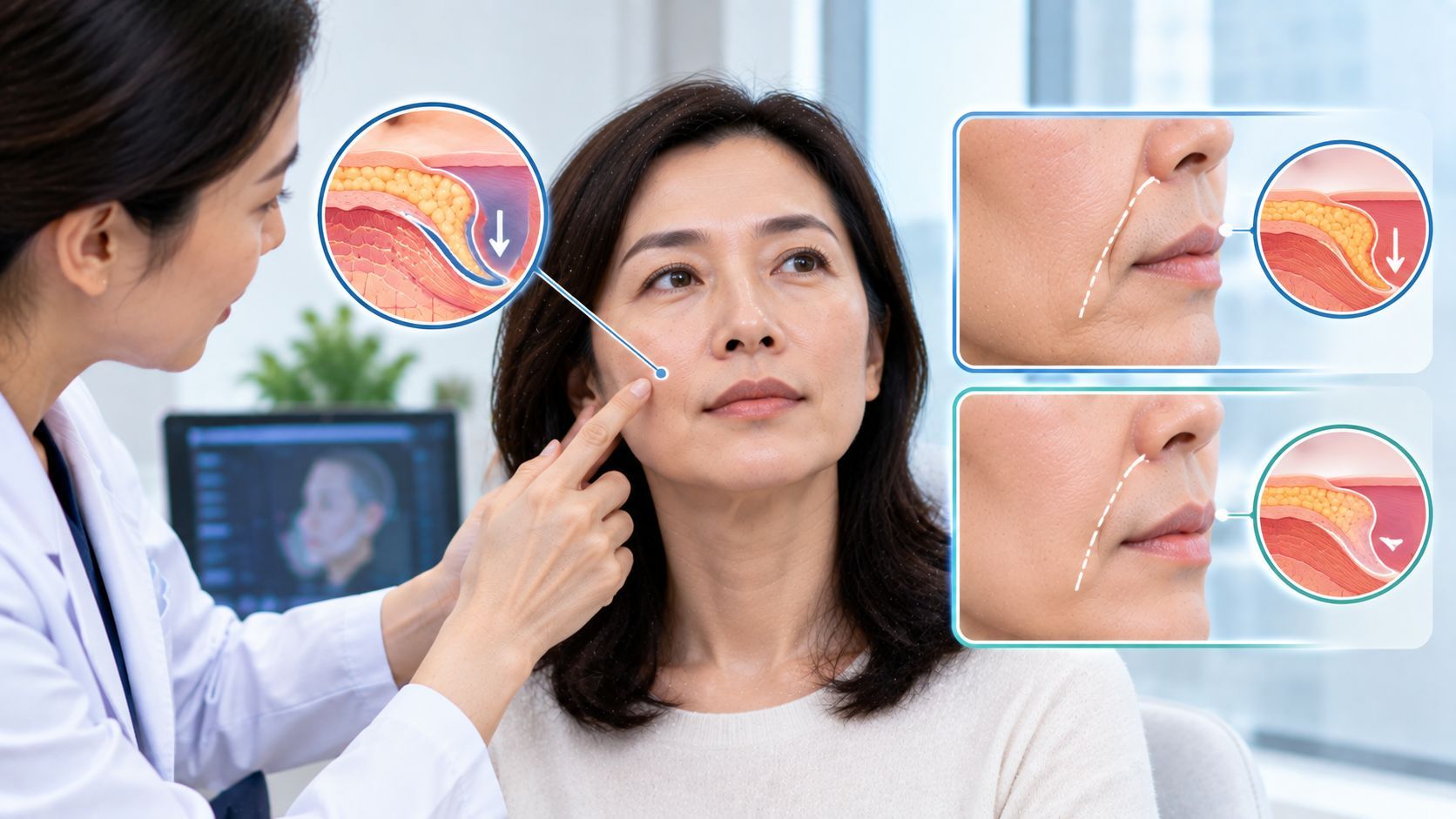
There is another important limitation: not every aging concern can be solved without changing volume or structure.
If your main concern is significant volume loss, a skin-focused procedure may improve the quality of the overlying skin but will not recreate lost fullness.
Realistic expectations are therefore essential.
Conclusion
The best treatment for a natural-looking result is not necessarily the most powerful treatment.
If you want people to say “You look good” rather than “What did you have done?”, focus on the specific changes that make you look older while preserving your natural facial identity.
That may mean improving pigmentation, texture, sun damage, fine lines, or mild laxity rather than automatically adding volume, slimming the face, or aggressively tightening the skin.
For many people, the most natural strategy is a targeted, gradual treatment plan supported by good skincare and sun protection.
The objective is not to make your face look treated.
It is to make you look like yourself on a particularly good day.
FAQs
1. What treatments give the most natural-looking anti-aging results?
There is no single treatment that is natural-looking for everyone. The best approach depends on what is making you look older. Skin-quality treatments such as skincare, targeted laser procedures, peels, or microneedling may be appropriate when the concern is primarily the skin.
2. Can I look younger without Botox or filler?
Yes. Depending on your concerns, skincare, laser or light-based treatments, chemical peels, microneedling, and selected tightening procedures may improve visible signs of aging without Botox or filler.
3. How can I avoid looking overtreated?
Focus on one or two meaningful concerns rather than trying to correct everything simultaneously. Tell your dermatologist that preserving your facial proportions and natural expression is important to you.
4. Can laser treatment make me look naturally younger?
It can improve certain forms of pigmentation, sun damage, texture, and fine lines. The result depends heavily on the type of laser, settings, skin condition, and treatment plan.
5. Should I combine several anti-aging treatments?
Sometimes combination treatment is appropriate because different procedures target different concerns. However, more procedures do not automatically mean a better result. Each treatment should have a clear purpose.
6. What should international patients prioritize when getting subtle anti-aging treatment in Korea?
Prioritize a proper consultation, clear communication about your desired appearance, realistic downtime expectations, aftercare instructions, and a plan for follow-up if you return home soon after treatment.