Why Did Jaw Botox Make My Jowls More Noticeable?
Introduction
Jaw Botox, usually referring to botulinum toxin injected into the masseter muscles, is commonly used to reduce the appearance of a bulky lower face caused partly by prominent masseter muscles. For some patients, however, the jawline can look less defined after treatment and the jowls may appear more noticeable.
This does not necessarily mean that the Botox “caused” new jowls. Reducing the size or activity of the masseter can change the proportions of the lower face. If someone already has skin laxity, volume loss or early jowling, reducing muscle bulk may make those existing features easier to see.
The solution depends on why the jowls became more visible. The appropriate response could involve observation, skin tightening, volume restoration or treatment of another underlying cause.
What Is Jaw Botox Actually Doing?
Jaw Botox is generally injected into the masseter muscles at the sides of the jaw.
When botulinum toxin reduces muscle activity, the masseter may gradually become smaller. This can produce a slimmer lower-face contour in people whose facial width is significantly influenced by muscle bulk.
The effect is therefore different from a traditional skin-tightening treatment.
Jaw Botox does not directly:
- Remove loose skin
- Lift jowls
- Replace lost facial volume
- Tighten the neck
- Reposition sagging tissue
Its primary effect is on muscle activity and, over time, muscle size.
Why Can Jowls Look More Noticeable After Jaw Botox?
The Lower Face Has Lost Some Muscle Bulk
Before treatment, a prominent masseter can create a broad, relatively firm lower-face contour.
After the muscle becomes smaller, the underlying skin and soft tissue may become more apparent.
If you already had mild laxity, the new contour may make that laxity easier to notice.
This can create the impression that Botox created the jowls when it may instead have changed the balance between muscle volume and overlying soft tissue.
You May Already Have Mild Skin Laxity
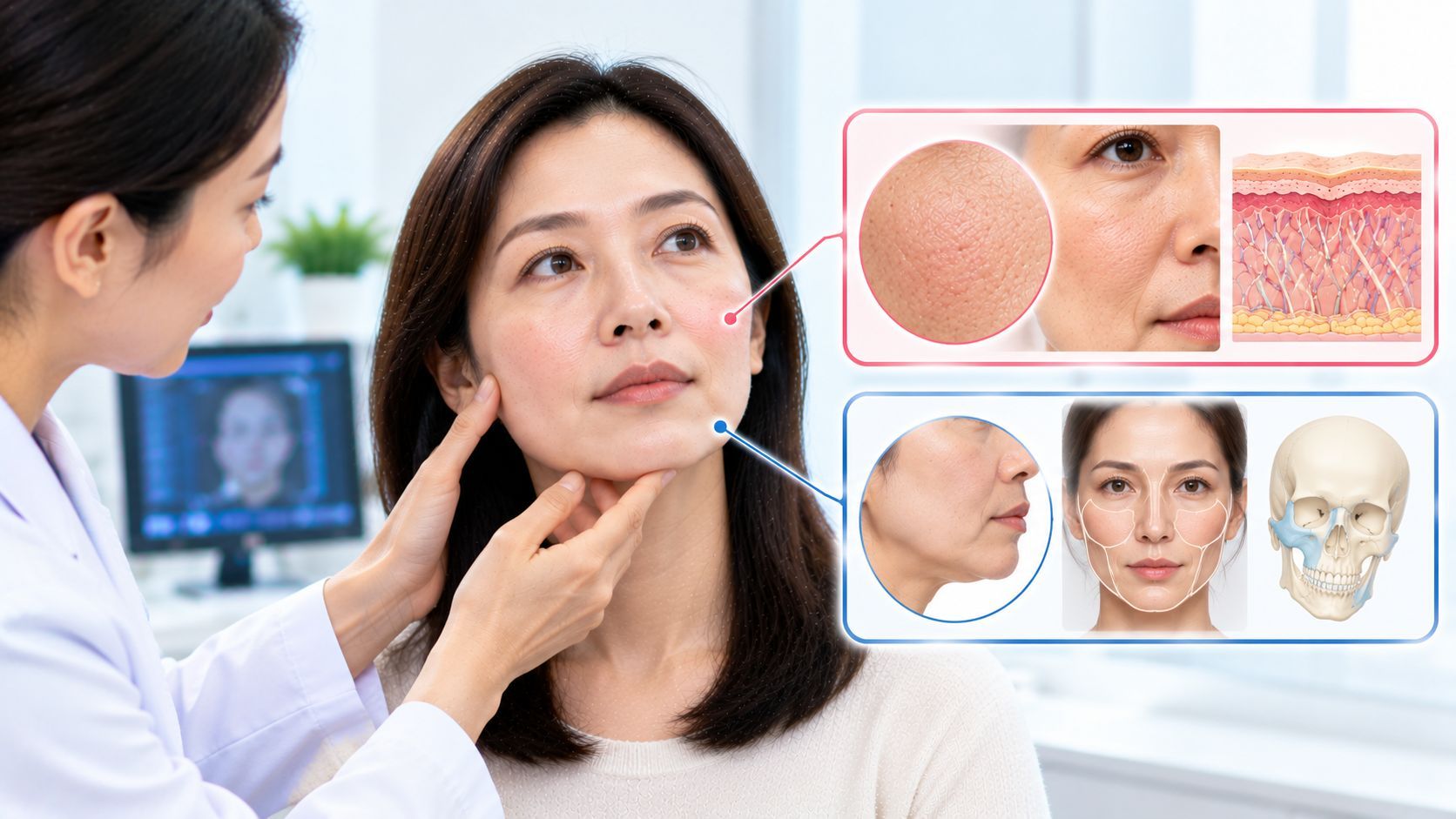
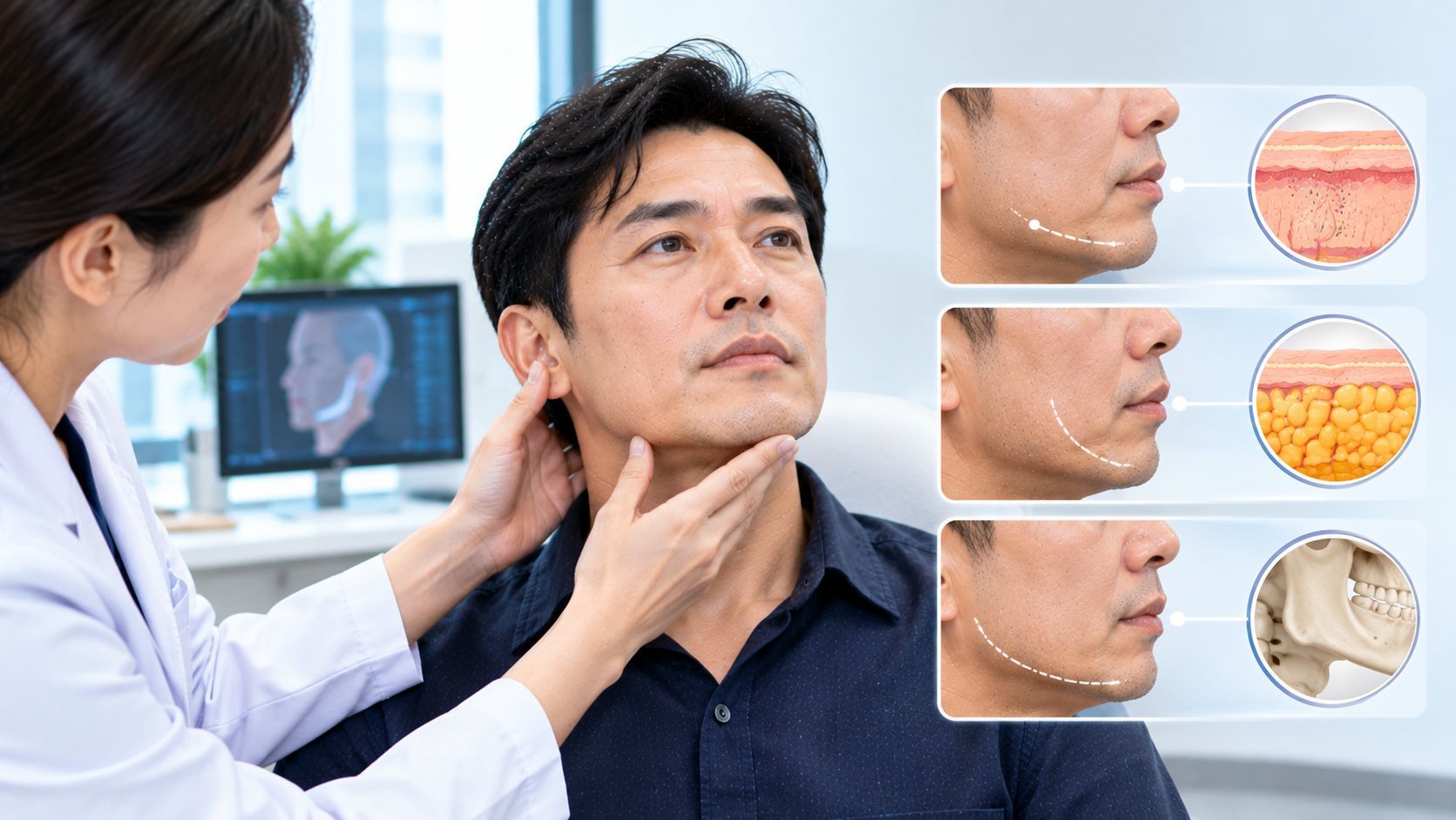
Jowls are influenced by several structures, including:
- Skin elasticity
- Facial fat compartments
- Ligaments
- Muscles
- Bone structure
- Submental and neck tissues
A masseter reduction cannot correct laxity in these other structures.
Therefore, someone with early jowling may notice it more after the masseter becomes smaller.
Facial Volume Loss Can Contribute
Age-related volume loss can change the lower-face contour.
Weight loss can have a similar effect.
If you lost weight around the time of your jaw Botox treatment, the combination may make the jowls more apparent.
This is especially relevant in people with naturally thin faces.
Is Jaw Botox Permanently Responsible for the Jowls?
Not necessarily.
The appearance may change as the Botox effect gradually decreases and masseter activity returns.
However, the duration varies between patients, and repeated treatments can produce longer-term changes in muscle size.
If the jowls remain a concern, it is better to have the face reassessed rather than assuming that another Botox treatment will correct the problem.
How Can You Tell What Is Causing the Jowls?
Look at Your Face From Multiple Angles
A frontal photograph may show a slimmer face, while a three-quarter or side view may reveal more laxity.
Compare photographs taken:
- Before Botox
- Several weeks after treatment
- At the current stage
Use similar lighting, camera distance and facial expression.
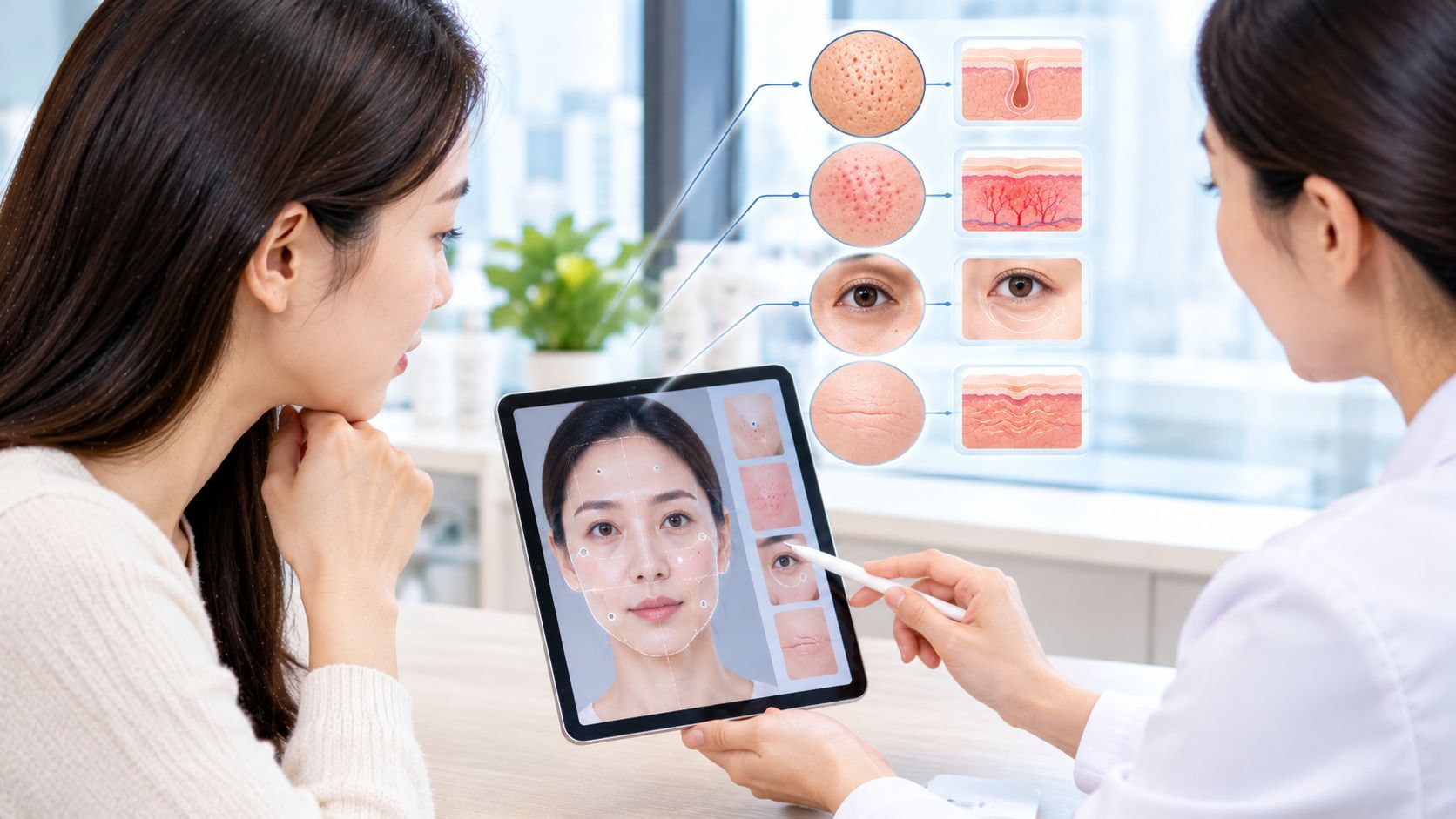
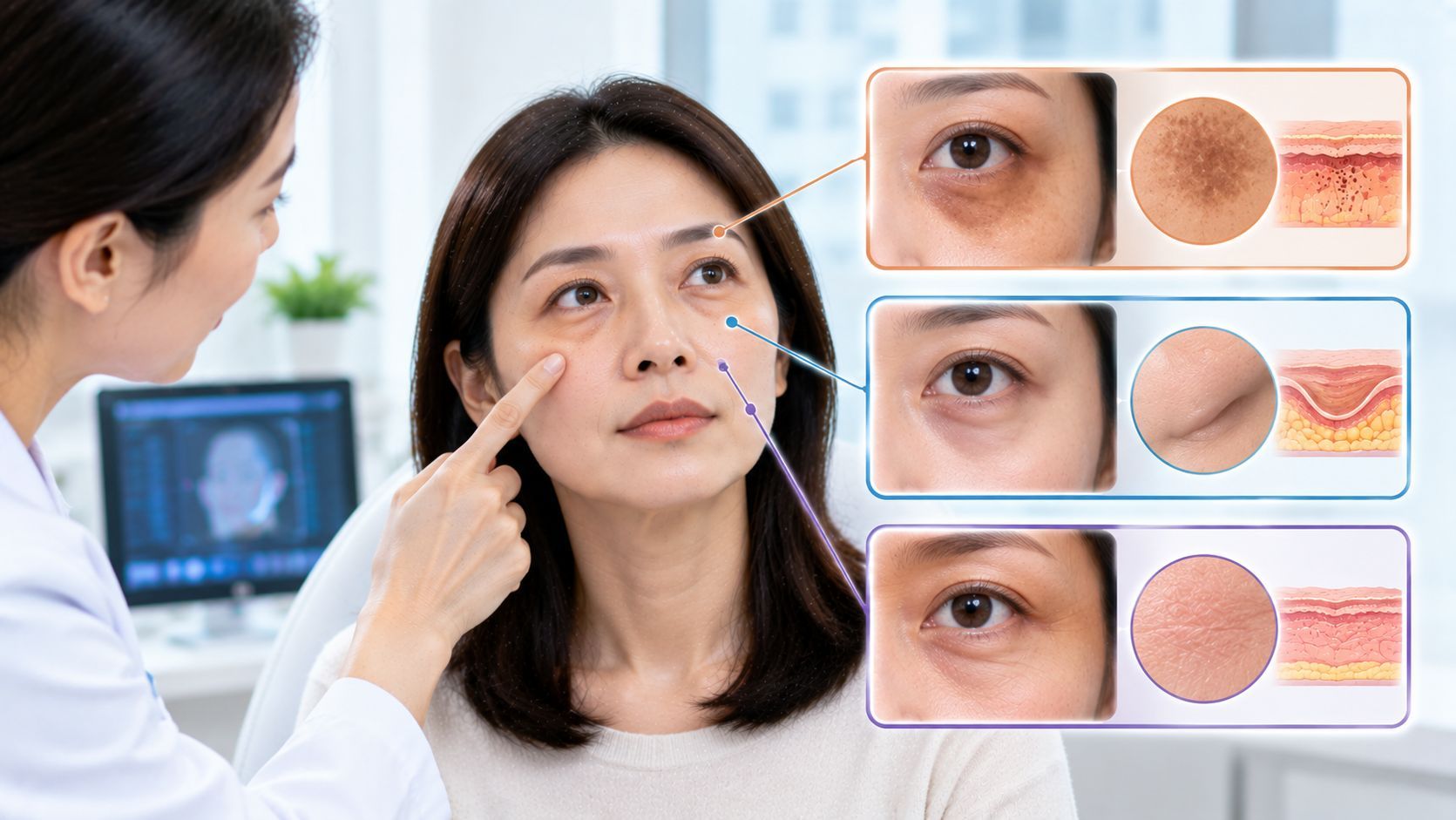
Check Whether the Problem Is Muscle, Skin or Volume
A physician can evaluate whether the dominant change involves:
Muscle: Reduced masseter bulk.
Skin: Increased visibility of lax or crepey tissue.
Volume: Loss of cheek or lower-face fullness.
Combination: More than one of these factors.
This distinction determines what treatment category makes sense.
What Can Help If Jaw Botox Made Jowls More Noticeable?
1. Observation
If the treatment was recent and there are no concerning symptoms, observation may be reasonable.
Botulinum toxin effects are not permanent. Muscle activity generally returns gradually as the medication's effect wears off.
However, the exact timeline varies according to the product, dose, injection pattern and individual response.
2. Skin Tightening
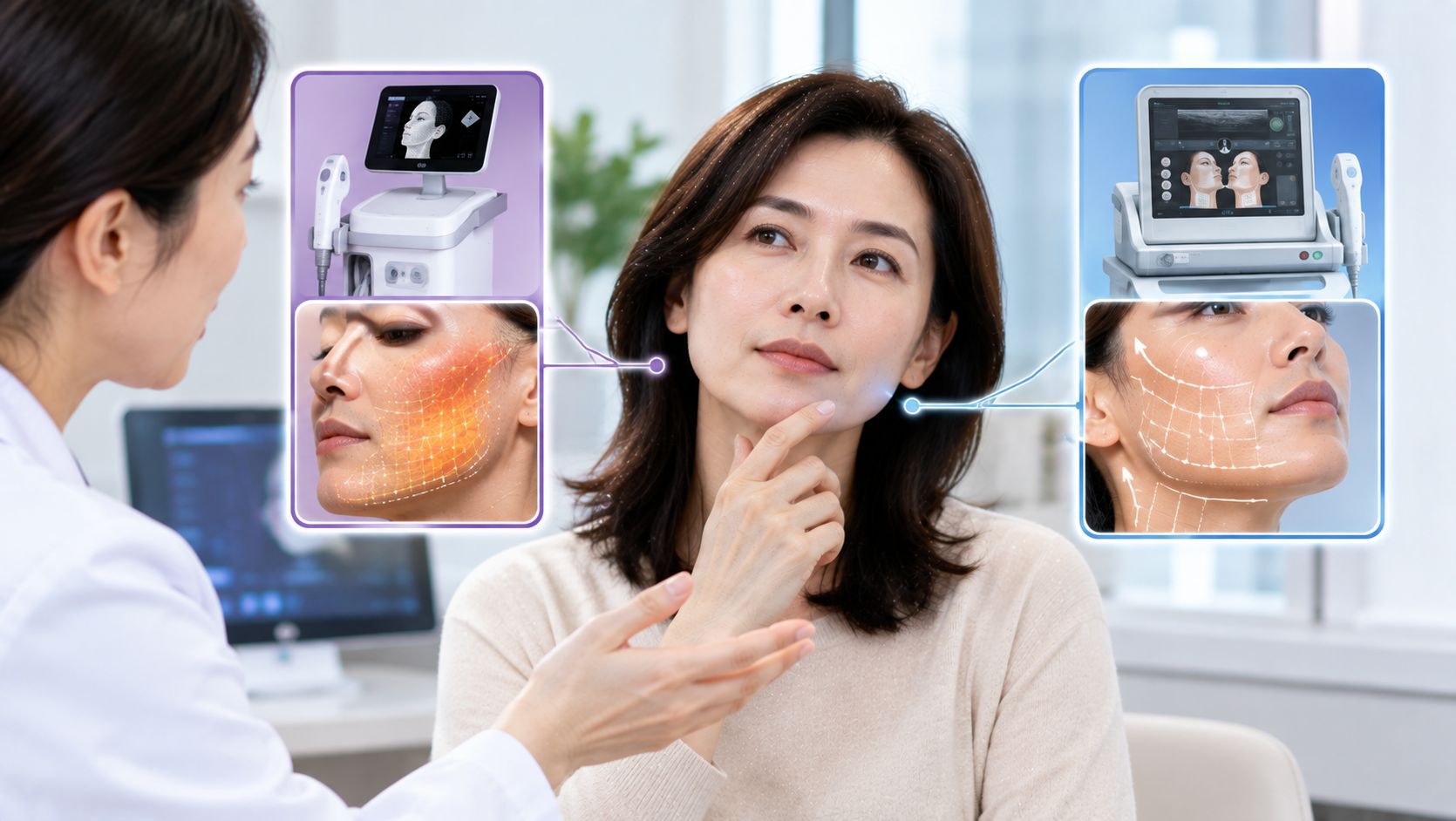
If the main problem is mild-to-moderate skin laxity, a dermatologist may discuss a tightening treatment.
Possible options include:
- RF skin tightening
- Microfocused ultrasound/HIFU
- Other physician-selected energy-based treatments
The American Academy of Dermatology notes that non-invasive skin tightening tends to be most useful when there is a limited amount of sagging skin. Results are generally gradual rather than immediate.
No tightening procedure should be selected automatically. The patient's facial thickness and existing volume should be considered.
3. RF Microneedling
RF microneedling combines microneedling with radiofrequency energy.
It may be considered when laxity is accompanied by:
- Fine lines
- Uneven texture
- Crepey skin
- Enlarged-looking pores
However, treatment parameters need to be individualized, particularly when the face is already lean.
4. Volume Restoration
If the apparent jowling is actually related to volume loss, carefully selected filler or another volumizing approach may be discussed.
For example, restoring support in an appropriate area of the cheek can sometimes improve overall facial proportions.
This does not mean that the jowl itself should automatically be filled.
The physician should first determine where volume has been lost and whether restoration would improve the overall contour.
Could Filler Make the Jowls Worse?
It can, depending on where and how much is injected.
Adding excessive filler directly into the lower face may make the area look heavier rather than lifted.
A good consultation should consider:
- Cheek volume
- Midface support
- Jawline
- Chin projection
- Lower-face width
- Skin laxity
The objective is to restore facial balance rather than simply add volume to every area that looks less defined.
What About Rejuran or Skin Boosters?
These treatments may be relevant when skin quality is the concern.
Rejuran
Rejuran and other polynucleotide-based treatments are generally used for skin-quality concerns such as texture, fine lines and elasticity.
They are not designed to reduce established jowls caused by substantial structural laxity.
Skin Boosters
Skin boosters may help selected patients with dryness or skin quality, but they should not be considered a direct lifting procedure.
If the main problem is true jowl formation, a skin booster alone may not produce a significant contour change.
What If the Jowls Are Severe?
If there is substantial excess skin or pronounced tissue descent, non-surgical procedures may have limited ability to produce the desired result.
A surgical consultation may be appropriate when there is:
- Significant excess skin
- Pronounced jowling
- Major neck laxity
- Substantial tissue descent
A facelift or neck-lifting procedure is fundamentally different from masseter Botox and should be evaluated separately.
Should I Get More Jaw Botox?
If your concern is that your jowls have become more noticeable, additional masseter Botox should not automatically be the next step.
More masseter reduction could potentially make a muscle-related slimming effect more pronounced.
Instead, ask your doctor:
“Is the jowl primarily caused by skin laxity, volume loss, or the change in masseter size?”
That question helps shift the discussion from simply doing more treatment to identifying the actual cause.
What If I Have a Naturally Thin Face?
Extra caution is appropriate.
Someone with a naturally narrow or thin face may not have much masseter bulk to reduce without changing facial proportions.
Before jaw Botox, discuss whether the treatment is likely to produce the degree of slimming you actually want.
A slimmer jaw is not necessarily the same thing as a more youthful jawline.
What If I Am an International Patient in Seoul?
If you had jaw Botox in Seoul and subsequently noticed more prominent jowls, keep your treatment information.
Ask the clinic for:
- Product name
- Dose
- Injection sites
- Treatment date
- Before-treatment photographs
- Follow-up information
If you seek a second opinion, provide these details to the new doctor.
Do not simply request “jowl lifting.” The physician should first determine what changed after the masseter treatment.
When Should You Contact a Doctor?
Seek medical assessment if you develop unusual or persistent symptoms such as:
- Significant facial asymmetry
- Difficulty chewing
- Difficulty swallowing
- Unusual muscle weakness
- Persistent pain
- Significant swelling
- Unexpected facial movement changes
These symptoms should be evaluated rather than assumed to be a normal cosmetic effect.
How Can You Reduce the Risk Before Future Jaw Botox?
Before treatment, ask your provider to assess the relationship between your masseter muscles, facial volume and skin laxity.
Important questions include:
- Is my masseter actually the main cause of facial width?
- Do I already have early jowling?
- Could reducing the masseter make laxity more visible?
- How much slimming is realistically expected?
- What dose is being planned?
- Would treating both sides equally be appropriate?
- What alternatives could address my actual concern?
Taking photographs before treatment can also make later comparisons much more reliable.
Conclusion
If jaw Botox made your jowls look more noticeable, the treatment may have changed the balance of your lower-face proportions rather than simply creating new loose skin.
Reducing masseter muscle size can make pre-existing laxity or volume loss more visible in some patients. The appearance may also change as the Botox effect develops and later wears off.
The appropriate response depends on the cause. Observation may be sufficient in some cases. If genuine laxity is present, RF, HIFU or another appropriate tightening treatment may be considered. If volume loss is contributing, carefully planned volume restoration may be more relevant.
The key is to avoid automatically repeating masseter Botox or adding filler without first determining whether the problem is muscle, skin, volume or a combination of these.
FAQs
Can jaw Botox cause jowls?
Jaw Botox reduces masseter muscle activity and size. In some patients, this change can make existing skin laxity or volume loss more noticeable, creating the appearance of more prominent jowls.
Will jowls improve when jaw Botox wears off?
They may change as masseter muscle activity gradually returns, but the outcome varies. Existing age-related laxity or volume loss will not necessarily disappear when the Botox effect wears off.
Should I get filler for jowls after masseter Botox?
Only if a medical assessment identifies volume loss that could appropriately be restored. Filling the jowl area automatically can sometimes make the lower face appear heavier.
Can HIFU fix jowls after jaw Botox?
HIFU may be considered for selected mild-to-moderate laxity, but suitability depends on facial anatomy and tissue thickness. It should not be assumed to be the appropriate correction for every post-Botox jowl concern.
Can Rejuran remove jowls?
Rejuran is primarily a skin-quality treatment. It may help selected concerns such as texture and fine lines but is not designed to remove substantial jowling or excess skin.
Should I stop getting masseter Botox if I developed jowls?
Discuss the change with your treating physician before another treatment. If reducing the masseter has made your preferred facial proportions less satisfactory, the treatment plan may need to be reconsidered.