Juvelook Gave Me Small Lumps. Will They Disappear?
Introduction
Small lumps after Juvelook can be concerning, particularly when the skin initially looks uneven or you can feel firm areas underneath the skin. Some temporary swelling or small injection-site irregularities can settle as the tissue recovers, but a persistent or newly developing nodule should not automatically be assumed to be normal.
Juvelook is a PDLLA-HA injectable that combines poly-D,L-lactic acid with hyaluronic acid. Its intended effects include immediate hydration or volume-related changes from HA and longer-term collagen stimulation from PDLLA. Because the product contains particulate material and is injected into tissue, nodular reactions are a recognized potential complication. A published case report specifically described firm, non-inflammatory nodules developing three weeks after Juvelook treatment in the tear-trough area.
The important issue is what the lumps feel like, when they appeared, whether they are improving, and whether there are signs of inflammation or another complication.
Why Can Juvelook Cause Small Lumps?
Injection itself can create temporary irregularities
Juvelook is injected into the skin or tissue at multiple points. Immediately afterward, localized swelling can make the treatment area feel uneven.
Small raised areas may therefore represent:
- Temporary swelling
- Localized injection-site inflammation
- Product distribution immediately after treatment
- Bruising or tissue irritation
These changes can become less noticeable as the initial reaction settles.
The PDLLA component behaves differently from ordinary HA filler
Juvelook is not simply a conventional hyaluronic-acid filler.
The PDLLA component is intended to stimulate collagen production over time, while the HA component provides an additional immediate effect. Recent clinical research describes PDLLA-HA as a biostimulatory injectable and reports gradual improvement over a treatment course rather than an instant final result.
Because PDLLA is particulate, however, localized accumulation or a nodular reaction can occur.
Will Small Juvelook Lumps Disappear?
They may, but you should not assume that every lump will disappear on its own.
The timing is important.
Lumps that appear immediately
If small bumps appear immediately after treatment and are soft or mildly swollen, they may be related to temporary injection-site swelling.
Gradual flattening is reassuring.
Lumps that appear weeks later
A new firm nodule appearing several weeks after treatment deserves more attention.
A published case report described a patient who developed firm, non-inflammatory nodules three weeks after Juvelook injections in the tear trough area. The nodules were not associated with redness or tenderness.
This demonstrates why delayed lumps should not automatically be dismissed as ordinary post-treatment swelling.
What Does a Concerning Juvelook Nodule Look Like?
A clinician may be more concerned when a lump is:
- Firm and persistent
- Clearly localized
- Increasing in size
- Appearing after the initial swelling has disappeared
- Associated with redness
- Tender or painful
- Warm to the touch
- Accompanied by significant swelling
- Associated with skin discoloration
However, appearance alone cannot establish the cause.
Different types of filler and biostimulator nodules can have different clinical and ultrasound characteristics. Recent research has found that PDLLA nodules can have characteristic ultrasound appearances, suggesting that imaging may sometimes help determine what is present beneath the skin.
Could It Be a Normal Reaction Instead of a Complication?
Yes.
A small, non-painful bump that is gradually becoming less noticeable may simply be part of the recovery process.
The key is the trend.
Ask yourself:
Is it getting smaller?
Is the surrounding skin becoming less swollen?
Is there no increasing redness or pain?
Is the overall area gradually becoming smoother?
If the answer is yes, continued observation according to your clinic's instructions may be appropriate.
If the opposite is happening, contact your treating clinician.
Should I Massage a Juvelook Lump?
Do not aggressively massage or squeeze a lump without instructions from the clinician who performed the treatment.
This is particularly important because Juvelook contains PDLLA particles. The appropriate management of a persistent nodule depends on what is actually causing it.
Your clinician may want to determine whether the problem represents:
- Residual swelling
- Product aggregation
- A delayed nodular reaction
- Inflammation
- Infection
- Another type of tissue response
Trying to force the lump flat at home could increase irritation and make the situation more difficult to evaluate.
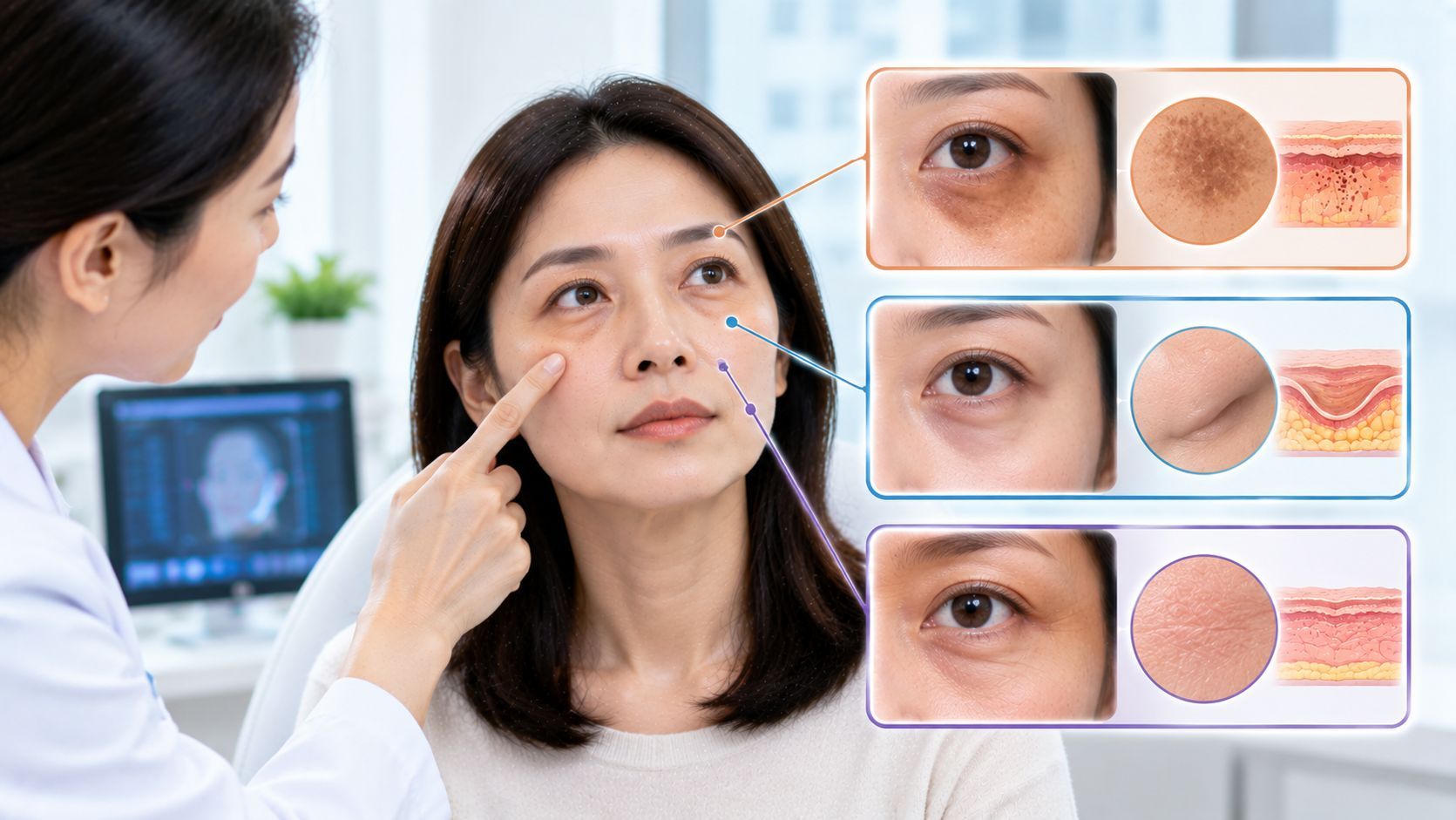
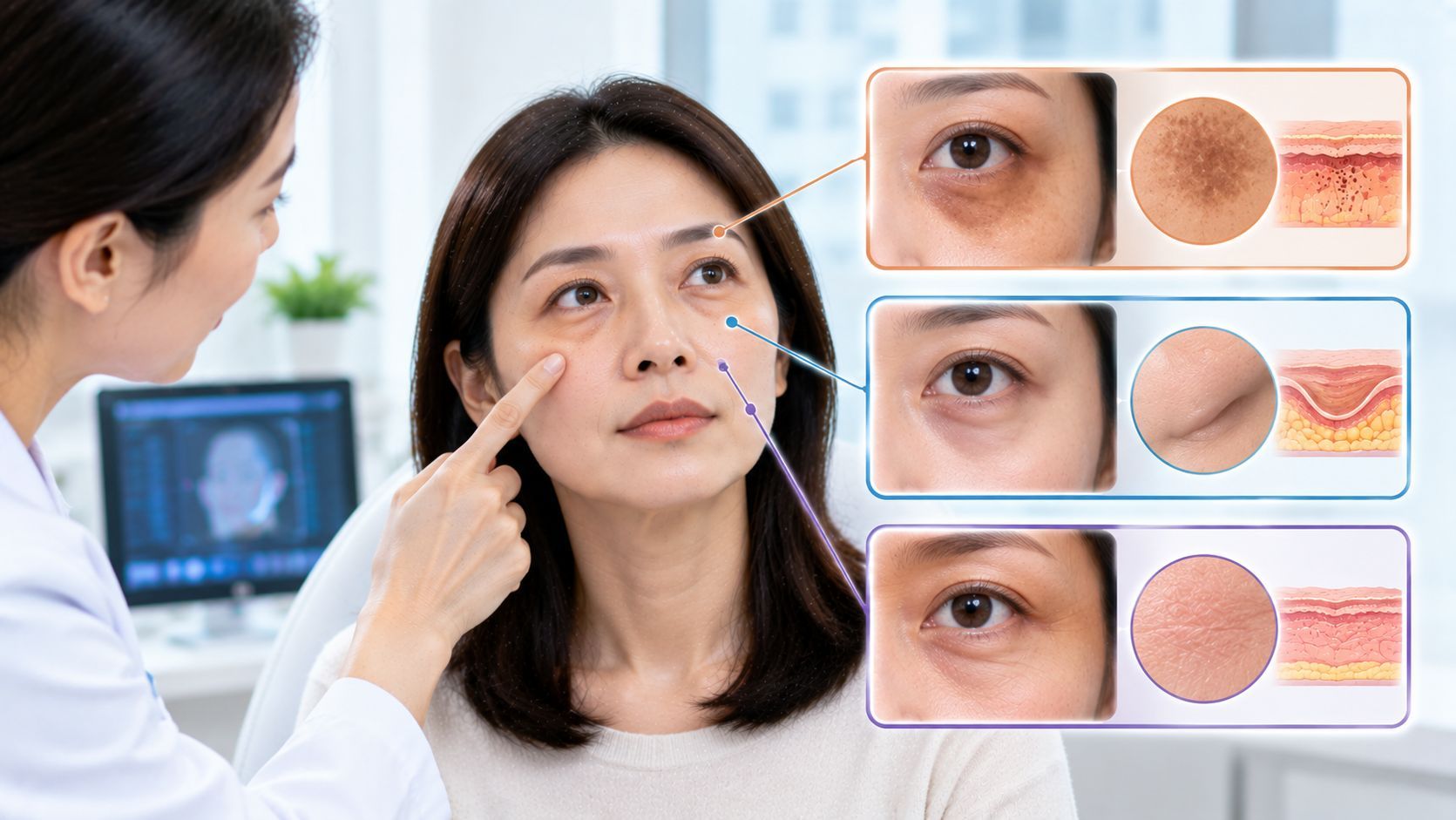
What If the Lump Is Under My Eye?
Under-eye Juvelook requires particular care because the skin is thin and the anatomy is complex.
Even a relatively small nodule or amount of swelling can be highly visible.
The published Juvelook nodule case involved the tear-trough area, demonstrating that delayed nodular reactions can occur in this region.
If you develop a persistent under-eye lump, it is better to have the area examined rather than repeatedly pressing or massaging it.
Can Juvelook Nodules Be Treated?
Management depends on the cause.
There is no single treatment that should be used for every Juvelook lump.
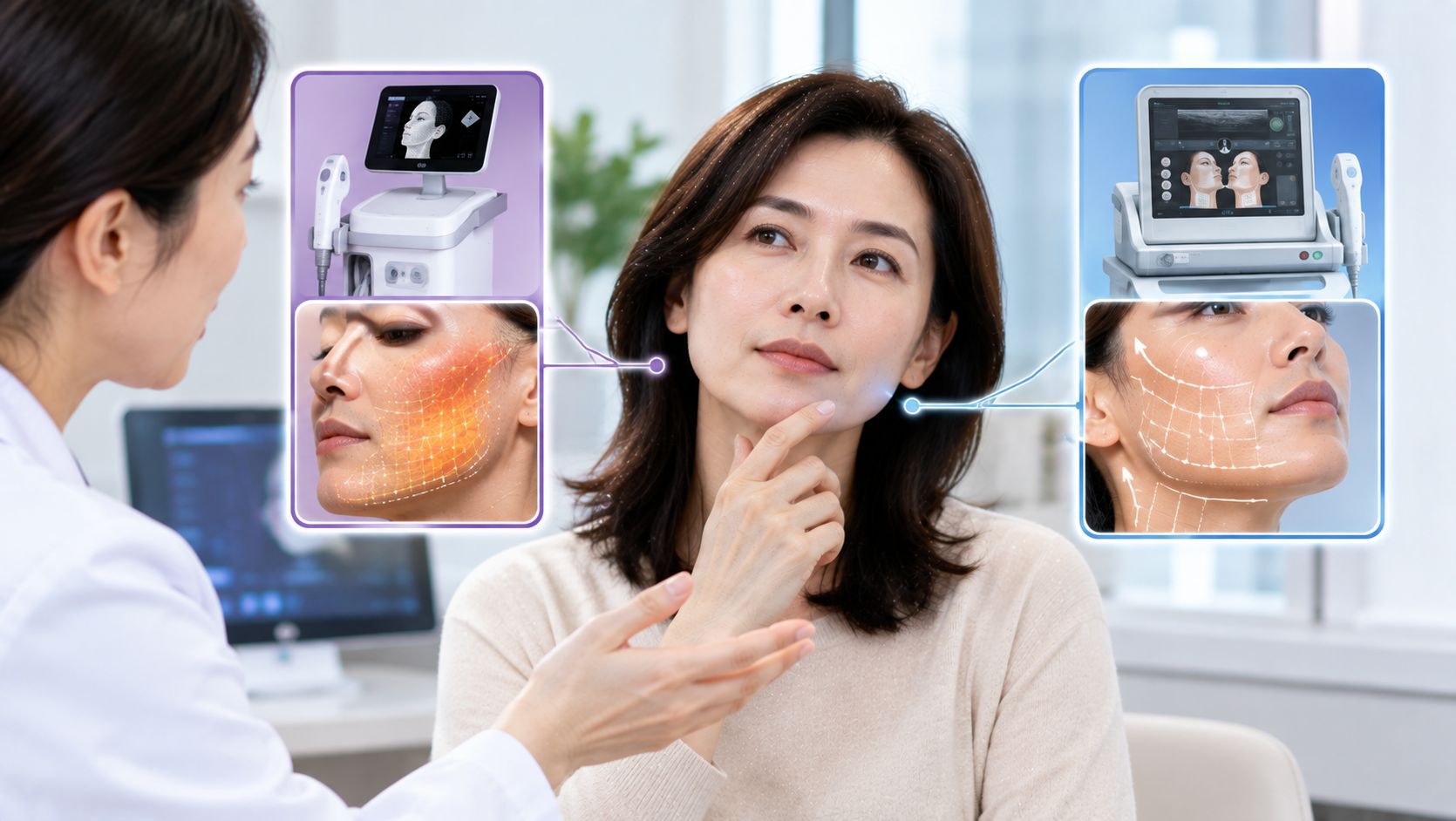
For example, a documented case of a firm, non-inflammatory Juvelook nodule was treated with a monopolar radiofrequency device, with the nodule resolving within 24 hours in that individual case. However, this was a single case report, and it should not be interpreted as proof that RF is appropriate for every Juvelook nodule.
Other types of biostimulator complications may require completely different approaches.
A broader study of collagen-biostimulator complications found that nodules were the most common reported clinical presentation among the cases analyzed, but treatment varied according to the product and complication. The authors also noted that hyaluronidase is useful when HA is involved, rather than as a universal treatment for non-HA biostimulator material.
This is why identifying the exact product is important.
Can Hyaluronidase Dissolve Juvelook?
Do not assume that Juvelook can be treated like a standard HA filler.
Although Juvelook contains HA, its formulation also contains PDLLA. Hyaluronidase breaks down hyaluronic acid, but it does not simply dissolve the PDLLA component in the same way.
Therefore, if someone tells you that a Juvelook lump can automatically be “dissolved with hyaluronidase,” the situation deserves clarification.
A clinician should determine which component is responsible for the lump before selecting treatment.
What If the Lumps Are Not Painful?
A painless lump is not necessarily harmless, but the absence of pain and redness can be reassuring in some circumstances.
The previously reported Juvelook case involved firm nodules without erythema or tenderness.
Nevertheless, persistent painless nodules can still require assessment.
If the lump remains unchanged for an extended period, becomes more prominent, or interferes with the appearance of the face, contact your treating clinic.
What If the Lumps Are Red and Painful?
This deserves greater attention.
Increasing redness, warmth, tenderness, swelling, or drainage may indicate inflammation or infection rather than a simple cosmetic irregularity.
Contact your treating clinic promptly if these symptoms develop.
Seek urgent medical assessment for severe or rapidly worsening symptoms.
What Should You Do While Waiting for Assessment?
Until you receive individualized advice:
- Avoid squeezing the lump.
- Avoid aggressive facial massage.
- Avoid repeatedly pressing the area.
- Follow the clinic's prescribed aftercare.
- Use gentle skincare.
- Protect the skin from excessive sun exposure.
- Keep photographs of the area so you can monitor changes.
Take photographs in consistent lighting so that you can determine whether the lump is actually changing.
Should You Have Another Juvelook Session?
If you still have unexplained lumps, do not automatically proceed with another session.
Before another treatment, ask the clinic to determine:
- What caused the lumps?
- Are they improving?
- Are they inflammatory or non-inflammatory?
- Is the product still present in the area?
- Does the treatment plan need to be modified?
- Would another injection increase the problem?
Recent clinical studies of Juvelook have generally used multiple treatment sessions with defined intervals, but these protocols do not mean every patient should receive another session regardless of their reaction.
For International Patients Having Juvelook in Seoul
If you are traveling to Seoul for Juvelook, keep a detailed record of the treatment.
Ask the clinic for:
- Exact product name
- Product formulation
- Treatment date
- Amount used
- Injection areas
- Injection technique, if documented
- Before-treatment photographs
- Aftercare instructions
- Recommended follow-up date
This becomes especially useful if you notice lumps after returning home.
If another dermatologist needs to evaluate you, knowing that the injected product was PDLLA-HA rather than a conventional HA filler can influence the assessment and treatment approach.
When Should You Contact the Clinic?
Contact your treating clinic if a lump:
- Is getting larger
- Becomes increasingly painful
- Becomes red or warm
- Causes significant swelling
- Develops drainage
- Persists without improvement
- Appears weeks after treatment
- Creates significant asymmetry
Urgent assessment is appropriate if you develop severe pain, major skin discoloration, vision changes, or other serious symptoms following an injectable procedure. Rare but severe vascular complications can occur with injectable products, including PDLLA-HA.
Conclusion
If Juvelook gave you small lumps, some temporary bumps may settle as swelling and injection-site inflammation resolve, but persistent or delayed nodules should be evaluated rather than automatically ignored.
Juvelook contains both PDLLA and HA, so it should not be treated exactly like a conventional HA filler. Published evidence includes reports of delayed, firm Juvelook nodules, while recent clinical studies also demonstrate that the product can be used safely in appropriately selected patients.
Watch the direction of change, avoid aggressive manipulation, and contact your treating clinic if the lumps persist, worsen, become painful, or develop redness or warmth.
For international patients in Seoul, keeping complete treatment records is especially useful if the lumps need assessment after returning home.
Frequently Asked Questions
Are small lumps normal after Juvelook?
Small temporary bumps can occur after injections, particularly during the early recovery period. However, persistent or delayed firm nodules should be assessed by the treating clinician.
How long do Juvelook lumps take to disappear?
There is no universal timeline. Early swelling may settle relatively quickly, while a true nodule can persist much longer and may require treatment.
Can I massage Juvelook lumps away?
Do not aggressively massage or squeeze them unless your treating clinician specifically instructs you to do so. The appropriate management depends on the cause of the lump.
Can hyaluronidase dissolve Juvelook lumps?
Not necessarily. Juvelook contains both HA and PDLLA, and hyaluronidase targets HA rather than acting as a general dissolving agent for PDLLA.
Can Juvelook cause delayed nodules?
Yes. A published case report documented firm, non-inflammatory nodules appearing three weeks after Juvelook treatment in the tear-trough area.
When should I worry about a Juvelook lump?
Increasing pain, redness, warmth, swelling, drainage, significant discoloration, rapid enlargement, or persistent nodules should prompt contact with your treating clinic.