My Acne Scars Look Worse Under Certain Lighting After Treatment. Why?
Introduction
If your acne scars look much deeper under bathroom lighting, sunlight, side lighting, or photographs than they do in normal indoor light, this does not necessarily mean your treatment made the scars worse. Lighting can dramatically change how shadows fall across uneven skin, making depressed scars, pores, and texture appear more pronounced.
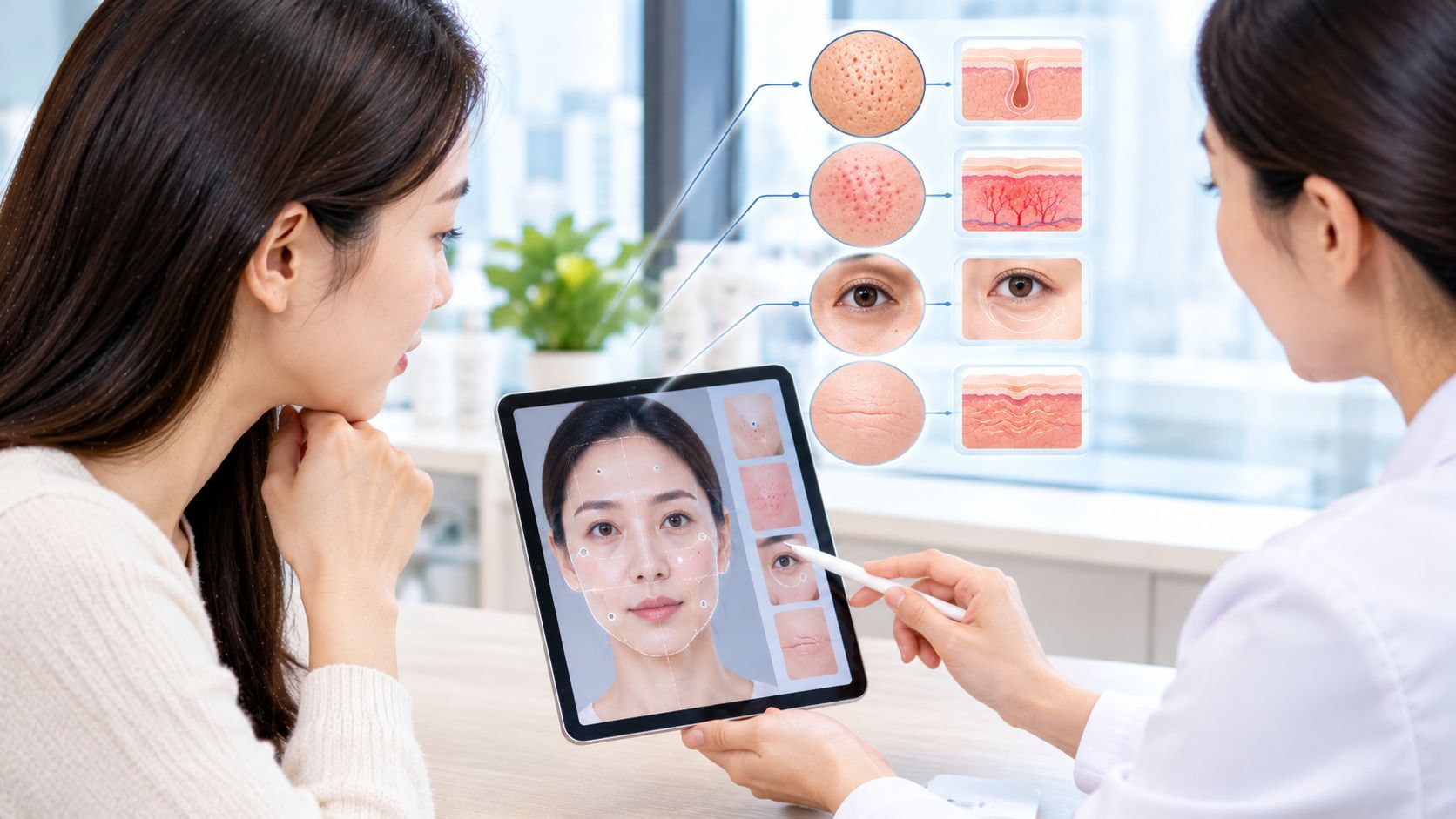
However, if the scars genuinely seem deeper or more uneven in standardized photographs after treatment, there may be a real change in skin texture, pigmentation, swelling, or scar visibility. Acne scars are three-dimensional problems, and different scar types respond differently to treatment. Dermatology guidance emphasizes identifying the specific scar type before choosing a procedure.
For patients visiting Seoul for acne-scar treatment, the key is to distinguish a lighting effect from an actual treatment-related change before deciding that the procedure failed.
Why Do Acne Scars Look Worse Under Certain Lighting?
Directional Light Creates Stronger Shadows
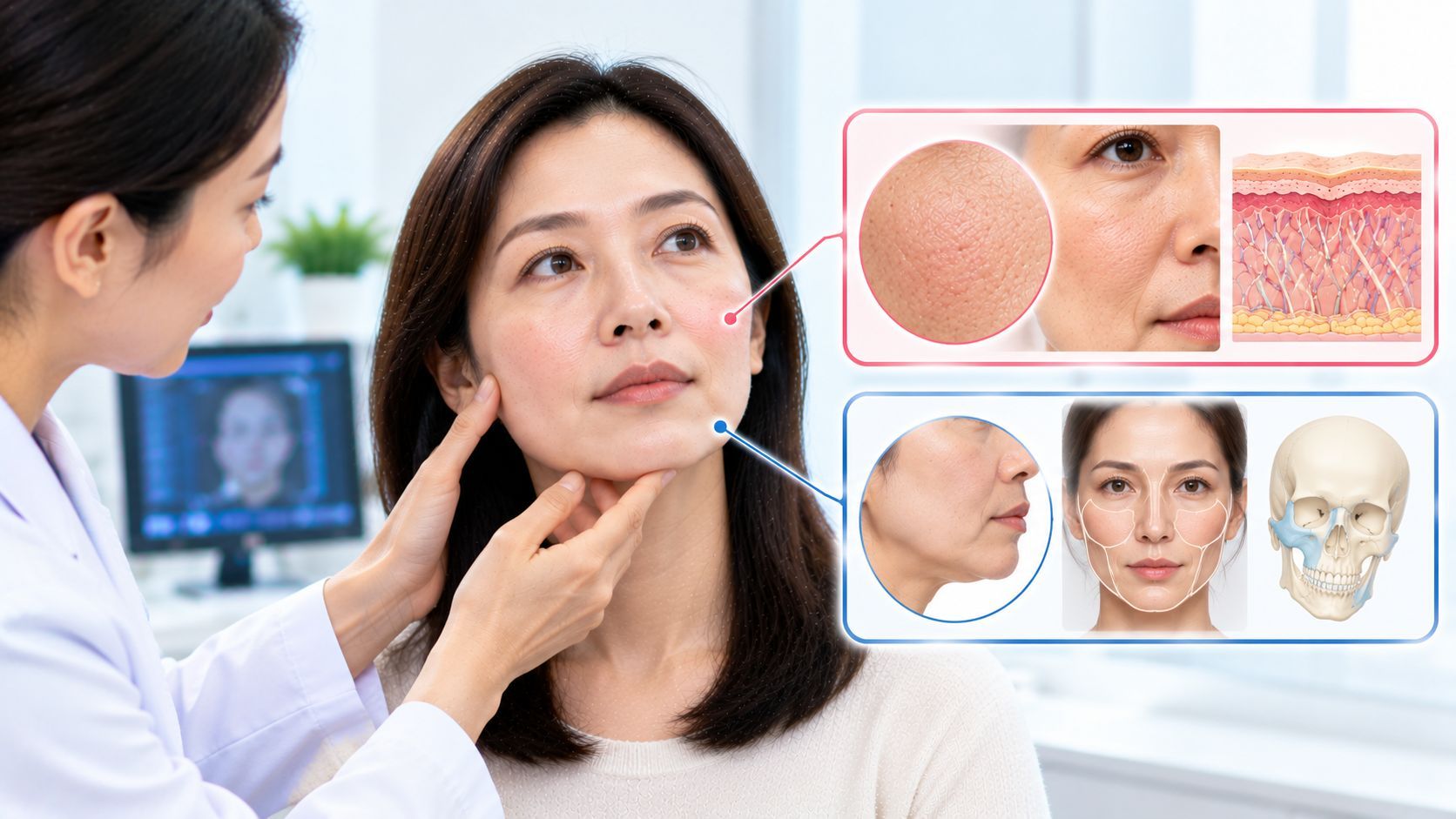
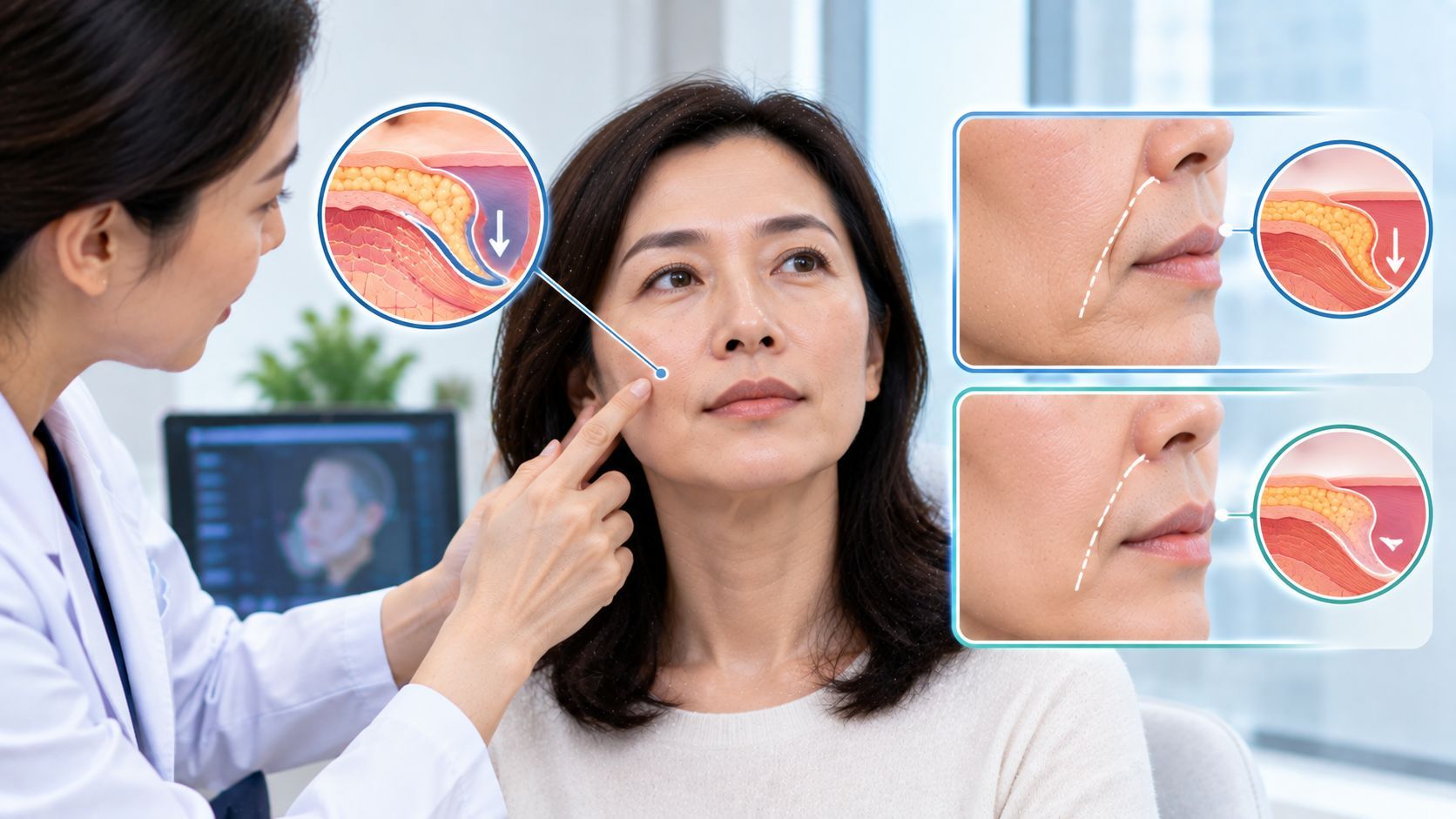
Depressed acne scars create small changes in the skin's surface. When light comes directly from above or from the side, those depressions can cast shadows.
This can make:
- Rolling scars look deeper
- Boxcar scars appear more sharply defined
- Enlarged pores look larger
- Fine textural irregularities become more obvious
- Mild unevenness look much more dramatic
A face can therefore look relatively smooth in soft, diffuse lighting but significantly more textured under a strong overhead or side light.
This is one reason before-and-after photographs should ideally use similar lighting, camera position, distance, and facial expression.
Your Skin May Be Temporarily Different During Recovery
After procedures such as fractional laser, RF microneedling, microneedling, chemical peels, or other resurfacing treatments, temporary redness, swelling, dryness, crusting, and changes in surface texture can affect how scars appear.
Early photographs can therefore be misleading.
A scar may temporarily look sharper because surrounding skin is swollen or dry. Conversely, swelling can sometimes temporarily make a depressed scar appear less noticeable.
That means judging the final outcome immediately after treatment is usually premature.
Could the Treatment Actually Have Made My Acne Scars Worse?
It is possible for a treatment to produce an unwanted skin change, but the appearance of scars under one type of lighting is not enough to establish that this happened.
Several possibilities should be considered.
Post-Treatment Inflammation
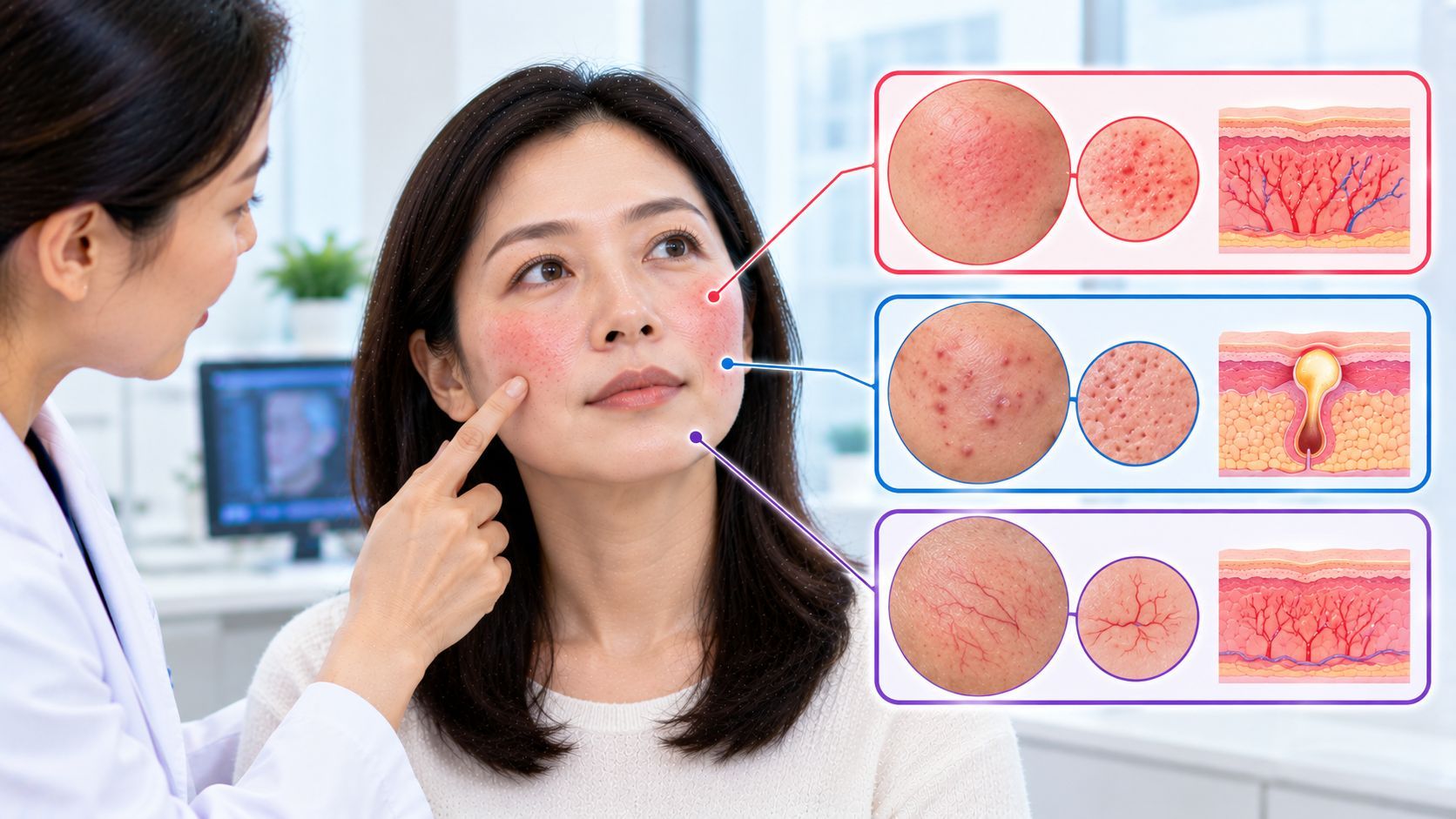
Inflammation can temporarily alter skin texture and light reflection. Depending on the procedure, redness and swelling may last for days or longer.
Dryness and Surface Roughness
During recovery, the skin can become dry or flaky. Small areas of surface roughness may catch light differently and make existing scars appear more obvious.
Post-Inflammatory Pigmentation
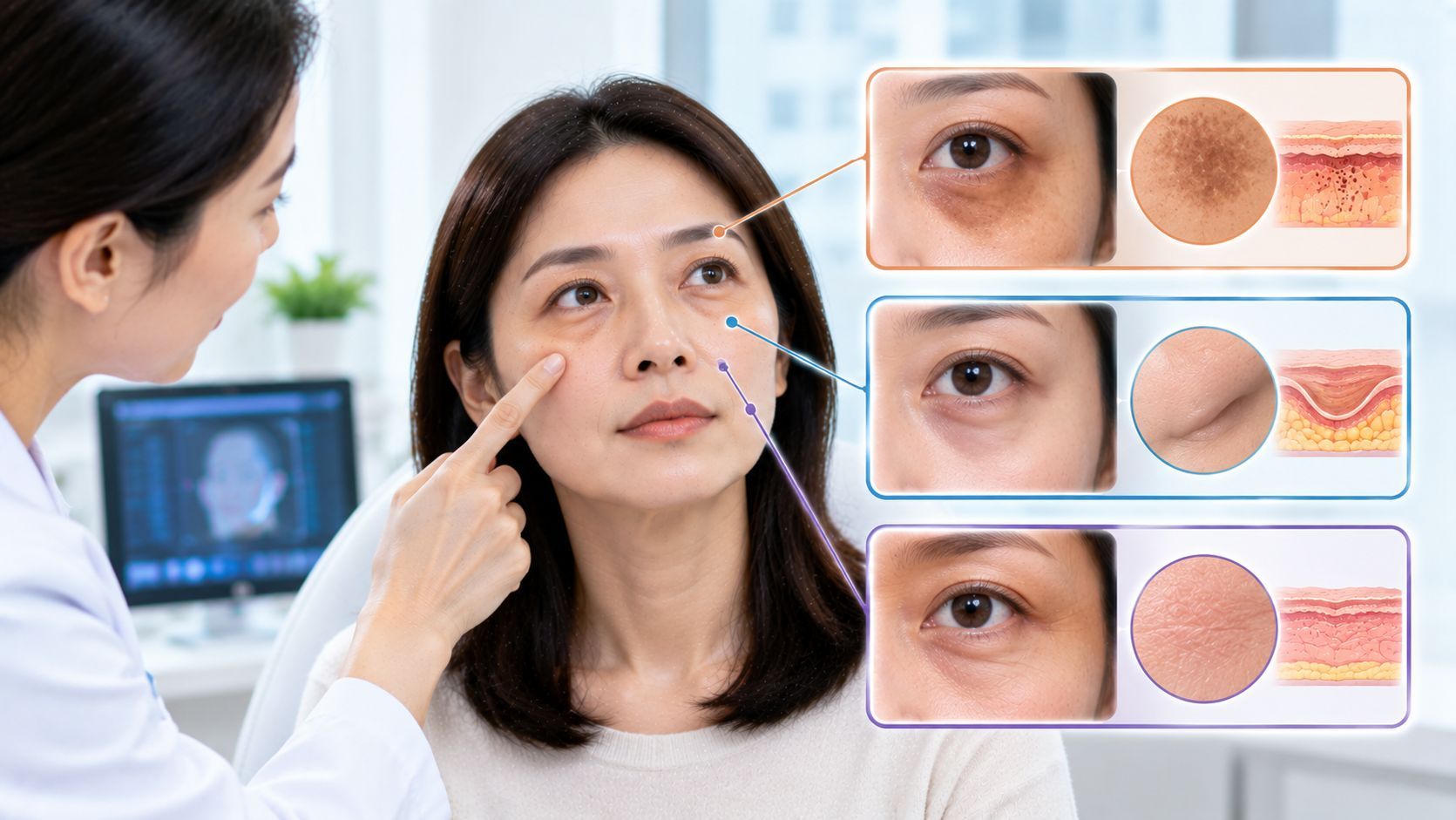
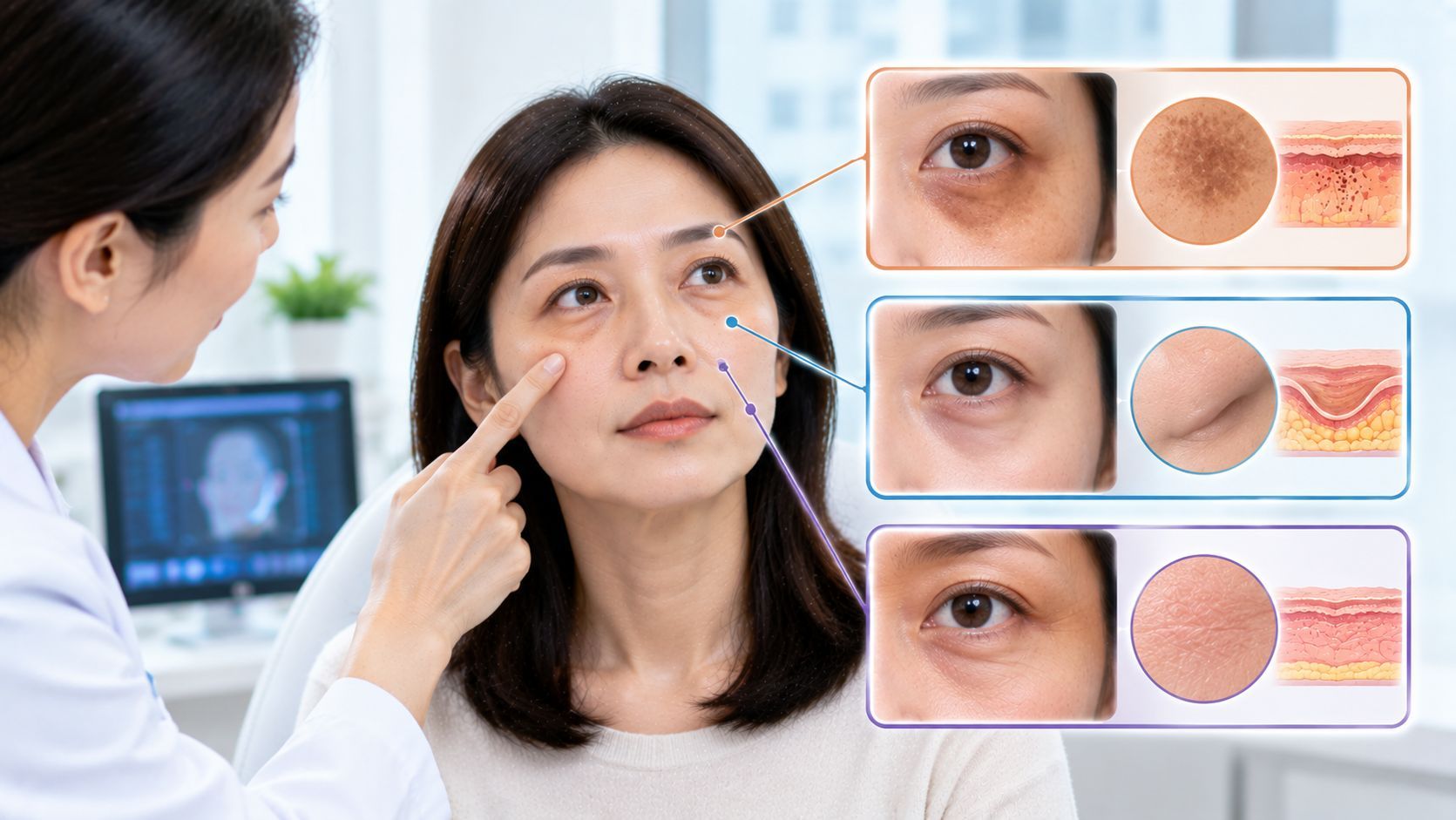
Pigment changes do not necessarily make the physical depression deeper, but darker areas around a scar can increase visual contrast.
This can be particularly important for people who are more prone to post-inflammatory hyperpigmentation.
The Scar May Still Be Structurally Present
Acne-scar procedures generally aim to reduce the depth or visibility of scars rather than completely erase every irregularity. Atrophic scars include different patterns such as ice-pick, boxcar, and rolling scars, and they do not all respond equally to the same treatment.
Different Acne Scars Need Different Approaches
One of the most important questions is what type of scar you actually have.
Scar typeTypical appearanceTreatments that may be consideredRolling scarsBroad, shallow depressionsSubcision, microneedling, RF microneedling, selected lasersBoxcar scarsSharper-edged depressionsFractional laser, RF microneedling, selected surgical or combination approachesIce-pick scarsNarrow, deep openingsTCA CROSS, selected focal techniques, other scar-specific proceduresMixed scarsCombination of patternsOften requires a combination plan
This is why simply increasing the intensity of the same laser or repeating the same procedure may not solve the problem.
The American Academy of Dermatology notes that different acne-scar types may require different treatments and that dermatologists sometimes combine procedures to improve results.
What If My Scars Look Worse in Every Type of Lighting?
That is more important than a change visible only under harsh directional lighting.
Compare standardized photographs taken:
- Before treatment
- During recovery
- After the expected recovery period
- In the same room
- With similar lighting
- From the same distance
- At the same camera angle
- With a relaxed facial expression
If the scars consistently appear deeper, broader, or more irregular, discuss the change with your dermatologist.
Do not assume that another treatment is automatically the answer.
The appropriate next step depends on whether the issue is persistent inflammation, pigmentation, scar depth, tethering, textural change, or simply an unrealistic comparison between photographs.
Could Another Acne-Scar Treatment Help?
Potentially, but treatment should be matched to the scar morphology.
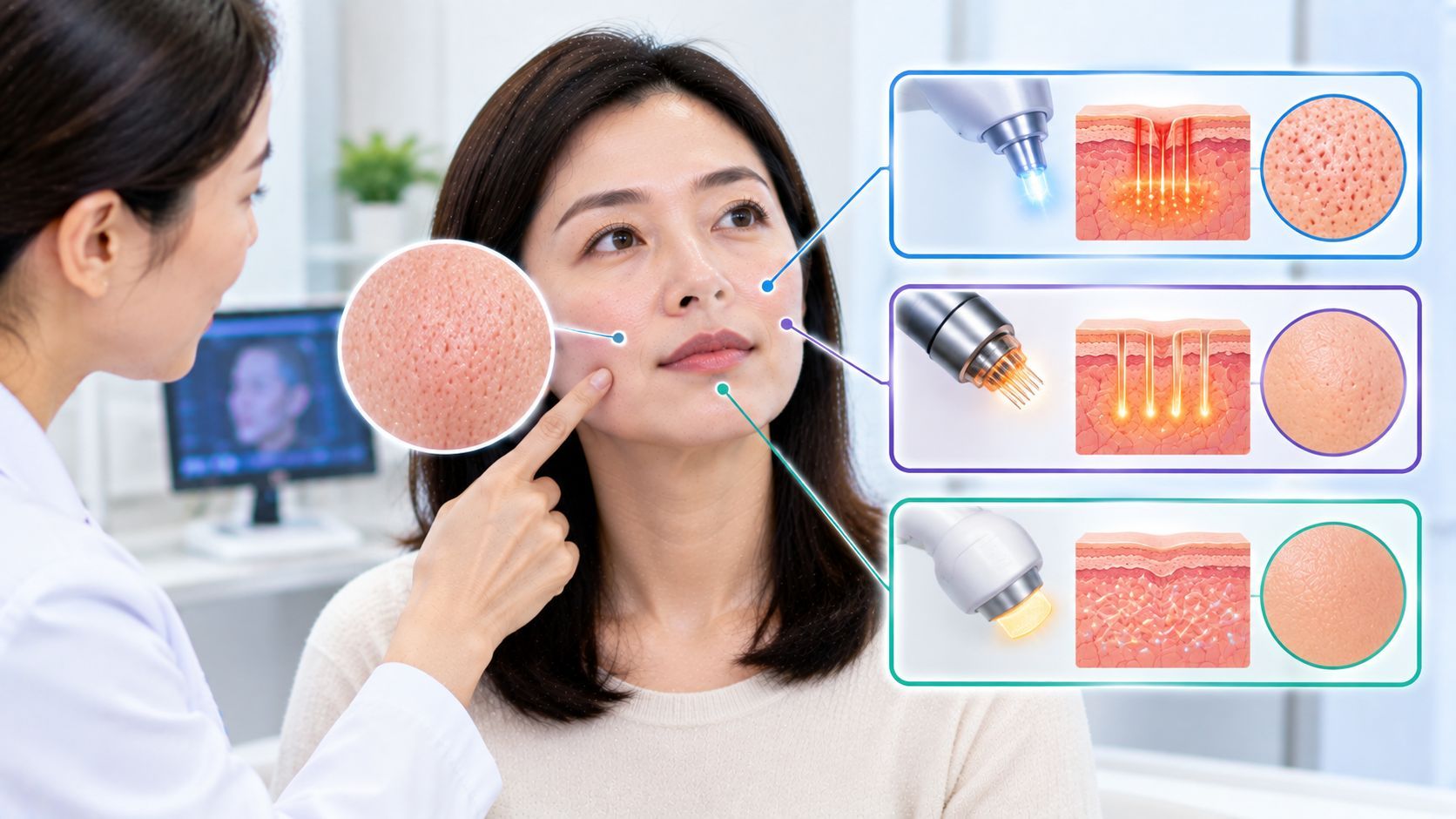
For example, subcision may be considered when fibrous attachments contribute to rolling scars. Microneedling and RF microneedling are commonly used for collagen remodeling, while fractional laser resurfacing can improve the appearance of selected atrophic scars.
Recent evidence continues to show that several modalities can improve atrophic acne scars, but treatment effects and recovery profiles differ. A 2026 meta-analysis comparing fractional CO2 laser and microneedling radiofrequency found greater scar improvement with fractional CO2 in the included trials, while RF microneedling had a more favorable tolerability profile and lower risk of post-inflammatory hyperpigmentation.
For ice-pick scars, TCA CROSS may be considered because it specifically targets narrow depressed scars. A 2026 review found that multiple sessions may provide greater improvement, while pigmentary changes were among the common adverse effects.
These findings do not mean one treatment is universally appropriate. Your skin type, scar pattern, previous treatments, downtime tolerance, and pigmentation risk all matter.
Should I Repeat the Same Treatment?
Not automatically.
Before repeating treatment, ask:
- What type of acne scars am I treating?
- Was the original treatment appropriate for those scars?
- Has my skin completely recovered?
- Are the scars genuinely deeper or simply more visible under certain lighting?
- Has pigmentation changed?
- Would another technique target the underlying scar structure better?
- What level of improvement is realistically achievable?
For international patients in Seoul, it is particularly useful to keep your treatment records. Save the treatment date, device or procedure used, treatment areas, settings when available, product names if injections were involved, and standardized before-and-after photographs.
When Should I Contact the Clinic?
Contact your treating clinic or dermatologist if you notice persistent or worsening changes such as:
- Significant new textural irregularities
- Persistent severe redness or swelling
- Blistering or burns
- Increasing pain
- Signs of infection
- Significant pigmentation changes
- New raised or unusually firm scars
- A clearly worsening scar pattern after the expected recovery period
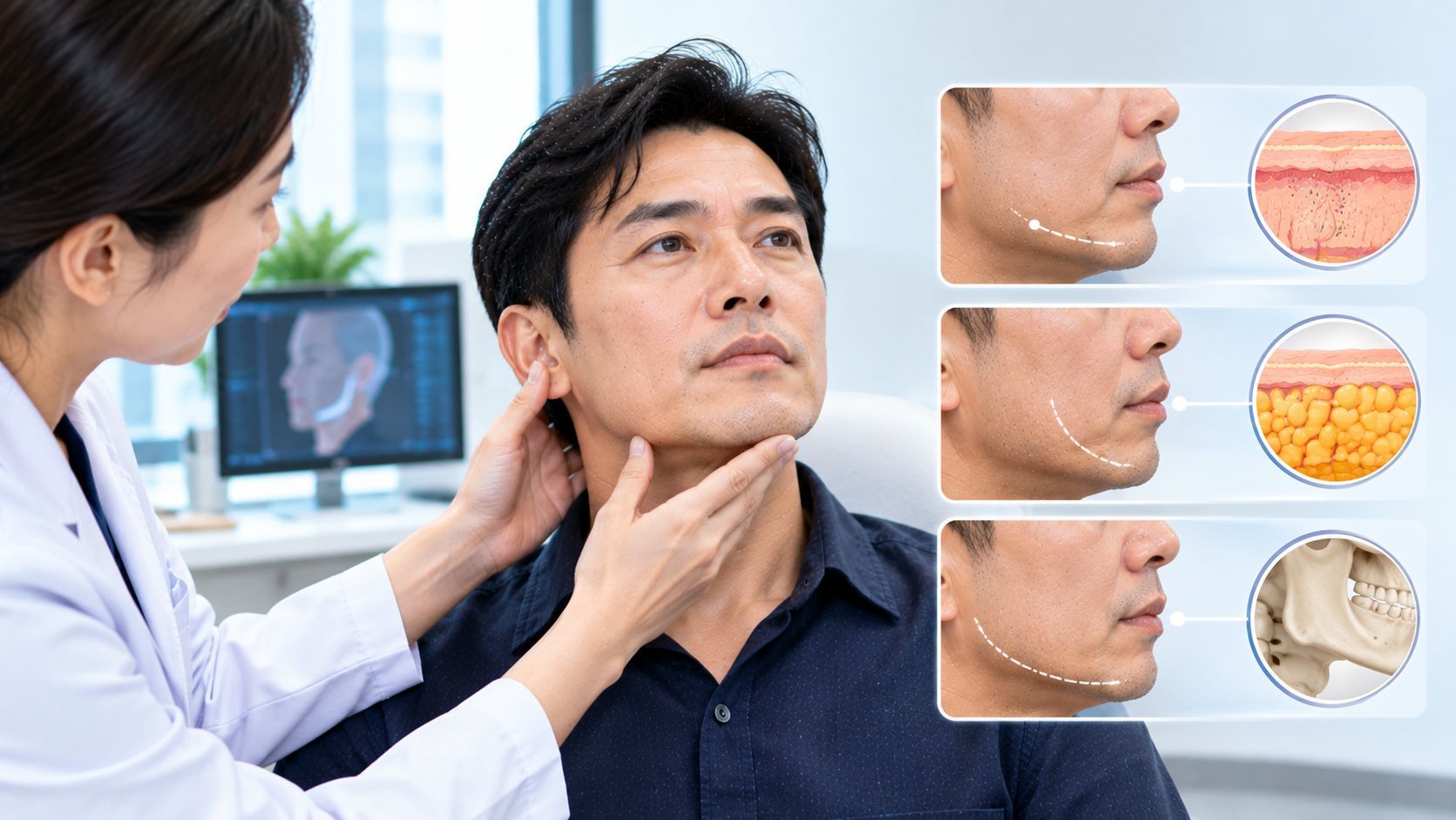
A dermatologist can determine whether the appearance represents normal recovery, an underlying acne-scar pattern, pigmentation, or a treatment complication.
What Should International Patients Ask a Seoul Acne-Scar Clinic?
If you are traveling to Korea specifically for acne-scar treatment, ask the clinic to assess your scars before selecting a procedure.
Useful questions include:
- Which scar types do I have?
- Are my scars rolling, boxcar, ice-pick, or mixed?
- Is the main problem scar depth, tethering, pigmentation, or texture?
- How long should I wait before judging the result?
- What level of downtime should I expect?
- What is the risk of post-inflammatory hyperpigmentation for my skin?
- Would combination treatment be more appropriate?
- How many sessions might be needed?
- What should I do if the scars look worse during recovery?
A detailed consultation is especially important because acne-scar treatment is usually individualized rather than based on one universal procedure.
Conclusion
Acne scars can look dramatically worse under certain lighting because directional light creates stronger shadows around depressed scars and uneven texture. This does not automatically mean your treatment made the scars worse.
If the difference appears only under harsh lighting, compare standardized photographs before deciding that something went wrong. If the scars consistently look deeper, more irregular, or otherwise changed after recovery, have the skin assessed before repeating treatment.
The most useful approach is to identify the actual scar type and choose treatment accordingly. For some patients, laser resurfacing, RF microneedling, microneedling, subcision, TCA CROSS, or combination treatment may be considered—but the appropriate option depends on the individual scar pattern and skin characteristics.
FAQs
Can lighting make acne scars look deeper?
Yes. Strong side or overhead lighting can create shadows inside depressed scars, making them appear significantly deeper than they do under diffuse lighting.
Why do my acne scars look worse in photos?
Camera angle, flash, sharp lighting, image processing, and shadows can emphasize skin texture. Compare photographs taken under consistent conditions before judging treatment results.
Can laser treatment make acne scars look worse temporarily?
Yes, temporary redness, swelling, dryness, and surface changes during recovery can alter the appearance of scars. Final assessment should wait until the expected recovery period has passed.
What treatment is best for acne scars?
There is no single treatment for every acne scar. Rolling, boxcar, and ice-pick scars can require different approaches, and combination treatment is sometimes used.
Should I repeat my acne-scar treatment if I see little improvement?
Not necessarily. First determine whether the scars have fully recovered and whether the original treatment addressed the correct scar type. A dermatologist can reassess the treatment strategy.
Can acne scars be completely removed?
Treatment can reduce the visibility and depth of many acne scars, but complete removal is not guaranteed. The achievable improvement depends on scar type, depth, skin characteristics, and treatment response.