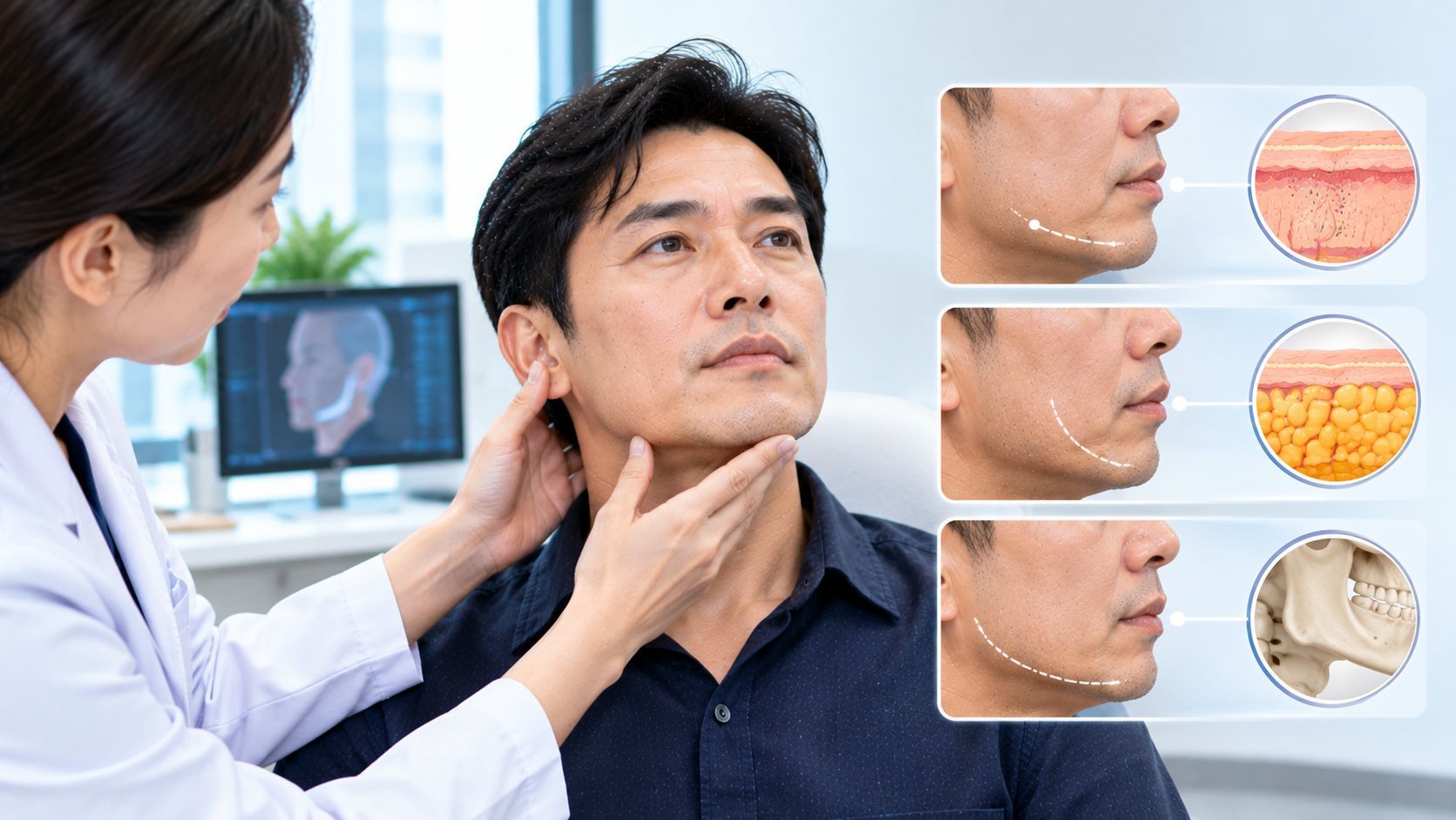
Can a Dermatologist Make Me Look Less Tired Without Actually Changing My Features?
Introduction
Yes. A dermatologist can often make you look less tired without significantly changing your facial features, but the right treatment depends on what is creating the tired appearance in the first place.
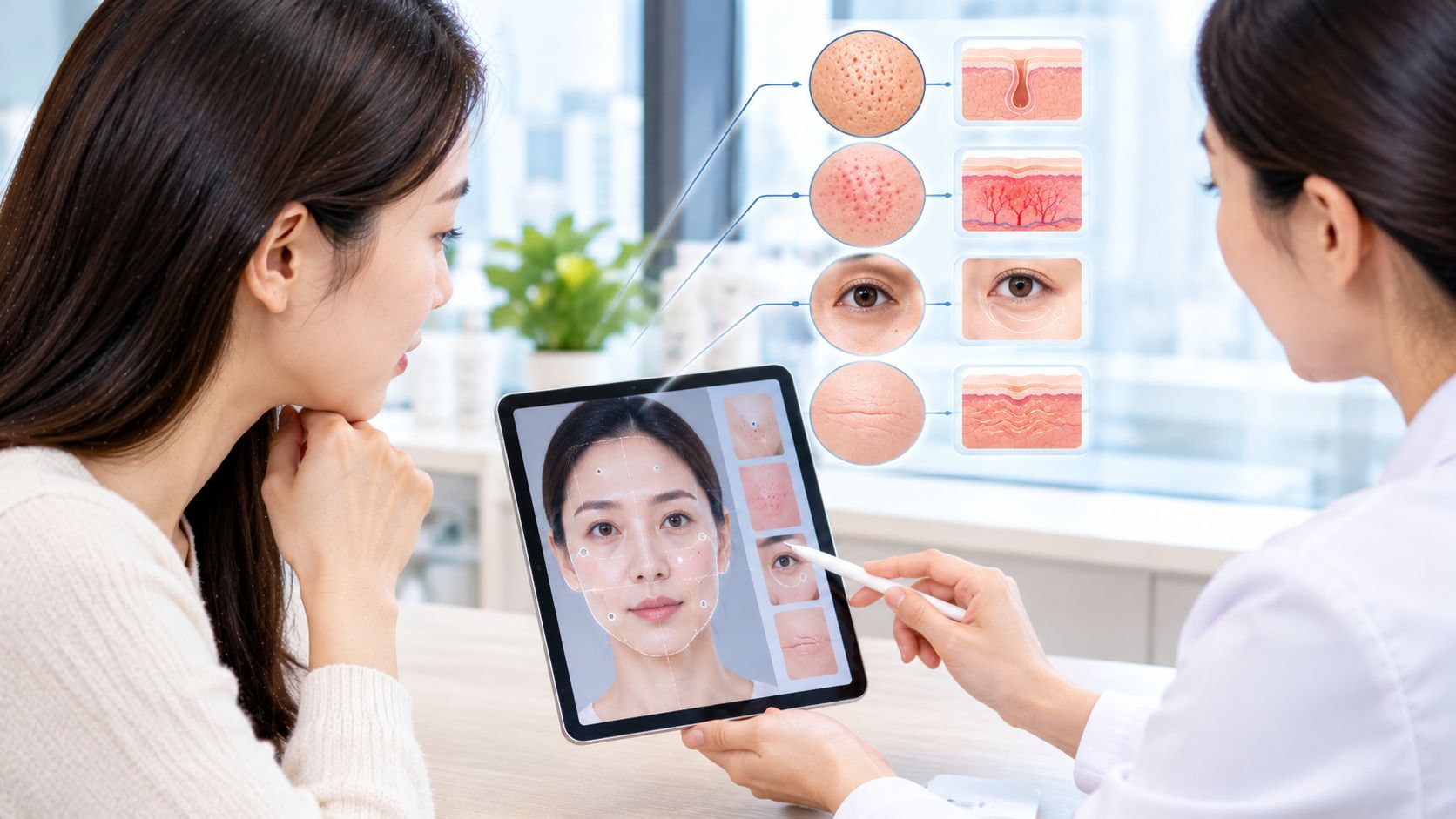
A tired-looking face can come from several different factors: dull or uneven skin, pigmentation, fine lines, under-eye shadows, puffiness, dehydration, dynamic wrinkles, mild skin laxity, or genuine volume loss. These concerns should not all be treated in the same way. If your goal is to still look like yourself, the best approach is usually to identify the specific cause and make a targeted, conservative improvement.
For many people, that means improving skin quality or softening a specific concern rather than adding substantial facial volume or dramatically changing facial contours. Treatments such as medical skincare, chemical peels, microneedling, selected laser or light procedures, conservative botulinum toxin, and certain non-invasive tightening treatments may be considered depending on the individual. The American Academy of Dermatology emphasizes that cosmetic procedures should be selected according to the patient's goals, anatomy and medical circumstances.
What Does a “Tired” Face Actually Mean?
“Tired-looking” is not a single medical diagnosis.
You may look tired because of:
- Dark circles or pigmentation around the eyes
- Under-eye hollows
- Puffy eyelids or under-eye bags
- Dull skin
- Uneven skin tone
- Fine lines
- Frown lines
- Mild facial laxity
- Loss of skin elasticity
- Dehydrated or rough-looking skin
- Changes in facial volume
Two people can both say, “I look tired,” while needing completely different treatments.
That is why simply asking for a “tired face treatment” may not produce the most natural result.
A better question is:
“What specific feature is making me look tired?”
Can Skin Quality Alone Make You Look More Rested?
Absolutely.
Sometimes the face does not need structural treatment at all. Improving skin quality can make the overall appearance look healthier and more refreshed without changing facial proportions.
Medical Skincare
Daily sun protection is one of the most important foundations of an anti-aging routine. Chronic UV exposure contributes to wrinkles, uneven pigmentation and other visible signs of skin aging.
Depending on your skin, a dermatologist may also recommend ingredients such as retinoids, antioxidants, moisturizers or pigment-targeting products.
This approach is particularly useful if your main problem is:
- Dullness
- Uneven tone
- Fine lines
- Rough texture
- Mild pigmentation
The advantage is that skincare does not change your facial shape.
Chemical Peels
Chemical peels remove controlled layers of damaged skin and can improve certain pigmentation, texture and surface-aging concerns.
A dermatologist can select the depth and formulation according to your skin type and treatment objective.
For someone who wants to look fresher rather than dramatically different, a carefully selected peel may be more appropriate than a volume-enhancing procedure.
What If My Face Looks Tired Because of Fine Lines?
If fine lines are making your face look fatigued, the appropriate treatment depends on whether they are caused primarily by facial movement or by changes in the skin itself.
Dynamic Expression Lines
Lines that appear or become more prominent when you frown, squint or make other expressions may respond to botulinum toxin.
Botulinum toxin temporarily reduces targeted muscle activity. It is commonly used for expression-related lines such as forehead lines, frown lines and crow's feet.
When used conservatively, the goal can be to soften the lines without eliminating normal facial expression.
If you want to maintain your features, tell your dermatologist that natural movement is important to you.
Fine Lines From Skin Aging
Fine lines that remain visible even when your face is relaxed may require a different approach.
Depending on the situation, options may include:
- Skincare
- Chemical peels
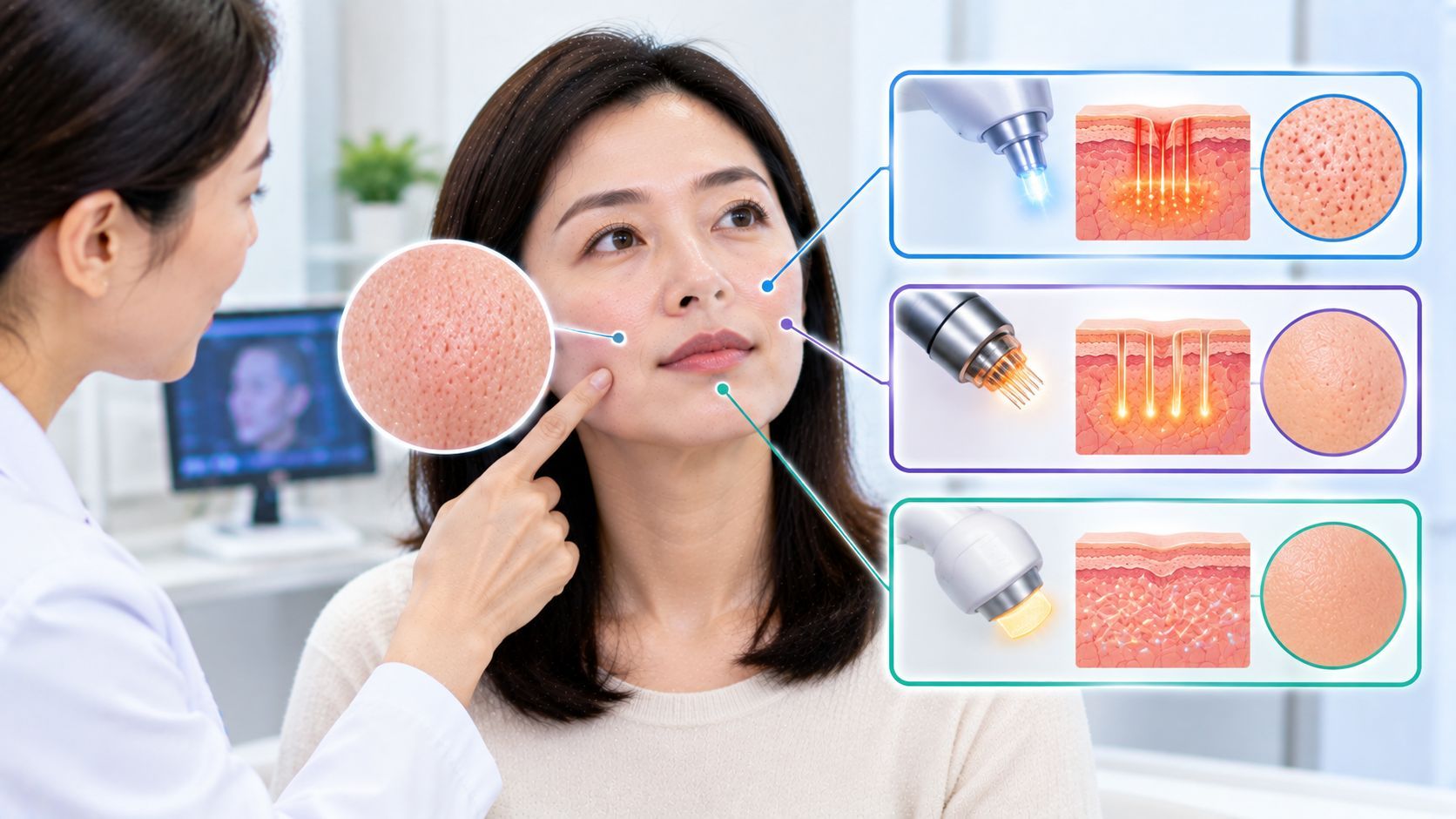
- Microneedling
- Laser resurfacing or other laser treatments
- Light-based procedures
- Other skin-rejuvenation approaches
The AAD notes that microneedling can be used for concerns including fine lines, wrinkles and skin texture.
What If My Skin Looks Dull?
Dullness can make the entire face appear tired even when there is little structural aging.
In this situation, the treatment plan may focus on skin quality rather than facial reshaping.
Possible approaches include:
- Consistent sunscreen use
- Medical skincare
- Chemical peels
- Microneedling
- Appropriate laser or light treatments
- Treatment of pigmentation
- Management of underlying skin conditions
This is one reason it can be useful to distinguish “I look tired” from “I have lost facial volume.”
They are not necessarily the same problem.
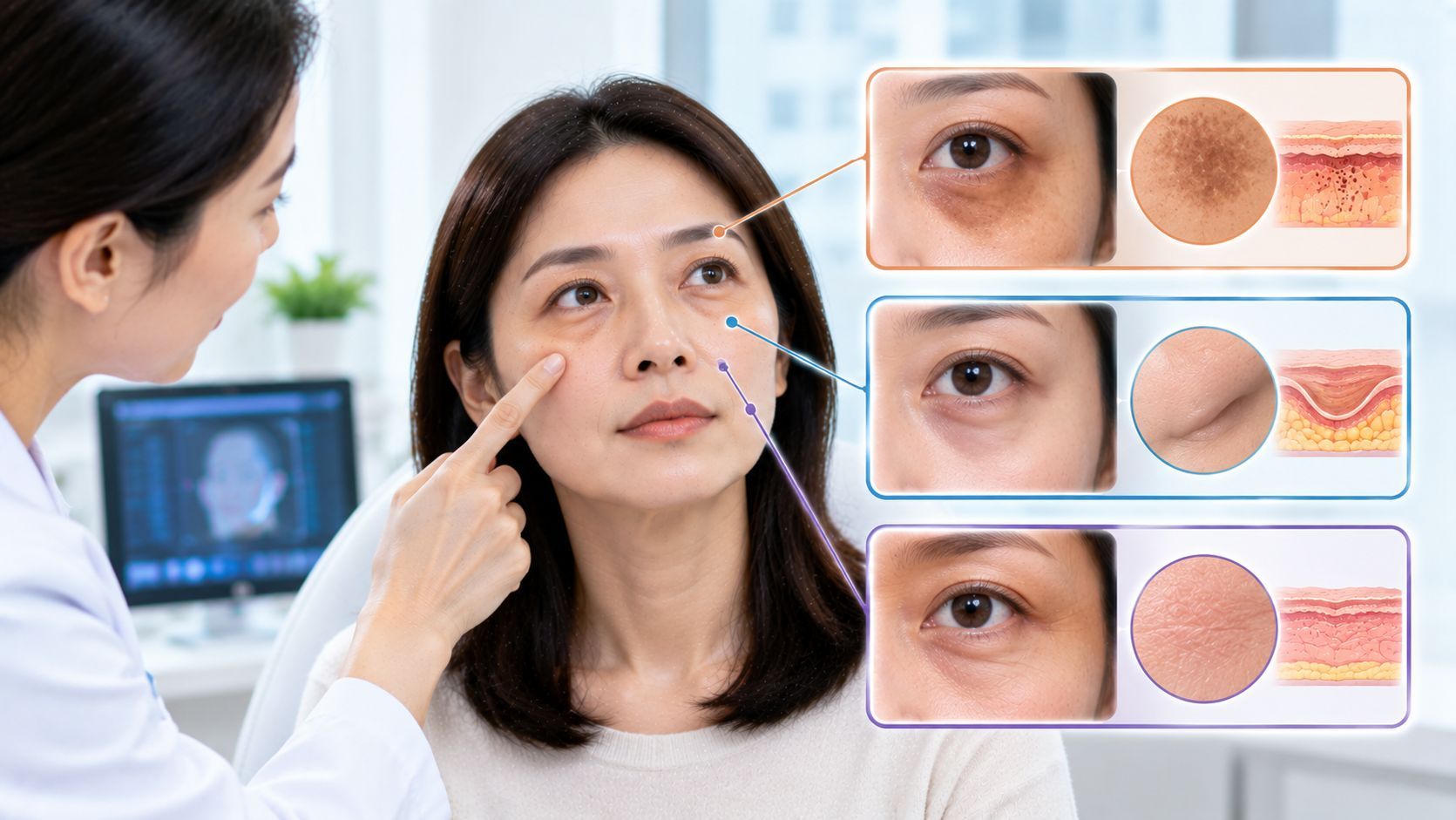
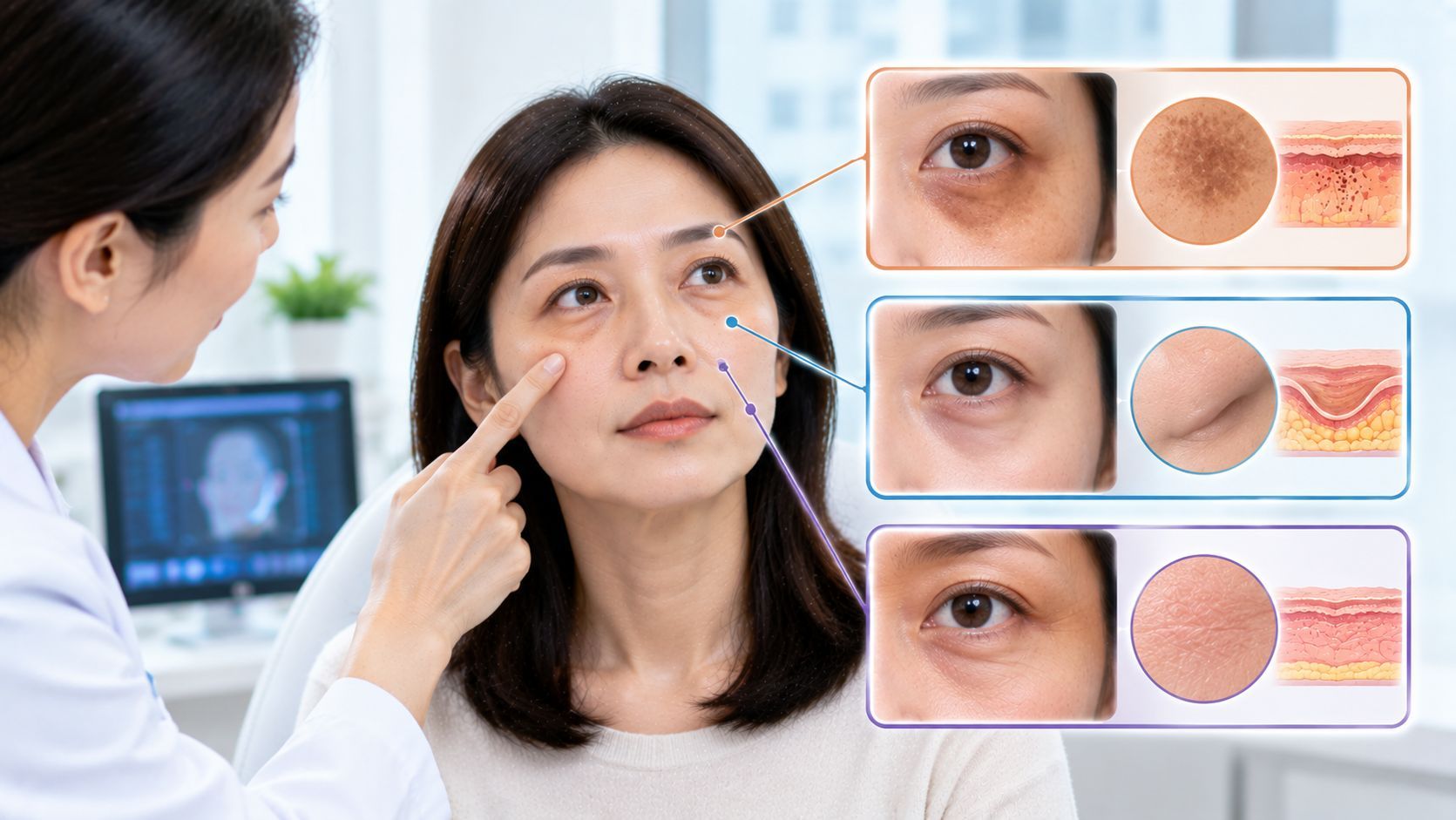
What About Under-Eye Circles?
Under-eye darkness is particularly complicated because several different factors can contribute to it.
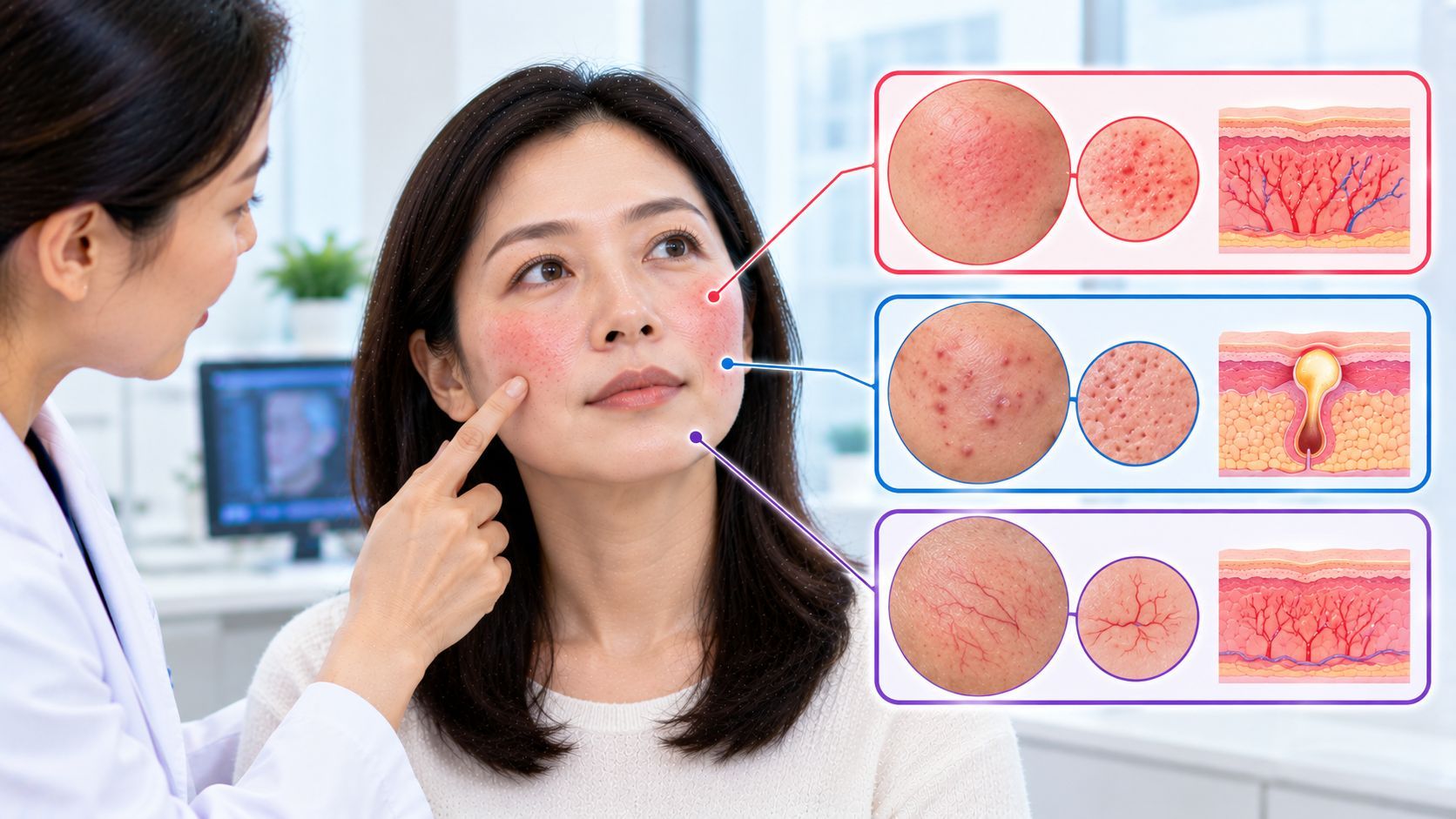
Dark circles may involve:
- Pigmentation
- Visible blood vessels
- Thin skin
- Shadowing from an under-eye hollow
- Puffiness
- Anatomical structure
- A combination of these factors
Therefore, there is no universal under-eye treatment.
If the problem is primarily pigmentation, a dermatologist may discuss skincare or selected pigment-targeting treatments.
If shadowing is caused by an anatomical hollow, volume restoration may sometimes be considered. But adding filler simply because someone has dark circles can be inappropriate if the actual problem is pigmentation or another cause.
This is an area where diagnosis matters more than choosing a trendy treatment.
Can You Look Less Tired Without Filler?
Yes.
If you do not want to add facial volume, there are several possible approaches depending on the cause.
Main concernPossible approachDull complexionSkincare, peel or appropriate light/laser treatmentUneven pigmentationMedical skincare or selected pigment treatmentsRough textureMicroneedling or appropriate resurfacingDynamic linesConservative botulinum toxinMild laxityNon-invasive tighteningFine linesSkincare, microneedling or selected resurfacingUnder-eye pigmentationCause-specific medical treatmentTrue volume lossConservative volume restoration when appropriate
The objective is not to avoid every injectable procedure. It is to avoid using a treatment for a problem it cannot properly solve.
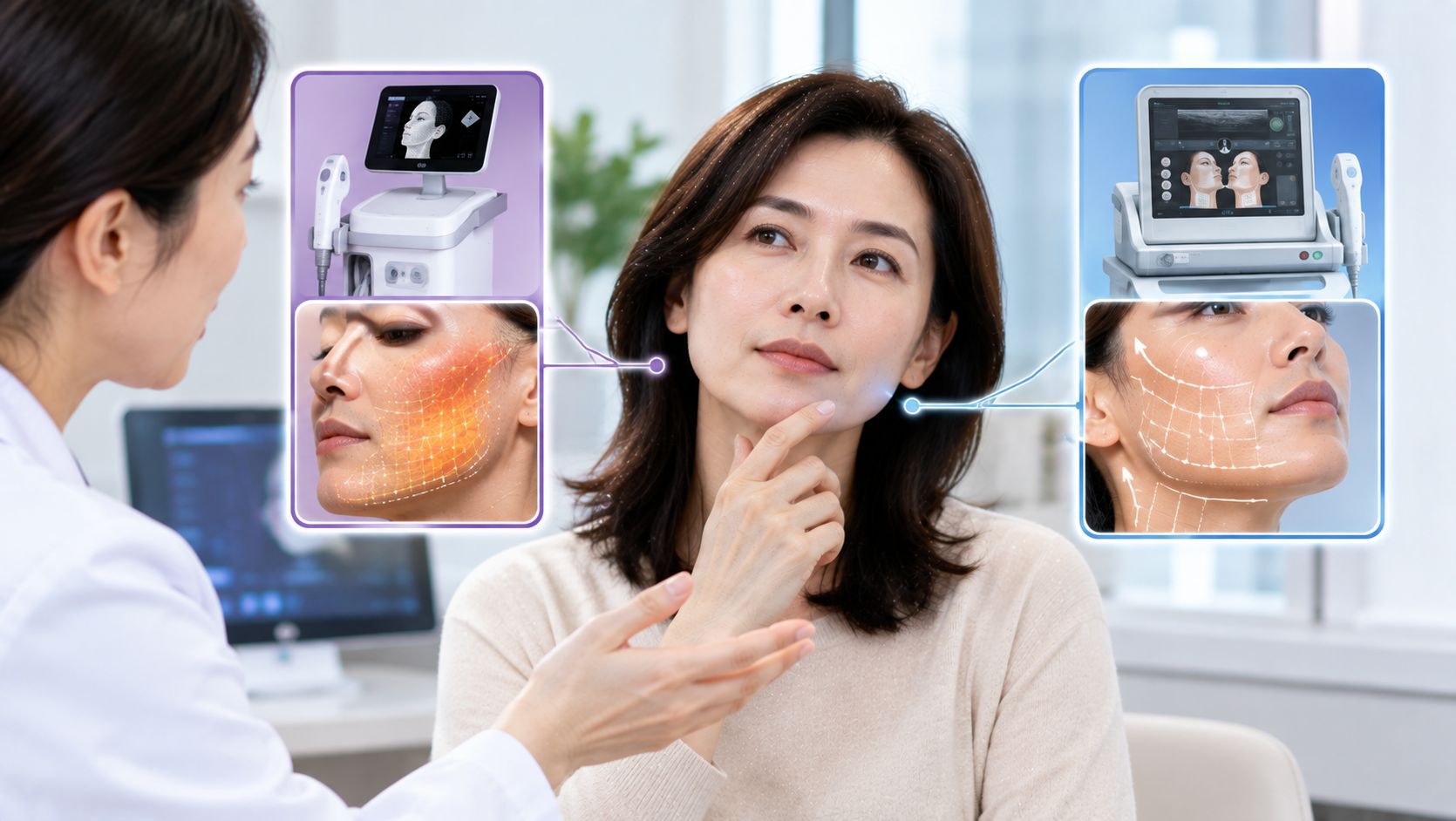
What About Skin Tightening?
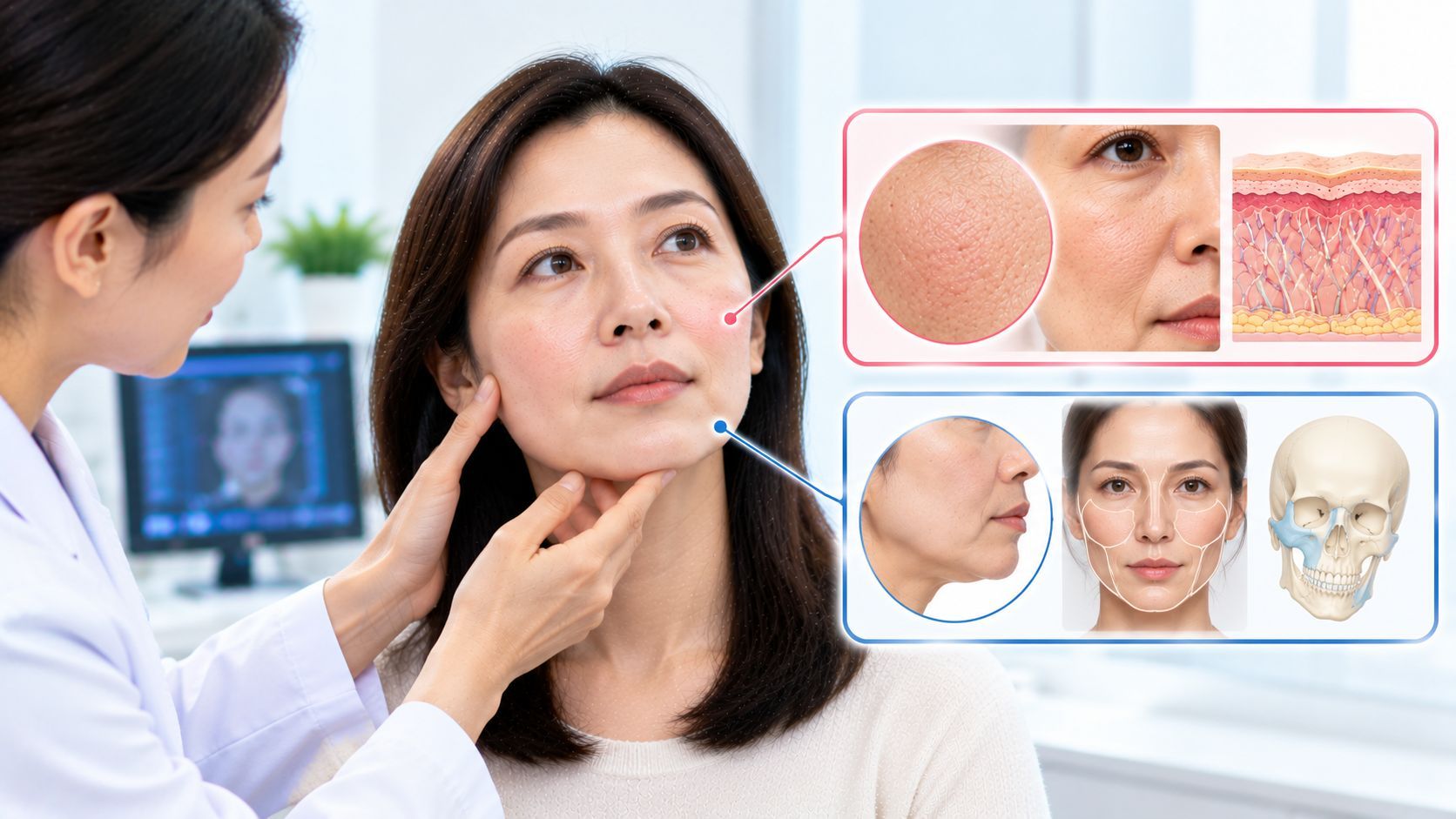
Mild laxity can contribute to a tired or less defined appearance.
Non-invasive radiofrequency and ultrasound-based procedures may be considered for selected patients. These treatments aim to stimulate changes in collagen and can produce gradual improvement rather than an immediate dramatic transformation.
This gradual approach may appeal to someone who wants a subtle result.
However, tightening is not automatically appropriate simply because someone feels their face looks tired.
If your face is naturally slim, aggressive tightening or slimming may make you look more drawn rather than more rested.
The dermatologist should determine whether laxity is actually contributing to your appearance.
When Is Filler Appropriate?
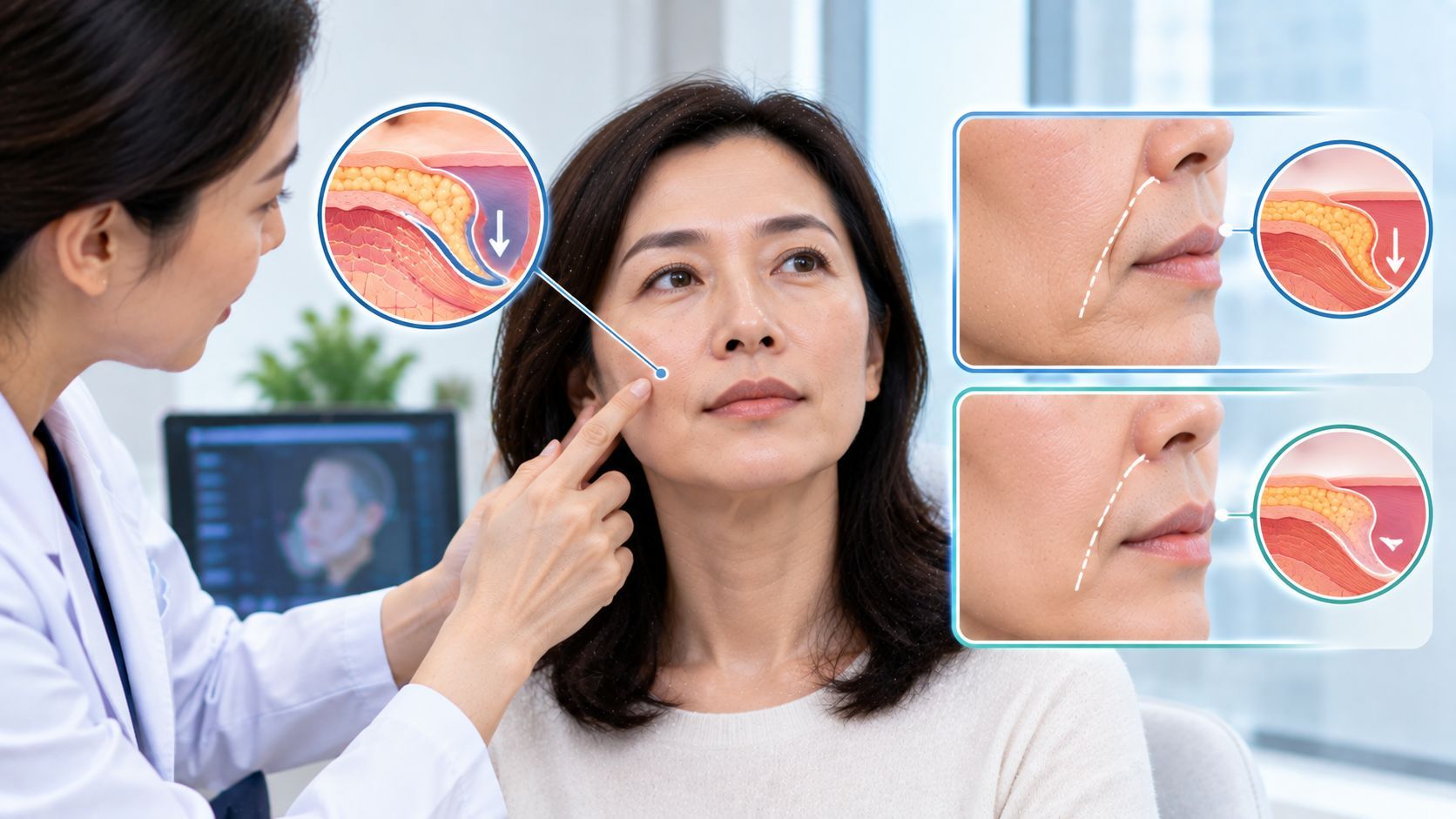
Filler may be appropriate when genuine volume loss contributes to the tired appearance.
For example, age-related volume changes can affect areas such as the cheeks or under-eye region. Dermal fillers can restore lost fullness in selected areas.
But restoration does not mean making the face noticeably fuller.
If you are concerned about looking different, tell the provider:
“I want to restore what I have lost, not create a new facial shape.”
A conservative approach may be more consistent with that goal.
How to Preserve Your Natural Features
If you want to look less tired without looking “done,” your consultation should include not only what you want improved but also what you want preserved.
Tell the Dermatologist What You Don't Want
For example:
- “I don't want my face to look fuller.”
- “I don't want my face slimmer.”
- “I want to keep my natural facial shape.”
- “I don't want frozen facial expressions.”
- “I don't want a dramatic change.”
- “I want to look rested rather than younger by many years.”
These preferences can be just as important as the treatment itself.
Treat the Primary Problem First
If pigmentation is the main issue, start there.
If dynamic wrinkles are the main issue, discuss that.
If mild laxity is the problem, assess whether tightening is actually appropriate.
If volume loss is the issue, discuss conservative restoration.
Treating every possible concern at once can make a natural result more difficult to achieve.
What Is a Good “Tired Face” Strategy for International Patients in Korea?
If you are visiting Korea for dermatology treatment, it can be tempting to book multiple procedures because many options are available.
If subtlety is your priority, consider a different strategy:
Consult → identify the main cause → choose the least aggressive reasonable treatment → reassess.
This is particularly useful if your trip is short.
Before treatment, ask:
- What specifically makes me look tired?
- Is this a skin-quality problem, structural problem, or both?
- Can it be improved without filler?
- Will this treatment change my facial shape?
- Will it affect my facial movement?
- How much downtime should I expect?
- When will I see the result?
- Do I need a follow-up appointment?
- How soon can I safely fly home?
- What should I do if I develop a complication after returning home?
For injectable procedures, you should also tell the dermatologist about previous cosmetic treatments and relevant medications or supplements. The AAD recommends discussing medical history, medications and previous cosmetic treatments during consultation.
What Treatments Should You Be Careful About?
If your only concern is looking tired, be cautious about automatically choosing a treatment designed to dramatically alter facial structure.
You may want to reconsider a plan if:
- You are being encouraged to add volume everywhere
- A provider recommends several treatments without explaining the individual reasons
- You are told that one treatment can solve every aging concern
- Your facial shape is not discussed
- There is pressure to purchase a package immediately
- You are promised a guaranteed result
- There is little discussion of risks or recovery
A good treatment plan should explain why the treatment is necessary and what it realistically can and cannot change.
Are “Subtle” Treatments Risk-Free?
No.
Even treatments intended to produce subtle results can have side effects.
Botulinum toxin can cause temporary bruising, swelling or unwanted muscle weakness.
Microneedling can cause temporary redness, swelling, irritation and other reactions.
Laser and light treatments can cause temporary irritation and, depending on the treatment and skin type, pigmentary changes or other complications.
Fillers can cause swelling, bruising, lumps, infection and rare but serious vascular complications.
The fact that a procedure is “non-surgical” does not mean it has no risks.
What Is the Most Natural Way to Look Less Tired?
There is no single best treatment.
The most natural approach is usually to identify the specific feature responsible for the tired appearance and address only that feature.
For example:
- Dull skin → improve skin quality
- Pigmentation → target pigmentation
- Dynamic lines → consider conservative muscle relaxation
- Mild laxity → consider gradual tightening
- Texture problems → consider microneedling or resurfacing
- True volume loss → consider conservative restoration
This is often more effective for maintaining your identity than treating your entire face as though it needs a complete transformation.
Conclusion
A dermatologist can often help you look less tired without fundamentally changing your facial features.
The key is to determine whether your tired appearance comes from skin quality, pigmentation, wrinkles, under-eye concerns, mild laxity or genuine volume loss. Once the cause is understood, treatment can be targeted rather than excessive.
For some people, skincare or a skin-rejuvenation treatment may be enough. Others may benefit from conservative botulinum toxin, gradual tightening or carefully planned filler. The most appropriate option depends on your anatomy, skin, goals and tolerance for change.
If you are visiting Korea, communicate your priorities clearly: you want to look rested, not different. A focused treatment plan can help preserve your natural facial shape and expression while addressing the features that make you look tired.
FAQs
Can a dermatologist make me look less tired without changing my face?
Yes. Depending on the cause, treatments can focus on skin quality, pigmentation, fine lines or mild laxity without substantially changing facial volume or proportions.
What is the best treatment for a tired-looking face?
There is no universal treatment. The best option depends on whether the tired appearance comes from pigmentation, dull skin, wrinkles, under-eye concerns, laxity or volume loss.
Can I look more rested without filler?
Yes. Skincare, chemical peels, microneedling, selected laser or light treatments, conservative botulinum toxin and certain non-invasive tightening treatments may be appropriate depending on the cause.
Does Botox make you look less tired?
It can when dynamic wrinkles are contributing to a fatigued appearance. Conservative treatment may soften expression lines while preserving natural movement.
Will skin tightening make my face look slimmer?
Not necessarily, but treatment selection matters. If you have a naturally lean face, discuss your concern about facial slimming with your dermatologist before choosing an energy-based treatment.
Can I get this type of subtle treatment in Korea as an international patient?
Yes, but treatment planning should account for your consultation, downtime, expected results and follow-up needs. If you have a short trip, discuss the timing of treatment relative to your flight home.