One Side of My Face Is Sagging More Than the Other. Can Skin Treatments Fix It?
Introduction
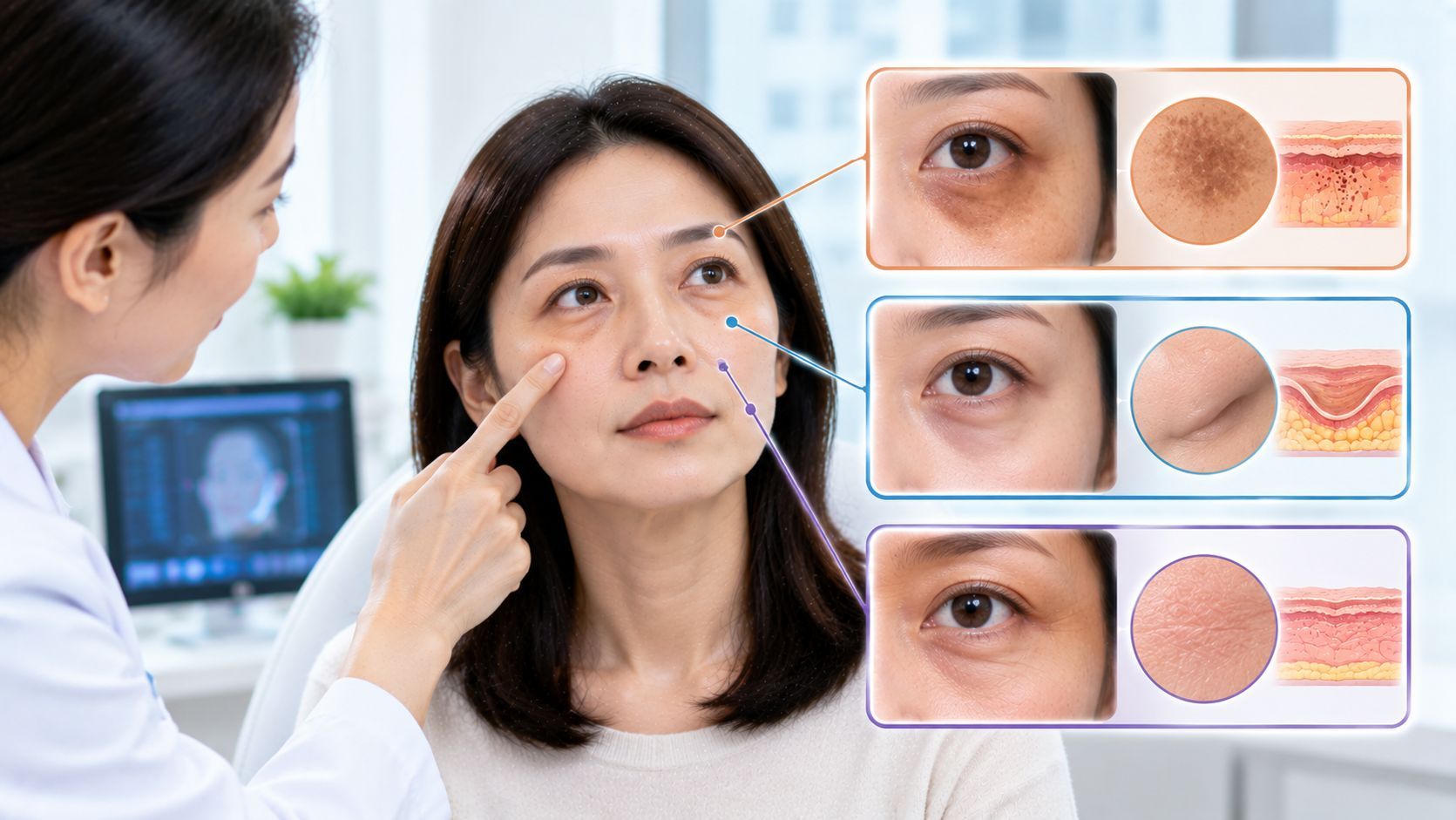
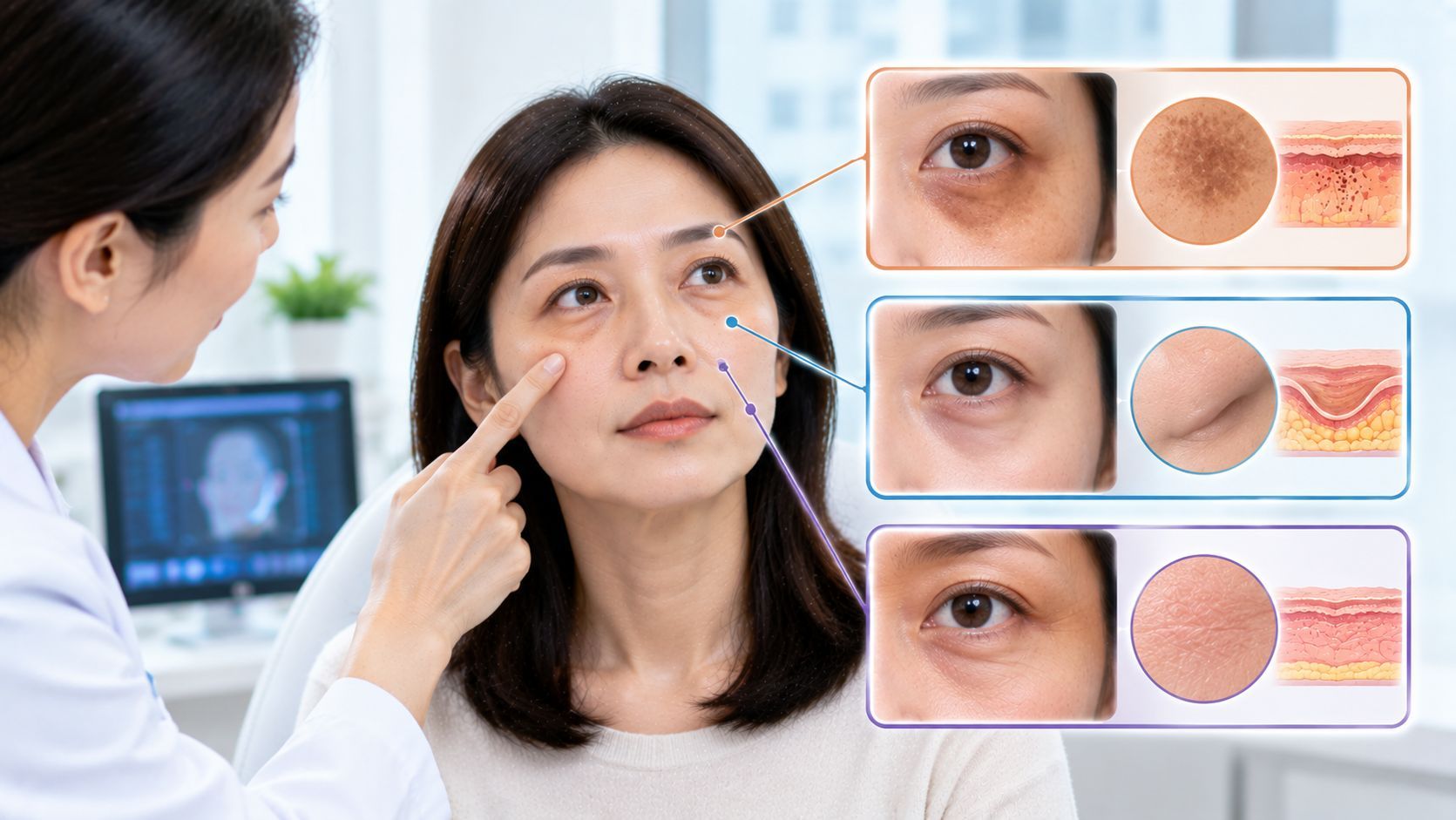
Mild facial asymmetry is extremely common. One side of the face may appear slightly lower, softer, fuller or more wrinkled than the other. If you notice that one side of your face is sagging more, skin treatments may improve the appearance when the asymmetry is related to skin laxity or collagen loss, but they cannot correct every possible cause of facial asymmetry.
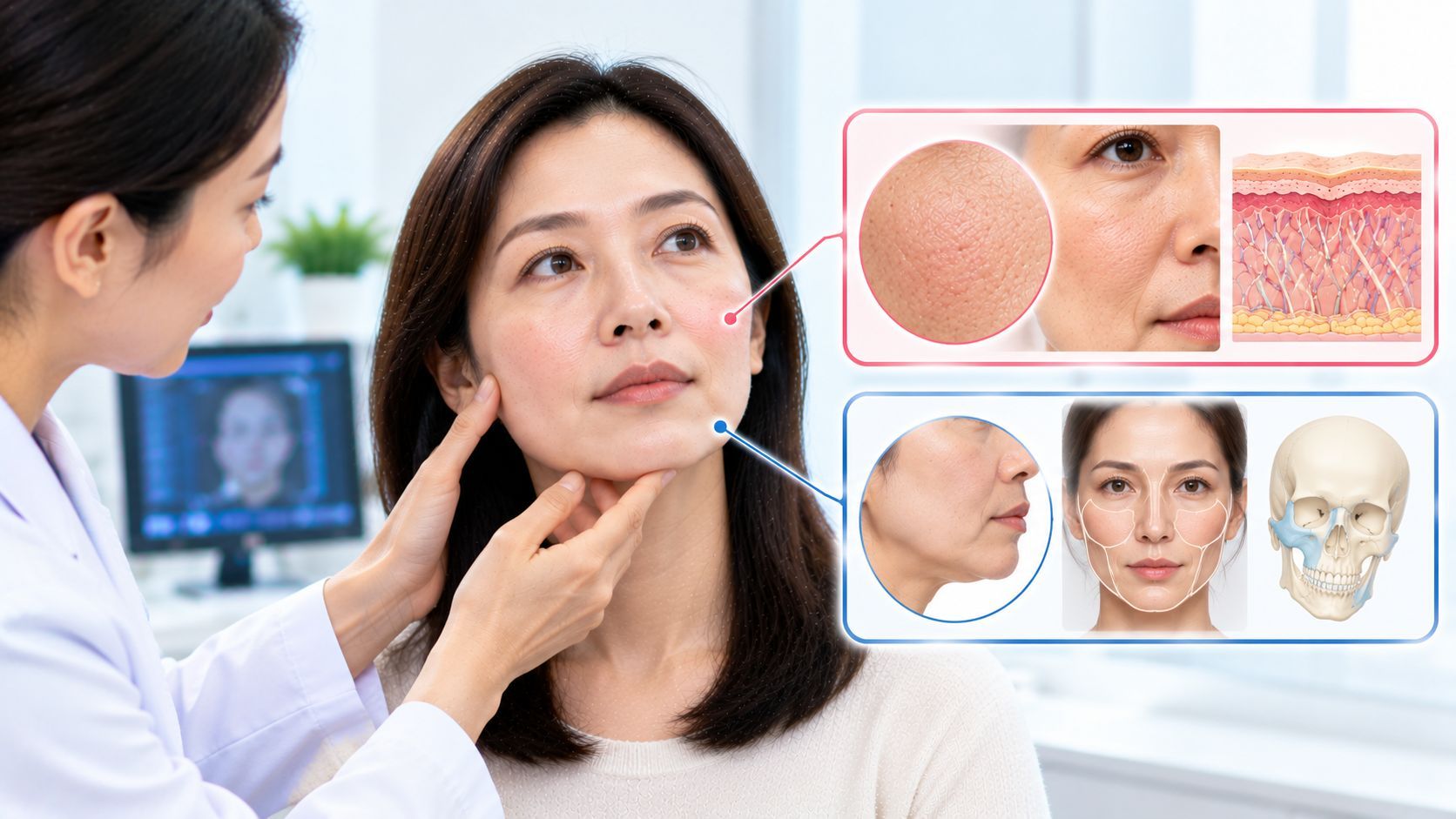
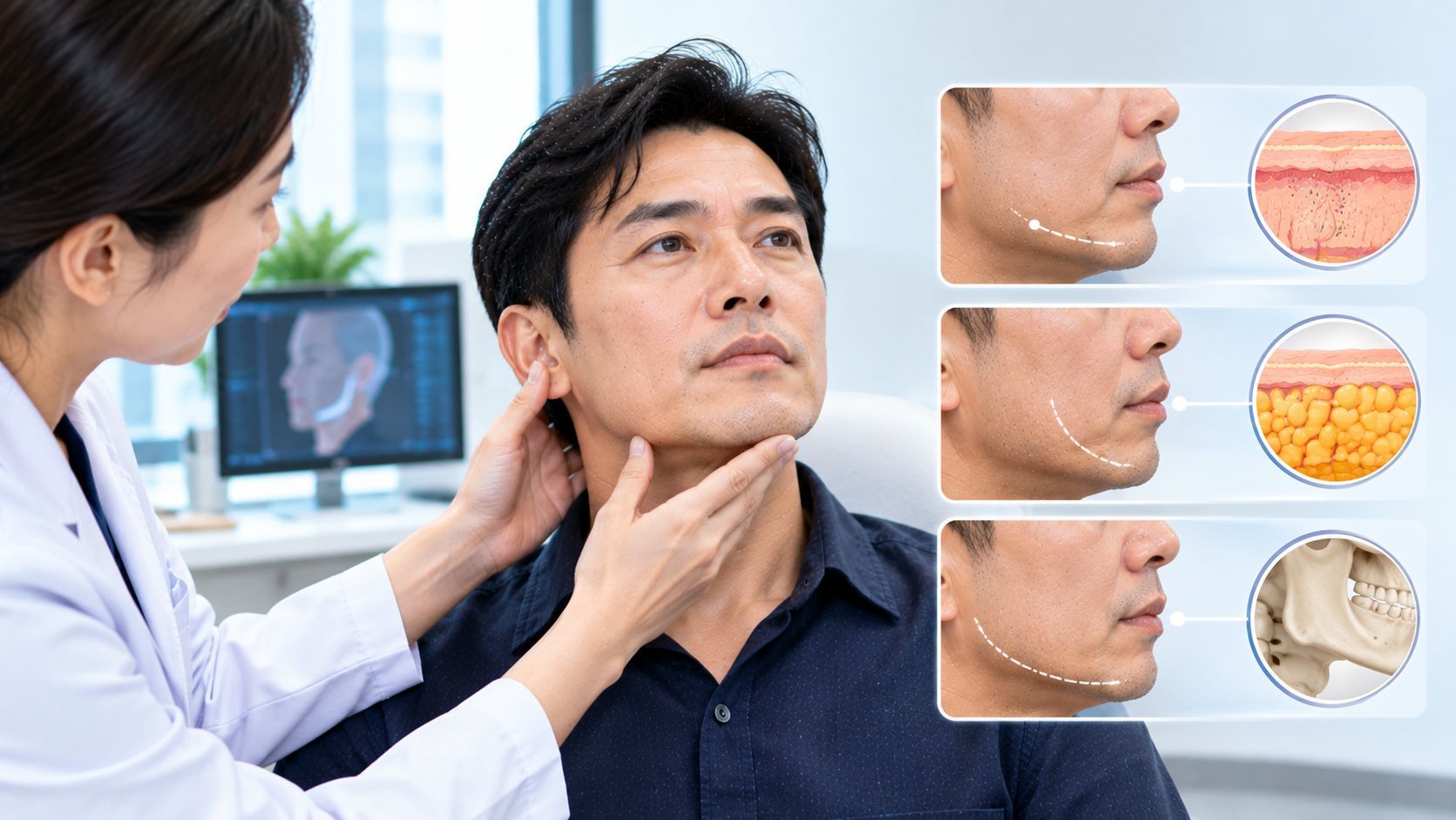
The important first step is determining why the sides look different. Aging, sun exposure, differences in facial anatomy, muscle activity, changes in facial volume and skin laxity can all contribute. In some cases, the difference is primarily a skin problem and treatments such as ultrasound or radiofrequency-based tightening may help. In other cases, the asymmetry may involve muscle movement, bone structure or volume distribution and require a different approach.
If the asymmetry appeared suddenly, particularly with facial weakness, difficulty speaking, numbness, severe headache or other neurological symptoms, it should not be treated as an aesthetic problem. Seek urgent medical evaluation.
Is Facial Asymmetry Normal?
Yes. Perfect facial symmetry is unusual.
The left and right sides of the face can naturally differ in:
- Eyebrow position
- Eye shape
- Cheek volume
- Jawline contour
- Muscle strength
- Skin thickness
- Facial bone structure
- Fat distribution
- Degree of skin laxity
As you age, these small differences can become more noticeable.
One side may also accumulate more visible signs of aging because of differences in sun exposure, sleeping habits, muscle activity or simply the way your facial anatomy changes over time.
Therefore, seeing one side of your face becoming slightly lower does not automatically mean something is wrong.
What Can Cause One Side to Sag More?
Several factors may be involved.
Natural Facial Structure
Your facial bones and soft tissues are not necessarily mirror images.
One cheek may naturally sit slightly higher, or one side of the jaw may have a different contour.
If this asymmetry has been present for many years, a skin treatment cannot completely change the underlying bone structure.
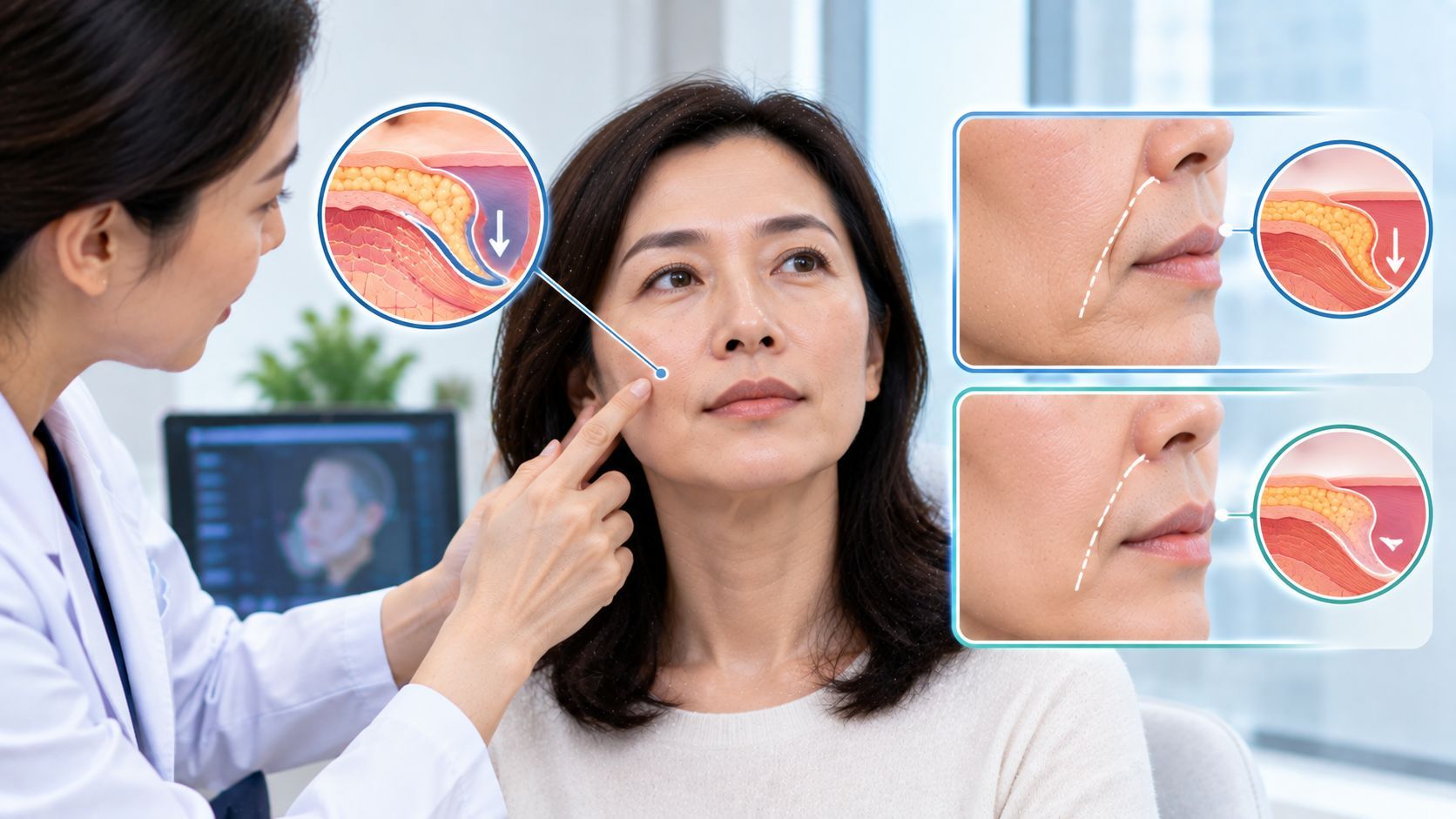
Age-Related Skin Laxity
As skin ages, collagen and elastin changes can contribute to loss of firmness.
The AAD notes that non-invasive skin-tightening procedures can stimulate collagen and produce gradual improvement in mild skin laxity.
If one side has more noticeable laxity, a dermatologist may determine whether a tightening treatment could improve the visible difference.
Different Facial Muscle Activity
You may unconsciously use one side of your face more than the other when smiling, speaking, chewing or making expressions.
Muscle activity can affect how symmetrical your face appears, particularly around the eyebrows, eyes and mouth.
In such cases, a skin-tightening treatment may not address the underlying cause.
Differences in Volume
One cheek may have less soft-tissue volume than the other.
Alternatively, one side may appear fuller because of differences in fat distribution.
This distinction matters because adding a tightening treatment to a volume problem may not produce the result you want.
Can Skin Treatments Fix Facial Asymmetry?
They can sometimes reduce the visible difference, but “fix” may be too strong a word.
Skin treatments are most relevant when the asymmetry is caused partly by:
- Uneven skin laxity
- Differences in skin quality
- Fine lines
- Collagen loss
- Surface texture
- Sun damage
They are less likely to completely correct asymmetry caused primarily by bone structure, significant volume differences or muscle imbalance.
A realistic goal is often:
make the two sides look more balanced rather than make them perfectly identical.
Can Ultherapy Be Used Differently on Each Side?
Potentially, yes.
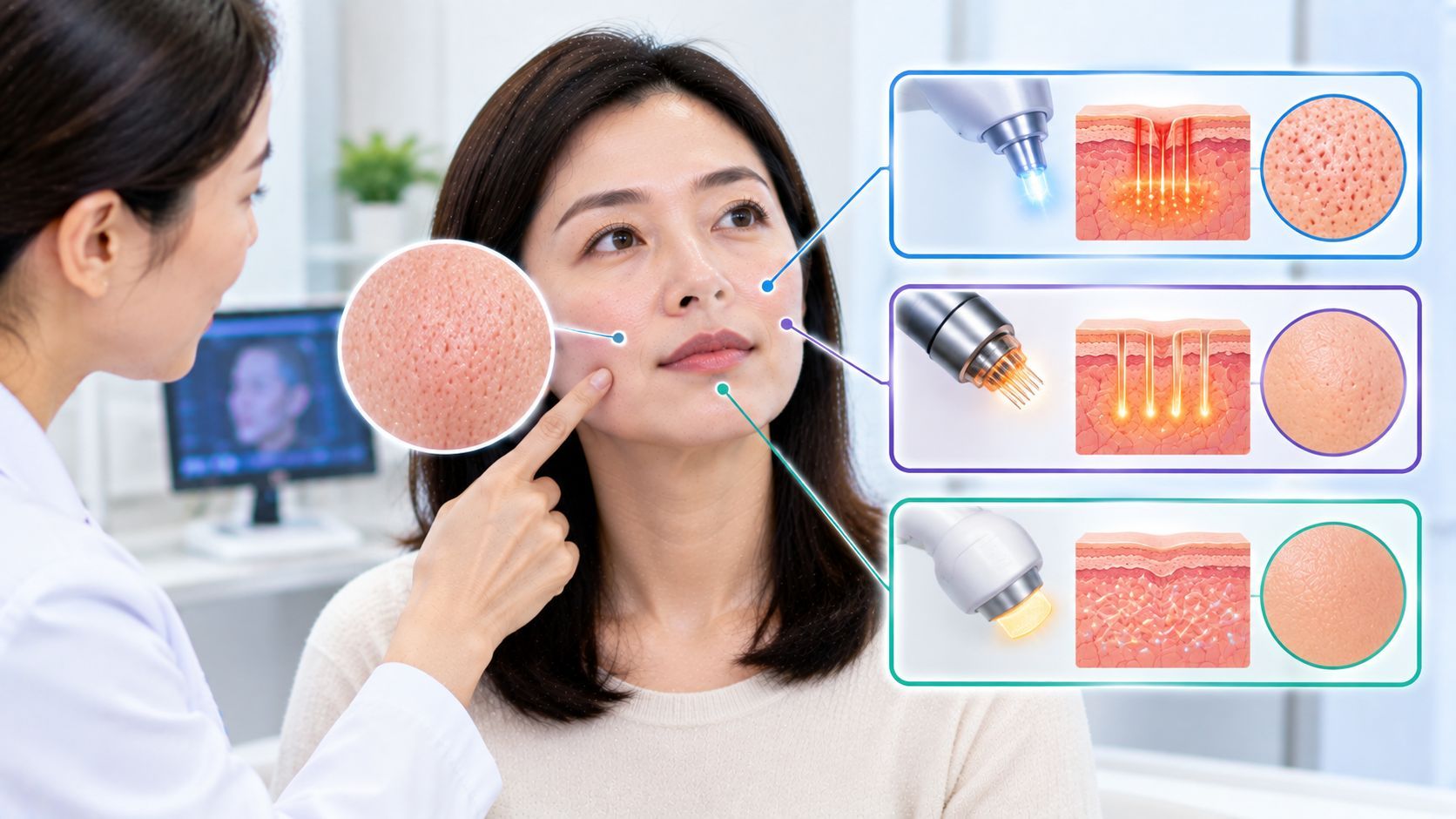
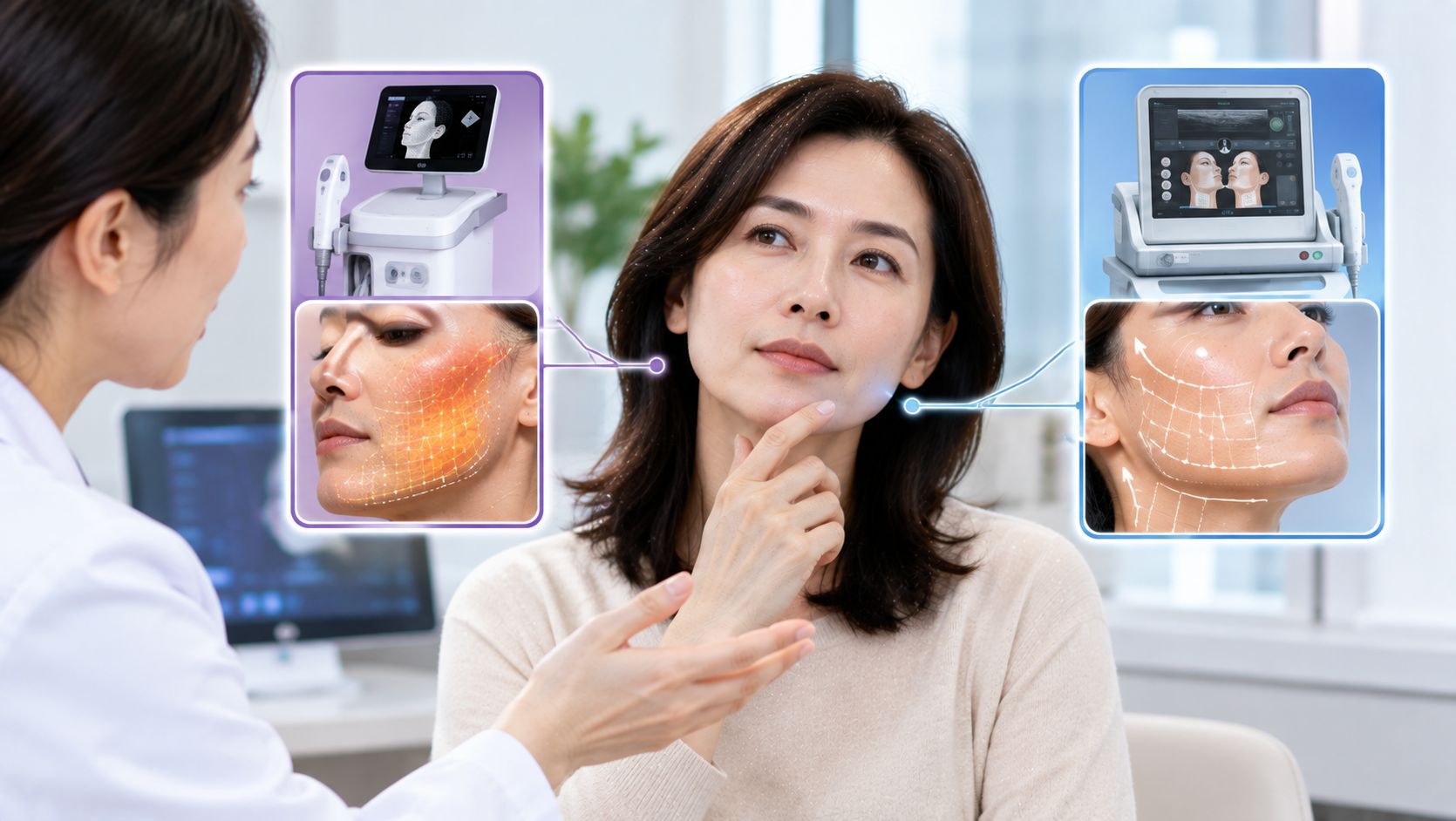
Ultrasound-based skin tightening can be planned according to an individual's anatomy and degree of laxity. A dermatologist may assess each side separately and determine whether different treatment areas or treatment intensity are appropriate.
The goal should not be to automatically treat both sides identically.
If one side has noticeably more laxity, your provider may consider whether that side needs a different treatment plan.
However, customized treatment does not mean that one side should simply receive “more energy.” Treatment parameters need to be determined by an appropriately trained medical professional based on anatomy, skin condition and the device being used.
Because non-invasive tightening results are gradual, the final appearance should also be evaluated after the treatment has had time to produce its effect.
What About Thermage or Radiofrequency Treatments?
Radiofrequency-based treatments may also be considered when mild laxity contributes to asymmetry.
Radiofrequency energy can heat targeted tissue and stimulate collagen-related changes. Like other non-invasive tightening approaches, results are not necessarily immediate.
Thermage is therefore not a universal treatment for facial asymmetry.
If the actual difference is caused by:
- Bone structure
- Cheek volume
- Muscle activity
- A significant fat difference
then treating the skin alone may have limited effect.
A consultation should determine whether skin laxity is actually responsible for the visible asymmetry.
Should Both Sides Receive the Same Treatment?
Not necessarily.
This is an important point if you are specifically concerned about asymmetry.
A treatment plan should be based on the individual anatomy of each side, not simply divided equally.
For example:
Difference between sidesPossible considerationOne side has more skin laxityEvaluate whether asymmetric tightening is appropriateOne side has more dynamic wrinklesAssess muscle activityOne cheek has less volumeConsider whether volume restoration is appropriateOne side has more pigmentationAddress the skin concern specificallyDifferent jawline shape from bone structureSkin treatment may have limited effectLong-standing mild asymmetryConservative correction may be preferable to trying for perfect symmetry
The appropriate treatment depends on the cause.
Could Treating Only One Side Make Things Worse?
It can.
This is why asymmetric treatment should not be based simply on what looks lower in a photograph.
A face is a three-dimensional structure. One side may appear lower because another feature is fuller, because the head is tilted, or because lighting creates a shadow.
Treating one side without understanding the underlying anatomy could potentially make the difference more noticeable.
A dermatologist should therefore evaluate the face at rest and during movement, ideally from multiple angles.
What If One Side Looks More Saggy in Photos?
Before assuming that the face has genuinely become asymmetric, consider how the photo was taken.
Facial asymmetry can appear more pronounced because of:
- Camera angle
- Head position
- Lighting
- Lens distortion
- Facial expression
- Temporary swelling
- Makeup or contouring
A single selfie is not a reliable way to diagnose facial asymmetry.
If you are concerned, compare photographs taken under similar conditions or ask a medical professional to assess you in person.
Can Botox Help Asymmetric Facial Appearance?
Sometimes, but only when muscle activity contributes to the asymmetry.
Botulinum toxin temporarily reduces the activity of targeted muscles. It is commonly used to soften dynamic wrinkles and can alter the appearance of muscle-related asymmetry in appropriately selected situations.
However, Botox can also temporarily create or worsen asymmetry if the wrong muscle is treated, the dose is inappropriate, or the individual's anatomy responds differently on each side.
Therefore, asymmetric facial treatment with Botox requires particularly careful assessment.
If your concern is specifically sagging skin, Botox is not a substitute for a skin-tightening treatment.
What If My Face Has Both Sagging and Volume Loss?
This is where treatment planning becomes more complicated.
You might have:
- Mild laxity on one side
- Less cheek volume on the other
- Different muscle activity
- Natural differences in bone structure
In such cases, a single treatment may not produce a balanced result.
A dermatologist may recommend addressing the most important contributor first and reassessing afterward rather than performing several procedures simultaneously.
This can be especially useful if your goal is a natural-looking correction rather than perfect symmetry.
When Should You Seek Medical Evaluation?
Most gradual facial asymmetry is not an emergency.
However, new or sudden facial asymmetry should be evaluated medically, particularly when accompanied by other symptoms.
Seek urgent medical attention if facial drooping occurs suddenly or is accompanied by symptoms such as:
- Arm or leg weakness
- Numbness
- Difficulty speaking
- Confusion
- Severe headache
- Vision problems
- Difficulty walking
- Sudden dizziness
A sudden drooping face can have neurological causes and should not simply be treated with cosmetic procedures.
How Can International Patients Address Facial Asymmetry in Korea?
If you are visiting Korea for dermatology treatment, explain that your primary concern is asymmetry, rather than simply asking for a lifting treatment.
During your consultation, ask:
- Why does one side look lower?
- Is the difference caused by skin laxity, volume, muscle activity or anatomy?
- Does each side need the same treatment?
- Could treating both sides equally make the asymmetry more noticeable?
- Would ultrasound or radiofrequency tightening actually address my concern?
- Should treatment be staged?
- How long should I wait before evaluating the final result?
- What follow-up is available if I am traveling internationally?
You can also bring photographs showing how your face looked previously. This may help the dermatologist determine whether the asymmetry is longstanding or has changed over time.
What Is the Most Natural Approach?
If one side of your face is sagging more, the most natural approach is usually not to aggressively lift one side until both sides look identical.
Instead:
- Determine the underlying cause.
- Decide whether the difference is actually significant.
- Treat the specific contributor.
- Use conservative settings or amounts where appropriate.
- Reassess after the initial treatment.
- Make additional corrections only if necessary.
This approach helps avoid over-treatment.
Conclusion
One side of your face can naturally sag more than the other, and the difference may become more noticeable with age. If skin laxity is a significant contributor, treatments such as ultrasound or radiofrequency-based tightening may improve the visible imbalance.
However, skin treatments cannot correct every form of facial asymmetry. Differences in bone structure, facial volume and muscle activity may require different approaches, and sometimes a small amount of asymmetry is simply part of your natural facial anatomy.
If you are considering treatment in Korea, ask the dermatologist to assess each side independently rather than assuming both sides require exactly the same procedure.
The goal should be a more balanced and refreshed appearance—not perfectly symmetrical features.
FAQs
Is it normal for one side of the face to sag more?
Yes. Mild facial asymmetry is common, and differences in anatomy, muscle activity, volume and skin laxity can become more noticeable with age.
Can Ultherapy fix one side of my face that is sagging more?
It may improve the appearance when skin laxity is an important contributor. Treatment should be individually planned rather than assuming both sides require identical treatment.
Can Thermage treat facial asymmetry?
It may help when asymmetry is related to differences in skin firmness or laxity, but it cannot correct asymmetry caused primarily by bone structure, significant volume differences or muscle activity.
Should both sides of my face receive the same treatment?
Not necessarily. A dermatologist should assess each side and determine whether the underlying causes are actually the same.
Can Botox fix a sagging side of the face?
Botox is more relevant when muscle activity contributes to asymmetry. It does not tighten loose skin in the same way as a skin-tightening procedure.
When is facial asymmetry a medical emergency?
Sudden facial drooping, especially with weakness, numbness, speech difficulty, confusion, severe headache or vision problems, requires urgent medical evaluation rather than cosmetic treatment.