My Mouth Looks Sad Even When I'm Happy. What Treatments Help?
Introduction
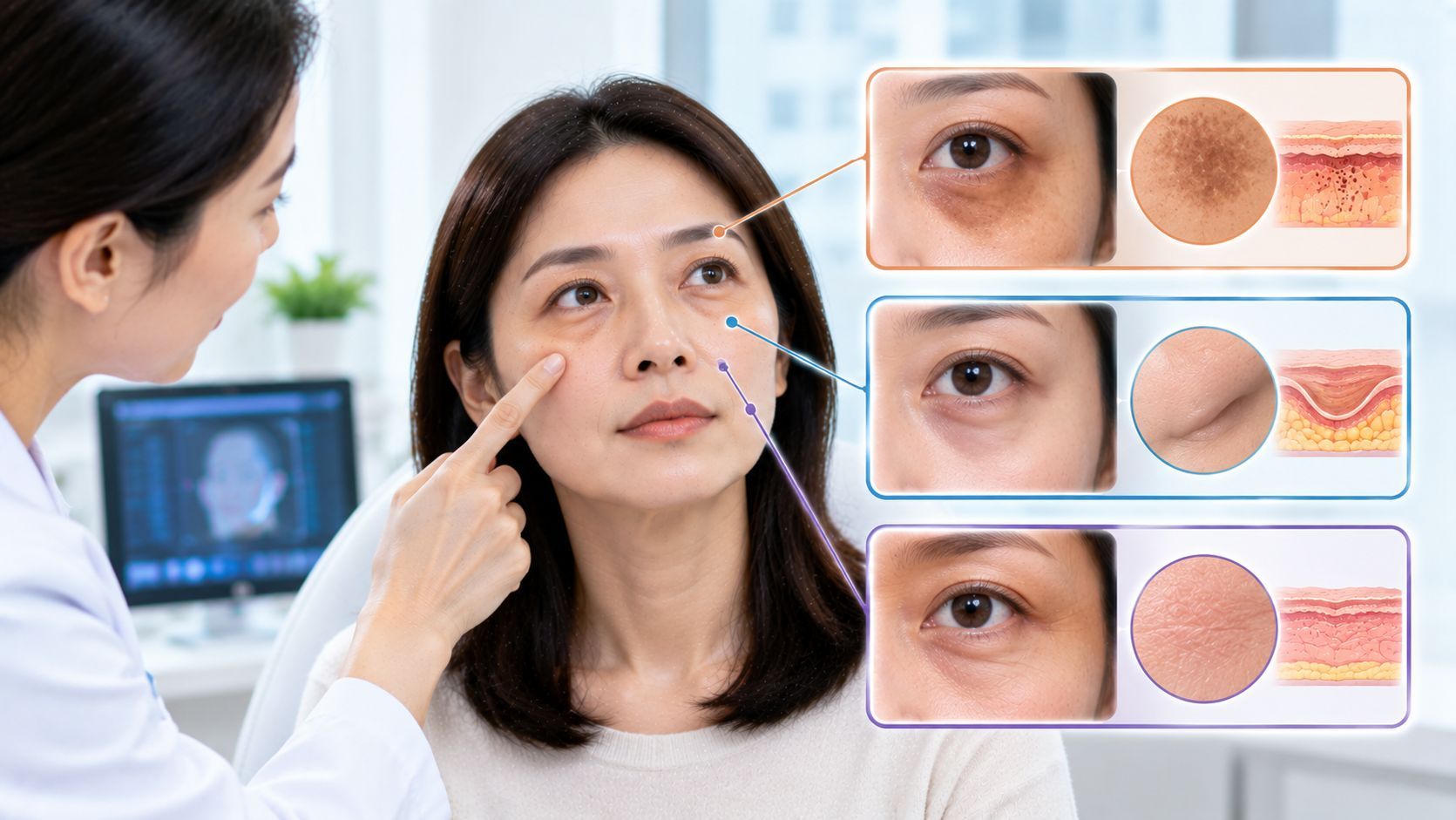
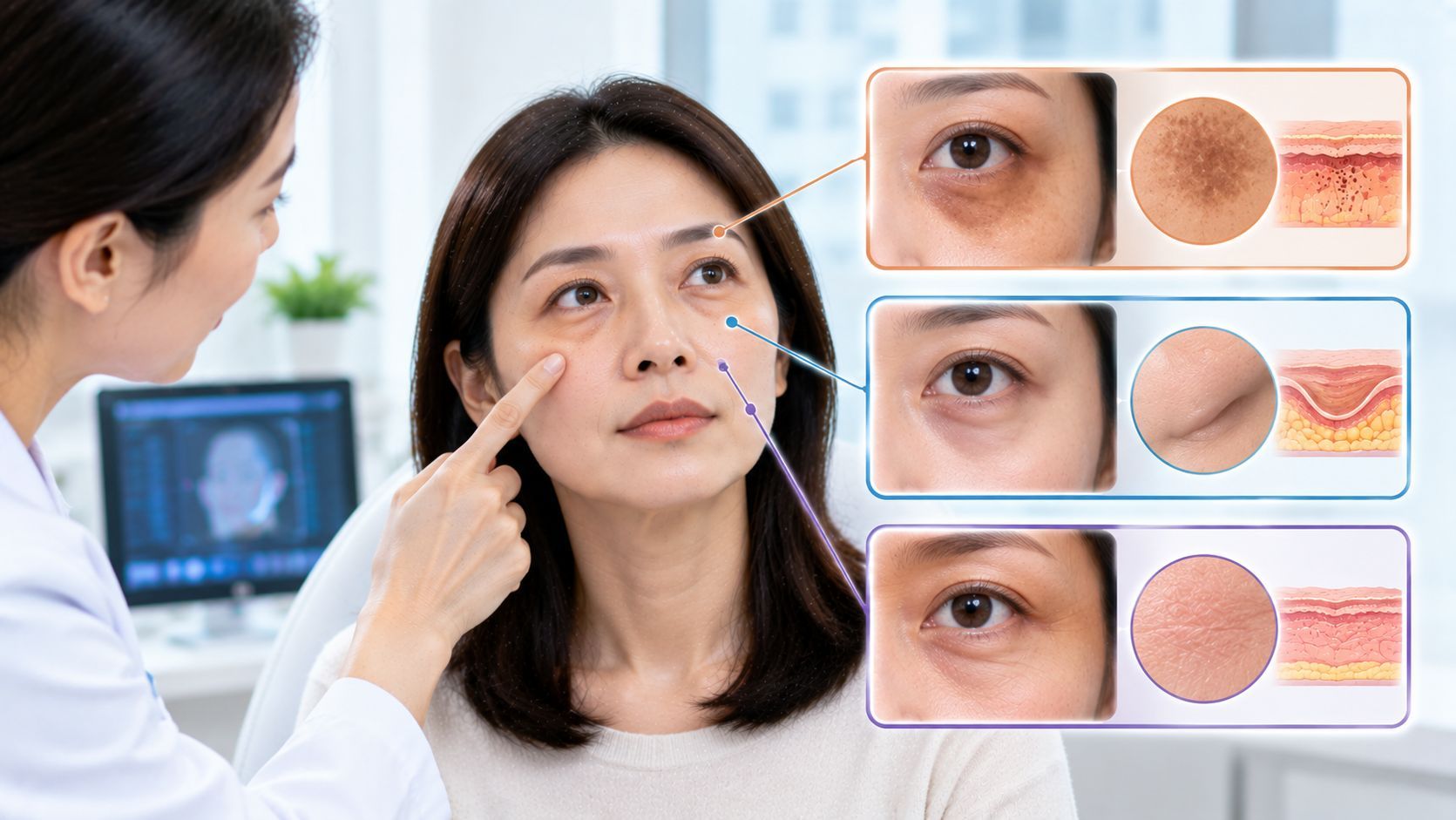
If your mouth looks sad even when you are happy, the issue may not be your facial expression at all. A naturally downturned mouth can develop because of DAO muscle activity, marionette lines, changes in facial volume, skin laxity, chin movement, or gradual changes in lower-face support.
The good news is that you do not necessarily need lip filler to change this appearance. Depending on the cause, options can include DAO Botox, skin-tightening treatments, laser resurfacing, skin-quality treatments, carefully placed filler around the lower face, or surgery for more advanced tissue descent.
The most important step is identifying what is creating the downward appearance before choosing a treatment.
Why Can My Mouth Look Sad When I'm Not Sad?
Your mouth position at rest is influenced by several muscles and supporting structures.
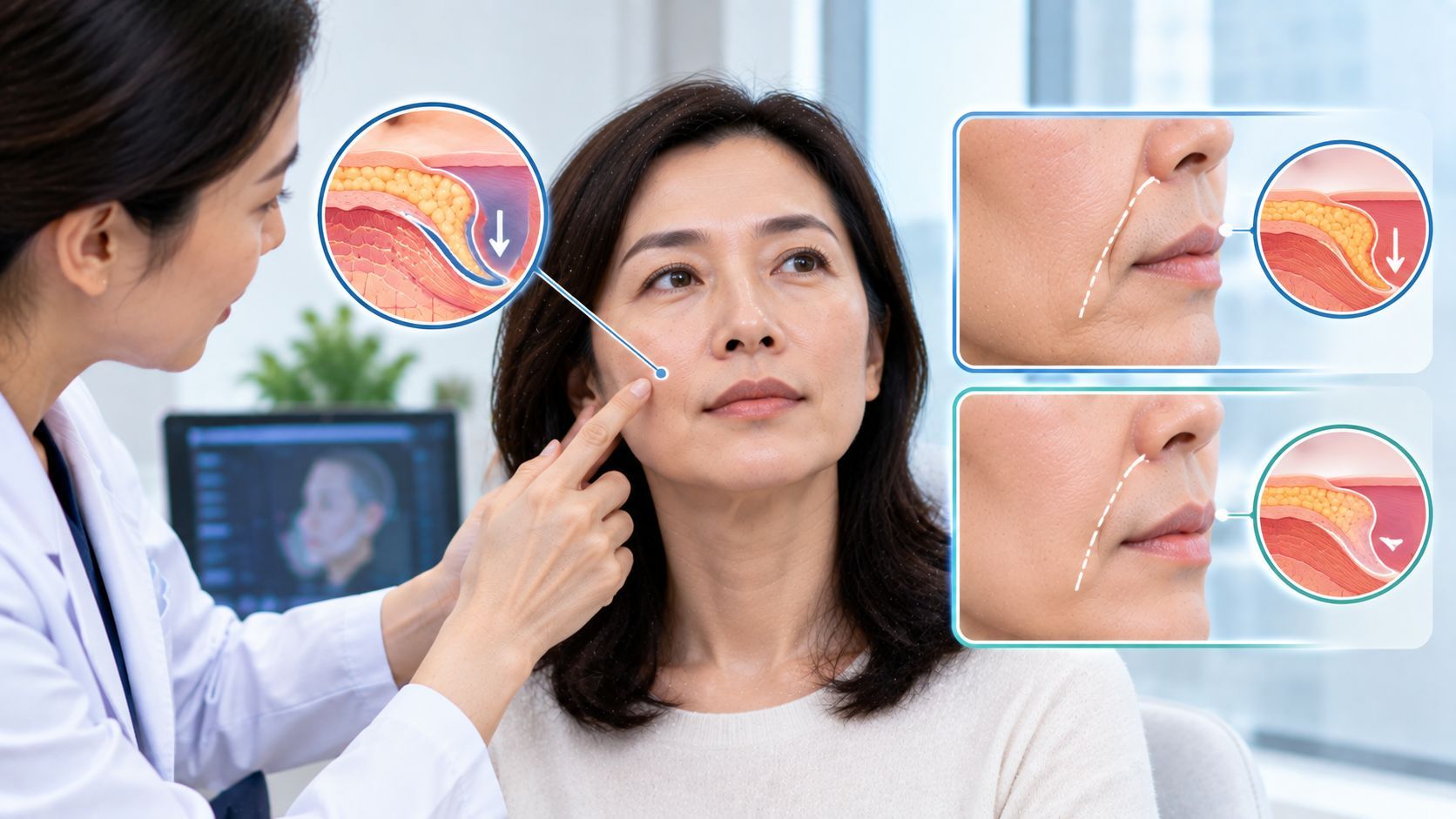
One important muscle is the depressor anguli oris (DAO), which helps pull the corners of the mouth downward. If this muscle is relatively strong or active, the corners may naturally point downward even when you are relaxed.
However, muscle activity is only one possible explanation.
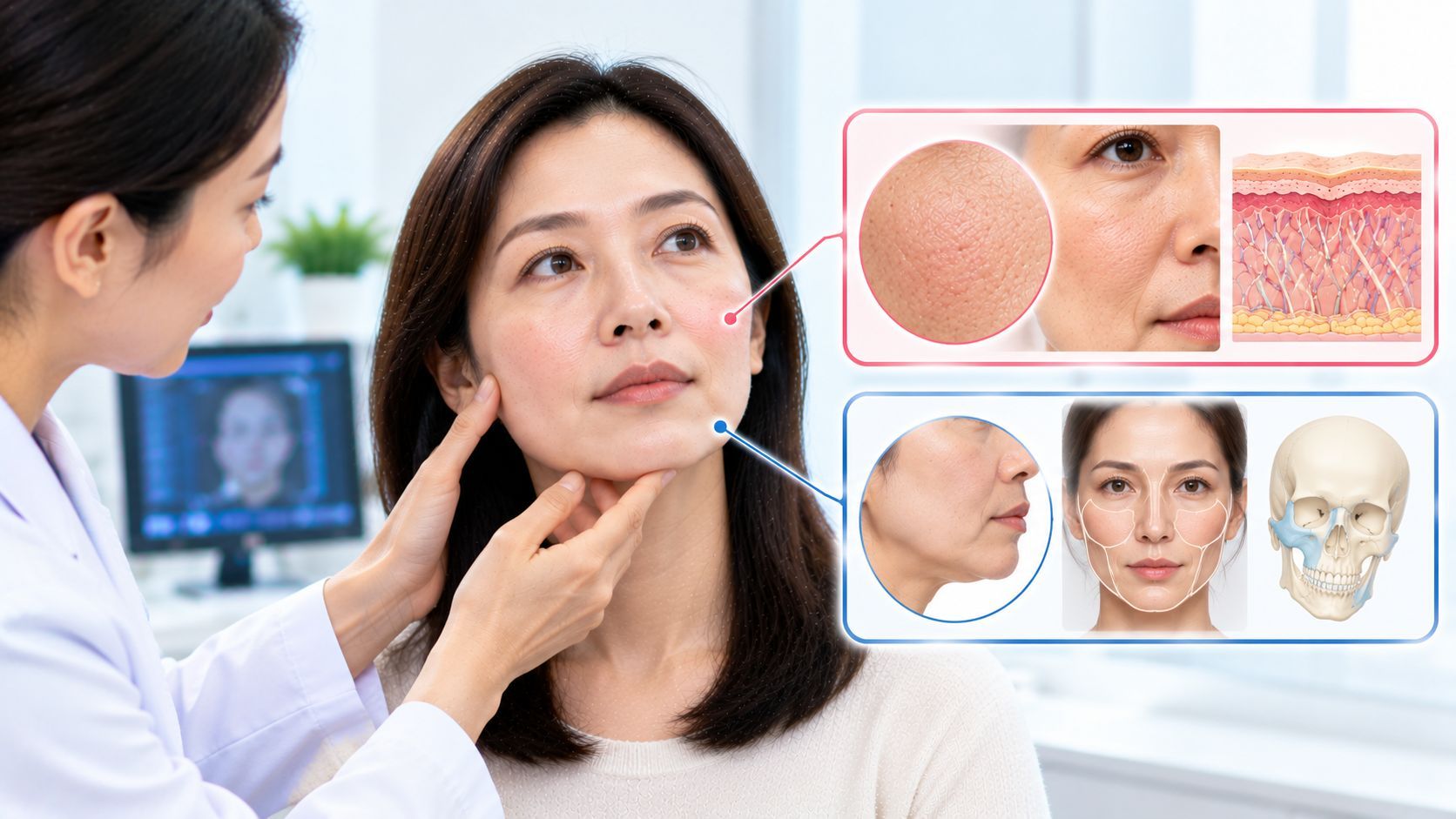
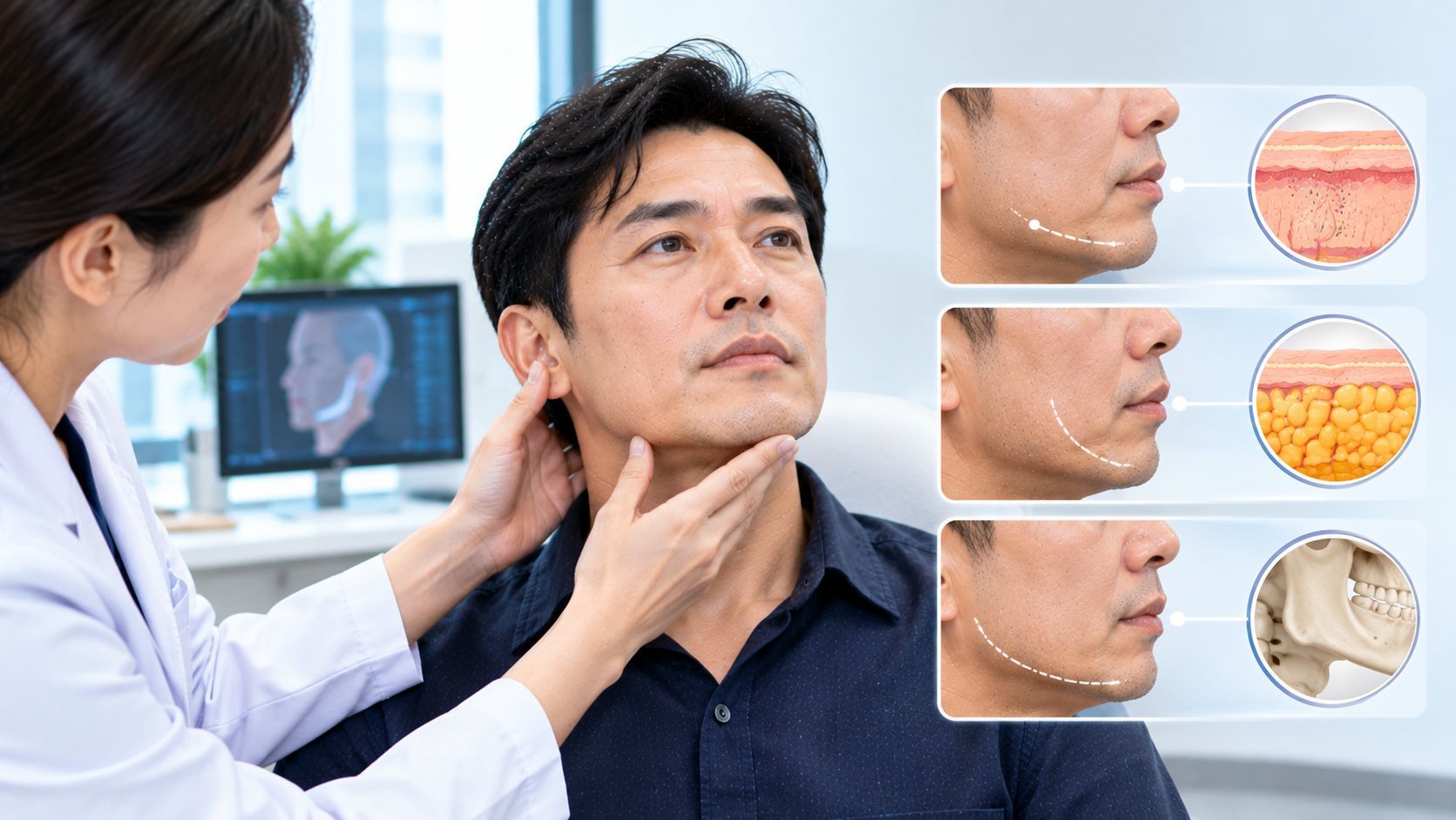
As the face ages, changes in skin elasticity, fat distribution, deeper support, and bone structure can alter the relationship between the mouth, chin, and jawline. The result can be a facial expression that looks more serious or tired despite your actual mood.
Common Reasons the Mouth Looks Downturned
1. Strong DAO Muscle Activity
If your mouth corners visibly pull downward when you frown or make certain expressions, the DAO may be contributing.
In selected patients, Botox can temporarily reduce DAO activity and create a subtle upward change in the resting position of the mouth corners.
However, the lower face contains closely interacting muscles, so treatment needs to be conservative and anatomically precise.
2. Marionette Lines
Marionette lines are folds that extend from the mouth corners toward the chin.
They can make the mouth appear more downward even when the corners themselves are not being strongly pulled by the DAO.
If the lines are deep, treating only the muscle may leave much of the visible aging unchanged.
3. Loss of Facial Volume
Age-related volume changes can alter the shape of the lower face.
The problem may not be that the lips have become too small. Instead, changes around the cheeks, mouth, chin, and jaw can make the mouth appear less supported.
This is one reason a consultation should examine the entire lower face rather than automatically recommending lip filler.
4. Skin Laxity
As collagen and elastin decline, the skin may become less firm.
Mild tissue laxity can contribute to downward movement around the mouth and create deeper folds.
Skin-tightening treatments may be considered when laxity is an important component.
5. Chin Muscle Activity
The mentalis muscle controls movement of the chin and can contribute to a dimpled or “orange-peel” chin appearance.
In some people, changes in chin muscle activity can influence how the lower lip and mouth area look.
A clinician should evaluate the mouth and chin together rather than treating them as completely separate areas.
Can Botox Make a Sad-Looking Mouth Look More Neutral?
Potentially.
DAO Botox is designed to reduce the downward muscular force at the corners of the mouth.
The goal is generally not to create an exaggerated smile. Instead, treatment aims to reduce an unwanted downward pull so the resting mouth looks more neutral.
Results are highly individual because facial anatomy and muscle activity vary.
A study examining botulinum toxin treatment for lower-face muscles found that treatment can affect the appearance and function of the lower face, reinforcing the importance of accurate muscle identification and conservative dosing.
What If I Don't Want Botox?
There are other possibilities.
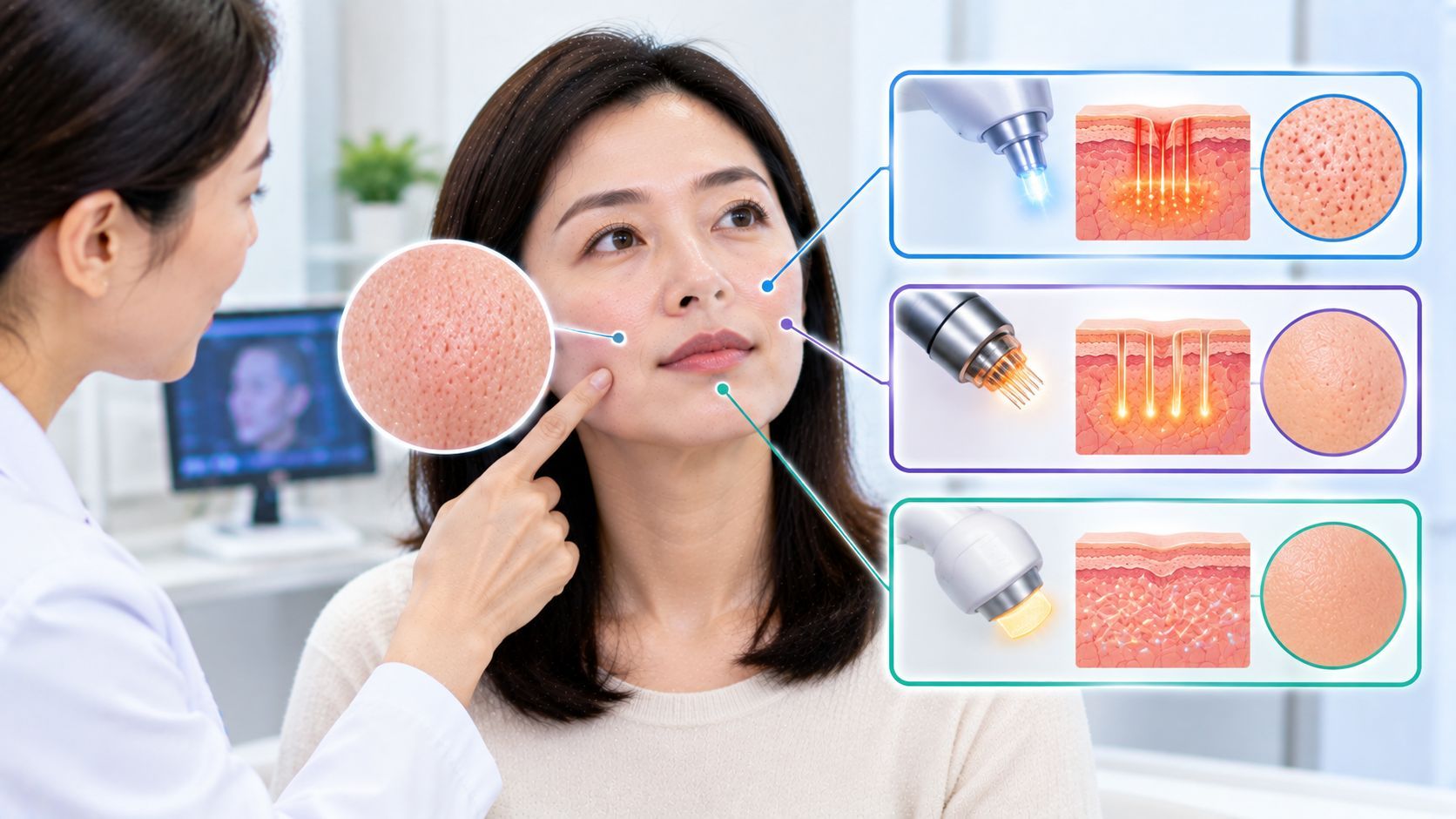
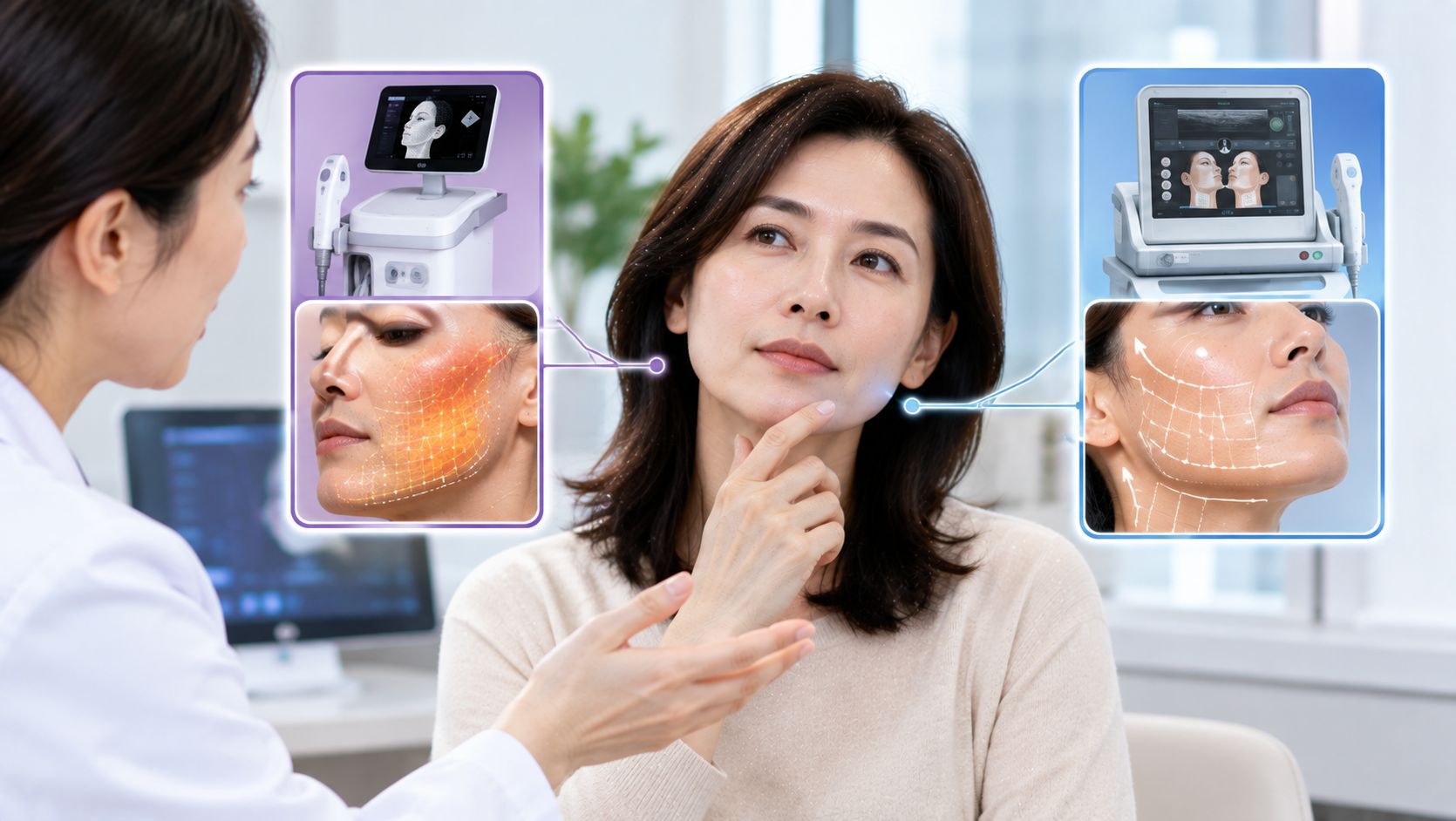
Radiofrequency Skin Tightening
RF treatments can be considered when mild skin laxity and declining skin quality contribute to the aging appearance.
Rather than changing muscle activity, RF aims to heat tissue and stimulate remodeling.
It may be more appropriate when your main concern is loose or less resilient skin rather than a strongly contracting DAO.
Laser Resurfacing
Laser treatments can improve surface texture and fine lines around the mouth.
Depending on the laser and treatment intensity, downtime can range from minimal to several days or longer.
Laser is primarily a skin-quality treatment, so it should not be expected to physically reposition a significantly downturned mouth.
RF Microneedling
RF microneedling combines controlled microneedling with RF energy and may be considered for fine lines, texture, and mild laxity.
It can be useful when the area around the mouth looks aged because of poor skin quality rather than primarily because of muscle activity.
Do I Need Filler?
Not necessarily.
If you dislike the idea of filler, tell your clinician before the consultation.
A downturned mouth does not automatically mean that the lips need more volume.
In some patients, the main problem is muscle activity. In others, it is skin laxity or tissue descent.
If volume loss is genuinely contributing, carefully selected filler outside the lips may sometimes be discussed. For example, the clinician may evaluate the chin or surrounding structural areas rather than simply enlarging the lips.
But adding volume is not always the right answer.
What If My Mouth Looks Sad Because of Marionette Lines?
Marionette lines can require a different strategy.
Very superficial lines may respond to skin-quality treatments or resurfacing.
Deeper folds may require assessment of the surrounding facial support and volume distribution.
Some patients may benefit from carefully placed filler, while others may be better candidates for tightening procedures or a combination approach.
The goal should be to soften the transition between the mouth and chin without making the lower face look heavy.
Could Treating the Jawline Help?
Sometimes the mouth looks more downturned because the entire lower face has become heavier or less defined.
If you also notice:
- Jowls
- Loss of jawline definition
- A heavier lower face
- Deeper marionette lines
- Changes beneath the chin
the mouth should be assessed as part of the broader lower-face aging pattern.
A jawline treatment will not directly “lift” the mouth, but improving surrounding tissue in an appropriate candidate may change the overall balance.
What About Skin Boosters or Collagen-Stimulating Treatments?
If the skin around your mouth has become thin, dry, or finely wrinkled, skin-quality treatments may complement other approaches.
Some treatments, including polynucleotide-based products and other collagen-supporting approaches, are designed more toward improving skin quality than creating immediate structural volume.
Evidence for these newer treatments continues to develop, and products are not interchangeable. Treatment should therefore be based on the specific product, injection technique, treatment area, and available evidence.
When Is Surgery More Appropriate?
If significant tissue descent is responsible for the downturned appearance, nonsurgical treatments may have limited effects.
A facelift or other lower-face surgical procedure may be discussed when the primary problem is substantial laxity and descent rather than isolated muscle activity.
Surgery is not necessary simply because your mouth corners turn downward. It becomes relevant when the degree of structural aging exceeds what nonsurgical treatment can reasonably address.
How Do You Know Which Treatment You Need?
A useful diagnostic approach is to ask what happens when your face moves.
Main concernTreatment that may be consideredStrong downward movement of mouth cornersDAO BotoxFine lines and poor skin textureLaser or resurfacingMild skin laxityRF or other tighteningCrepey lower-face skinRF, laser, or skin-quality treatmentDeep marionette linesStructural assessment ± filler or other treatmentChin dimpling/contractionMentalis assessmentSignificant lower-face descentSurgical consultation
These categories can overlap. A person can have both DAO activity and marionette lines, for example.
What Should I Ask a Dermatologist in Seoul?
If you are visiting Seoul for treatment, explain your aesthetic goal rather than simply asking for a particular injection.
You might say:
“I want my mouth to look more neutral at rest, but I don't want an overfilled or exaggerated result.”
Then ask:
- What is causing my mouth corners to look downward?
- Is my DAO muscle overactive?
- Are marionette lines contributing?
- Is volume loss part of the problem?
- Would Botox alone be enough?
- Could treatment affect my smile?
- Would skin tightening help?
- What would you recommend if I don't want lip filler?
- How long will the result last?
- What is the expected downtime?
For international patients, it is also useful to provide information about previous Botox, filler, laser, or lifting treatments.
When a Downturned Mouth Needs Medical Attention
A gradually changing mouth appearance can be part of normal facial aging.
However, sudden facial asymmetry, facial weakness, numbness, difficulty speaking, or other new neurological symptoms should not be assumed to be cosmetic aging and require prompt medical evaluation.
Conclusion
A mouth that looks sad even when you are happy is often the result of anatomy and aging rather than emotion. DAO muscle activity, marionette lines, volume changes, skin laxity, and chin or lower-face changes can all contribute.
If muscle activity is the main issue, DAO Botox may help create a more neutral resting position. If skin quality or laxity dominates, laser, RF, or other skin treatments may be more relevant. If significant volume loss or tissue descent is involved, a broader lower-face assessment may be necessary.
You do not have to choose one treatment simply because it is commonly used. The most useful starting point is to determine what is making your mouth look downturned in the first place.
FAQs
Why does my mouth look sad when I'm happy?
The resting position of your mouth is influenced by muscle activity, facial anatomy, skin elasticity, volume distribution, and aging. A downturned mouth does not necessarily reflect your emotional state.
Can Botox make a downturned mouth look happier?
DAO Botox may reduce downward muscle activity and make the mouth corners appear more neutral in selected patients. It should not be expected to produce a dramatic or permanent lift.
Do I need lip filler for a sad-looking mouth?
No. Lip filler is only one possible treatment and may not address the actual cause. DAO Botox, skin treatments, tightening, or treatment of surrounding structural areas may be considered depending on your anatomy.
What if I have deep marionette lines?
Deep marionette lines may involve more than muscle activity. A clinician may assess skin quality, volume distribution, tissue descent, and lower-face support before recommending treatment.
Can RF tighten the area around my mouth?
RF may improve mild laxity and skin quality, but it does not directly relax the DAO or replace substantial volume loss.
How can I avoid an overfilled lower face?
Start with an anatomical assessment and identify the specific cause of the downturned appearance. If volume is recommended, ask why it is needed, where it would be placed, and how the clinician plans to avoid excessive fullness.