My Pigmentation Became Darker After Pico Laser. Is That Normal?
Introduction
If your pigmentation looks darker after Pico laser treatment, it can be worrying—especially when the goal was to make dark spots, freckles, or uneven skin tone lighter. However, some temporary darkening can occur after pigment-focused laser treatment and does not automatically mean the procedure failed.
The skin may temporarily become darker because treated pigment is undergoing clearance, because of inflammation, or because the treatment has triggered post-inflammatory hyperpigmentation (PIH). PIH is particularly relevant in people with darker skin tones and can sometimes be persistent. Research also shows that laser treatment can occasionally worsen existing pigmentation.
The important question is whether the darkening is part of the expected healing process or whether you are developing treatment-related hyperpigmentation that needs evaluation.
Why Can Pigmentation Look Darker After Pico Laser?
Treated pigment can temporarily become more noticeable
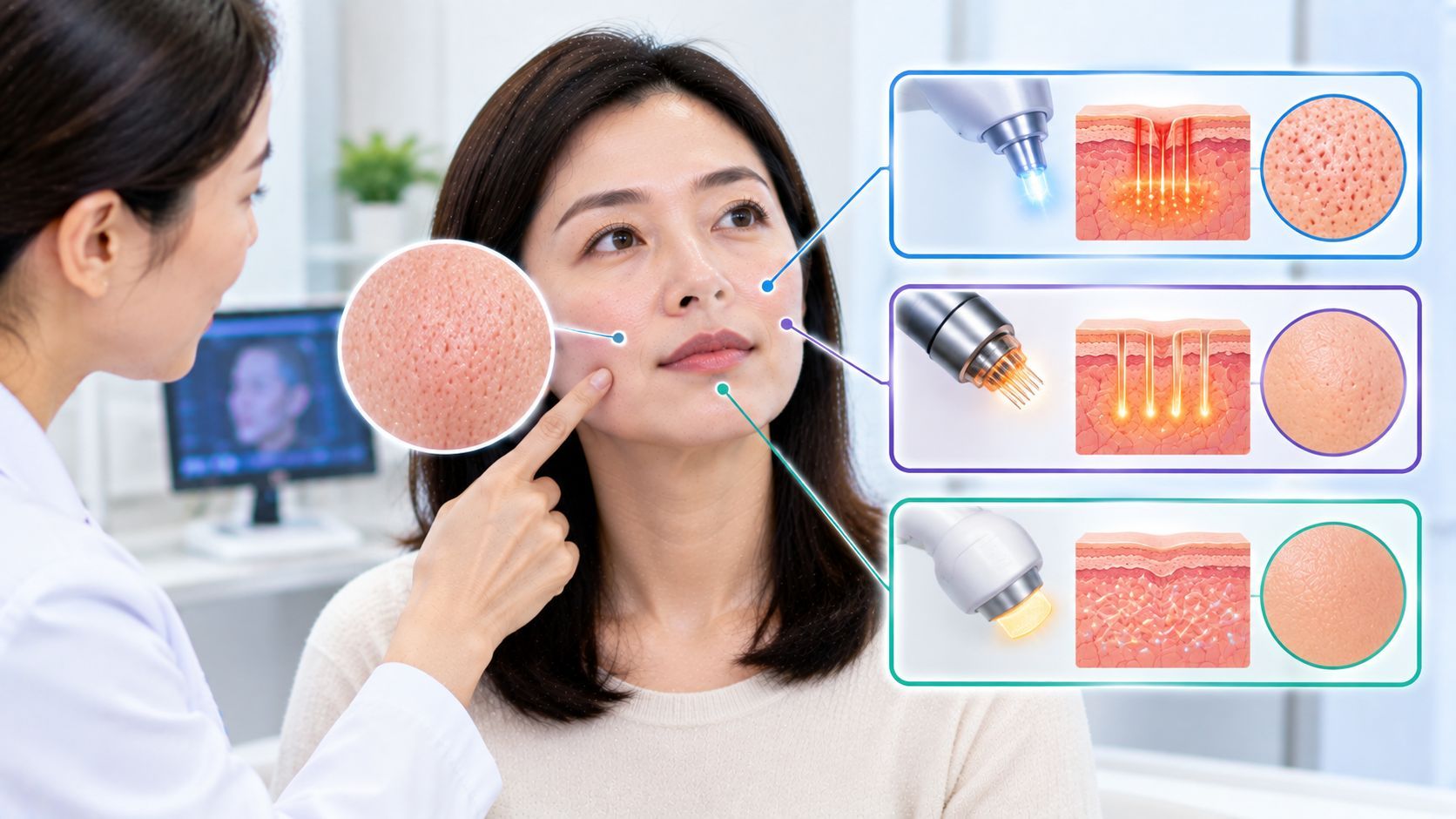
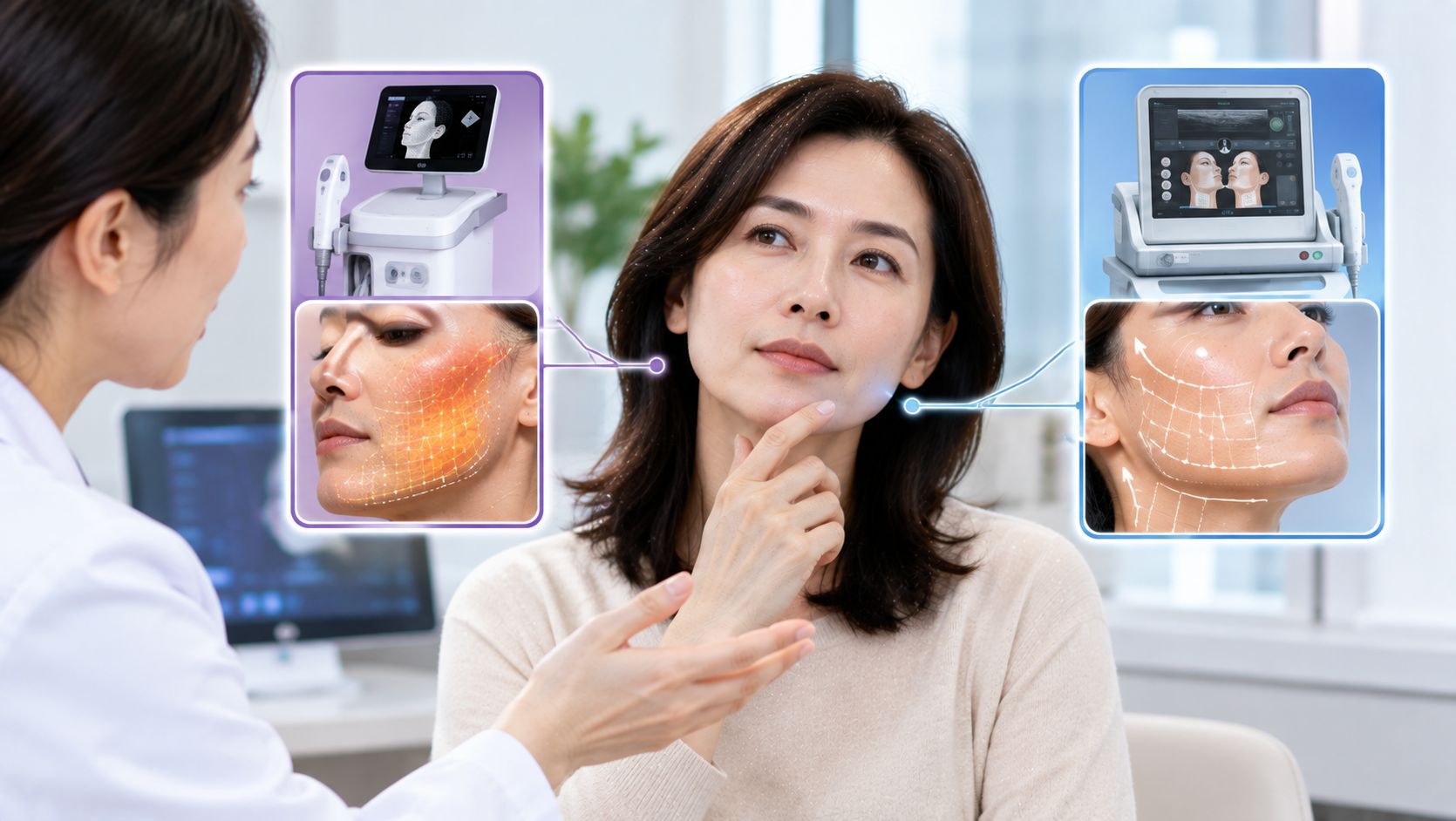
Pico lasers deliver extremely short pulses of energy that can target pigment. Depending on the device, wavelength, settings, and type of pigmentation being treated, the treated area may temporarily look darker before it becomes lighter.
This is especially relevant when treating discrete pigmented lesions rather than diffuse pigmentation.
The exact response depends on the type of pigment and the laser parameters used. A systematic review of picosecond lasers found that these devices are used for several pigment-related conditions, but outcomes vary according to the indication and treatment approach.
Inflammation can temporarily darken the skin
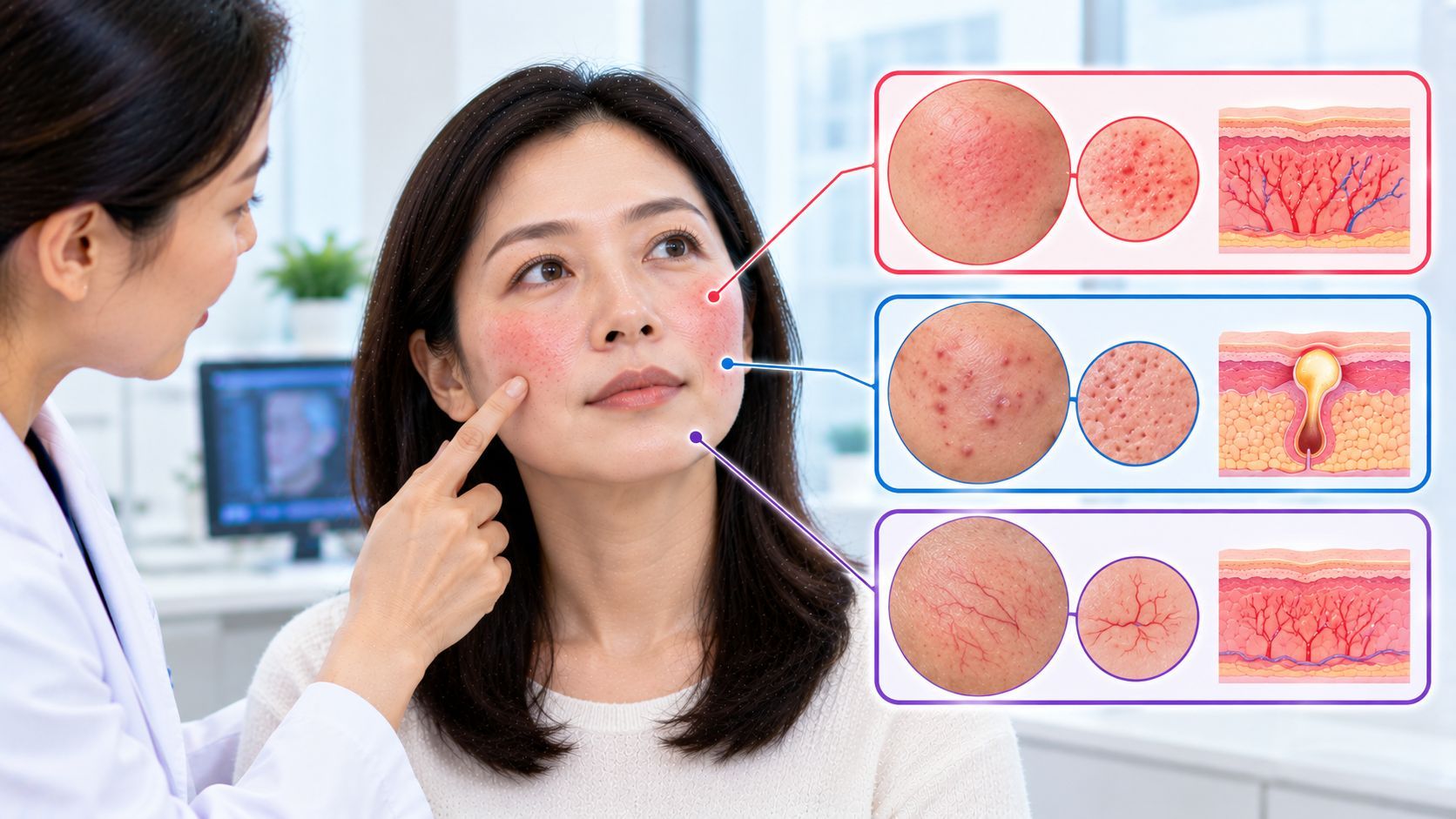
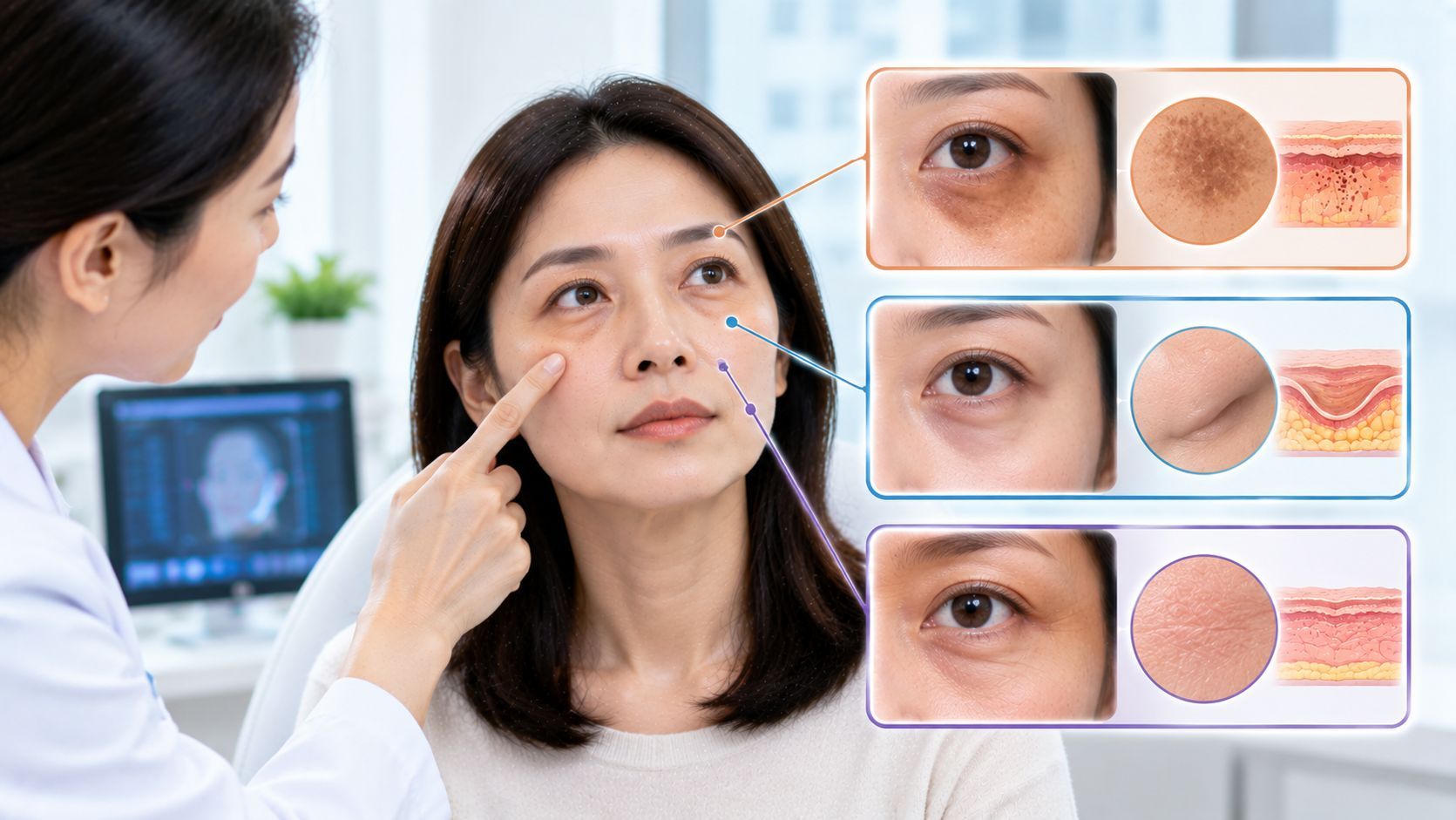
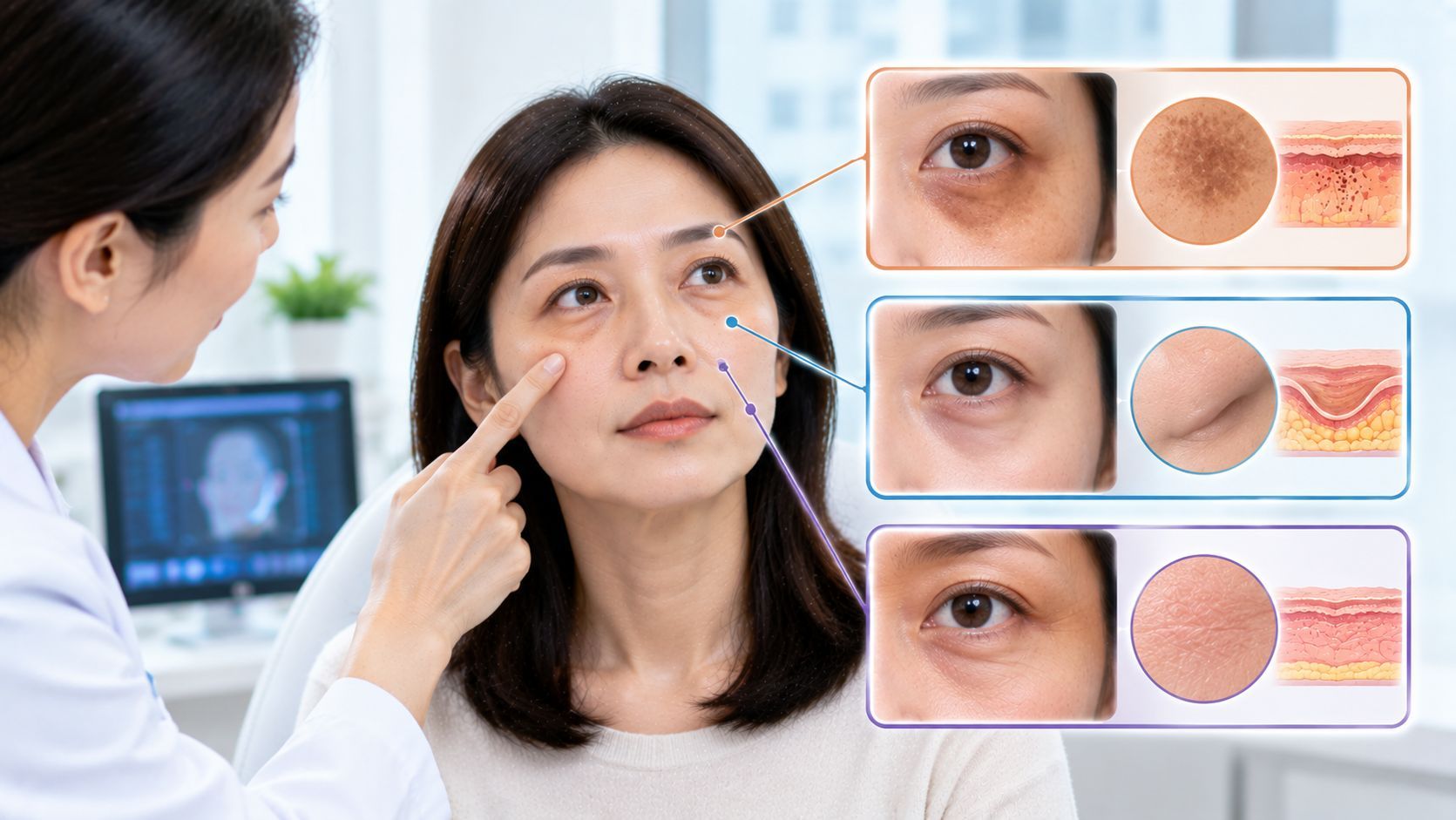
Laser treatment creates a controlled response in the skin. Inflammation can stimulate melanocytes, the cells responsible for producing melanin.
When increased pigment develops following inflammation or injury, it is called post-inflammatory hyperpigmentation.
This can make the treated area appear darker than it looked before the procedure.
Crusting or surface changes can make spots appear darker
Some pigment treatments can produce temporary changes at the skin surface. Small areas of treated pigment may look darker or more pronounced while the skin is recovering.
Do not pick, scratch, or forcibly remove any crusting or peeling. Doing so can increase inflammation and potentially worsen pigmentation.
Is Darkening After Pico Laser Always Normal?
No.
A temporary increase in darkness can occur, but persistent or progressively worsening pigmentation should not simply be assumed to be normal recovery.
The distinction depends on:
- What type of pigmentation was treated
- Which Pico laser wavelength was used
- Treatment energy and settings
- Your natural skin tone
- Whether you have a history of PIH
- How much inflammation occurred
- Sun exposure after treatment
- Your aftercare routine
- Whether the original condition was melasma, freckles, lentigines, acne marks, or another pigment disorder
A 2024 systematic review found that PIH is more common in darker skin and can be difficult to treat. Laser and energy-based treatments produced partial improvement in many cases, but worsening of PIH was also reported in a subset of patients.
Pico Laser and Melasma Are Different From Simple Dark Spots
Melasma can be particularly unpredictable
Melasma is a chronic pigmentation condition that can fluctuate with factors such as sunlight, hormones, heat, and inflammation.
Laser treatment may improve melasma in some patients, but recurrence and treatment-related pigmentation are important considerations.
A meta-analysis of picosecond laser treatment for melasma found improvement in some studies but also substantial variation between studies. Some treatment wavelengths and protocols had different safety profiles, demonstrating why the laser wavelength and treatment parameters matter.
More recent research also highlights the need for individualized treatment when using picosecond lasers for melasma because post-inflammatory hyperpigmentation remains a potential complication.
Therefore, if your melasma became darker after Pico laser, simply increasing the laser intensity may not be the appropriate solution.
What About Freckles or Sun Spots?
Pigmented lesions such as freckles and lentigines may respond differently from melasma.
With discrete pigmentation, the treated area may temporarily become darker as the pigment responds to the laser.
However, the treatment should still be monitored.
If the pigmentation continues getting darker, spreads beyond the original treatment area, or develops significant inflammation, contact the treating clinic for an assessment.
Why Are Darker Skin Types More At Risk?
PIH can occur in any skin type, but it is particularly important in people with medium-to-dark skin tones.
A systematic review focused on skin of color found that PIH has a heightened tendency to occur in darker skin and that treatment can be challenging. The review included Asian, Black, and Latin participants and found that laser therapy could produce improvement but also reported cases of worsening PIH.
This does not mean people with darker skin cannot have Pico laser treatment.
Instead, treatment planning needs to account for:
- Skin phototype
- Pigmentation diagnosis
- Laser wavelength
- Energy level
- Treatment density
- Previous PIH
- Sun exposure
- Current skincare
- Previous laser treatments
How Long Should You Wait Before Judging the Result?
Do not judge the final pigmentation result immediately after treatment.
The appropriate timeline depends on the specific Pico laser, treatment settings, and condition being treated.
Ask your dermatologist:
- When should the darkening start to improve?
- When should peeling or crusting stop?
- When should the final pigment be assessed?
- How many treatments are normally expected?
- What symptoms would indicate abnormal PIH?
Pico laser treatment often requires more than one session for some pigmentation conditions, and results can vary considerably between patients. Evidence reviews emphasize that treatment protocols and indications are not interchangeable.
What Should You Do After Pico Laser?
Protect your skin from UV exposure
Sun exposure can make pigmentation more difficult to control.
Follow your clinic's sunscreen and sun-avoidance instructions carefully. The American Academy of Dermatology notes that darker skin is particularly prone to developing dark spots after inflammation and emphasizes identifying and controlling the cause of hyperpigmentation.
Keep your skincare routine gentle
Unless your dermatologist specifically recommends otherwise, avoid experimenting with multiple strong active ingredients while your skin is recovering.
Depending on the treatment, your clinician may advise temporarily avoiding:
- Strong exfoliating acids
- Scrubs
- Retinoids
- Aggressive cleansing
- At-home peels
- Other lasers
- Excessive heat
The goal is to minimize additional inflammation while the skin heals.
Do not pick treated areas
If treated pigment becomes darker or develops surface changes, allow the skin to heal naturally.
Picking can create additional inflammation and increase the risk of post-inflammatory pigmentation.
Should You Get Another Pico Laser Session?
Do not automatically schedule another session simply because the pigmentation looks darker.
First determine why it became darker.
A dermatologist may need to establish whether you are experiencing:
- Normal post-treatment pigment changes
- Temporary inflammation
- Post-inflammatory hyperpigmentation
- Recurrence of the original pigmentation
- An inappropriate treatment target
- Excessive treatment-related irritation
If PIH is developing, additional laser treatment may need to be postponed or reconsidered.
A 2026 systematic review of interventions intended to prevent PIH after laser and energy-based treatments emphasized individualized prevention strategies, particularly for patients at higher risk of hyperpigmentation.
What If the Pigmentation Stays Dark?
If the darkening persists beyond the expected recovery period, arrange a follow-up assessment.
Treatment options depend on the diagnosis. A dermatologist may consider approaches such as:
- Prescription topical treatments
- Sun protection
- Pigment-control skincare
- Adjusting future laser settings
- Changing treatment strategy
- Carefully selected combination therapy
There is no single treatment that is appropriate for every form of pigmentation.
This is especially important with melasma, because repeatedly treating the skin without controlling the underlying triggers can produce disappointing results.
When Should You Contact the Clinic Quickly?
Contact your treating clinic if you notice:
- Increasing rather than improving pain
- Significant swelling
- Blistering
- Burns
- Severe redness
- Signs of infection
- Rapidly spreading discoloration
- Significant changes outside the treatment area
- Persistent worsening pigmentation
These symptoms warrant assessment rather than simply waiting for the next treatment session.
For International Patients Having Pico Laser in Seoul
If you are traveling to Seoul for Pico laser treatment, ask the clinic to document the procedure.
Keep:
- Device name
- Laser wavelength
- Treatment date
- Treatment area
- Treatment settings, if available
- Before-treatment photographs
- Diagnosis or treatment target
- Aftercare instructions
- Recommended follow-up date
This information is particularly useful if the pigmentation becomes darker after you return home.
If you need treatment from another dermatologist later, knowing exactly what laser and settings were used can make the assessment much more informative.
Conclusion
If your pigmentation became darker after Pico laser, some temporary darkening can occur, but it should not automatically be considered normal in every situation.
The change may reflect temporary treatment-related pigment changes, inflammation, or healing. However, Pico laser can also trigger or worsen post-inflammatory hyperpigmentation, particularly in people who are more prone to PIH.
The safest approach is to identify exactly what type of pigmentation was treated, understand the laser wavelength and settings, protect your skin from UV exposure, follow the prescribed aftercare, and have persistent or worsening darkening assessed before undergoing another laser session.
Frequently Asked Questions
Is it normal for pigmentation to look darker after Pico laser?
Temporary darkening can occur after pigment-focused laser treatment. However, persistent or worsening darkening may represent post-inflammatory hyperpigmentation and should be evaluated.
How long does pigmentation stay dark after Pico laser?
There is no universal timeline. Recovery depends on the pigmentation being treated, laser wavelength, settings, skin type, and individual healing response.
Can Pico laser make pigmentation worse?
Yes. Although Pico laser can improve several pigment-related conditions, laser-induced or worsened PIH is a recognized possibility.
Is Pico laser safe for darker skin?
It can be used in darker skin, but treatment needs to be individualized because darker skin has a higher tendency toward post-inflammatory hyperpigmentation.
Should I use whitening products after Pico laser?
Do not introduce strong pigment-lightening or exfoliating products without guidance from your treating dermatologist. Recently treated skin may be more sensitive, and excessive irritation can contribute to pigmentation.
Should I repeat Pico laser if my pigmentation became darker?
Not automatically. First determine whether the darkening is expected recovery, temporary inflammation, PIH, or persistence of the original condition. Another session may need to be delayed or the treatment strategy changed.