Why Did My Pores Look Larger After Laser Treatment?
Introduction
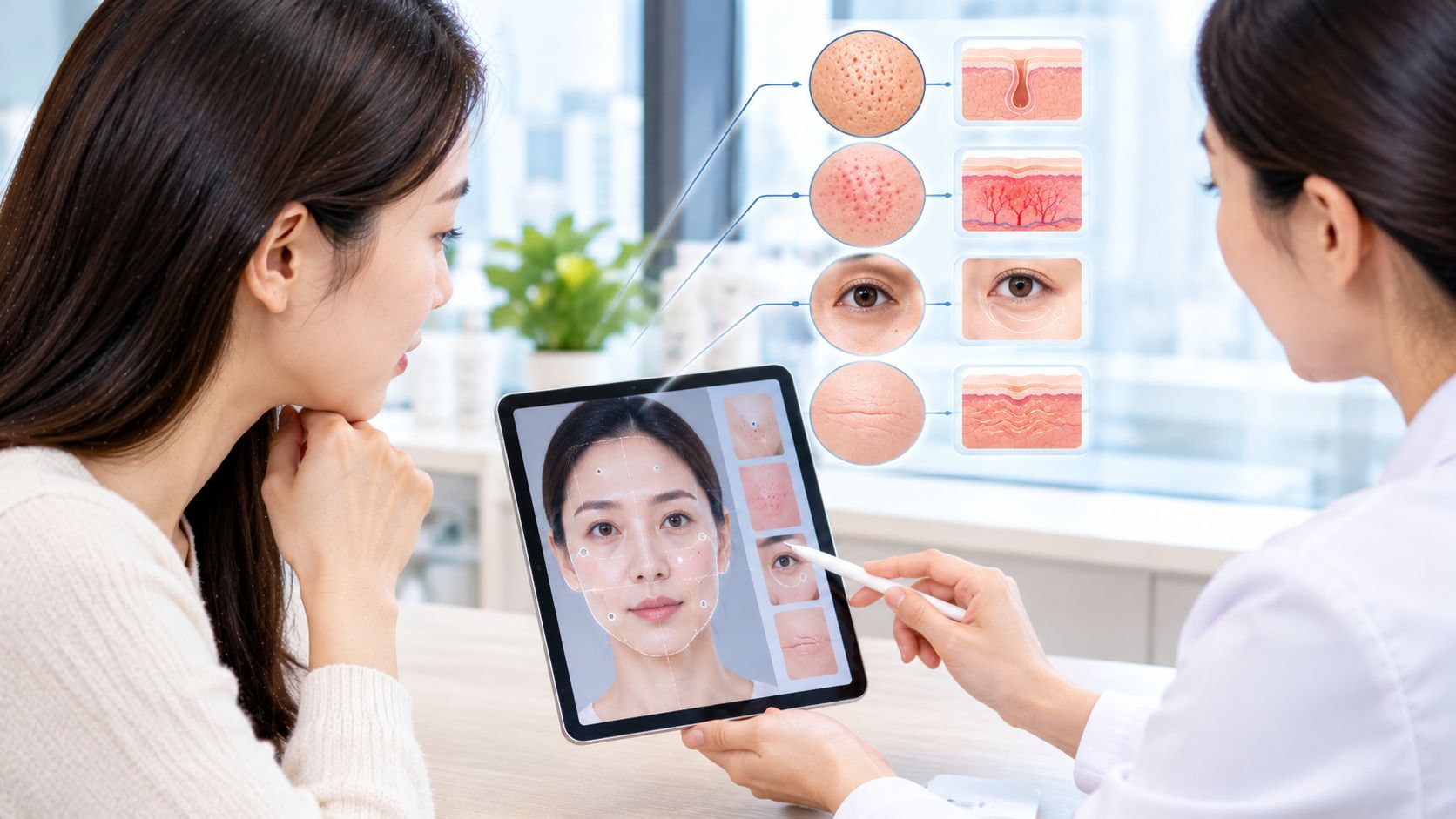
If your pores look larger after a laser treatment, it can be alarming—especially if you expected smoother, tighter-looking skin. In many cases, the pores have not permanently become larger. Temporary swelling, dryness, inflammation, changes in skin texture, or the way light reflects from the skin can make pores appear more noticeable during recovery.
However, enlarged-looking pores after laser treatment can sometimes indicate irritation or a post-inflammatory change, particularly if the skin has become darker, rougher, or persistently inflamed. Laser treatments can trigger post-inflammatory hyperpigmentation (PIH), and this risk is particularly relevant for people with darker skin tones.
The key is to determine whether your pores only look larger temporarily during healing or whether the treatment caused an ongoing change in skin texture or pigmentation.
Why Can Pores Look Larger After Laser Treatment?
Temporary swelling can change the appearance of pores
Laser treatments intentionally affect the skin, and inflammation or swelling can occur afterward. When the surrounding skin becomes swollen, the texture of pores may look different.
A pore may appear more obvious because the skin around it is temporarily raised, irritated, or uneven.
This can be particularly noticeable during the first several days after more intensive laser procedures.
Dryness and peeling can make pores more visible
After certain lasers, the skin barrier can temporarily become dry or flaky.
When the surface becomes dehydrated:
- Fine lines can look stronger.
- Texture can appear rougher.
- Pores can appear deeper.
- Makeup may settle around pores.
- Uneven light reflection can make pores stand out.
This can create the impression that the pores have permanently enlarged even when the underlying pore structure has not changed substantially.
Inflammation can temporarily worsen skin texture
Laser treatment creates a controlled response in the skin. As the skin heals, inflammation and tissue remodeling can temporarily change its appearance.
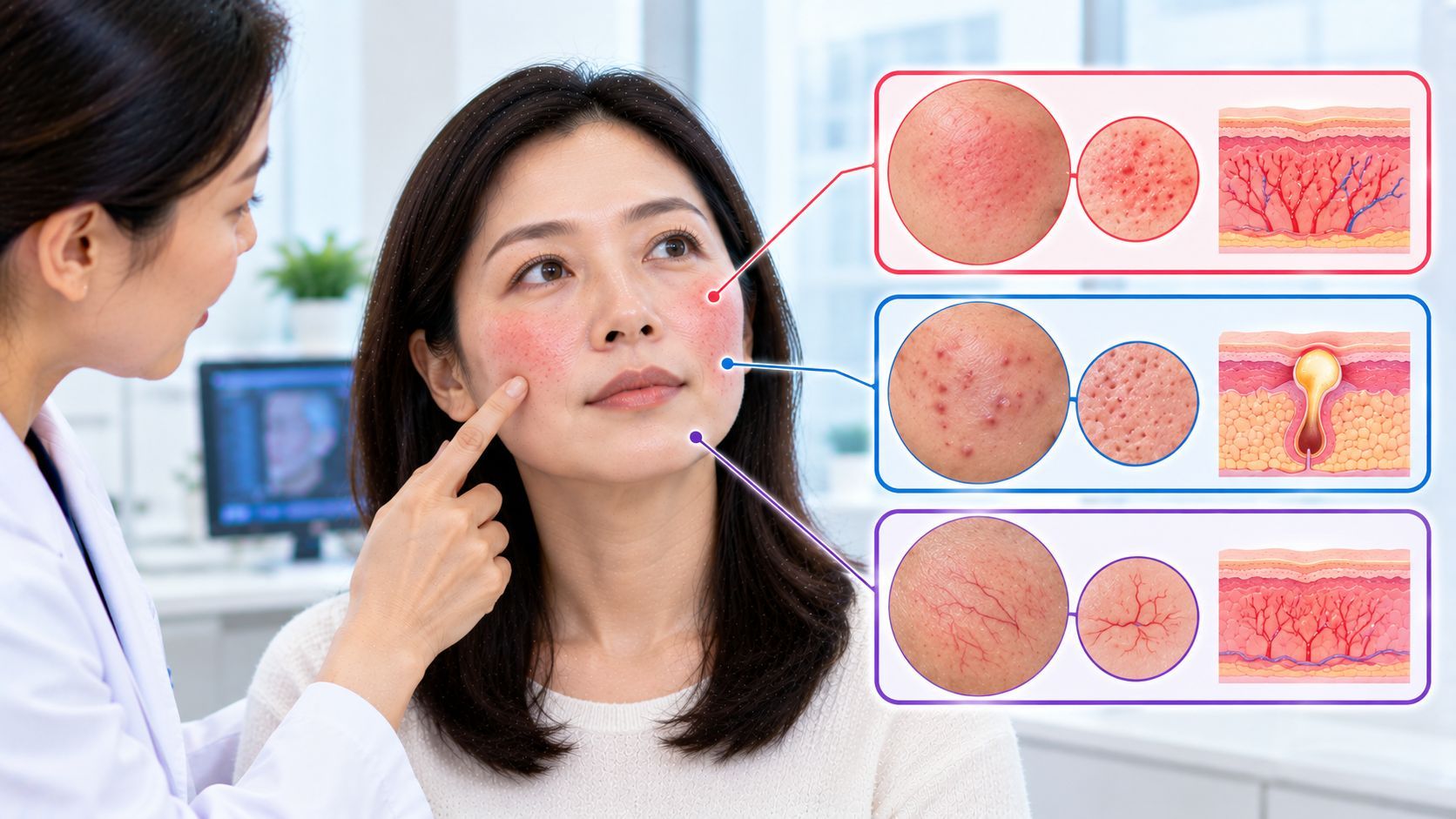
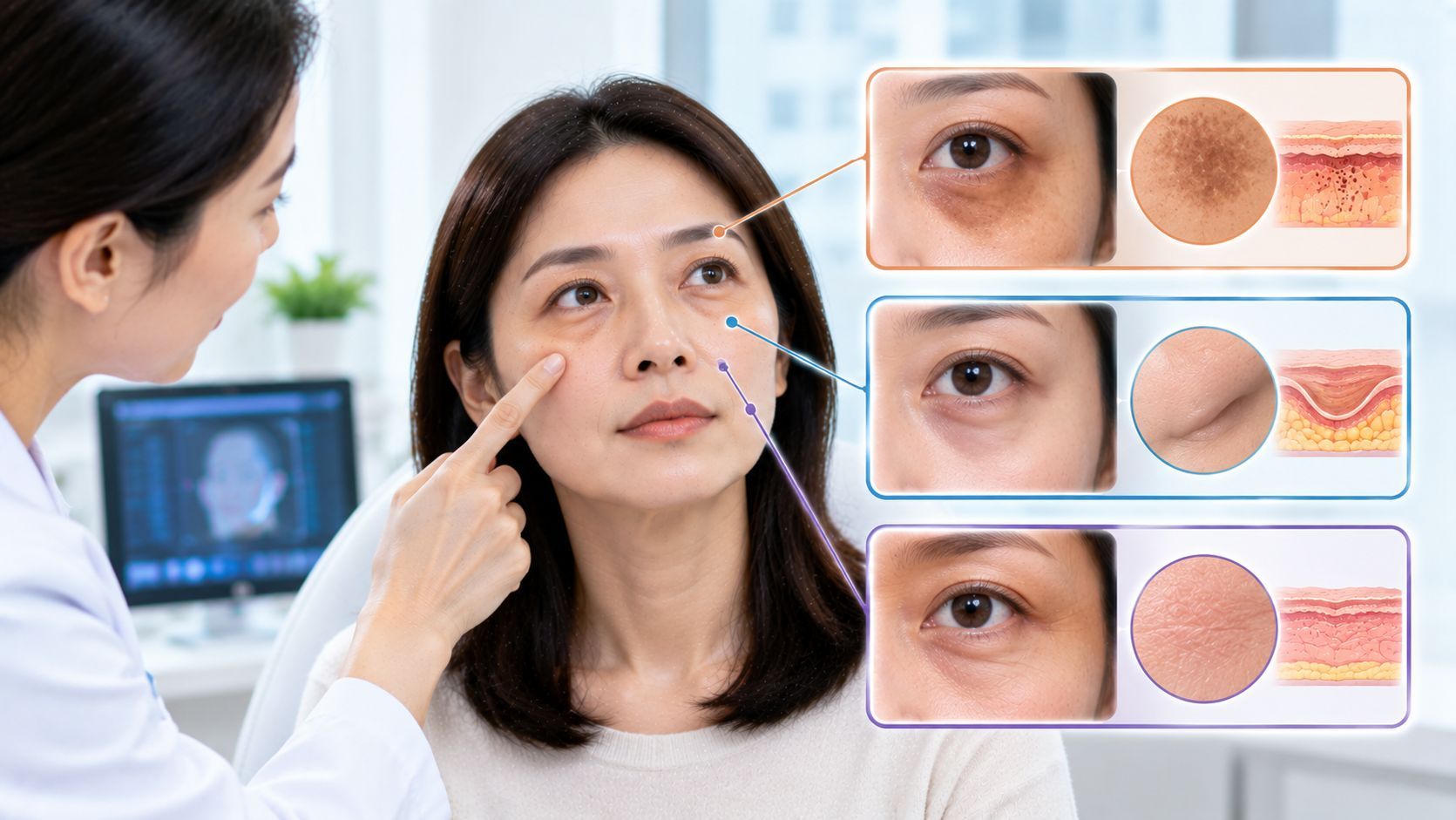
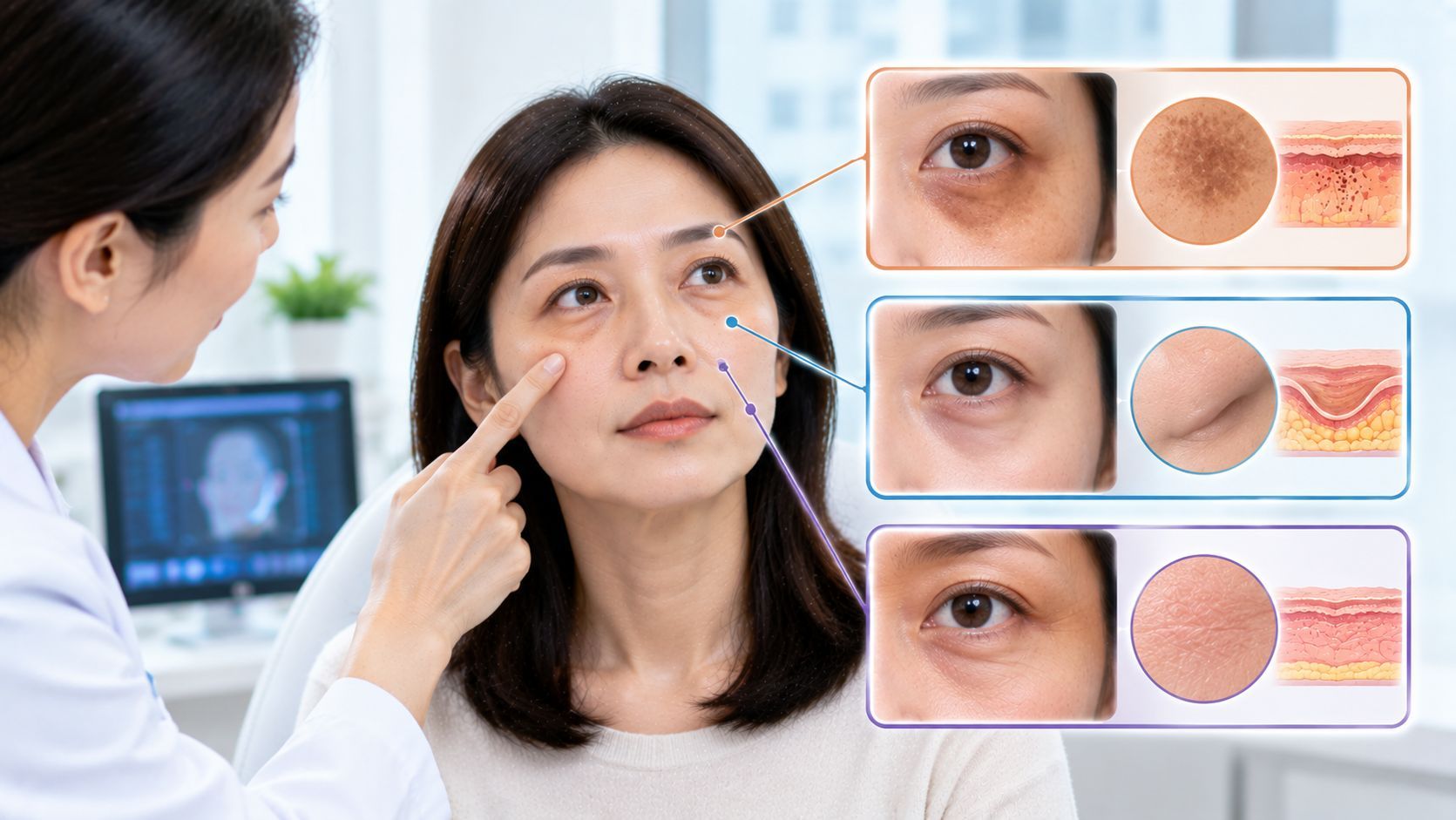
Post-inflammatory pigmentation is also a recognized complication of laser and light-based procedures. It occurs when inflammation stimulates increased or altered melanin production.
If your skin becomes darker around the pores, the contrast can make pores look even more prominent.
Could the Laser Have Actually Made My Pores Larger?
It is possible for a treatment to produce an undesirable texture change, but you should not assume that permanent pore enlargement has occurred simply because the pores look larger shortly afterward.
Laser outcomes depend on factors such as:
- Laser type
- Wavelength
- Treatment depth
- Energy or fluence
- Density
- Number of passes
- Your skin type
- Existing skin condition
- Aftercare
- Sun exposure
- Individual healing response
Laser treatment is not one single procedure. A gentle pigment-focused treatment and an aggressive resurfacing laser can produce very different recovery patterns.
Which Laser Was Used Matters
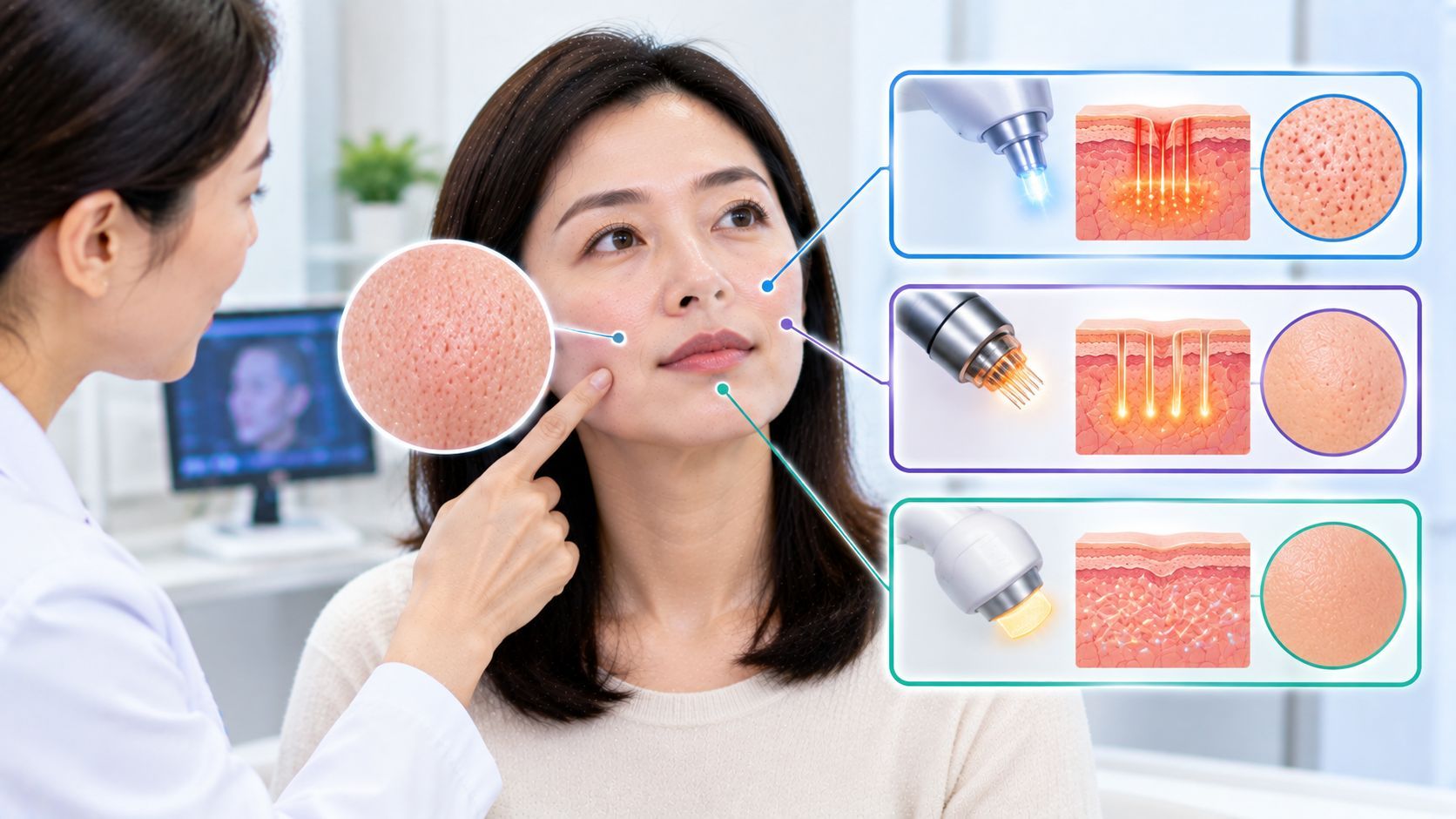
Fractional laser
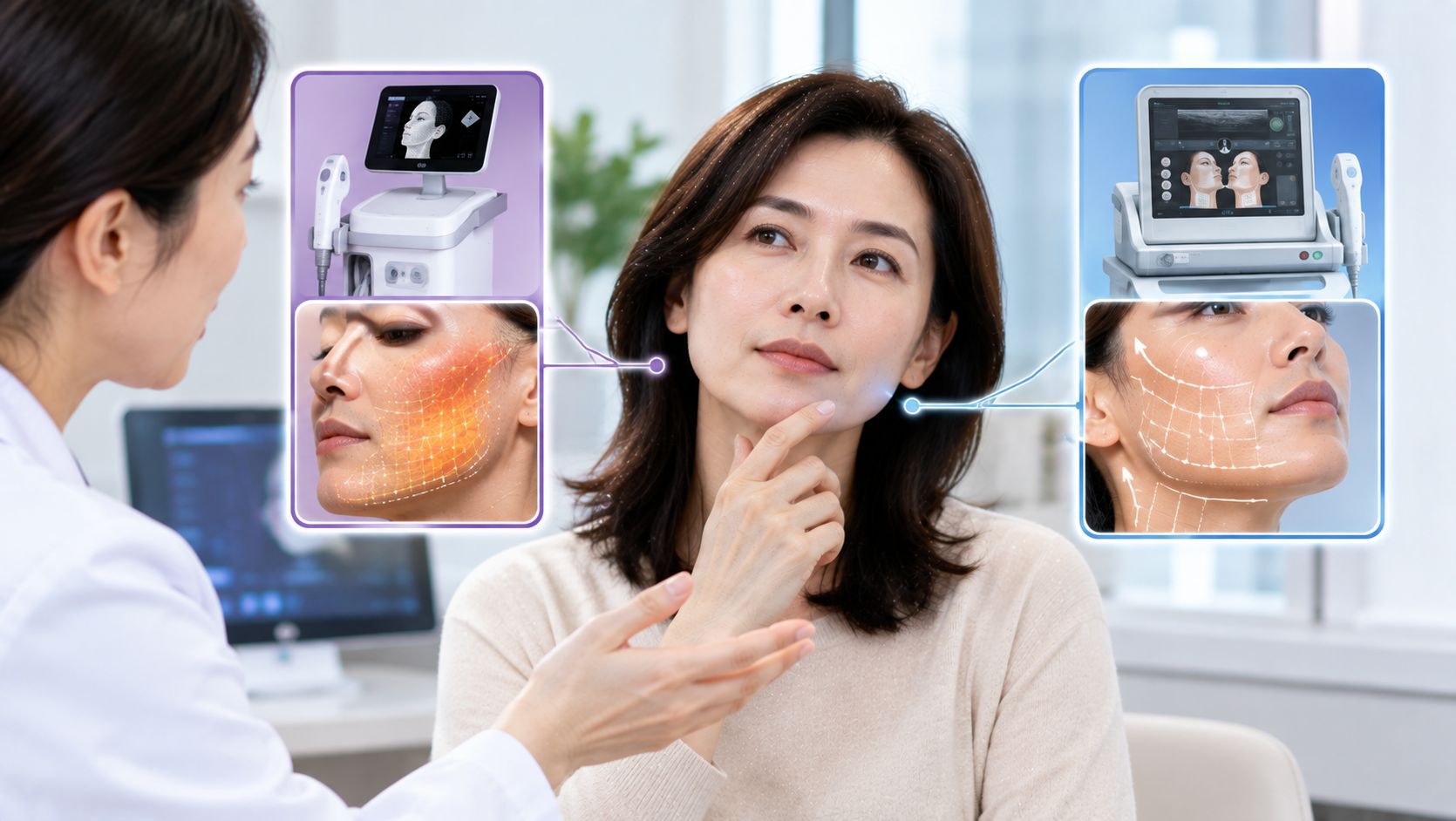
Fractional lasers create microscopic treatment zones while leaving surrounding skin untreated. They can be used for concerns such as acne scars, texture, wrinkles, and other skin conditions.
During recovery, temporary redness, swelling, dryness, and textural changes can make pores look worse before the skin settles.
Pico laser
Pico laser treatments are often used for pigmentation and other skin concerns. Different devices and settings can produce different effects.
If your pores suddenly look larger after Pico treatment, the issue may be temporary dryness or irritation rather than actual pore enlargement.
CO2 laser
CO2 laser resurfacing is more intensive than many superficial laser procedures. Post-inflammatory hyperpigmentation is a recognized concern after CO2 laser, particularly in darker skin types.
If you have persistent darkening, roughness, or worsening texture after treatment, you should have the skin assessed rather than simply repeating the laser.
Darker Skin Requires Particular Attention
People with medium-to-dark skin tones can be more susceptible to post-inflammatory hyperpigmentation after skin injury or procedures.
The American Academy of Dermatology notes that darker skin is more prone to burns and dark marks after laser treatment and recommends working with a dermatologist experienced in treating darker skin with lasers.
Research also shows that PIH can be difficult to treat and that laser treatments themselves can occasionally worsen pigmentation. A 2024 systematic review found that laser and energy-based treatments produced partial improvement in many PIH cases but also reported worsening in a subset of patients.
This is one reason treatment settings should be individualized rather than selected simply because a particular laser is popular.
How Long Should You Wait Before Judging Your Pores?
The appropriate waiting period depends on the laser.
You should not judge a resurfacing treatment based solely on the first few days or weeks.
Instead, ask your clinic:
- What type of laser was used?
- How aggressive was the treatment?
- When should swelling disappear?
- When should peeling stop?
- When should the skin barrier normalize?
- When should the final texture be evaluated?
- Was the treatment intended primarily for pores, pigmentation, scars, or another concern?
Some procedures require several weeks or longer before the final texture can be assessed.
What If My Pores Still Look Larger After Recovery?
If your skin has completely recovered but the pores still look significantly larger, an in-person assessment can help determine what changed.
Possible explanations include:
The original pore problem is still present
Laser treatment may improve skin texture without eliminating the anatomical appearance of pores.
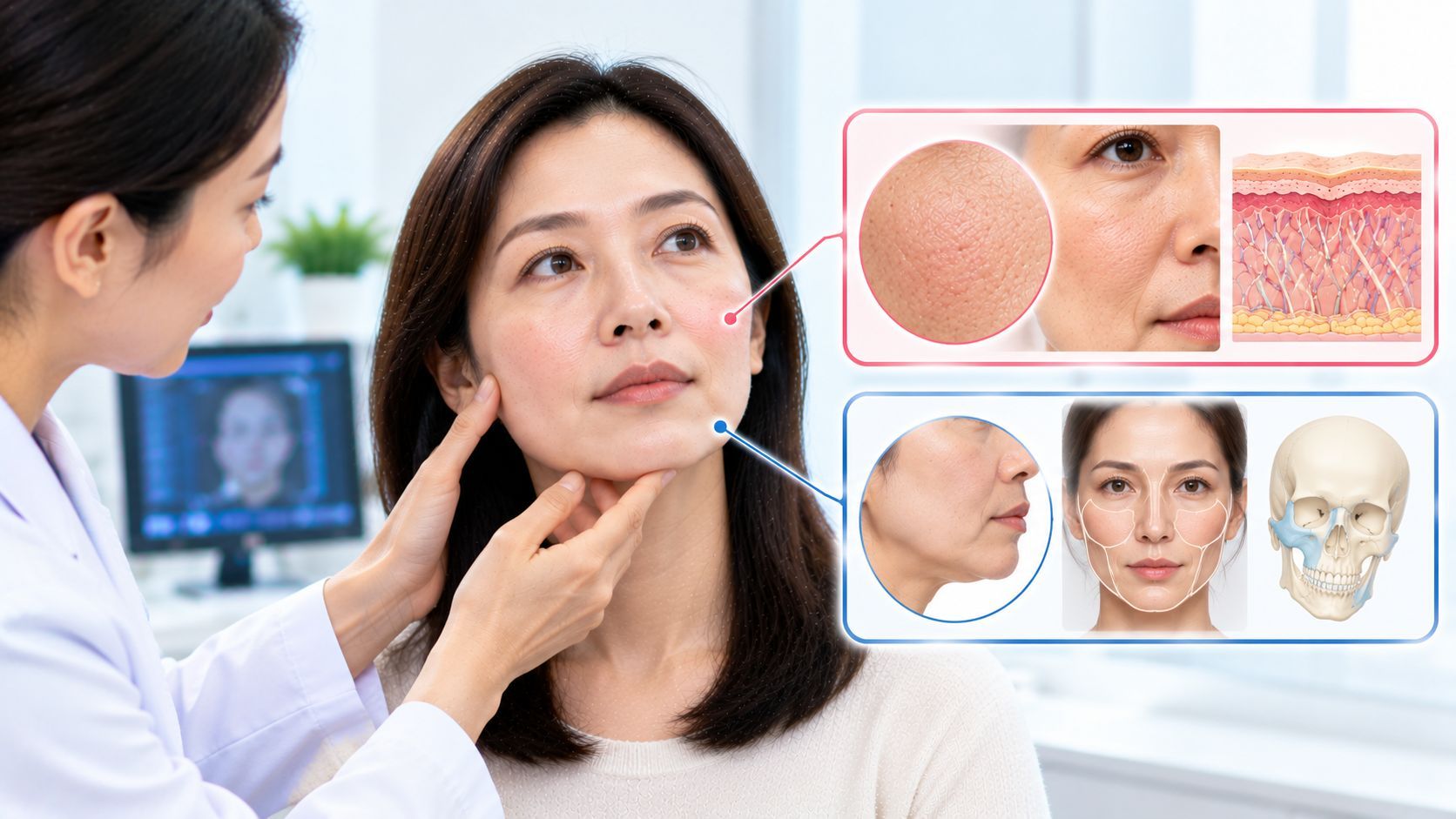
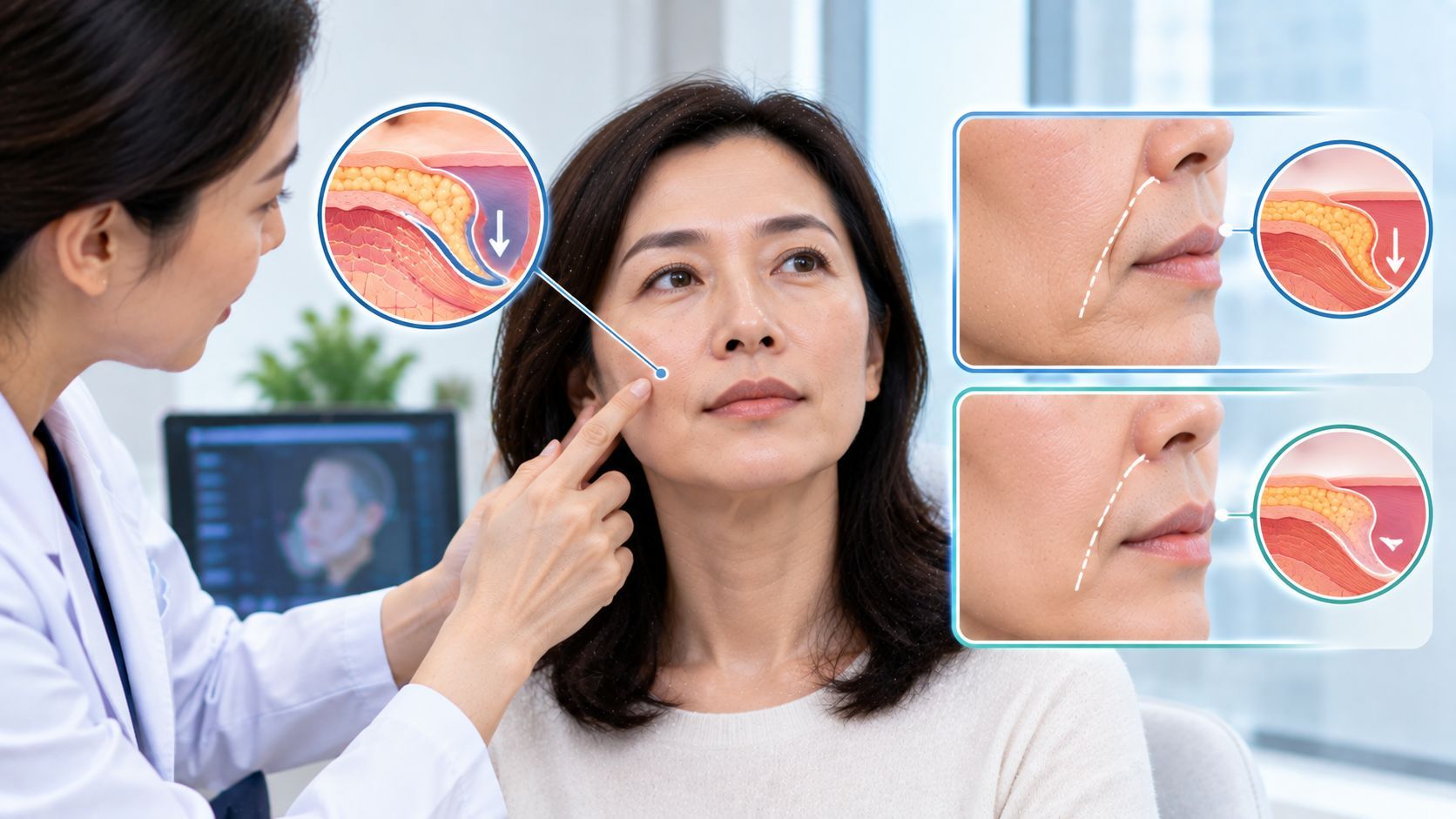
Pore size is influenced by factors including sebum production, follicular structure, skin elasticity, and surrounding tissue.
Pigmentation is making the pores more noticeable
Darkening around individual pores can increase contrast and make them appear deeper.
In this situation, treating the pigmentation and preventing additional inflammation may be more appropriate than increasing laser intensity.
Skin texture has changed
If the skin has developed persistent roughness, irregularity, or textural changes, the treatment should be reviewed by a dermatologist.
The treatment was not the right match
Not every laser is appropriate for every pore concern. A treatment chosen primarily for pigmentation or another condition may not provide the desired improvement in enlarged pores.
What Should You Do While Your Skin Recovers?
Follow the specific aftercare instructions provided by your treating clinic.
Generally, avoid adding aggressive treatments on your own while the skin is healing.
Depending on the procedure, your clinician may recommend:
- Gentle cleansing
- Appropriate moisturization
- Sun protection
- Avoiding excessive heat
- Avoiding unnecessary exfoliation
- Avoiding picking or peeling the skin
- Temporarily stopping certain active skincare products
Sun protection is particularly important because UV exposure can contribute to pigmentation after inflammation. The AAD recommends broad-spectrum sunscreen and other sun-protective measures around laser treatment.
Do not automatically add acids, retinoids, scrubs, peels, or another laser simply because your pores look worse during recovery.
Should You Get Another Laser Treatment?
Not before determining why your pores look larger.
If the skin is still healing, additional treatment could create more inflammation and potentially increase the risk of pigmentation or other complications.
A dermatologist can determine whether you are seeing:
- Normal recovery
- Temporary dryness
- Post-treatment swelling
- Post-inflammatory pigmentation
- Persistent textural change
- An unrelated skin condition
- An inadequate response to the original treatment
Only then can the next step be selected appropriately.
When Should You Contact Your Clinic?
Contact your treating clinic if your symptoms are worsening rather than gradually improving.
Seek prompt medical assessment for:
- Severe or increasing pain
- Blistering
- Significant burns
- Increasing swelling
- Pus or other signs of infection
- Persistent intense redness
- Significant skin discoloration
- New areas of abnormal pigmentation
- Major textural changes
- Severe asymmetry
These symptoms should not simply be dismissed as normal pore enlargement.
For International Patients Having Laser Treatment in Seoul
If you are traveling to Seoul for laser treatment, keep detailed treatment information before leaving the clinic.
Record:
- Laser and device name
- Wavelength, if provided
- Treatment date
- Treatment area
- Treatment settings, if available
- Before-treatment photographs
- Aftercare instructions
- Recommended follow-up date
This information can be valuable if your skin changes after you return home.
It also allows another dermatologist to understand what treatment was performed instead of trying to reconstruct your procedure from memory.
Conclusion
If your pores look larger after laser treatment, do not assume that the laser permanently enlarged them. Temporary swelling, dryness, inflammation, healing changes, and pigmentation can all make pores appear more prominent.
However, persistent changes deserve assessment—particularly if your skin has become darker, rougher, painful, or increasingly irritated. Laser-induced or worsened post-inflammatory hyperpigmentation is a documented concern, especially in skin of color.
The safest approach is to identify the exact laser and treatment settings, allow the appropriate recovery period, protect the skin from additional irritation and UV exposure, and have persistent changes evaluated before considering another procedure.
Frequently Asked Questions
Can laser permanently enlarge pores?
Pores can appear larger after treatment because of temporary swelling, dryness, inflammation, pigmentation, or texture changes. Persistent enlargement should be assessed rather than automatically attributed to permanent laser damage.
How long do pores look larger after laser treatment?
There is no single timeline because different lasers and treatment intensities have different recovery periods. Your treating clinic should provide the expected recovery and evaluation timeline for your specific procedure.
Why do my pores look darker and larger after laser?
Post-inflammatory pigmentation can darken the skin surrounding pores, increasing contrast and making them appear more prominent. PIH is a recognized complication of laser and other skin procedures.
Is Pico laser safe for enlarged pores?
Pico laser can be used for different skin concerns, but suitability depends on the device, settings, skin type, and treatment goal. A treatment intended for pigmentation is not necessarily the appropriate treatment for every pore concern.
Should I use exfoliating acids after laser if my pores look bigger?
Do not add strong exfoliating products without following your clinician's post-treatment instructions. Recently treated skin may be more vulnerable to irritation, and additional inflammation can contribute to pigmentation problems.