Can Posture Make My Double Chin Look Worse?
Introduction
Yes. Head position and posture can make a double chin appear significantly more noticeable, even when the amount of fat or loose skin has not changed. Looking downward, pushing the head forward, or compressing the neck naturally creates folds beneath the chin.
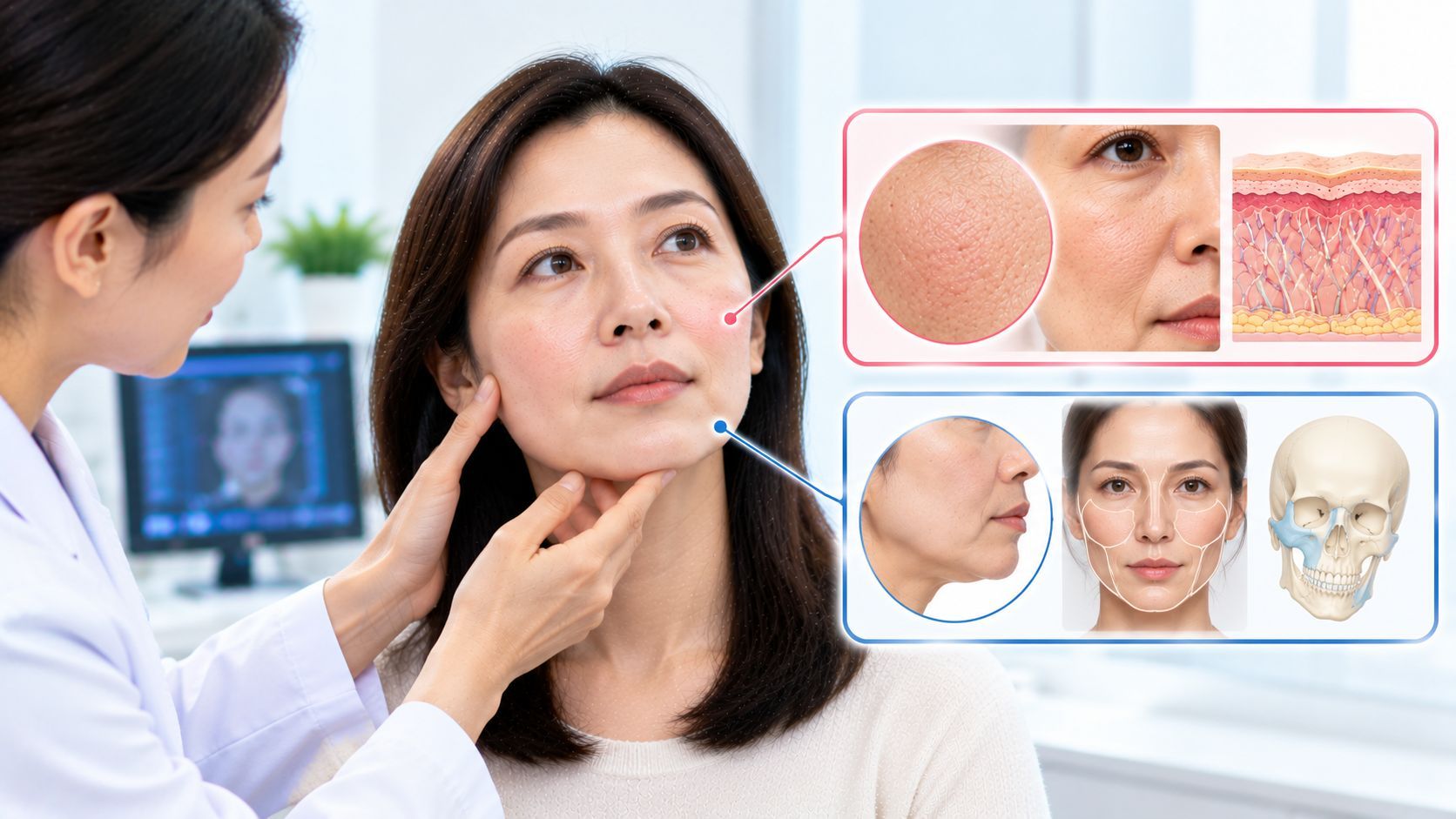
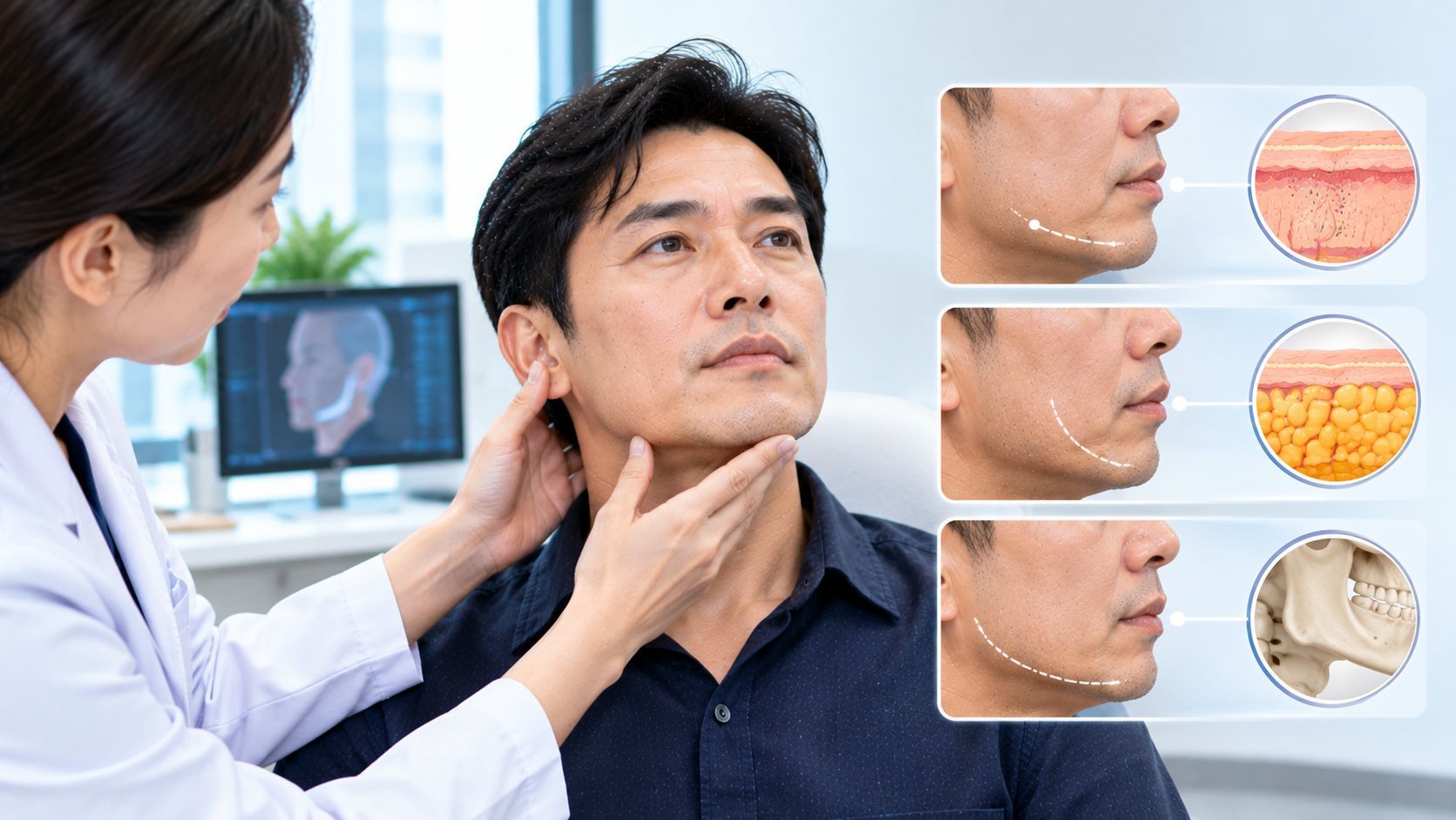
However, posture is only one possible factor. A persistent double-chin appearance can also result from submental fat, loose skin, genetics, a recessed chin, jaw structure, or normal aging.
Understanding the difference matters because changing posture cannot remove actual fat or tighten significantly loose skin. If the fullness remains when your head is upright and your neck is in a neutral position, another anatomical factor is probably contributing.
How Does Posture Change the Appearance of a Double Chin?
Looking Down Compresses the Tissue
When you tilt your head downward, the skin and soft tissue beneath your chin become compressed.
This naturally creates folds and can make the area look fuller.
You can see this effect simply by looking down at your phone or laptop. The same chin can appear considerably different when your head is held upright.
Forward-Head Posture Can Alter the Jaw-Neck Angle
When the head moves forward relative to the shoulders, the neck and jawline may appear less sharply defined.
The soft tissues underneath the chin can become more prominent, particularly when the head is tilted downward at the same time.
This does not necessarily mean that poor posture has created a permanent double chin. It can simply make existing anatomy more visible.
Photography Can Exaggerate the Effect
Camera position can make the difference even more dramatic.
A photograph taken from below, with the head tilted down, can emphasize the area beneath the chin. Lighting can also create shadows that make the fold appear deeper.
This is why comparing photographs taken under different conditions can be misleading when evaluating jawline changes.
Can Good Posture Get Rid of a Double Chin?
Not usually.
Improving posture can make your jawline appear more defined while your head is positioned neutrally, but it cannot directly remove a localized pocket of fat or eliminate established loose skin.
If your double chin is caused mainly by posture-related tissue compression, correcting your head position may produce a noticeable visual difference.
If you have persistent fullness while standing naturally with your head upright, posture correction alone is unlikely to completely resolve it.
How Can You Tell Whether Posture Is the Main Issue?
Try comparing your appearance in several neutral positions.
When Looking Straight Ahead
Keep your head upright, shoulders relaxed, and eyes looking directly forward.
If the fullness is substantially reduced compared with when you look downward, head position is contributing to the appearance.
When Looking Down
Notice how much additional tissue folds beneath the chin.
Some increase is completely normal because the skin and soft tissues naturally compress.
When Turning Your Head
Rotation can also change the appearance of the jawline because the skin and underlying tissues shift.
These observations can provide clues, but they cannot determine whether the underlying tissue is fat, skin, or another anatomical structure.
What Causes a Persistent Double Chin?
Submental Fat
A localized fat compartment underneath the chin can create fullness even in people who are otherwise slim.
This type of fullness remains present when the head is upright.
Loose Skin
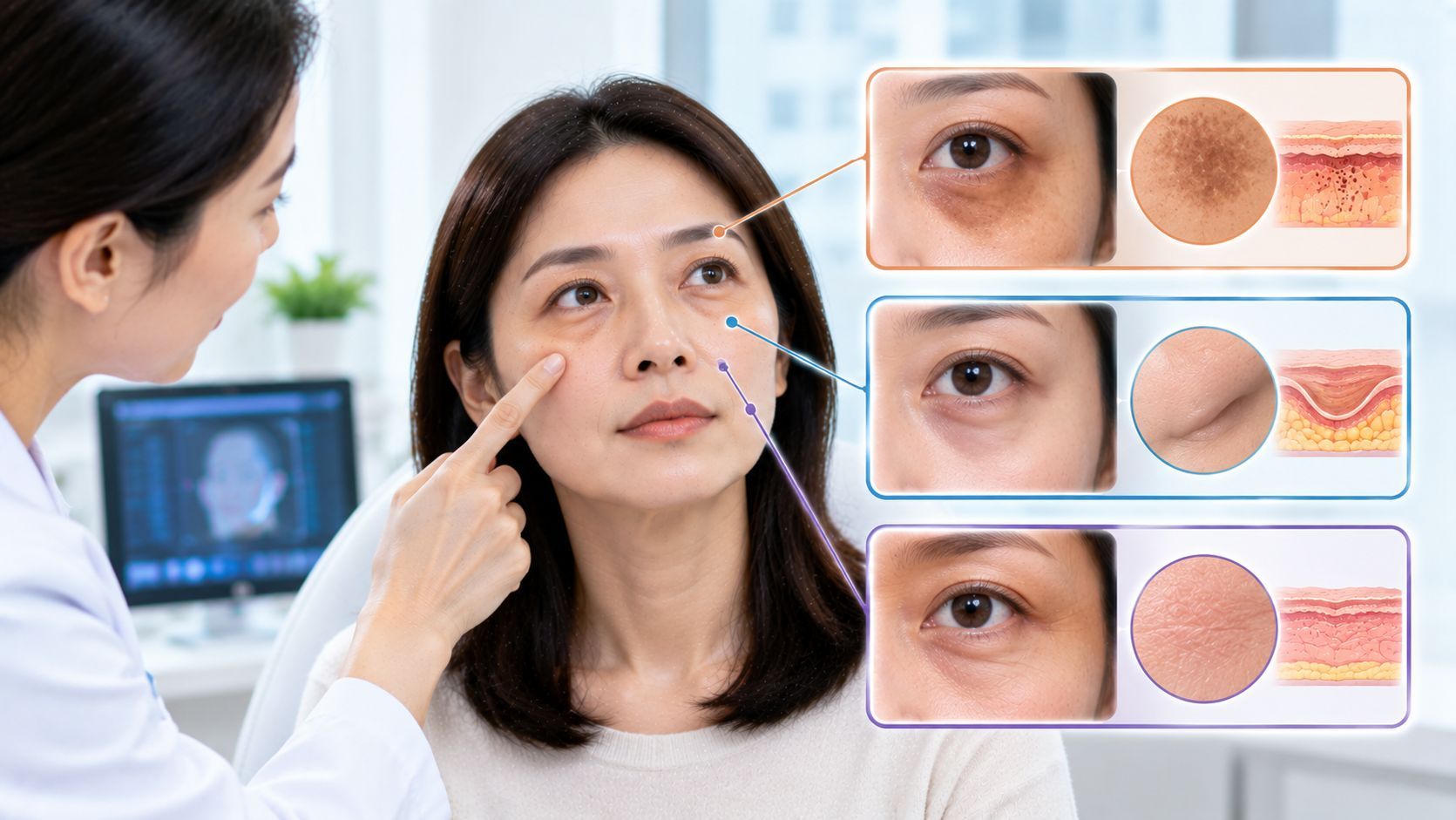
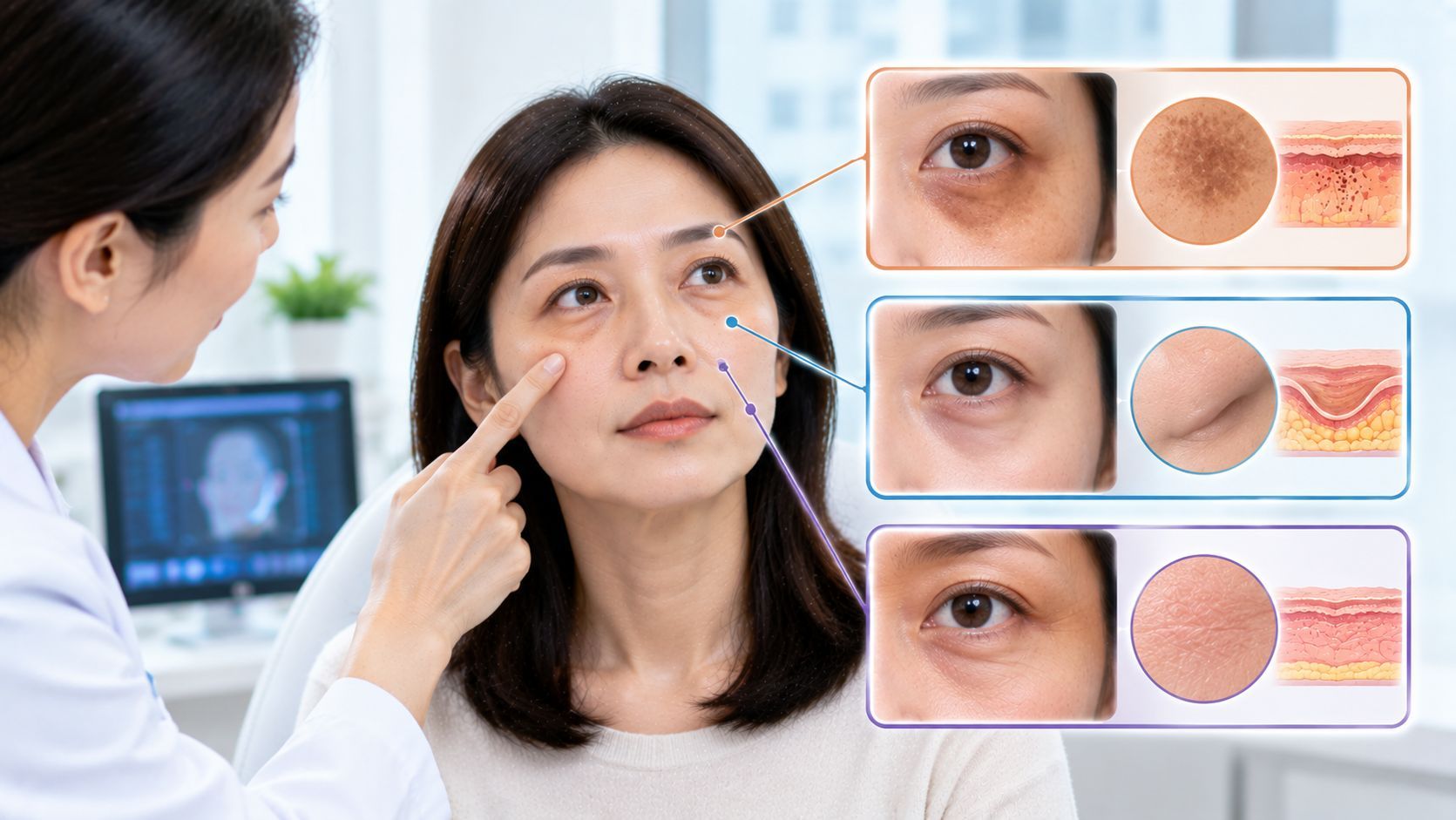
Skin laxity can produce hanging or folding tissue beneath the jaw.
This may become more noticeable with aging or after significant weight loss.
Chin Projection
A relatively small or recessed chin can make the neck appear fuller by reducing the visual definition between the chin and neck.
In this situation, the issue is partly structural rather than simply excess tissue.
Genetics
Some people naturally inherit a softer chin-to-neck contour or a tendency to store more fat beneath the chin.
Aging
Collagen loss, changes in skin elasticity, soft-tissue descent, and changes in facial structure can all affect the lower face and neck.
Can Exercise Correct a Posture-Related Double Chin?
Improving general posture can change how the jawline appears while you stand or sit.
Exercises that strengthen the upper back and improve awareness of head and neck positioning may help some people maintain a more neutral posture.
However, there is an important distinction between improving posture and removing submental tissue.
Exercises should not be presented as a guaranteed method for eliminating localized fat or tightening significantly loose skin.
Can “Chin Exercises” Remove a Double Chin?
There is limited reason to expect targeted chin exercises to selectively eliminate a specific pocket of fat.
Muscle activity and posture can affect appearance, but spot reduction of fat is not something exercise can reliably accomplish.
If the main problem is localized submental fat, an anatomical assessment is more useful than assuming the area simply needs more exercise.
What Treatments Are Available If Posture Is Not the Main Cause?
For Submental Fat
If excess fat is clearly contributing to the fullness, a clinician may discuss non-surgical fat-reduction approaches or, in appropriate cases, surgical fat removal.
The correct option depends on the amount of fat, skin elasticity, anatomy, and treatment goals.
For Loose Skin
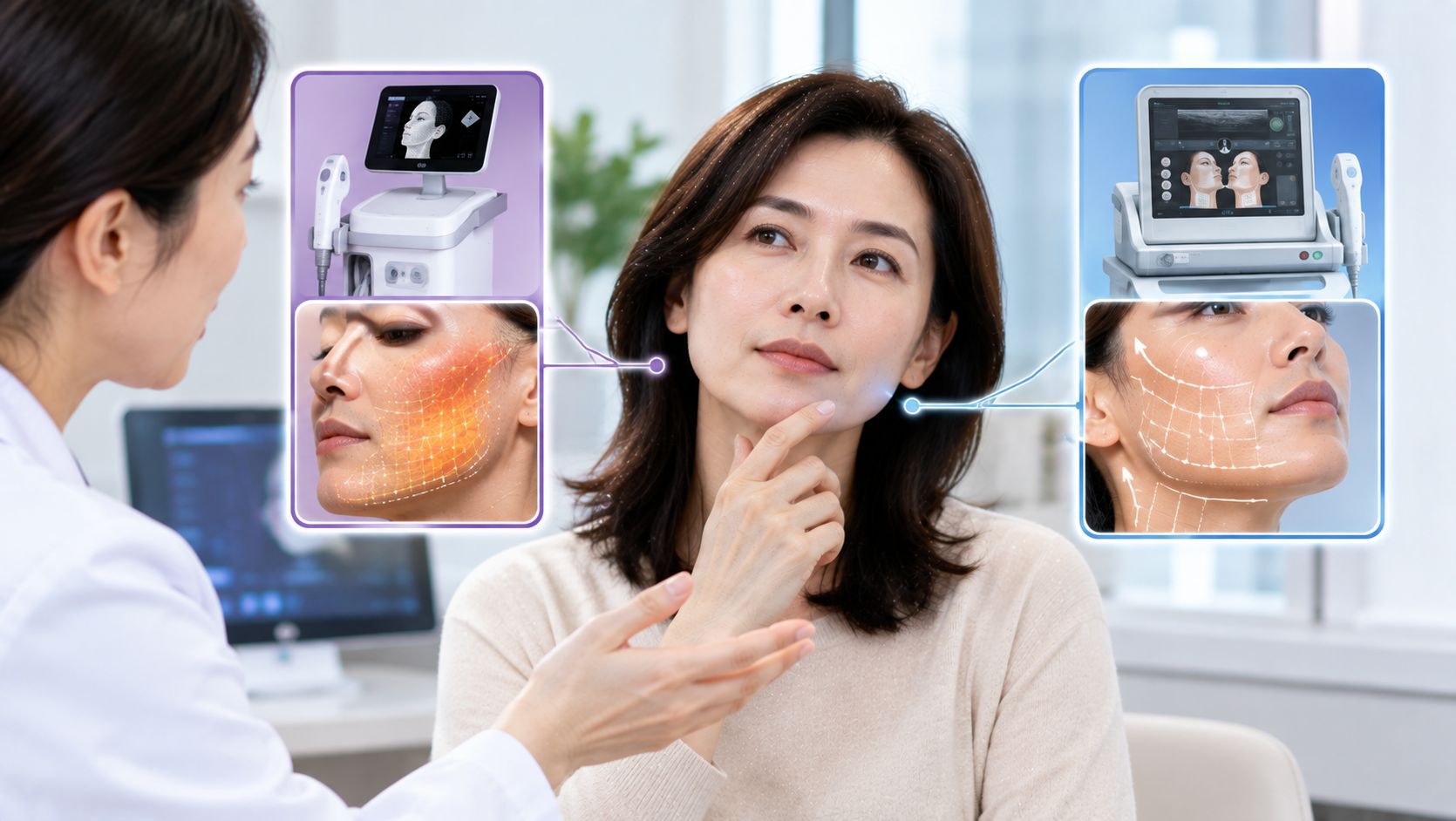
If skin laxity is the primary problem, energy-based tightening treatments may be considered.
Potential options include:
- Radiofrequency treatments
- Ultrasound-based tightening
- RF microneedling in selected cases
- Other skin-remodeling procedures
These treatments aim to improve firmness rather than remove substantial fat.
For a Recessed Chin
If chin projection is contributing to the appearance, chin contouring may be considered in selected patients.
This can involve carefully planned filler or other structural approaches.
However, adding chin volume should be based on facial proportions rather than simply trying to “push the chin forward” to hide a double chin.
For Significant Skin and Tissue Descent
When there is substantial loose skin or lower-neck tissue descent, surgical approaches may provide a more direct correction than non-surgical treatments.
Why Is Diagnosis Important Before Treating a Double Chin?
Different causes require different strategies.
Imagine two patients with the same visible double-chin appearance.
Patient A has localized fat with relatively firm skin.
Patient B has little fat but significant loose skin and a recessed chin.
A fat-reduction procedure may make sense for the first patient but may not address the main problem for the second.
This is why simply selecting the treatment that is marketed for “double chins” can lead to disappointing results.
Can Tightening Make a Thin Face Look Worse?
The answer depends on the individual treatment and anatomy.
Someone with a thin face and little submental fat should not automatically undergo an aggressive volume-reducing procedure.
If the apparent fullness is mainly caused by skin laxity or structural anatomy, additional fat reduction may not produce the desired result.
A consultation should therefore distinguish between fat removal and skin tightening before treatment begins.
What Should International Patients Ask a Seoul Clinic?
If you are considering treatment in Seoul, ask the clinic to assess your chin and neck from multiple angles rather than relying on one photograph.
Useful questions include:
- Is my double chin caused mainly by fat, skin, posture, or anatomy?
- How much submental fat do I actually have?
- Is my chin recessed?
- Would removing fat leave loose skin?
- Would tightening be more appropriate?
- Could my treatment change my natural facial proportions?
- How much downtime should I expect?
- Are there alternatives that do not remove fat?
If you have undergone previous fat-reduction, tightening, filler, or weight-loss-related treatments, mention them during consultation.
How to Photograph Your Jawline More Accurately
If you are evaluating changes before a consultation, use consistent conditions:
- Keep your head upright.
- Look straight ahead.
- Relax your jaw and mouth.
- Use similar lighting.
- Keep the camera at approximately the same height.
- Take front and side views.
- Avoid comparing a neutral photograph with one taken while looking downward.
This can help distinguish an actual change from a difference in camera angle or posture.
Conclusion
Posture can definitely make a double chin look worse, especially when you look downward or hold your head forward. The skin and soft tissue beneath the chin naturally compress in these positions.
But posture does not explain every double chin. Persistent fullness can also come from submental fat, loose skin, genetics, a recessed chin, jaw structure, or aging.
If the area looks fuller mainly when you bend your neck, improving head and neck positioning may make a noticeable visual difference. If fullness remains when your head is upright, the next step is determining whether the underlying issue is fat, skin, structure, or a combination.
For patients considering treatment, that distinction is more important than simply asking which “double chin treatment” is best.
FAQs
Does bad posture cause a double chin?
Posture can make an existing double-chin appearance more noticeable, but it does not necessarily create permanent submental fat or loose skin.
Why does my double chin disappear when I lift my head?
Lifting the head stretches and changes the position of the skin and soft tissues beneath the chin, temporarily reducing the visible fold.
Can fixing forward-head posture improve my jawline?
It may improve how your jawline appears in a neutral position, especially if forward-head posture contributes significantly to the visual effect. It cannot directly remove localized fat.
Should I lose weight if I have a double chin but am already thin?
Not necessarily. A double chin can occur independently of overall body weight. Genetics, anatomy, skin laxity, and chin projection may be more relevant.
Can Botox treat a posture-related double chin?
Botox is not a general treatment for posture-related fullness. It can be useful for selected neck muscle concerns, but it does not remove submental fat or loose skin.
What should I treat first: posture or my double chin?
If posture clearly changes the appearance, improving posture is a reasonable first step. If fullness remains in a neutral position, an assessment can determine whether fat, skin, or facial structure is contributing.