Questions Foreigners Should Ask Before Any Laser Treatment
Questions Foreigners Should Ask Before Any Laser Treatment
Laser treatments in Korean dermatology are highly advanced, but outcomes vary significantly depending on device selection, energy settings, and skin type. In Seoul—especially in busy districts like Gangnam—clinics can range from highly individualized medical practices to fast-paced aesthetic centers. For foreign patients, asking the right questions before treatment is essential to avoid overtreatment, pigmentation issues, or unrealistic expectations.
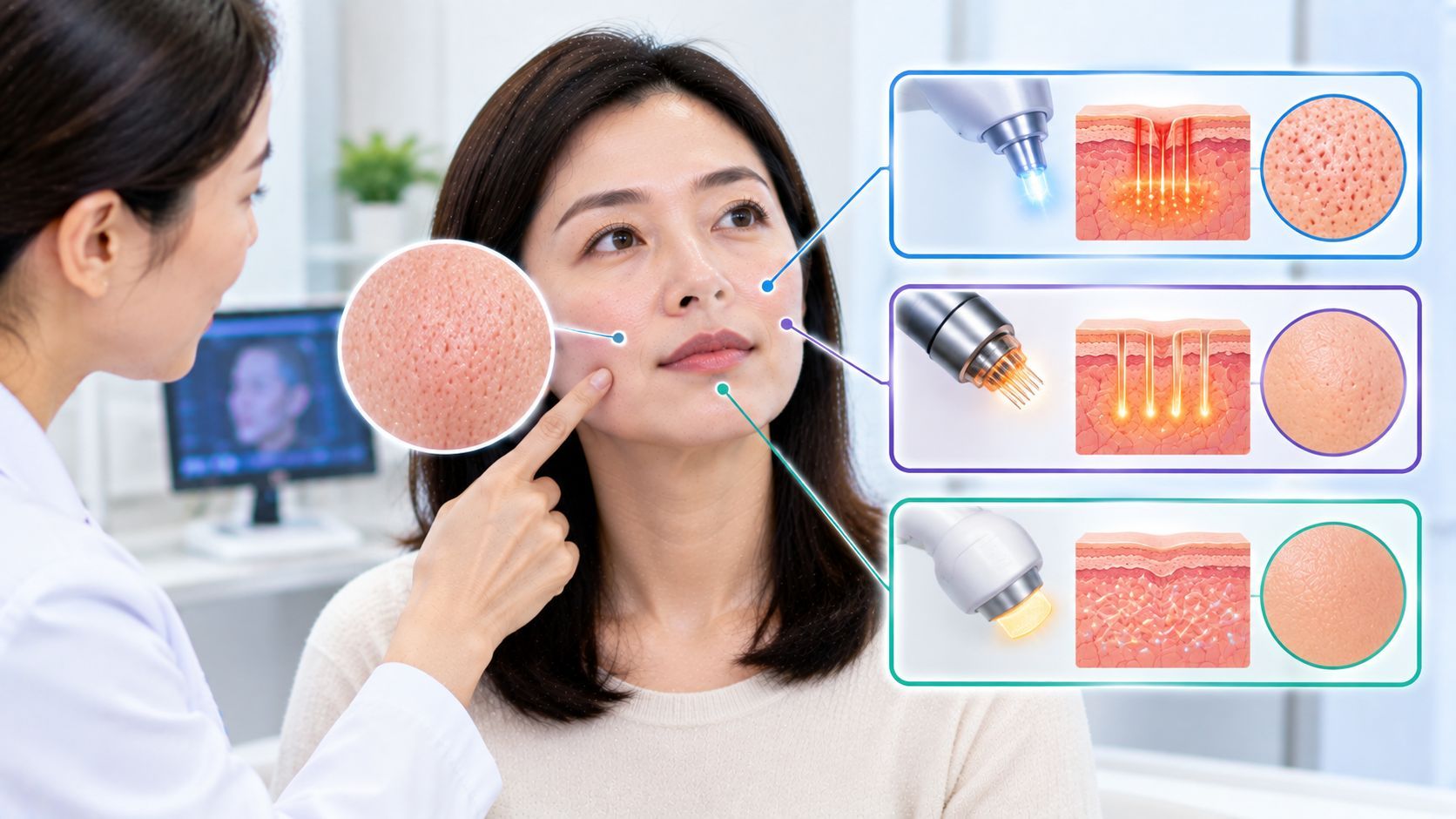
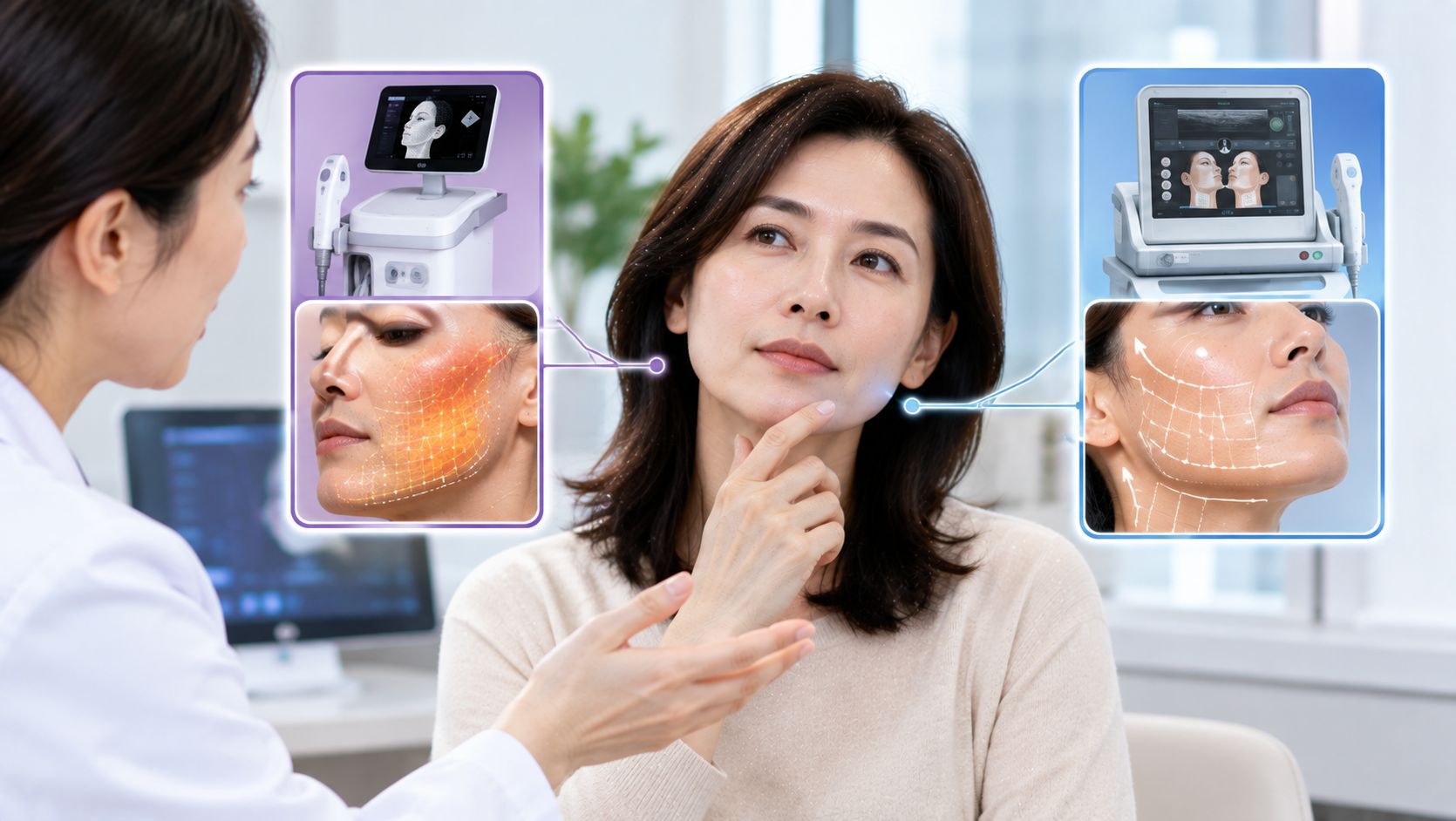
What Laser Device Will Be Used and Why?
One of the most important questions is understanding the exact device being used.
You should ask:
- What is the name of the laser?
- Why is this device chosen for my skin concern?
- Are there alternative options?
Different lasers target different issues—pigmentation, redness, texture, or lifting—so device selection should always be explained clearly.
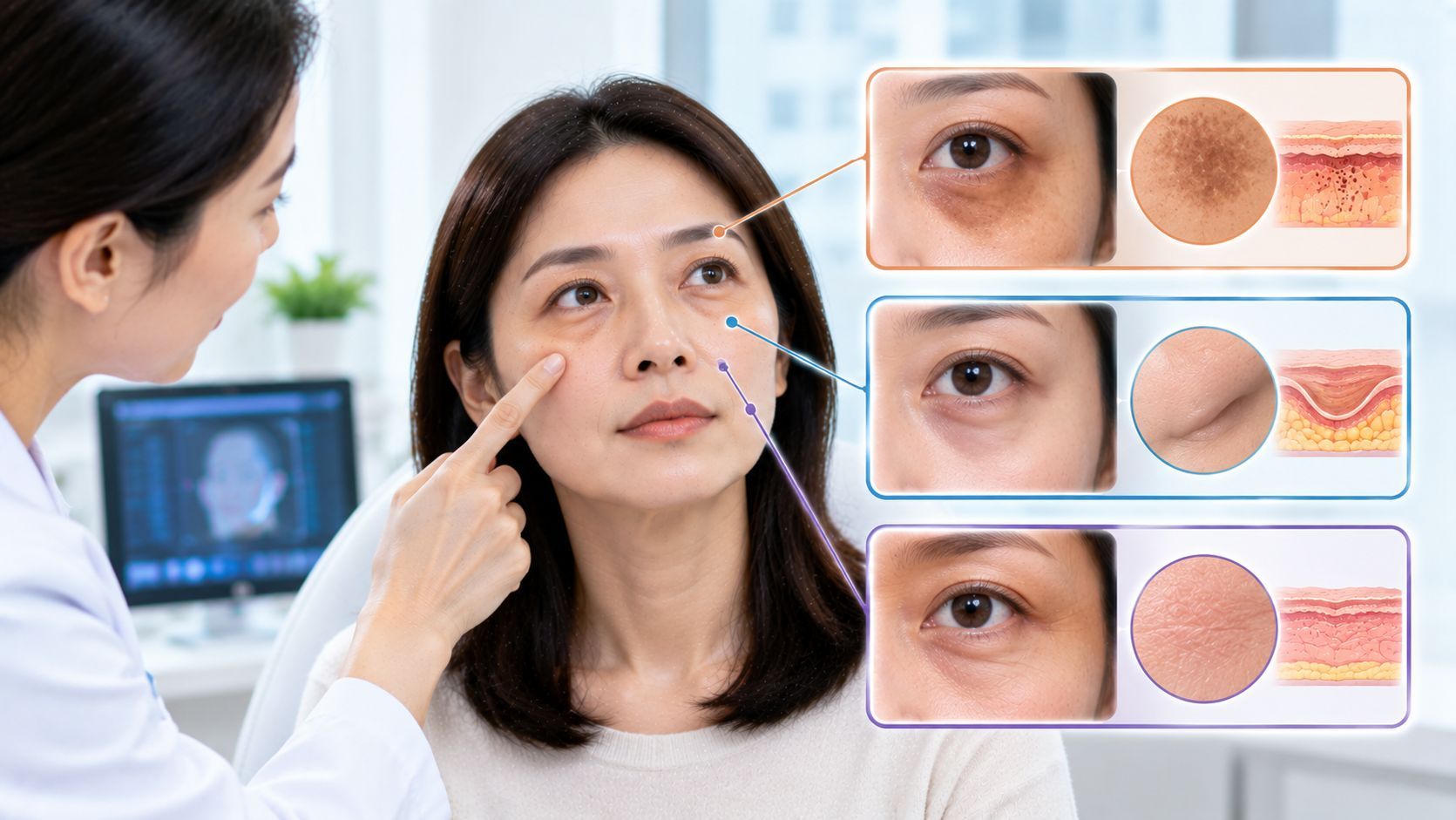
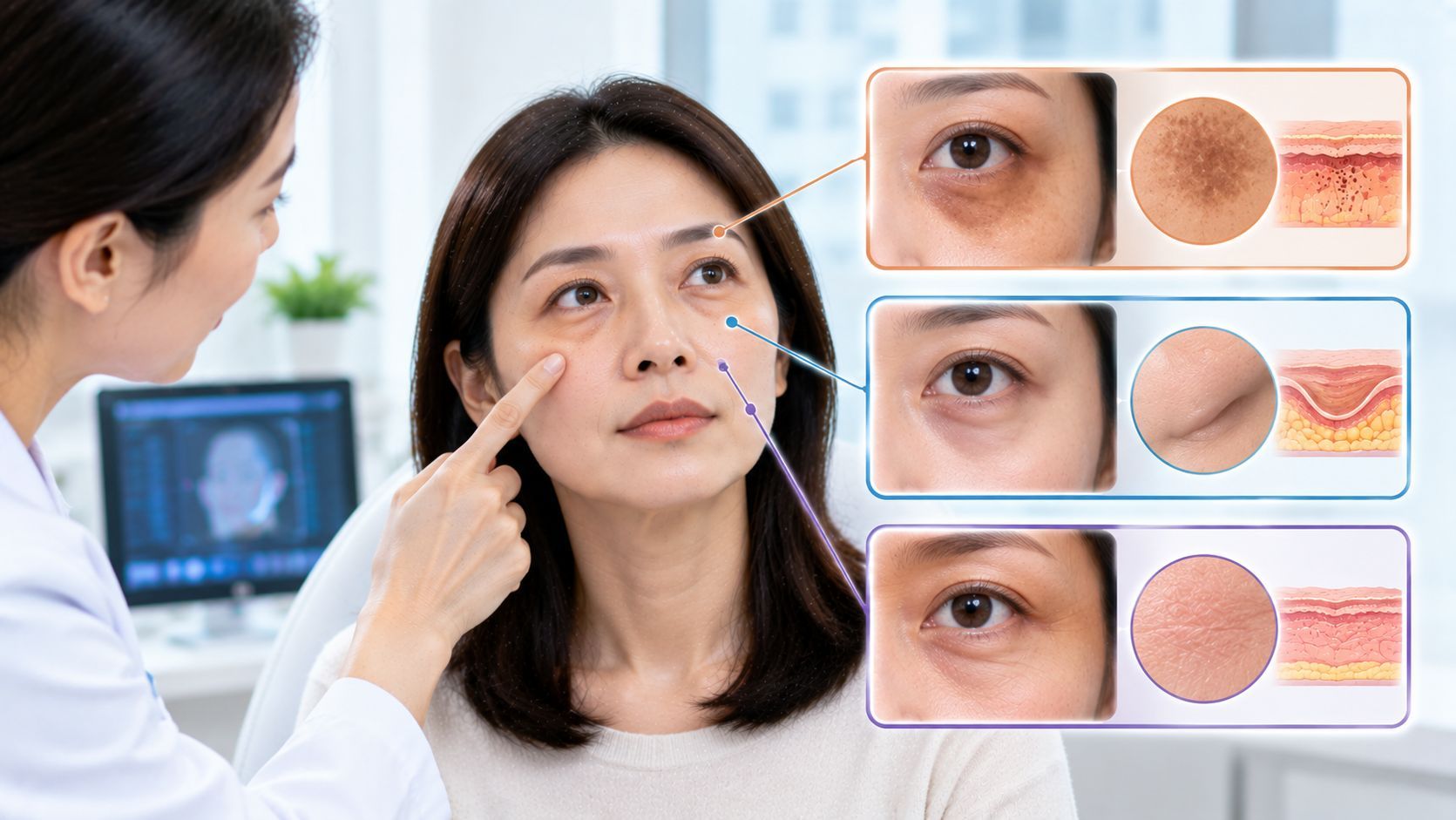
What Skin Problem Is This Laser Actually Treating?
Many treatments are marketed broadly, but dermatologically they should have a clear purpose.
Ask:
- Is this for pigmentation, texture, redness, or collagen stimulation?
- What layer of the skin is being treated?
- Will this address the root cause or only symptoms?
In Korean dermatology, each laser is usually part of a layered treatment strategy, not a standalone solution.
What Energy Level Will Be Used on My Skin?
Energy settings matter more than the device itself.
You should clarify:
- Is this low, moderate, or high energy?
- Will settings be adjusted for sensitive skin?
- How is the risk of pigmentation being minimized?
This is especially important for Asian and darker skin types, which may be more prone to post-inflammatory hyperpigmentation.
What Are the Expected Side Effects and Downtime?
Every laser has a recovery profile.
Ask clearly:
- Will there be redness, peeling, or swelling?
- How long is the expected downtime?
- Are there risks of rebound pigmentation?
Reputable clinics will give realistic timelines instead of minimizing recovery.
How Many Sessions Will I Need?
Laser treatments in Korea are usually not one-time procedures.
You should ask:
- Is this a single treatment or part of a series?
- How many sessions are typically needed for results?
- How often should treatments be repeated?
Conditions like pigmentation, acne scars, and redness usually require multiple sessions for stable improvement.
What Treatments Will Be Combined With the Laser?
Korean dermatology often uses combination therapy rather than single-device treatment.
Ask:
- Will skin boosters or injections be included?
- Is LED or recovery therapy part of the plan?
- Are other lasers being used in the same session?
Understanding the full treatment stack helps avoid unnecessary intensity or overlapping procedures.
How Will My Skin Barrier Be Protected?
Skin barrier protection is a major focus in Korean clinics.
You should ask:
- How will irritation be prevented?
- What recovery treatments are included?
- Should I adjust my skincare before or after treatment?
Barrier care reduces complications like redness, dryness, and pigmentation rebound.
What Results Are Realistic for My Skin Type?
Setting expectations is crucial, especially for first-time laser patients.
Ask:
- What level of improvement is realistic?
- Will results be gradual or immediate?
- What limitations should I be aware of?
Honest clinics will avoid promising perfect or instant results.
What Happens If My Skin Reacts Poorly?
Even with proper settings, reactions can occur.
Ask:
- What is the follow-up plan if irritation occurs?
- Can settings be adjusted next time?
- Is aftercare support available?
This ensures safety beyond the initial procedure.
Final Thoughts
Before any laser treatment in Korea, asking detailed questions about the device, energy level, treatment purpose, recovery process, and expected outcomes is essential for safe and effective results. In Korean dermatology, lasers are rarely standalone solutions—they are part of layered, customized treatment plans. Understanding these details helps foreign patients make informed decisions, avoid overtreatment, and achieve more stable, natural-looking skin improvements.