Is It Better to Get Several Treatments in One Day or Spread Them Across My Vacation?
Introduction
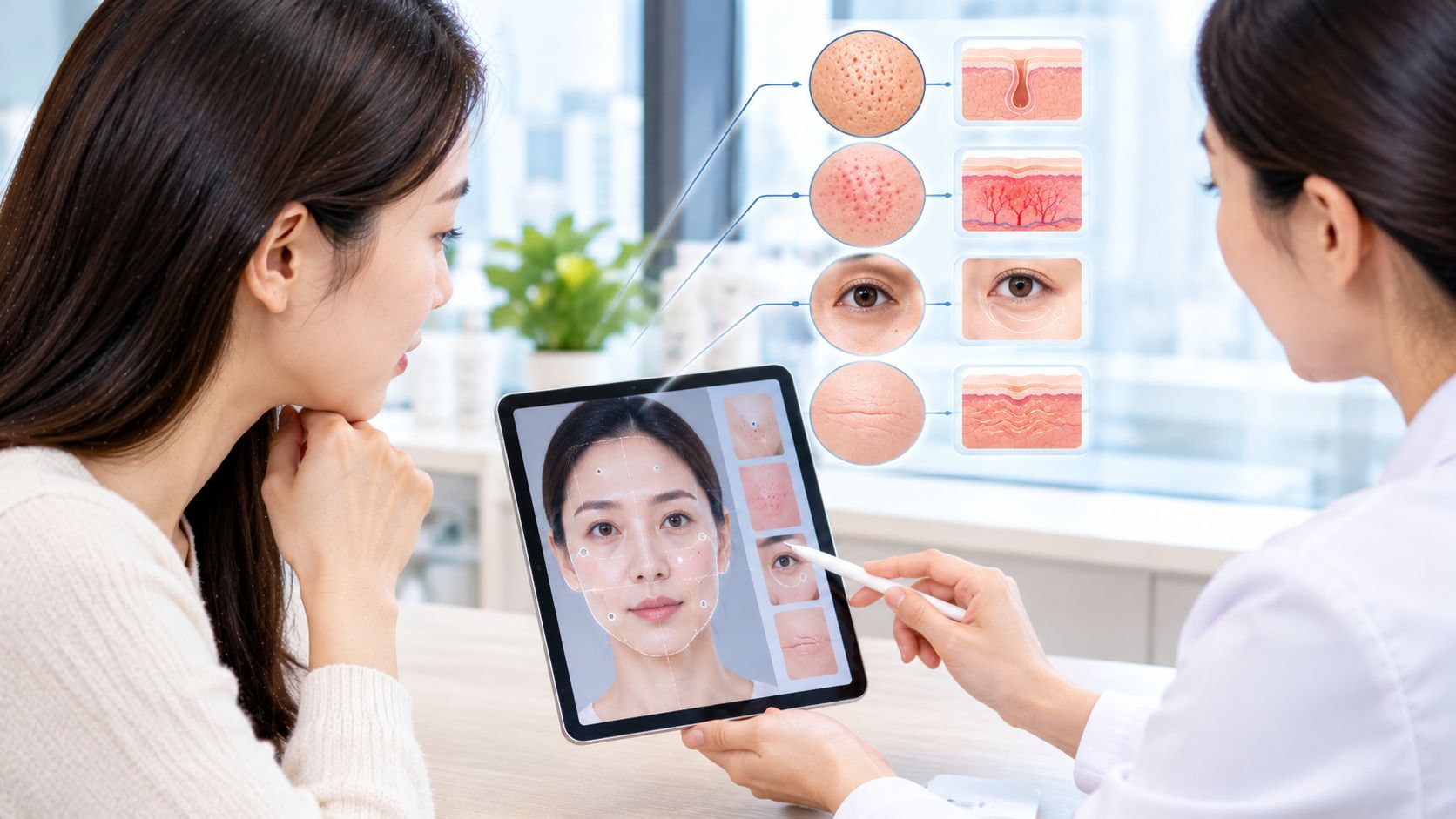
Medical tourists visiting Korea often have a limited amount of time, so it can be tempting to schedule several dermatology treatments on the same day. A single clinic visit may seem more convenient than returning multiple times, especially if you are trying to fit treatment around sightseeing, hotels, and your flight home.
Sometimes multiple treatments can be performed during one visit. However, combining everything simply to save time is not always the best approach. The appropriate schedule depends on the treatments involved, your skin condition, previous procedures, expected downtime, and whether the treatments interact with one another.
Expert consensus on combined aesthetic procedures emphasizes an individualized treatment plan. It also notes that when procedures are performed in separate sessions, spacing treatments by around one to two weeks can allow side effects to resolve and give the clinician an opportunity to assess the response. Certain combinations can be performed on the same day when appropriately planned.
For international patients in Korea, the practical question is therefore not “Can I fit everything into one day?” but “Which treatments actually need to be together, and which are better separated?”
Can Several Skin Treatments Be Done on the Same Day?
Yes, in some circumstances.
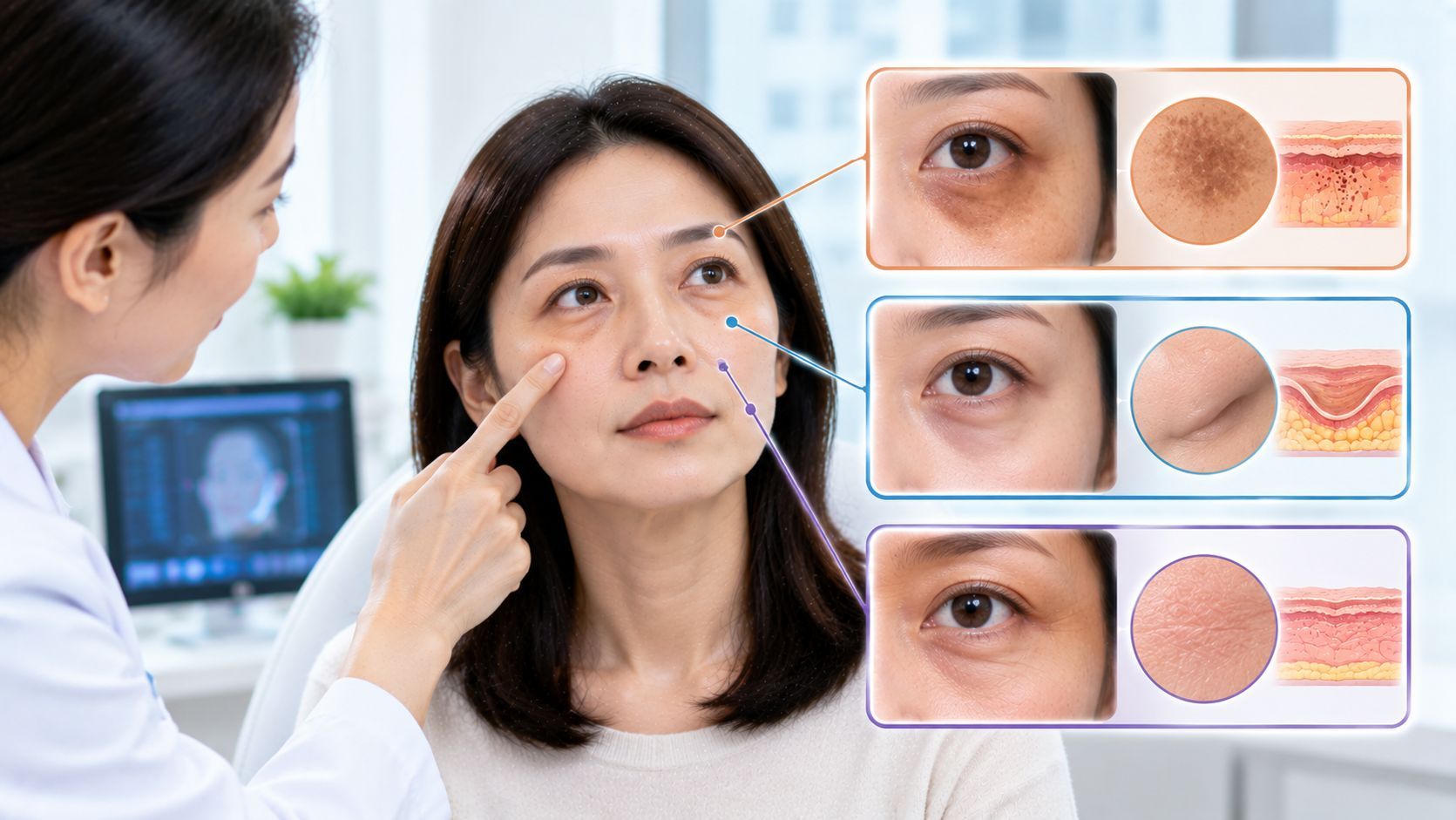
Dermatologists sometimes combine treatments that target different aspects of facial aging or skin quality. For example, certain combinations of botulinum toxin, fillers, and energy-based treatments have been studied and incorporated into expert treatment protocols.
However, same-day treatment should be based on a medical treatment plan rather than a desire to maximize the number of procedures.
The dermatologist needs to consider:
- Whether the treatments can safely be combined
- Which treatment should be performed first
- Whether one procedure could interfere with another
- Your skin type and condition
- Previous cosmetic treatments
- Expected swelling or redness
- Your recovery time
- Whether follow-up will be needed
The American Academy of Dermatology also recommends discussing risks, alternatives, expected results, number of treatments, and recovery time before undergoing cosmetic procedures.
When Same-Day Treatment Can Make Sense
Treatments Target Different Problems
A combination may make sense when each procedure addresses a different component of your concern.
For example, one treatment might target dynamic wrinkles while another addresses skin quality or pigmentation.
The goal should be complementary treatment rather than simply adding procedures because they are available.
The Procedures Have Compatible Recovery Profiles
If two treatments are unlikely to create excessive irritation or interfere with one another, a dermatologist may determine that they can be performed during the same appointment.
This is particularly useful for international patients with a short stay.
There Is an Established Treatment Sequence
Some combinations have recommended sequencing.
For example, the consensus recommendations for facial combination treatment state that microfocused ultrasound with visualization should be performed before injectable agents when they are done on the same day. The same consensus allows certain combinations of botulinum toxin and fillers during one session.
This illustrates why the order matters.
When Spreading Treatments Across Your Vacation May Be Better
Your Skin Is Sensitive
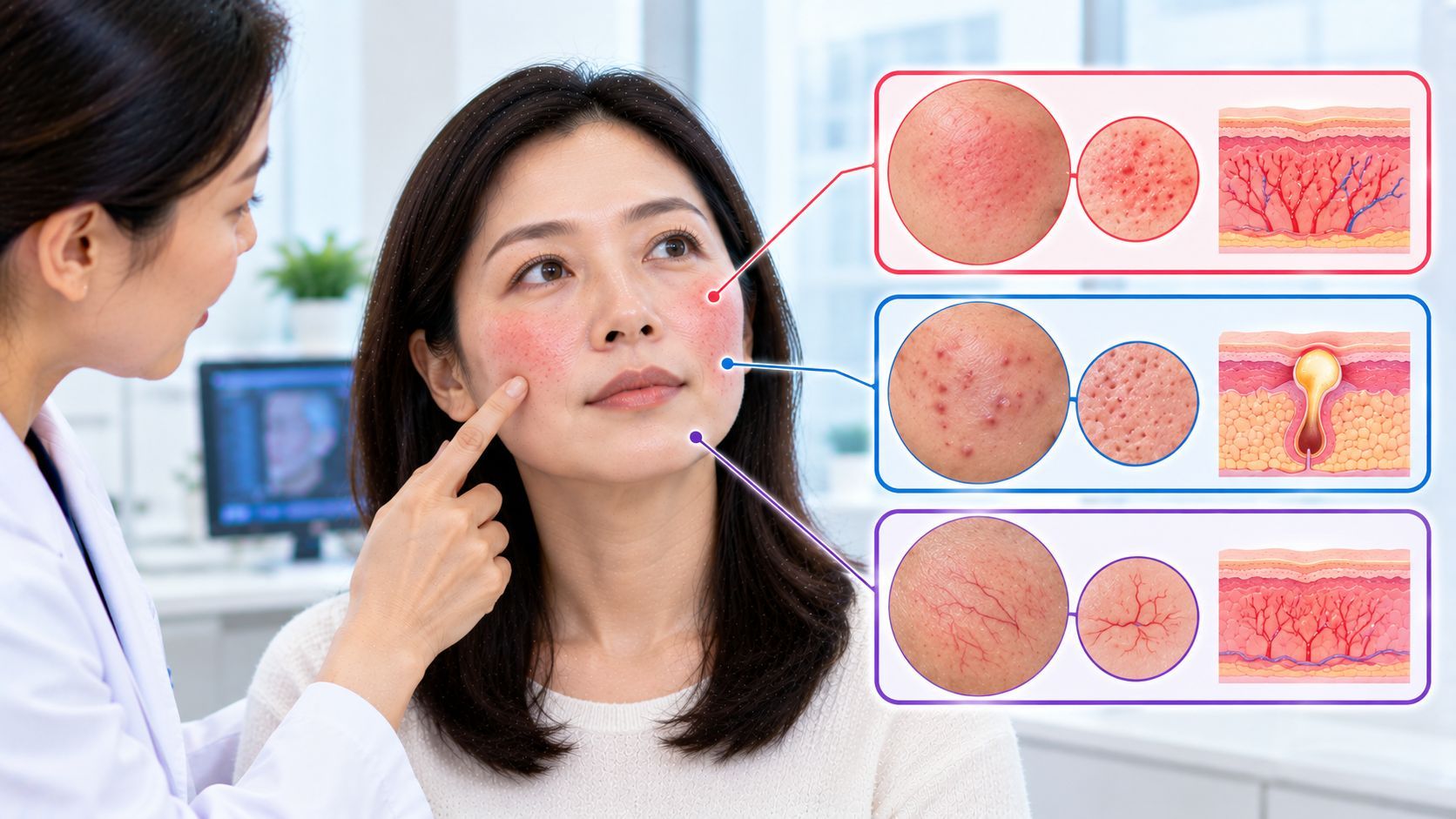
If your skin tends to remain red or irritated after procedures, combining several treatments can make it harder to determine which treatment caused a reaction.
Separating procedures may make it easier for the clinician to monitor your response.
The Treatments Have Significant Downtime
A treatment that causes redness, swelling, peeling, or tenderness may already require recovery time.
Adding another procedure immediately may make the recovery period more complicated.
You Are Having a Treatment for the First Time
If you have never experienced a particular laser, injectable, peel, or energy-based treatment, there is greater uncertainty about how your skin will respond.
A conservative approach can provide more information before adding another procedure.
You Have a Long Korea Trip
If you are staying in Seoul for two or three weeks, there may be little reason to force every procedure into one appointment.
You may have enough time for a consultation, initial treatment, recovery, reassessment, and a later procedure if the dermatologist recommends it.
Laser + Injectable Treatments Need Careful Planning
Laser and light-based treatments are sometimes combined with injectables, but the exact procedure and sequence matter.
A review of combined hyaluronic-acid filler and laser/light treatments notes that when certain combined procedures are performed on the same day, light-based treatment may be performed before filler injections. However, the authors also noted that the evidence base for combined filler and energy-based treatments has limitations.
That means you should not assume that because a clinic offers two procedures, they should automatically be performed together.
The dermatologist should determine whether:
- The laser is ablative or non-ablative
- The skin barrier will be disrupted
- Filler is being injected into the same area
- The procedures could increase irritation
- Your skin has a history of pigmentation problems
- A gap between treatments would be more appropriate
What About Botox and Filler on the Same Day?
This is one combination that may be performed during the same appointment in appropriate patients.
The expert consensus on facial combination treatments specifically reports that botulinum toxin and fillers may be performed together in either sequence under appropriate circumstances.
But that does not mean everyone should receive both.
The decision depends on the actual problem.
For example, if someone has facial heaviness caused by excess volume, adding filler simply because they are already receiving Botox may not make sense. Conversely, someone with both dynamic wrinkles and selected volume loss may potentially benefit from addressing both concerns.
A proper assessment should come before choosing the combination.
What About Rejuran, Skin Boosters, and Other Injectable Treatments?
Several injectable skin-quality treatments may be used during a medical-tourism trip, but multiple injections can also mean more injection-site redness, swelling, tenderness, or bruising.
If you are planning extensive sightseeing immediately afterward, this becomes an important practical consideration.
You may prefer to schedule the treatment on a day when you have fewer activities rather than combining several injectable procedures immediately before a full day of walking around Seoul.
The goal should be a manageable recovery rather than simply minimizing the number of clinic visits.
What About Thermage, Ultherapy, and Other Energy-Based Treatments?
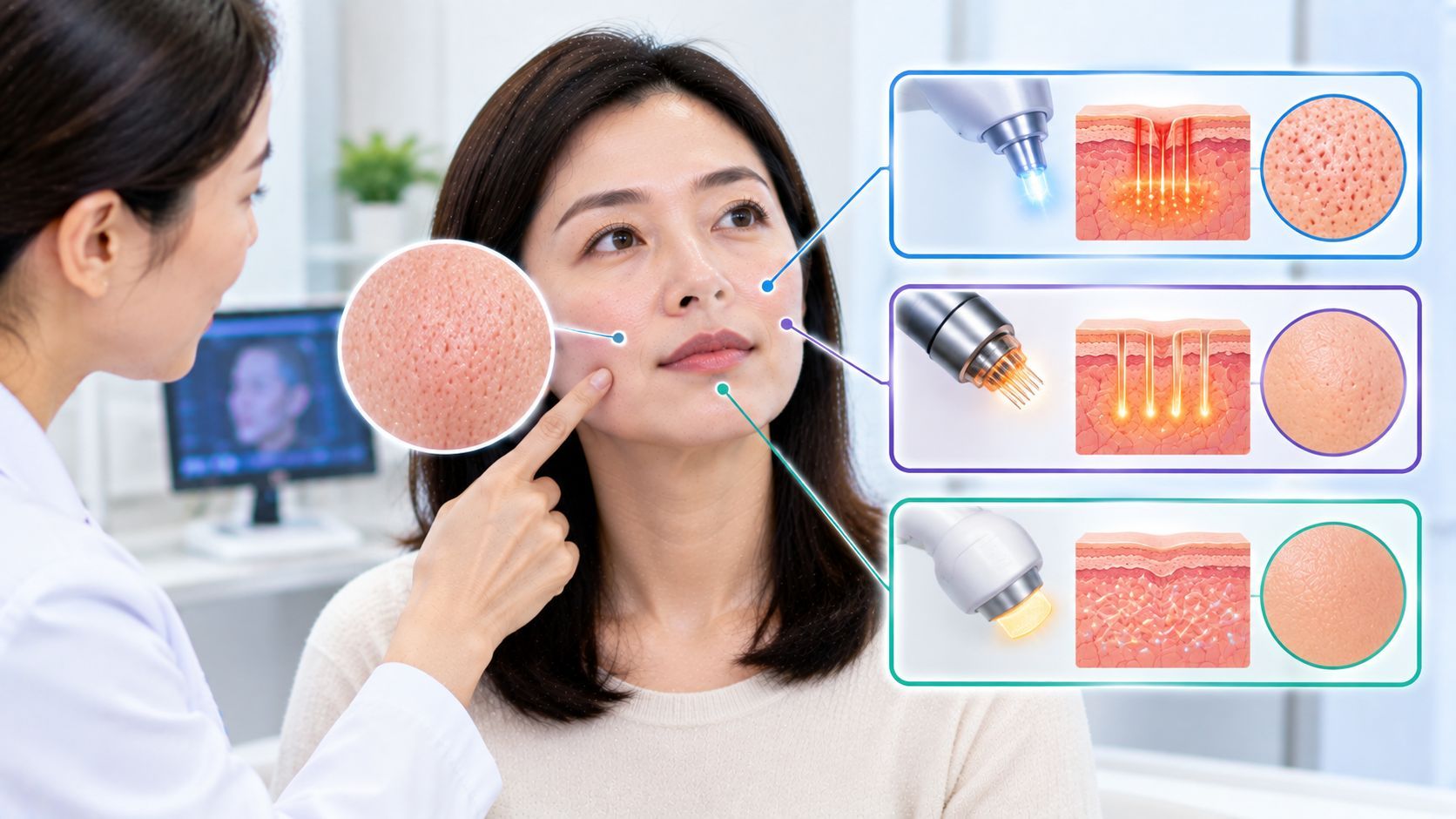
Energy-based treatments can sometimes be incorporated into a larger treatment plan, but they should not automatically be stacked together.
Some procedures work primarily by delivering energy to deeper tissues, while others affect the superficial skin or involve needles. Combining several energy-based treatments may increase discomfort or temporary reactions without necessarily providing additional benefit.
The appropriate sequence depends on the device, treatment depth, treatment area, and objective.
For example, expert consensus has specifically addressed sequencing between microfocused ultrasound and injectable treatments rather than treating every procedure as interchangeable.
A One-Week Korea Trip: Example Schedule
Suppose you are staying in Seoul for seven days.
Day 1: Arrival
Rest and allow yourself to adjust to the trip.
Day 2: Consultation
Have a dermatologist assess your skin and discuss your goals.
Day 3: Main Treatment
Perform the primary procedure or a carefully selected combination if medically appropriate.
Day 4: Recovery
Keep your schedule lighter and follow the clinic's aftercare instructions.
Day 5: Follow-Up
If the clinic recommends reassessment, this provides an opportunity to check your response.
Day 6: Remaining Treatment
If a second procedure is appropriate, the dermatologist can determine whether it should be performed at this point.
Day 7: Departure
Leave Korea with written aftercare instructions and information about what to do if a delayed reaction occurs.
This is only an example. A real schedule should be based on the actual procedures and your individual response.
A Two-Week or Longer Trip Gives You More Flexibility
A longer vacation can make staged treatment particularly practical.
For example:
Week 1: consultation → first treatment → recovery
Week 2: assessment → second treatment if appropriate → final follow-up
This approach can be useful when different treatments target different problems or when the clinician wants to evaluate the first treatment before proceeding.
The advantage is not simply medical. It can also make your vacation more comfortable because you are less likely to spend an entire day recovering from several procedures at once.
What If I Only Have 3–4 Days in Korea?
A short trip requires more careful planning.
You may still be able to have multiple treatments, but tell the clinic your exact arrival and departure dates before booking.
The dermatologist can then determine whether:
- Same-day treatment is appropriate
- Some treatments should be eliminated
- Procedures should be performed in a particular order
- A follow-up is necessary
- You should avoid treatment immediately before flying
- Your desired outcome is realistic within the available time
Do not assume that a short trip means you should have as many procedures as possible.
Why More Treatments Do Not Necessarily Mean Better Results
Cosmetic treatments are not like items on a shopping checklist.
Adding procedures can increase complexity. If you experience swelling, redness, bruising, or another reaction, it may also become harder to determine which treatment caused it.
The AAD emphasizes that cosmetic procedures carry medical risks and recommends choosing treatment based on the patient's condition, desired results, alternatives, and recovery requirements.
A 2025 expert roundtable on integrating skincare with aesthetic procedures likewise emphasizes tailoring aftercare and treatment-related skincare to the specific procedure and individual response.
Questions to Ask a Korean Dermatologist
Before agreeing to multiple treatments during one appointment, ask:
- Can these treatments safely be performed together?
- Which treatment should come first?
- Would separating them produce a better or more predictable result?
- How much downtime should I expect?
- Will combining them increase swelling or irritation?
- Do I need a follow-up appointment?
- How many days should I leave before flying home?
- Which treatment is actually essential for my concern?
These questions can help prevent a short medical-tourism trip from turning into an unnecessarily complicated treatment schedule.
Conclusion
Getting several treatments in one day can sometimes be appropriate, particularly when the procedures have been carefully selected and their sequence is understood. Expert consensus supports certain same-day combinations, but it also recognizes the value of spacing treatments so side effects can resolve and results can be assessed.
For international patients visiting Korea, the best schedule depends on the treatments, your skin, your recovery time, and the length of your trip.
If you have only a few days, a carefully planned combination may be practical. If you have one or two weeks, spreading treatments out can provide more flexibility. And if a procedure is completely new to you, there is often value in avoiding an unnecessarily aggressive schedule.
The objective should not be to fit the maximum number of treatments into your vacation. It should be to create a treatment plan that addresses your actual concerns while allowing enough time for your skin to respond safely and predictably.
FAQs
Can I get Botox and filler on the same day in Korea?
In appropriate patients, Botox and filler may be performed during the same appointment. Expert consensus specifically recognizes this combination, but the decision should be individualized.
Can I combine laser and filler in one visit?
Sometimes, but the exact laser, filler, treatment areas, and sequence matter. Some expert recommendations favor performing certain light-based treatments before filler when they are performed on the same day.
Is it better to spread treatments across a Korea vacation?
Not always, but spacing can allow temporary side effects to settle and give the dermatologist an opportunity to evaluate the result before another procedure. Expert consensus has suggested approximately one to two weeks between consecutive treatments in some circumstances.
What if I only have three days in Seoul?
Tell the clinic your exact travel schedule during the consultation. The dermatologist may determine that some procedures can be combined while others should be postponed or avoided.
Should I schedule all my treatments on the first day?
Not automatically. An initial consultation may be more useful than immediately booking several procedures because the dermatologist can determine which treatments are actually appropriate and how they should be sequenced.
Can I go sightseeing after multiple treatments?
That depends on the procedures. Some have little downtime, while others may cause redness, swelling, sensitivity, or other temporary effects. Ask the treating clinic specifically when normal sightseeing and outdoor activities can resume.