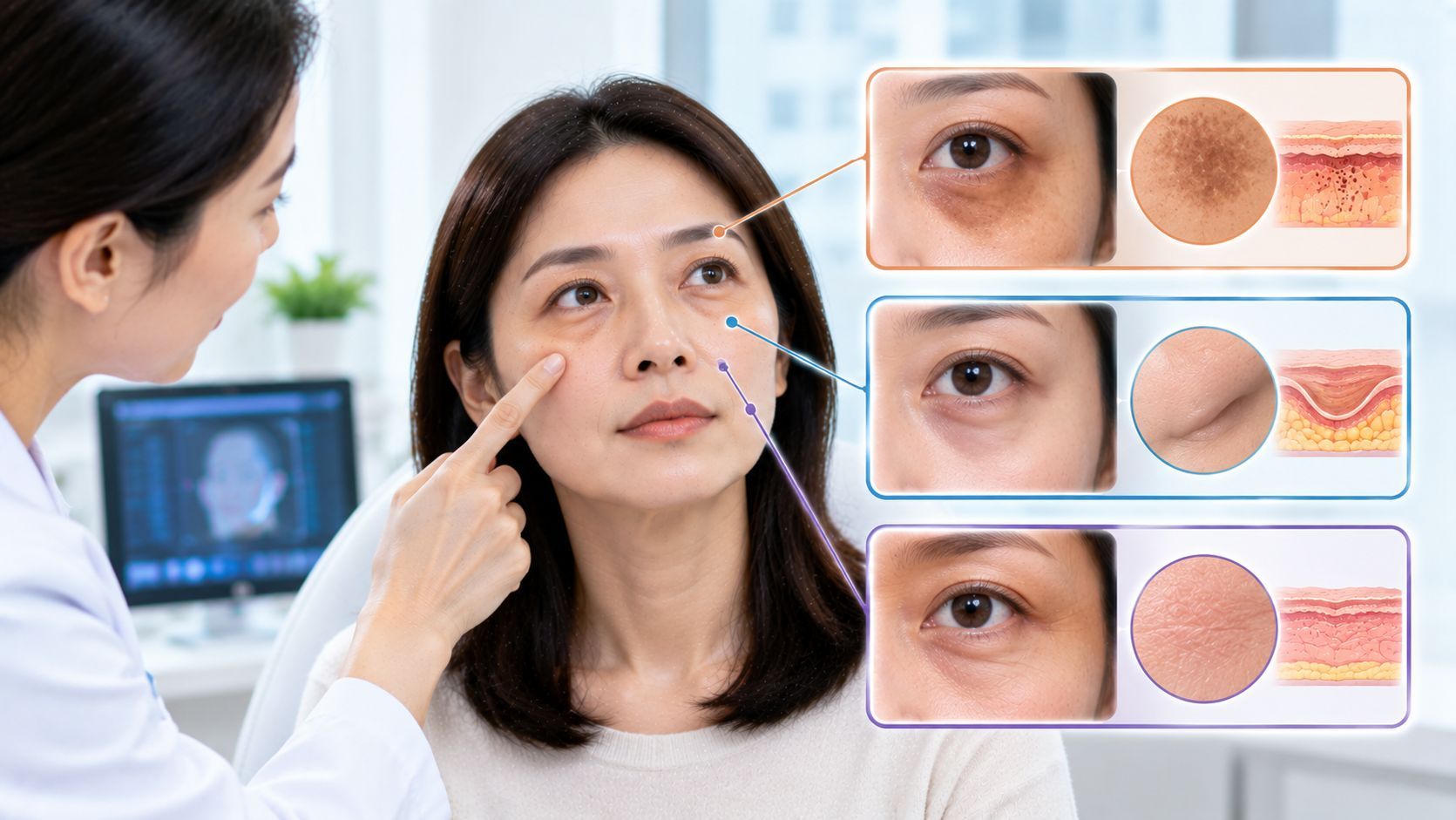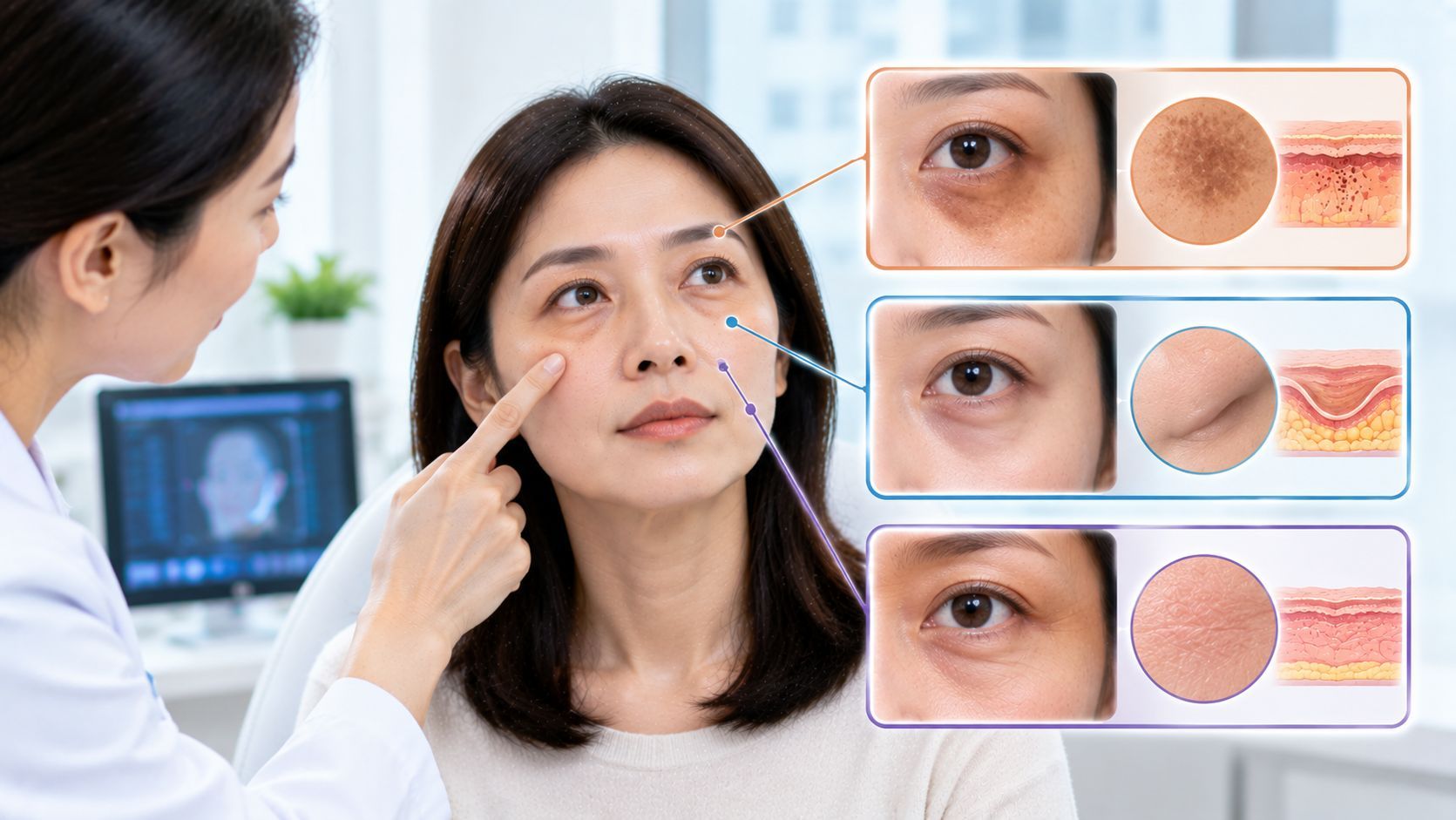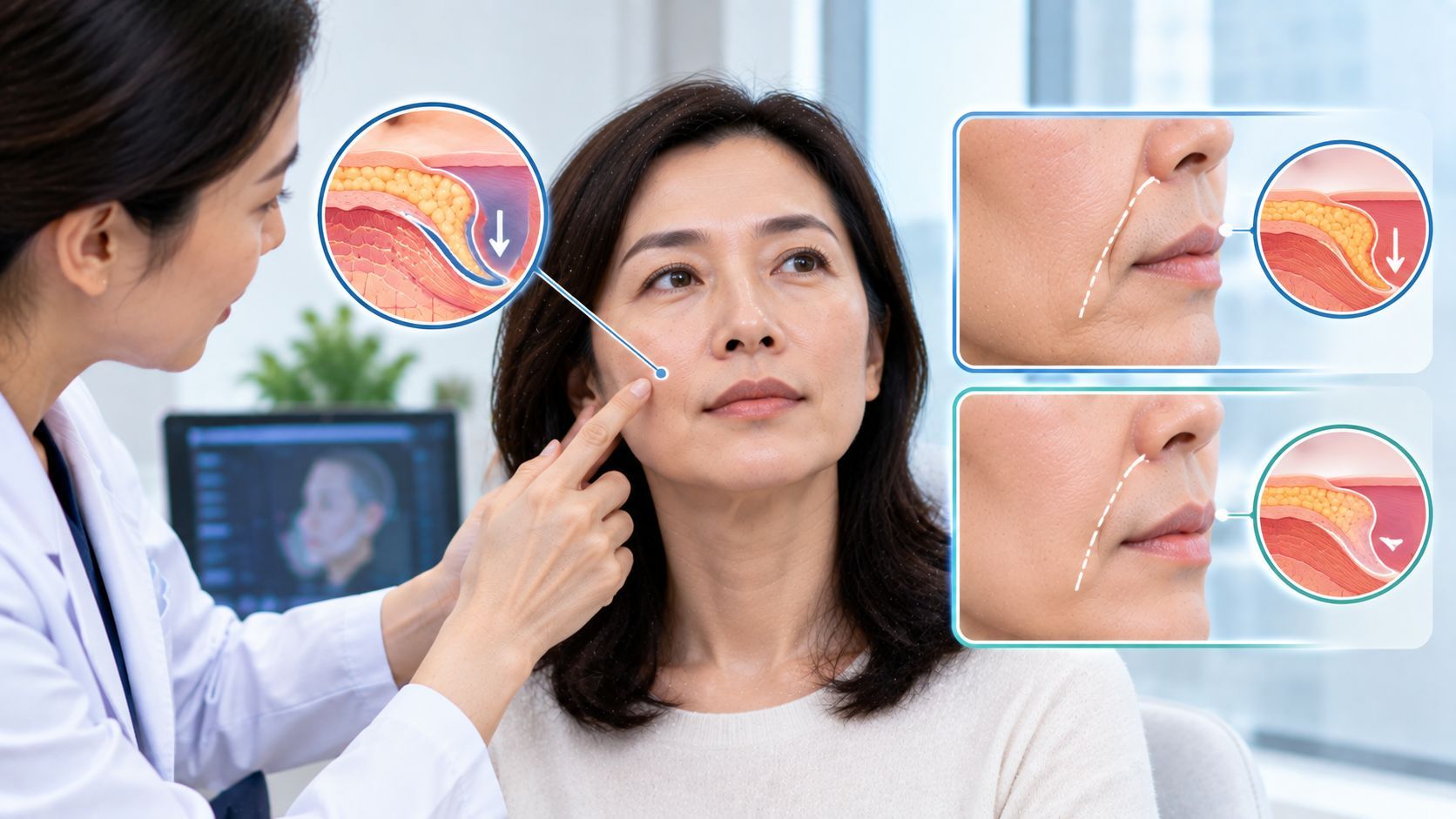
Should I Get Skin Treatment at the Beginning or End of My Korea Trip?
Introduction
If you are traveling to Korea specifically for dermatology or aesthetic treatments, deciding when during your trip to have treatment can make a major difference to your recovery, sightseeing plans, and overall experience.
There is no universal rule that treatment should always be done at the beginning or end of the trip. The better timing depends on the procedure, your expected recovery, whether you need follow-up, how much sightseeing you plan to do, and whether you will be exposed to sunlight, heat, sweating, alcohol, or long flights afterward.
For many international patients, treatments requiring recovery are easier to schedule toward the beginning or middle of a sufficiently long trip, while procedures with minimal recovery may be more flexible. However, if a treatment requires a follow-up appointment, you may want to leave enough time in Korea after the procedure rather than having treatment immediately before your flight.
Should You Get Treatment at the Beginning or End of Your Trip?
The simplest answer is:
Choose the timing based on recovery requirements, not simply on convenience.
Beginning of the Trip
Getting treatment early can make sense when you have several days available for recovery and want to complete follow-up before returning home.
Advantages can include:
- More time for redness or swelling to settle
- Time to contact the clinic if you have concerns
- Opportunity for a follow-up assessment
- Less pressure from an upcoming flight
- Ability to complete multiple treatments according to a planned sequence
However, treatment at the beginning can interfere with sightseeing. If you have planned extensive walking, outdoor activities, shopping, hiking, or day trips, the first few days may be less enjoyable.
End of the Trip
Treatment near the end can be convenient because you can spend the earlier part of your vacation sightseeing and reserve the final days for treatment.
The problem is recovery.
If you develop swelling, bruising, redness, irritation, or another unexpected reaction, you may be traveling home before the issue has settled or before the clinic can properly reassess you.
The American Academy of Dermatology recommends discussing recovery time, risks, expected results, and when normal activities can safely resume before undergoing cosmetic treatment.
A Better Approach: Match Treatment to Your Itinerary
Instead of asking whether the beginning or end is always better, divide your Korea trip into three stages:
- Arrival and sightseeing
- Treatment and recovery
- Follow-up and departure
This approach allows you to build your vacation around the treatment rather than trying to fit a medical procedure into an already crowded itinerary.
For example, if you are staying in Seoul for seven days, you might spend the first one or two days settling in and attending your consultation, have treatment early enough to allow recovery, then schedule follow-up before departure.
The exact schedule depends on the procedure.
How Different Treatments Affect Trip Timing
Laser Treatments
Laser treatment varies enormously depending on the device and settings.
Some treatments produce relatively little downtime, while resurfacing procedures can cause redness, peeling, swelling, or sensitivity.
Sun exposure after treatment can also be an important concern. Dermatologists recommend protecting treated skin from the sun because UV exposure can contribute to complications and pigmentation changes.
Therefore, if your Korea itinerary includes extensive outdoor sightseeing, having certain laser treatments immediately before several days of outdoor activities may not be ideal.
For more intensive laser treatments, scheduling them with dedicated recovery time is generally more practical.
Rejuran and Skin Boosters
Injectable skin-quality treatments can cause temporary bumps, redness, swelling, tenderness, or bruising.
If you plan to spend the afternoon walking around Seoul immediately after treatment, you may find the experience less comfortable than expected.
If you are staying several days, treatment earlier in the trip can give these temporary effects time to settle.
However, the exact recovery period varies by product, technique, injection depth, treatment area, and individual response.
Botox
Botulinum toxin often has relatively little downtime, but injection sites can still become temporarily red or bruised. The AAD notes that most people can return to everyday activities immediately, although bruising can sometimes last about a week.
Because the cosmetic effect develops over time, having Botox at the beginning or middle of a longer trip may allow you to observe the developing result before leaving Korea.
Filler
Filler requires more planning because swelling and bruising can be visible after injections.
If you are considering facial filler during a Korea trip, having it immediately before your return flight can leave little time for the clinician to evaluate the result.
For an international patient, allowing extra time after treatment can be particularly useful if the treatment is new to you.
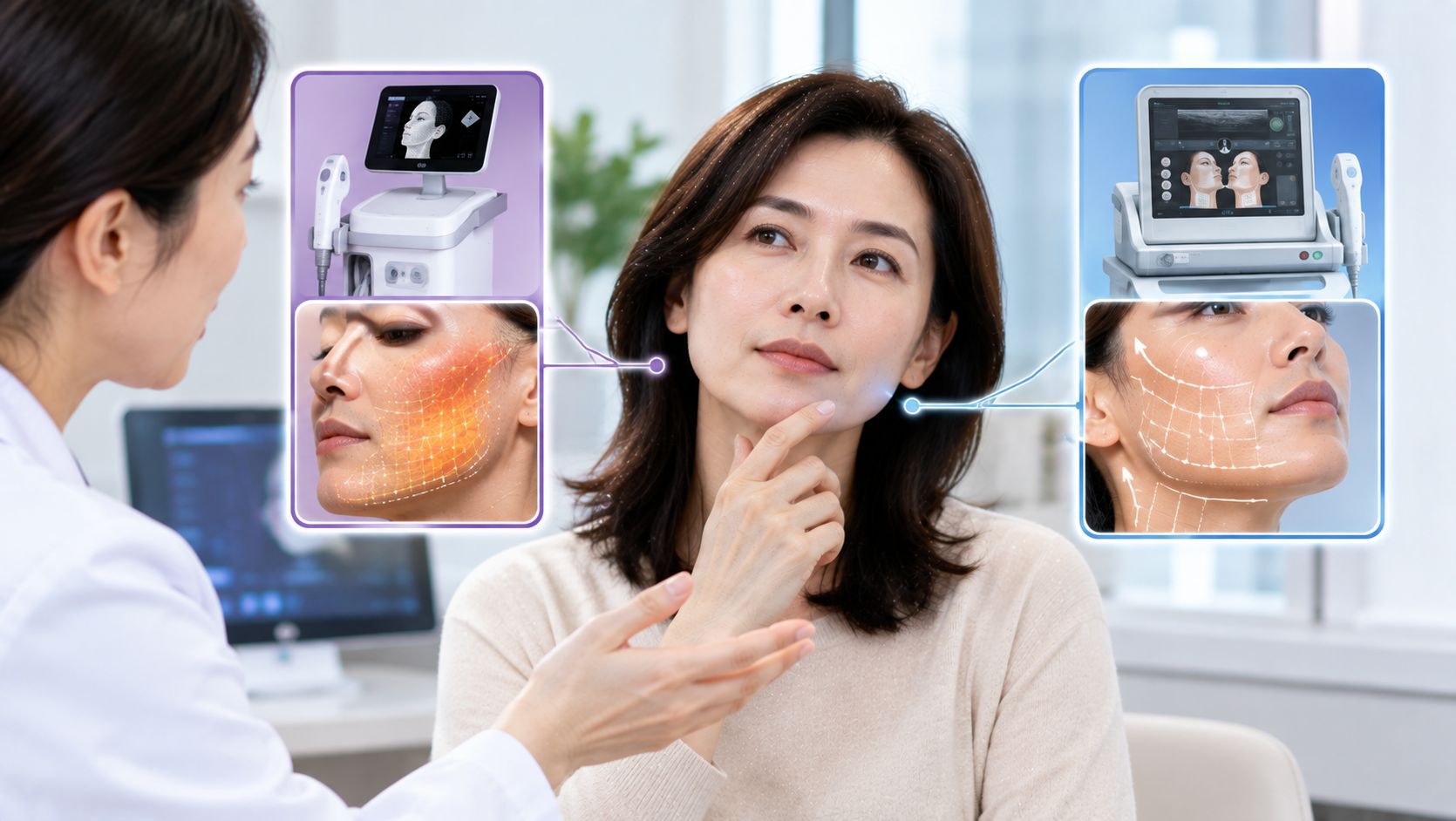
Thermage, Ultherapy and Other Non-Invasive Tightening Treatments
Non-invasive tightening procedures generally have little or no major downtime, but their results are not necessarily immediate.
The AAD explains that non-invasive skin-tightening procedures can produce temporary redness or swelling, while collagen-related tightening develops gradually over time.
Because the main benefit develops after the procedure rather than during the vacation itself, there is usually less reason to schedule these treatments specifically for the final day.
What About Combining Several Treatments During One Trip?
Medical tourists sometimes want to maximize a short Korea visit by combining several procedures.
That can be reasonable in selected cases, but more treatment is not automatically better.
A consensus review on combined aesthetic procedures recommends an individualized treatment plan and notes that spacing consecutive treatments by approximately one to two weeks can allow temporary side effects to resolve and results to be assessed. Certain procedures can be combined on the same day in appropriate circumstances, but sequencing matters.
Therefore, do not create your own combination schedule simply because several treatments are available at one clinic.
A dermatologist should determine:
- Which treatments are actually appropriate
- Whether they can be performed together
- Which treatment should come first
- How much recovery is expected
- Whether follow-up is needed
- Whether your skin type changes the treatment plan
When the Beginning of the Trip Makes More Sense
Consider early-trip treatment when:
You Need Follow-Up
If the clinic wants to review your response, you need enough time before departure.
The Treatment Can Cause Visible Temporary Changes
Redness, swelling, bruising, peeling, or sensitivity are easier to manage when you are not rushing toward an airport.
You Are Staying for Several Days
A longer stay provides a larger recovery window.
You Are Having a Multi-Step Treatment Plan
Some treatments may need to be sequenced rather than performed together.
When the End of the Trip May Make Sense
End-of-trip treatment may be reasonable when:
- The procedure has little expected downtime
- You have already had the same treatment before
- No immediate follow-up is required
- You understand the aftercare
- You are not planning extensive outdoor activity afterward
- Your flight schedule allows adequate medical planning
Even then, avoid assuming that “minimal downtime” means “nothing can go wrong.”
Every cosmetic procedure has potential risks, and individual reactions vary.
What If I Want to Sightsee After Treatment?
This is one of the most important considerations for medical tourists.
Walking around Seoul may sound harmless, but a sightseeing day can involve:
- Sun exposure
- Heat
- Sweating
- Crowded public transportation
- Long periods outdoors
- Makeup
- Alcohol
- Restaurants and spicy foods
- Exercise or extensive walking
Depending on the treatment, some of these may conflict with aftercare instructions.
For example, dermatologists recommend sun protection after procedures that leave the skin more vulnerable.
If sightseeing is a major part of your Korea vacation, build recovery time into the itinerary rather than assuming you can return immediately to a full tourist schedule.
What If I Am Flying Home Shortly After Treatment?
Tell the clinic your flight date before treatment.
This is particularly important for injectable treatments or procedures that could produce noticeable swelling or other temporary effects.
You should also ask:
- Do I need a follow-up appointment?
- What symptoms should make me contact the clinic?
- What aftercare should I continue at home?
- Can I exercise before flying?
- When can I use my normal skincare?
- What should I do if swelling or redness worsens after returning home?
The AAD recommends discussing preparation, aftercare, risks, and recovery before cosmetic procedures.
Example: Planning a 7-Day Seoul Medical Trip
A practical itinerary could look like this:
Day 1: Arrival, rest, basic skincare, no major treatment.
Day 2: Dermatology consultation and skin assessment.
Day 3: Main treatment, if appropriate.
Day 4: Recovery and light indoor activities.
Day 5: Follow-up if recommended; gradual return to sightseeing.
Day 6: Shopping, cafés, museums, or other activities appropriate for your recovery.
Day 7: Departure.
This is only an example. A laser procedure, filler, Botox, Rejuran, Ultherapy, or combination treatment may require a different schedule.
Should You Book Treatment Before or After Sightseeing?
If you have only a short trip, think about what matters most.
If sightseeing is your priority, you may prefer to complete the major tourist activities first and reserve enough recovery time afterward.
If treatment is the main purpose of your Korea visit, an earlier consultation and treatment may give you more flexibility and time for follow-up.
The key is to avoid putting a procedure into the schedule without accounting for its recovery requirements.
Conclusion
There is no universal answer to whether you should get Korean skin treatment at the beginning or end of your trip.
For treatments that may cause swelling, bruising, redness, peeling, or require follow-up, having sufficient time after treatment is generally more important than choosing a specific day of the vacation. For international patients, scheduling treatment too close to the return flight can create unnecessary logistical pressure.
A consultation at the beginning of the trip can be particularly useful because it allows the dermatologist to assess your skin and create an individualized schedule. If multiple procedures are planned, appropriate sequencing and spacing can be important.
The best Korea medical-tourism itinerary is therefore not simply “treatment first” or “treatment last.” It is a schedule that gives your skin enough time to recover while leaving room for follow-up and realistic sightseeing.
FAQs
Is it better to get laser treatment at the beginning or end of a Korea trip?
It depends on the laser and its expected recovery. If the treatment causes redness or requires sun avoidance, having adequate recovery time before extensive sightseeing or flying home may be preferable.
Can I get Botox on the last day of my Seoul trip?
Some people can resume normal activities quickly after Botox, but bruising can occur and the effect develops over time. Your dermatologist should determine whether last-day treatment fits your circumstances.
Should I get filler before flying home?
It may be possible, but having more time for swelling or bruising to settle and for follow-up can be helpful, particularly if it is your first treatment.
How many days should I stay in Korea after treatment?
There is no single number that applies to every procedure. Ask the treating clinic about expected recovery, follow-up requirements, and whether your flight schedule is appropriate.
Can I combine several treatments during one Seoul trip?
Sometimes. However, the procedures should be selected and sequenced by a qualified medical professional. Expert consensus supports individualized planning and appropriate spacing when multiple aesthetic treatments are used.
Should I schedule my consultation before sightseeing?
Often, yes. An early consultation gives the dermatologist an opportunity to assess your skin and determine whether treatment timing should be adjusted around your sightseeing and departure schedule.