I Have a Reunion in One Month and Want to Look Noticeably Fresher. What Should I Do?
Introduction
One month before a reunion is enough time to make some carefully planned improvements, but it is not enough time for unlimited experimentation. If your goal is to look noticeably fresher rather than dramatically different, the most useful approach is usually to identify the one or two features that make your face look tired or older and choose treatments with enough recovery time.
A dermatologist can assess whether your main issue is skin texture, pigmentation, dehydration, expression lines, facial volume, or mild laxity. Cosmetic procedures have risks, and the American Academy of Dermatology recommends discussing expected results, downtime, risks, alternatives, and the provider's experience before treatment.
The key is to work backward from the reunion date and avoid creating a new problem while trying to solve an existing one.
What Does “Looking Fresher” Actually Mean?
Looking fresher does not necessarily mean making your face tighter or adding volume.
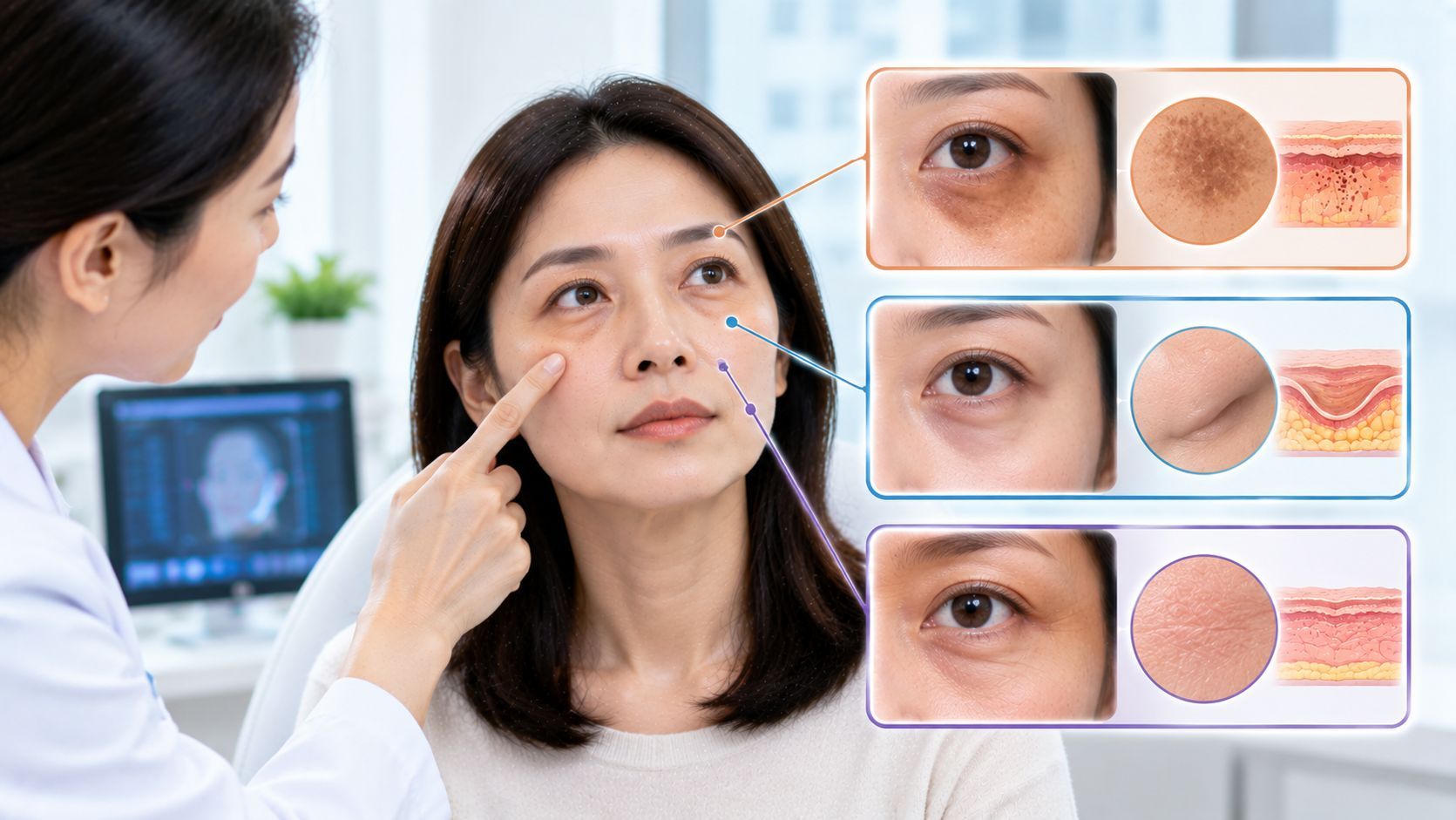
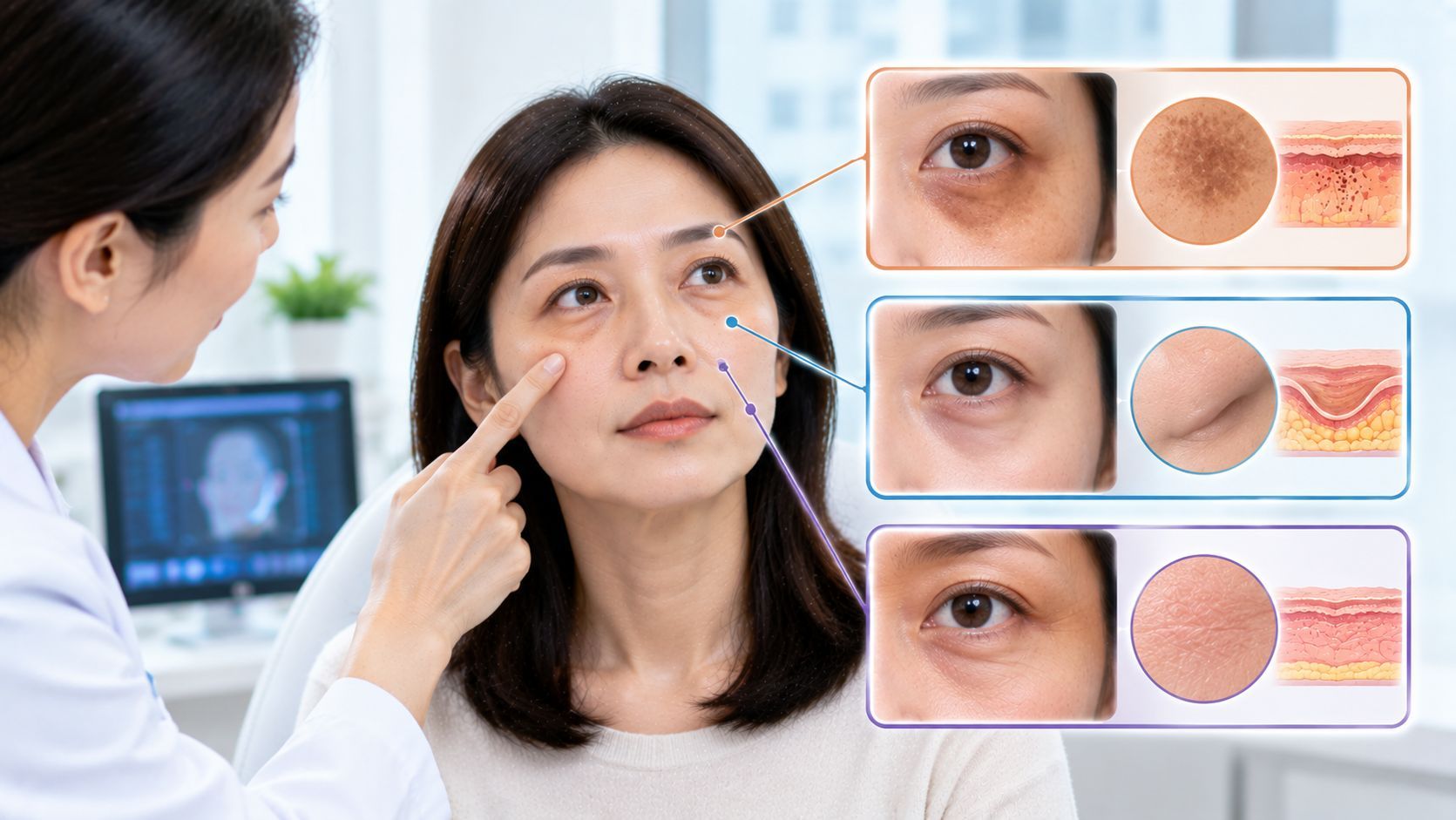
A face can look tired because of:
- Dull or uneven skin tone
- Dehydration
- Rough texture
- Fine lines
- Pigmentation
- Redness
- Loss of facial volume
- Mild skin laxity
- Downturned mouth corners
- Strong expression lines
- Under-eye shadows
- A combination of several subtle changes
These concerns require different approaches.
For example, someone whose main problem is dull skin may not benefit much from filler, while someone with significant volume loss may not get the result they want from a superficial facial alone.
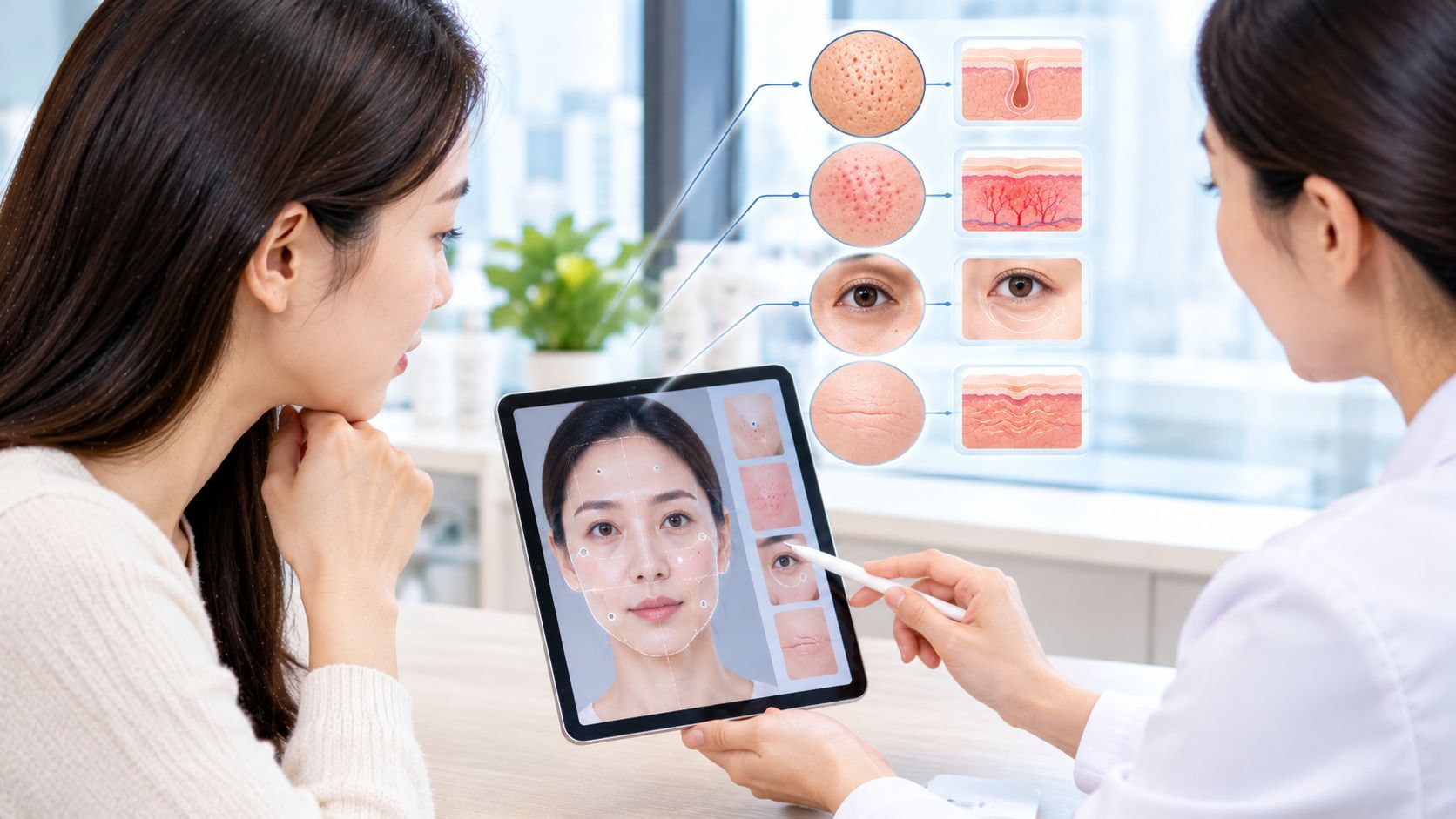
Start With a Dermatology Consultation
At one month, the consultation itself is valuable because it helps determine what is realistically achievable within four weeks.
A dermatologist should consider:
Your Main Concern
Rather than saying “I want to look younger,” identify what bothers you most in photographs.
Is it:
- Looking tired?
- Sagging around the jaw?
- Dull skin?
- Forehead lines?
- Uneven pigmentation?
- Hollow cheeks?
- Under-eye shadows?
- Rough texture?
A specific concern makes treatment planning more precise.
Your Previous Treatments
Tell the dermatologist about previous:
- Botox
- Fillers
- Skin boosters
- Lasers
- RF treatments
- Microneedling
- Chemical peels
- Other aesthetic procedures
Previous treatment history can influence what is appropriate now. The AAD specifically recommends telling your dermatologist about prior cosmetic procedures and medications before treatment.
Your Skin's Reaction History
If you tend to develop prolonged redness, bruising, swelling, or pigmentation after procedures, that should be part of the treatment decision.
The dermatologist should also consider your skin tone and type because people can respond differently to cosmetic procedures.
If Your Skin Looks Dull, Focus on Skin Quality
If your face looks tired mainly because the skin lacks brightness and smoothness, a treatment aimed at skin quality may make more sense than changing your facial structure.
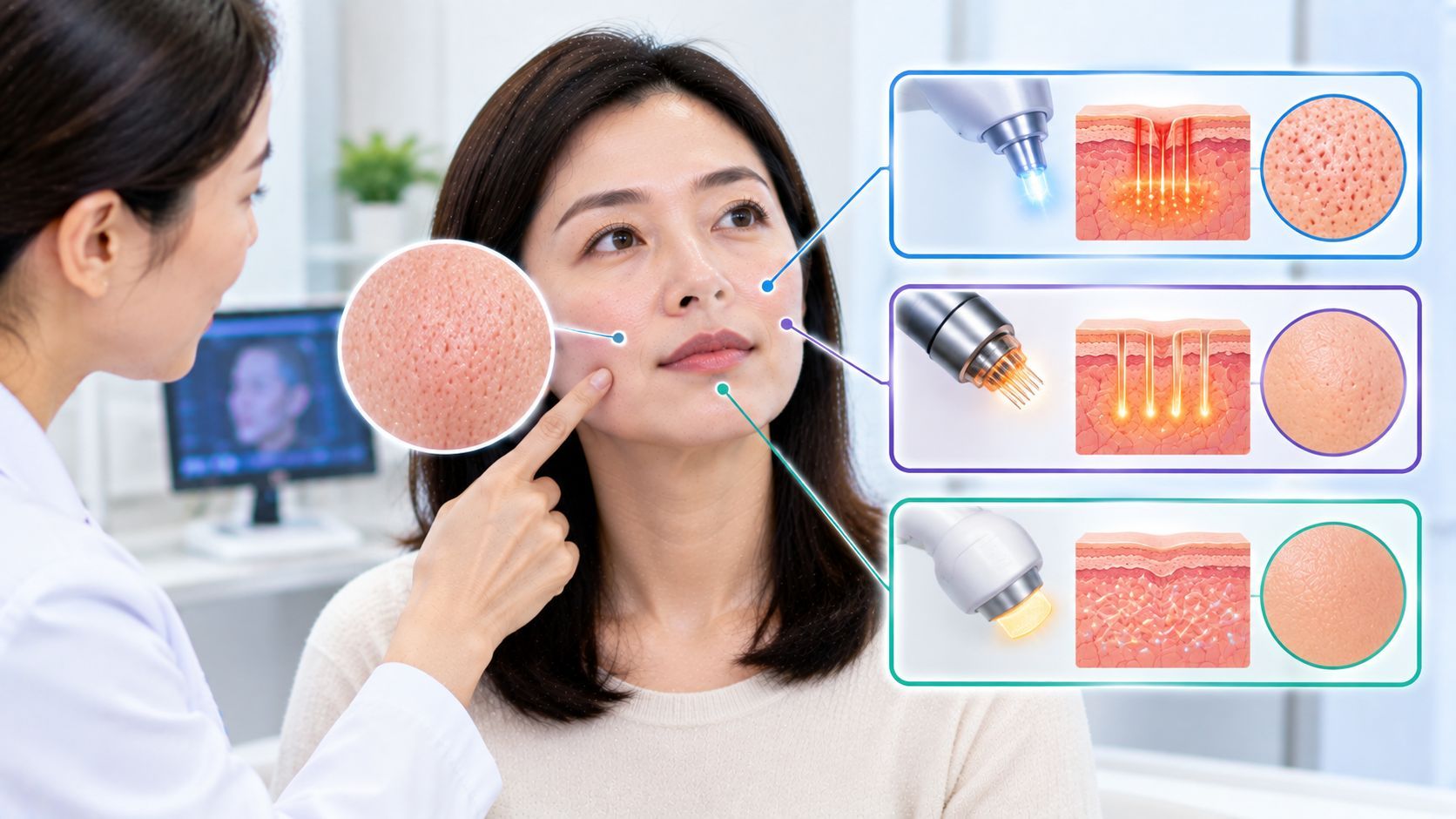
Depending on your skin, a dermatologist might discuss:
- A gentle professional facial
- Selected non-ablative laser treatments
- Mild resurfacing approaches
- Microneedling
- Skin-quality injectables
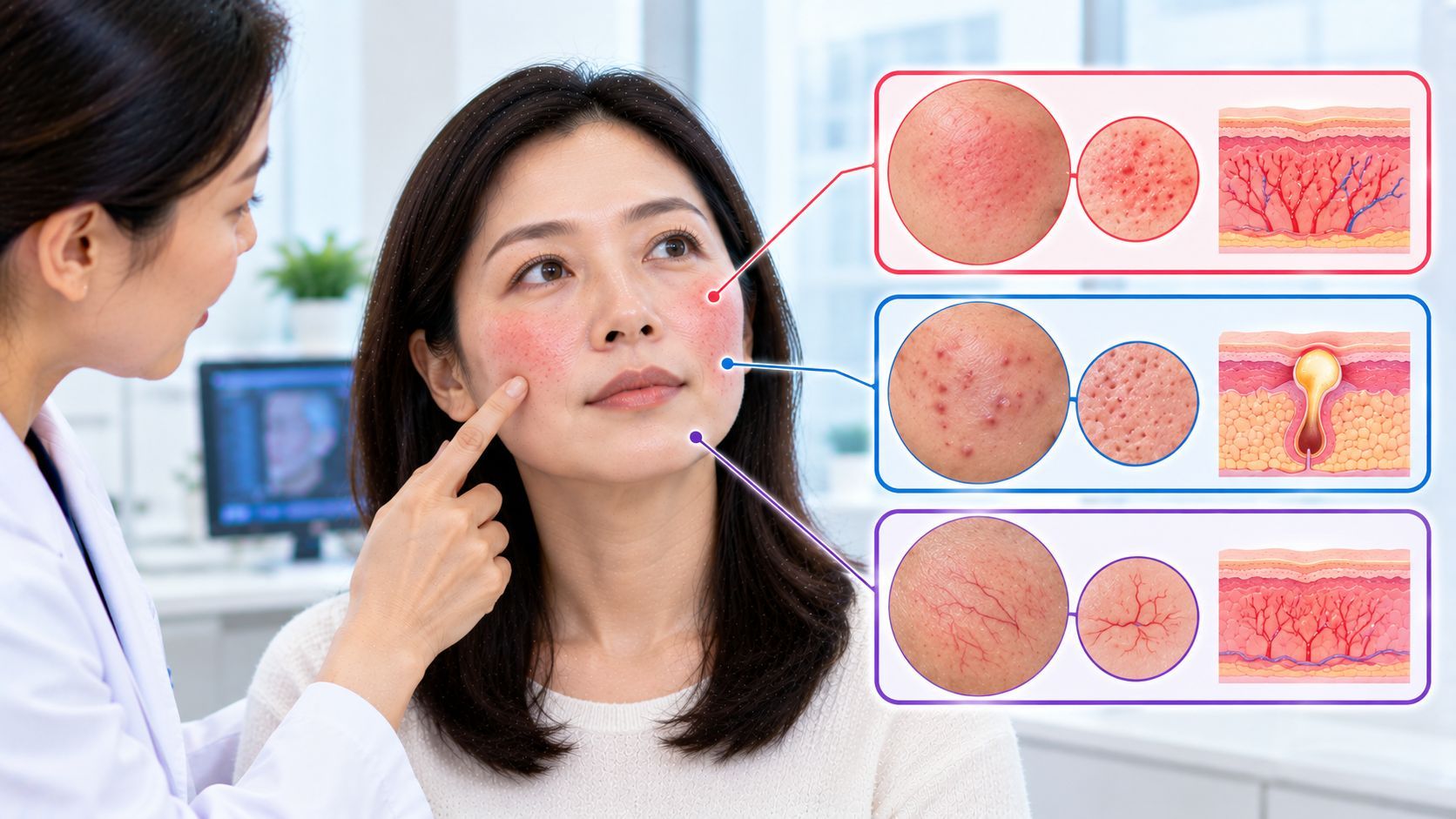
- Treatment for pigmentation or redness
The appropriate option depends heavily on the cause of the dullness.
For example, pigmentation should be treated differently from dehydration, and redness should not automatically be treated as pigmentation.
What If Fine Lines Are Making Me Look Older?
If expression lines are a major concern and you have previously used Botox successfully, one month may provide a useful treatment window.
Botulinum toxin is commonly used for selected dynamic facial lines. However, treatment should be individualized according to facial movement, anatomy, and the specific lines being treated.
If you have never had Botox before, one month provides more flexibility than receiving it immediately before the reunion, but it is still important not to request an aggressive result simply because you have a deadline.
The AAD emphasizes that the expected result and potential complications should be discussed before treatment.
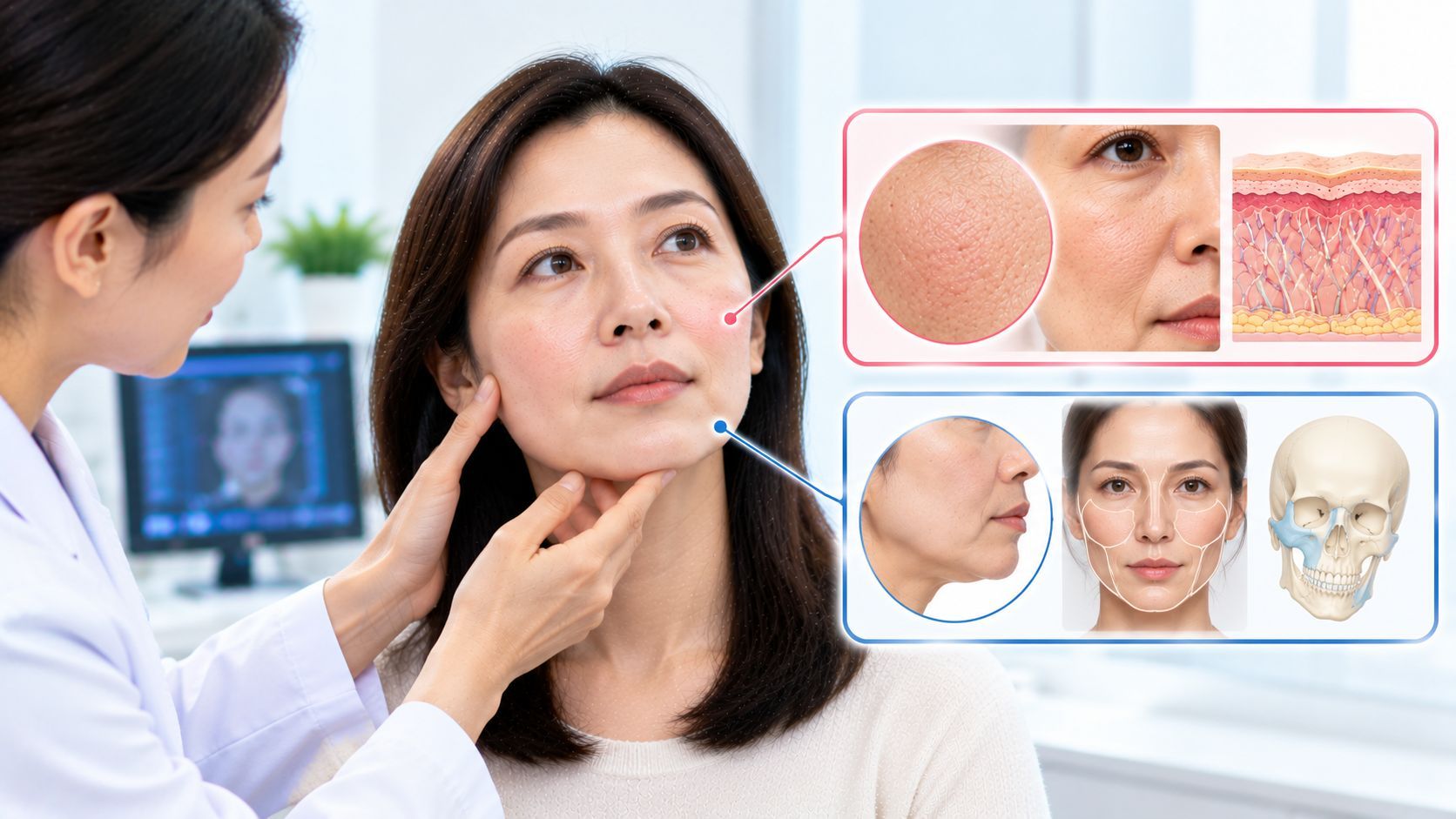
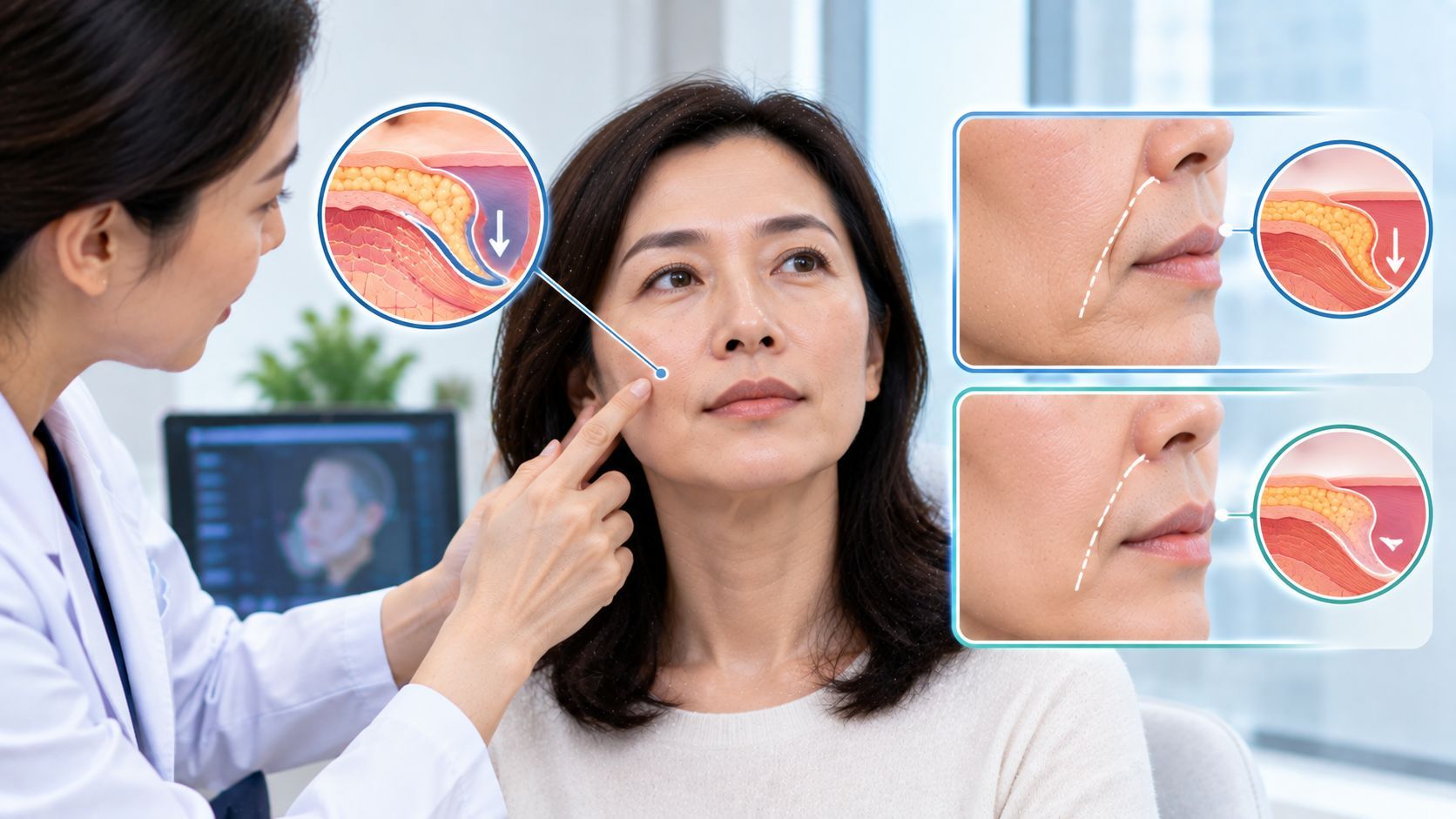
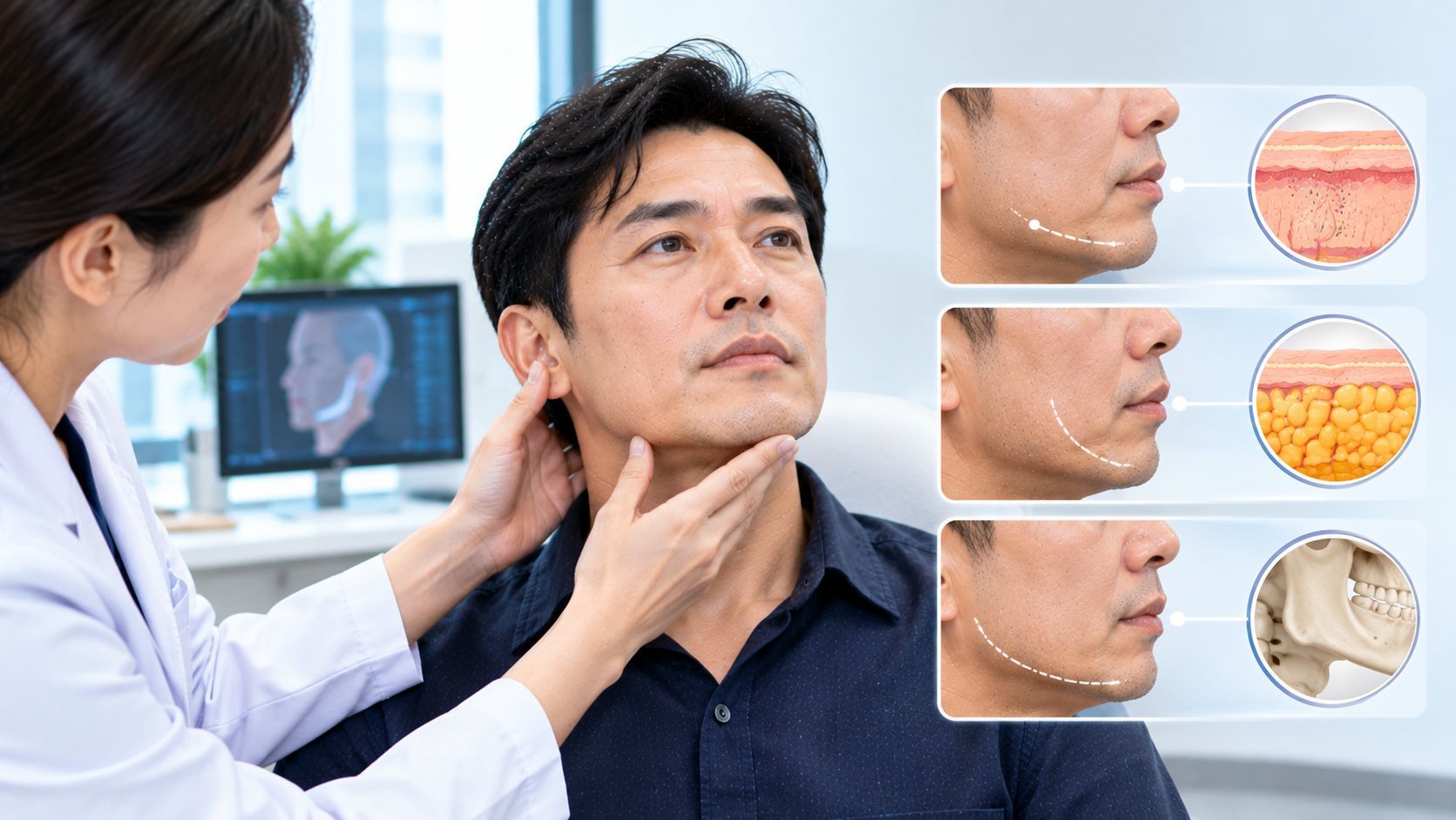
What If My Face Looks Slightly Saggy?
Mild laxity may be addressed with an energy-based treatment in selected patients.
Depending on the degree of laxity and facial structure, a dermatologist may consider treatments involving:
- Radiofrequency
- Ultrasound-based tightening
- Other energy-based approaches
However, these treatments do not all produce immediate dramatic changes.
If your face is already thin or has lost volume, simply tightening more aggressively may not necessarily create a fresher appearance. The treatment plan should account for facial volume as well as skin laxity.
This is one reason an assessment is more useful than choosing a device based solely on its popularity.
What If My Face Looks Hollow?
A hollow or deflated appearance can sometimes make someone look tired even when the skin itself is healthy.
Depending on the location and cause, options may include:
- Conservative filler
- Collagen-stimulating treatments
- Skin-quality treatments
- A combination approach
- No treatment if the perceived hollowing is primarily caused by lighting or facial movement
Filler can produce temporary swelling, redness, tenderness, or bruising. The AAD notes that these effects commonly clear within 7–14 days, although individual recovery varies.
That means one month may provide a reasonable planning window for some patients, but filler should not automatically be chosen simply because you want to look fresher.
Overcorrection can make a face look heavier rather than more refreshed.
What About Skin Boosters?
A skin booster may be discussed when the main concern is skin quality rather than facial volume.
Depending on the product and injection technique, temporary:
- Bumps
- Redness
- Swelling
- Bruising
- Tenderness
can occur.
If you have already had the same treatment and know how your skin responds, your dermatologist has more information for planning.
If it is your first injectable skin treatment, having four weeks rather than a few days provides more recovery time, but it still does not eliminate unpredictability.
Should I Combine Treatments?
Sometimes a combination approach makes sense.
For example, a person might have one treatment directed at dynamic wrinkles and another aimed at skin quality. However, combining treatments should be based on the patient's anatomy and treatment goals rather than trying to maximize the number of procedures.
Expert consensus on combined aesthetic interventions recommends a thorough assessment and individualized plan. It also notes that spacing consecutive treatments by approximately 1–2 weeks can allow side effects to resolve and results to be assessed.
For a reunion, this can be particularly useful because you want time to evaluate the first treatment before deciding whether anything else is necessary.
What Should I Avoid One Month Before the Reunion?
Do Not Try to Fix Everything
If you have five concerns, treating all five at once can make recovery harder to predict.
Pick the changes that matter most.
Do Not Overfill
If your face looks tired because of volume loss, the solution is not necessarily maximum volume.
Excessive filler can alter facial proportions and create a heavier appearance.
Do Not Choose Aggressive Treatment Just Because It Is Faster
More intense treatment does not automatically produce a better result within one month.
A treatment that requires significant healing may leave you looking worse temporarily.
Do Not Ignore Your Recovery History
If a previous laser caused prolonged redness or a previous injectable caused significant swelling, that information matters.
The AAD recommends discussing your individual risk factors and typical recovery with your dermatologist before treatment.
A Practical One-Month Reunion Timeline
Four Weeks Before
Have your consultation and establish the treatment plan.
If an injectable, laser, or other procedure is appropriate, this is when the dermatologist can determine whether the expected recovery fits your deadline.
Three Weeks Before
Allow the initial treatment to settle.
Avoid adding another procedure simply because the improvement is not immediately dramatic.
Two Weeks Before
If your dermatologist recommends another treatment, this can be an opportunity to assess whether there is genuinely something else worth addressing.
Spacing treatments allows earlier effects to settle and makes it easier to assess the result.
One Week Before
Shift into maintenance mode.
Keep your skincare familiar and avoid unnecessary exfoliation or experimentation.
Final Two or Three Days
Do not introduce a new injectable, aggressive laser, strong peel, or unfamiliar skincare product.
The goal is to arrive at the reunion with calm, settled skin.
What If I Am Traveling to Seoul for the Reunion?
If you are visiting Seoul for treatment, avoid planning your entire aesthetic program around one appointment.
Ideally, allow time for:
- Consultation
- Treatment
- Recovery
- Follow-up
- Additional assessment if needed
Bring details of your previous cosmetic treatments, including the approximate date and treatment area.
If you do not know which injectable or filler you previously received, tell the dermatologist rather than guessing.
A qualified medical provider should also be comfortable telling you when a treatment is not appropriate for your deadline. The AAD emphasizes that cosmetic treatment should be based on the patient's skin condition, desired result, medical history, and potential risks—not simply convenience.
What If I Want a Noticeable Change but Still Want to Look Natural?
Tell your dermatologist exactly that.
“Fresher” and “younger” are not necessarily the same goal.
A natural-looking plan may focus on:
- Smoother skin
- More even tone
- Reduced appearance of tiredness
- Softening selected expression lines
- Restoring modest volume where genuinely needed
- Improving skin hydration and texture
- Maintaining your existing facial proportions
The objective should be to improve the features that make you look tired without changing the characteristics that make your face recognizable.
The Bottom Line
One month before a reunion is a useful window for planned, targeted improvement, but it is not a reason to undergo every available treatment.
Start with the feature that makes you look most tired. Then choose a treatment whose expected improvement and recovery fit comfortably within the remaining four weeks.
For some people, that may mean Botox. For others, it could be a skin-quality treatment, carefully selected laser treatment, conservative filler, or an energy-based procedure. Some people may need no procedure at all and may benefit more from stabilizing their skincare.
The right choice depends on what is actually causing the tired appearance.
FAQs
Can I noticeably improve my face in one month?
Some cosmetic treatments can produce visible improvement within a month, but the degree of change varies considerably. A dermatologist should set expectations according to the specific concern and treatment.
Should I get filler if I look tired?
Not automatically. Tired-looking skin can result from pigmentation, dehydration, laxity, volume loss, or several factors. Filler only addresses certain structural concerns.
Is Botox appropriate one month before a reunion?
It may be, particularly if you have used it previously and understand your response. A consultation is important to determine whether it addresses the lines or muscle activity actually contributing to your appearance.
Can skin boosters make me look fresher before an event?
They may improve selected aspects of skin quality, but results and recovery depend on the specific product and technique. Temporary swelling, bumps, redness, or bruising can occur.
Should I combine several treatments before a reunion?
Sometimes, but combination treatment should be individualized. Expert recommendations support assessment and appropriate sequencing rather than automatically performing multiple procedures together.
Conclusion
If you have one month before an important reunion, think in terms of refinement rather than reinvention.
A good treatment plan identifies what is actually making your face look tired and addresses that issue without creating unnecessary swelling, irritation, or facial changes. Starting with a consultation gives you time to choose carefully, recover, and assess the result before the event.
If you are considering treatment in Seoul, tell the dermatologist exactly how many weeks remain. The timeline is an important part of the medical decision.