I Have an Important TV Appearance. What Treatments Give Improvement Without Unpredictable Swelling?
Introduction
Preparing for a television appearance is different from preparing for an ordinary social event. High-definition cameras, strong studio lighting, close-up shots, and long filming sessions can make subtle changes in skin texture, redness, facial movement, or swelling more noticeable.
If your appearance is important in a few weeks, the goal should be controlled improvement with a predictable recovery period, rather than choosing the most intensive treatment available.
There is no cosmetic procedure that can guarantee zero swelling or zero complications. The American Academy of Dermatology recommends discussing expected results, risks, downtime, and alternatives before cosmetic treatment.
What Makes TV Preparation Different?
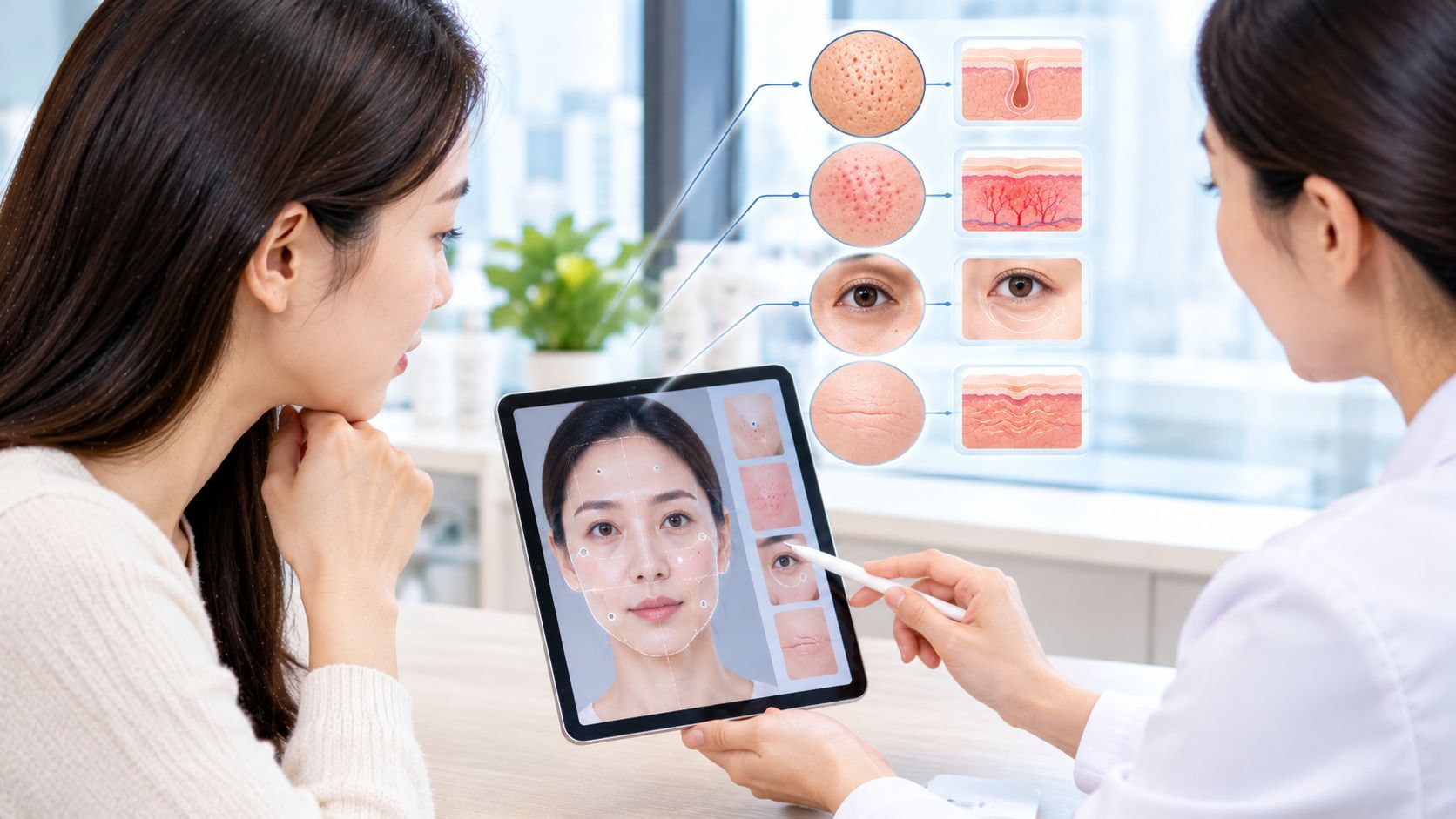
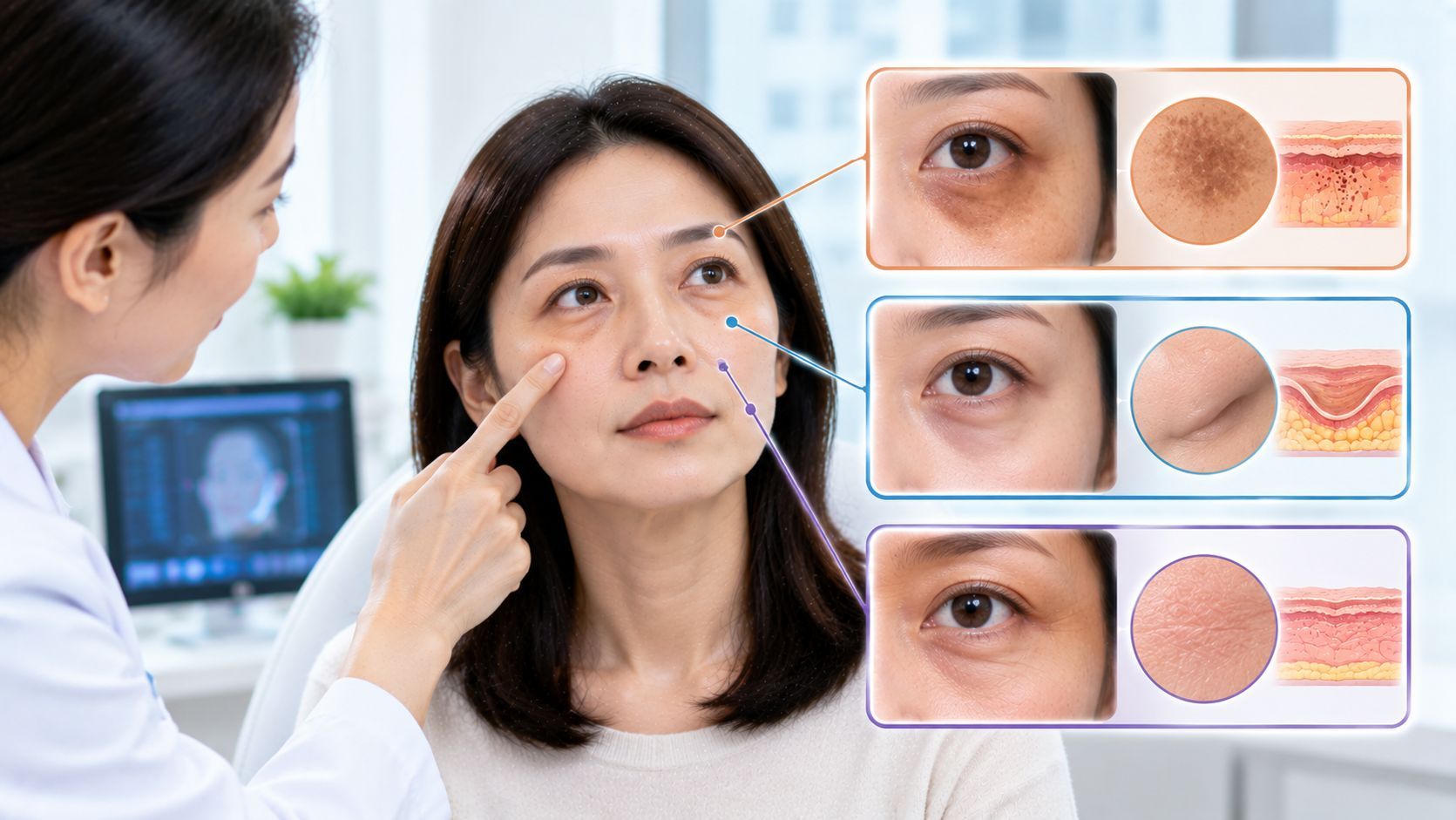
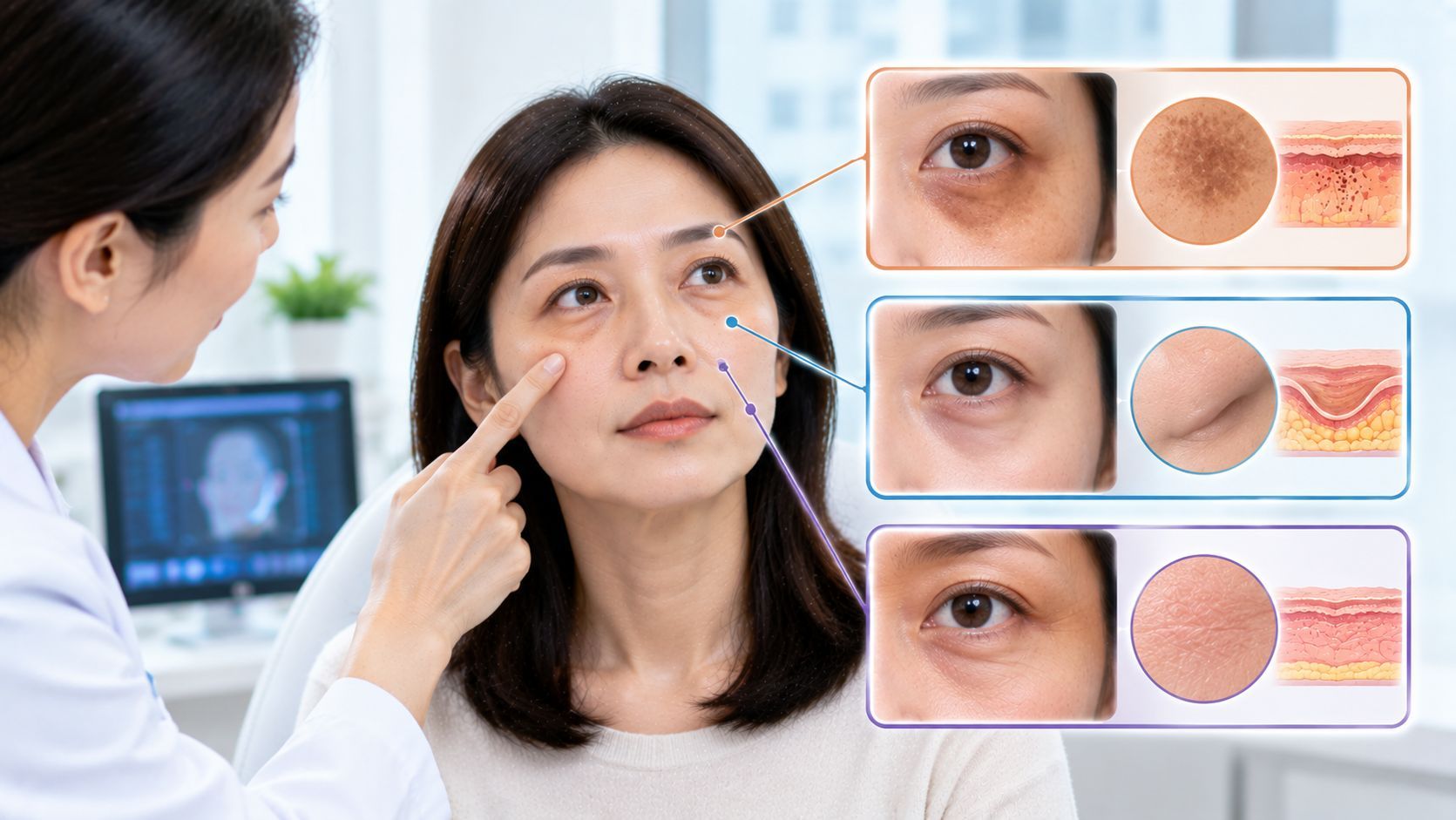
Television cameras can emphasize details that may not be obvious in everyday life, including:
- Uneven skin texture
- Dryness
- Fine lines
- Pigmentation
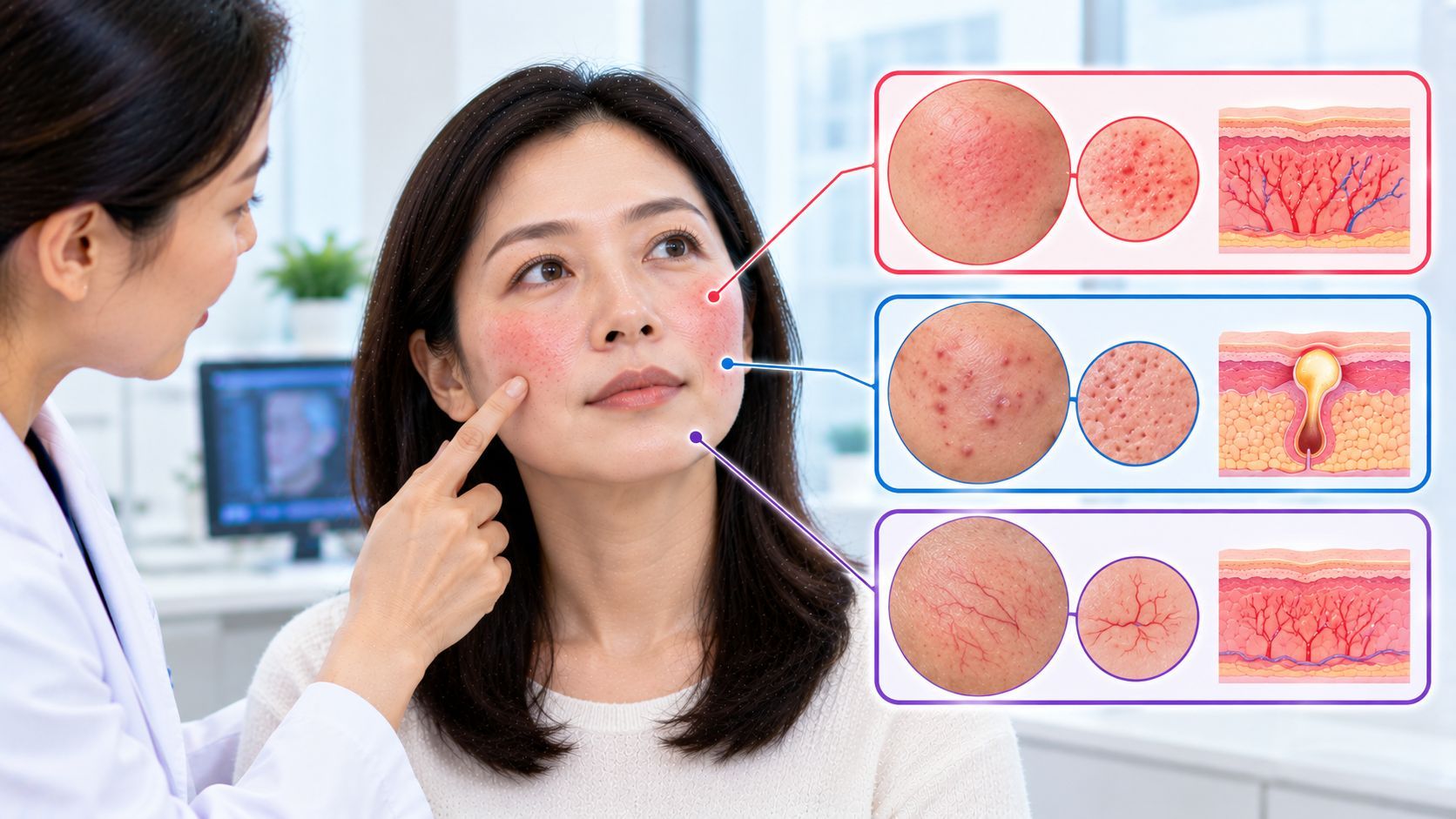
- Redness
- Facial asymmetry
- Excessive shine
- Swelling
- Changes in facial movement
At the same time, excessive treatment can create the opposite problem.
Too much filler may make the face look heavier. Too much Botox can alter facial expression. An aggressive laser may leave redness or peeling. An injectable skin treatment may temporarily create bumps or swelling.
For television, looking naturally rested and consistent is often more useful than trying to make a dramatic change immediately before filming.
Start With the Filming Date
The first question should not be, “Which treatment should I get?”
It should be:
“How many days or weeks do I have before the camera turns on?”
Your options change considerably depending on whether filming is:
- Three months away
- One month away
- Two weeks away
- One week away
- Three days away
- Tomorrow
The AAD specifically recommends asking how long recovery typically takes and when you can safely return to normal activities, including social events.
If You Have One to Three Months Before Filming
This gives you considerably more flexibility.
A dermatologist can evaluate whether you would benefit from treatments targeting:
- Pigmentation
- Texture
- Acne scars
- Fine lines
- Skin laxity
- Dynamic wrinkles
- Facial volume
- Overall skin quality
Some concerns require multiple sessions, so starting earlier can be particularly useful.
For example, if uneven texture is your main concern, a dermatologist may recommend a planned series rather than attempting one aggressive procedure shortly before filming.
This approach also gives you time to evaluate how your skin responds.
If Botox Is Part of Your Plan
Botox may be useful when dynamic expression lines are contributing to the appearance you want to improve.
The AAD explains that botulinum toxin temporarily relaxes targeted muscles and that cosmetic effects generally last around three to four months, sometimes longer. Most people return to everyday activities immediately, although temporary swelling, redness, soreness, or bruising can occur.
Why Timing Matters for Television
The goal should not be to eliminate every facial movement.
For a television appearance, facial expression is part of communication. Excessive weakening of muscles can potentially make expressions look different from what you are accustomed to.
If you have previously had Botox and know your response, your dermatologist has useful information when planning the treatment.
If it is your first treatment, starting well before filming gives you more opportunity to understand the result.
What About Filler?
Filler can be useful for selected structural concerns, but it deserves careful timing before a television appearance.
The AAD notes that filler can cause temporary redness, swelling, tenderness, and occasional bruising, with these effects often resolving within 7–14 days, although recovery varies.
For television, even mild swelling may matter because high-definition cameras can make subtle differences more visible.
Areas That May Require Extra Planning
This can be particularly relevant when treating:
- Lips
- Under-eyes
- Cheeks
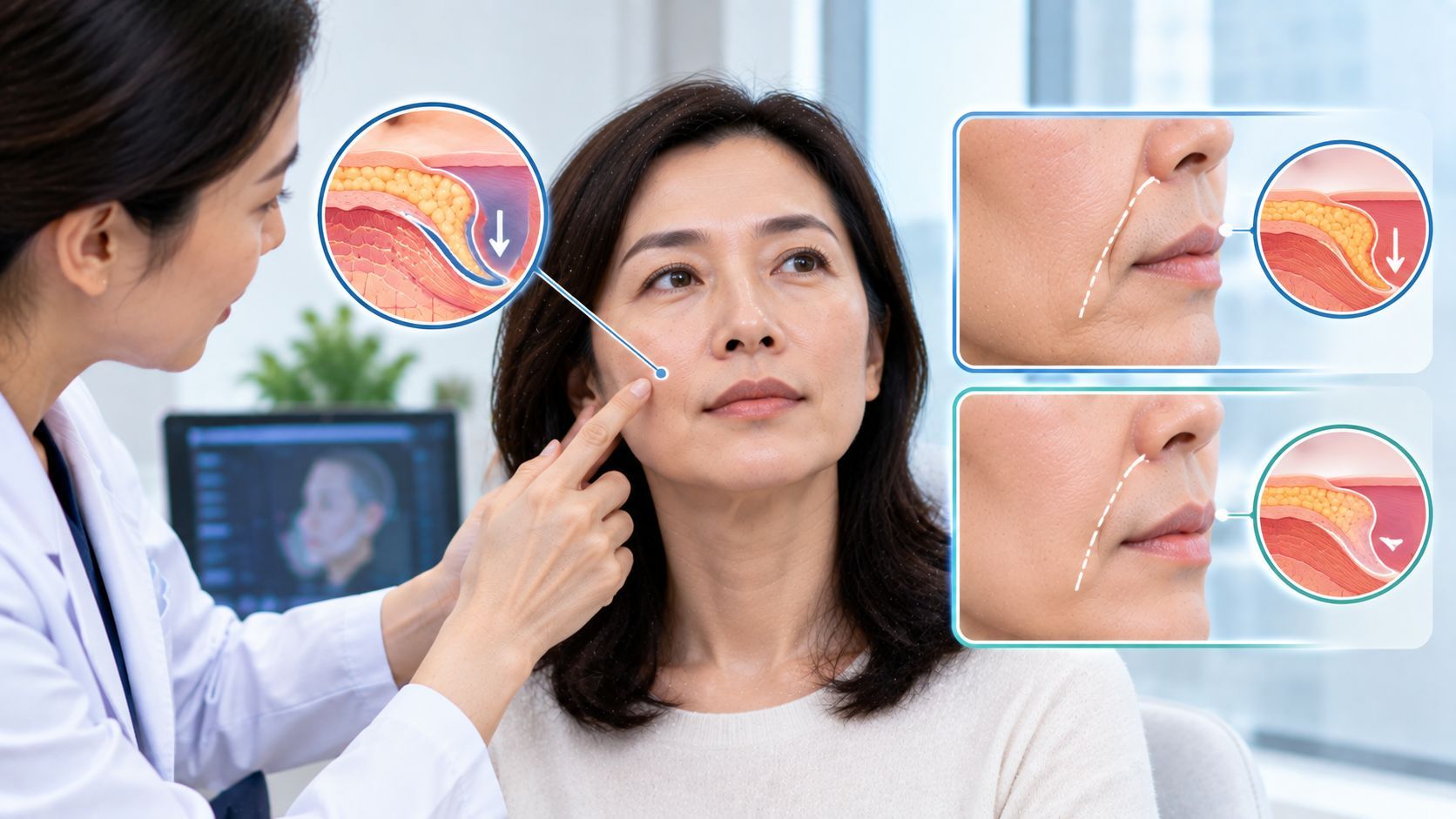
- Nasolabial folds
- Chin
- Jawline
If filler is appropriate, your dermatologist should consider how much correction is actually needed.
The objective should not be to add as much volume as possible. Overcorrection can change facial proportions and may be especially noticeable on camera.
Should I Get a Skin Booster?
Skin boosters are often discussed when the goal is improved skin quality rather than structural facial reshaping.
Depending on the specific product and injection technique, temporary bumps, redness, swelling, tenderness, or bruising can occur.
If you have previously received the same treatment without problems, planning may be easier because your dermatologist already has information about your response.
If you have never had the treatment before, give yourself more time.
A television appearance is not an ideal deadline for discovering that your skin takes longer than expected to settle.
What About Laser Treatments?
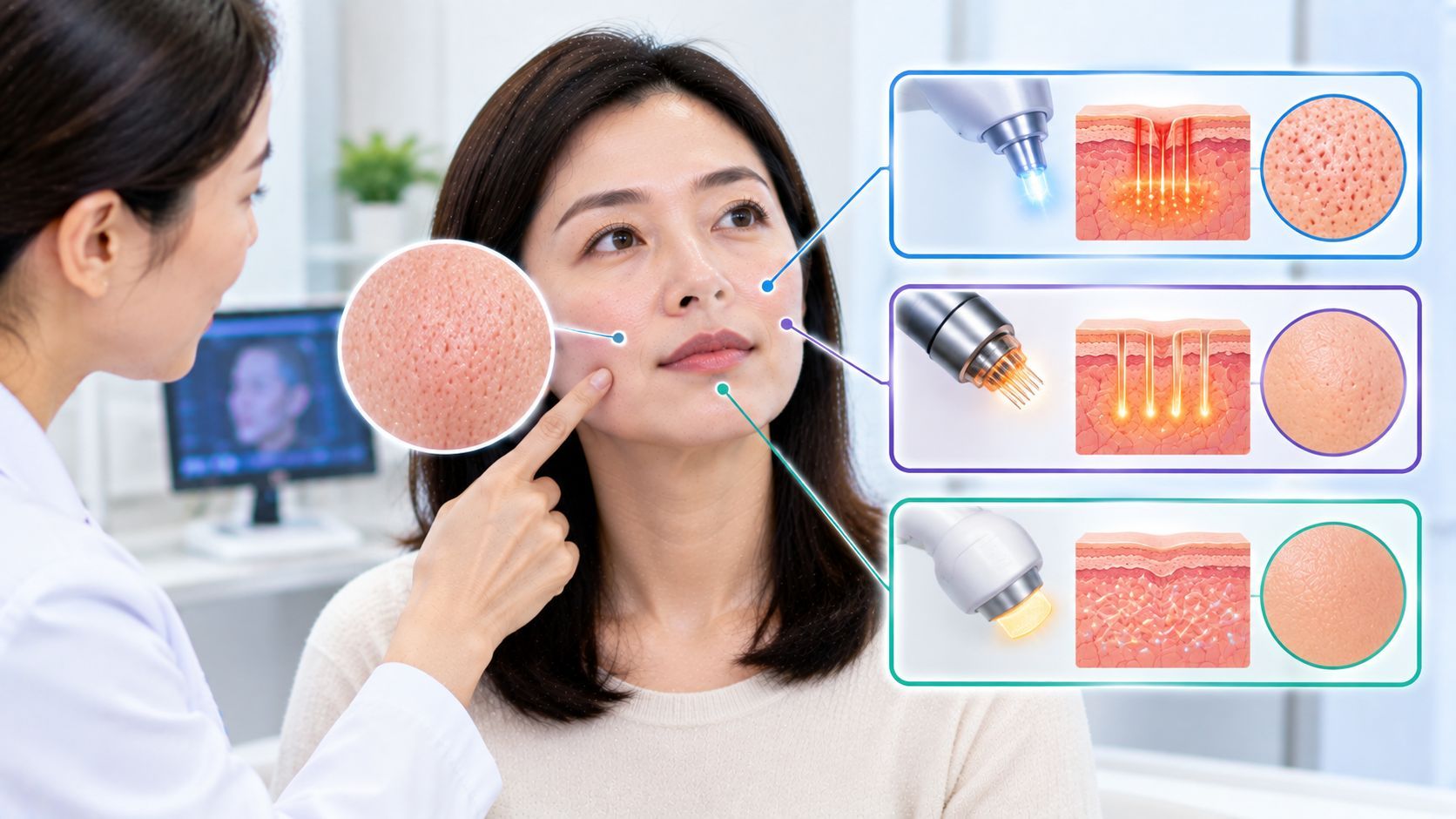
Laser treatment can address selected concerns such as pigmentation, redness, texture, or other skin-quality issues, but recovery varies enormously between procedures.
A dermatologist needs to consider:
- Laser type
- Treatment settings
- Skin tone
- Treatment area
- Pigmentation history
- Previous laser treatments
- Amount of downtime available
A mild non-ablative treatment may have a very different recovery period from aggressive resurfacing.
Why High-Definition Cameras Matter
If you develop temporary redness or peeling after a procedure, you may notice it more under studio lighting.
That does not necessarily mean laser treatment is inappropriate. It means the treatment should be scheduled early enough that your skin can settle before filming.
What About RF or Ultrasound Tightening?
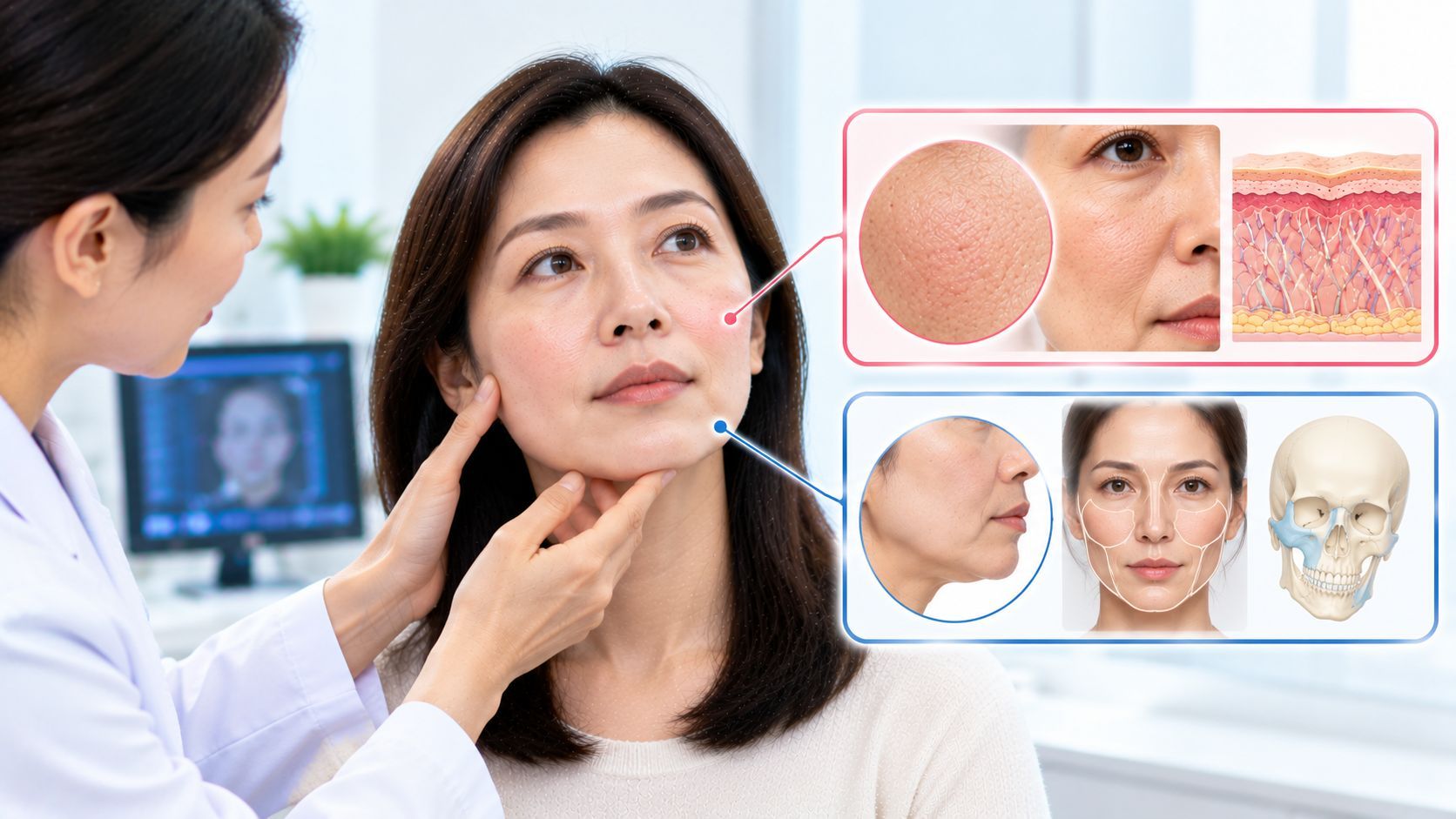
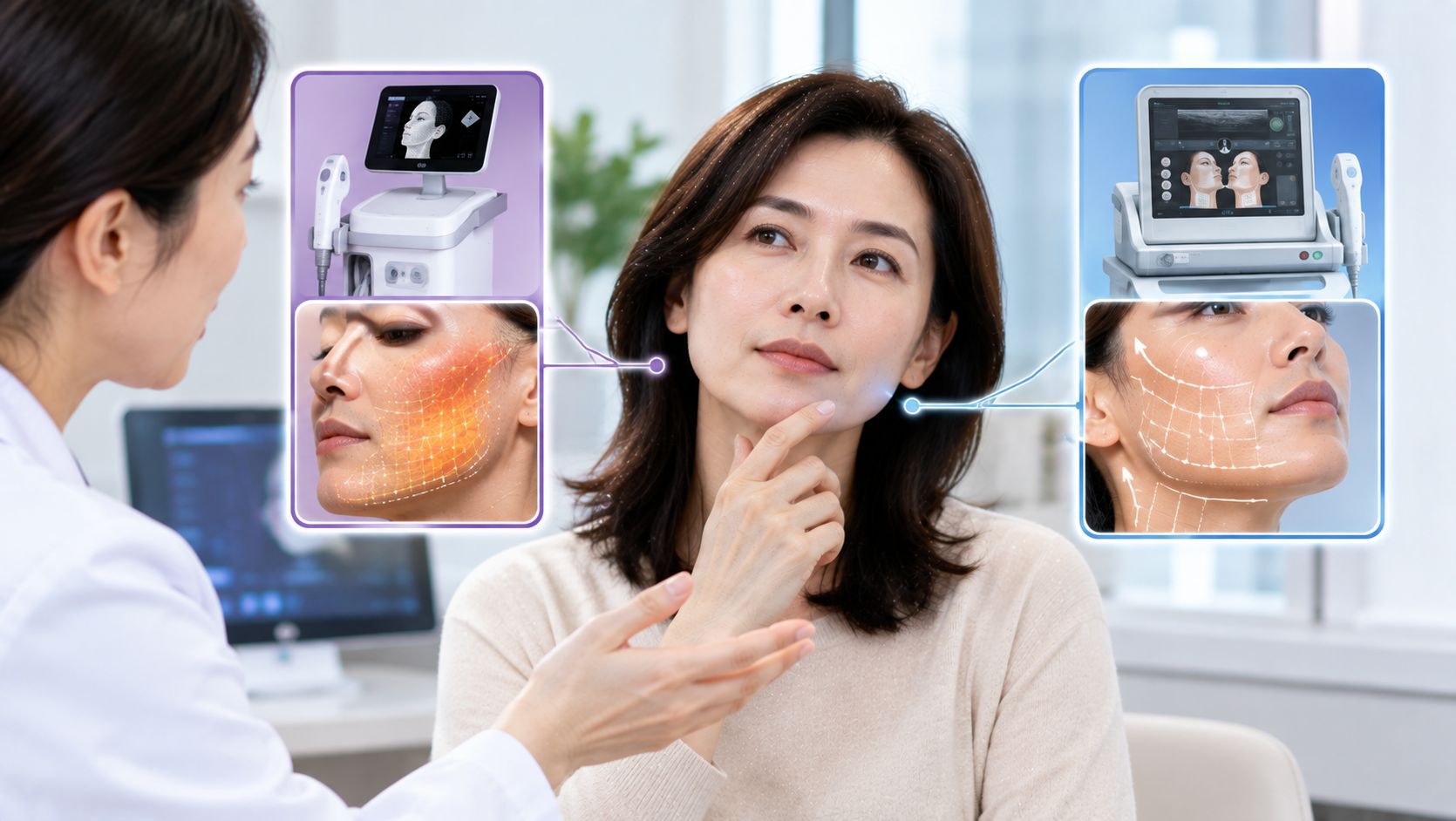
Radiofrequency and ultrasound-based treatments may be considered for selected patients with mild laxity or other signs of aging.
However, these treatments should not automatically be chosen because they are marketed as “lifting” procedures.
Your dermatologist should assess:
- Skin thickness
- Degree of laxity
- Facial volume
- Facial proportions
- Previous filler
- Your desired degree of change
If your face is already thin or has lost volume, aggressively pursuing tightening may not produce the appearance you expect.
For combined aesthetic treatments, expert consensus recommends individualized assessment and sequencing rather than treating every concern simultaneously. The consensus also notes that spacing treatments 1–2 weeks apart can allow side effects to resolve and results to be assessed.
What Should I Avoid Before a TV Appearance?
Avoid First-Time Aggressive Treatments Close to Filming
If you have never had a particular laser, peel, injectable, or energy-based procedure, do not assume you will recover exactly according to the advertised timeline.
Avoid Last-Minute Filler
Filler can cause swelling and bruising even when the procedure goes normally.
Avoid Excessive Botox
The goal should be appropriate muscle relaxation, not eliminating all movement.
Avoid Major Combination Treatments Immediately Before Filming
Multiple procedures can make it harder to predict recovery and determine what caused an unexpected reaction.
Avoid New Skincare Products
A new product can cause irritation or an allergic reaction at exactly the wrong time.
A Practical TV Appearance Timeline
8–12 Weeks Before
This is a good time for consultation and for treatments requiring multiple sessions or gradual improvement.
You can evaluate your skin and create a structured plan.
4–6 Weeks Before
Selected laser, skin-quality, tightening, or injectable treatments may be considered depending on your individual needs.
This window provides more time for recovery than a last-minute procedure.
2–4 Weeks Before
For established treatments such as Botox, this may provide useful time for the effect to develop and settle.
If combining procedures, spacing them allows the dermatologist to evaluate the response before adding something else.
1–2 Weeks Before
Focus on stabilization.
If an additional treatment is considered, it should have a recovery profile compatible with the filming date.
Final Week
Avoid experimentation.
Keep your skincare routine familiar and concentrate on maintaining comfortable, hydrated skin.
Final 2–3 Days
This is generally not the time for aggressive cosmetic procedures.
If something unexpected develops, contact your treating medical professional rather than attempting another cosmetic treatment to cover it.
What If I Am Going to Seoul for the Appearance?
If you are traveling to Seoul specifically for cosmetic dermatology before television filming, build adequate time into the trip.
Ideally, your schedule should allow:
- Consultation
- Treatment
- Initial recovery
- Follow-up
- Assessment of the final result
Bring information about previous Botox, fillers, lasers, skin boosters, and other aesthetic procedures.
If you do not remember what filler or injectable you previously received, tell the dermatologist rather than guessing.
A qualified dermatologist should evaluate your skin condition, medical history, desired result, and available recovery time before recommending a procedure. The AAD emphasizes that cosmetic treatment requires medical knowledge and that provider experience affects both safety and results.
What Should I Prioritize for the Camera?
Instead of trying to improve everything, identify the issues that are most visible under lighting.
For some people, the priority may be:
Skin tone:
Address uneven pigmentation or redness.
Texture:
Improve roughness or selected acne-scar changes.
Expression lines:
Consider appropriately planned Botox if suitable.
Volume loss:
Assess whether conservative filler or another approach is actually necessary.
Skin quality:
Consider an appropriate treatment aimed at hydration or overall texture.
Laxity:
Determine whether tightening is appropriate based on your facial structure and skin thickness.
The correct treatment depends on the actual cause of the concern.
The Bottom Line
For an important television appearance, the best treatment plan is usually one that produces controlled improvement without creating a visible recovery problem.
Start early whenever possible. Give injectables enough time to settle. Schedule laser treatments according to their actual recovery profile. Avoid first-time aggressive procedures immediately before filming, and do not assume that “minimal downtime” means “zero visible reaction.”
Most importantly, tell your dermatologist exactly when filming will occur.
A good plan should make your skin look healthier and your features look natural—not make viewers wonder what changed.
FAQs
How long before a TV appearance should I get Botox?
For someone already familiar with Botox, a few weeks may provide time for the effect to develop and settle. First-time treatment is better planned further in advance when possible.
Can I get filler before appearing on television?
Yes, filler can be appropriate for selected patients, but it should be scheduled with enough time for swelling and bruising to resolve. The AAD notes that common temporary filler effects often settle within 7–14 days, although individual recovery varies.
Should I get laser treatment before filming?
Potentially, but timing depends on the specific laser, treatment intensity, skin type, and recovery period. Aggressive resurfacing should generally be planned much earlier than a low-downtime treatment.
Are skin boosters good before television appearances?
They may help selected patients with skin-quality concerns, but temporary bumps, swelling, redness, or bruising can occur. A familiar treatment may be easier to plan than a first-time injectable.
What if I only have three days before filming?
Avoid major new cosmetic procedures. Focus on maintaining calm, familiar skincare and seek professional advice if there is a specific skin problem that needs attention.
Conclusion
Preparing for television is ultimately about timing and restraint.
The most useful treatment is not necessarily the strongest one. It is the treatment that addresses your actual concern while leaving enough time for your skin and facial features to settle before the cameras arrive.
If you are planning treatment in Seoul, start with a medical consultation well before filming whenever possible. Discuss your exact appearance date, previous procedures, skin-reaction history, and desired level of change.
With enough planning, treatments can be selected and sequenced around your appearance rather than rushed into the final days.