Why Acne Scars Are Treated Differently in Korea
Why Acne Scars Are Treated Differently in Korea
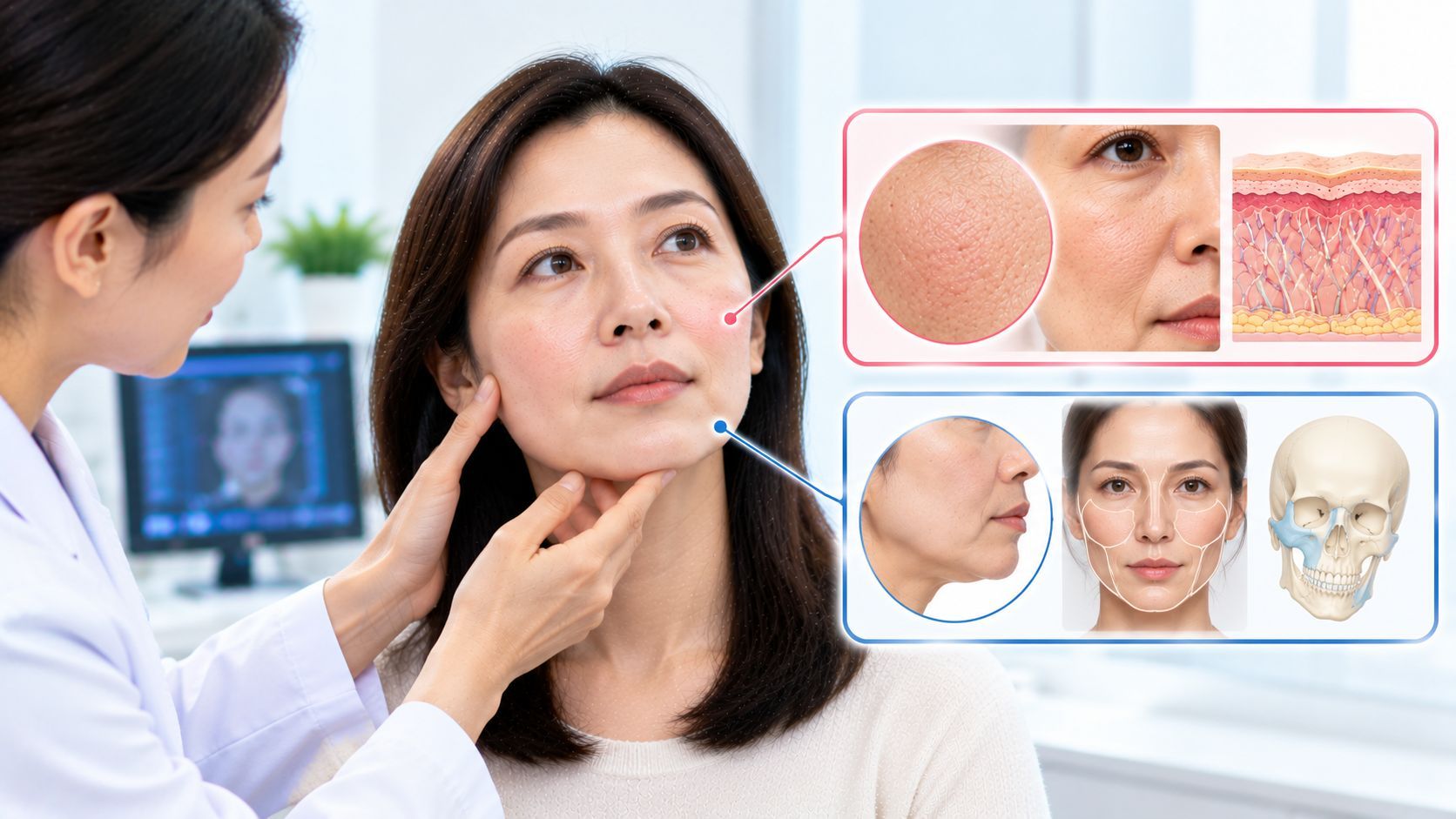
Acne scar treatment in Korea is widely considered more advanced and more systematic than in many other countries because Korean dermatology approaches scarring as a layered structural problem rather than a surface-level skin issue. In Seoul clinics, especially in Gangnam, acne scars are rarely treated with a single device or procedure. Instead, dermatologists design combination-based treatment plans that target texture, collagen loss, pigmentation, and skin remodeling at different depths.
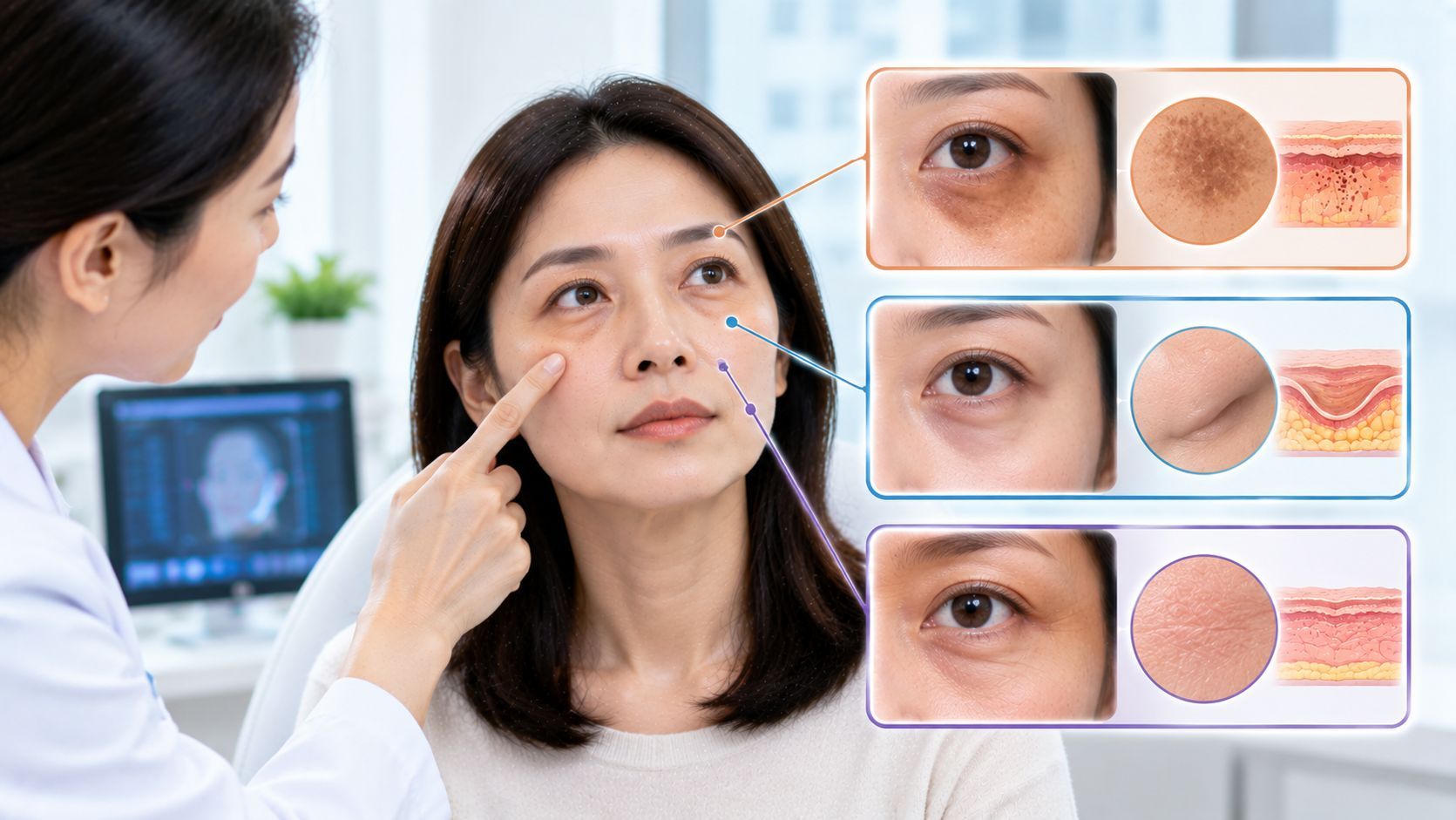
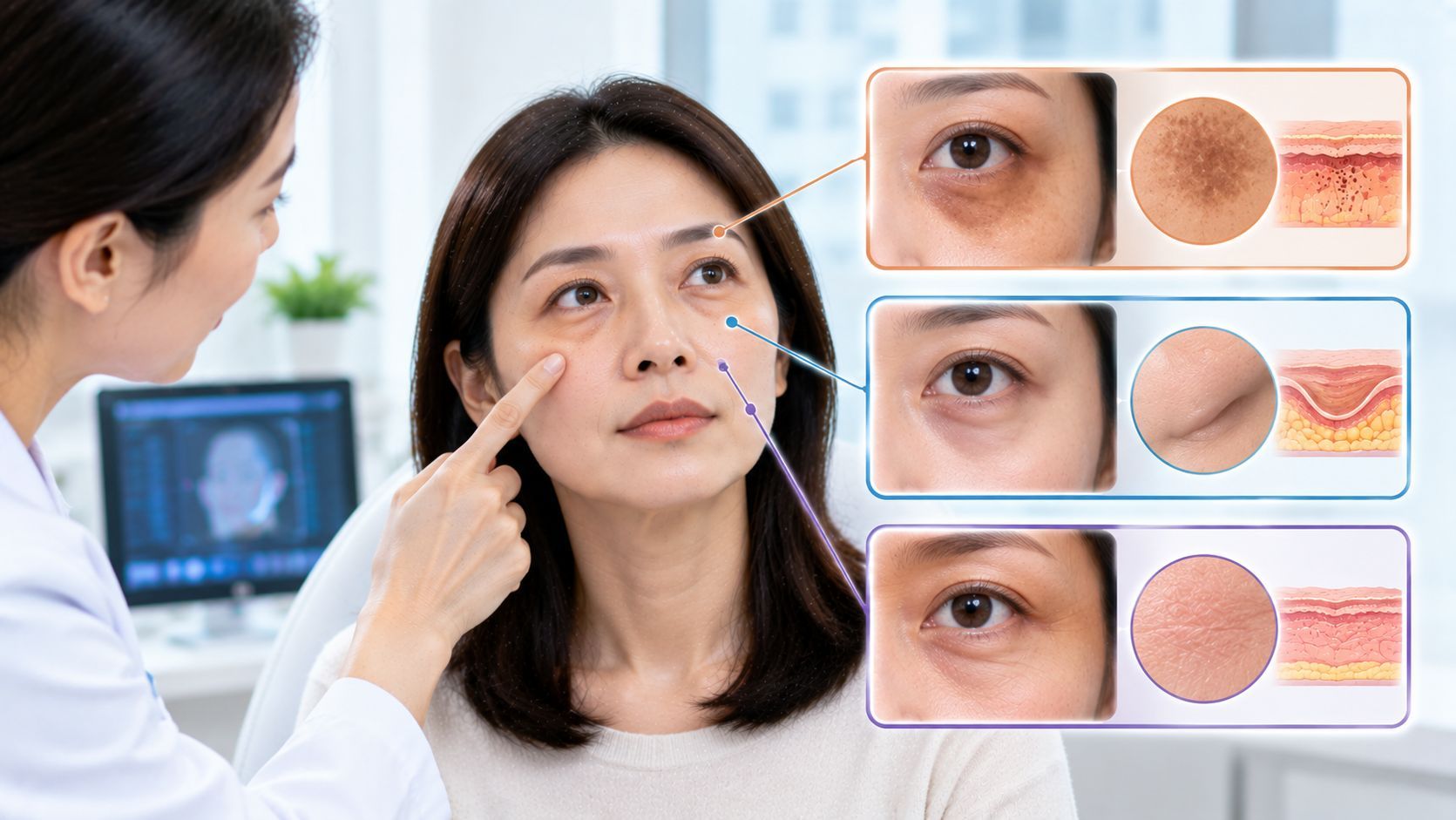
Acne Scars Are Viewed as a Multi-Layer Problem
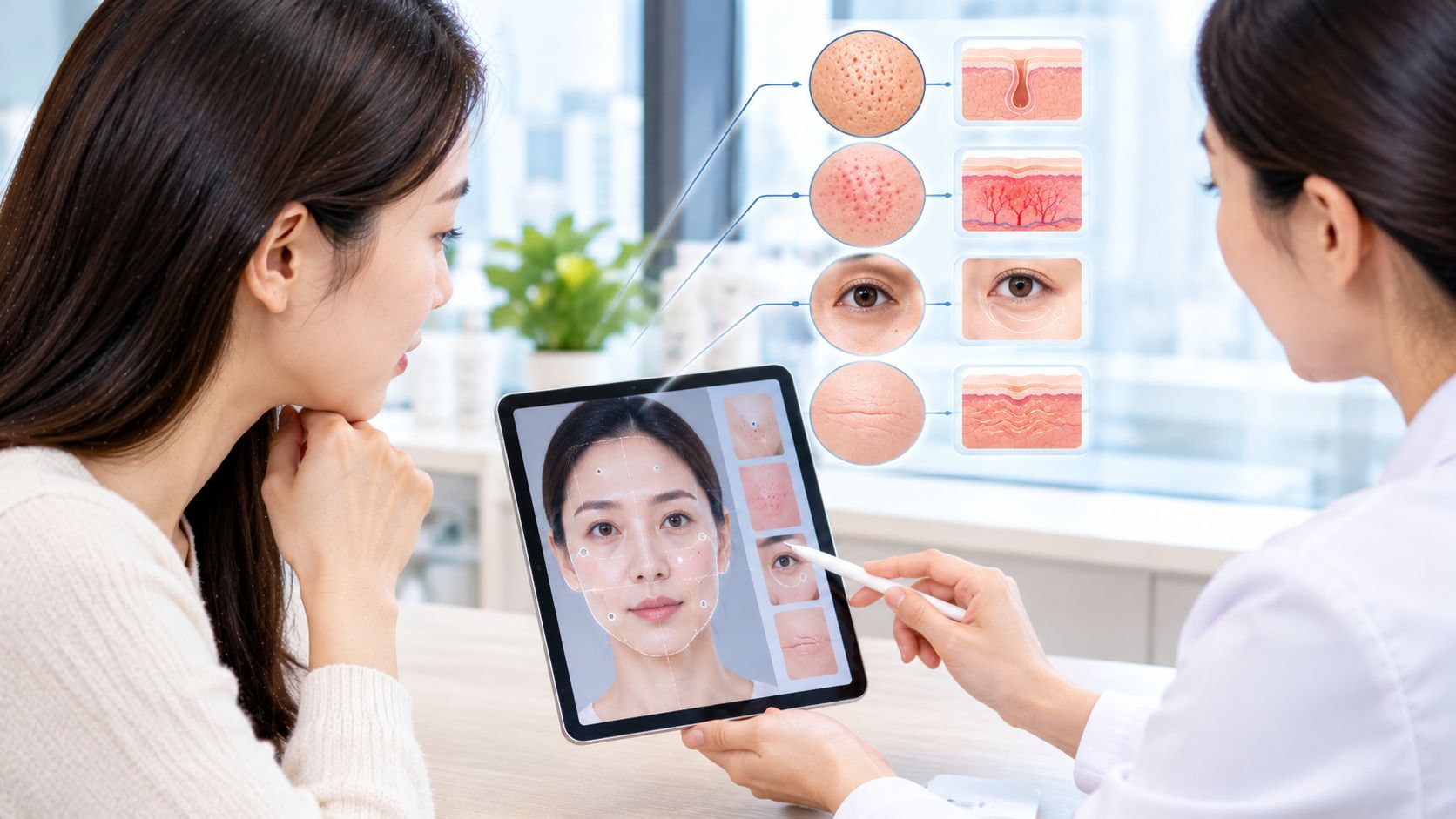
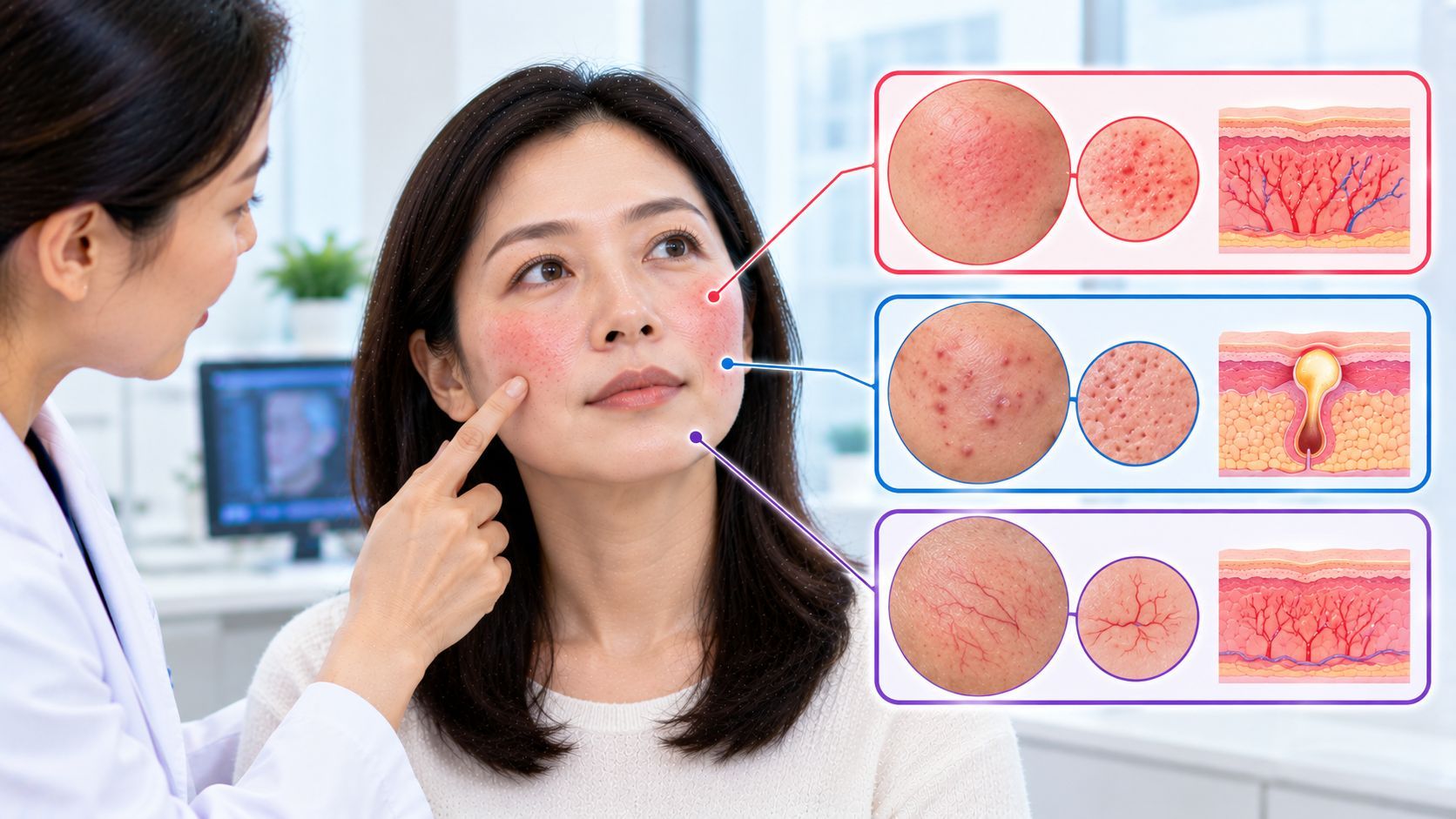
Korean dermatologists categorize acne scars based on depth and structure rather than appearance alone.
Common scar types include:
- Ice pick scars (deep, narrow damage)
- Boxcar scars (wider structural depressions)
- Rolling scars (wave-like surface irregularities)
- Post-inflammatory pigmentation (color-based marks)
Each type requires a different treatment strategy, which is why single-device approaches are often considered insufficient.
Combination Treatment Is the Standard Approach
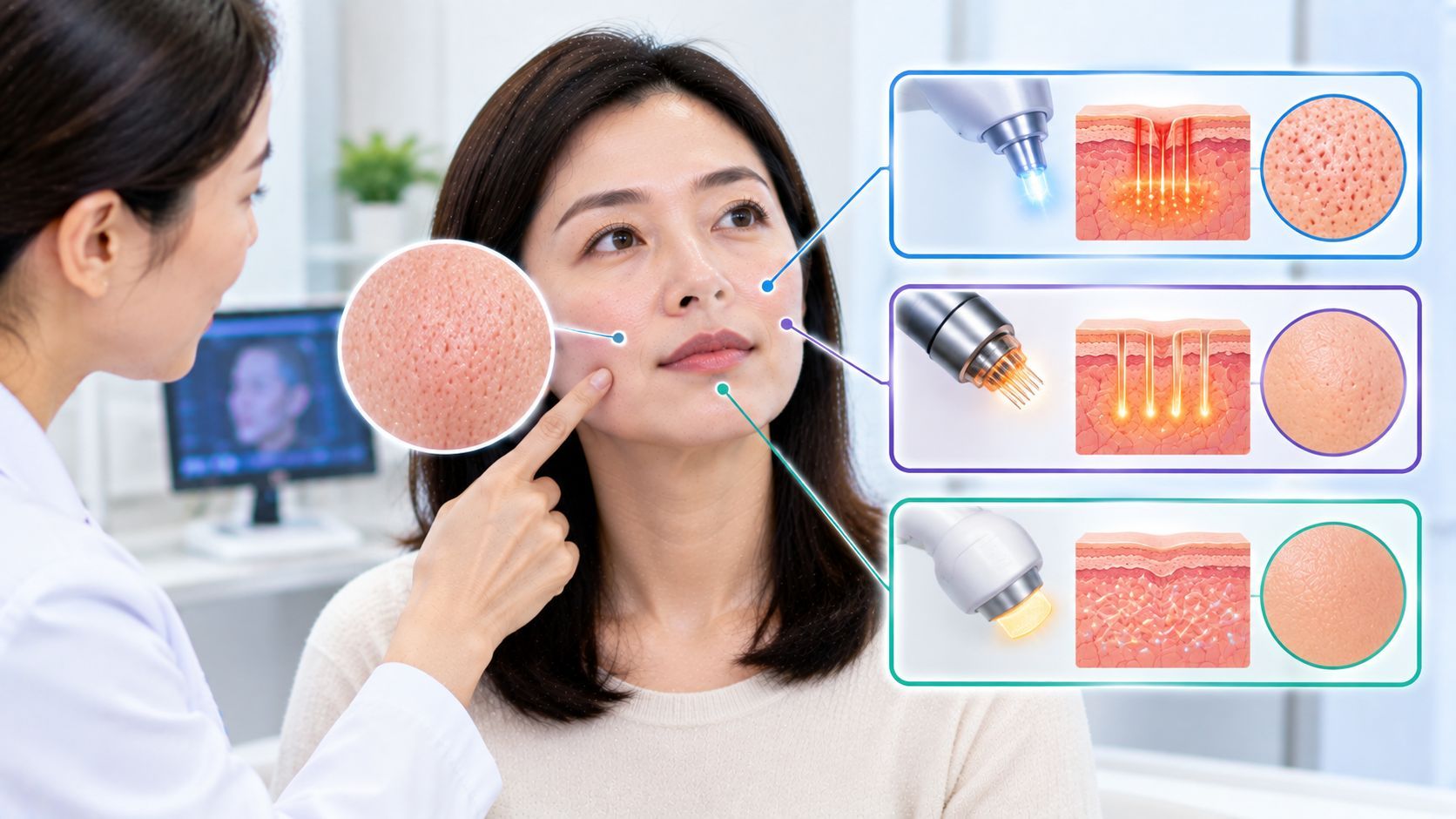
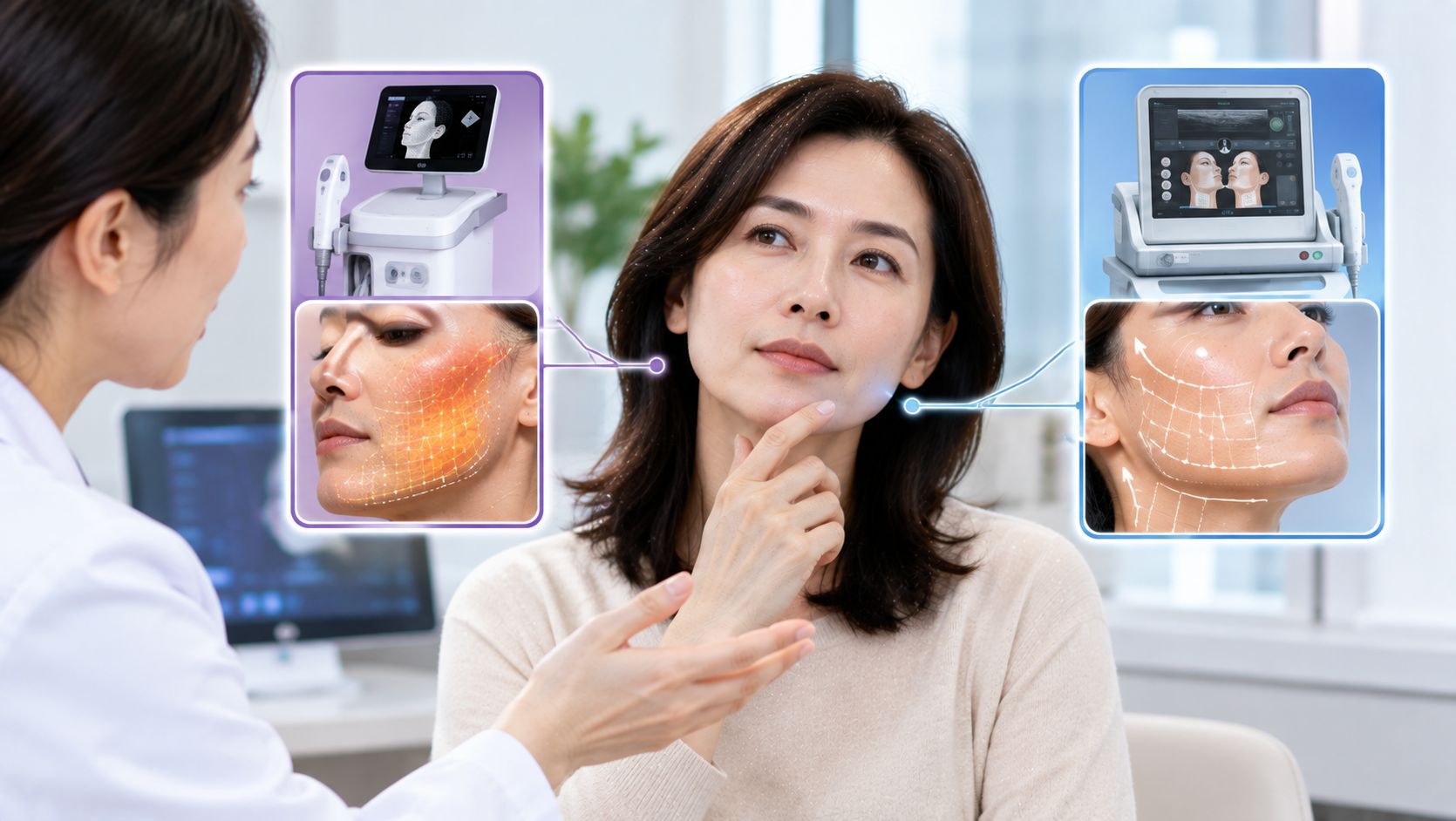
Unlike simpler protocols that rely on one laser or peel, Korean clinics typically combine multiple modalities in one treatment plan.
A standard acne scar program may include:
- RF microneedling for dermal remodeling
- Fractional or Pico laser for surface texture
- Subcision for tethered scars
- Skin boosters for healing and hydration
- LED therapy for recovery
This layered approach targets both the structural and surface components of scars simultaneously.
Subcision Is Used More Aggressively in Korea
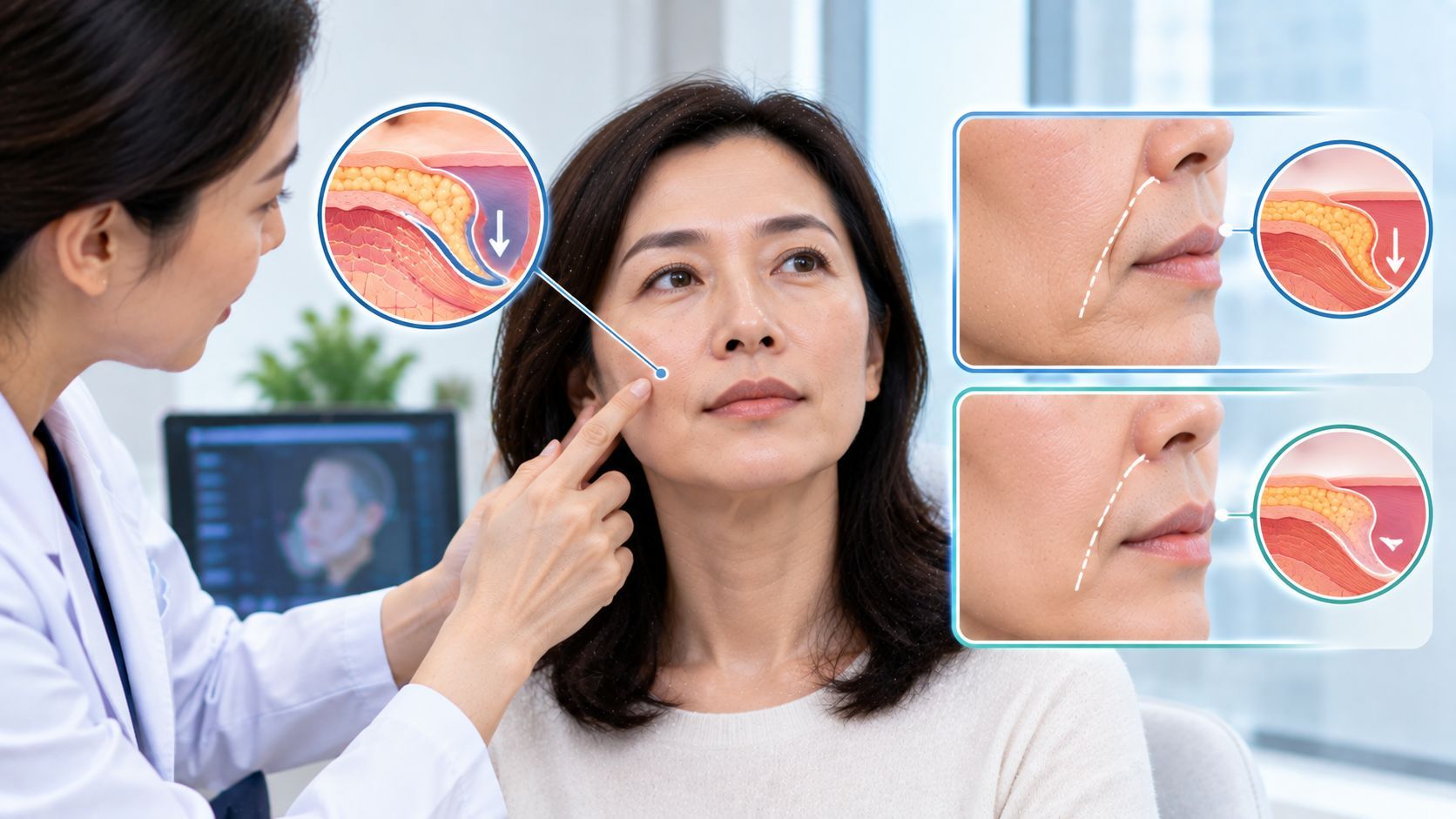
One key difference in Korean acne scar treatment is the frequent use of subcision for deeper rolling scars.
Subcision helps by:
- Releasing fibrotic scar tissue
- Lifting depressed areas
- Improving long-term skin contour
- Enhancing laser effectiveness afterward
Korean dermatologists often combine subcision with regenerative injectables to improve healing and reduce recurrence.
Regenerative Treatments Play a Bigger Role
Korean clinics heavily emphasize skin regeneration after scar release procedures.
Common regenerative options include:
- Rejuran (PN-based repair)
- Juvelook (collagen stimulation)
- Exosomes (healing support)
- PDRN-based injectables
These treatments are used to support collagen rebuilding and improve overall skin texture after mechanical or laser-based scar treatment.
Lasers Are Used More Strategically, Not Alone
Instead of relying on high-intensity laser resurfacing alone, Korean dermatologists use lasers as part of a broader system.
Typical roles include:
- Smoothing surface irregularities
- Reducing pigmentation
- Stimulating collagen remodeling
- Preparing skin for regenerative treatments
Pico and fractional lasers are often adjusted at conservative settings and repeated over multiple sessions rather than used aggressively in a single treatment.
Treatment Is Often Staged Over Time
Acne scar improvement in Korea is usually not a one-time procedure.
Most clinics follow a staged approach:
- Stage 1: Release deep scars (subcision)
- Stage 2: Collagen stimulation (RF or injectables)
- Stage 3: Surface refinement (laser)
- Stage 4: Maintenance and regeneration
This step-by-step method reduces risk while improving long-term outcomes.
Why Korean Clinics Avoid Over-Aggressive Single Sessions
While aggressive laser resurfacing exists, many Korean dermatologists prefer controlled combination treatments because:
- Skin recovery is faster
- Risk of pigmentation is lower
- Results are more balanced
- Long-term skin quality improves gradually
This is especially important for Asian skin types, which can be more prone to post-inflammatory pigmentation.
Skin Quality Is Treated Alongside Scarring
Another major difference is that Korean acne scar treatment does not focus only on scars themselves.
Clinics also address:
- Pores
- Oil balance
- Skin elasticity
- Overall brightness
- Barrier strength
This improves the overall appearance of skin rather than just reducing scar depth.
Acne Scar Clinics Are Highly Specialized
In Seoul, acne scar treatment is often handled by highly specialized dermatologists rather than general skin clinics.
These specialists typically have:
- Advanced training in scar classification
- Experience with multi-device protocols
- Expertise in regenerative injectables
- Long-term treatment planning systems
This specialization contributes to more structured and consistent outcomes.
Final Thoughts
Acne scars are treated differently in Korea because they are approached as a complex, multi-layer condition requiring structural repair, collagen stimulation, and surface refinement rather than a single corrective procedure. Korean dermatology combines lasers, subcision, RF microneedling, and regenerative injectables in carefully staged treatment plans to improve both scar depth and overall skin quality. This layered, precision-based approach is one of the main reasons Korea is considered a global leader in acne scar treatment.