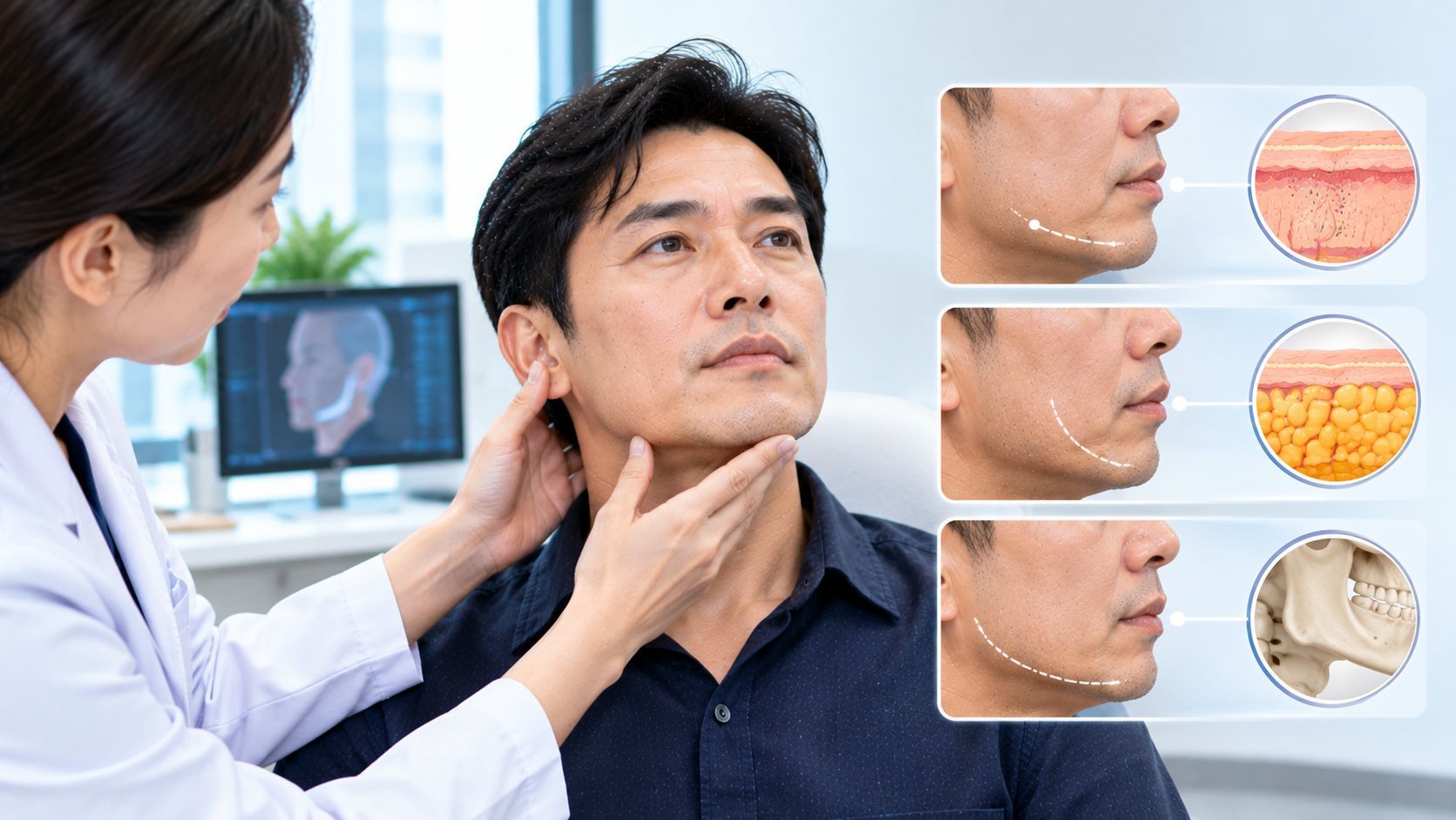
Why Didn’t My Thermage Work?
Introduction
If you had Thermage and cannot see a noticeable difference, it does not necessarily mean that the treatment failed. Thermage is a non-invasive monopolar radiofrequency (RF) treatment intended to improve skin laxity, firmness, and some wrinkles by delivering RF energy into the skin and underlying tissue. Results can be subtle, develop gradually, and vary considerably between patients.
Clinical research supports the potential of monopolar RF for improving facial laxity and skin quality, but the evidence also shows variability between devices, treatment parameters, study designs, and patient responses. A 2025 systematic review found generally positive outcomes from RF facial rejuvenation, while also noting heterogeneity in the available evidence.
What Is Thermage Supposed to Do?
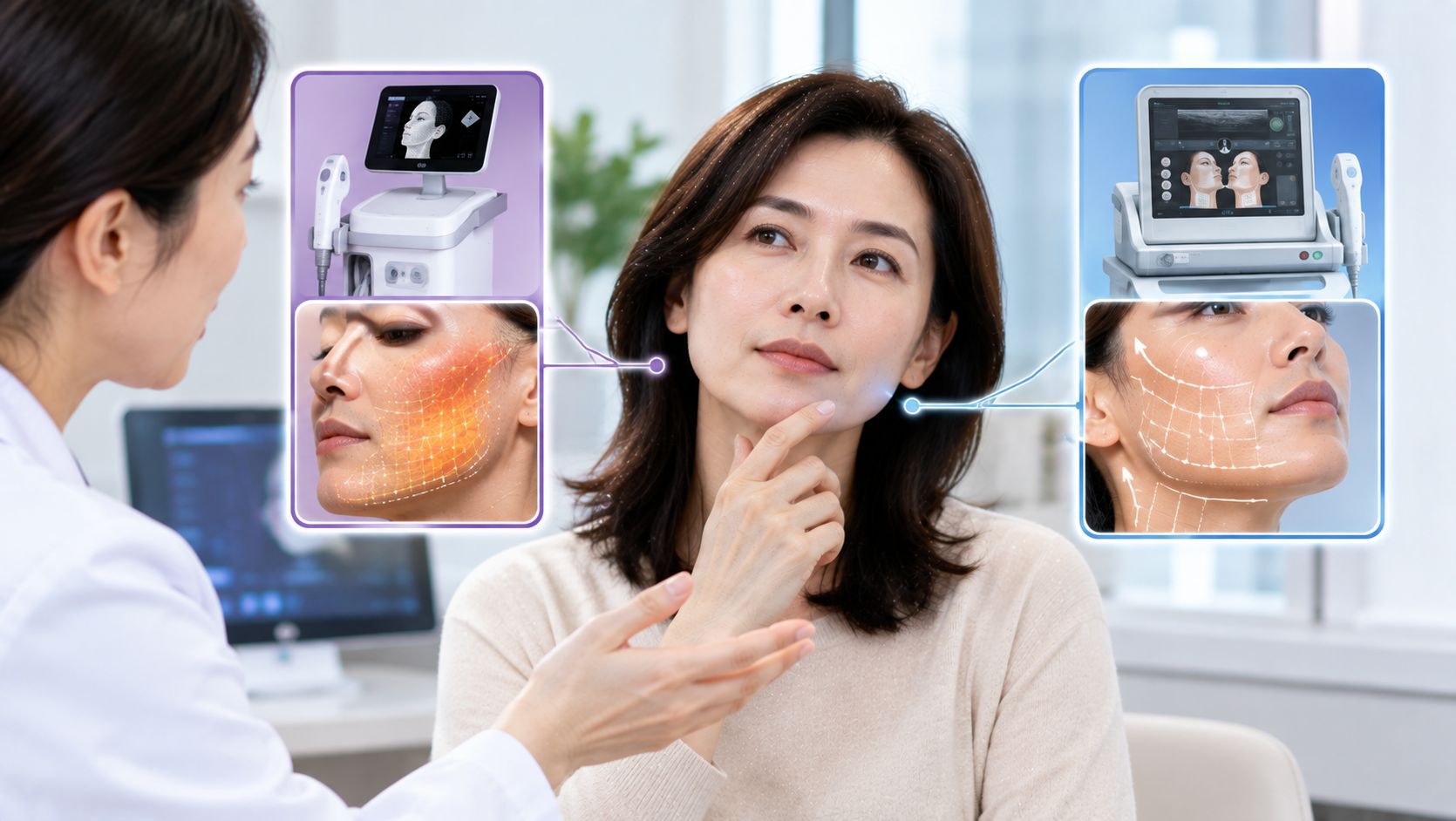
Thermage uses monopolar radiofrequency energy to heat targeted tissue while protecting the skin surface. The treatment is primarily intended for concerns such as:
- Mild to moderate skin laxity
- Fine lines and wrinkles
- Reduced skin firmness
- Certain facial contour concerns
- Skin texture changes
It is not equivalent to a surgical facelift and cannot remove large amounts of excess skin.
Research on monopolar RF has reported improvements in facial laxity, elasticity, wrinkles, and other signs of skin aging, but results are not identical for everyone.
Why Might Thermage Not Look Like It Worked?
Your Skin Laxity May Be Too Advanced
Thermage tends to be more appropriate for mild to moderate laxity.
If you have substantial loose skin, pronounced jowls, significant neck laxity, or major tissue descent, a non-invasive RF treatment may produce an improvement that is too subtle for you to notice.
Non-invasive tightening generally has limitations when there is a large amount of excess skin.
In these situations, a surgical consultation may be more appropriate than repeatedly increasing the number of non-surgical treatments.
You May Be Expecting a Dramatic Lift
One of the most common reasons people feel that Thermage "didn't work" is that they expected a visible lifting effect similar to a facelift.
Thermage is better understood as a skin-tightening and remodeling treatment rather than a surgical repositioning procedure.
The changes can involve firmness and skin quality rather than a dramatic change in facial position.
A 2025 systematic review found improvements in firmness and aesthetic outcomes across RF treatments, but the studies also varied substantially in their methods and outcome measurements.
You May Be Checking the Result Too Early
Another possibility is timing.
RF treatment can produce an early change in skin feel or appearance, but collagen remodeling occurs over time. Therefore, judging the result immediately after treatment may not provide a reliable indication of the final outcome.
Some clinical studies evaluating monopolar RF have assessed results at one, three, and six months rather than immediately after treatment. One 2025 randomized study comparing a novel monopolar RF device with Thermage followed patients for six months and found measurable changes at several follow-up points.
The exact timeline depends on the device, treatment area, energy delivery, and individual response.
Could the Treatment Have Produced Only a Subtle Improvement?
Yes.
RF treatments do not produce the same degree of visible change in every patient.
A systematic review of RF for facial rejuvenation found generally favorable outcomes but also highlighted differences in devices, parameters, and study quality.
You may experience:
- Slightly firmer skin
- Better skin texture
- Subtle improvement in laxity
- Reduced appearance of fine lines
- A modest contour improvement
without seeing a dramatic transformation in photographs.
This can feel disappointing if your expectation was a clearly visible lift.
Was the Treatment Appropriate for Your Main Concern?
This is an important question.
Thermage primarily addresses skin laxity and tissue remodeling. It does not directly correct every cause of facial aging.
For example, if your face looks older because of:
- Significant volume loss
- Hollow cheeks
- Deep structural folds
- Major jowling
- Excess skin
- Bone-related changes
- Substantial fat redistribution
RF alone may not address the primary problem.
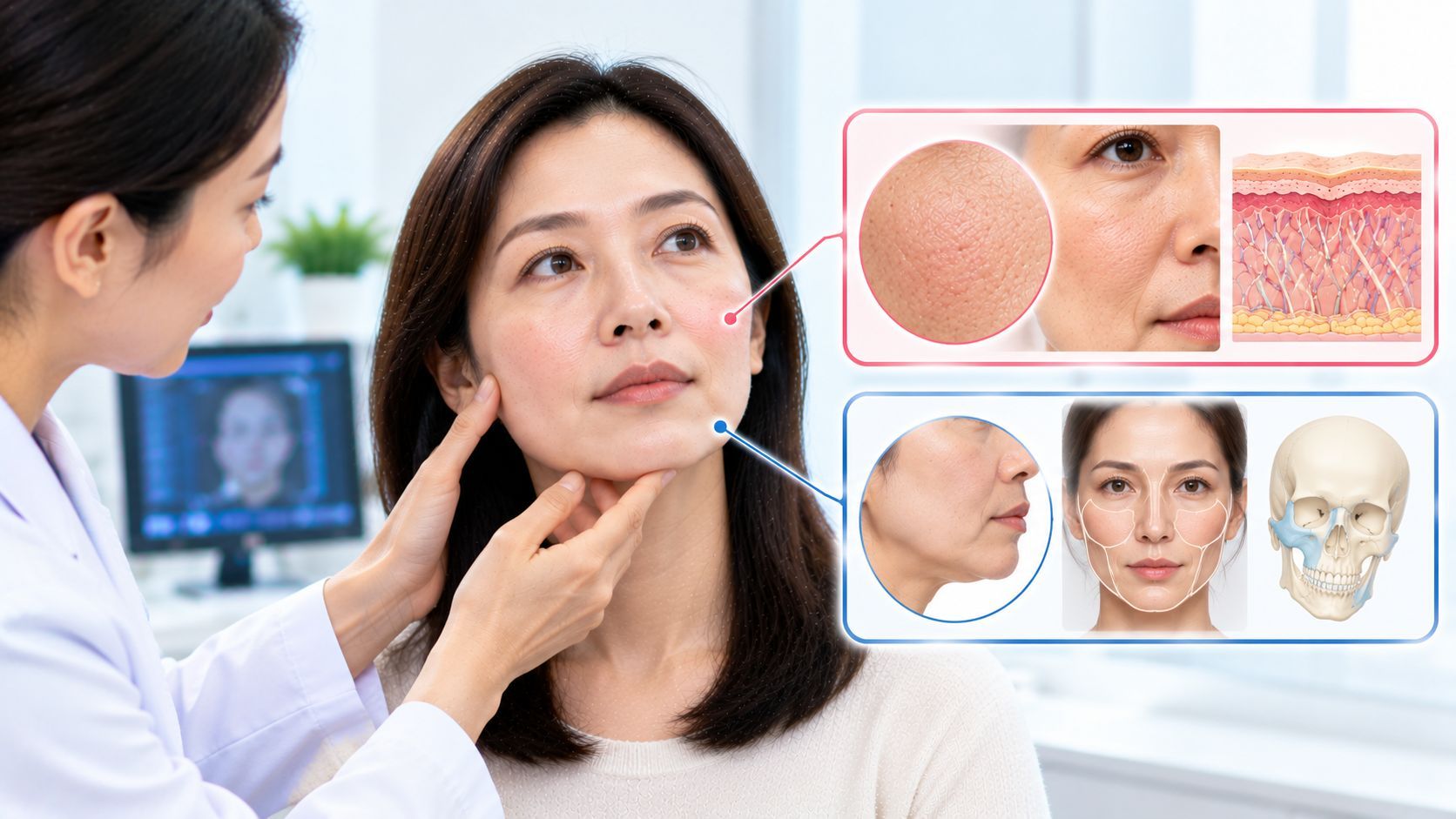
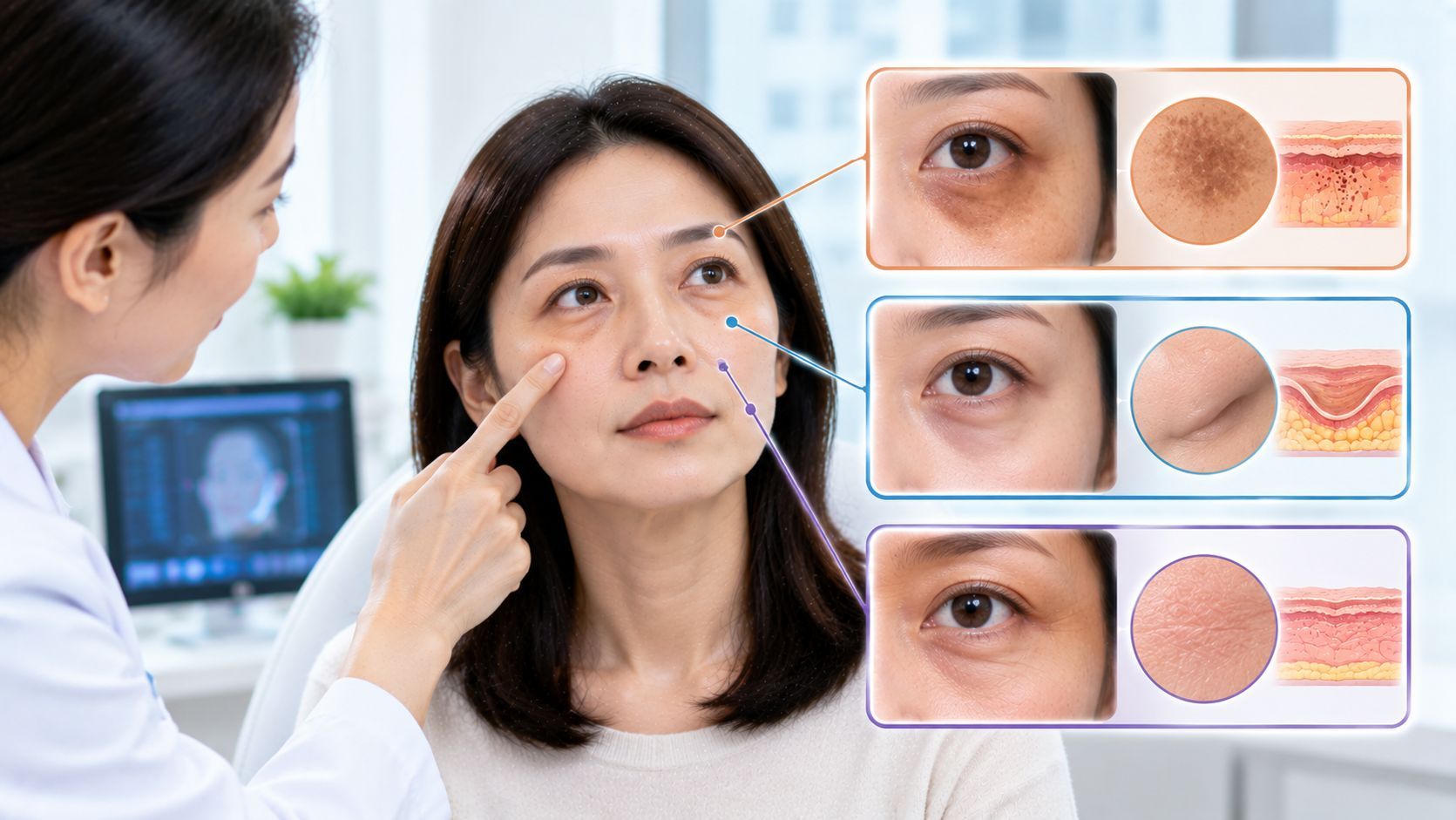
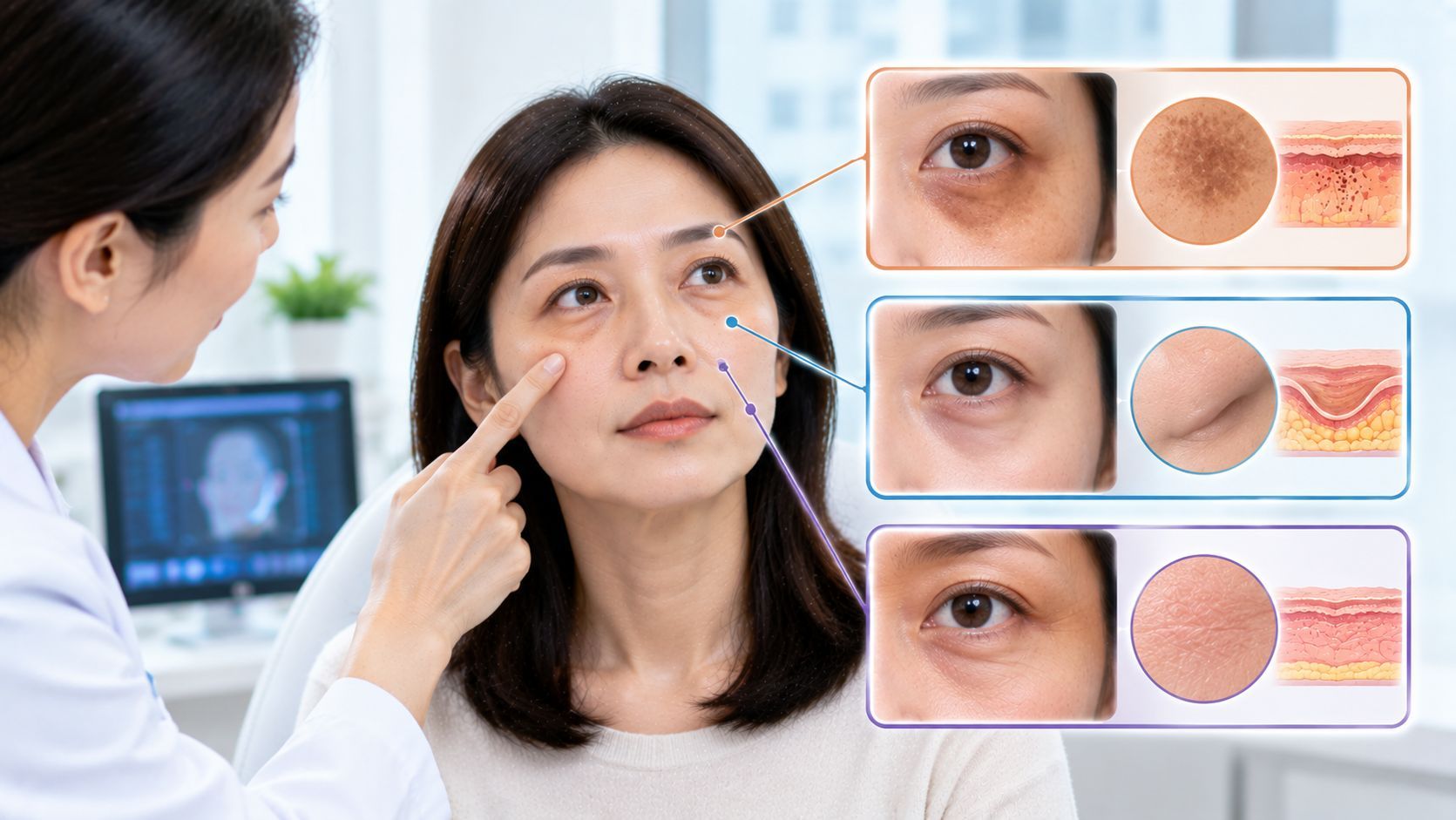
You may need a treatment plan that distinguishes skin laxity from volume loss and structural changes rather than treating everything as "loose skin."
Could Facial Volume Loss Make Thermage Look Ineffective?
Yes.
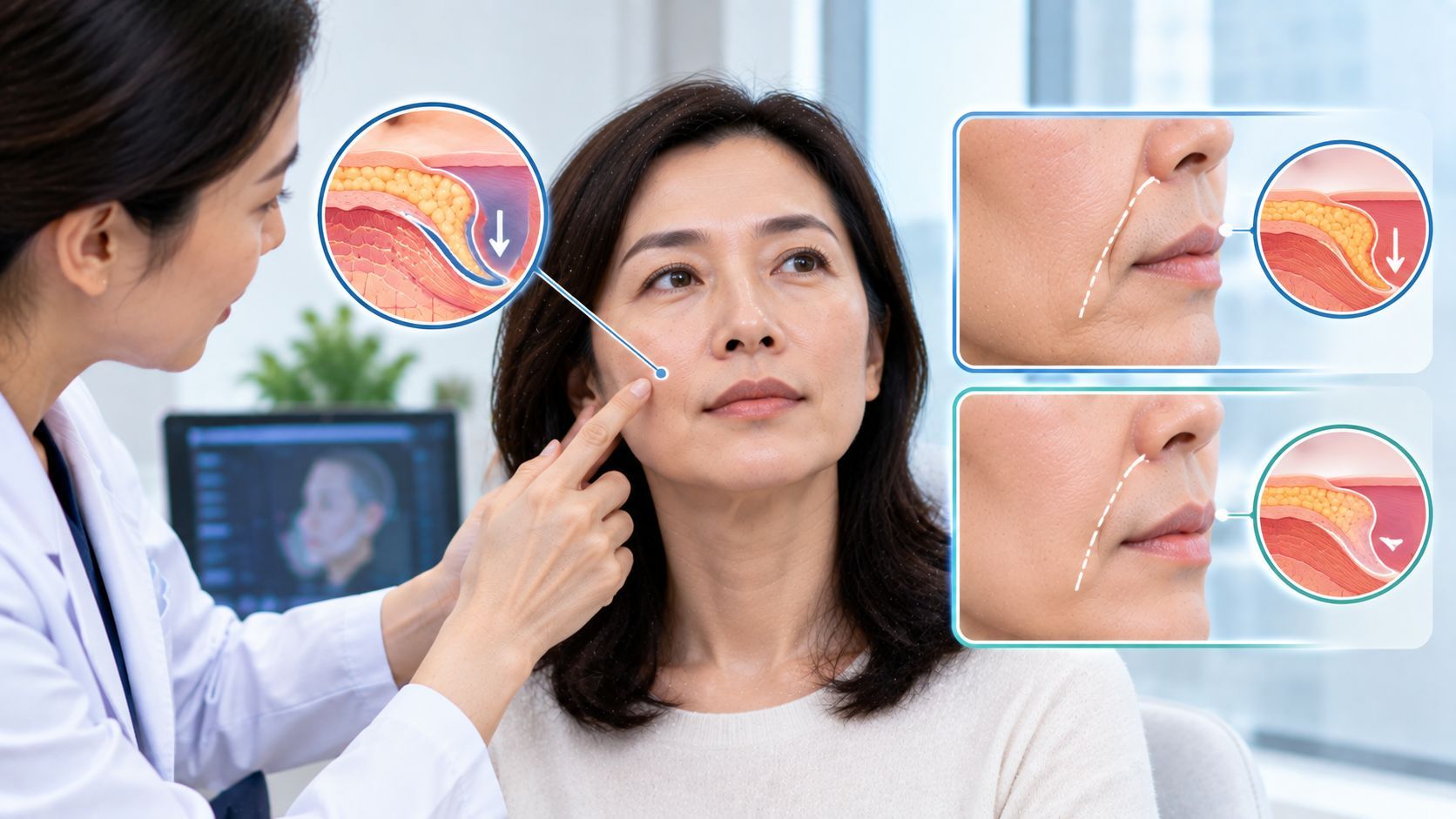
Suppose your face has lost volume because of aging or weight loss. Tightening the skin does not automatically replace that lost volume.
If the cheeks are hollow or the midface has become deflated, the face may continue to look tired even if the skin itself becomes somewhat firmer.
This is particularly relevant for people who have experienced substantial weight loss. In those cases, volume changes and skin laxity can occur simultaneously.
The solution is not automatically more Thermage. The underlying anatomy needs to be evaluated first.
Could Treatment Parameters Affect the Result?
Yes.
RF devices rely on energy delivery and treatment parameters, and published research shows substantial variation between RF technologies and protocols.
Factors that may influence outcomes include:
- Device generation
- Treatment area
- Energy settings
- Number of passes
- Treatment technique
- Skin characteristics
- Degree of laxity
- Treatment goals
- Individual biological response
This is one reason you should not compare your Thermage result directly with another person's result simply because you received a treatment with the same brand name.
Does Feeling Heat Mean Thermage Worked?
Not necessarily.
You may experience significant heat or discomfort during treatment, but sensation alone does not prove that you will achieve a particular cosmetic result.
Conversely, a comfortable treatment does not automatically mean that the treatment was ineffective.
Treatment response should be evaluated through clinical examination and appropriate before-and-after comparisons rather than by how intense the procedure felt.
Could Your Before-and-After Photos Be Misleading?
Absolutely.
Facial photographs can look dramatically different depending on:
- Lighting
- Camera angle
- Facial expression
- Head position
- Hair placement
- Makeup
- Lens distortion
- Time of day
For a meaningful comparison, use photographs taken under similar conditions.
Look at the same areas each time, including:
- Jawline
- Cheeks
- Nasolabial area
- Lower face
- Neck
- Fine lines
A standardized comparison is much more useful than comparing a professional clinic photograph with a casual phone selfie.
What If Thermage Improved My Skin but I Still Don't Like My Face?
This distinction is important.
You may have received a real improvement in skin firmness but still dislike your overall facial appearance because your main concern was actually volume or contour.
For example, if your cheeks are hollow, improving skin firmness may not make the cheeks look fuller.
If your jawline is affected by significant excess skin, mild tightening may not create the definition you expected.
Treatment success should therefore be measured against the original treatment goal, not simply whether your entire face looks different.
Should I Get Another Thermage Treatment?
Not automatically.
Before repeating the treatment, ask:
- What specific problem was the first treatment intended to address?
- Was that problem actually improved?
- Has enough time passed to evaluate the result?
- Was the treatment appropriate for your degree of laxity?
- Could volume loss or another issue be responsible for your dissatisfaction?
- Would another treatment realistically produce the degree of change you want?
Repeating a procedure without identifying why the first result was disappointing can lead to unnecessary treatment.
What Other Treatments Might Be Considered?
The appropriate alternative depends on your actual concern.
For Mild to Moderate Skin Laxity
Other RF systems or selected ultrasound-based treatments may be considered depending on your anatomy and previous treatments.
For Skin Texture and Fine Lines
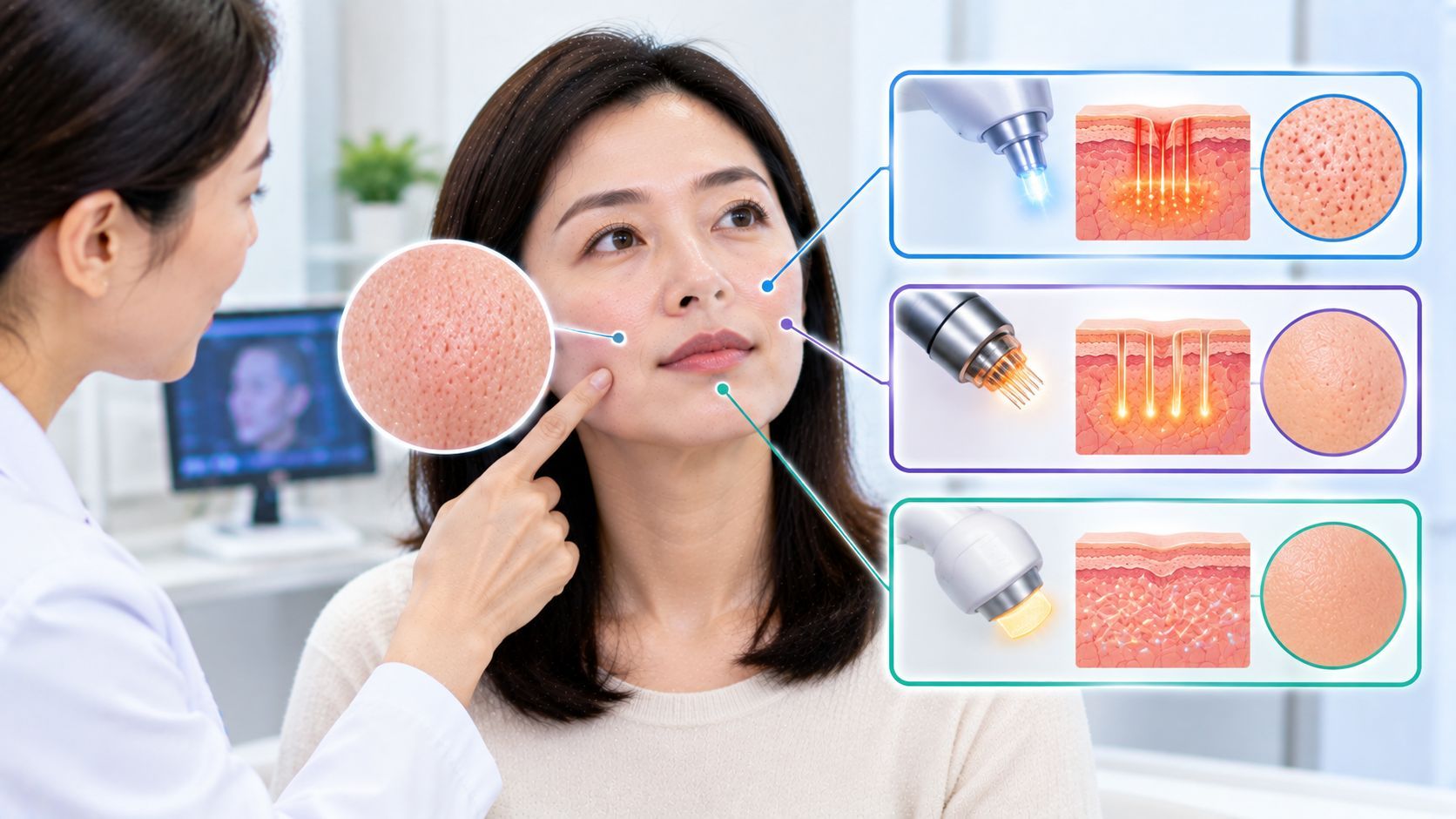
RF microneedling, selected lasers, and other skin-resurfacing treatments may be discussed when texture is the main issue.
For Volume Loss
Conservative HA filler, collagen-stimulating treatments, or other volume-restoration approaches may be considered in appropriately selected patients.
For Significant Excess Skin
Surgical consultation may be more appropriate when non-invasive tightening cannot address the amount of excess tissue.
These treatments are not interchangeable, so the best option depends on what is actually causing the concern.
For International Patients in Seoul
If you had Thermage in Seoul and are disappointed with the result, ask the clinic for your treatment details before deciding what to do next.
Useful information includes:
- Exact Thermage device generation
- Treatment date
- Treatment area
- Number of pulses or shots, if documented
- Treatment settings, where available
- Before-and-after photographs
- Recommended follow-up timing
If you seek a second opinion, bring these records with you.
This is particularly useful if you are considering another energy-based procedure because the next clinician can understand what was already treated.
When Should You Be Concerned?
A lack of visible improvement is usually a question of effectiveness or expectations rather than an emergency.
However, seek medical assessment if you develop unusual or persistent symptoms such as:
- Significant pain
- Burns or blistering
- Persistent numbness
- Pronounced swelling
- New facial weakness
- Significant asymmetry
- Skin injury
RF treatments are generally considered well tolerated, but complications can occur, particularly when energy delivery is inappropriate. Recent systematic evidence describes adverse effects as generally mild and transient across studied RF treatments, while individual devices and techniques can differ.
How Can You Tell Whether Thermage Really Helped?
Instead of asking only, "Does my face look lifted?", compare several features.
Skin Firmness
Does the skin feel somewhat tighter or more resilient?
Laxity
Is there less looseness around the lower face or neck?
Fine Lines
Have superficial wrinkles become less visible?
Texture
Does the skin surface appear smoother?
Contour
Has there been a modest improvement in facial definition?
A treatment can produce improvement in some of these areas without producing a dramatic overall transformation.
Conclusion
If Thermage did not produce the result you expected, it does not necessarily mean that the treatment "failed." You may have treated a problem that was not primarily responsible for your concern, judged the result too early, had expectations beyond what non-invasive RF can realistically achieve, or simply experienced a modest response.
Thermage has evidence supporting improvement in skin laxity and other signs of facial aging, but outcomes vary and the evidence across RF technologies is heterogeneous.
Before repeating Thermage, identify exactly what you wanted to improve and whether that problem is primarily skin laxity, texture, volume loss, or excess tissue. That assessment can help determine whether another Thermage treatment makes sense or whether a different approach would address the underlying concern more directly.
Frequently Asked Questions
Why didn't my Thermage work?
Possible reasons include insufficient treatment for your degree of laxity, unrealistic expectations, evaluating the result too early, individual variation in response, or treating a concern that RF cannot adequately address.
How long does it take to see Thermage results?
Results can develop gradually, and clinical studies commonly evaluate RF outcomes over several months. The exact timeline varies by device, treatment area, treatment parameters, and individual response.
Can Thermage fail completely?
Yes, some patients may see little noticeable improvement. RF does not produce the same degree of response in every person, and evidence across different RF technologies shows variability.
Should I repeat Thermage if I see no results?
Not before determining why the first treatment produced little improvement. Another treatment may not solve the problem if your main concern is volume loss, significant excess skin, or another structural issue.
Is Thermage better for mild or severe sagging?
Non-invasive RF is generally more suitable for limited or mild-to-moderate laxity. Significant excess skin may require a different treatment strategy.
Can Thermage restore lost facial volume?
Thermage is primarily a skin-tightening treatment and should not be considered a direct replacement for substantial lost facial volume. If volume loss is your main concern, a separate assessment may be necessary.