Why Can I Feel Tightening After Ultherapy but Can't See Any Difference?
Introduction
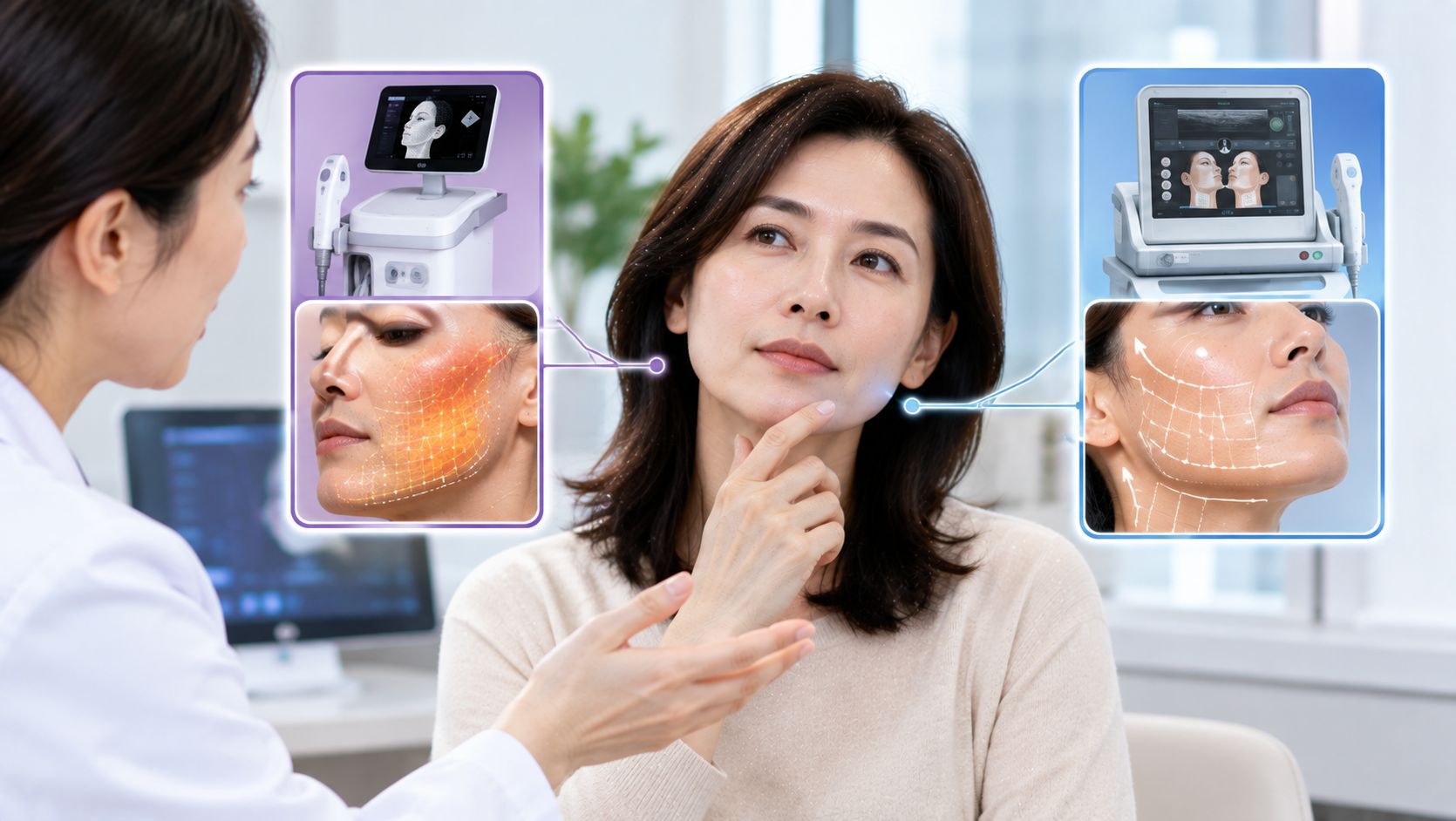
If you can feel a tightening sensation after Ultherapy but cannot see a noticeable change in your face, that does not necessarily mean the treatment failed. Ultherapy uses microfocused ultrasound to deliver energy at targeted tissue depths, with the goal of stimulating a remodeling response. The visible result is generally gradual rather than an immediate facelift-like change.
The manufacturer's current patient information states that some patients may notice an initial lift, while more noticeable results can develop over approximately two to three months as new collagen and elastin develop, with improvements potentially continuing for several months. Clinical reviews also find that the average improvements from microfocused ultrasound tend to be relatively mild rather than dramatic.
Why Can You Feel Tightening Without Seeing a Visible Difference?
The Treatment Works Gradually
One of the most important things to understand about Ultherapy is that the sensation during or shortly after treatment is not the same thing as the final cosmetic result.
Ultherapy's mechanism involves controlled ultrasound energy followed by a tissue-healing and remodeling process. According to the manufacturer, collagen remodeling continues after treatment, with visible improvements developing progressively over the following months.
Therefore, you may notice:
- A feeling of tightness
- Mild tenderness
- Temporary firmness
- A sensation of tension when moving the face
without seeing an obvious lift in the mirror.
Feeling Tight Does Not Prove the Final Result
It is also important not to use the sensation of tightness as a measurement of treatment effectiveness.
Some people experience substantial treatment sensations but only modest visible improvement. Others may have relatively little discomfort but still develop a gradual cosmetic change.
Ultherapy's official information describes heat and/or tingling during energy delivery, but treatment sensation is not presented as a reliable measurement of the eventual degree of lifting.
The more useful question is whether your skin laxity and other treatment goals improve over an appropriate follow-up period.
You May Be Checking Too Early
If you are only a few days or a few weeks after treatment, it may simply be too soon to judge the final result.
A systematic review of microfocused ultrasound found that improvements were generally assessed over months, and patient-reported improvements continued to increase between 90 and 360 days in the included studies.
The manufacturer's current information similarly describes gradual improvement over approximately two to three months, with visible changes potentially continuing for up to six months.
This does not mean everyone will continue improving for six months or achieve a specific degree of lifting. Individual results vary.
What If I Feel Tightness but My Face Looks Exactly the Same?
This can happen.
Ultherapy is not designed to produce the same dramatic repositioning of facial tissues as surgery. Its purpose is to improve selected degrees of skin laxity through non-invasive tissue remodeling.
Clinical studies have generally reported improvements in appropriately selected patients, but systematic reviews describe the visible changes as variable and often mild.
If your expectation was a substantial change in:
- Jowls
- Lower-face sagging
- Neck laxity
- Drooping cheeks
- Brow position
the actual improvement may feel smaller than you expected.
Could Your Skin Laxity Be Too Advanced?
Yes.
Microfocused ultrasound tends to be most useful for selected patients with mild to moderate laxity.
A systematic review found that excessive skin laxity was associated with reduced treatment response.
If there is substantial excess skin, a non-surgical treatment may not produce enough tightening to create an obvious visual transformation.
In such cases, repeating Ultherapy without reassessing the underlying anatomy may not solve the problem.
Could Volume Loss Be the Real Problem?
This is particularly important if your face has become thinner with age or after significant weight loss.
Ultherapy is primarily a skin-tightening treatment. It is not designed to replace substantial lost facial volume.
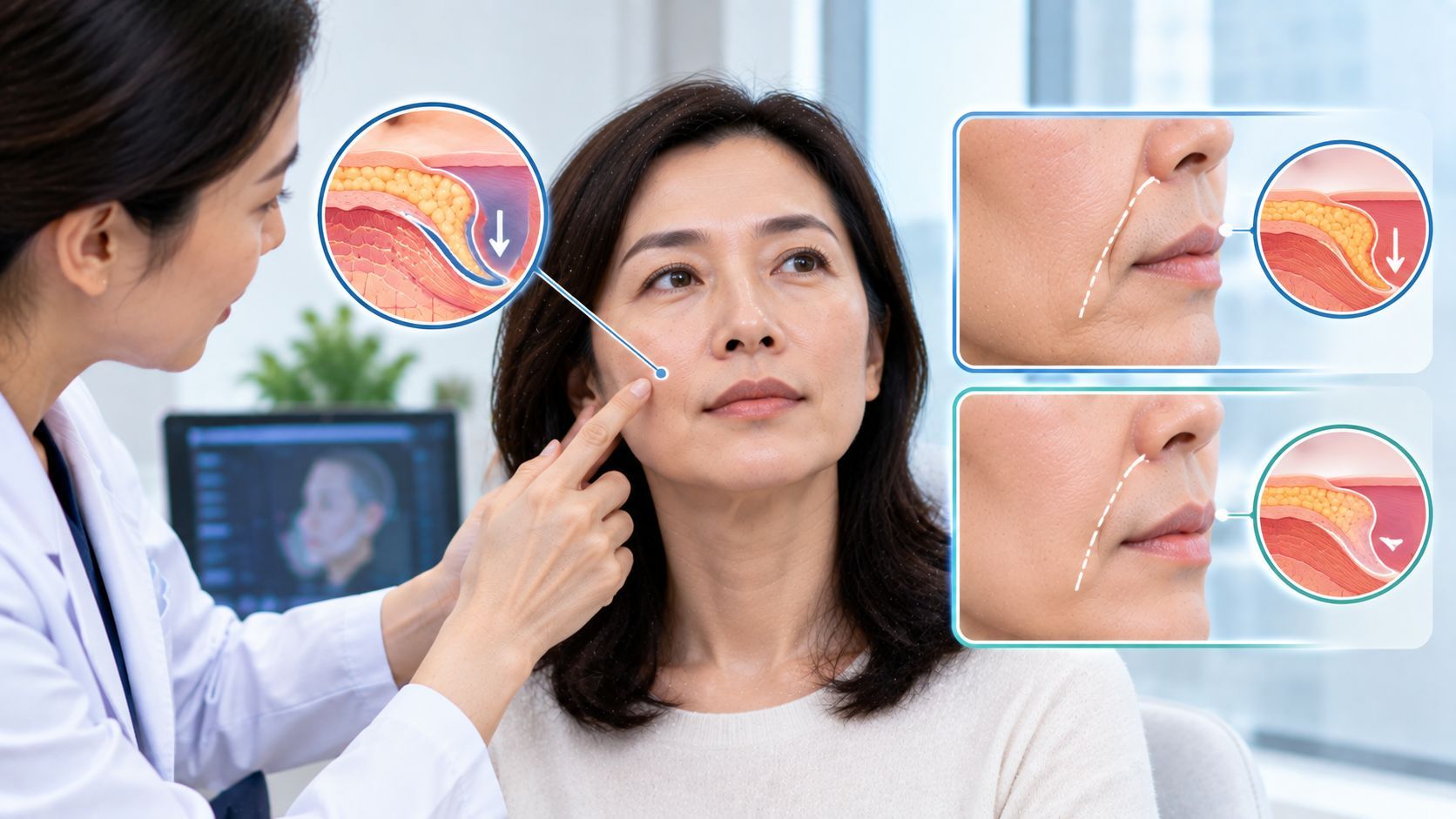
For example, if your cheeks are hollow and your lower face looks older because of volume loss, making the skin somewhat tighter may not make the face look fuller or more youthful.
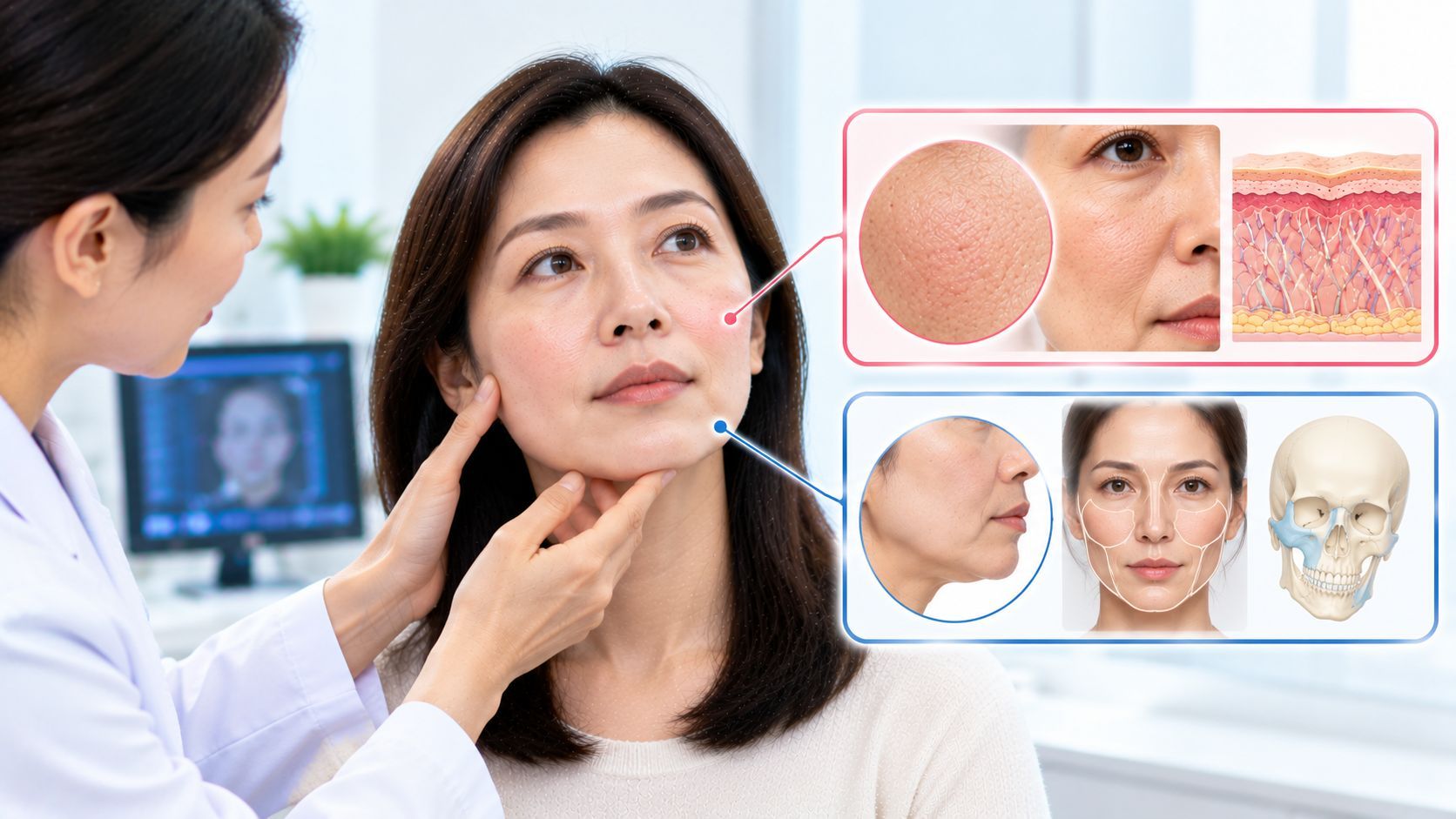
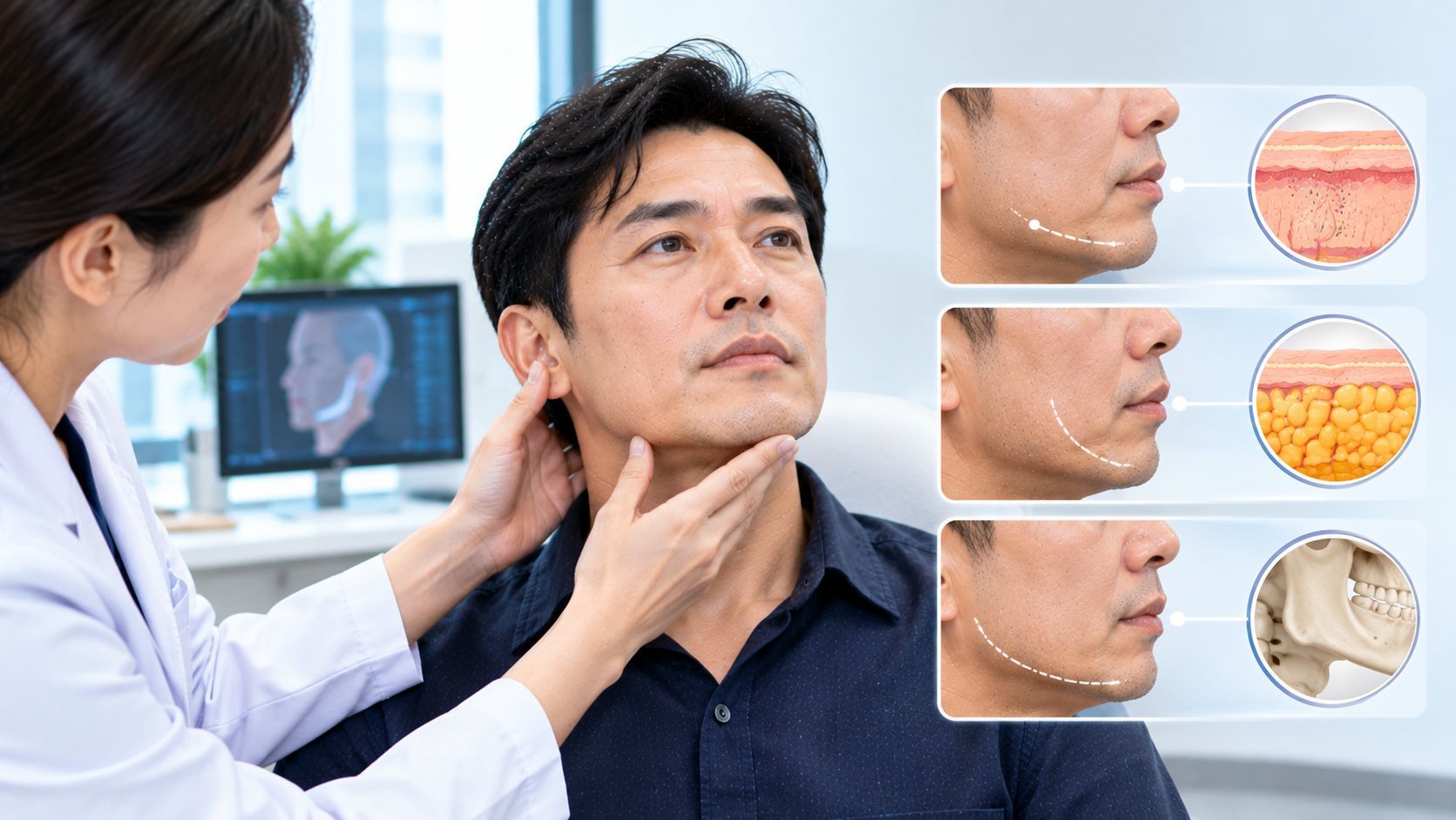
Your concern may actually involve a combination of:
- Skin laxity
- Facial volume loss
- Fat redistribution
- Bone and structural changes
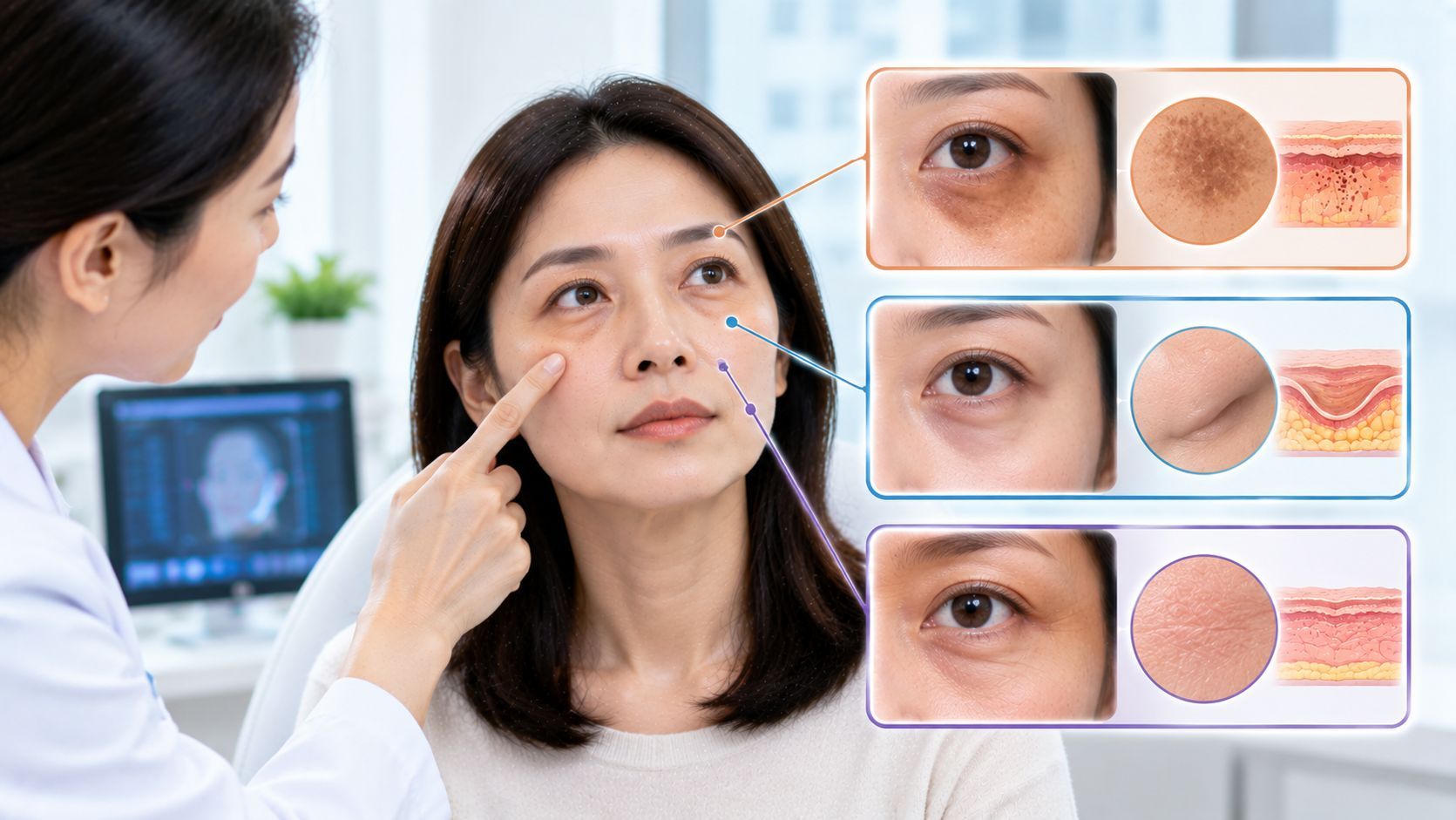
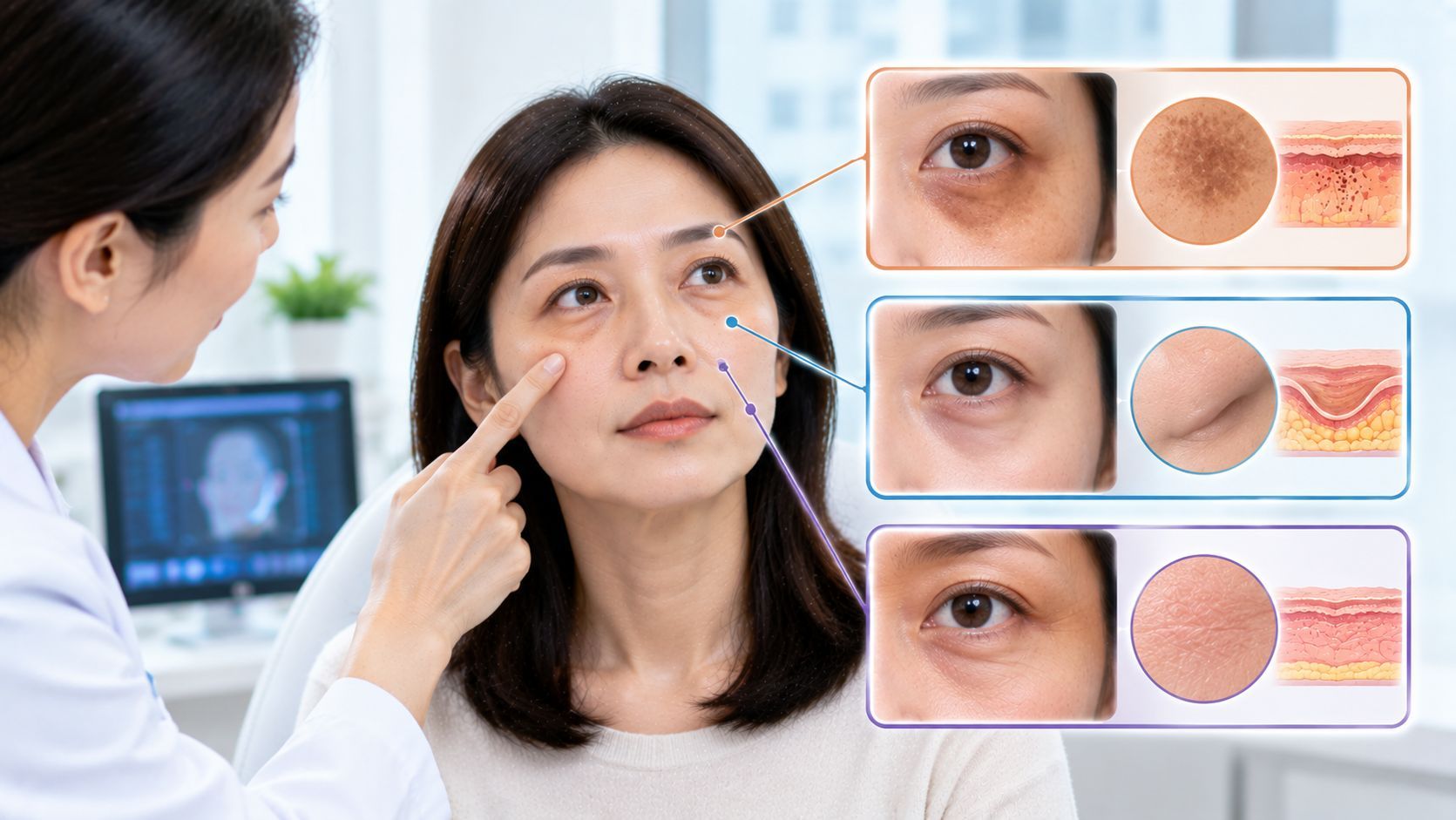
- Skin-quality changes
In that situation, simply increasing the amount of tightening may not address the main reason you dislike your appearance.
Could the Treatment Have Been Too Conservative?
Treatment planning can affect the result.
Microfocused ultrasound studies have used different devices, treatment areas, energy levels, depths, and protocols. A systematic review noted substantial variation in treatment settings and protocols across studies.
Ultherapy's current system uses real-time visualization to help providers target selected tissue layers, but the final result still depends on patient anatomy, treatment planning, and individual response.
Therefore, receiving "Ultherapy" does not guarantee that two patients will experience identical results.
Could You Be Expecting Too Much Lift From One Session?
Possibly.
Ultherapy is marketed and studied as a non-invasive lifting and tightening treatment, but it should not be compared directly with a surgical facelift.
A 2023 systematic review found that microfocused ultrasound can improve facial laxity and wrinkles, but the degree of improvement varies. The same review concluded that the treatment is particularly applicable to mild-to-moderate facial laxity.
If your goal is a major repositioning of descended tissue, a non-surgical procedure may have inherent limitations.
What If I Saw a Temporary Improvement That Disappeared?
Some patients notice an early change and then feel that it disappeared.
Several explanations are possible.
Temporary Swelling
Early swelling can temporarily alter facial contours. Once it resolves, the face may return closer to its baseline appearance before the slower remodeling process becomes apparent.
Temporary Tissue Tightness
Immediately after treatment, the tissues may feel different without representing the eventual collagen-remodeling result.
Lighting and Facial Expression
A small change can look dramatic under one type of lighting and almost invisible under another.
For this reason, standardized photographs are more useful than repeatedly checking your face in different mirrors.
How Should You Evaluate Your Ultherapy Result?
Use Consistent Photographs
Take photographs with:
- The same camera
- Similar lighting
- The same distance
- The same head position
- A relaxed facial expression
Compare the same areas rather than looking at your entire face and deciding whether you "look younger."
Focus on the Original Treatment Goal
If you had Ultherapy for jawline laxity, evaluate the jawline.
If you had it for neck laxity, compare the neck.
If the treatment was intended for brow elevation, assess the brow.
This makes it easier to determine whether there was actually a treatment response.
Should I Get Another Ultherapy Treatment?
Not automatically.
If you cannot see a meaningful difference, first determine:
- How long it has been since treatment
- What degree of improvement was realistically expected
- Whether your original concern was primarily laxity
- Whether volume loss is also present
- Whether the treatment area was appropriate
- What device and treatment parameters were used
- Whether standardized before-and-after photographs show a change
Repeating treatment without answering these questions may expose you to another procedure without addressing the reason for the disappointing result.
Could Another Treatment Be More Appropriate?
That depends on the underlying problem.
For Mild Skin Laxity
RF or another appropriately selected ultrasound treatment may be considered.
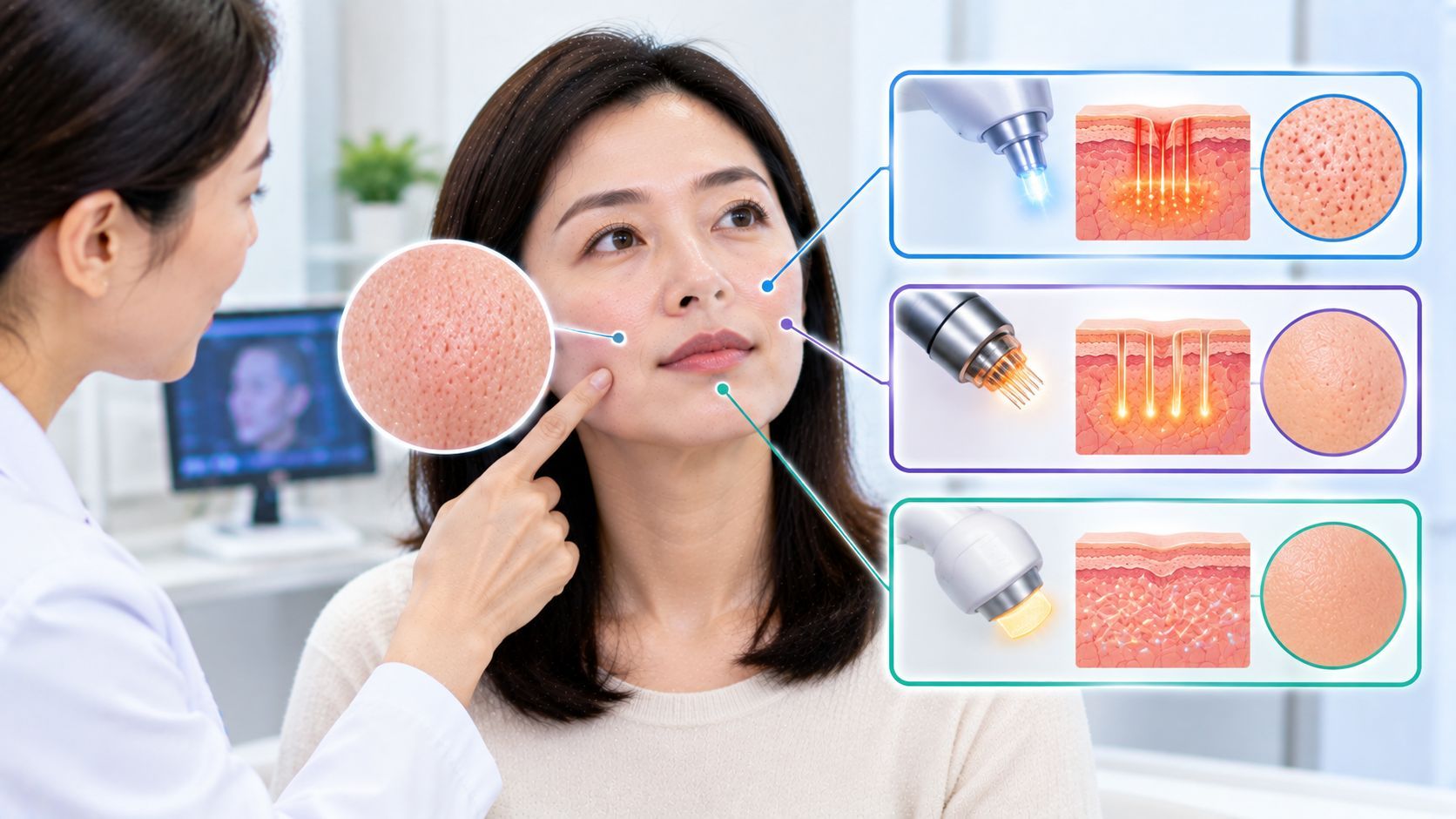
For Skin Texture
RF microneedling, selected laser treatments, or other resurfacing approaches may be more relevant if texture is your primary concern.
For Facial Volume Loss
Volume-restoration treatments may be considered when loss of fullness is the main problem.
For Significant Excess Skin
Surgical consultation may be appropriate when there is more tissue laxity than non-invasive procedures can reasonably address.
These treatments have different purposes and should not be treated as interchangeable.
When Should You Contact Your Doctor?
A lack of visible improvement is usually not an emergency.
However, contact your treating clinician if you experience persistent or significant:
- Pain
- Swelling
- Numbness
- Tingling
- Facial weakness
- Pronounced asymmetry
- Burns or skin injury
A 2025 systematic review of microfocused ultrasound found transient edema, redness, and pain among the more commonly reported effects, while significant adverse events were uncommon in the published literature. The review also identified rare reports of complications such as subcutaneous atrophy and neurological symptoms.
For International Patients in Seoul
If you had Ultherapy in Seoul and returned home before seeing the final result, keep your treatment records.
Ask the clinic for:
- Exact device used
- Treatment date
- Areas treated
- Treatment depths
- Number of lines or shots, if documented
- Before-treatment photographs
- Follow-up recommendations
This information can be helpful if you want a second opinion or are considering another procedure.
It is especially important not to assume that another ultrasound or RF treatment is automatically appropriate simply because you did not see an immediate result.
Conclusion
Feeling tightening after Ultherapy but seeing little immediate difference can be completely consistent with the gradual nature of the treatment. The sensation during treatment does not predict the size of the eventual cosmetic improvement, and visible changes may take several weeks to months to develop.
If several months have passed and standardized photographs still show little or no improvement, it is worth reassessing whether your original concern was actually something Ultherapy could adequately address.
The key question is not simply "Did I feel tightening?" but "Was my specific problem—skin laxity—improved enough to meet my treatment goal?"
Frequently Asked Questions
How long does it take to see Ultherapy results?
Results generally develop gradually. The manufacturer states that more significant results may become apparent around two to three months, with visible improvements potentially continuing for several months.
Why do I feel tight after Ultherapy but see no lift?
The sensation can occur from the treatment's immediate tissue response, while the visible result depends on the slower remodeling process. Feeling tight does not guarantee a dramatic visible lift.
Does feeling heat during Ultherapy mean it worked?
No. Heat or tingling indicates that ultrasound energy is being delivered, but treatment sensation does not reliably predict the eventual cosmetic result.
Can Ultherapy work without producing a dramatic visible change?
Yes. Clinical studies suggest that improvements can be mild or subtle, particularly when the degree of laxity is limited or when the patient's expectations are for a major lift.
What if I still see no difference after three months?
Consider returning to your treating clinician for an assessment. Compare standardized photographs and discuss whether the original concern was appropriate for Ultherapy or whether volume loss, excess skin, or another issue may be contributing.
Should I repeat Ultherapy if I cannot see results?
Not before determining why the first treatment produced little visible improvement. A second treatment may not address the underlying problem if the main concern is volume loss or significant excess skin.