Why Does My Neck Age Much Faster Than My Face?
Introduction
It is common to notice that the neck seems to age faster than the face. You may have relatively smooth cheeks and forehead while developing neck lines, loose skin, visible bands, or a less defined jawline.
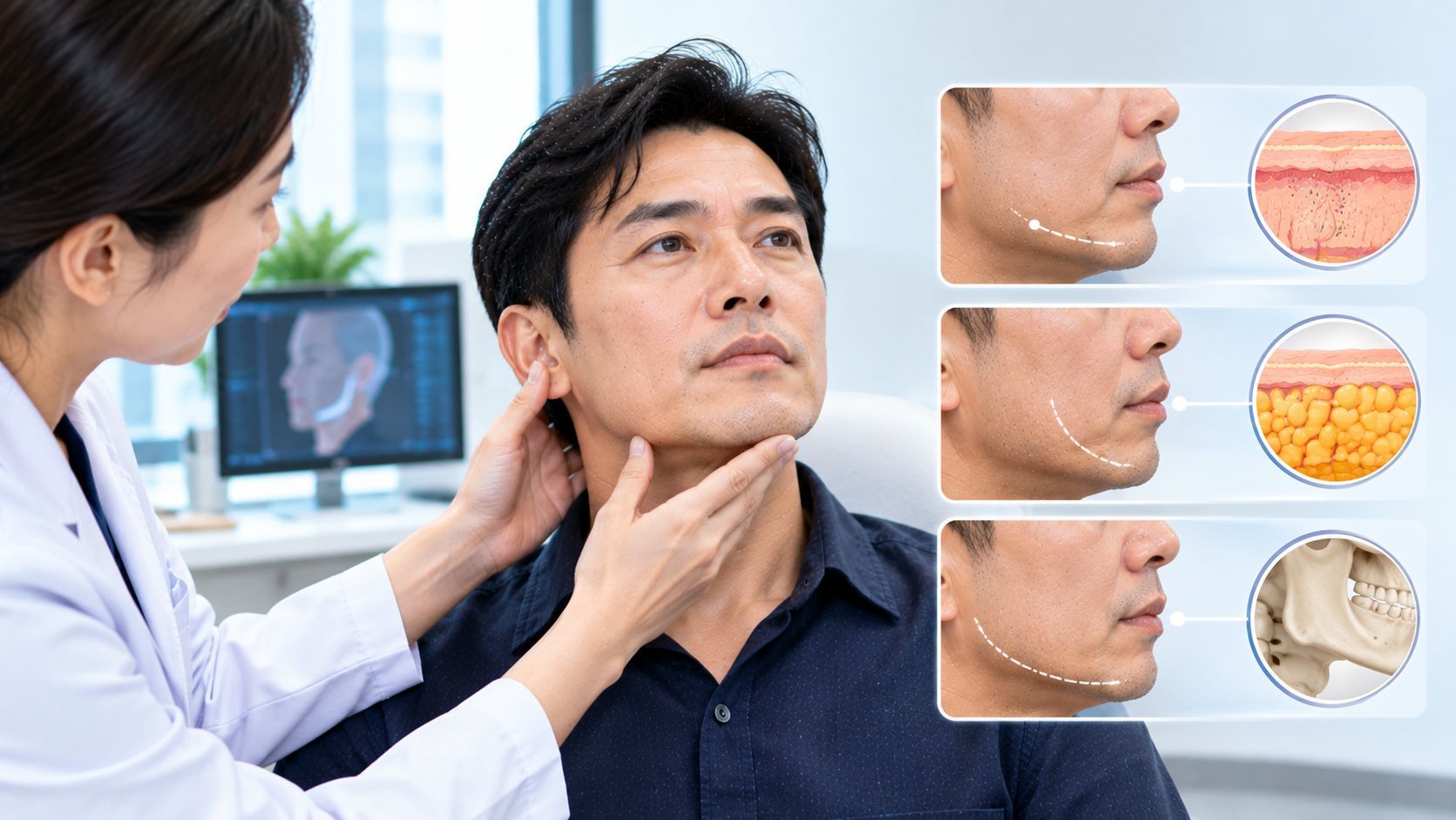
This happens because the neck has a combination of factors that can make aging more visible: thin skin, frequent movement, sun exposure, changing collagen and elastin, muscle activity, and relatively limited soft-tissue support. Lifestyle and genetics also influence how quickly these changes become noticeable.
The neck can therefore require a different treatment strategy from the face. Treating it as simply an extension of facial skin may not produce the best result.
Why Does the Neck Show Aging So Clearly?
Aging is not uniform across the body.
The neck is particularly exposed to repeated movement throughout the day. You constantly turn, bend and extend your neck, while the skin folds during ordinary activities such as looking down at a phone or reading.
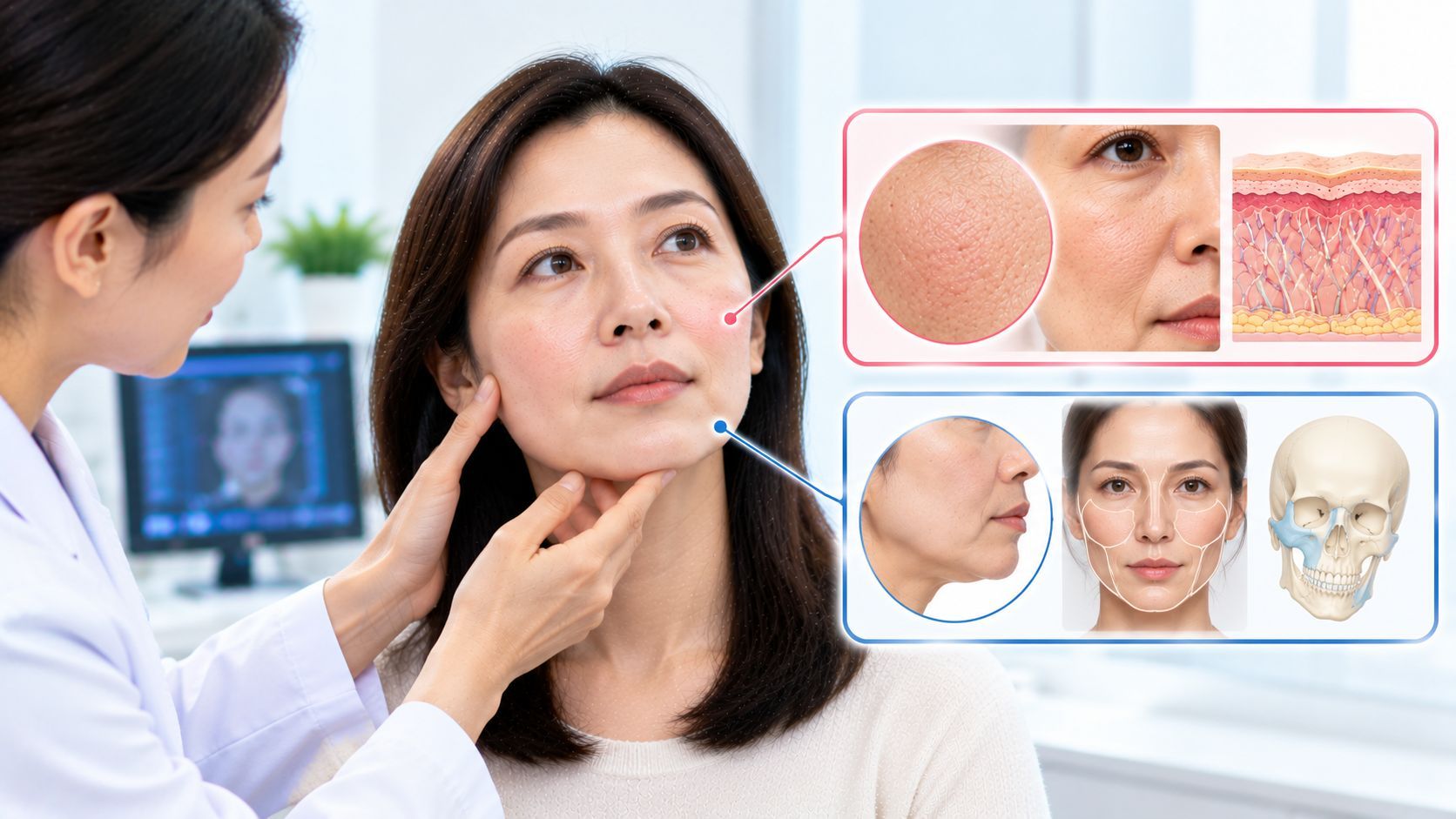
At the same time, age-related reductions in collagen and elastin gradually decrease skin firmness.
The result can include:
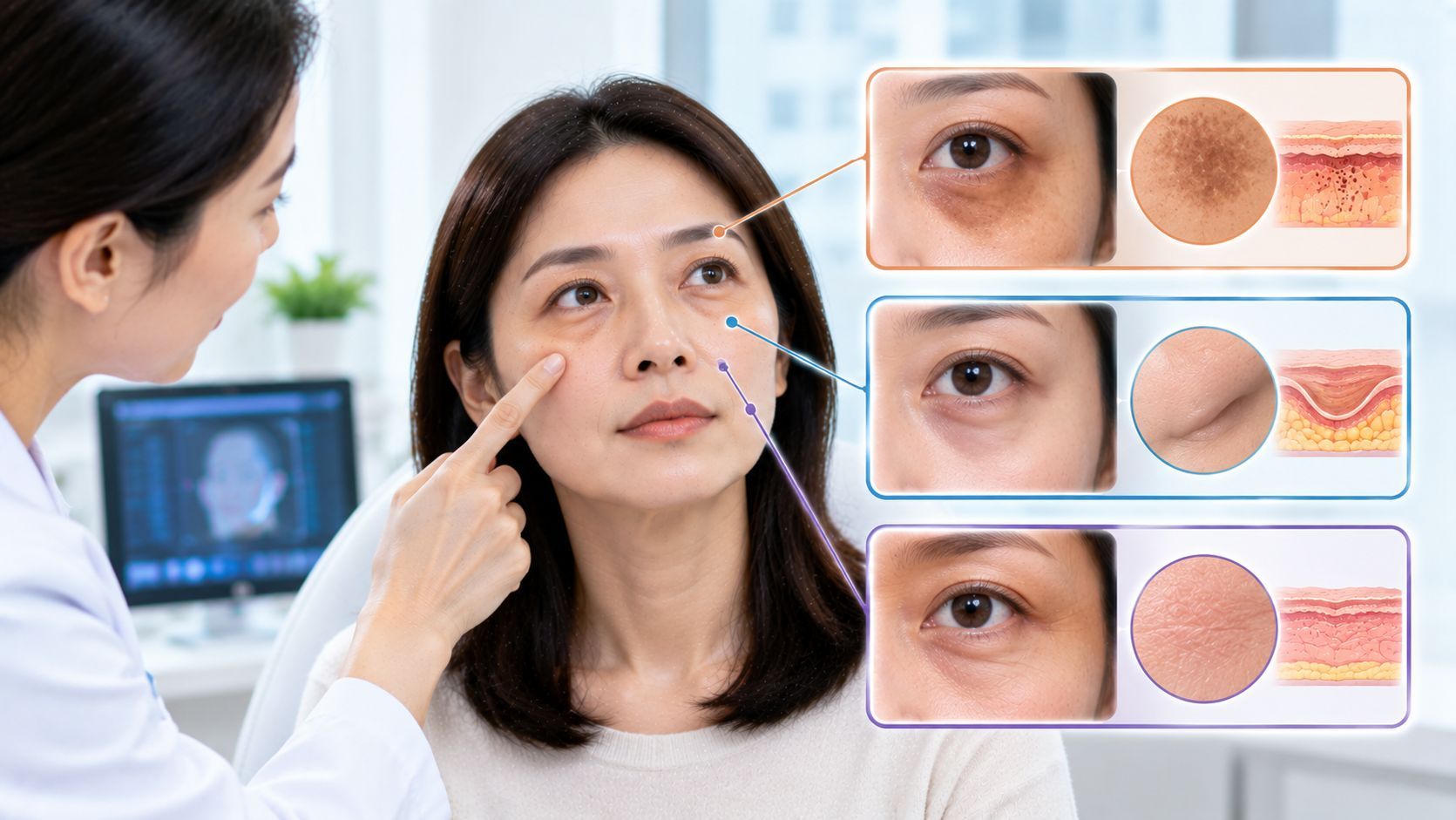
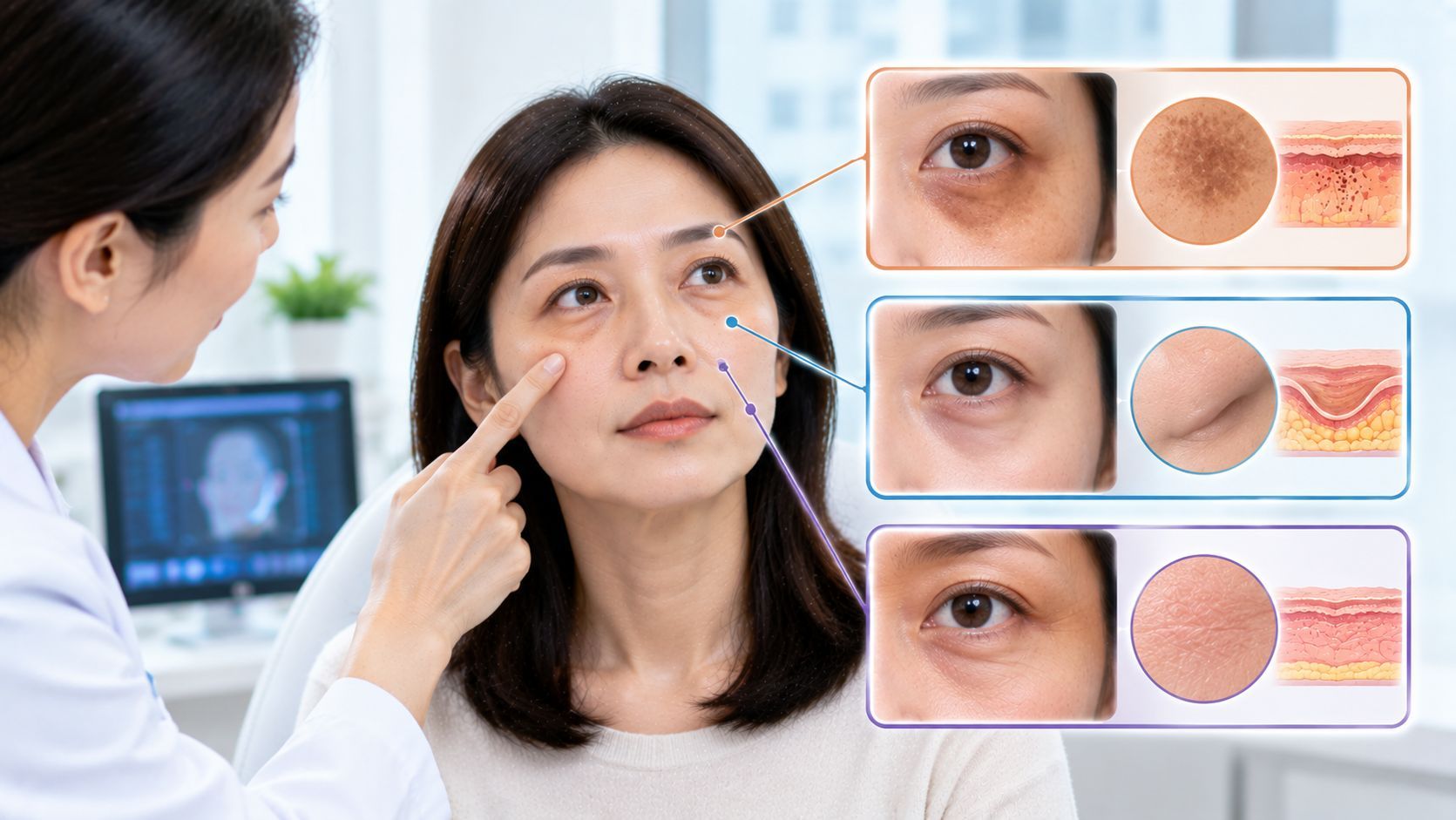
- Horizontal neck lines
- Fine wrinkles
- Crepey texture
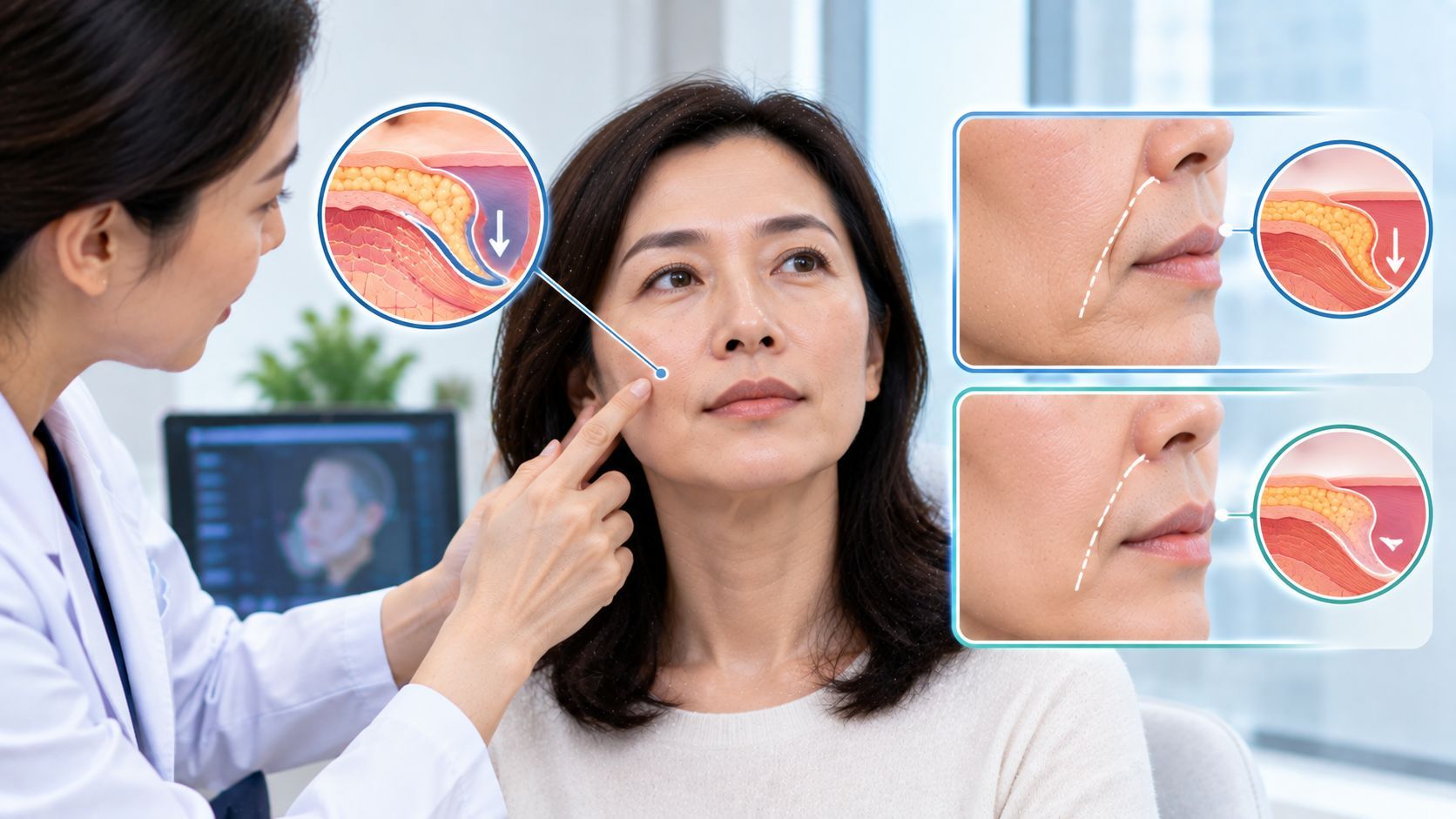
- Skin laxity
- Platysmal bands
- Reduced jawline definition
- A heavier-looking lower face and neck
These changes can occur even when the face still appears relatively youthful.
Is Neck Skin Thinner Than Facial Skin?
The thickness and structure of skin vary across different parts of the body, and the neck generally has relatively delicate skin compared with many other areas.
As skin ages, its ability to retain moisture and maintain structural support changes.
This can make fine lines and texture changes more noticeable.
However, saying that the neck simply has “thinner skin” does not explain every case. Genetics, sun exposure, muscle movement, fat distribution and soft-tissue support all contribute.
How Does Sun Exposure Affect Neck Aging?
The neck is often exposed to ultraviolet radiation but may receive less consistent skincare than the face.
Repeated UV exposure contributes to photoaging and can damage collagen and elastin.
Over time, this may contribute to:
- Fine wrinkles
- Uneven pigmentation
- Rough texture
- Loss of elasticity
- Increased visible aging
This is why sunscreen should not stop at the jawline.
Applying broad-spectrum sunscreen to the neck and other exposed areas can help reduce ongoing UV-related skin damage.
Why Does Looking Down Affect Neck Aging?
Looking down does not necessarily cause permanent neck aging, but repeated neck flexion creates temporary folds in the skin.
People spend considerable time looking down at phones, tablets, computers and books.
Repeated movement does not act alone to determine aging, but it can contribute to the appearance of horizontal lines in combination with normal collagen loss and other age-related changes.
If horizontal lines are already present at rest, they are no longer simply a temporary positional fold.
What Role Does the Platysma Muscle Play?
The platysma is a broad superficial muscle extending across the lower face and neck.
As it becomes more active or prominent, vertical bands may become visible.
These bands can become particularly noticeable when:
- Smiling
- Speaking
- Grimacing
- Tensing the neck
- Pulling the corners of the mouth downward
For selected patients, Botox can temporarily reduce excessive platysma activity.
However, Botox does not treat every type of neck aging. It does not remove loose skin, reduce fat or rebuild collagen directly.
Why Can the Neck Look Older Even Without Many Wrinkles?
Neck aging is not only about wrinkles.
You may have relatively few lines but still notice:
- Loss of firmness
- Mild sagging
- Changes in the jawline
- Visible platysmal bands
- Crepey texture
- Reduced definition between the chin and neck
These changes can create an older-looking neck even when traditional wrinkles are not the main concern.
This is why treatment should focus on the specific feature that has changed rather than simply trying to eliminate every line.
Can Weight Loss Make the Neck Look Older?
Yes, particularly after significant weight loss.
When subcutaneous volume decreases, previously supported skin may become more visible.
A person may therefore notice:
- Loose skin
- Crepey texture
- A more prominent neck fold
- Reduced jawline definition
This does not mean that weight loss itself is harmful. Rather, changes in soft-tissue volume can reveal laxity that was previously less apparent.
If weight is still changing, it may also be useful to consider whether it has stabilized before planning certain cosmetic treatments.
What Treatments Can Improve an Aging Neck?
The appropriate treatment depends on the dominant problem.
For Mild Skin Laxity
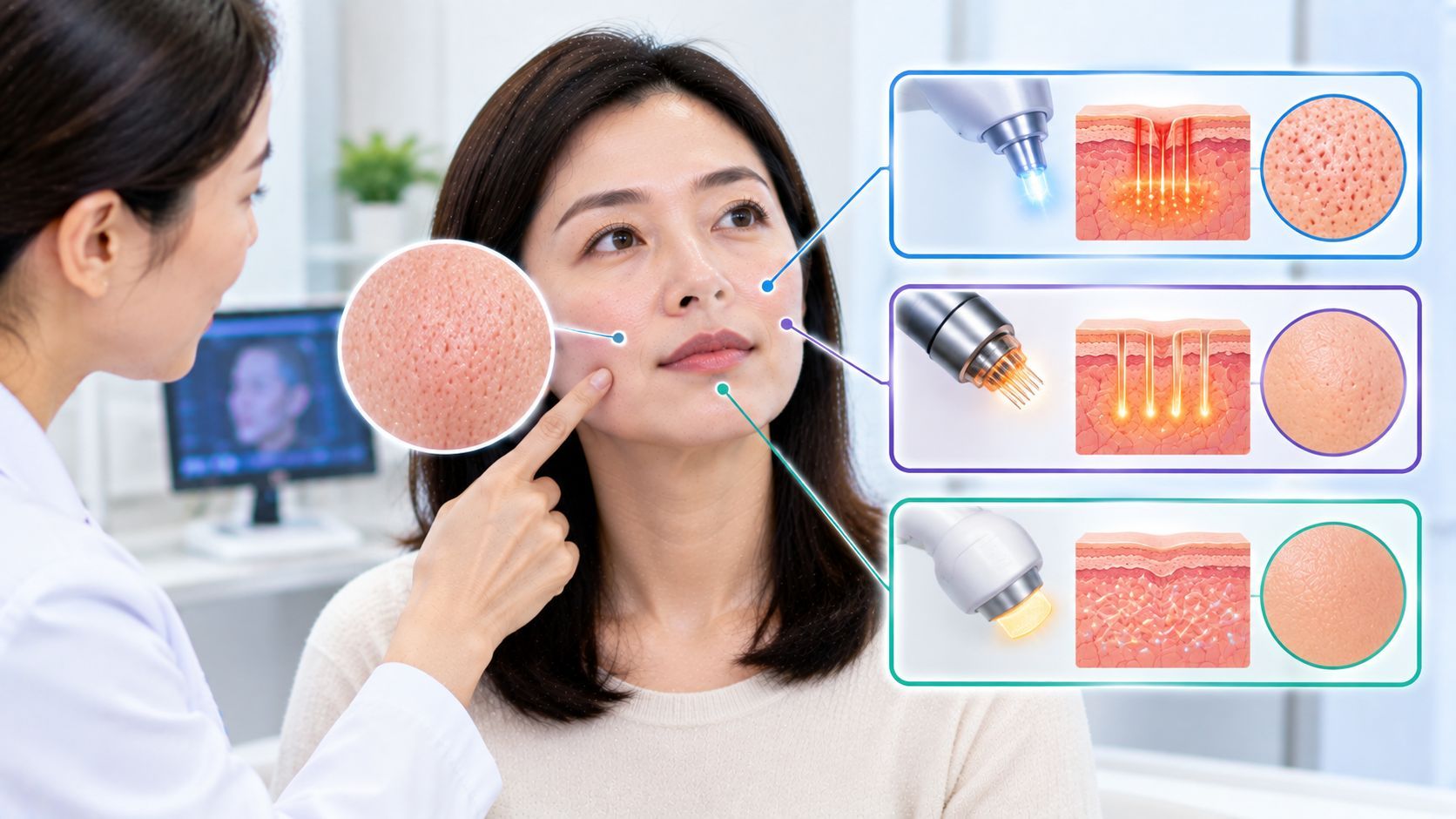
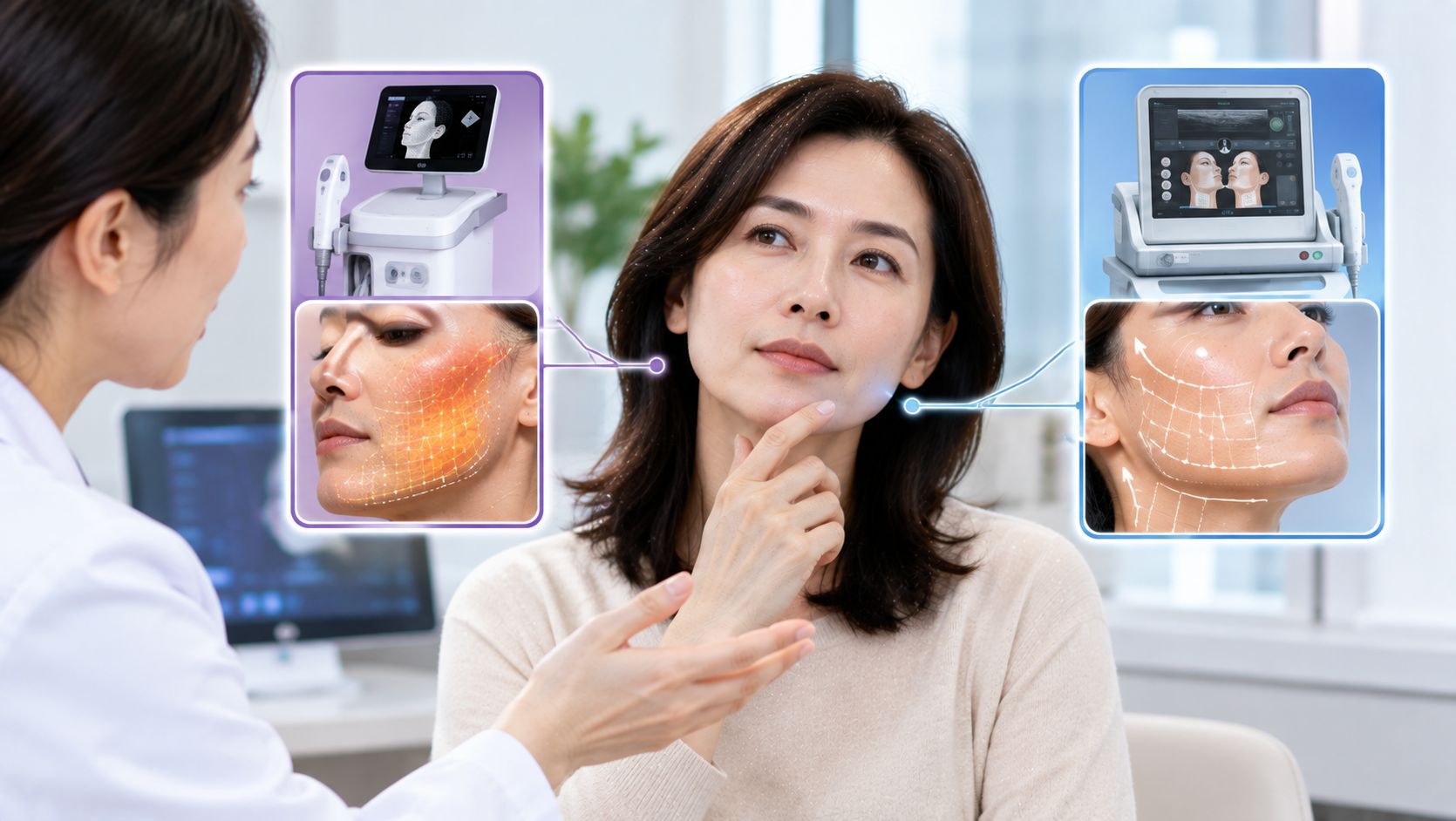
Radiofrequency and ultrasound-based treatments may be considered to improve firmness and stimulate collagen remodeling.
They are generally more appropriate for mild to moderate laxity than for substantial excess skin.
For Crepey Texture
RF microneedling or selected laser and resurfacing treatments may be considered depending on skin type, pigmentation risk and the specific texture problem.
These treatments aim to improve skin quality rather than physically remove excess skin.
For Platysmal Bands
Botox may be considered when muscle contraction is the main contributor.
Treatment needs to be conservative because the neck contains muscles involved in important movements and functions.
For Submental Fat
If excess fat is a significant component, fat-reduction treatments may be considered.
Removing fat is not the same as tightening skin, so the elasticity of the overlying tissue should be assessed beforehand.
For Significant Excess Skin
When there is substantial redundant skin, non-surgical treatments may have limited ability to produce the desired correction.
A surgical consultation may be appropriate in more advanced cases.
Can Skincare Slow Neck Aging?
Skincare can support the condition of the skin but cannot reverse every structural change.
Useful principles include:
- Daily broad-spectrum sunscreen
- Gentle cleansing
- Regular moisturization
- Avoiding unnecessary irritation
- Appropriate use of proven topical ingredients
- Maintaining the skin barrier
Retinoids, for example, have evidence for improving aspects of photoaged skin, but they can irritate sensitive neck skin. Introducing them gradually and using appropriate medical guidance can be helpful for people who are prone to irritation.
Skincare should be viewed as part of long-term maintenance rather than a replacement for procedures when significant laxity is present.
Why Should I Not Treat My Neck Exactly Like My Face?
The neck has different anatomy, skin characteristics and treatment considerations.
For example, aggressive treatment that is well tolerated on another facial area may not be appropriate for every part of the neck.
The neck can also be more sensitive to certain procedures, and excessive treatment may cause irritation or prolonged inflammation.
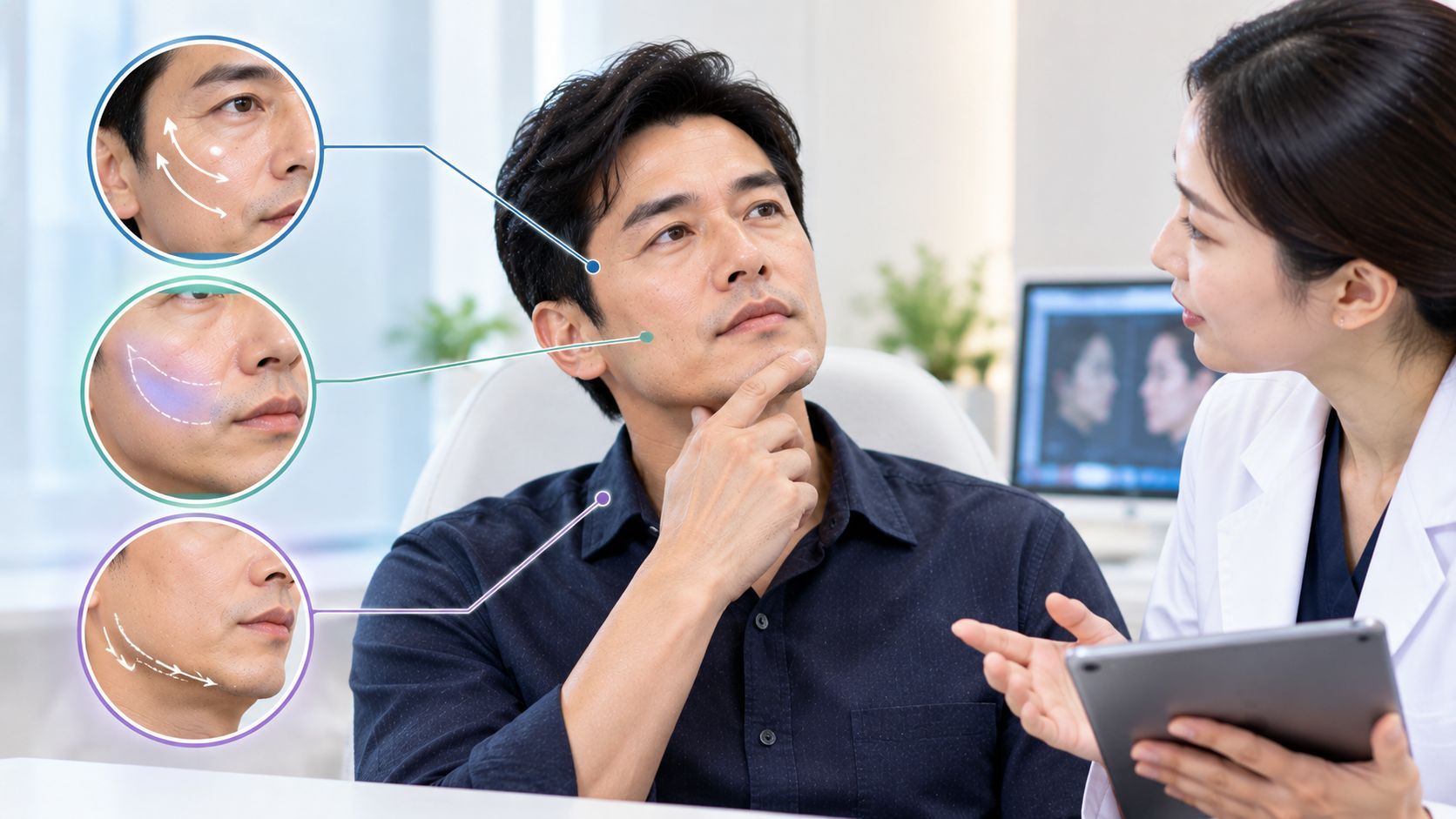
A customized treatment plan should therefore consider:
- Skin thickness
- Skin type
- Pigmentation tendency
- Degree of laxity
- Muscle activity
- Fat distribution
- Previous procedures
- Desired degree of improvement
Can Neck Treatments Be Combined?
Sometimes.
A patient might have several different concerns at once, such as:
Mild laxity + crepey skin + platysmal bands.
In that situation, one treatment may not address everything.
A clinician may consider combining or sequencing treatments that target different mechanisms.
For example, a muscle-focused treatment may address platysmal bands while an energy-based treatment focuses on skin firmness.
However, combining procedures does not automatically produce a better outcome. Each treatment should have a specific purpose.
What If My Face Looks Young but My Neck Does Not?
This is a common reason people seek neck-specific treatment.
The goal should not necessarily be to make the neck look identical to the face. Instead, the objective is usually to improve the mismatch between facial and neck aging while maintaining natural movement and proportions.
A consultation should assess the entire lower face and neck together.
Sometimes the perceived neck aging is partly caused by changes in the jawline, chin projection or lower-face volume rather than the neck skin alone.
What Should I Ask a Seoul Clinic?
If you are considering neck rejuvenation in Seoul, useful questions include:
- Is my main problem skin laxity, texture, fat or muscle activity?
- Do I have platysmal bands?
- Would RF or ultrasound tightening be appropriate for my skin?
- Would RF microneedling help my texture?
- Could Botox improve my neck bands?
- Is my jawline or chin contributing to the appearance?
- How much improvement can realistically be achieved without surgery?
International patients should also discuss downtime and follow-up before scheduling treatment around travel.
Conclusion
The neck can appear to age faster than the face because several aging mechanisms become visible there at the same time. Collagen and elastin decline, sun exposure, repeated movement, platysma activity, changes in fat distribution and skin laxity can all contribute.
There is no single “neck anti-aging treatment.”
Mild laxity may be addressed with RF or ultrasound-based tightening. Texture concerns may benefit from selected resurfacing or RF microneedling treatments. Platysmal bands may respond to Botox in appropriate patients. Significant excess skin may require surgical assessment.
For patients considering treatment in Seoul, the most important step is identifying which part of the neck is actually aging before choosing a procedure.
Frequently Asked Questions
Why does my neck look older than my face?
Neck skin is exposed to UV radiation and frequent movement, while collagen and elastin decline with age. Muscle activity, fat distribution and skin laxity can also make aging more visible.
Can neck aging be reversed without surgery?
Mild to moderate changes may sometimes be improved with skin-tightening, resurfacing, RF microneedling or Botox for selected muscle-related concerns. Significant excess skin may require surgery.
Does looking down cause neck wrinkles?
Looking down creates temporary folds, but permanent neck aging results from multiple factors. Repeated movement may contribute to visible lines alongside normal aging and photoaging.
Can Botox make my neck look younger?
Botox can improve selected dynamic platysmal bands, but it does not directly treat loose skin, pigmentation or significant crepey texture.
What is the best treatment for an aging neck?
There is no universal treatment. The appropriate option depends on whether the main concern is laxity, texture, fat, muscle activity or structural anatomy.
Can skincare improve neck aging?
Yes, skincare can support skin quality and help reduce ongoing photoaging. Sunscreen and appropriate moisturization are particularly important, while active ingredients should be introduced carefully because neck skin can be sensitive.