Why Rejuran Became Korea’s Most Requested Injection
Why Rejuran Became Korea’s Most Requested Injection
Rejuran has become one of the most popular injectable treatments in Korean dermatology because it focuses on improving overall skin quality rather than dramatically changing facial shape. In a beauty market increasingly focused on natural-looking skin, collagen stimulation, and preventive anti-aging, Rejuran fits perfectly into modern Korean skincare trends. Today, it is commonly used by both younger patients seeking glass skin maintenance and older patients looking for long-term skin regeneration.
What Rejuran Actually Is
Rejuran is a polynucleotide (PN) injectable treatment derived from salmon DNA fragments designed to support skin repair and regeneration.
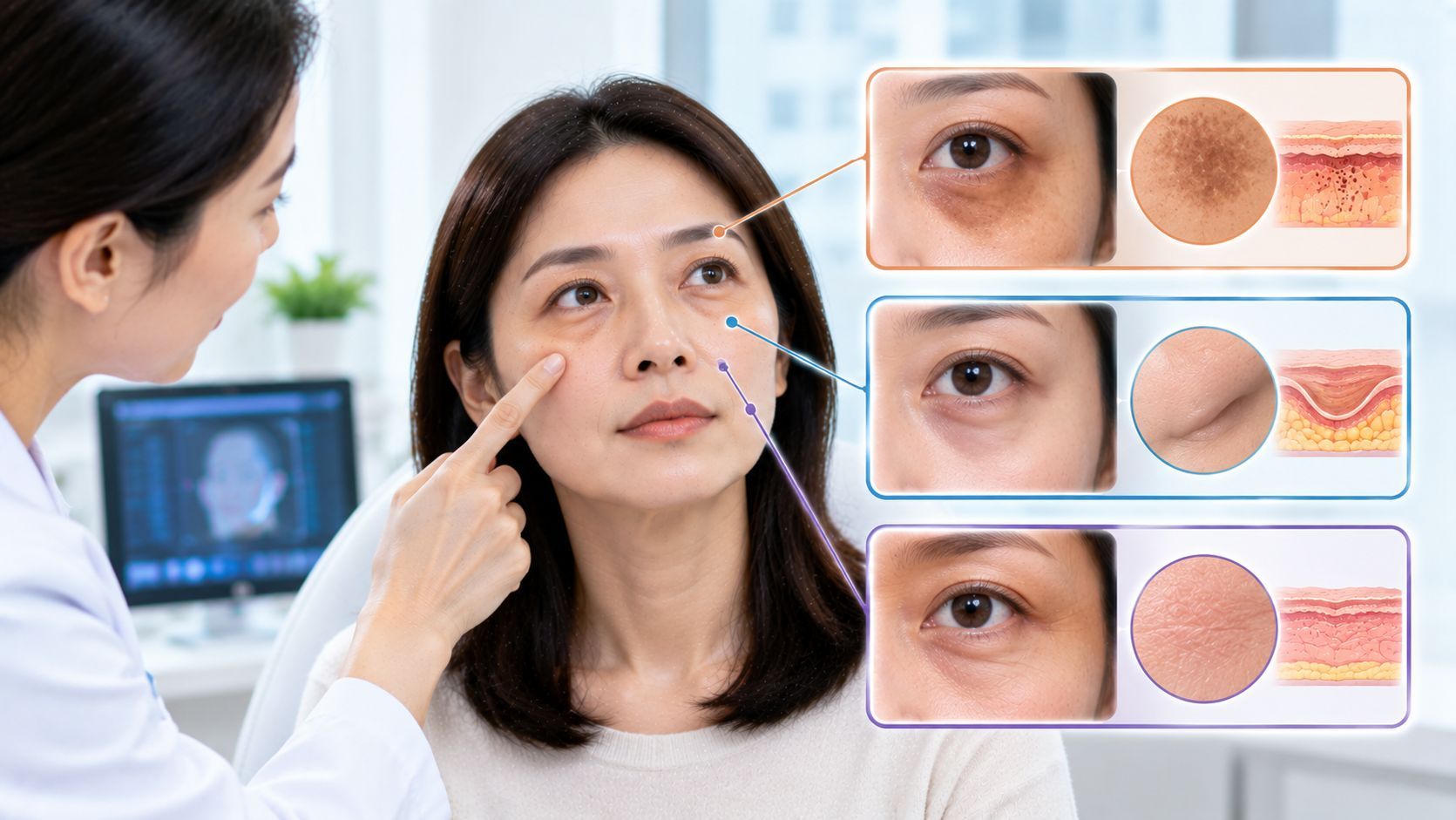
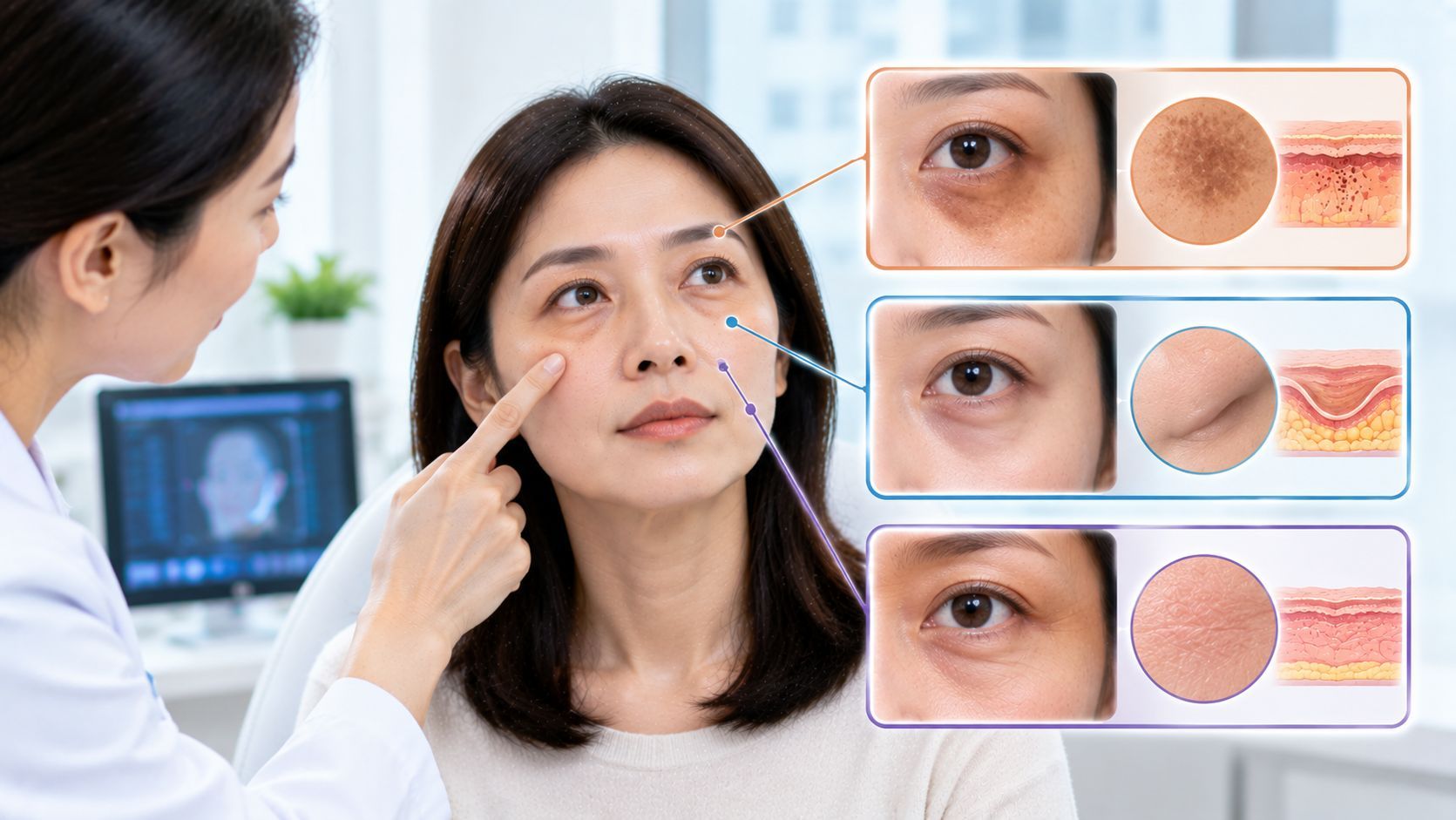
Unlike traditional fillers, Rejuran is mainly used for:
- Skin texture improvement
- Collagen stimulation
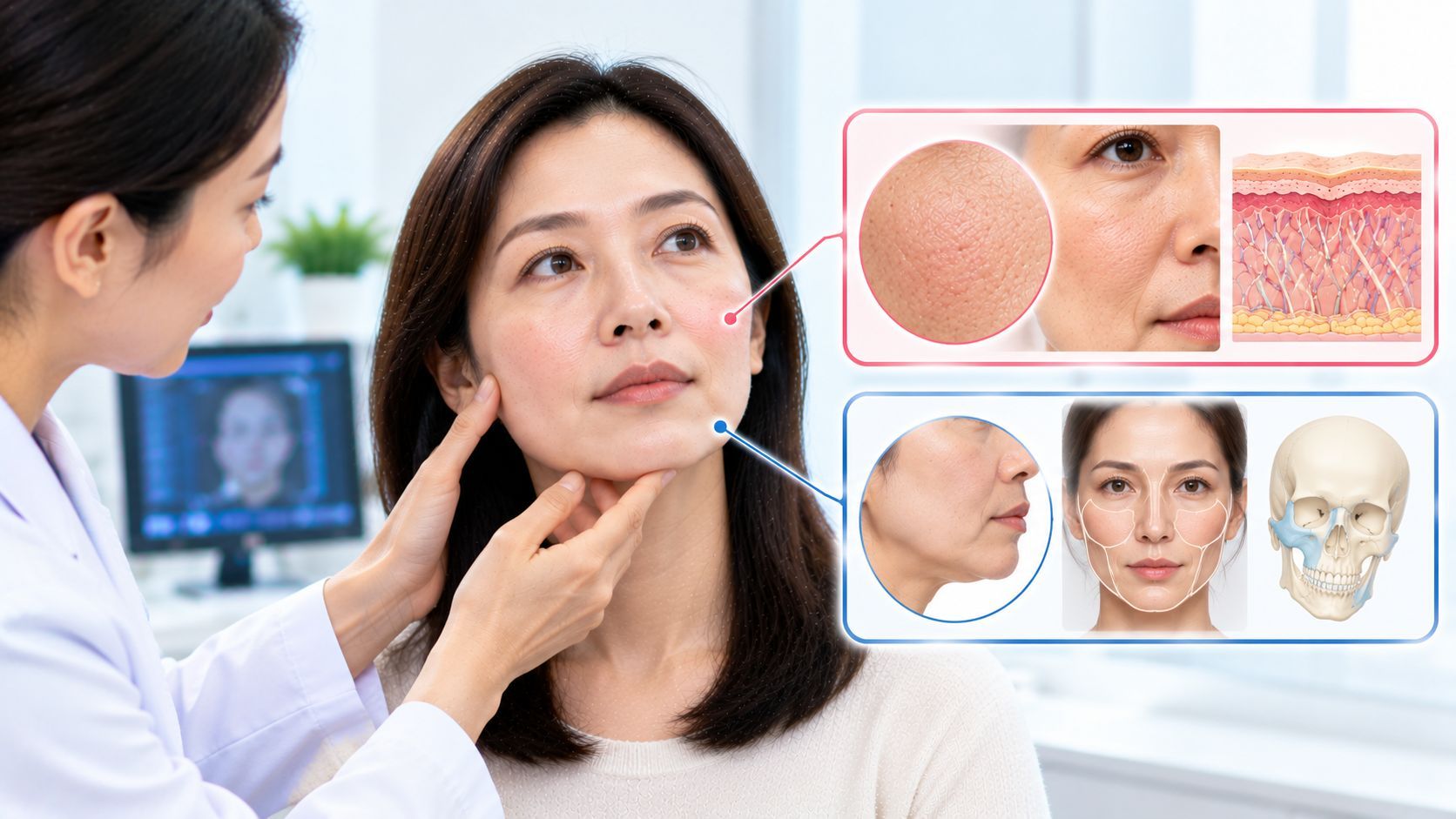
- Elasticity support
- Fine line reduction
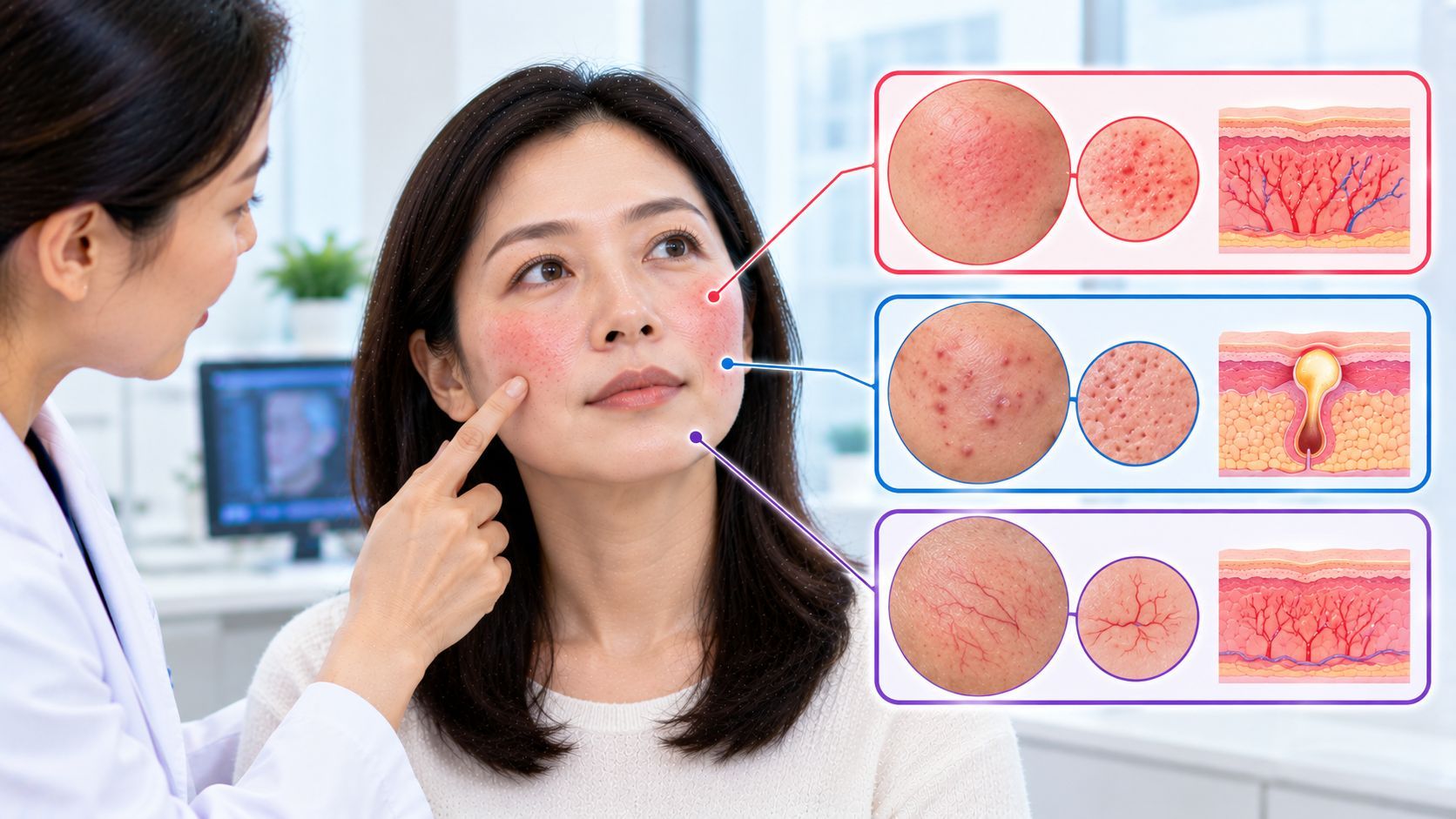
- Acne scar improvement
- Skin barrier recovery
The treatment focuses more on healthier-looking skin rather than adding facial volume.
Natural-Looking Results Match Korean Beauty Trends
One major reason Rejuran became so popular is Korea’s preference for subtle and natural cosmetic enhancement.
Instead of creating obvious changes, many patients want:
- Smoother texture
- Better hydration
- Refined pores
- Healthier glow
- Softer fine lines
Rejuran aligns closely with the Korean “glass skin” aesthetic because it gradually improves overall skin condition over time.
Preventive Anti-Aging Became Extremely Popular
Korean dermatology increasingly focuses on prevention rather than correction.
Many patients now begin treatments like Rejuran in their late 20s or early 30s to:
- Maintain collagen levels
- Slow visible aging
- Improve skin resilience
- Prevent texture decline
This preventive skincare culture helped make regenerative injectables much more mainstream in Korea.
Rejuran Became Famous for Skin Texture Improvement
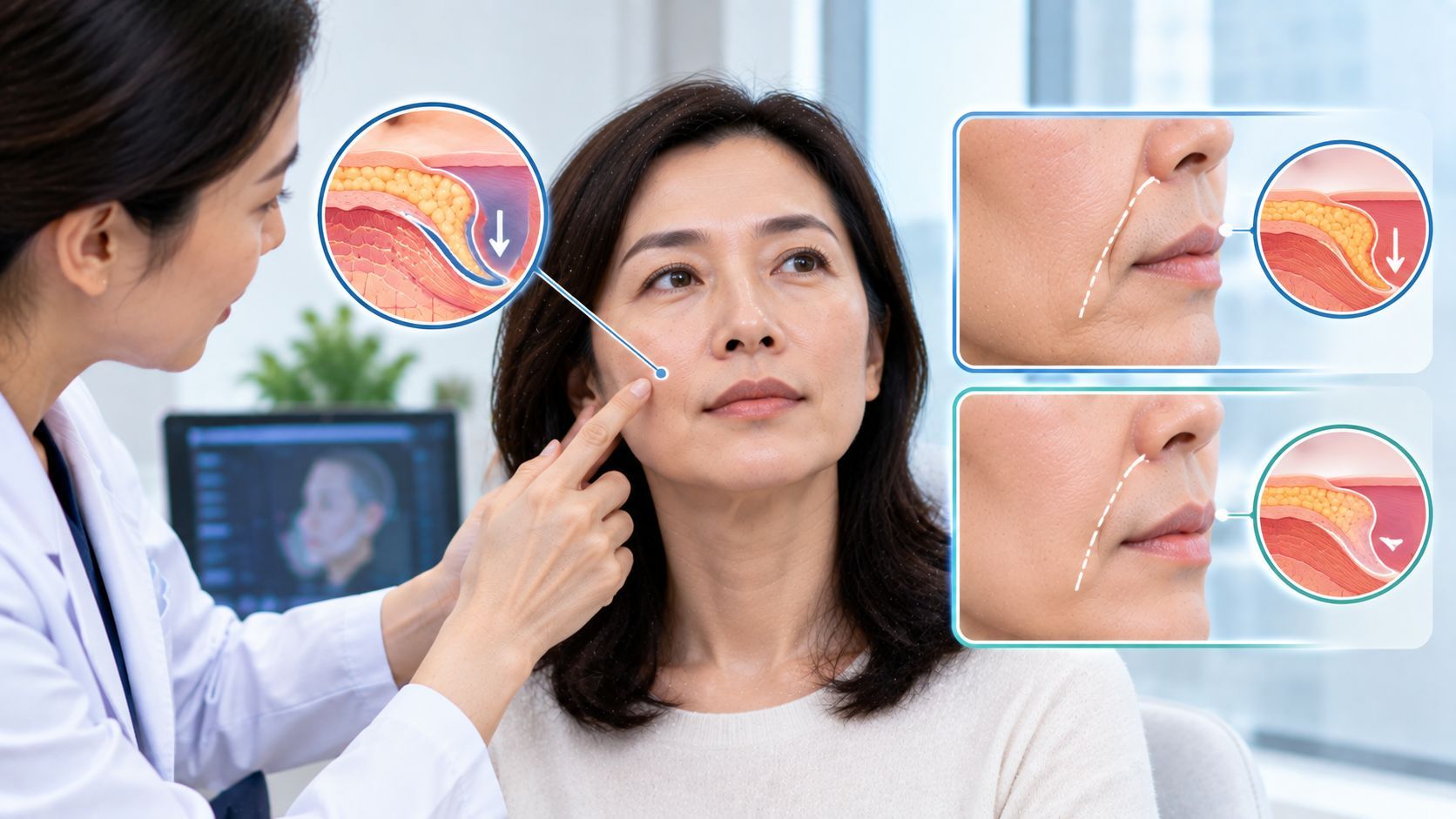
Unlike fillers that mainly affect volume and contour, Rejuran became especially known for improving:
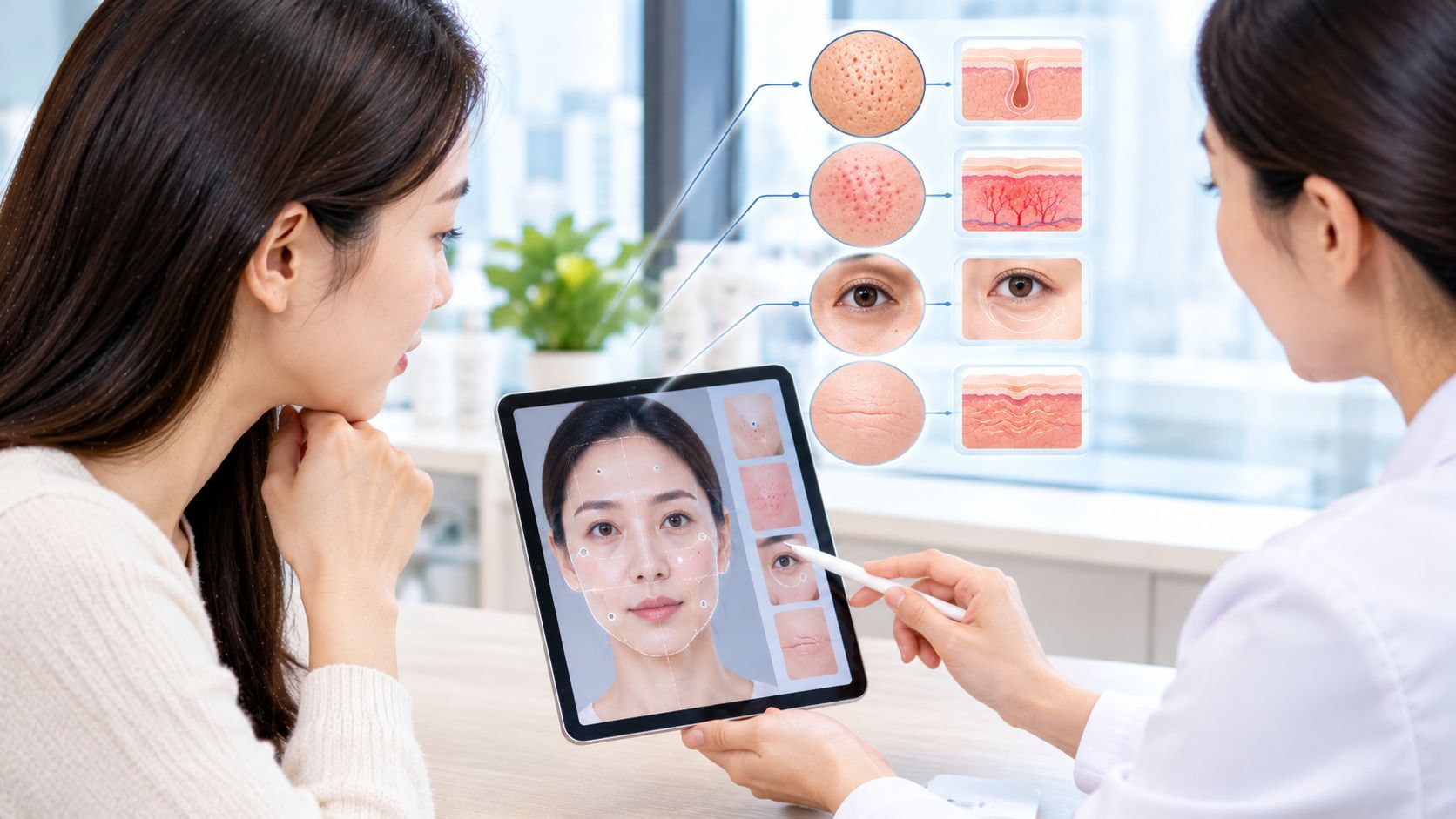
- Rough texture
- Enlarged pores
- Thin skin quality
- Acne scars
- Dullness
Patients often describe the results as skin looking healthier rather than obviously “treated.”
This subtle improvement style became highly desirable among Korean consumers.
Korean Clinics Frequently Combine Rejuran With Other Treatments
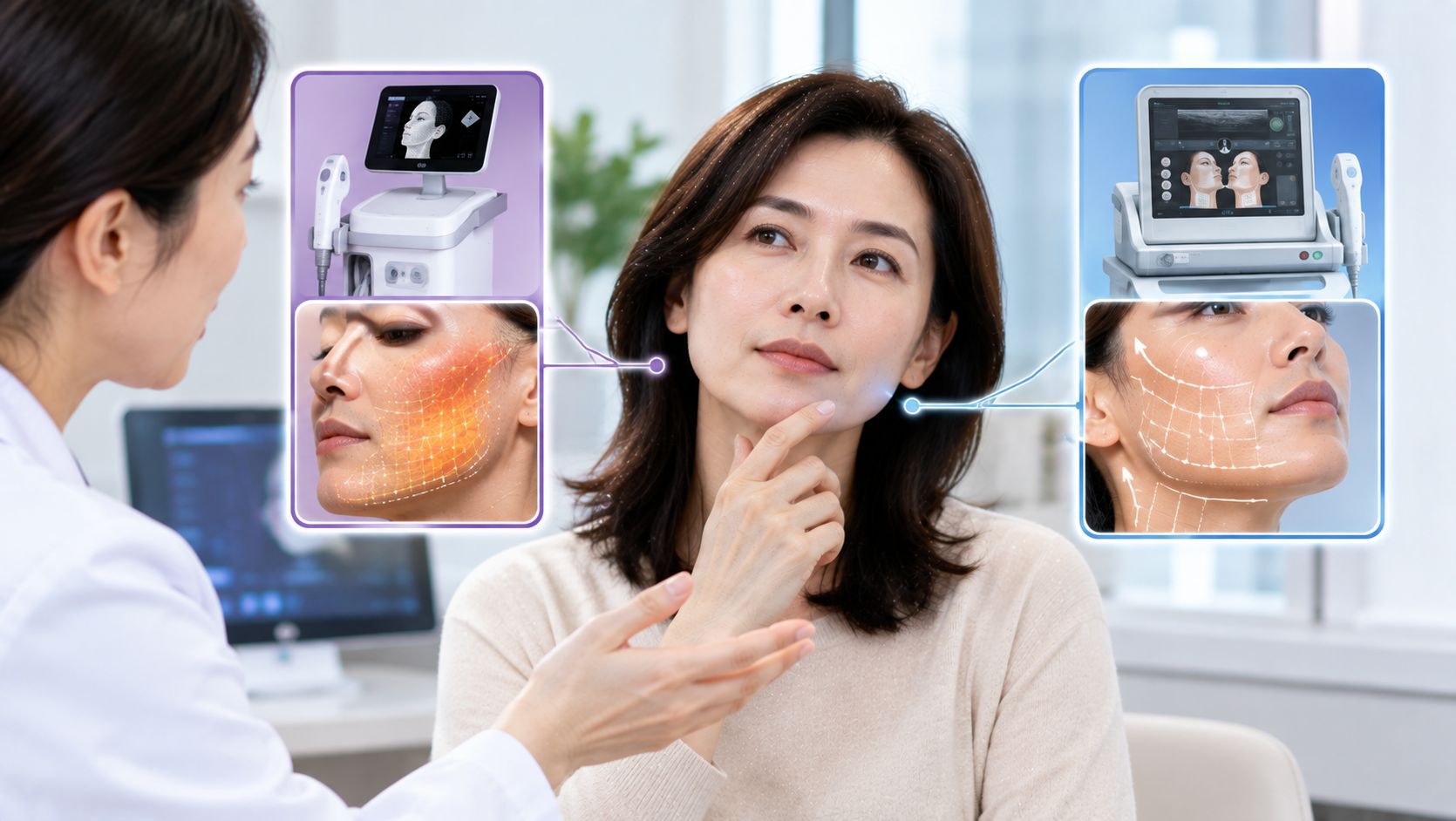
Another reason for Rejuran’s popularity is how easily it integrates into combination treatment programs.
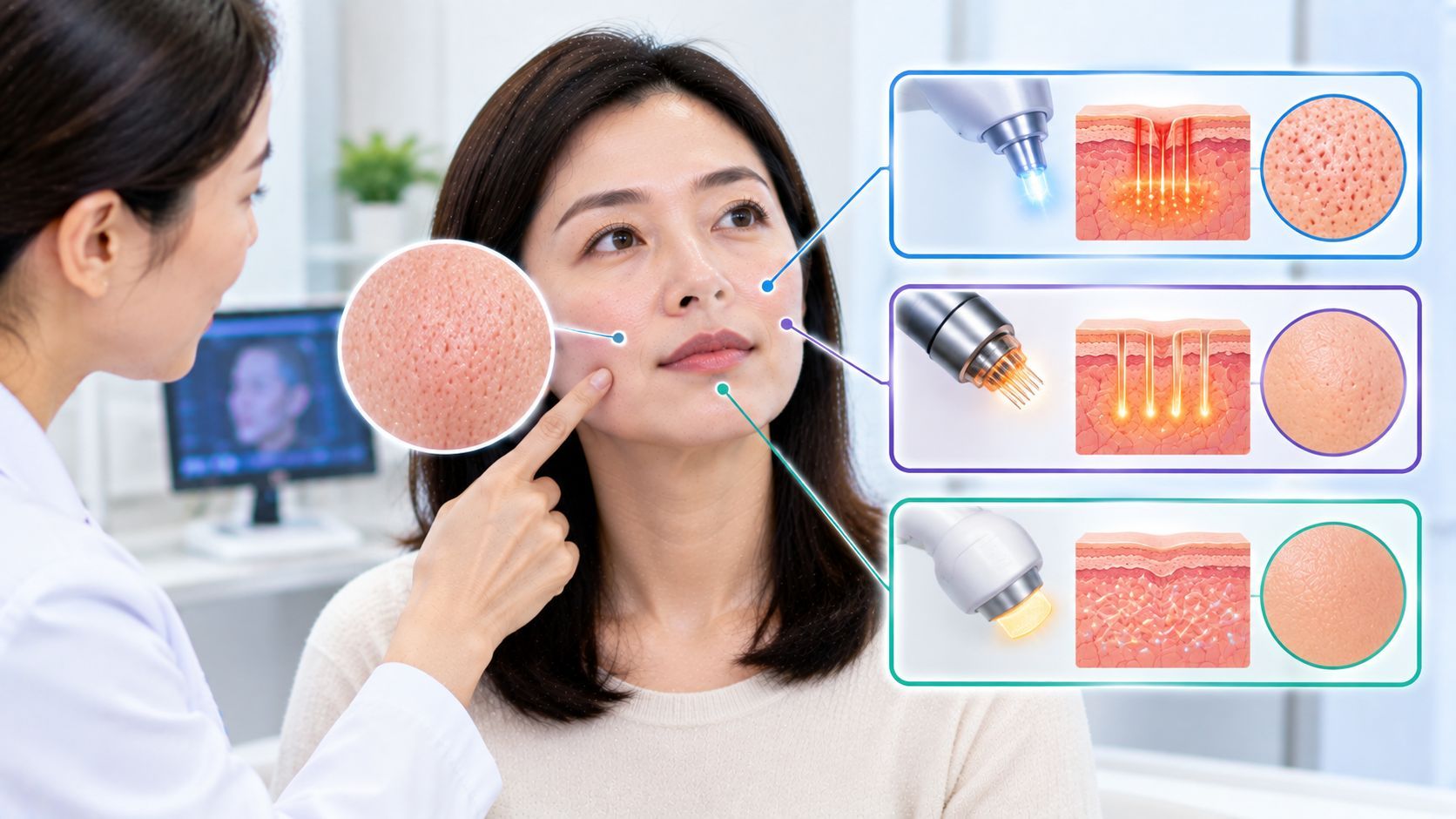
Clinics often combine it with:
- Laser toning
- RF microneedling
- Ultherapy
- Skin boosters
- LED recovery care
- Acne scar treatments
This layered approach allows clinics to target hydration, collagen, pigmentation, and elasticity simultaneously.
Social Media and Celebrity Influence Helped Drive Demand
Korean celebrities, influencers, and beauty content creators played a huge role in making Rejuran famous.
Patients increasingly associated the treatment with:
- Dewy skin
- Smooth makeup finish
- Youthful texture
- Luxury skincare maintenance
As more clinics promoted before-and-after skin quality improvements online, Rejuran quickly became one of the most recognized injectable names in Korean dermatology.
Why Foreign Patients Became Interested in Rejuran
Medical tourists became increasingly interested in Rejuran because the treatment was less widely available in some international markets.
Foreign patients were attracted by:
- Korea’s regenerative dermatology expertise
- Affordable pricing compared to some countries
- Advanced injection techniques
- Combination anti-aging programs
- Korean glass skin trends
Many foreigners visiting Seoul now specifically request Rejuran consultations alongside laser and lifting procedures.
Pain and Downtime Didn’t Stop Its Popularity
Rejuran is often considered more uncomfortable than many standard skin booster injections.
Common side effects include:
- Temporary swelling
- Injection bumps
- Redness
- Mild bruising
Despite this, demand continued growing because many patients believed the long-term skin-quality improvement justified the temporary discomfort.
Luxury Clinics and Budget Clinics Both Offer It
Rejuran became so mainstream in Korea that it is now available across nearly every clinic level.
Budget Clinics Usually Focus On:
- Promotional pricing
- Fast treatment sessions
- Package discounts
Premium Clinics Usually Focus On:
- Customized injection techniques
- Full-face regenerative planning
- Combination anti-aging strategies
- Personalized skin analysis
This wide availability helped make Rejuran one of Korea’s most commonly requested injectable treatments.
The Trend Shifted From Volume to Skin Quality
One of the biggest reasons for Rejuran’s success is the broader shift in Korean beauty standards.
Modern Korean dermatology increasingly prioritizes:
- Skin quality over dramatic contouring
- Natural aging prevention
- Collagen support
- Long-term maintenance
- Healthy texture
Rejuran became one of the treatments most strongly associated with this newer aesthetic philosophy.
Final Thoughts
Rejuran became Korea’s most requested injection because it matches modern Korean beauty trends focused on natural-looking skin quality, collagen stimulation, and preventive anti-aging. Rather than dramatically reshaping the face, the treatment aims to gradually improve texture, elasticity, hydration, and overall skin health. Combined with Korea’s highly developed dermatology industry and growing demand for regenerative treatments, Rejuran has become one of the defining injectable procedures in contemporary Korean aesthetics.