Why Korean Dermatologists Focus on Barrier Repair
Why Korean Dermatologists Focus on Barrier Repair
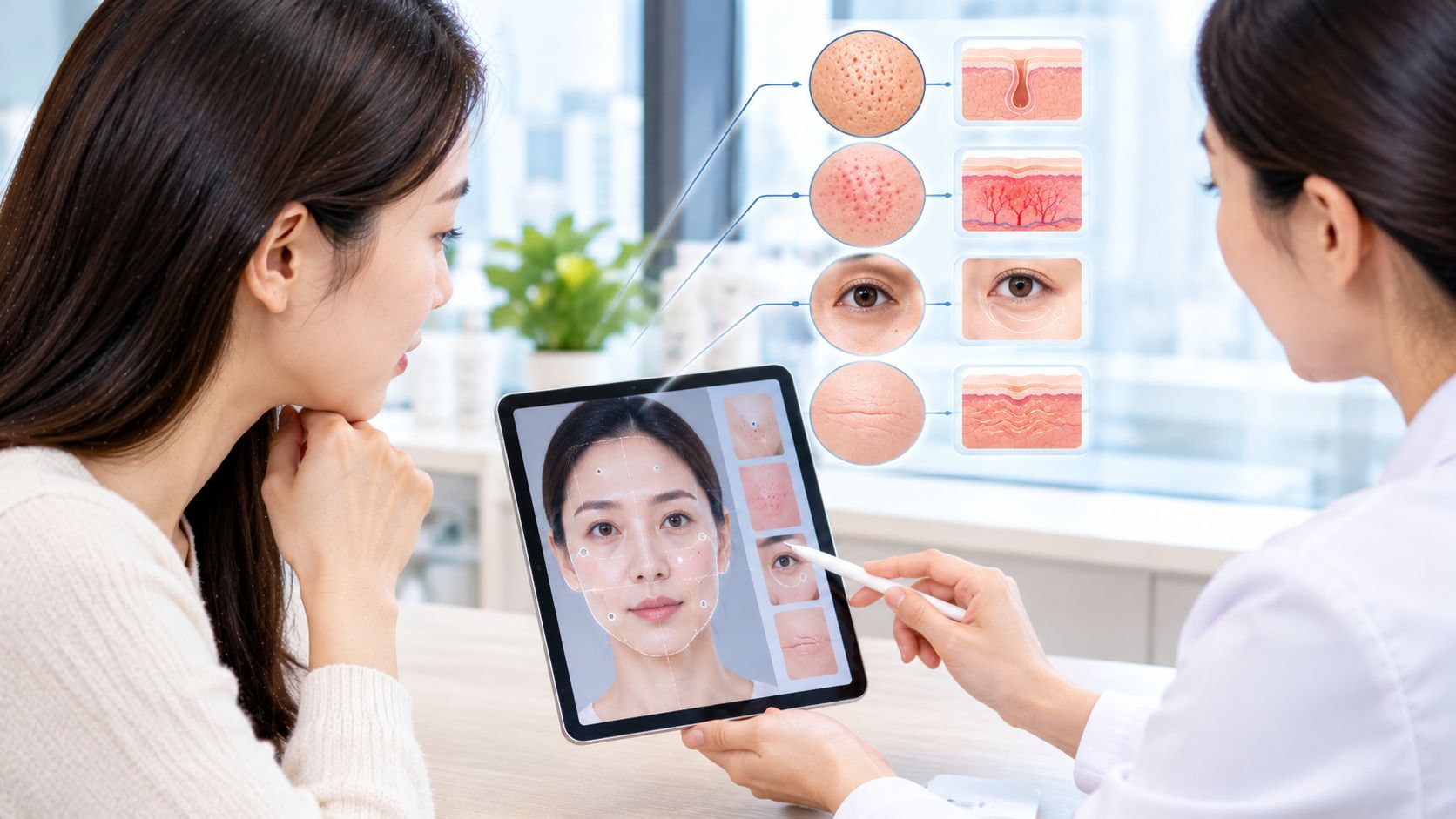
Skin barrier repair has become one of the most important foundations of Korean dermatology. In Seoul clinics, especially in high-volume areas like Gangnam, almost every treatment plan—whether for acne, pigmentation, redness, or aging—includes some form of barrier restoration. This is because Korean dermatologists view the skin barrier as the “control system” that determines how well the skin responds to treatments, heals after procedures, and maintains long-term stability.
The Skin Barrier Controls Overall Skin Behavior
In Korean dermatology, the skin barrier is not treated as a secondary concern—it is considered the foundation of all skin outcomes.
A healthy barrier helps regulate:
- Moisture retention
- Inflammation levels
- Sensitivity to external triggers
- Pigment activity
- Healing speed after treatments
When the barrier is weak, even simple treatments can lead to irritation, redness, or pigmentation rebound.
Most Skin Problems Start With Barrier Dysfunction
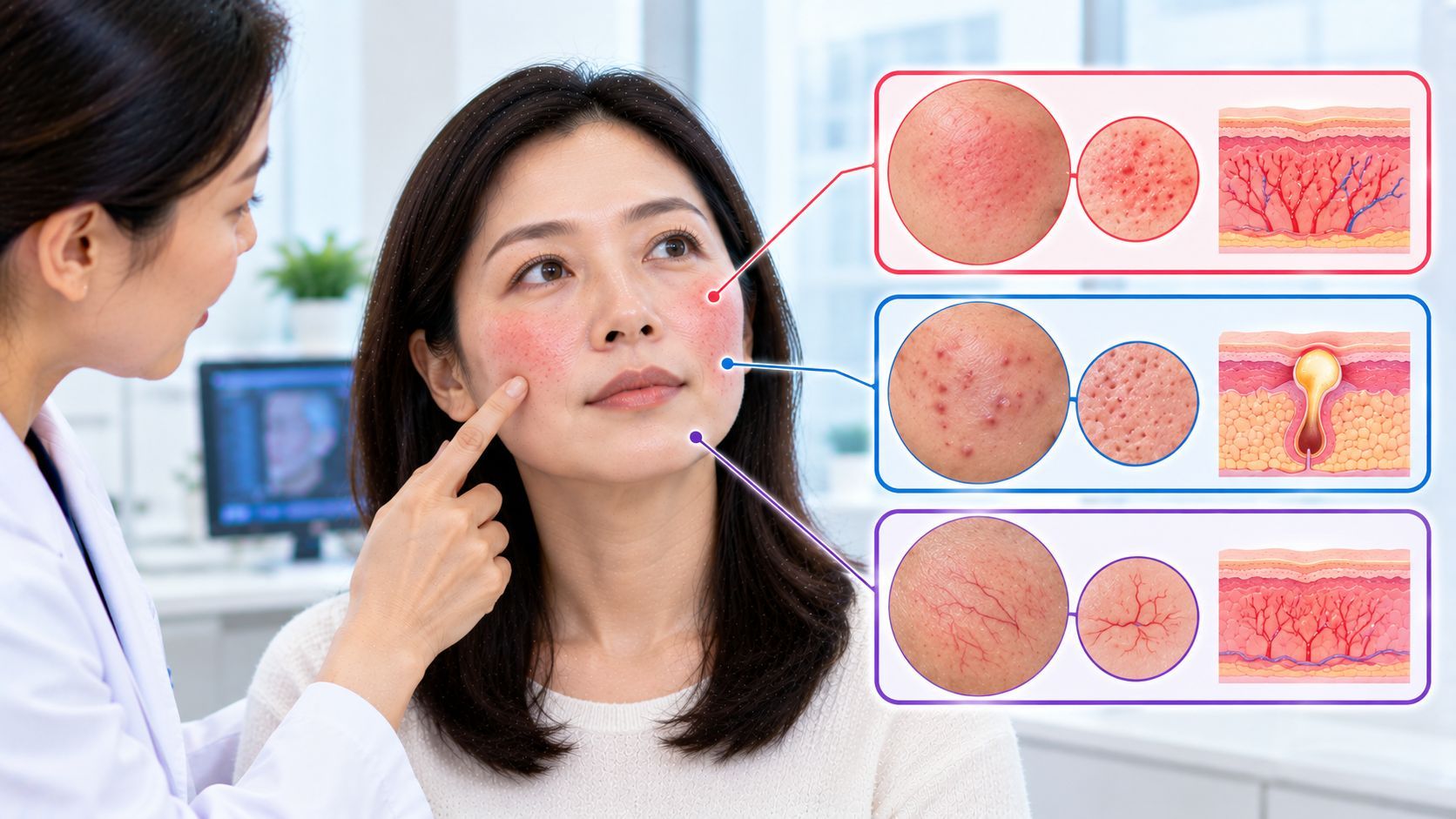
Korean dermatologists often trace common skin concerns back to barrier weakness.
This includes:
- Acne flare-ups due to inflammation
- Persistent redness and rosacea-like symptoms
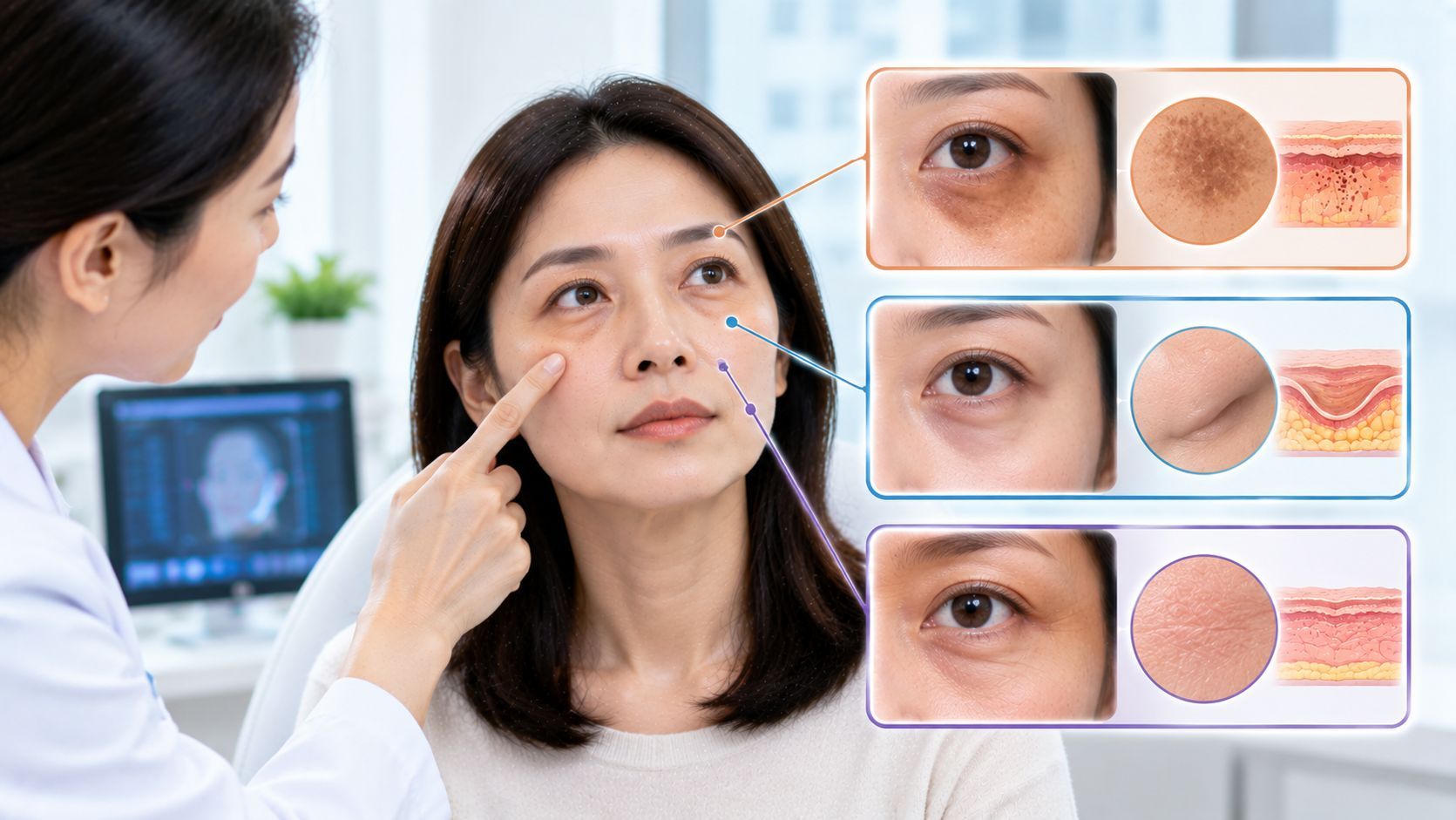
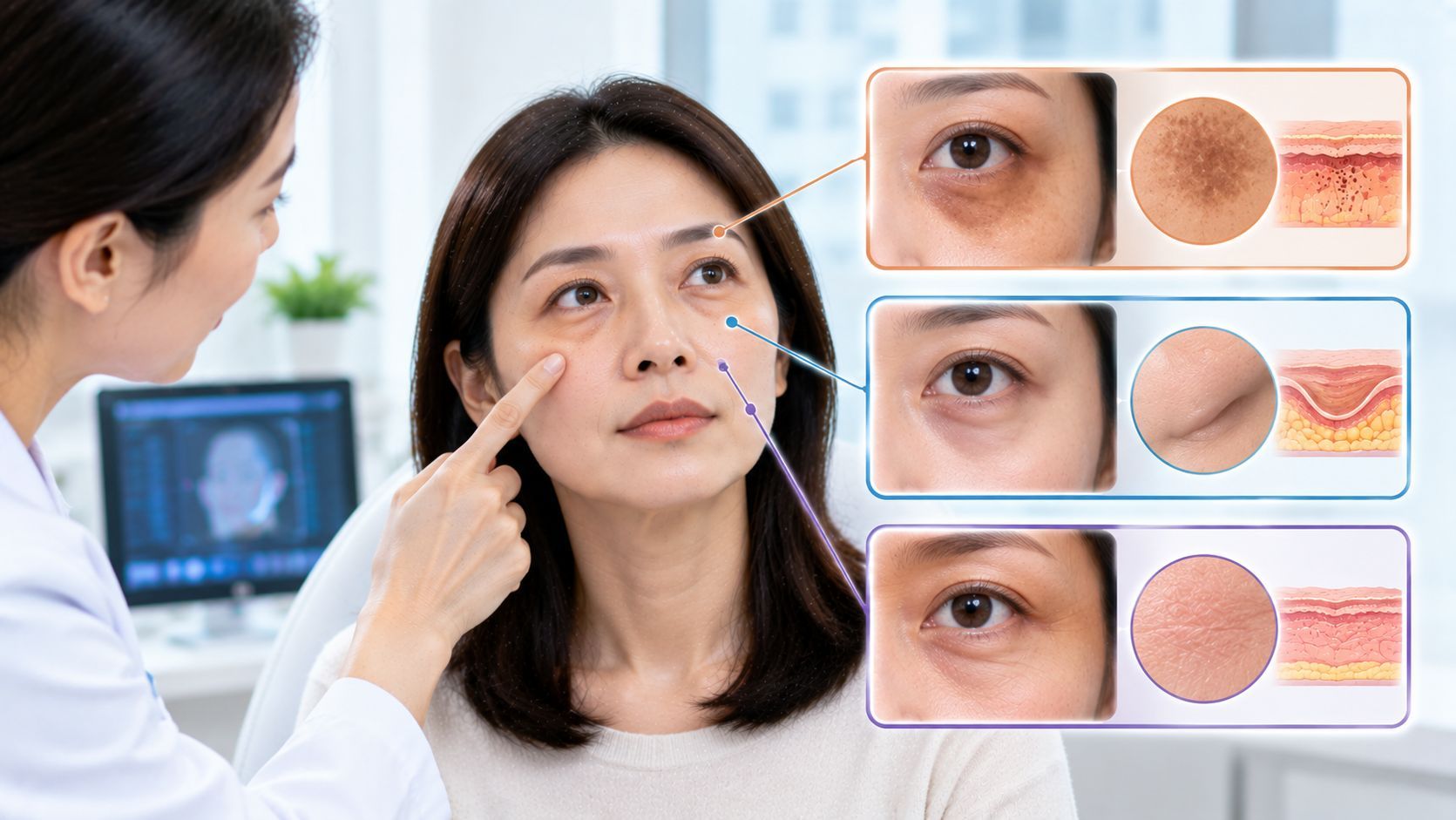
- Post-inflammatory hyperpigmentation (PIH)
- Sensitivity to skincare products
- Uneven texture and roughness
Instead of treating symptoms only, clinics focus on restoring barrier stability first.
Barrier Health Determines Laser Safety and Results
In Korean dermatology, laser treatments are always adjusted based on skin barrier condition.
If the barrier is compromised:
- Lower energy settings are used
- Longer recovery periods are required
- Treatment intensity is reduced
- More sessions are planned instead of one strong session
This approach reduces complications such as post-inflammatory pigmentation and irritation.
Aggressive Treatments Are Often Paired With Recovery Care
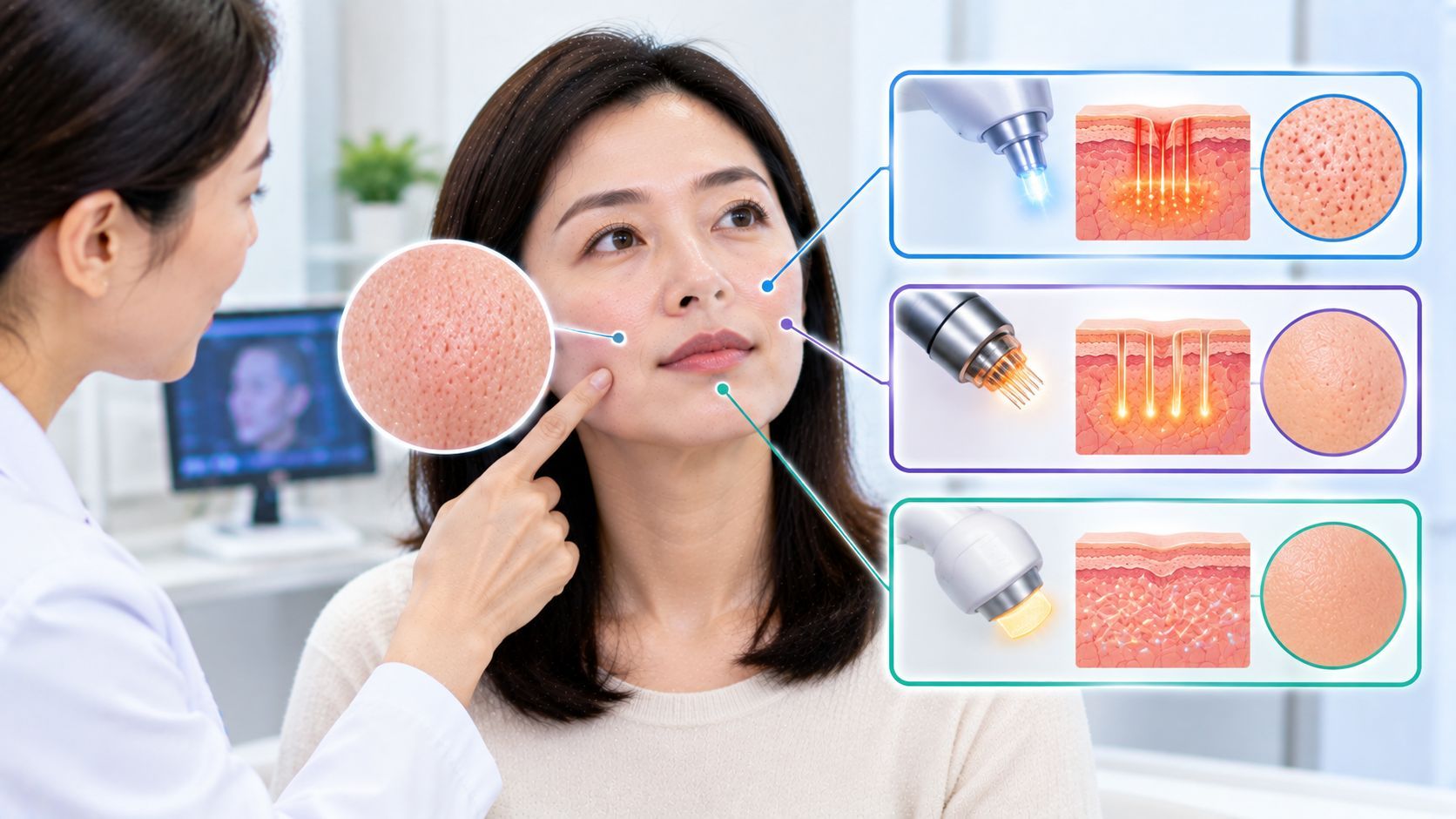
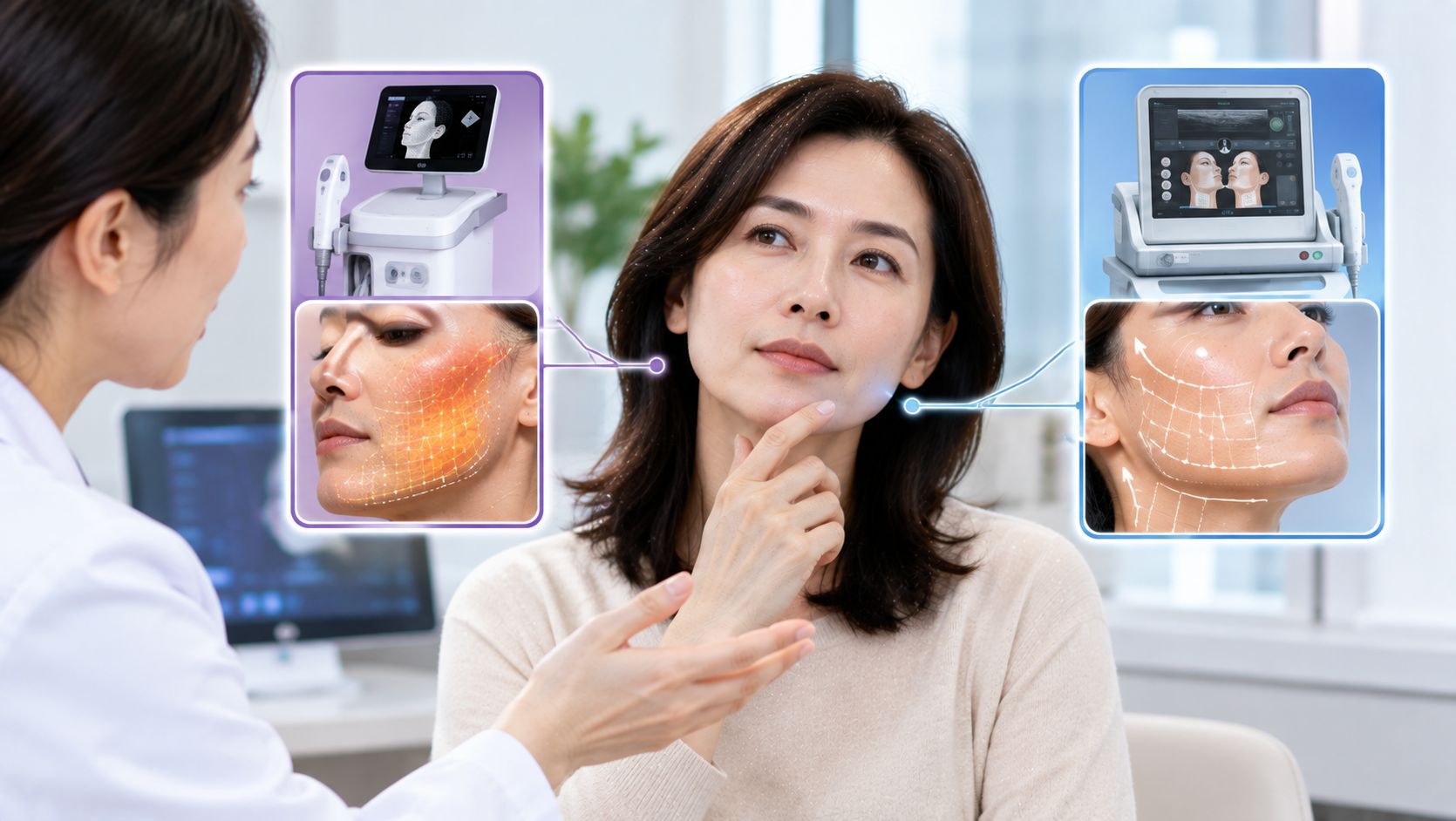
Even advanced procedures like fractional lasers, RF microneedling, or pigmentation lasers are rarely done alone in Korea.
They are typically paired with:
- Hydration skin boosters
- Rejuran or PN-based injectables
- Exosome therapy
- LED calming treatments
- Barrier-repair skincare routines
This ensures the skin recovers quickly and maintains stability after stimulation.
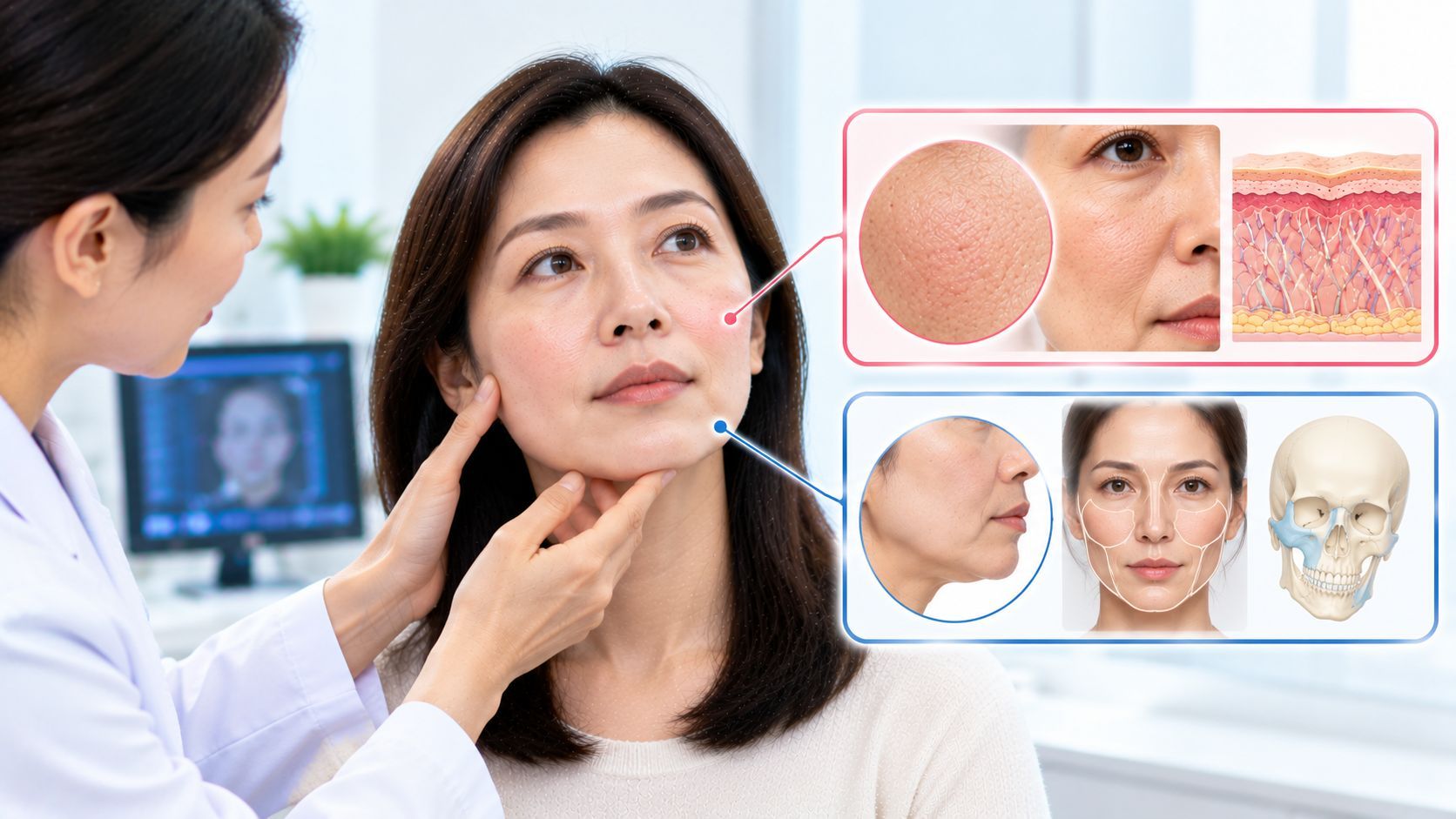
Barrier Repair Reduces Inflammation-Driven Aging
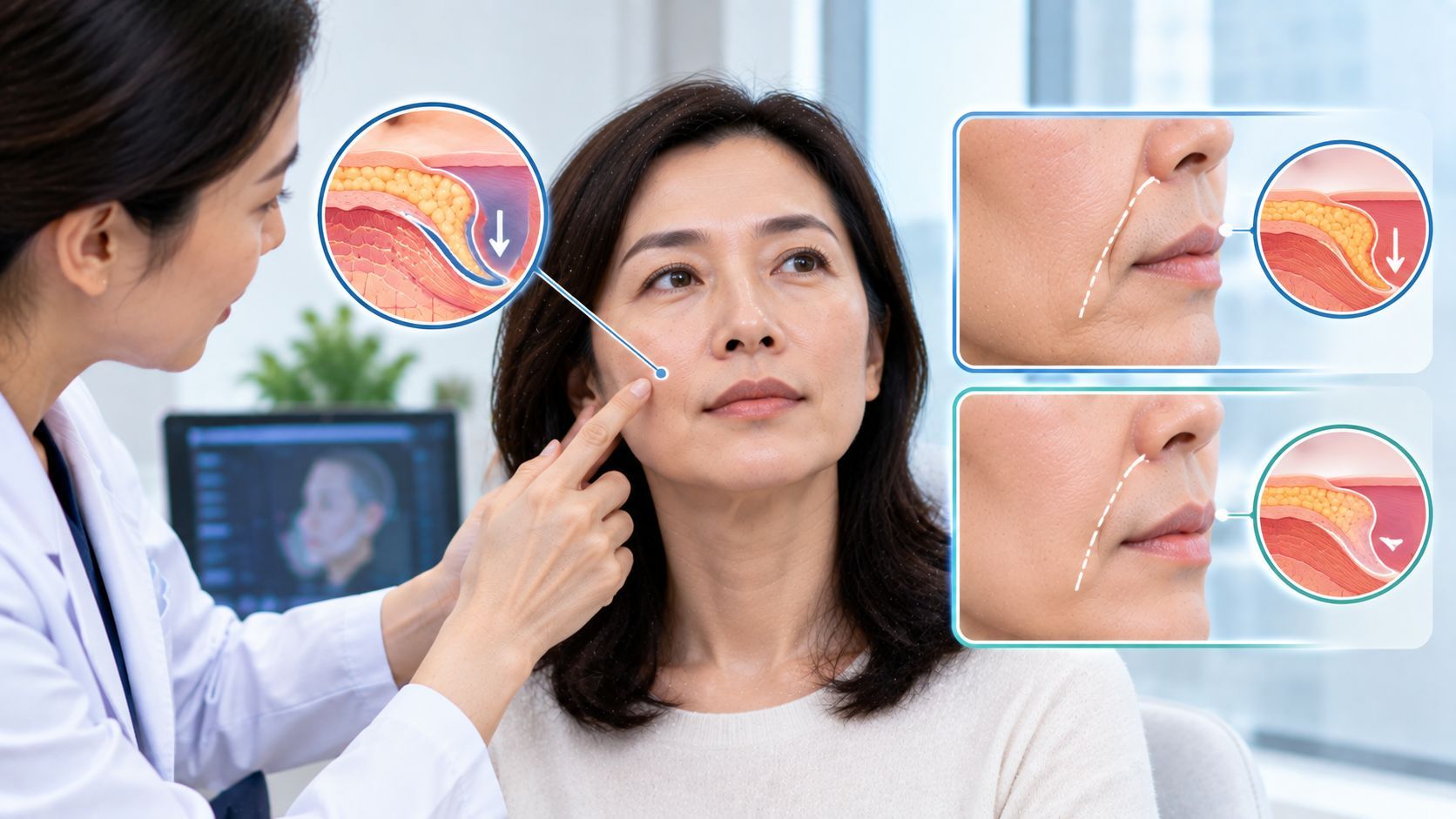
Chronic low-level inflammation is considered a major driver of skin aging in Korean dermatology.
A weak barrier can lead to:
- Collagen breakdown
- Increased sensitivity over time
- Faster wrinkle formation
- Dull and uneven skin tone
By strengthening the barrier, dermatologists aim to slow down inflammatory aging processes.
Better Barrier = Better Treatment Results
One of the key clinical observations in Korean dermatology is that patients with strong skin barriers respond better to all treatments.
Benefits include:
- Faster healing after lasers
- More consistent pigmentation improvement
- Reduced risk of rebound acne or redness
- Longer-lasting treatment results
This is why barrier repair is often treated before aggressive procedures.
Skin Boosters Are Central to Barrier Restoration
Injectable treatments play a major role in barrier-focused care in Korea.
Common options include:
- Rejuran (skin regeneration and repair)
- PDRN-based therapies
- Hyaluronic acid hydration boosters
- Exosome treatments for recovery
These improve hydration, repair micro-damage, and enhance overall skin resilience.
Simplifying Skincare Is Also Part of Treatment
Korean dermatologists often recommend reducing complexity in skincare routines during barrier recovery.
Typical guidance includes:
- Gentle cleansers only
- Fragrance-free moisturizers
- Minimal active ingredients
- Strict sun protection
- Avoiding over-exfoliation
The goal is to allow the skin to stabilize without unnecessary stimulation.
Barrier Repair Improves All Major Skin Concerns
Strengthening the skin barrier benefits nearly every dermatological issue treated in Korea:
- Acne becomes less inflamed
- Pigmentation becomes more stable
- Redness decreases over time
- Texture improves more consistently
- Skin becomes more resistant to future damage
This makes barrier repair a universal foundation across treatments.
Final Thoughts
Korean dermatologists focus heavily on barrier repair because the skin barrier determines how the skin reacts, heals, and maintains long-term stability. Rather than treating skin problems in isolation, Korean dermatology prioritizes restoring barrier function first to improve treatment safety, effectiveness, and durability. This foundation-first approach allows all other treatments—from lasers to injectables—to work more predictably and produce more stable, natural-looking results.