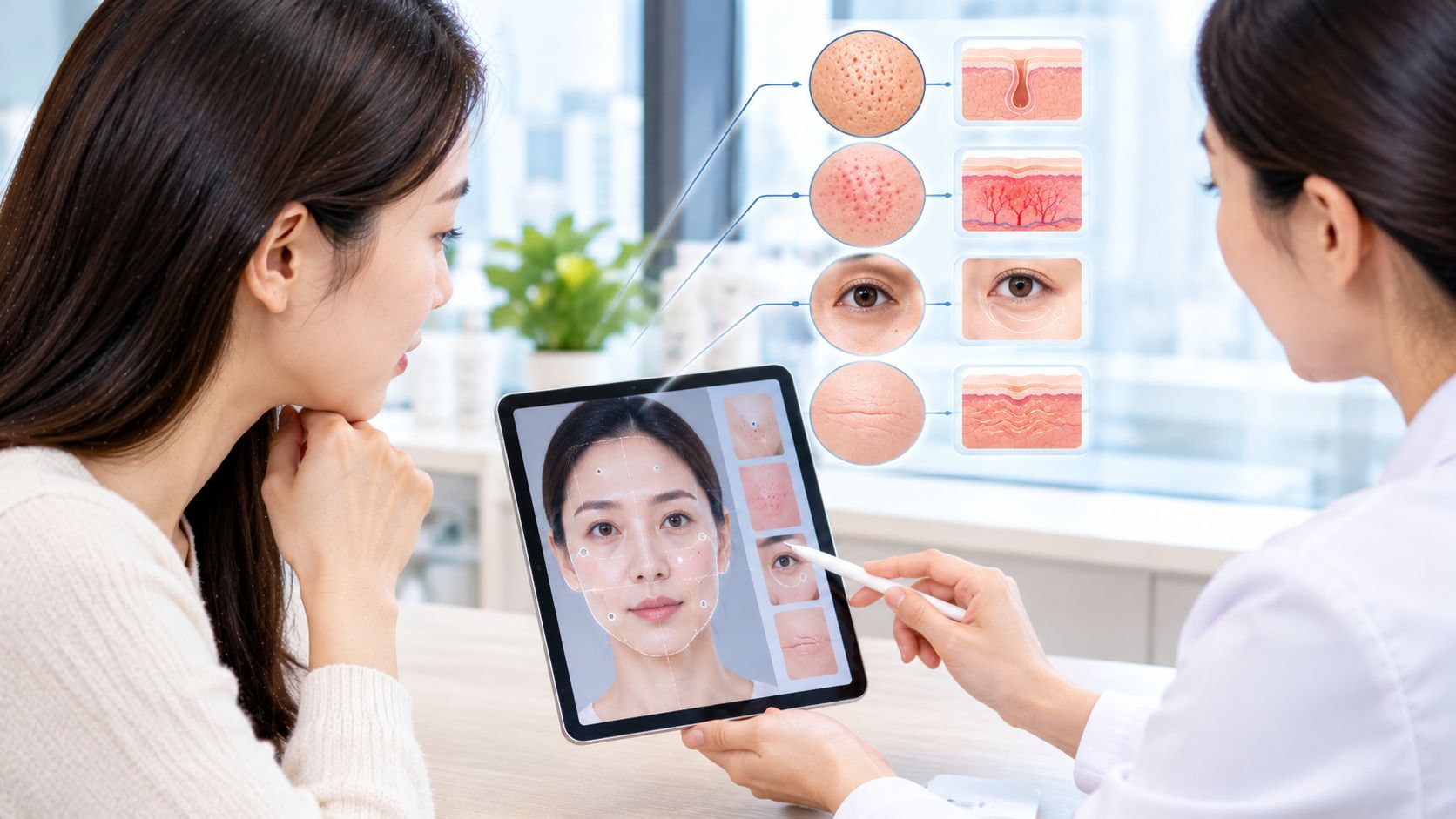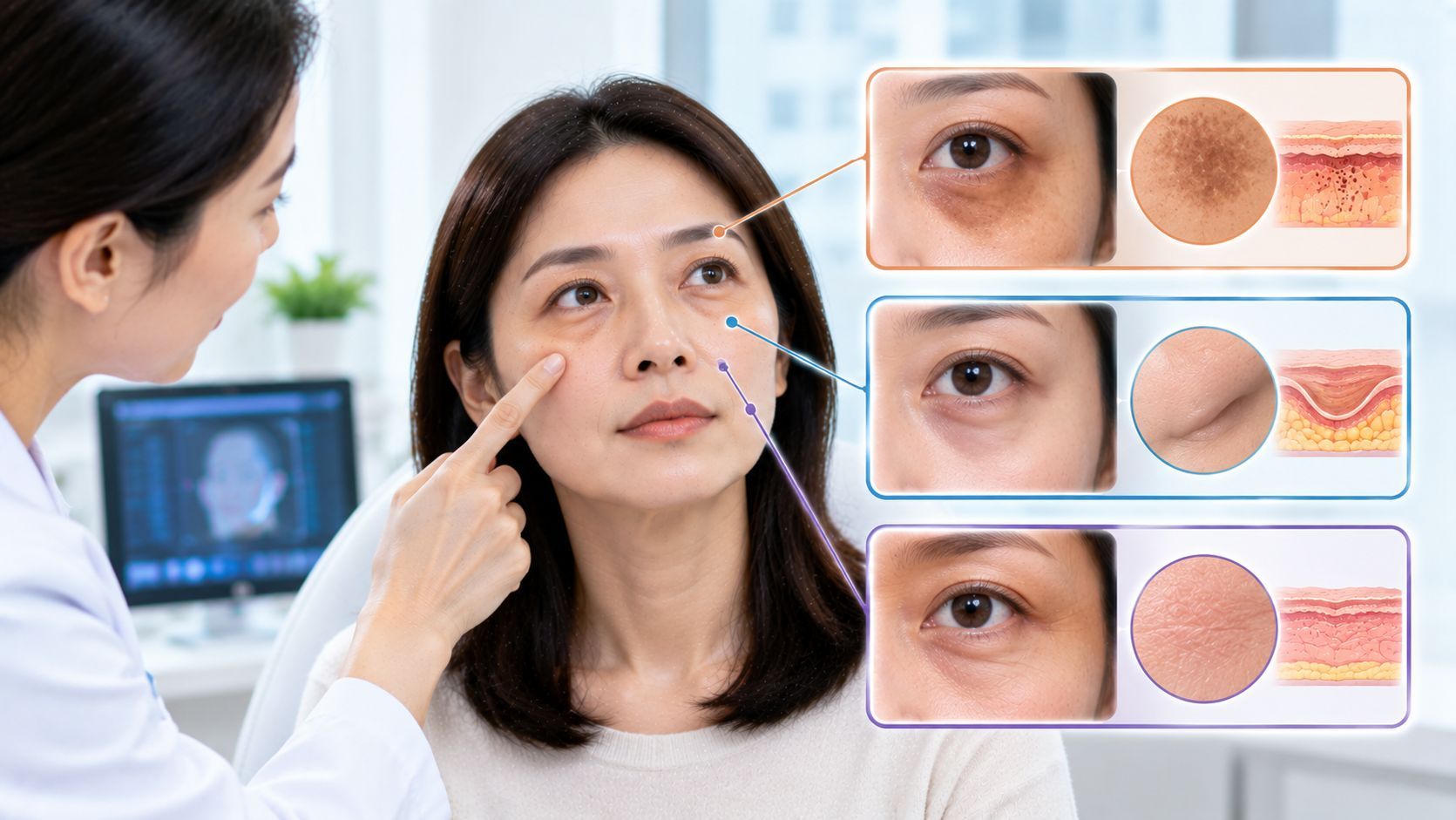
Can I Get Thermage if I Already Have Cheek Filler?
Introduction
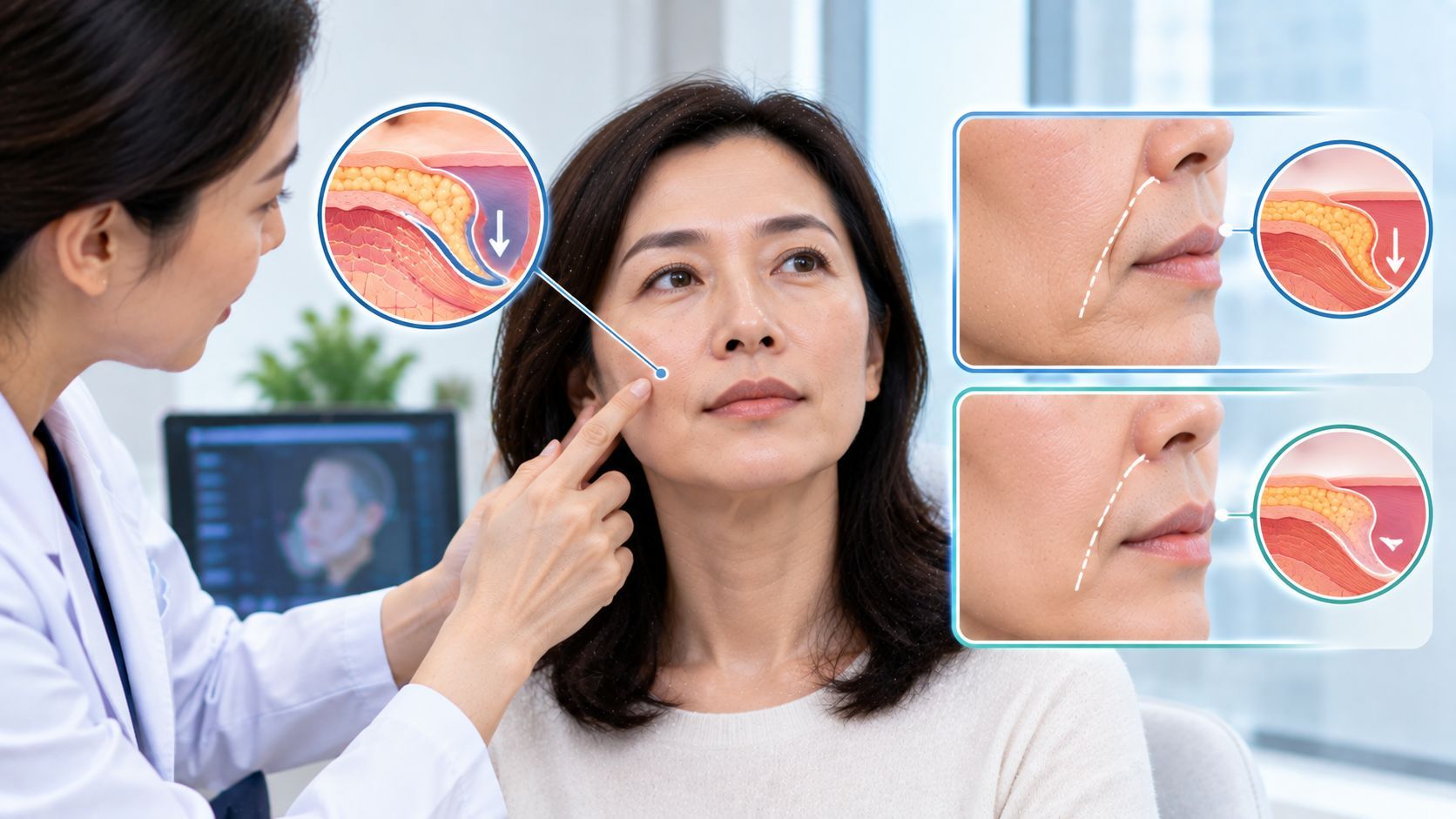
Yes, Thermage may be possible if you already have cheek filler, but the decision depends on the type of filler, where it was injected, how long ago it was placed, and the depth and treatment parameters of the Thermage procedure.
Having facial filler does not automatically mean that you cannot undergo radiofrequency (RF) skin tightening. However, your injector or dermatologist should know about all previous filler treatments before treating the area. Published consensus recommendations for combined aesthetic procedures emphasize reviewing previous fillers and energy-based treatments as part of the pre-treatment assessment.
For someone who has cheek filler and is considering Thermage in Seoul, the important question is not simply “Do I have filler?” but rather “Where is the filler, what is it made of, and where will the RF energy be delivered?”
What Is Thermage?
Thermage is a non-invasive monopolar radiofrequency treatment designed to heat tissue and stimulate changes associated with collagen remodeling and skin tightening.
Unlike a filler, Thermage does not add volume. Instead, it uses RF energy to deliver controlled heat to tissue.
This means the two treatments address different concerns:
- Cheek filler: primarily adds or restores volume and contour.
- Thermage: primarily targets skin firmness and laxity.
- Filler + Thermage: may sometimes be used as part of a broader facial-rejuvenation plan.
The combination therefore isn't inherently contradictory, but treatment planning matters.
Does Thermage Destroy Cheek Filler?
Current evidence does not support the simple idea that RF automatically “melts” every type of facial filler.
A controlled pilot study evaluated RF treatment over areas containing hyaluronic-acid filler and calcium hydroxylapatite. In that small study, RF applied two weeks after injection did not produce gross morphological changes in the filler or surrounding tissue, although slightly increased temporary pain was reported when RF was delivered over filler.
Laboratory and cadaveric research also suggests that filler composition, thickness, location, and the type of energy treatment can influence how heat interacts with injected materials. One study found no visible changes in several filler materials after controlled thermal exposure, but the authors emphasized that these experimental findings cannot substitute for clinical evidence across all devices and treatment settings.
Therefore, it would be inaccurate to say that Thermage either always damages filler or can never affect it.
What If My Cheek Filler Is Hyaluronic Acid?
Hyaluronic acid (HA) is one of the most commonly used facial filler materials.
If your cheek filler is HA, the dermatologist should still know:
- Which product was used
- When it was injected
- Where it was placed
- Approximately how much was injected
- Whether additional filler was placed later
- Whether you have experienced swelling, lumps, or migration
This information can help the clinician decide how to approach the treatment area.
Importantly, having HA filler does not automatically mean that it needs to be dissolved before Thermage.
If the filler is producing a satisfactory contour and there is no medical or aesthetic reason to remove it, automatically dissolving it simply because you want RF treatment may not be necessary.
How Long Should I Wait Between Filler and Thermage?
There is no single waiting period that applies to every patient, because the appropriate interval depends on the filler, treatment area, treatment intensity, and clinical circumstances.
A major consideration is allowing the injection site to settle before introducing another procedure.
If your filler was injected very recently and you still have:
- Significant swelling
- Tenderness
- Bruising
- Firmness
- Lumps
- Uncertain final contour
it may be reasonable to wait until the filler has stabilized and the clinician can properly assess the area.
Expert consensus on combined aesthetic treatments has recommended spacing consecutive procedures when appropriate so that treatment-related side effects can resolve and the results can be assessed.
Your treating clinician should determine the timing rather than relying on a universal number of days.
Can Thermage Change How My Cheek Filler Looks?
It is possible for the appearance of the face to change after skin-tightening treatment, but that does not necessarily mean the filler has been damaged.
Several factors can affect the appearance of the cheeks:
Temporary Swelling
After an energy-based treatment, temporary swelling can alter facial contours. This may make an area look fuller or slightly different before it settles.
Changes in Skin Tightness
If the overlying skin becomes firmer, the relationship between skin and underlying volume may look different.
Existing Filler Distribution
Older filler may not remain exactly where it was originally placed. Filler can persist longer than patients expect, and late filler-related changes can sometimes contribute to contour irregularities.
Natural Aging
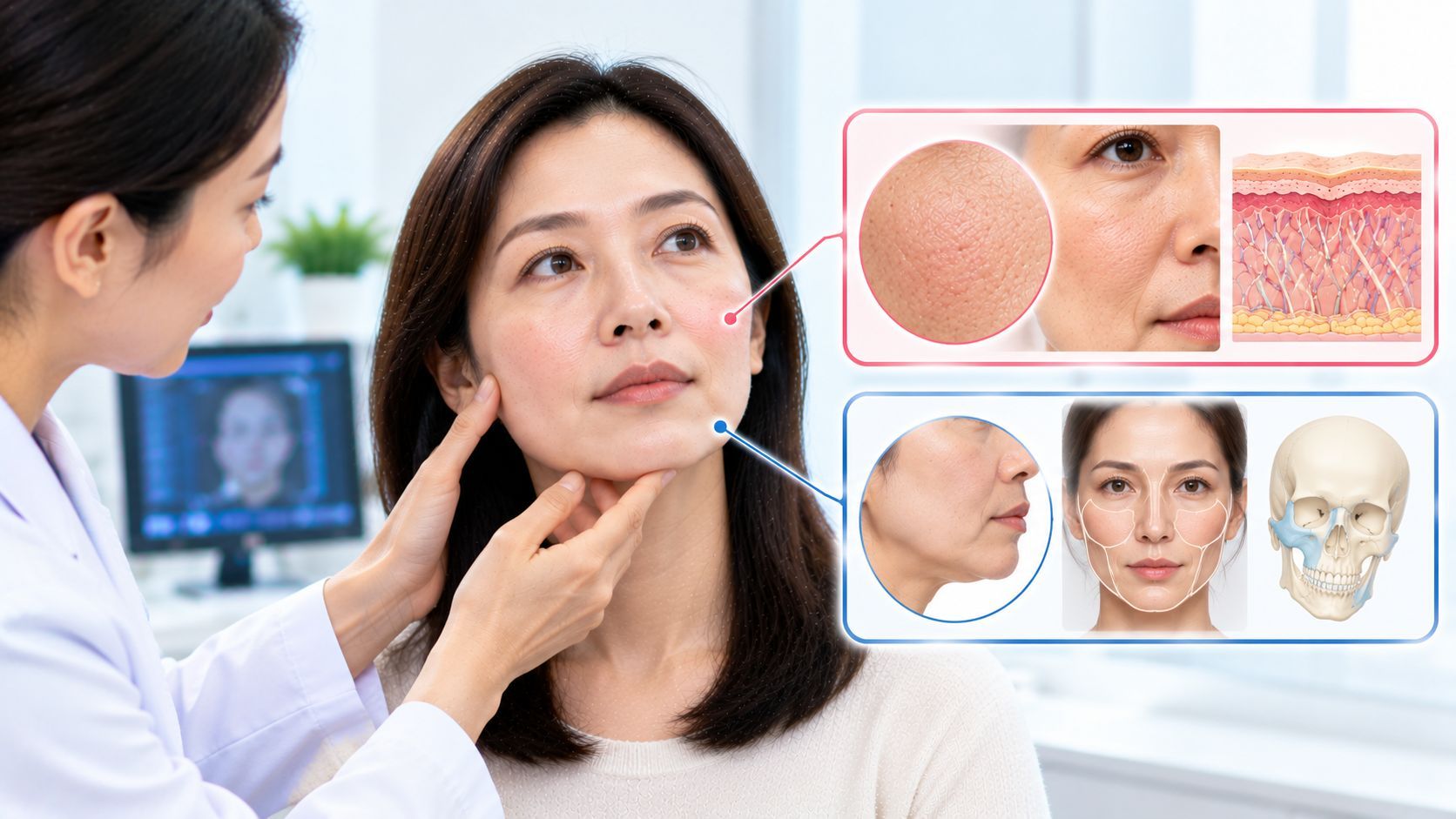
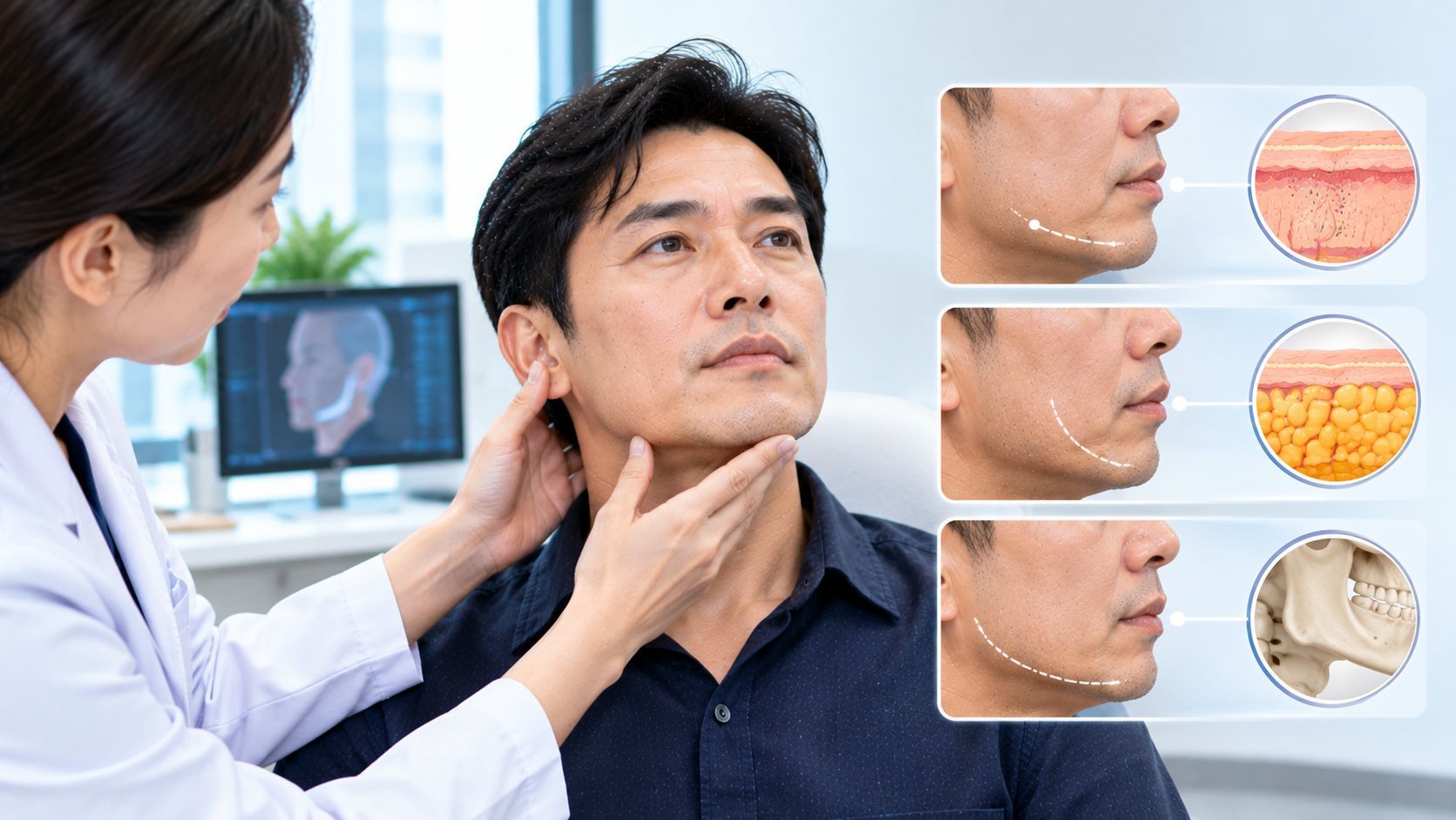
If the filler was placed several years ago, your face has continued to age around it. Changes in fat compartments, skin laxity, bone structure, and tissue support can affect the overall appearance independently of the filler.
Should I Dissolve My Cheek Filler Before Thermage?
Not automatically.
Dissolving should generally be considered because there is a reason to remove or reduce the filler—not simply because you are planning a tightening treatment.
For HA filler, hyaluronidase can be used medically to break down HA filler in appropriate circumstances. However, treatment should be individualized because filler complications and correction procedures carry their own considerations.
If your cheek filler looks natural and you are happy with the volume, the more relevant question may be whether Thermage can be planned around the existing filler.
If the filler is already causing:
- Excessive cheek volume
- Asymmetry
- Migration
- Persistent swelling
- Unwanted heaviness
- Palpable lumps
then the clinician may recommend addressing the filler issue separately.
What If I Have Very Old Cheek Filler?
Old filler deserves particular attention because you may not know exactly how much remains.
Patients sometimes assume that filler completely disappears after its advertised duration. In reality, persistence can vary by product, location, individual factors, and imaging findings.
If you have undergone multiple injections over several years, your clinician may not be able to determine the current filler location simply from your treatment history.
In uncertain cases, high-frequency ultrasound can be useful.
A 2025 international expert consensus recommends identifying previous fillers before injecting in relevant circumstances, and ultrasound can help visualize filler deposits and surrounding structures.
Would an Ultrasound Scan Help Before Thermage?
It can be useful in selected situations, although it is not necessarily required for every person with previous filler.
Ultrasound may be particularly helpful when:
- You don't remember the filler product
- You have had several filler treatments
- You suspect residual filler remains
- You have unexplained facial swelling
- You have palpable lumps
- The location of old filler is uncertain
- You are planning additional injections
- There is concern about a previous filler complication
Research has shown that ultrasound can identify previous HA filler and help visualize filler deposits and vascular structures.
For international patients, this can be especially useful when treatment records from previous clinics are incomplete.
What Should I Tell a Seoul Clinic Before Thermage?
If you are traveling to Korea for Thermage, provide as much previous treatment information as possible.
Bring or send:
- The filler brand, if known
- The date of injection
- The approximate amount used
- The treated areas
- Previous treatment records
- Before-and-after photographs
- Information about any previous complications
- Details of other energy-based treatments
If you don't know the product, simply tell the clinic that you are unsure.
Do not assume that an old filler is gone just because several years have passed.
When Should Thermage Be Delayed?
A clinician may decide to postpone treatment if there is an unresolved issue involving the filler or skin.
Examples include:
- Active infection
- Significant unexplained swelling
- New painful nodules
- Significant inflammatory reaction
- Uncertain facial anatomy requiring further assessment
- Very recent filler with substantial swelling
- A need to clarify what material remains in the treatment area
The correct approach depends on the clinical examination.
What If I Want Both Filler and Thermage?
A combination plan can sometimes address different aspects of facial aging.
For example:
Volume problem → filler
Skin laxity → RF tightening
Surface texture → resurfacing or other skin-quality treatment
The important point is to avoid treating every visible change with more volume.
A thorough facial assessment should come first. Expert consensus on combining fillers and energy-based treatments emphasizes individualized planning and appropriate sequencing rather than treating every modality as interchangeable.
Conclusion
Having cheek filler does not automatically prevent you from getting Thermage. RF treatment and cheek filler address different aspects of facial aging, and available evidence does not support the idea that Thermage simply melts or destroys all facial filler.
However, treatment should be planned around the type, location, age, and current condition of the filler. If your filler is recent, you have unexplained swelling or lumps, or you do not know what product was previously injected, additional assessment may be appropriate.
For patients traveling to Seoul, bringing previous treatment records—or considering ultrasound assessment when the filler location is uncertain—can make treatment planning more precise.
FAQs
Can I get Thermage if I have cheek filler?
Often, yes. Existing filler is not automatically a contraindication, but the treating clinician should know where and when the filler was placed and what material was used.
Will Thermage melt my cheek filler?
There is no evidence that Thermage universally melts facial filler. The interaction depends on the filler material, location, treatment parameters, and tissue depth.
Should I dissolve cheek filler before Thermage?
Not automatically. If the filler is satisfactory and there is no specific reason to remove it, dissolving it solely because you want Thermage may not be necessary.
What if I don't know which cheek filler I had?
Tell the clinic that the product is unknown. If the location or composition of old filler is uncertain, ultrasound imaging may sometimes help identify retained filler before additional procedures.
Can Thermage make my cheeks look different if I have filler?
Temporary swelling and changes in skin tightness can alter how the cheeks look during recovery. A visible change does not automatically mean the filler has been damaged.
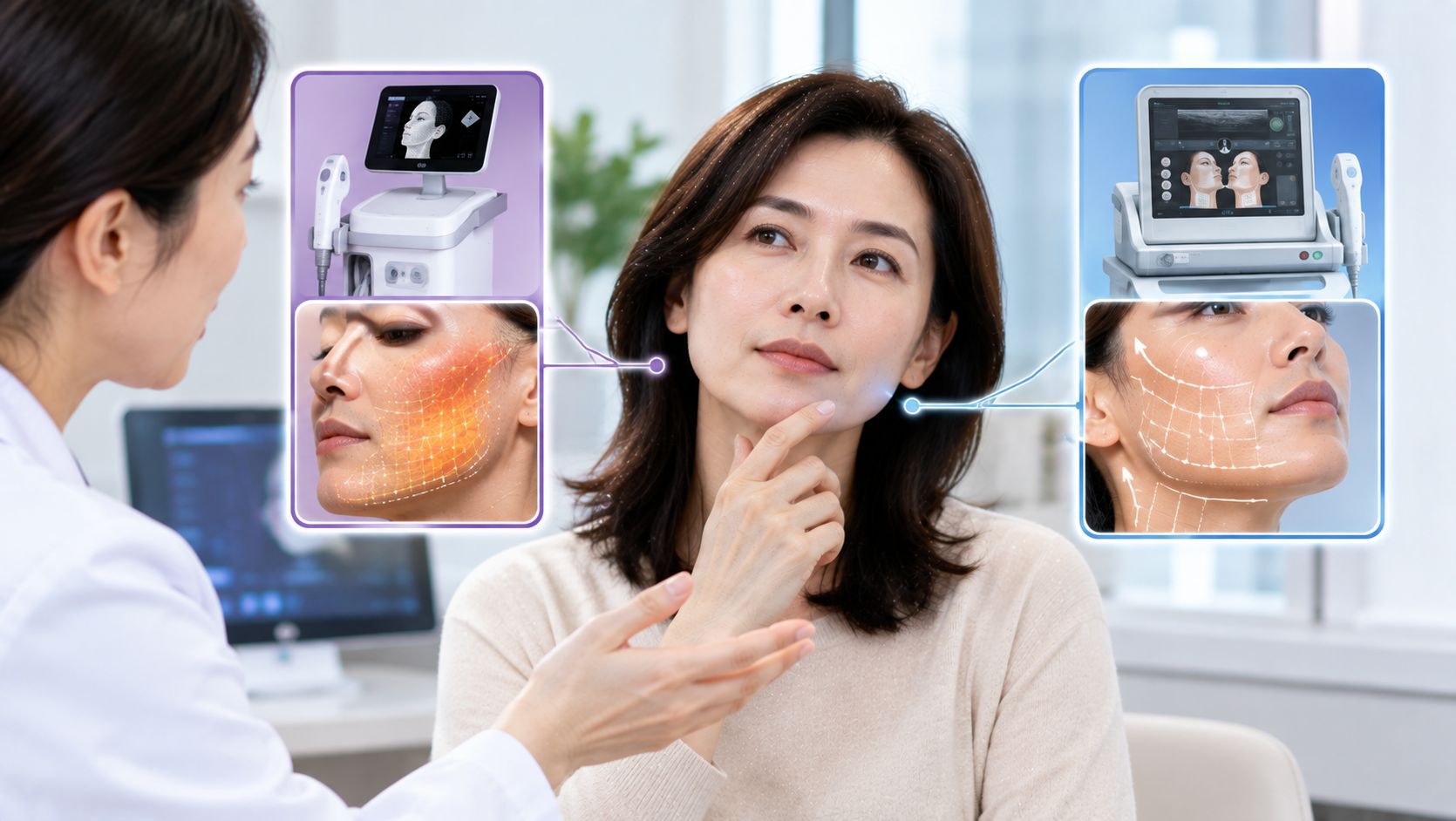
Is Thermage safer than HIFU over filler?
It is not appropriate to declare one modality universally safer over filler. Thermage and ultrasound-based treatments deliver energy differently, and device settings, treatment depth, filler location, and technique all matter.