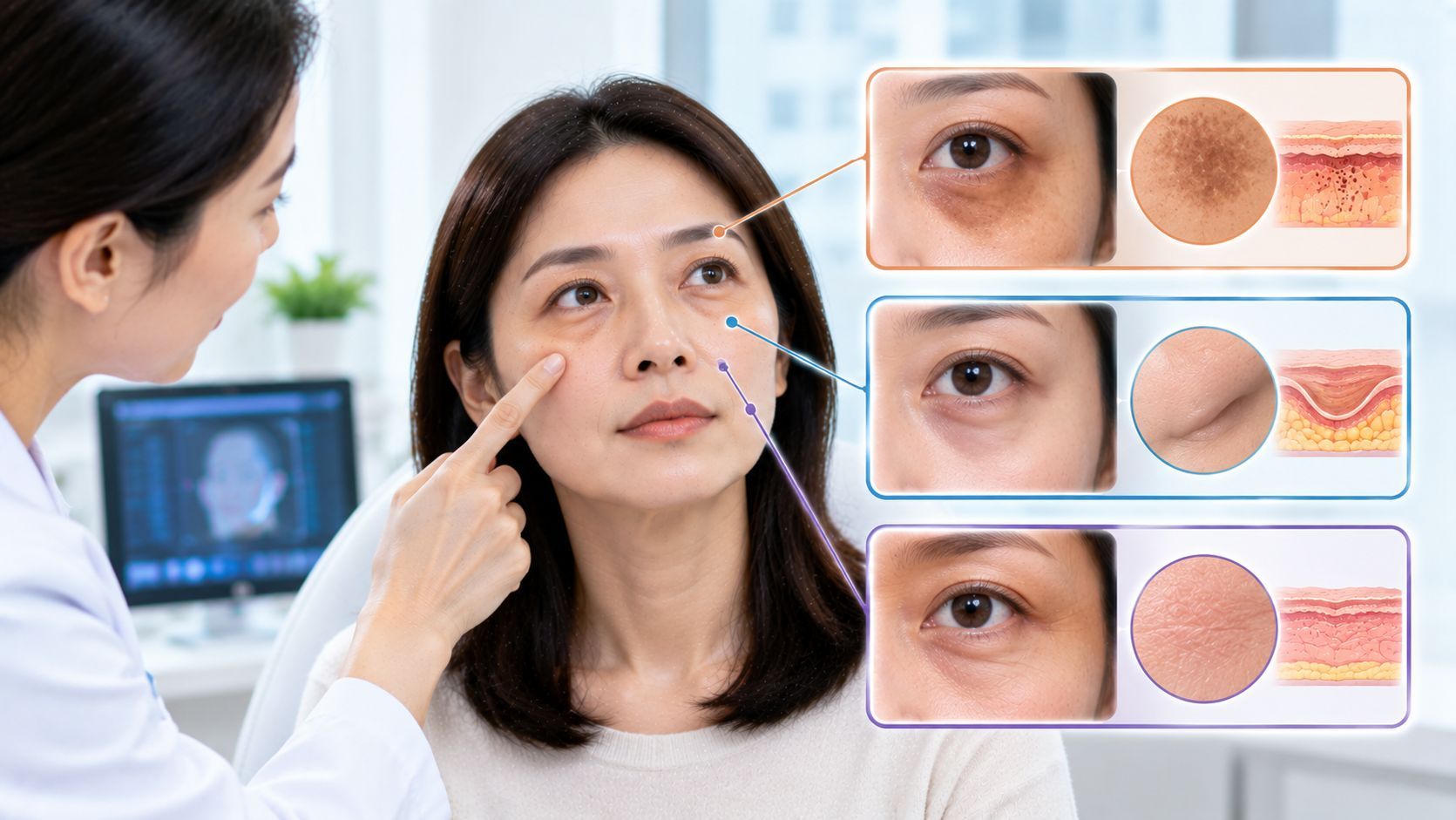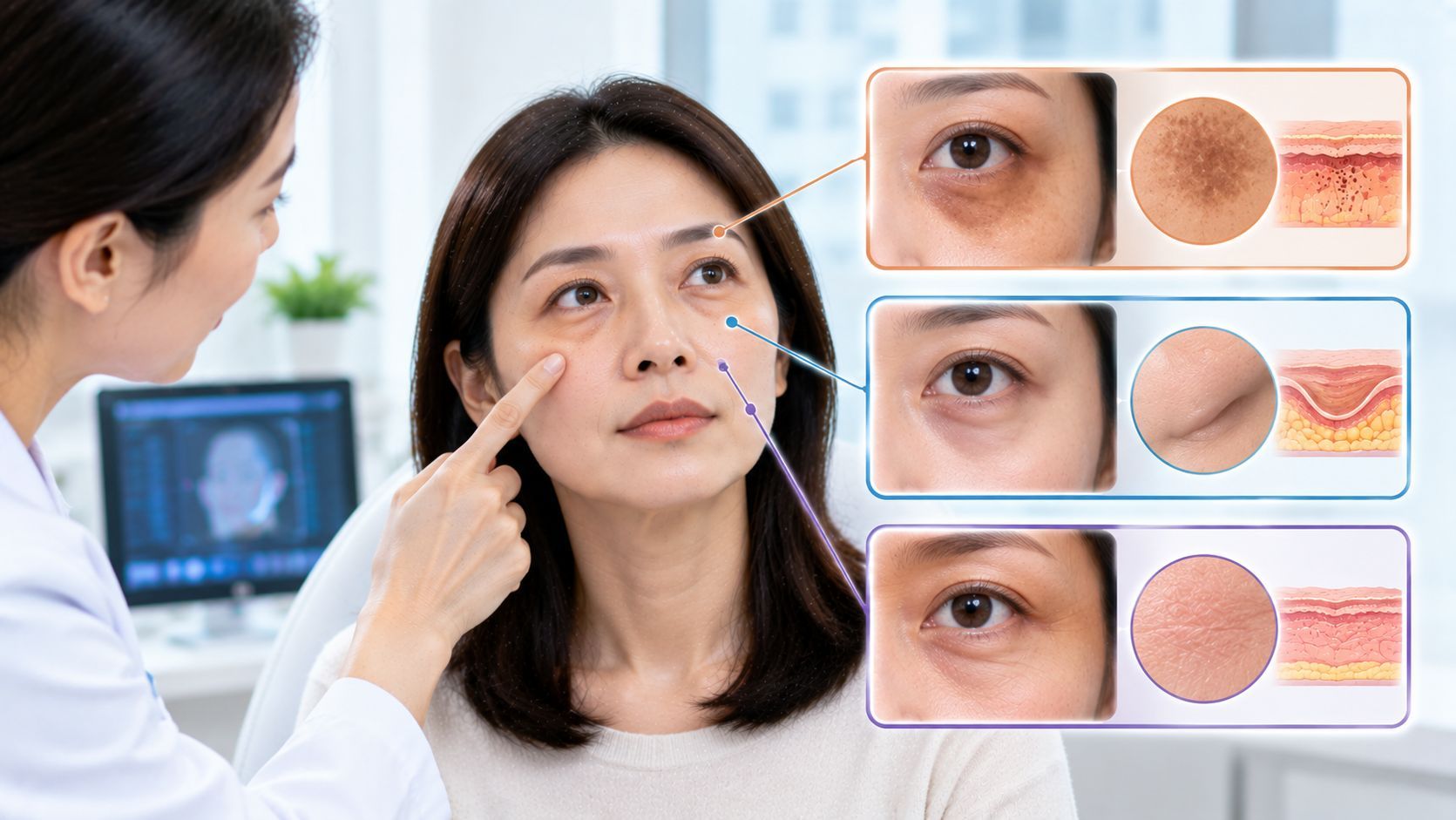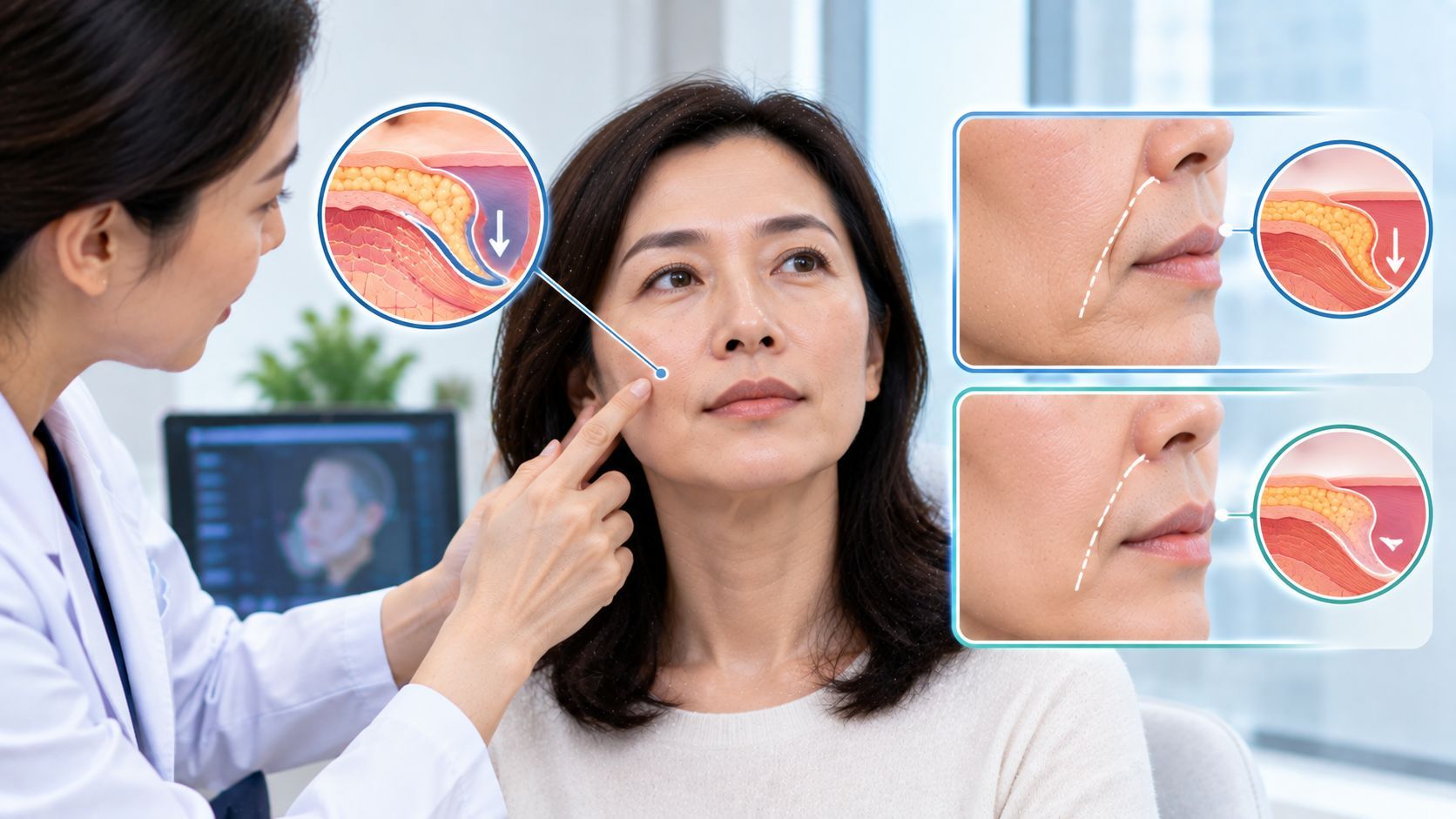
Should I Do Aggressive Treatments First and Skin Boosters Afterward?
Introduction
If you are planning several skin treatments, you may wonder whether it is better to complete a more intensive procedure first and then use a skin booster afterward. This is a common question when combining treatments such as laser, RF microneedling, ultrasound or radiofrequency procedures with treatments designed to improve hydration, texture, or overall skin quality.
There is no universal rule that every aggressive treatment must come first. However, when treatments have different recovery requirements, it is often practical to complete the more disruptive procedure before adding a skin booster. The exact sequence depends on the device, the skin booster being used, the treatment area, and your skin's condition.
For international patients visiting Seoul, treatment timing also matters because combining multiple procedures too closely can increase downtime and make it harder to determine which treatment caused irritation or an unexpected reaction.
What Does “Aggressive Treatment” Mean?
“Aggressive” is not a precise medical term. In skincare discussions, it usually refers to a procedure that creates more controlled injury, inflammation, or tissue stimulation than a gentle maintenance treatment.
Examples may include:
- Fractional laser
- CO2 laser
- RF microneedling
- Certain intensive chemical peels
- Some acne-scar procedures
- Other treatments that intentionally stimulate significant collagen remodeling
The intensity can vary considerably even within the same treatment category.
A fractional laser session performed at a lower setting is not equivalent to an aggressive resurfacing treatment. The same principle applies to RF microneedling and other energy-based procedures.
What Are Skin Boosters?
Skin boosters are treatments intended to improve aspects of skin quality rather than primarily change facial structure.
Depending on the product, they may be used to target:
- Hydration
- Fine lines
- Skin texture
- Elasticity
- Overall skin quality
Different products have different ingredients, mechanisms, evidence, and injection techniques. Examples used in aesthetic dermatology include hyaluronic-acid-based injectables and other injectable skin-quality treatments.
A skin booster should not automatically be considered a substitute for a laser, acne-scar treatment, or tightening procedure.
Why Might the More Intensive Treatment Come First?
One reason is that intensive procedures can temporarily make the skin more sensitive.
After resurfacing, microneedling, or certain other procedures, the skin may experience:
- Redness
- Swelling
- Sensitivity
- Dryness
- Peeling
- Temporary inflammation
Adding another treatment while the skin is already recovering may increase discomfort or irritation.
For this reason, a clinician may prefer to perform the primary corrective procedure first and introduce a skin-quality treatment once the skin has recovered sufficiently.
Does That Mean Skin Boosters Should Always Come Second?
No.
Treatment order depends on the specific combination.
For example, some skin boosters may be incorporated into a broader treatment plan before or between energy-based procedures. In other situations, the injector may recommend waiting.
The decision can depend on:
- The exact product
- Injection depth
- Treatment area
- Laser or device being used
- Energy level
- Skin condition
- Previous treatments
- History of pigmentation or sensitivity
- Expected recovery time
Therefore, “aggressive treatment first” is better understood as a planning principle, not a universal rule.
When the More Intensive Treatment May Be the Priority
A stronger procedure may be prioritized when the main problem is structural or textural.
For example:
Acne Scars
If you have depressed acne scars, a dermatologist may first focus on scar-directed procedures such as subcision, fractional laser, or RF microneedling.
A skin booster may subsequently be used as part of a broader skin-quality strategy, depending on the treatment plan.
Significant Skin Texture Problems
If uneven texture is the dominant concern, a resurfacing treatment may be more directly relevant than a skin booster.
Pronounced Laxity
If the primary concern is skin laxity, a tightening treatment may be planned separately from skin boosters.
The booster may address skin quality but does not necessarily replace a treatment specifically intended for laxity.
When a Skin Booster May Be Considered Earlier
There are situations where the skin-quality treatment may not need to wait until every other treatment is finished.
For example, if the main concern is:
- Dryness
- Fine lines
- Dehydrated-looking skin
- Mild texture irregularity
- Reduced skin quality
a clinician may incorporate a skin booster into the treatment plan without first performing an intensive procedure.
The key is to avoid assuming that every treatment needs to be stacked together.
Can Laser and Skin Boosters Be Done on the Same Day?
Sometimes they can be combined, but this depends on the specific treatments.
A dermatologist or qualified injector may recommend same-day treatment in selected circumstances, while another combination may require separation.
Important factors include:
- Whether the laser damages or removes the superficial skin barrier
- Whether injections are being performed
- Whether the skin is already inflamed
- The depth and intensity of the procedure
- The product being injected
- Infection-control considerations
- Expected downtime
For procedures that create substantial skin disruption, allowing appropriate healing before another intervention may be more practical.
What About RF Microneedling and Skin Boosters?
RF microneedling is commonly used to improve texture, pores, acne scars, and skin firmness.
Because the procedure involves microneedling combined with radiofrequency energy, the skin can remain sensitive afterward.
Whether an injectable skin booster should be performed before, during, or after RF microneedling depends on the specific protocol.
If you are considering both, ask the clinic whether the treatments are intended to be complementary or whether they should be separated.
What About Rejuran or Similar Treatments?
Rejuran and other injectable skin-quality treatments are sometimes included in combination plans for patients seeking improvements in overall skin condition.
However, these treatments should not be treated as a universal “recovery treatment” after every aggressive procedure.
The timing depends on the procedure performed and the condition of your skin.
For example, immediately injecting a product into skin that is significantly irritated or compromised may not be appropriate. Your provider should determine when the skin is ready for another treatment.
Why Staging Treatments Can Be Useful
Spacing procedures apart has several advantages.
It Allows the Skin to Recover
Your skin needs time to respond to the initial procedure before another intervention is introduced.
It Makes Results Easier to Evaluate
When several treatments are performed simultaneously, it can be difficult to determine which procedure produced a particular improvement or side effect.
It Can Reduce Unnecessary Irritation
Multiple procedures performed too closely together may increase the overall recovery burden.
It Helps Create a More Controlled Plan
Staging treatments gives the clinician an opportunity to reassess your skin before deciding whether another procedure is actually necessary.
What If I Only Have a Few Days in Seoul?
This is particularly important for medical tourists.
If your trip is short, you may be tempted to schedule several treatments during one visit. However, having limited time does not necessarily mean that all procedures should be performed together.
Before traveling, consider asking the clinic:
- Which treatment should be prioritized?
- Can the procedures safely be combined?
- How much downtime is expected?
- Do I need a follow-up appointment?
- How long should I wait between treatments?
- What happens if my skin reacts unexpectedly?
- Will I be able to fly home comfortably after treatment?
If a treatment produces substantial swelling, redness, peeling, or sensitivity, you may need to allow enough time for recovery before your flight.
What Should I Do Before an Intensive Treatment?
Your preparation depends on the procedure.
A clinic may recommend modifying certain skincare products before treatment, particularly products that can increase irritation.
Tell your provider about:
- Prescription medications
- Retinoids
- Acid-based products
- Previous cosmetic procedures
- Injectable treatments
- Recent laser treatments
- Active skin infections or inflammation
- A history of abnormal reactions or pigmentation
Do not stop prescription medication without discussing it with the prescribing clinician.
A Practical Treatment Sequence
A possible treatment plan may look like:
Step 1: Consultation and diagnosis
Determine whether the primary concern is pigmentation, acne scarring, pores, laxity, wrinkles, or skin quality.
Step 2: Correct the primary problem
Perform the procedure most directly suited to the main concern.
Step 3: Allow recovery
Give the skin sufficient time to heal according to the provider's instructions.
Step 4: Reassess
Determine whether the original concern has improved and whether another procedure is still necessary.
Step 5: Add skin-quality treatment if appropriate
A skin booster may then be incorporated into the longer-term treatment plan.
This is only an example. Some treatment plans may use a different order.
Questions to Ask Before Combining Treatments
Before scheduling an aggressive procedure and a skin booster, ask:
- Which treatment should come first?
- Can these procedures be safely performed during the same visit?
- How long should I wait between them?
- Will the combination increase inflammation?
- Does my skin need to fully recover first?
- Could the treatment increase pigmentation risk?
- What skincare should I avoid afterward?
- How many days of downtime should I expect?
Final Thoughts
For many treatment combinations, performing the more intensive procedure first and adding a skin booster afterward can be a logical approach because it allows the skin to recover before another intervention is introduced. However, this is not a universal treatment rule.
Some combinations can be safely performed during the same treatment period, while others are better separated. The correct sequence depends on the procedure, product, treatment intensity, skin condition, and individual goals.
If you are planning several procedures in Seoul, prioritize a treatment plan based on your actual skin concerns rather than trying to fit as many treatments as possible into a single appointment. A staged approach may make it easier to manage recovery and evaluate the results of each treatment.