Should I Treat Pores Before Pigmentation or Can Both Be Treated Together?
Introduction
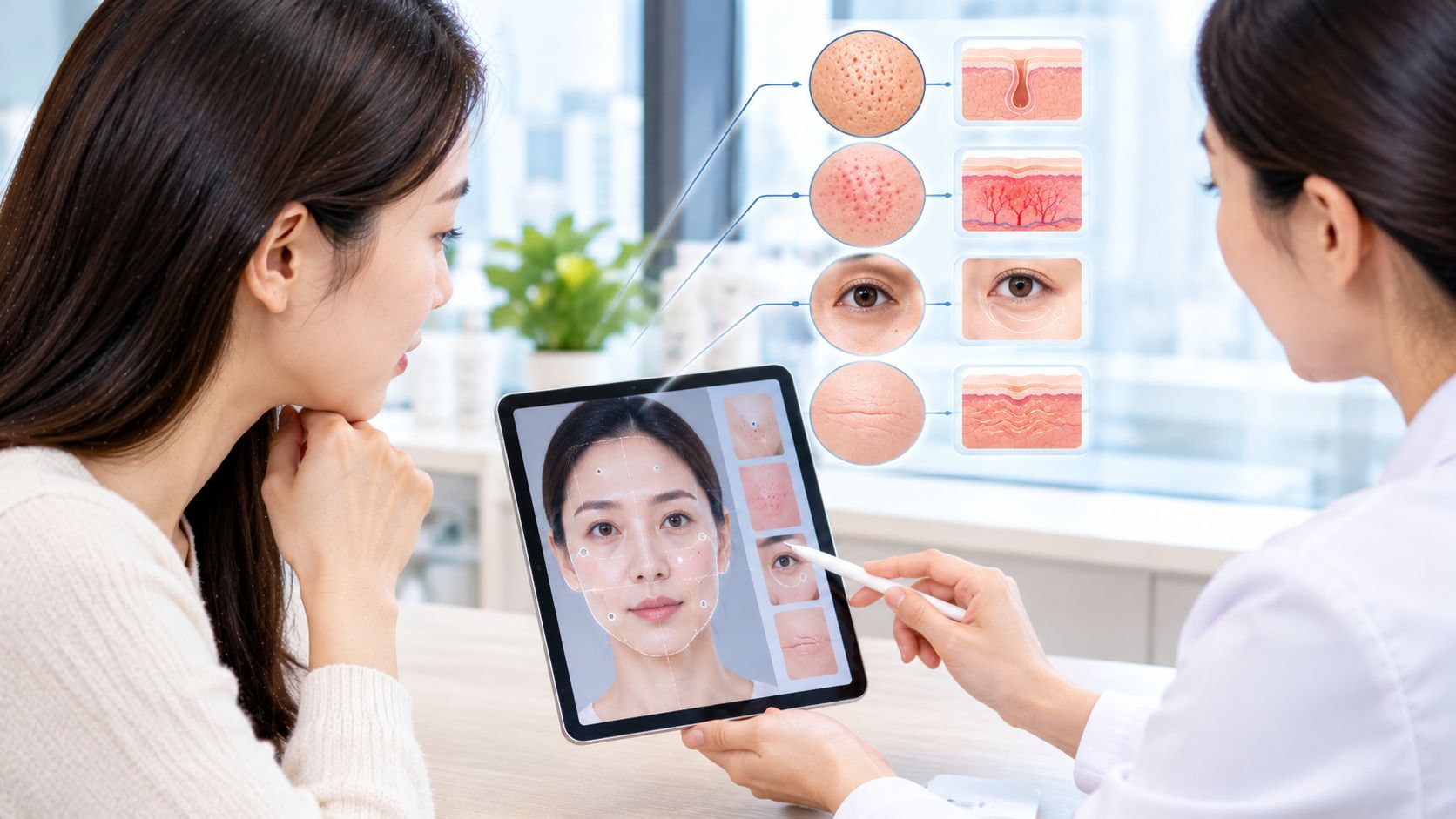
Large-looking pores and pigmentation are two common skin concerns, and many people wonder whether they should treat one problem completely before starting treatment for the other. The answer depends on what is causing the pigmentation, what type of pore problem you have, and which treatment is being considered.
In many cases, pores and pigmentation can be addressed during the same overall treatment plan. However, that does not necessarily mean every procedure should be performed on the same day. Some treatments can be combined, while others are better separated to reduce irritation and allow the skin to recover.
For patients considering dermatology treatments in Seoul, understanding the difference between pore-focused treatments and pigmentation treatments can help create a more practical treatment schedule.
Why Do Pores and Pigmentation Often Appear Together?
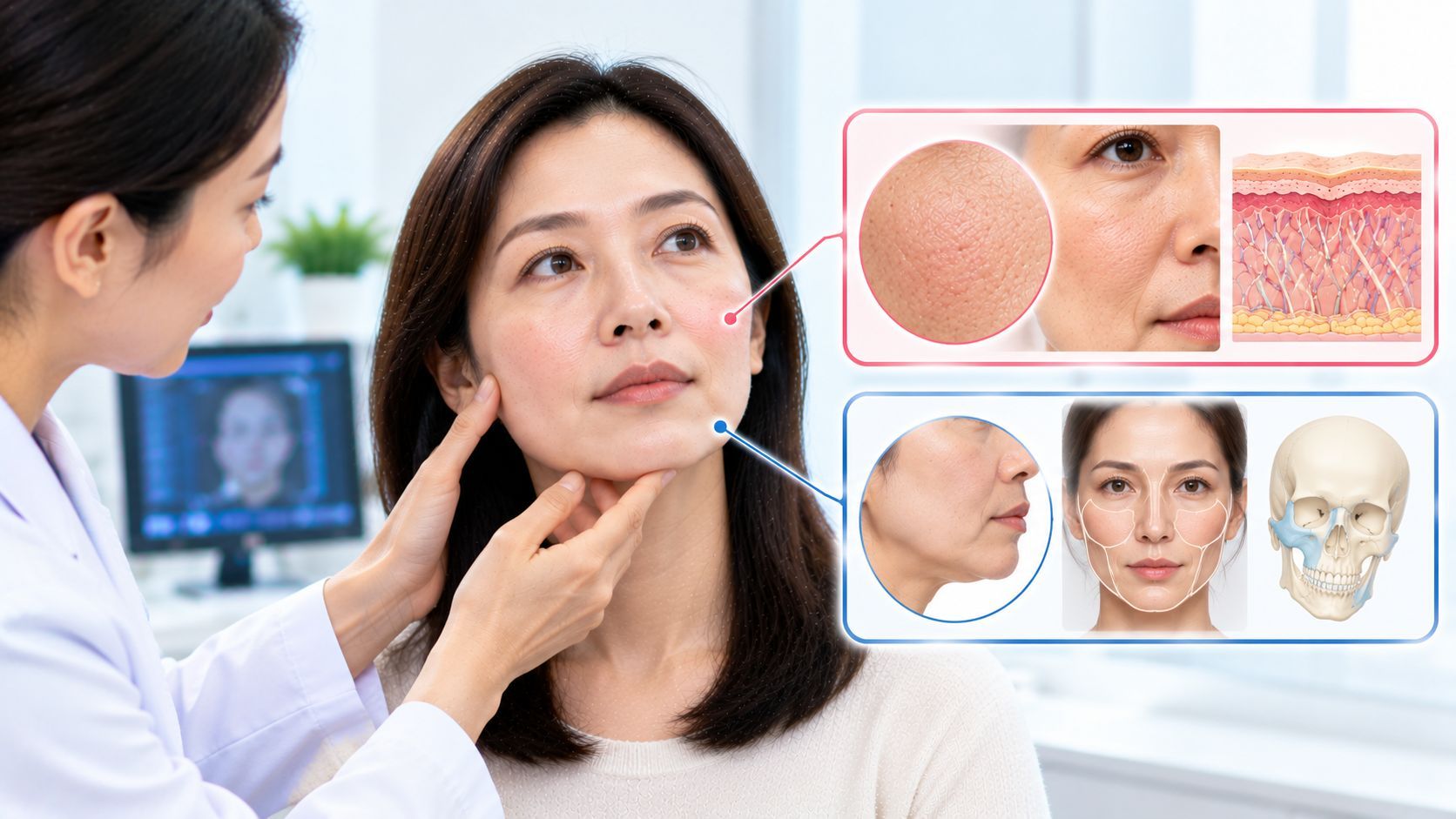
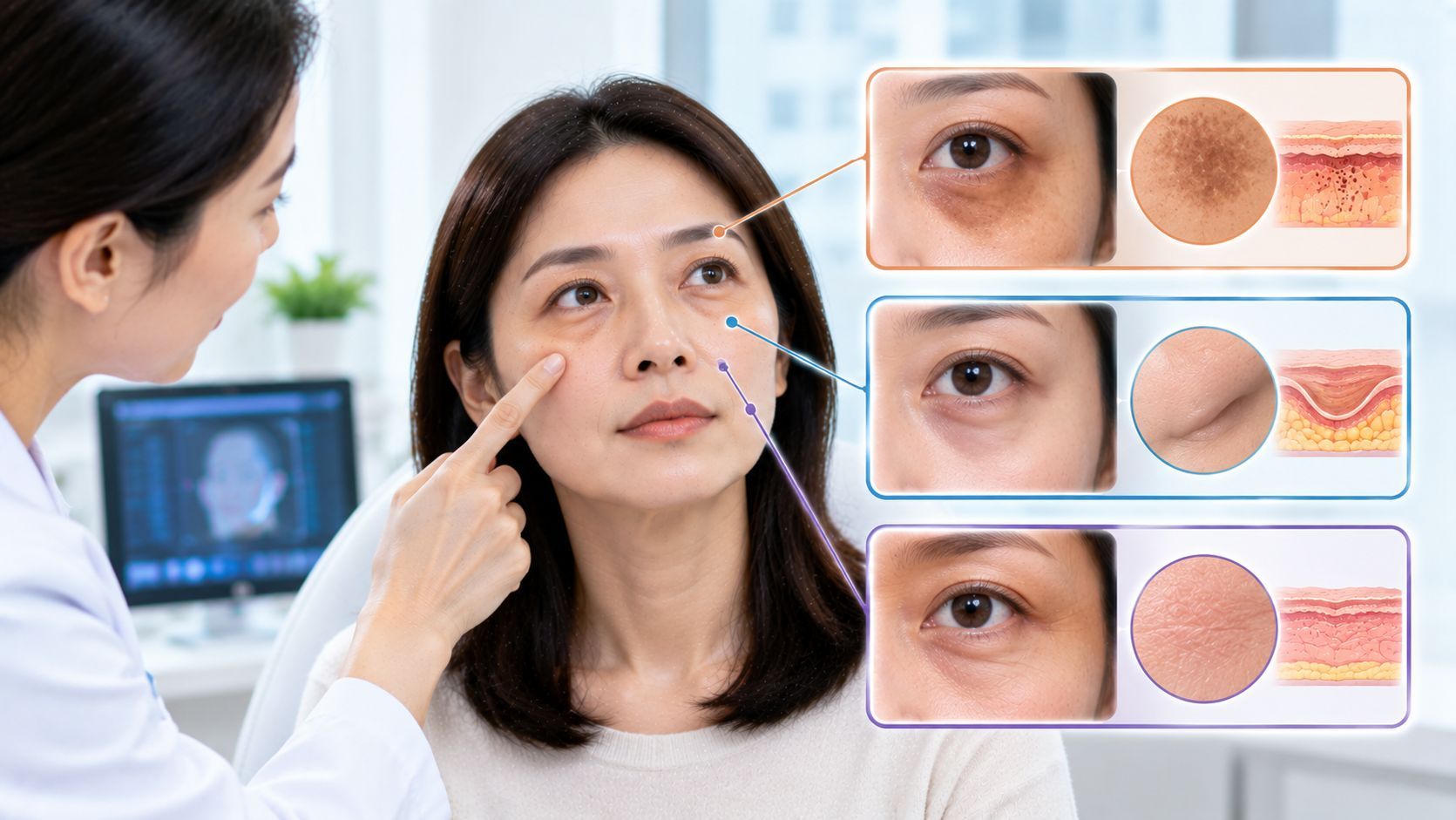
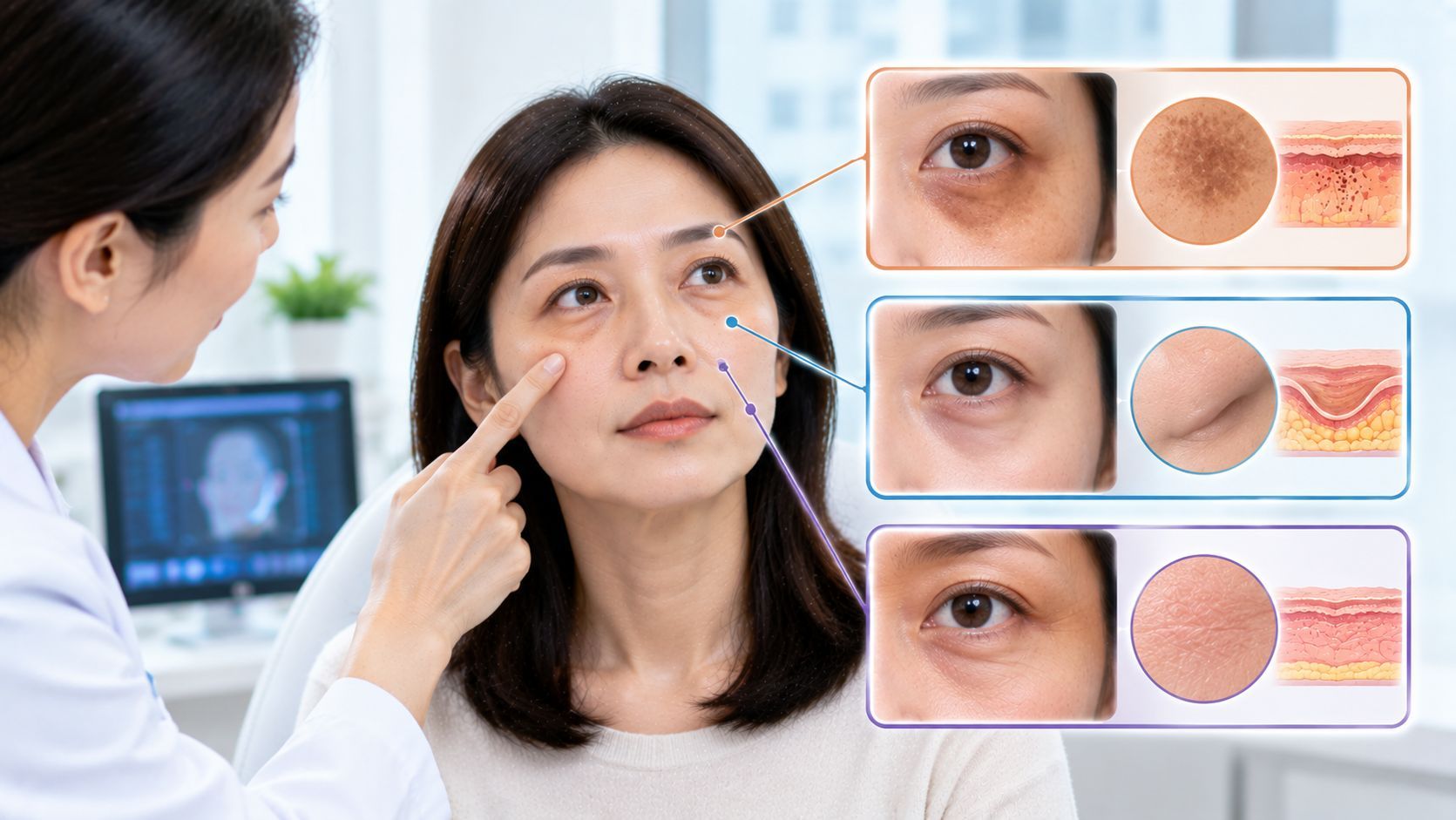
Pores and pigmentation have different causes, but they can become more noticeable at the same time.
Pores may appear larger because of:
- Increased sebum production
- Clogged pores
- Reduced skin elasticity
- Acne
- Acne scarring
- Genetic factors
- Aging-related changes
Pigmentation may result from:
- Post-inflammatory hyperpigmentation
- Sun exposure
- Melasma
- Freckles or lentigines
- Acne and skin inflammation
- Hormonal changes
- Irritation or injury
Someone with oily, acne-prone skin may therefore have both visible pores and post-acne pigmentation.
Treating only one concern may leave the other noticeable.
Do I Need to Treat Pores Before Pigmentation?
Usually, there is no universal requirement to treat pores first.
The priority depends on the specific skin problem.
For example, if pigmentation is the primary concern and the skin is otherwise stable, a dermatologist may focus on pigmentation treatment first.
If the pores are associated with active acne, excessive oil production, or inflammation, controlling those problems may be more important before aggressively treating pigmentation.
The key question is not simply, “Which problem should I treat first?”
It is:
What is causing each problem, and could treating one affect the other?
Can Pores and Pigmentation Be Treated Together?
In some patients, yes.
Dermatologists may develop a treatment plan that addresses both concerns during the same treatment period. However, the procedures themselves may be performed separately.
Potential treatment categories include:
- Topical skincare
- Chemical peels
- Microneedling
- RF microneedling
- Fractional laser treatments
- Pico laser treatments
- Other energy-based procedures
The appropriate combination depends heavily on skin type, pigmentation diagnosis, acne activity, previous treatments, and the risk of post-inflammatory hyperpigmentation.
When Pigmentation Should Be Prioritized
Pigmentation may receive priority when the discoloration is widespread, recently worsening, or strongly related to sun exposure or inflammation.
For example, if someone has significant post-acne pigmentation but only mildly visible pores, a dermatologist may reasonably focus on controlling the pigmentation while maintaining a skincare routine for pore management.
Melasma requires particular caution.
Melasma can be persistent and may worsen after irritation or inappropriate energy-based treatment. In these cases, aggressive treatment simply because pigmentation is visible may not be appropriate.
A proper diagnosis is important before choosing a laser or peel.
When Pore Treatment May Be Prioritized
Pore-focused treatment may be considered earlier when the main concern is texture, acne scarring, or significant sebaceous activity.
For example, a patient with:
Active acne → clogged pores → inflammation → pigmentation
may need acne management before aggressively targeting the resulting pigmentation.
Treating pigmentation without controlling the underlying acne can allow new marks to continue appearing.
Similarly, if what appears to be “large pores” is actually shallow acne scarring, the treatment strategy may need to focus on skin texture rather than simply trying to shrink pores.
Do Pore Treatments Actually Shrink Pores?
It is important to set realistic expectations.
Pores are normal anatomical structures and cannot be permanently eliminated. Treatments generally aim to make them less noticeable, rather than remove them.
Improvement may come from:
- Reducing excess oil
- Improving skin texture
- Supporting collagen remodeling
- Treating acne
- Reducing the appearance of superficial textural irregularities
- Improving overall skin quality
Procedures such as RF microneedling or fractional laser treatments may be considered for selected patients with enlarged-looking pores and texture concerns.
The appropriate treatment depends on the cause and the patient's skin characteristics.
What About Pigmentation Laser and Pore Treatments?
This is where treatment sequencing becomes particularly important.
Some pigmentation treatments use laser or light-based technology, while some pore treatments also use energy-based devices.
Combining multiple energy-based procedures too aggressively can increase irritation and recovery demands.
For example, a dermatologist may decide to:
- Treat pigmentation
- Allow the skin to recover
- Reassess the pores
- Perform a texture-focused treatment later
Alternatively, a lower-intensity treatment plan may address both concerns during the same period.
The decision should be individualized rather than based on a fixed rule.
Why Skin Type Matters
Skin type and pigmentation tendency are particularly important when treating pores and pigmentation together.
Patients with darker or more pigment-prone skin may have a greater risk of developing post-inflammatory hyperpigmentation after certain procedures.
That does not mean laser or energy-based treatments cannot be used. It means treatment parameters, device selection, preparation, and aftercare need to be considered carefully.
A treatment that is appropriate for one patient may not be appropriate at the same intensity for another.
What If I Have Acne, Pores, and Pigmentation?
This combination requires a slightly different strategy.
If active acne is still occurring, treating the pigmentation alone may provide only temporary improvement because new acne can create new marks.
A dermatologist may therefore prioritize:
Active acne control → inflammation reduction → pigmentation management → texture and pore treatment
However, these stages can overlap.
For example, topical acne treatment may continue while pigmentation is addressed, while pore-focused procedures are scheduled after active inflammation has improved.
You do not necessarily have to wait until your skin is completely free of acne before addressing pigmentation.
Can Skincare Treat Both Concerns?
A carefully selected skincare routine may help manage both pores and pigmentation over time.
Depending on your skin and diagnosis, a dermatologist may consider ingredients such as:
- Retinoids
- Azelaic acid
- Niacinamide
- Salicylic acid
- Vitamin C
- Other pigment-targeting or acne-focused ingredients
Not every ingredient is appropriate for every patient, and combining too many active products can cause irritation.
This matters because irritation itself can contribute to pigmentation in susceptible individuals.
Why Sunscreen Is Important
Sun protection is essential when treating pigmentation.
UV exposure can make pigmentation more persistent and may interfere with the progress of treatment. Visible light can also be relevant for some patients with melasma or pigment-prone skin.
Consistent broad-spectrum sunscreen use, along with practical sun protection such as shade and hats, can support pigmentation management.
This is particularly important when undergoing dermatology procedures.
Should I Have Pore and Pigmentation Treatments on the Same Day in Seoul?
Sometimes, but not automatically.
Medical tourists often have limited time in Korea and may want to combine several procedures into one appointment. However, combining treatments simply to save time may not always be the safest or most appropriate approach.
Before scheduling multiple procedures, ask the clinic:
- Can these treatments safely be combined?
- Will combining them increase irritation?
- Which treatment should be performed first?
- How much recovery time should I expect?
- Could the combination increase pigmentation risk?
- Should one treatment be scheduled several days or weeks later?
- What skincare should I stop before treatment?
If you are traveling, also consider whether your itinerary allows enough time for recovery.
What Treatment Order Might Make Sense?
There is no single sequence that applies to everyone, but a treatment plan may look something like:
Active acne or inflammation: control this first or alongside other treatment.
Pigmentation: diagnose the type before selecting a procedure.
Pores and texture: address with appropriate skincare or procedures once the skin is sufficiently stable.
Maintenance: continue sun protection and a suitable skincare routine to reduce recurrence.
The actual order can change depending on whether the pigmentation is melasma, post-acne pigmentation, sun spots, or another condition.
Questions to Ask Your Dermatologist
Before combining pore and pigmentation treatments, ask:
- What type of pigmentation do I have?
- Are my pores enlarged because of oil, aging, acne, or scarring?
- Is my skin currently too irritated for a procedure?
- Could this treatment worsen pigmentation?
- Can the two treatments be safely combined?
- Should they be performed on different days?
- How long should I wait between procedures?
- What skincare should I use during recovery?
- How should I protect my skin from the sun?
Final Thoughts
You generally do not have to completely treat pores before addressing pigmentation. In many cases, both concerns can be managed as part of one treatment strategy.
However, treating them together does not necessarily mean performing multiple procedures on the same day. The safest sequence depends on the type of pigmentation, the cause of the pore enlargement, the presence of acne or inflammation, skin type, and the treatments being considered.
For patients planning dermatology treatment in Seoul, a personalized consultation can help determine whether pigmentation treatment, pore treatment, or a staged combination should come first. The goal should be to improve both concerns while minimizing unnecessary irritation and the risk of post-treatment pigmentation.