What Can I Do for Aging Eyes if I Absolutely Refuse Filler?
Introduction
If you want to improve aging eyes but absolutely do not want dermal filler, you still have several treatment options. Filler is mainly used to restore or camouflage volume loss, but many signs of eye aging are caused by wrinkles, skin thinning, laxity, pigmentation, muscle movement, or puffiness rather than simple volume deficiency. Laser, radiofrequency, microneedling, Botox, skin-quality treatments, skincare, and—in more advanced cases—eyelid surgery can all have a role.
The important point is that there is no single “filler alternative” that replaces everything filler can do. The best approach depends on what is actually making your eyes look older.
Aging Eyes Without Filler: What Can Actually Be Treated?
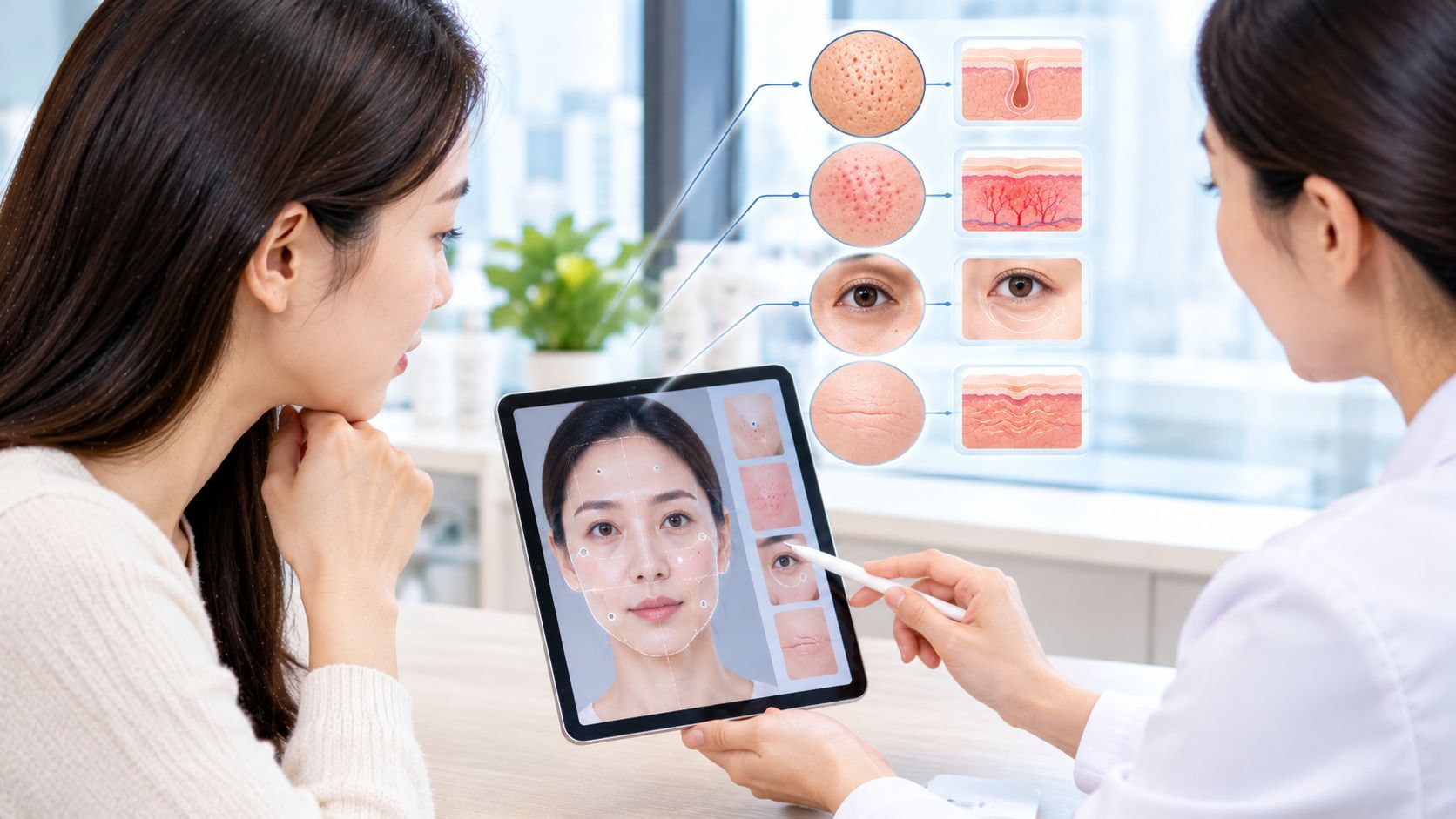
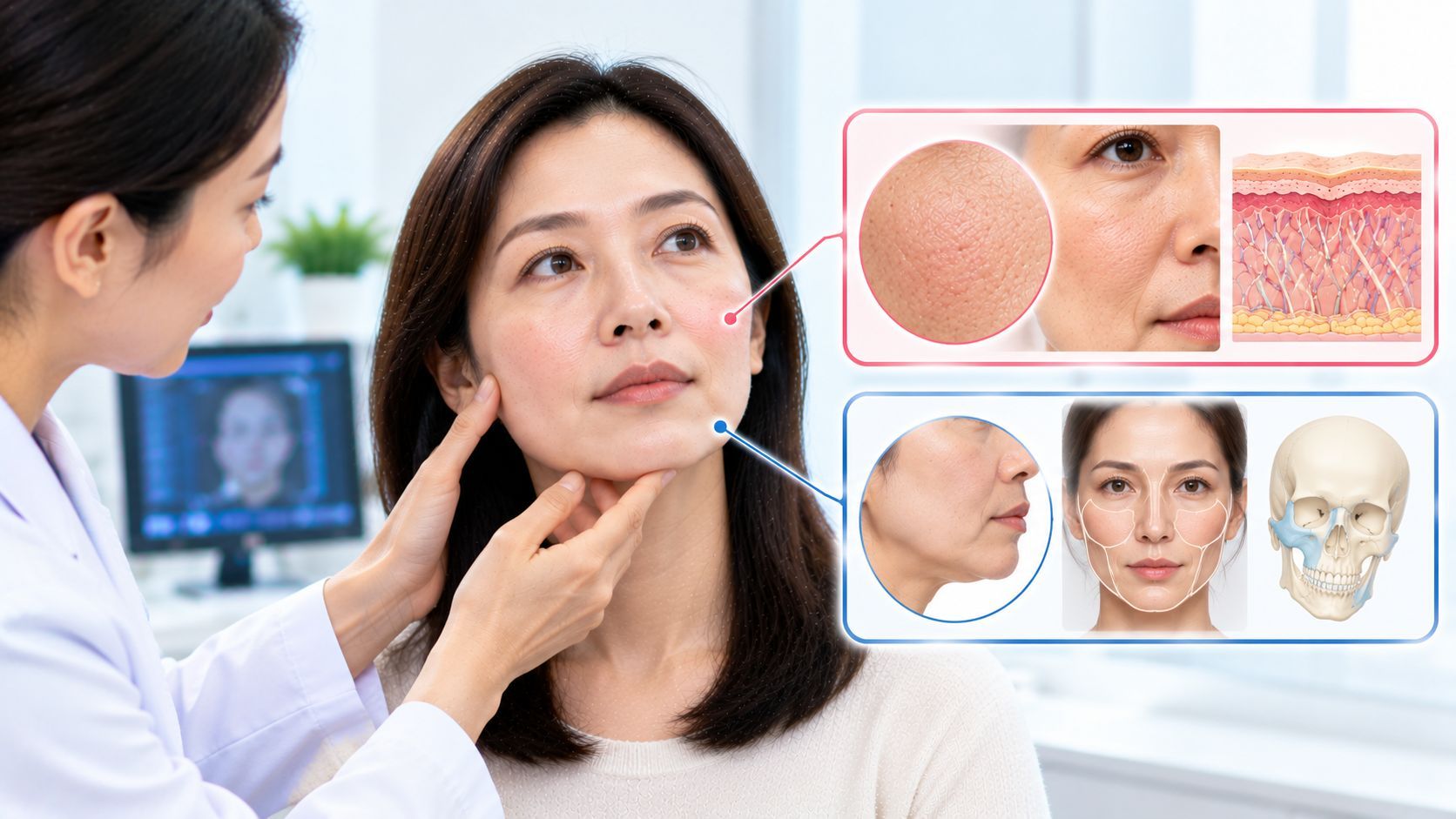
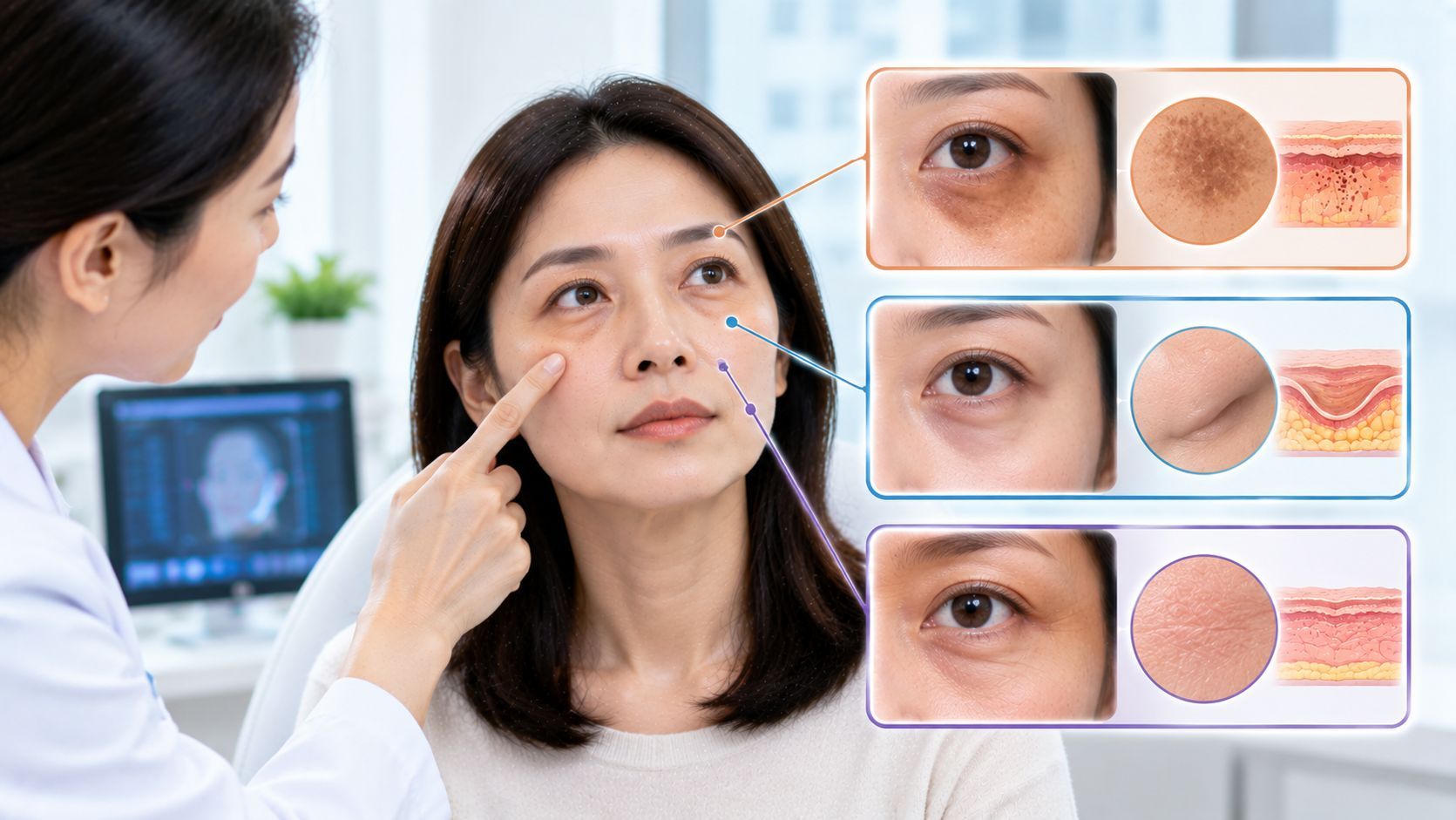
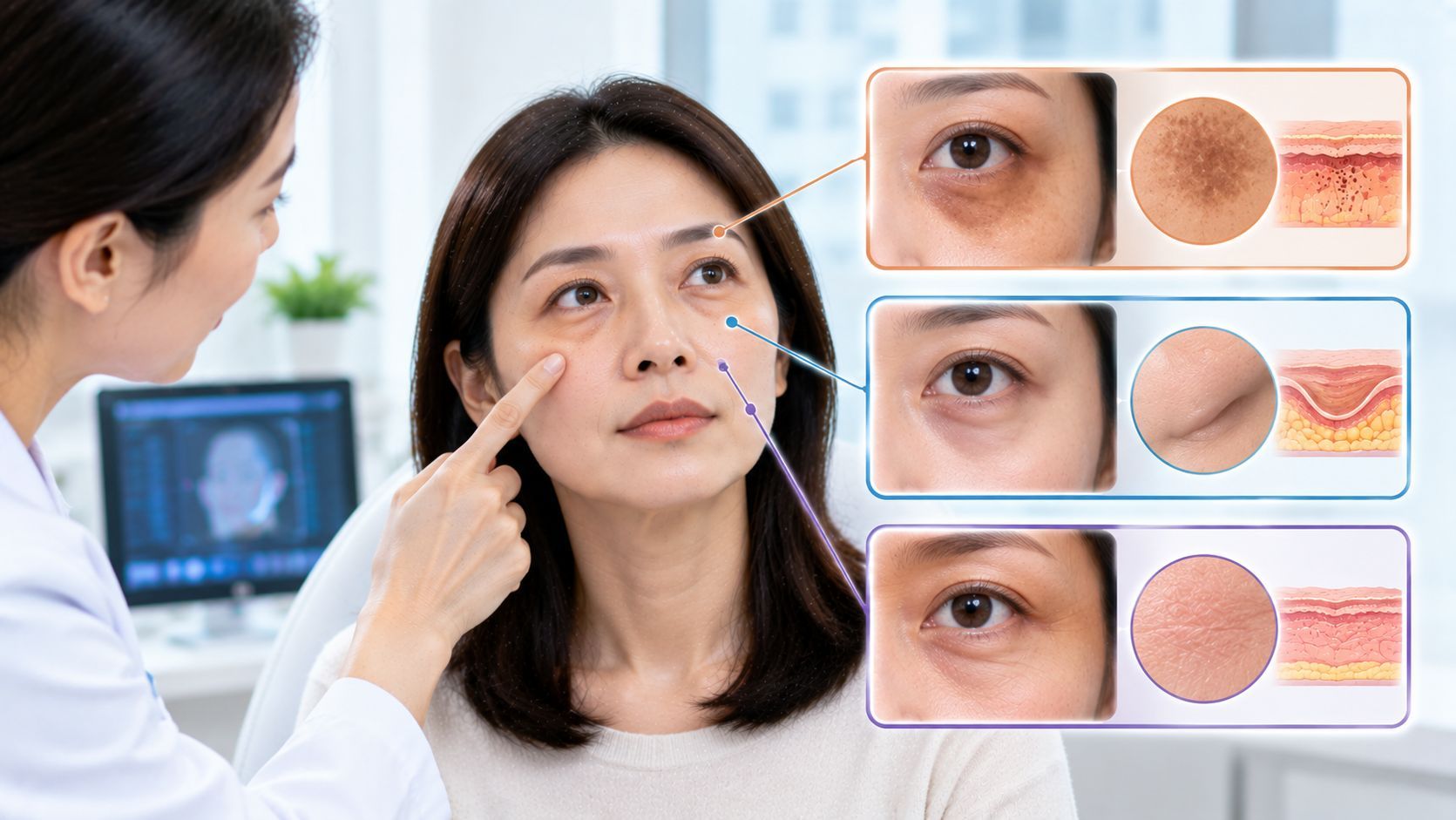
Before choosing a treatment, a dermatologist or qualified aesthetic clinician should separate the problem into several categories:
- Crow’s feet and expression lines
- Crepey or thin lower-eyelid skin
- Fine wrinkles
- Pigmentation or dark circles
- Mild eyelid or brow laxity
- Puffiness or prominent under-eye fat
- True hollowness or tear-trough volume loss
- A combination of several problems
A review of nonsurgical infraorbital rejuvenation emphasizes that aging around the eyes involves multiple anatomical and skin-quality factors, which is why treatment needs to be individualized.
1. Botox for Dynamic Eye Wrinkles
If your main concern is crow’s feet that become obvious when you smile, Botox may be an option even if you refuse filler.
Botulinum toxin temporarily reduces selected muscle activity. This can soften wrinkles caused primarily by repeated facial movement.
It does not, however, replace lost volume or significantly thicken very thin skin.
Around the eyes, treatment requires particular care because excessive weakening or poorly selected injection sites can produce unwanted changes in eyelid or brow movement.
For someone whose wrinkles are mostly dynamic, Botox may therefore address a very different problem from filler.
2. Laser for Crepey Under-Eye Skin
If your main complaint is that your lower-eyelid skin looks thin, finely wrinkled, or crepey, laser resurfacing may be worth discussing.
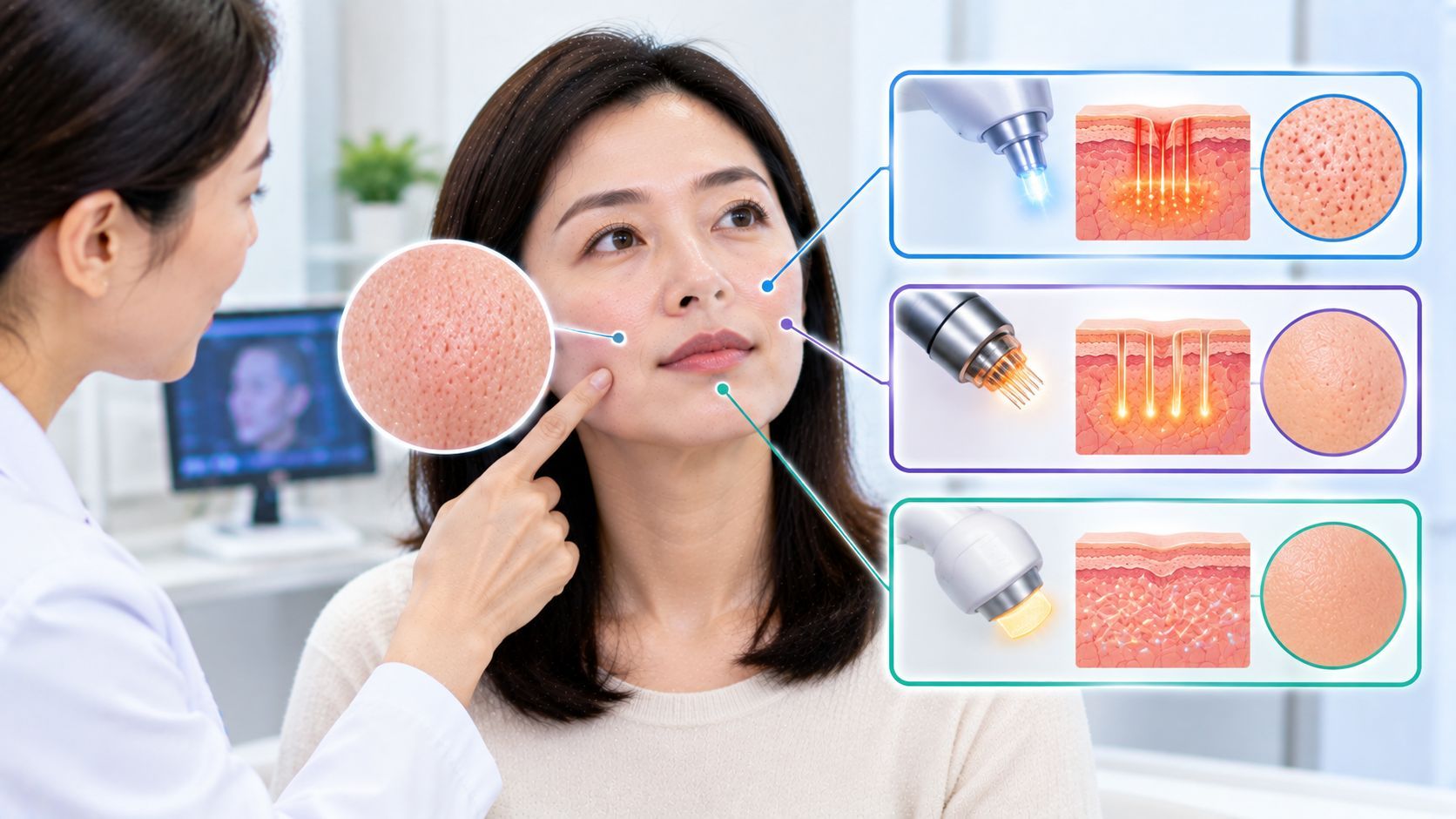
Laser treatments can target skin texture and stimulate remodeling. Options range from non-ablative fractional lasers, which generally involve less downtime, to fractional ablative resurfacing, which can provide more substantial resurfacing but requires more recovery.
Recent reviews describe laser resurfacing as an important nonsurgical option for periorbital skin rejuvenation.
However, stronger treatment is not automatically better.
Your skin tone, pigmentation history, skin thickness, previous procedures, and tolerance for downtime all matter. People who are prone to post-inflammatory hyperpigmentation may need particularly careful treatment selection and aftercare.
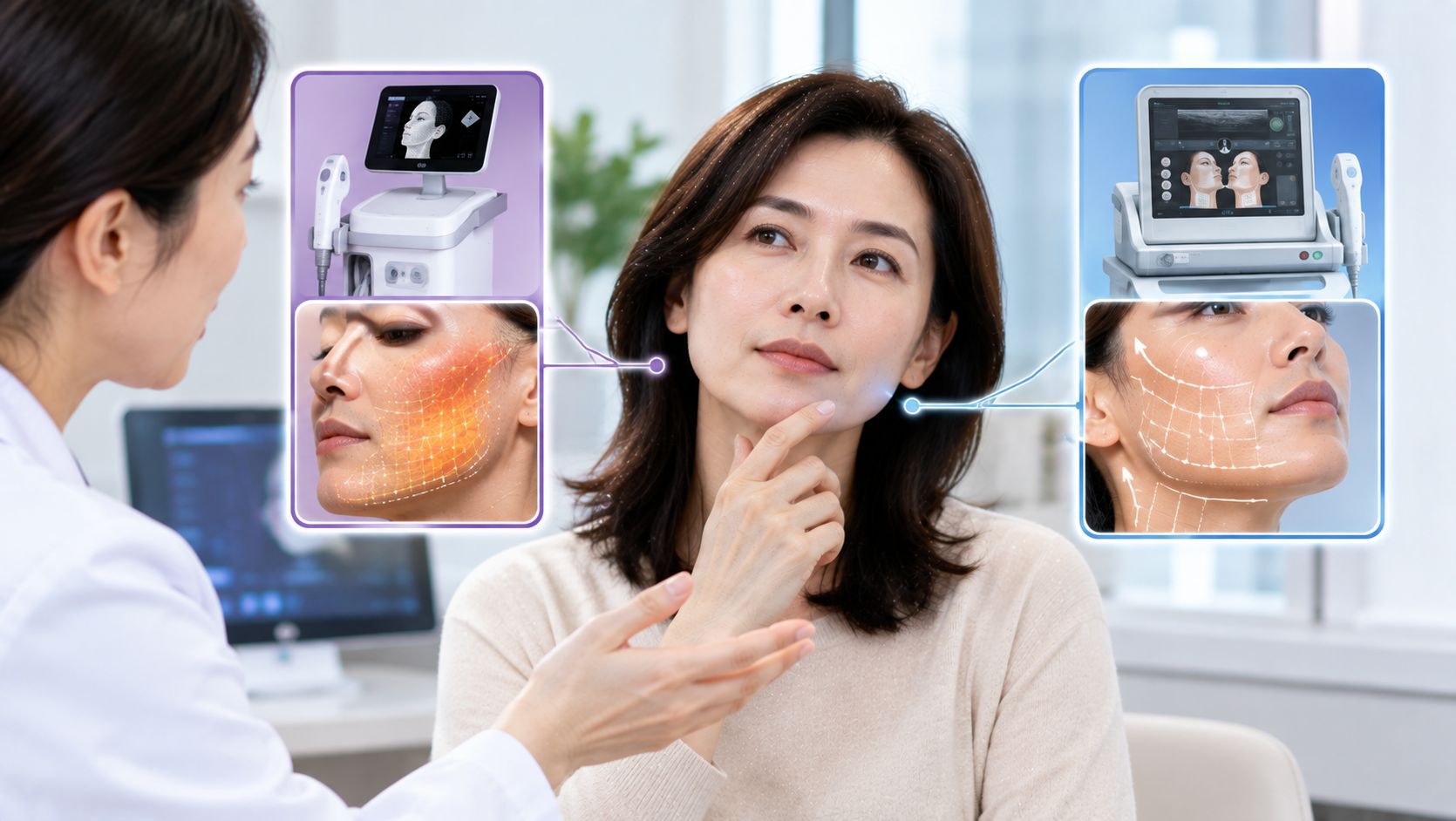
3. Radiofrequency for Mild Tightening and Skin Quality
Radiofrequency (RF) is another option when the problem involves mild laxity and declining skin quality.
RF delivers controlled energy into tissue to produce heating and remodeling. Different RF technologies work at different depths, so “RF” should not be treated as one identical treatment.
Research has reported improvement in periorbital wrinkles and skin quality with RF-based treatments, although outcomes vary according to device and treatment parameters.
RF may be particularly interesting for someone who wants some tightening without adding volume.
However, it cannot recreate substantial structural volume loss. If the main problem is a deep tear trough caused by anatomy or volume deficiency, tightening alone may produce only limited visual improvement.
4. RF Microneedling for Fine Lines and Crepey Skin
RF microneedling is a more minimally invasive option that combines controlled microneedling with radiofrequency energy.
A 2026 prospective study involving 25 patients found improvements in infraorbital and crow's-feet wrinkles after one to three treatments, with temporary redness and swelling reported and no severe adverse events in that study. The researchers also emphasized the need for larger comparative studies.
This makes RF microneedling an interesting option, but it should not be presented as a guaranteed replacement for filler.
The thin periocular region also requires appropriate device settings and experienced treatment.
5. Polynucleotides and Other Skin-Quality Treatments
If you refuse filler but are comfortable with other injectables, polynucleotides or related skin-quality treatments may be discussed in selected cases.
The objective is different from HA filler. Instead of attempting to create immediate structural volume, these treatments are generally intended to improve aspects of skin quality such as hydration, elasticity, and fine texture.
A recent review comparing HA fillers with polynucleotides for under-eye rejuvenation found that HA remains more established for structural volume correction, while polynucleotides show promising improvements in skin-quality measures. However, differences among products and study protocols mean that definitive treatment algorithms are not yet established.
So if your goal is better-looking skin rather than adding volume, this distinction is important.
6. Treating Dark Circles Without Filler
Not every dark under-eye needs filler.
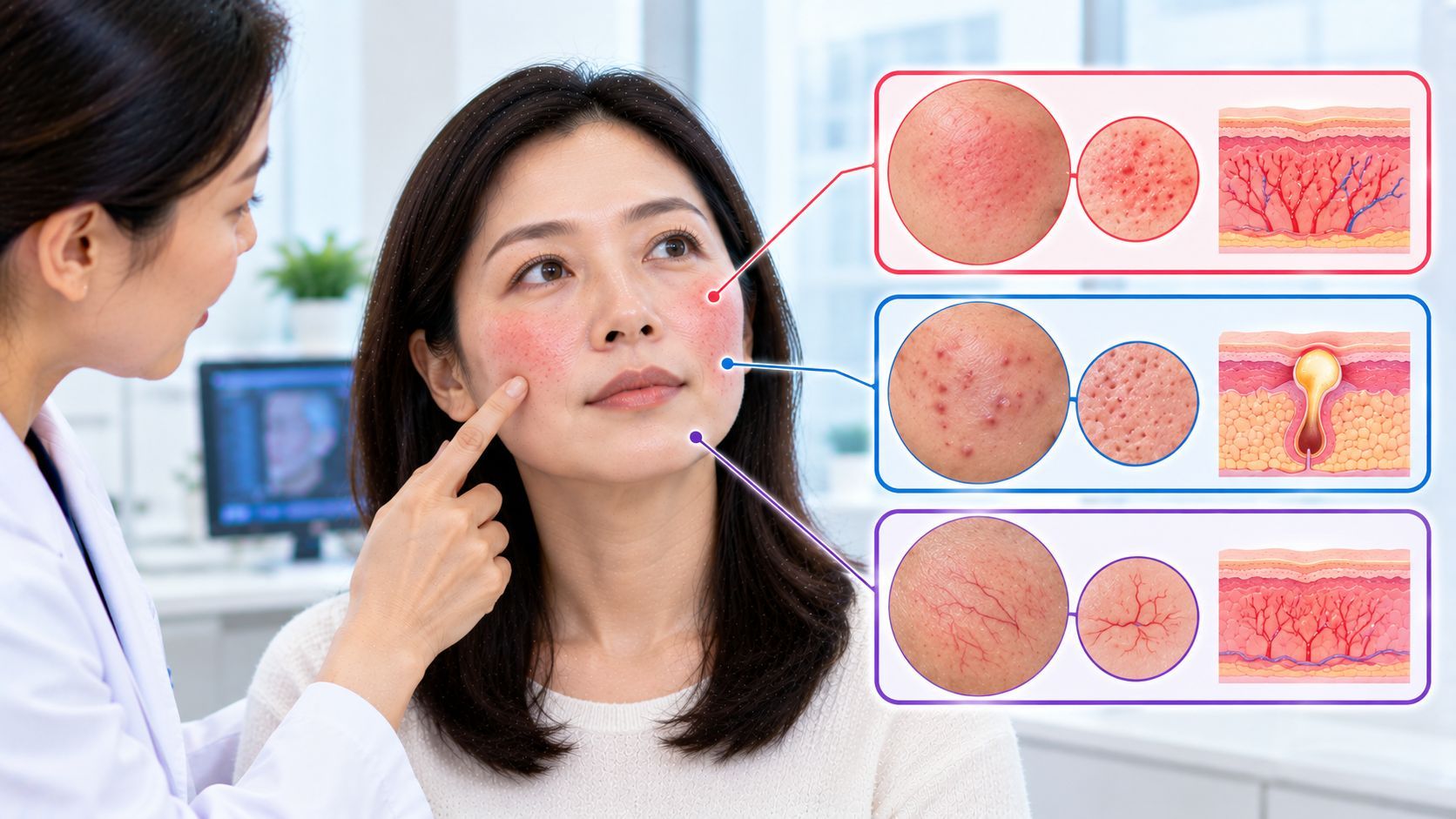
Dark circles can have several causes, including:
- Pigmentation
- Visible blood vessels
- Thin translucent skin
- Shadowing from anatomy
- Tear-trough depression
- A combination of these factors
Depending on the cause, treatment may involve skincare, sun protection, selected laser or light-based treatments, or improving the surrounding skin quality.
If the darkness is primarily caused by pigmentation, adding volume may not address the underlying problem.
7. What If Your Main Problem Is Under-Eye Puffiness?
This is where it becomes important not to keep searching for a nonsurgical “filler alternative” when the underlying problem is structural.
Prominent orbital fat, lower-eyelid bags, and significant eyelid laxity may not respond substantially to Botox, laser, or RF.
In these situations, an evaluation by an experienced oculoplastic or eyelid surgeon can determine whether a surgical option such as lower blepharoplasty is more appropriate.
This does not mean surgery is necessary. It means the treatment should match the anatomy rather than repeatedly treating the skin.
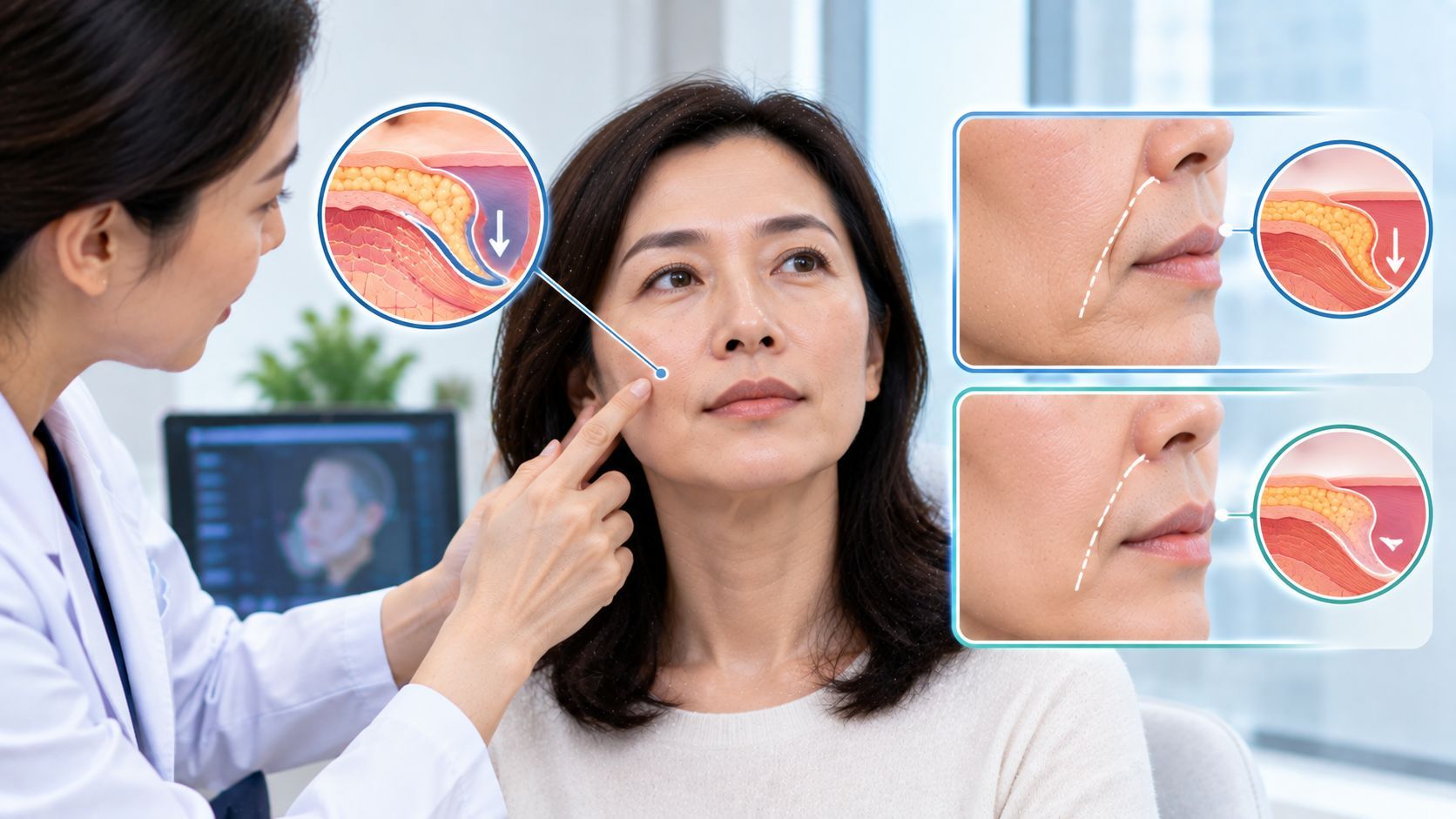
8. What If You Have a True Tear Trough but Refuse Filler?
This is the most difficult situation.
If the primary issue is genuine volume loss beneath the eyes, filler is one method of addressing it—but it is not your only possible path.
You can instead focus on improving the quality and tightness of the surrounding skin, reducing the contrast created by fine lines or laxity, and treating other contributing factors.
But it is important to have realistic expectations.
Laser, RF, or skin-quality treatments may make the area look healthier and smoother, but they cannot necessarily recreate the same structural volume that an injectable filler is designed to provide.
A Practical Non-Filler Treatment Plan
A reasonable approach might look like this:
Main concernPossible non-filler approachCrow's feetCarefully selected BotoxFine wrinklesLaser, RF, RF microneedlingCrepey skinLaser, RF, selected skin-quality treatmentsMild laxityRF or other appropriate tightening technologyPigmentationSkincare and selected pigment treatmentsThin, dry skinBarrier care + appropriate skin-quality treatmentPuffiness/fat padsOculoplastic assessmentSignificant eyelid laxityConsider surgical evaluationTrue hollownessSkin-quality/tightening treatments with realistic expectations
The appropriate combination depends on your anatomy and skin characteristics rather than simply choosing several treatments from the list.
What About Skincare?
Professional treatment does not eliminate the importance of daily skincare.
For aging eyes, useful basics can include:
- Broad-spectrum sunscreen
- Gentle cleansing
- Consistent moisturization
- Avoiding unnecessary irritation
- Appropriate retinoid use when suitable
- Managing dryness and barrier disruption
The eye area is particularly delicate, so stronger skincare ingredients should be introduced carefully.
If You Are Getting Treatment in Seoul
If you are visiting Seoul and specifically do not want filler, say this clearly during your consultation:
“I do not want HA filler. Please show me non-filler options for my main concern.”
Then ask:
- What is actually causing my aging-eye appearance?
- Is my main issue wrinkles, skin quality, laxity, pigmentation, puffiness, or volume loss?
- What can realistically improve without filler?
- How much downtime should I expect?
- How many sessions might be needed?
- Could my skin tone or pigmentation history affect treatment choice?
- What happens if the treatment does not produce enough improvement?
This approach is particularly useful for international patients because it establishes your treatment boundaries before a procedure is recommended.
When You Should Not Simply Book Another Cosmetic Treatment
Seek a proper medical assessment if you have sudden eyelid swelling, significant one-sided changes, vision changes, double vision, severe eye pain, new eyelid drooping, or other unusual eye symptoms.
Cosmetic aging should not be assumed to be the explanation for a new eye problem.
Conclusion
You absolutely do not need to choose filler simply because your eyes are aging.
For dynamic wrinkles, Botox may help. For crepey or finely wrinkled skin, laser, RF, or RF microneedling may be considered. For skin-quality concerns, selected polynucleotide treatments may be an option. For puffiness, prominent fat, or significant eyelid laxity, an oculoplastic evaluation may make more sense than repeatedly treating the skin.
The key is to identify what is actually aging your eyes before selecting a procedure. Filler is designed primarily for structural volume correction; many other signs of periocular aging can be approached without adding volume.
FAQs
Can I rejuvenate my under-eyes without filler?
Yes. Options can include Botox, laser, RF, RF microneedling, selected skin-quality treatments, skincare, and in appropriate cases, eyelid surgery.
What is the best filler alternative for under-eye wrinkles?
There is no universal alternative. Laser, RF, RF microneedling, or Botox may be appropriate depending on whether the wrinkles are caused primarily by skin texture, laxity, or muscle movement.
Can Botox replace under-eye filler?
No. Botox and filler address different problems. Botox primarily changes muscle activity, while filler provides volume.
Can laser fix hollow under-eyes?
Laser can improve skin texture and some aspects of aging, but it cannot reliably reproduce substantial lost volume.
Can I get under-eye treatments in Seoul without injections?
Yes. Depending on your concerns, a Seoul dermatology clinic may discuss laser, RF, RF microneedling, skincare, or other energy-based treatments. Treatment should be selected after examining the delicate periocular area.
What if I have severe eye bags but refuse filler?
If prominent fat pads or significant eyelid laxity are the main issue, an oculoplastic consultation may be more informative than trying increasingly aggressive nonsurgical treatments.