Can Laser Improve Under-Eye Crepiness Without Causing Pigmentation?
Introduction
Crepey skin under the eyes can make the face look older even when there are no deep wrinkles. The skin may appear thin, finely wrinkled, dry, or slightly loose, with tiny lines becoming more obvious when you smile or apply makeup.
Laser treatment can improve some forms of under-eye crepiness, but pigmentation is a real consideration, particularly for people with medium-to-deep skin tones or a history of post-inflammatory hyperpigmentation. The safest approach is not simply choosing the strongest laser. It is matching the laser type, energy level, treatment depth, and recovery plan to your skin and the actual cause of the crepiness.
What Causes Under-Eye Crepiness?
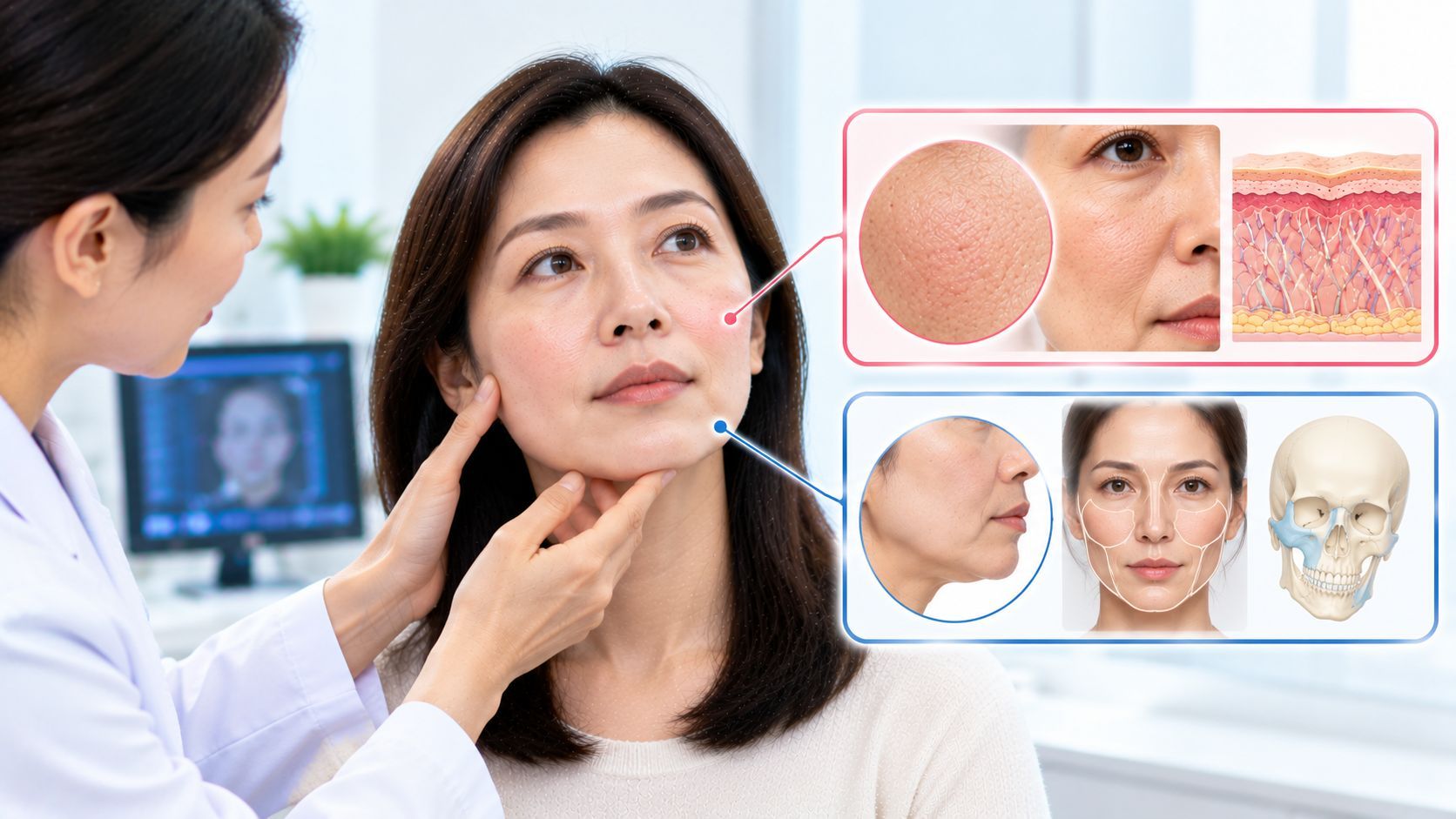
Collagen and Elastin Changes
With age, the skin gradually changes in collagen, elastin, hydration, and structural support.
Because the lower-eyelid skin is naturally delicate, these changes can produce a finely wrinkled or “crinkled” appearance.
Sun Damage
Cumulative ultraviolet exposure can accelerate photoaging and contribute to fine lines, uneven texture, and pigmentation.
Dryness
Dehydrated skin can temporarily exaggerate tiny lines. If your under-eyes look significantly smoother after moisturizing, dryness may be contributing to the appearance.
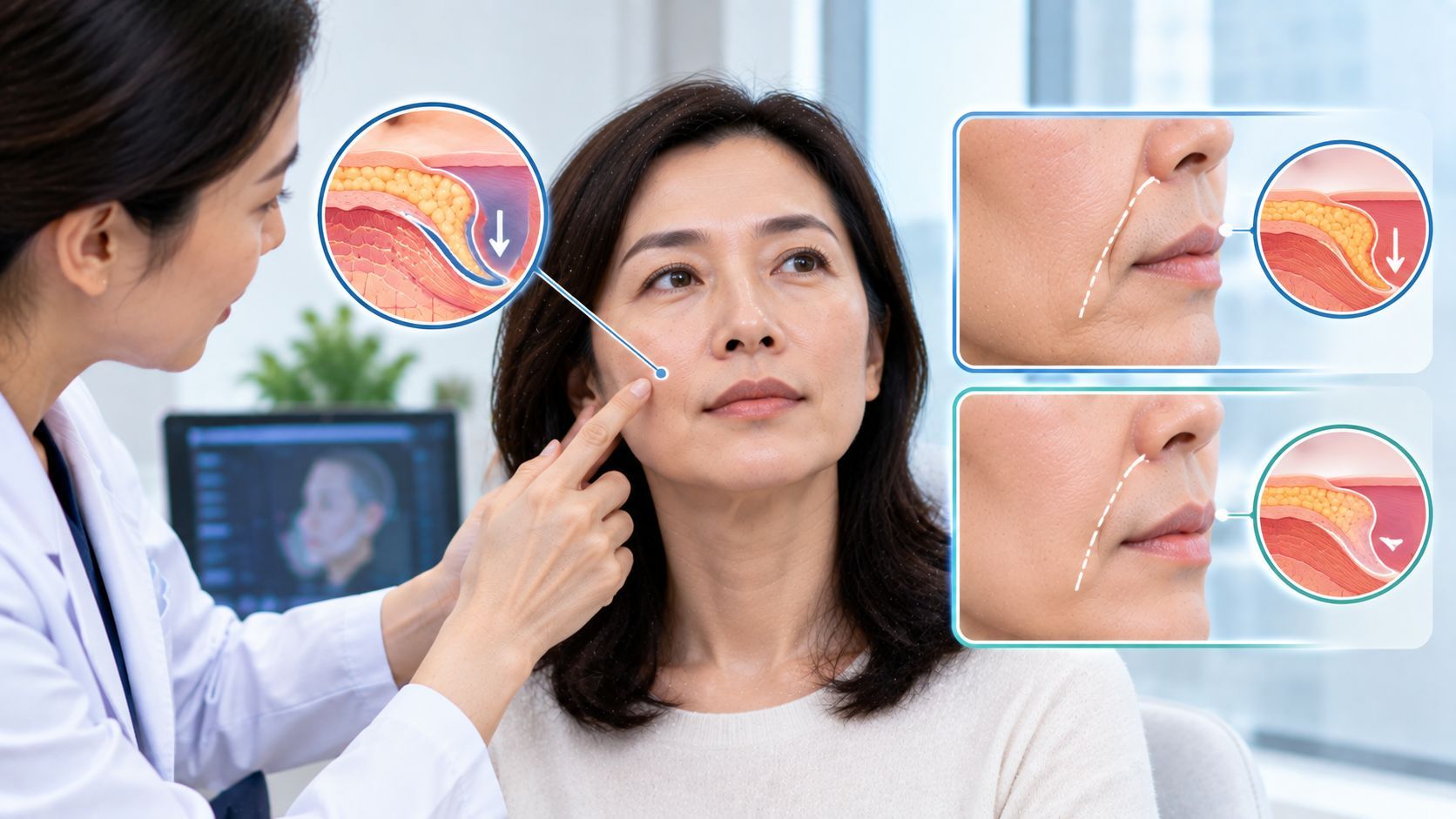
Lower-Eyelid Laxity
Crepiness can also occur alongside mild skin laxity. In more advanced cases, however, the problem may involve deeper structural changes that laser treatment alone cannot correct.
Can Laser Actually Improve Crepey Under-Eye Skin?
Yes, selected laser treatments can improve fine lines and skin texture, but results depend on the cause and treatment approach.
Laser resurfacing works by delivering controlled energy to the skin. Depending on the technology, this can remove or heat portions of the skin and stimulate remodeling.
The objective is not simply to “burn wrinkles away.” Instead, controlled treatment can encourage changes in the treated tissue over time.
Laser treatment has been studied for periocular photoaging and can improve selected concerns such as fine wrinkles and skin texture. However, the lower eyelid requires particularly careful treatment because of its thin skin and proximity to the eye.
Which Types of Laser May Be Considered?
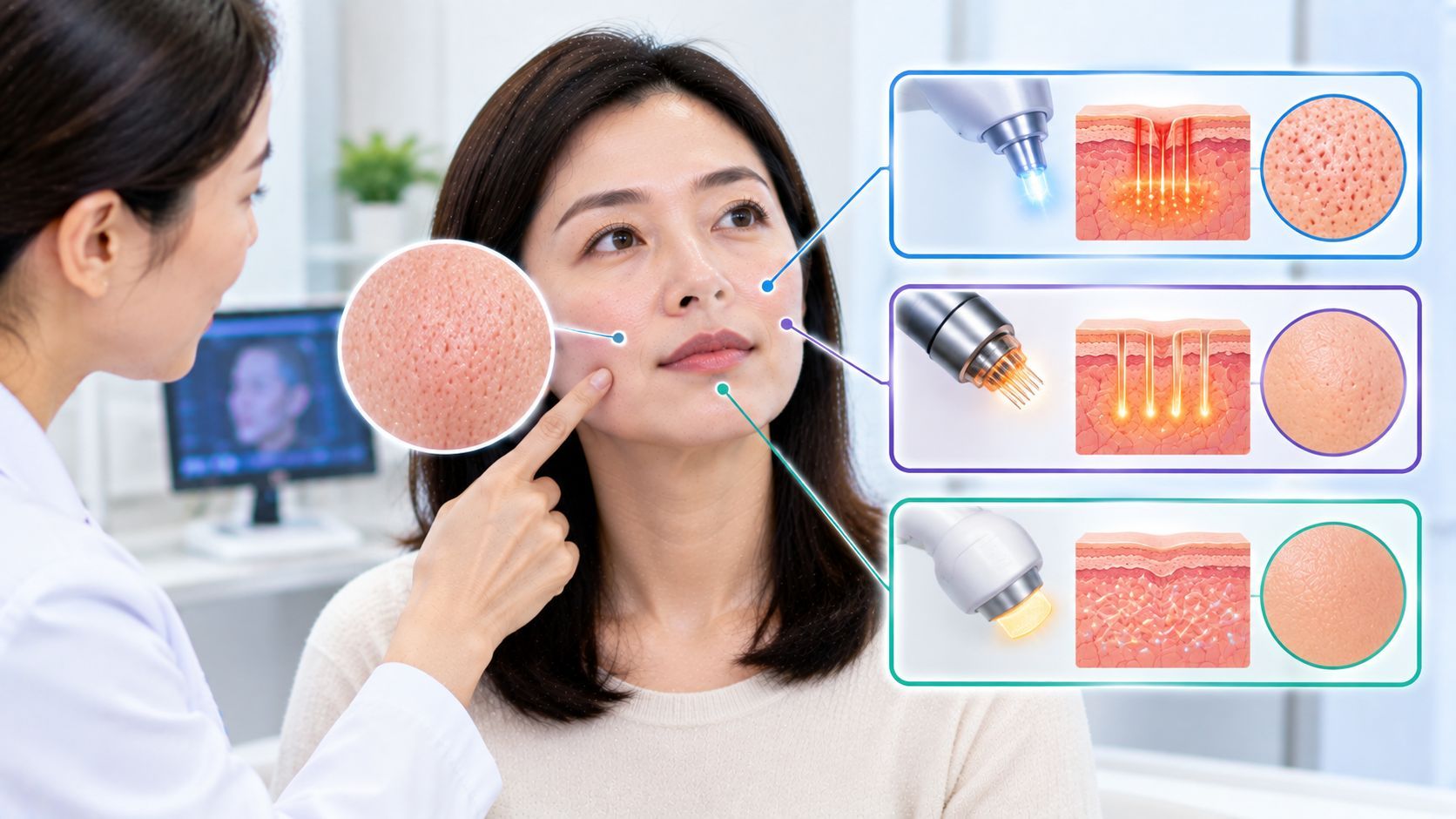
Fractional Ablative Laser
Fractional ablative lasers create microscopic treatment zones in the skin while leaving surrounding tissue untreated.
They can produce significant resurfacing and collagen-remodeling effects.
The trade-off is greater downtime and a potentially greater risk of prolonged redness, irritation, and pigmentation changes.
For carefully selected patients, they can be useful for more pronounced photoaging and crepiness.
Fractional Non-Ablative Laser
Non-ablative fractional lasers heat tissue without removing the surface in the same way as an ablative treatment.
They may offer a more gradual approach to improving texture and fine lines, often with less downtime.
However, results may also be more subtle and require multiple sessions.
Other Resurfacing Technologies
Different clinics may use different laser wavelengths and fractional technologies for periocular rejuvenation.
The important question is not simply:
“Which laser is strongest?”
A better question is:
“Which treatment is appropriate for my skin type and degree of crepiness?”
Why Can Laser Cause Pigmentation?
Laser treatment intentionally creates a controlled injury or thermal response.
Your skin responds through an inflammatory and healing process.
In some people, particularly those prone to pigmentation, inflammation can stimulate increased melanin production. This can lead to post-inflammatory hyperpigmentation (PIH).
The risk depends on several factors, including:
- Skin tone
- History of PIH
- Laser wavelength
- Energy settings
- Treatment density
- Treatment depth
- Sun exposure
- Post-treatment inflammation
- Aftercare
This means that the same laser and settings cannot necessarily be used for every patient.
Does Darker Skin Mean You Cannot Have Laser?
No.
Having a darker skin tone does not automatically mean laser treatment is impossible.
It does mean that treatment selection and settings require greater consideration because melanin absorbs certain wavelengths of light and can increase the risk of unwanted thermal effects and pigmentation changes.
A dermatologist experienced with your skin type can determine whether a particular laser is appropriate and whether a more conservative approach is preferable.
What If I Am Prone to Hyperpigmentation?
Tell the doctor before treatment if you have previously developed dark marks after:
- Acne
- Burns
- Cuts
- Chemical peels
- Laser treatment
- Microneedling
- Injections
- Other cosmetic procedures
A history of PIH does not necessarily rule out treatment, but it is important information for planning.
Your doctor may consider a less aggressive treatment strategy, different technology, lower treatment density, or alternative procedures.
Can Laser Make the Under-Eyes Look Worse Temporarily?
Yes.
After laser treatment, the skin may temporarily appear:
- Red
- Swollen
- Dry
- Darker
- More textured
- More sensitive
This does not necessarily represent the final result.
The healing period depends heavily on the laser type and treatment intensity.
Patients should understand the expected recovery before scheduling treatment, especially if they are traveling internationally.
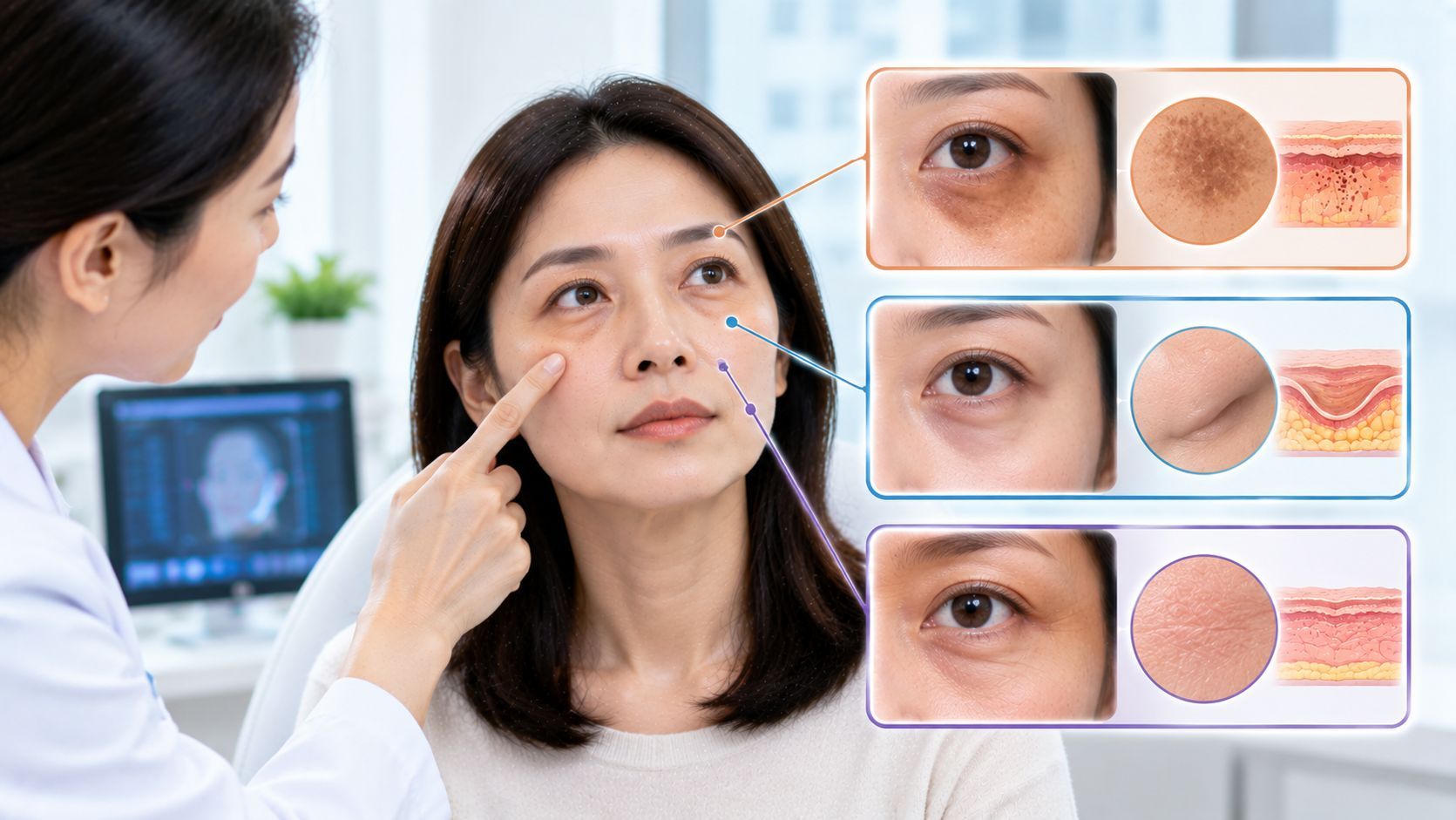
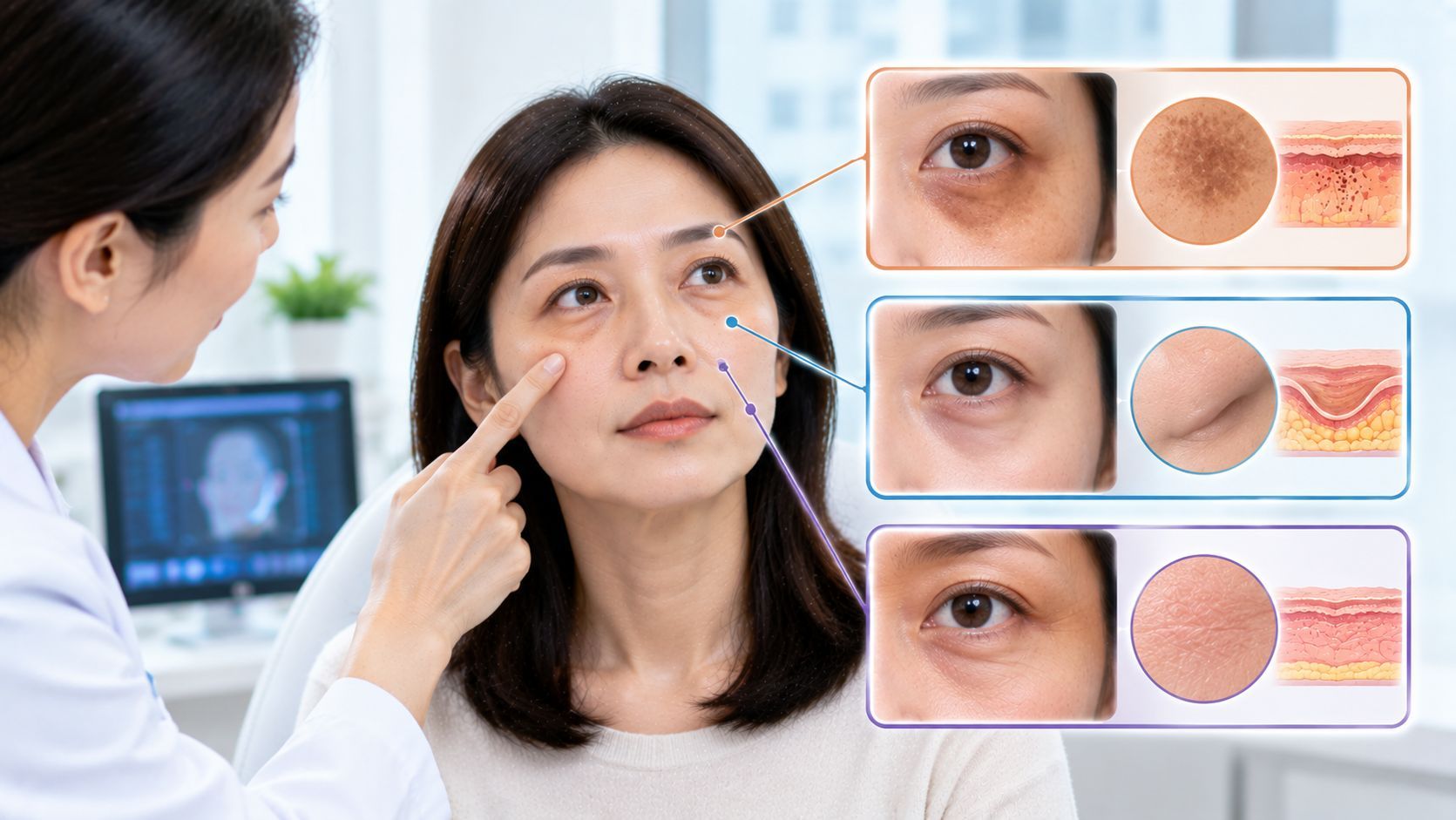
What If the Darkness Is Pigmentation Rather Than Crepiness?
This distinction is crucial.
If your under-eye concern is mainly brown pigmentation, a laser designed primarily for resurfacing may not be the most appropriate first approach.
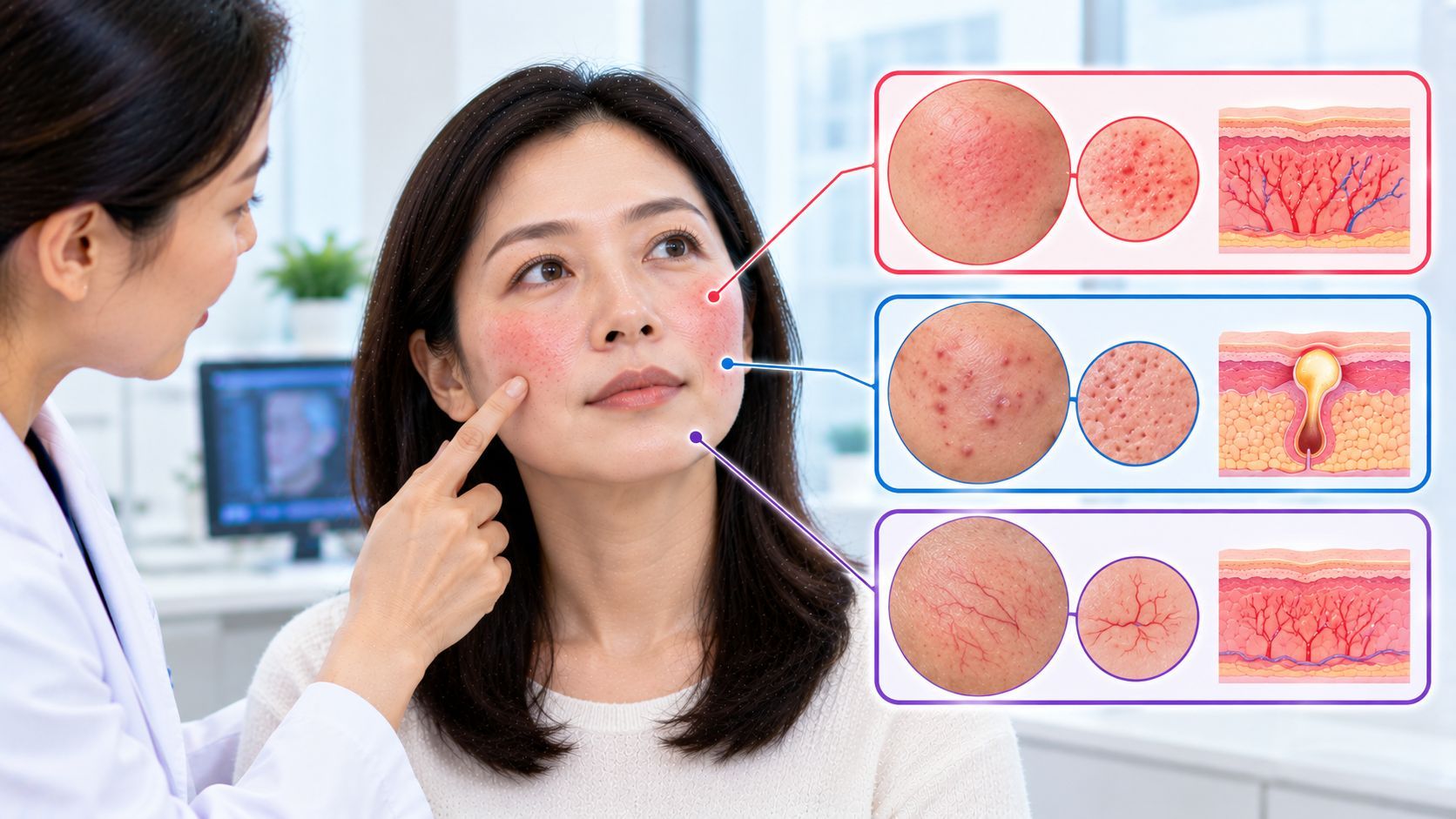
The doctor should determine whether the darkness comes from:
- Melanin
- Visible blood vessels
- Structural shadows
- Thin skin
- A combination
Treating the wrong cause can produce little improvement while exposing the skin to unnecessary irritation.
Could Laser Treat Both Pigmentation and Crepiness?
Sometimes, depending on the specific laser.
Some technologies can address more than one concern, but combining objectives does not mean that the most aggressive treatment is automatically best.
For example, a patient with mild crepiness and significant pigmentation may require a different strategy from someone with severe photoaging but little pigment.
The treatment plan should prioritize the dominant concern while minimizing unnecessary inflammation.
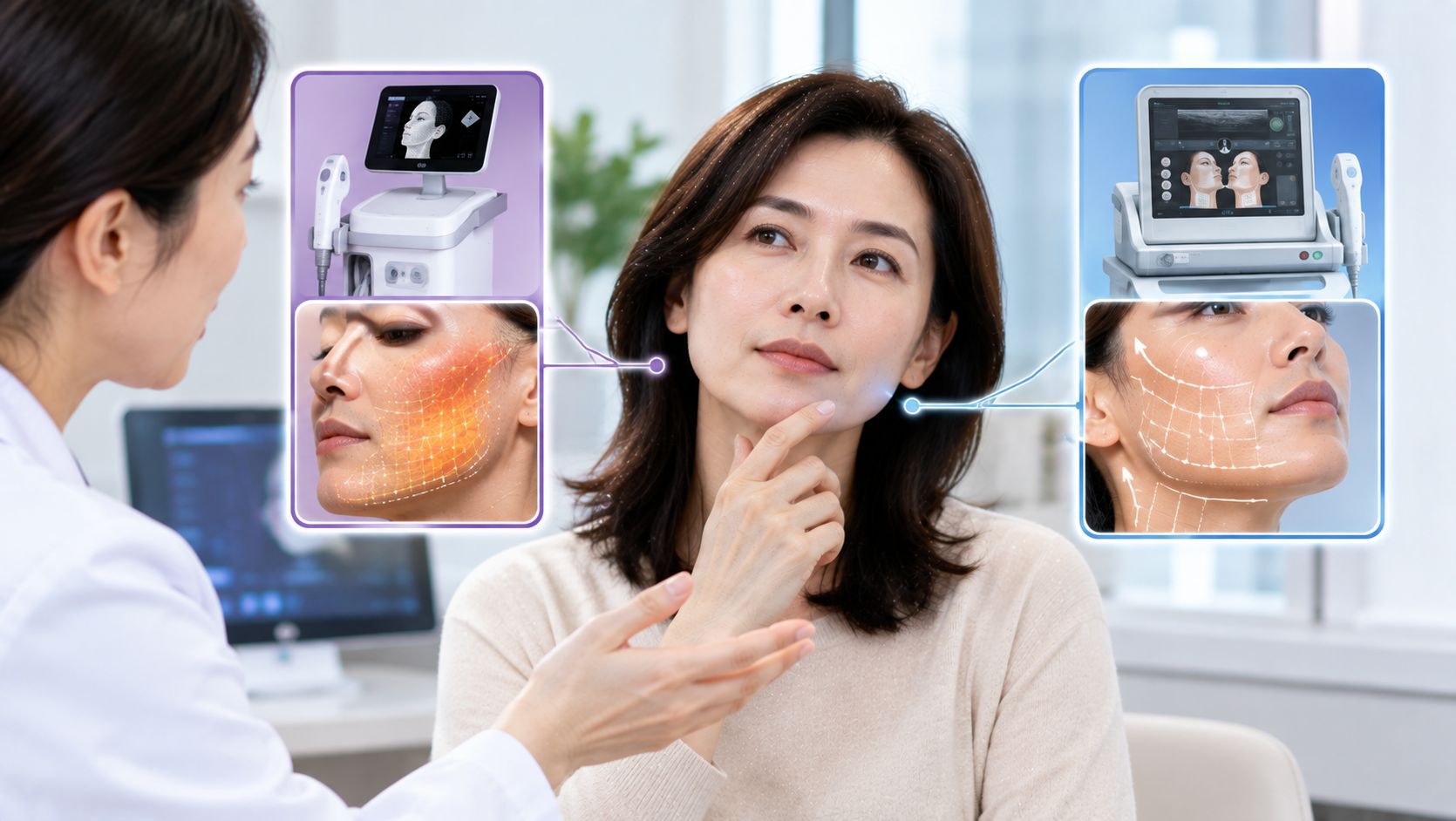
What About RF Instead of Laser?
Radiofrequency is another option sometimes considered for under-eye skin quality and mild laxity.
RF uses electromagnetic energy to create controlled heating rather than relying on optical absorption in the same way as laser.
For selected patients, it may provide a non-laser approach to skin remodeling.
However, RF is not automatically safer for every person, and different RF devices have very different treatment depths and mechanisms.
The choice should be based on your anatomy, skin type, laxity, and tolerance for downtime.
What About Polynucleotides or Skin Boosters?
If your main concern is very thin, dry, or crepey skin rather than significant photoaging, a clinician may also discuss skin-quality treatments.
Polynucleotides and other injectable skin-quality approaches are increasingly used in aesthetic medicine, including for periocular concerns.
Recent research suggests potential improvements in skin-quality measures, but the evidence is still developing and these treatments should not be presented as guaranteed replacements for resurfacing.
What If I Have Under-Eye Filler?
Tell your doctor before laser treatment.
Previous filler can affect the appearance of the area and may influence treatment planning.
This is particularly important if you have had filler placed directly beneath the eyes or in the upper cheek.
Your doctor should evaluate whether swelling, residual filler, or contour changes are contributing to your current appearance before adding another procedure.
How Can You Reduce the Risk of Pigmentation?
1. Choose the Treatment Based on Your Skin
The same settings should not be automatically applied to every patient.
2. Tell the Doctor About Previous PIH
Your history can influence treatment intensity and technology selection.
3. Protect Your Skin From Sun Exposure
UV exposure during the healing period can increase the risk of pigmentation and interfere with recovery.
4. Follow the Aftercare Instructions
Avoid picking, scratching, excessive heat, or unnecessary irritation while the skin is healing.
5. Don't Chase Aggressive Results
More energy does not automatically mean a better cosmetic result.
For delicate under-eye skin, conservative treatment may sometimes be preferable to aggressive resurfacing.
What Should International Patients Ask a Seoul Clinic?
If you are traveling to Seoul for laser treatment around the eyes, ask:
- What type of laser will be used?
- Is it ablative or non-ablative?
- Why is this laser appropriate for my skin?
- What is my estimated downtime?
- What is my risk of post-inflammatory hyperpigmentation?
- Have you treated patients with my skin type?
- Should I avoid sun exposure before or after treatment?
- What skincare should I stop before treatment?
- What should I do if pigmentation develops?
- How will follow-up be handled after I return home?
If possible, provide photographs showing your normal skin tone and any previous episodes of post-treatment pigmentation.
When Should Laser Treatment Be Delayed?
Treatment may need to be postponed if the skin is actively irritated, infected, sunburned, or inflamed.
Your doctor should also know about medications, active skin conditions, recent procedures, and any history of abnormal wound healing.
The lower eyelid is not an area where rushing into treatment is advisable.
When Should You Seek Medical Attention After Laser?
Contact your treatment provider if you develop unusual or worsening symptoms such as:
- Severe pain
- Increasing swelling
- Blistering
- Significant skin breakdown
- Signs of infection
- Rapidly worsening discoloration
- Visual symptoms
Eye-related symptoms require prompt medical assessment.
Conclusion
Laser can improve under-eye crepiness, fine lines, and photoaged texture in appropriately selected patients. However, pigmentation risk needs to be considered before treatment, particularly if you have darker skin or a history of post-inflammatory hyperpigmentation.
The safest strategy is not necessarily the strongest laser. It is a treatment plan that considers your skin type, pigmentation history, degree of crepiness, laser technology, treatment settings, and recovery requirements.
For patients considering laser treatment in Seoul, ask the clinic to explain both the expected improvement and the potential pigmentation risk. If your primary problem is thin, dry skin rather than significant photoaging, a skin-quality approach may also be worth discussing.
Frequently Asked Questions
Can laser remove under-eye crepey skin permanently?
Laser can improve fine lines and skin texture, but it cannot stop normal aging. Results vary and may require maintenance as the skin continues to change.
Is laser safe for dark skin under the eyes?
Laser can sometimes be used safely in darker skin, but treatment selection and settings are particularly important because some patients have a higher risk of pigmentation changes.
Will laser make my under-eyes darker?
Temporary darkening can occur during healing, and post-inflammatory hyperpigmentation is a recognized potential complication. Your individual risk depends on your skin and treatment.
Is RF safer than laser for under-eye crepiness?
Not automatically. RF and laser use different mechanisms and have different risk profiles. The appropriate option depends on the treatment goal and your anatomy.
Can I get laser if I already have under-eye filler?
Possibly, but your doctor should know about the filler before treatment. The location, type, age, and current condition of the filler can influence planning.
How long should I stay in Seoul after under-eye laser treatment?
That depends on the laser and intensity. Before booking flights, ask the clinic how long redness, swelling, peeling, or other visible recovery effects may last and whether an in-person follow-up is recommended.