I Want Better Skin but Don't Want the Korean “Glass Skin” Look. What Should I Get?
Introduction
“Korean glass skin” is often associated with extremely smooth, luminous, hydrated, almost reflective-looking skin. But not everyone wants that aesthetic. You may want healthier-looking skin, less pigmentation, smoother texture, or a more rested appearance while still keeping your natural pores, facial character, and normal skin texture.
If you want better skin without a glass-skin appearance, focus on correcting your specific skin concerns rather than pursuing maximum glow. A dermatologist can build a treatment plan around pigmentation, acne, texture, fine lines, redness, or sun damage without trying to make your skin look unnaturally glossy.
The goal should be healthy, balanced skin—not a particular social-media aesthetic.
What Does “Better Skin” Mean Without Glass Skin?
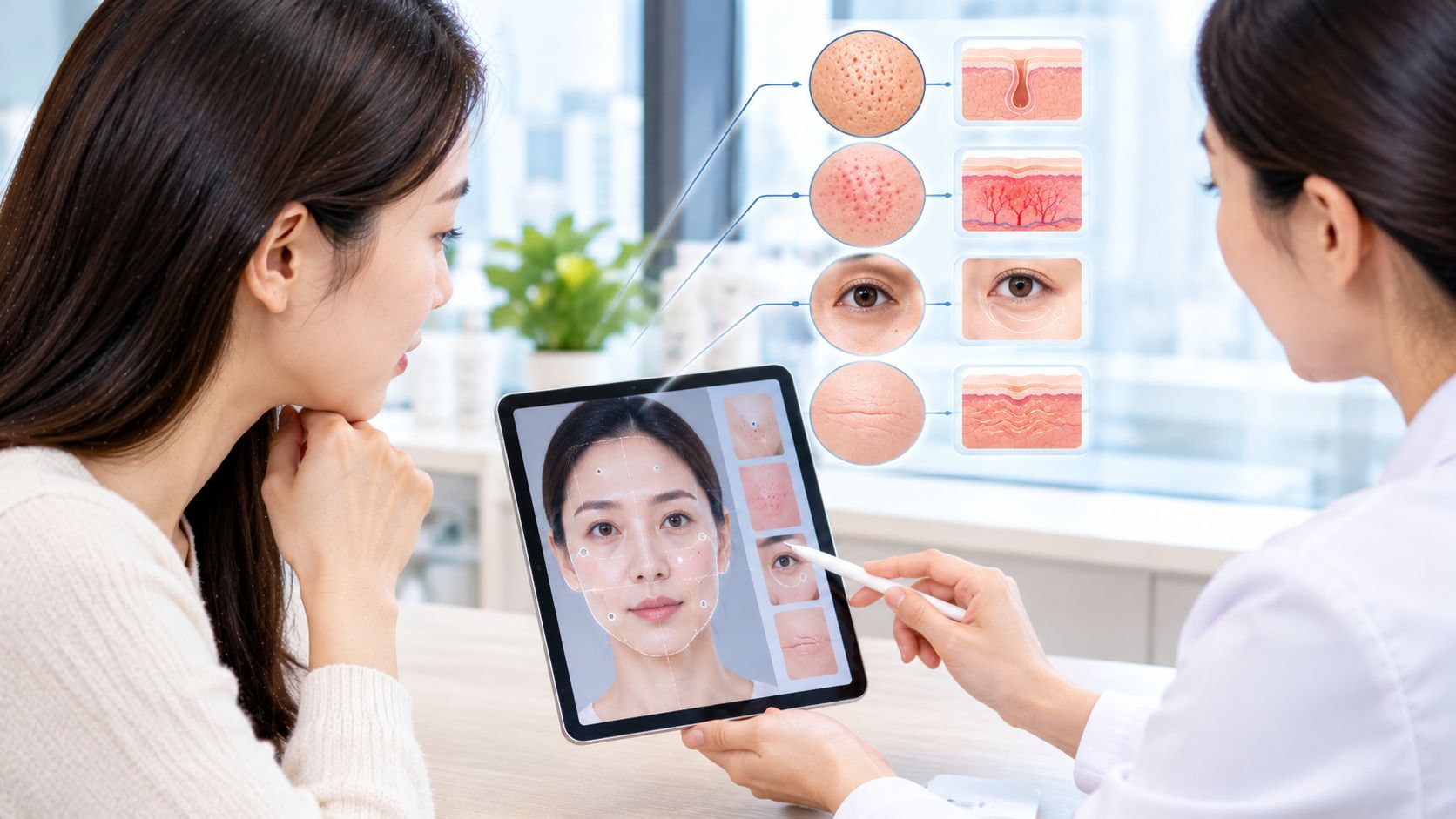
Before choosing a treatment, define what you actually dislike about your skin.
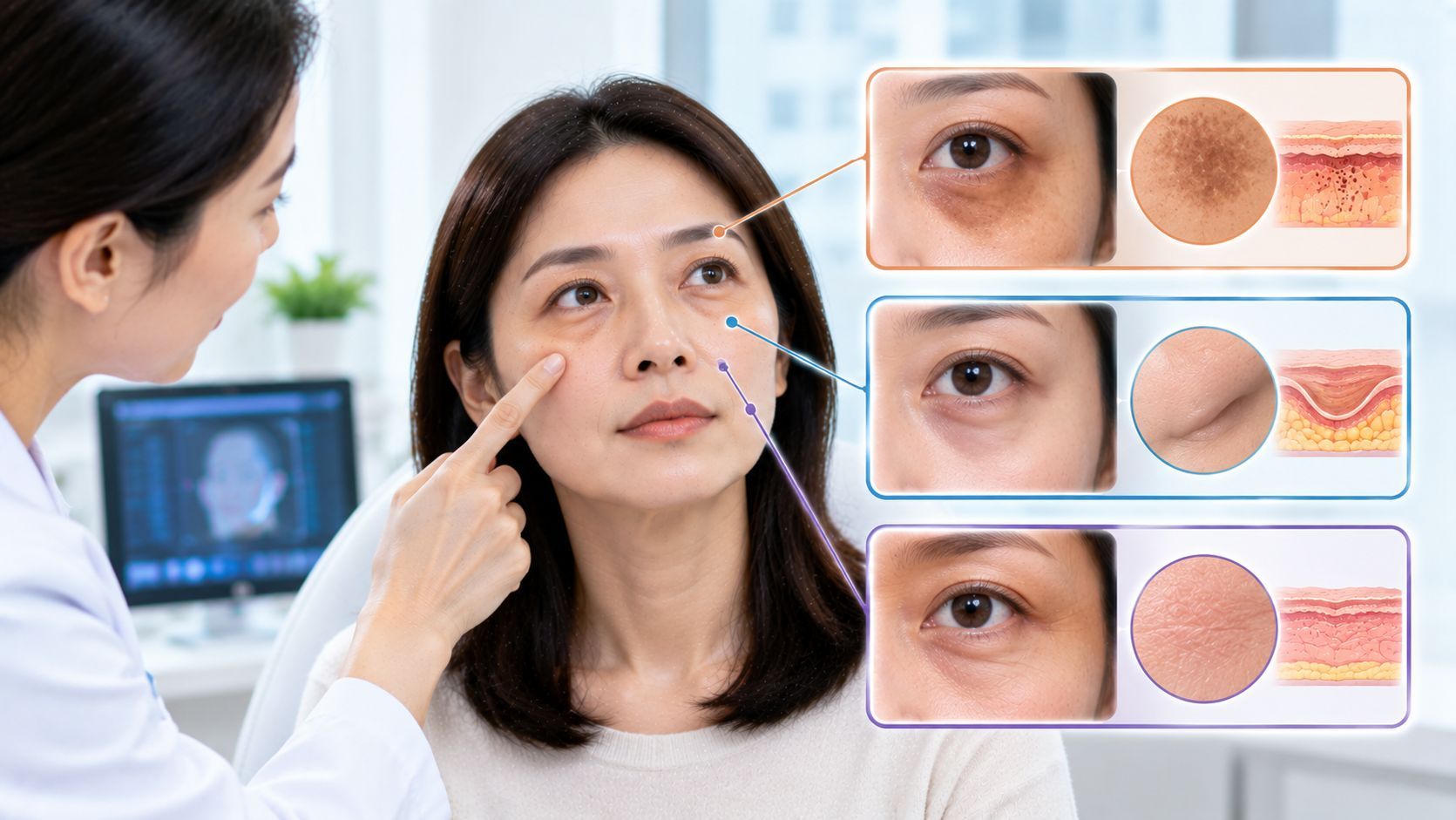
You might want to improve:
- Uneven skin tone
- Sun spots or pigmentation
- Acne or acne scars
- Rough texture
- Enlarged pores
- Fine lines
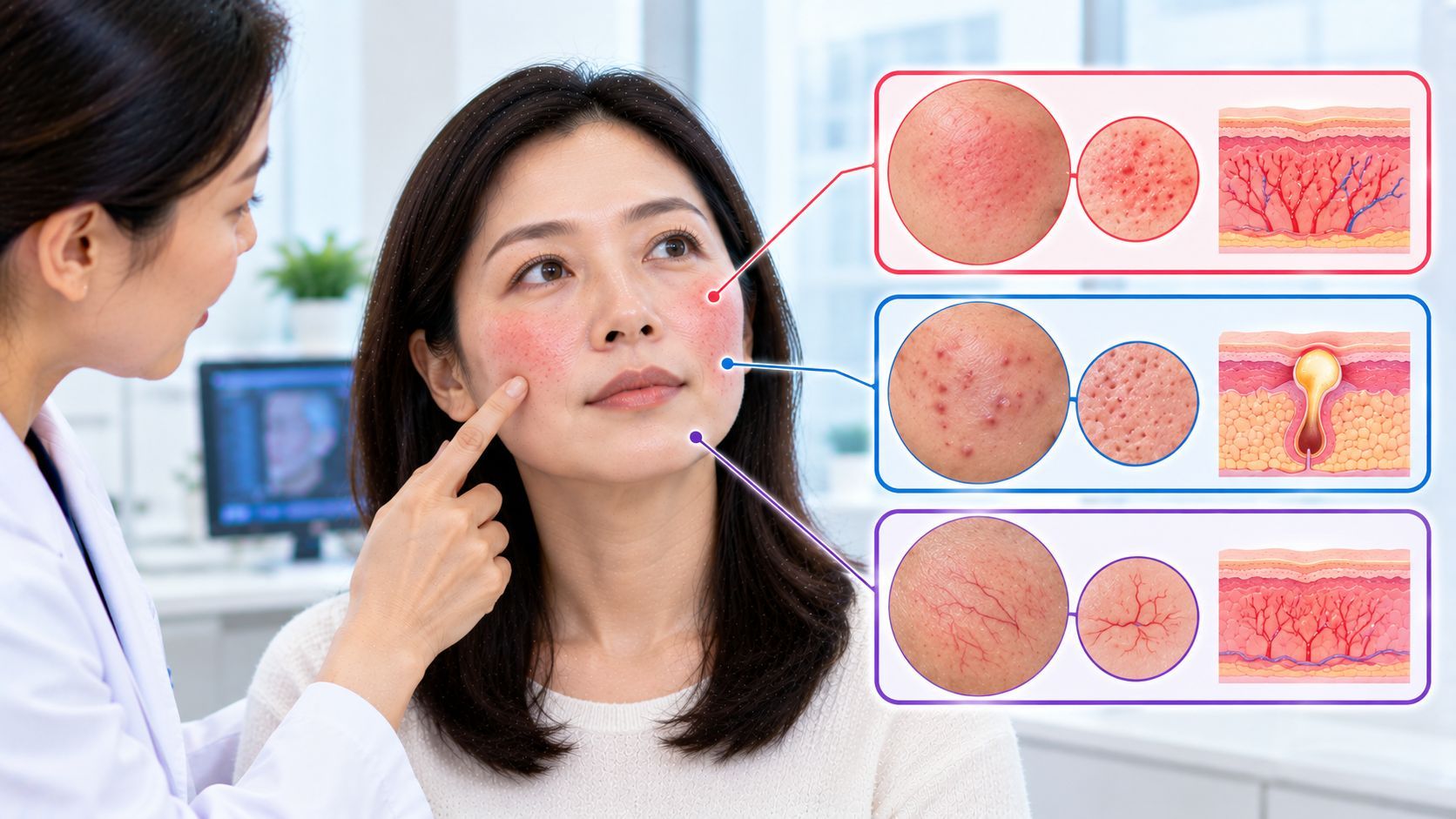
- Redness
- Dullness
- Dryness
- Mild laxity
- Post-inflammatory marks
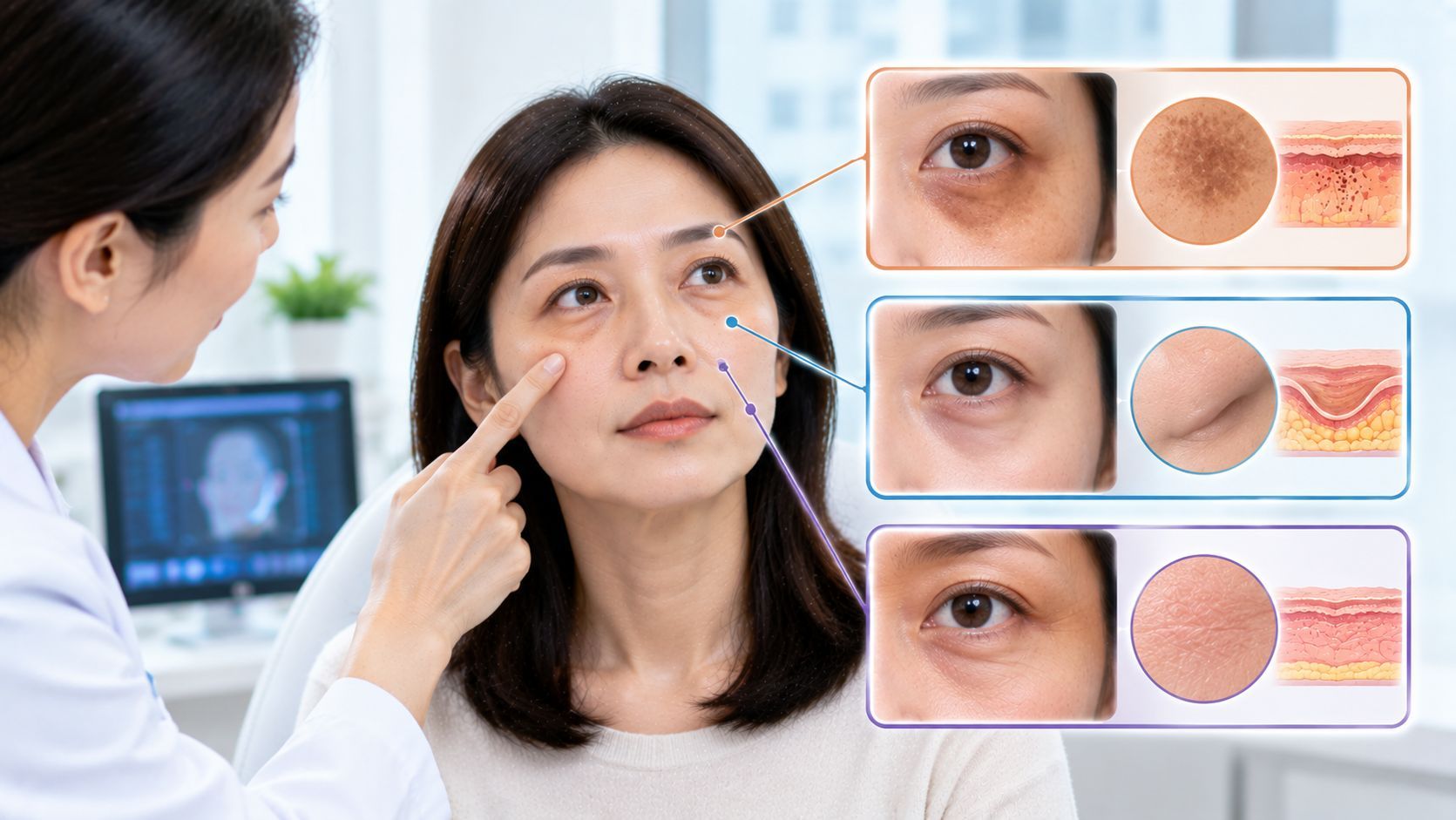
These concerns require different approaches.
For example, someone with pigmentation may need a completely different treatment from someone whose main concern is rough texture. The American Academy of Dermatology recommends focusing on your primary concern rather than layering many anti-aging products or procedures at once, because excessive treatment can irritate the skin.
You Don't Need to Eliminate Every Pore
One reason people dislike the “glass skin” aesthetic is that it can create unrealistic expectations.
Real skin normally has:
- Pores
- Fine lines
- Some texture
- Small variations in color
- Expression lines
- Sebaceous activity
- Occasional blemishes
Trying to eliminate every visible pore or make the surface perfectly reflective is not necessarily the same as having healthy skin.
A better goal may be more even, comfortable, resilient skin with improved texture and tone.
Which Treatments Can Improve Skin Without Creating a Glass-Skin Look?
1. Medical Skincare
For many people, skincare should come before procedures.
A simple routine can include:
- Broad-spectrum sunscreen
- Moisturizer
- Gentle cleanser
- One appropriate active ingredient
- Retinoid or retinol when suitable
Dermatologists specifically recommend sunscreen and moisturizer as foundational anti-aging products.
Retinoids and retinol can also help with certain concerns such as fine lines, uneven tone, pigmentation, and texture, although they are not appropriate for everyone.
This approach can improve your skin gradually without giving you a dramatically “treated” appearance.
2. Chemical Peels
A chemical peel may be useful when the primary concern is uneven tone, dullness, rough texture, pigmentation, or certain fine lines.
Instead of trying to make the skin extremely glossy, the treatment can be selected around a specific problem.
The depth and type of peel matter. Stronger treatments generally involve more recovery and are not automatically better.
If you have sensitive skin or a tendency toward pigmentation after inflammation, your dermatologist should select the treatment accordingly.
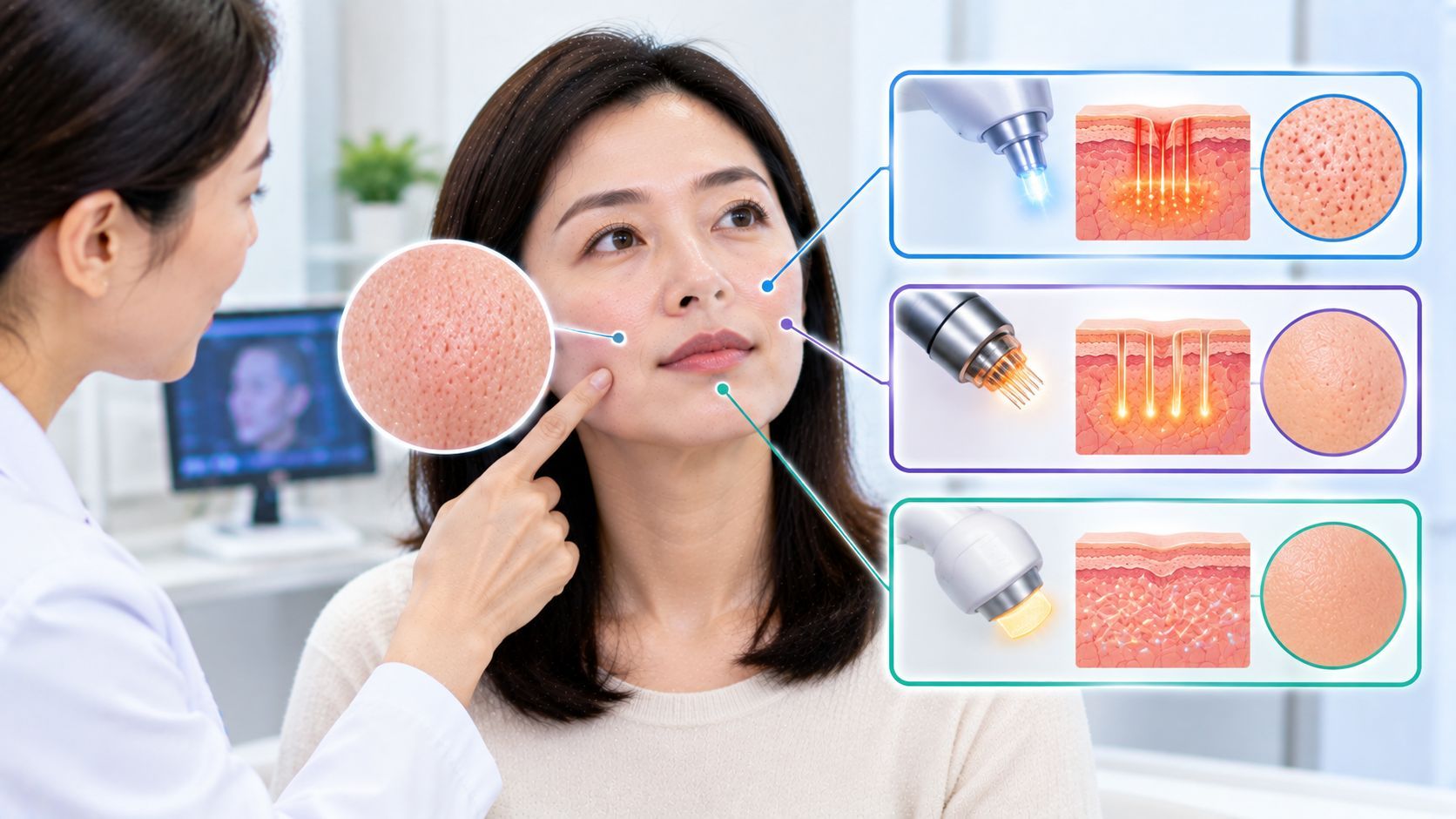
3. Microneedling
Microneedling may be useful if your concern is primarily texture rather than glow.
It can be considered for:
- Acne scars
- Uneven texture
- Fine lines
- Enlarged pores
- Mild skin irregularities
Because the objective is collagen remodeling rather than creating a highly reflective surface, it can fit well with a more natural skin aesthetic.
Results also develop gradually rather than appearing immediately.
4. Laser Treatments
Laser treatment is not one single procedure.
Different lasers and settings may target different concerns, including:
- Pigmentation
- Sun damage
- Uneven texture
- Certain scars
- Redness
- Fine lines
The AAD notes that dermatologists may use approaches such as laser resurfacing, chemical peels, and microdermabrasion to address different signs of sun damage.
If you do not want a glass-skin appearance, tell the dermatologist that you want to improve a specific problem rather than maximize overall resurfacing or shine.
5. Microdermabrasion
Microdermabrasion gently exfoliates the outer skin and can make the complexion appear smoother, brighter, and more even after a series of treatments. It may be considered for dull complexion, uneven tone or texture, age spots, and some pigmentation concerns.
It may be an option when you want a relatively straightforward skin-quality treatment rather than a major transformation.
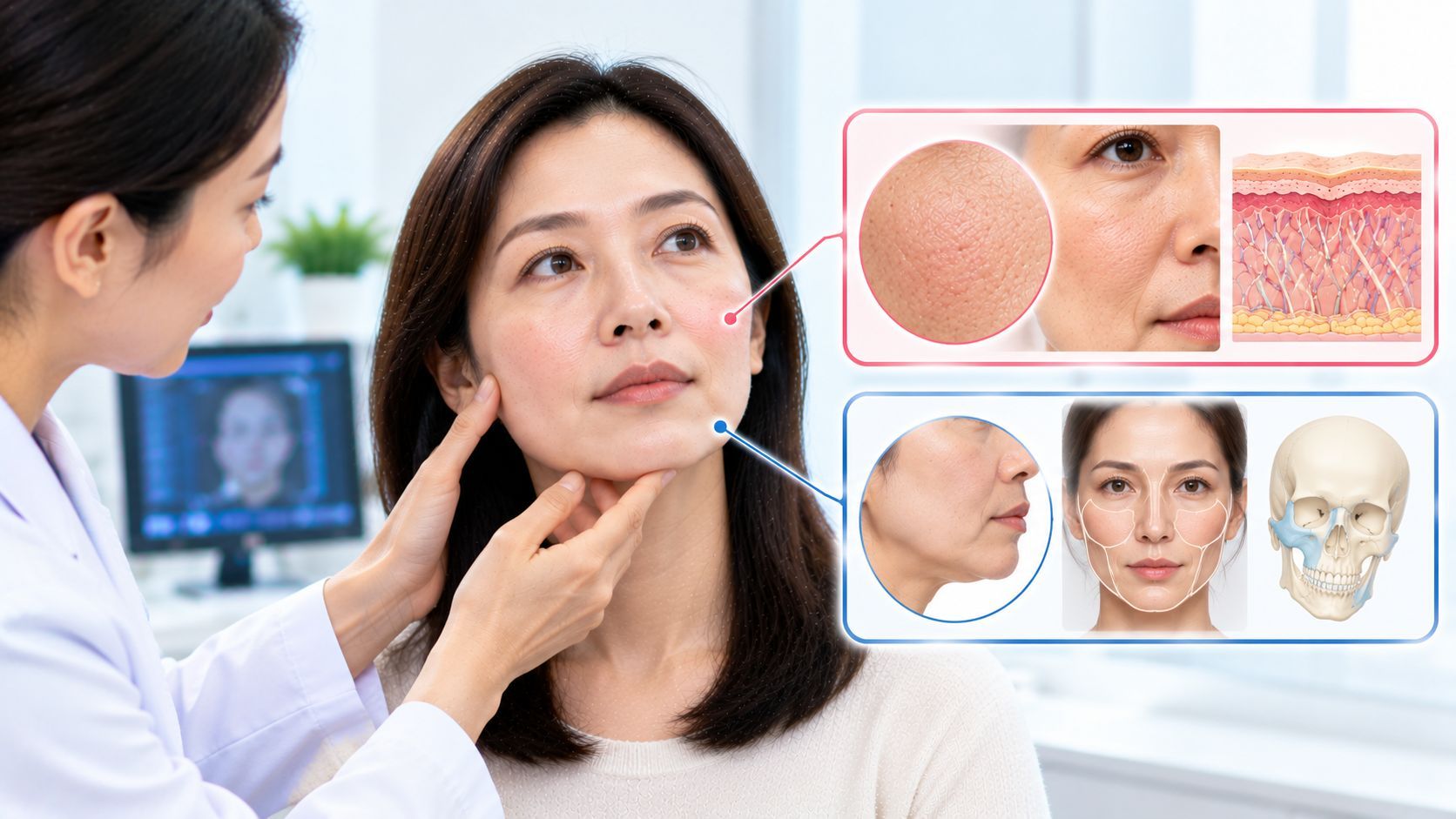
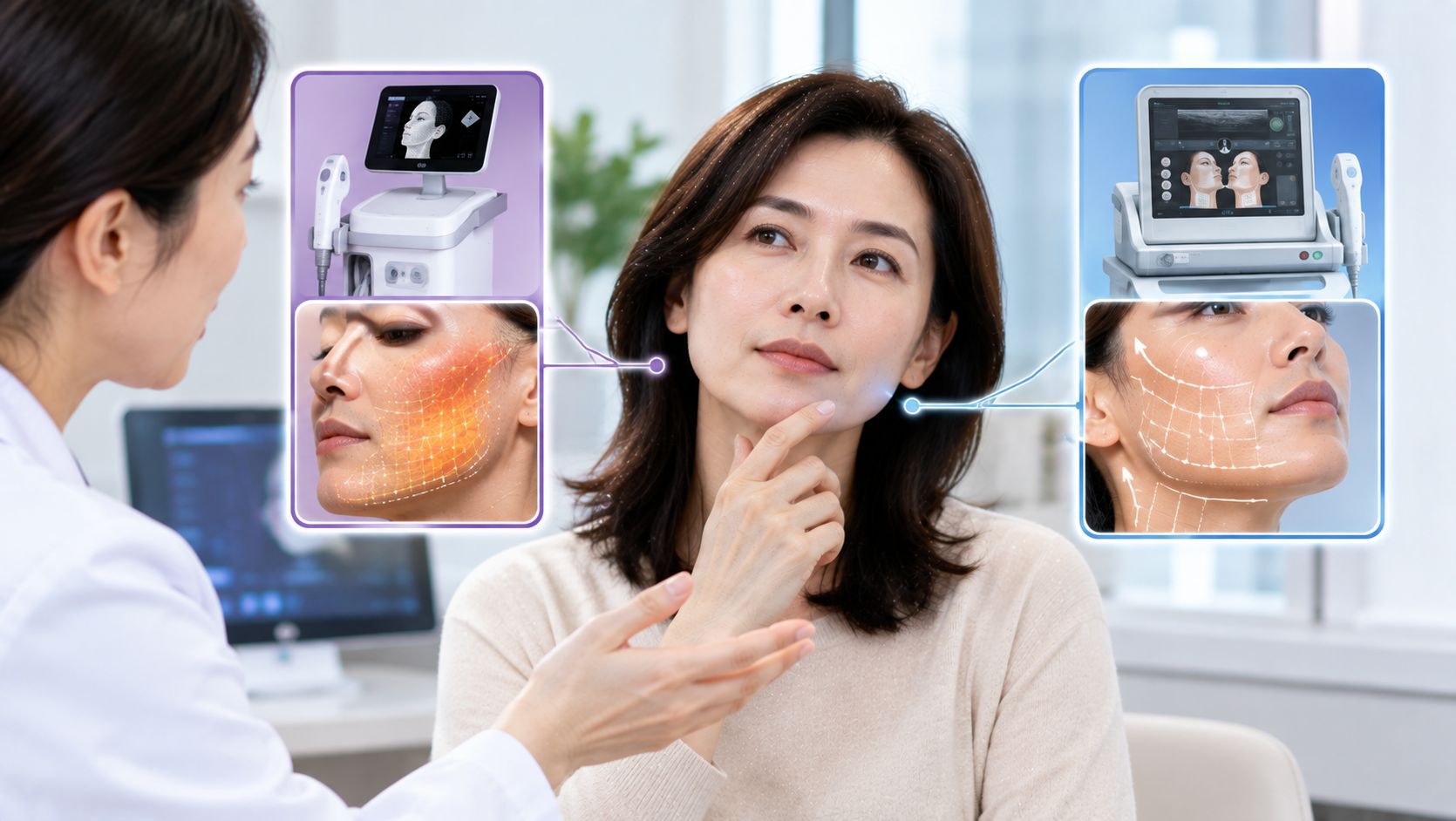
6. Non-Invasive Skin Tightening
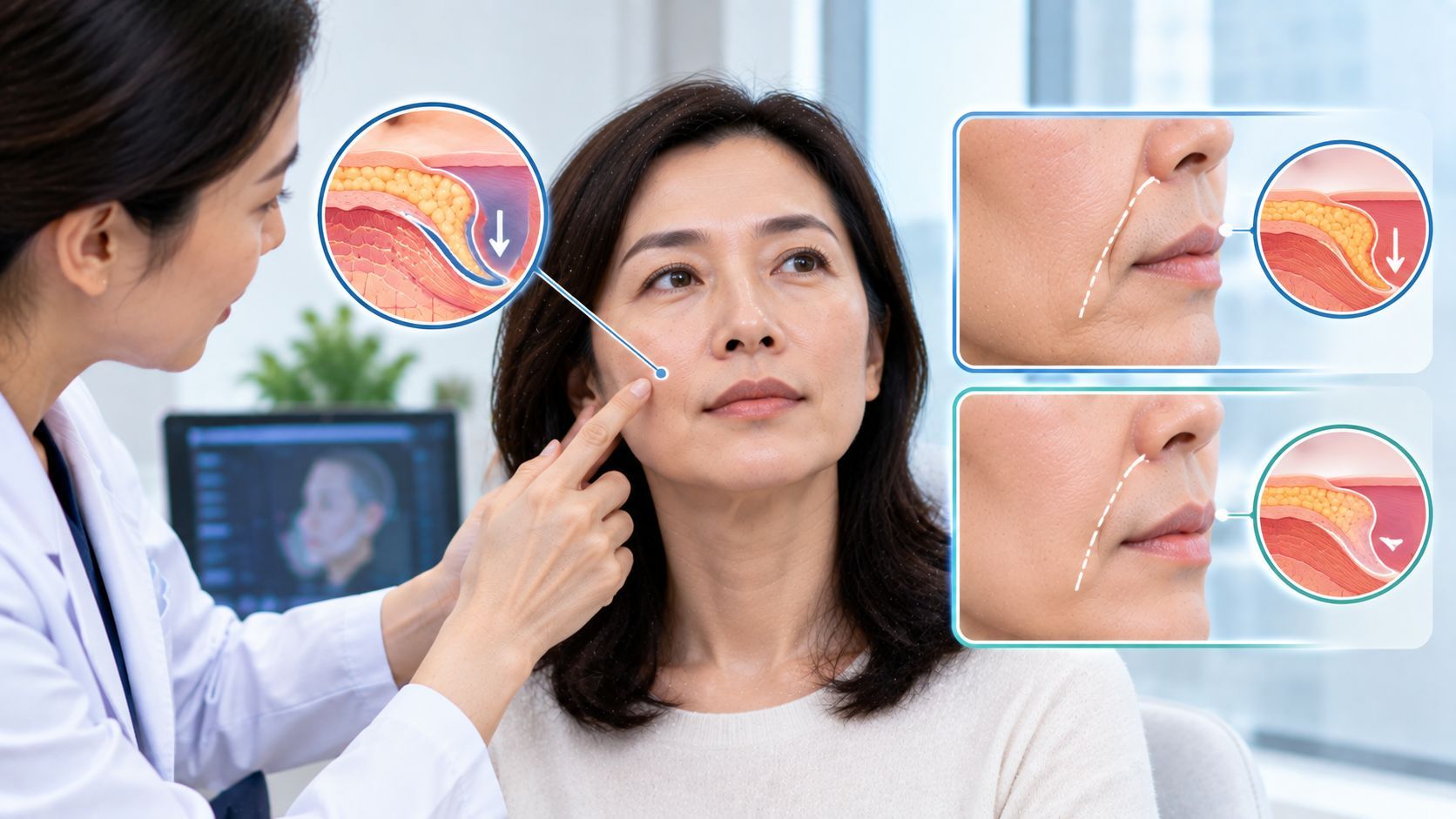
If your concern is mild laxity rather than skin tone, a dermatologist may discuss non-invasive radiofrequency or ultrasound-based treatments.
These procedures are designed to improve firmness rather than add facial volume.
The AAD describes non-invasive tightening as generally producing more modest and gradual results than surgery.
This can be useful if your definition of better skin includes slightly firmer skin but you do not want your face reshaped.
What If I Want Better Skin but Still Want Visible Texture?
Tell your dermatologist.
This may sound unusual, but it is an important preference.
You can specifically say:
“I want healthier and more even-looking skin, but I don't want my face to look overly polished or artificial.”
That can influence the treatment strategy.
For example, you might prioritize:
- Pigmentation correction over aggressive resurfacing
- Texture improvement over maximum pore reduction
- Hydration over excessive exfoliation
- Gradual collagen stimulation over dramatic tightening
- Targeted treatment over full-face treatment
There is no requirement to pursue the strongest available treatment simply because it is popular.
What About Skin Boosters and Hydration Treatments?
Some patients use injectable skin-quality treatments to improve hydration, texture, or overall skin appearance.
These are different from traditional dermal fillers because the objective may be skin quality rather than adding noticeable facial volume. However, they are still injectable medical procedures and should not automatically be considered “better” simply because they are marketed as subtle.
If your goal is specifically to avoid injections, tell your provider. There are non-injectable options that may address some of the same concerns depending on your skin.
How to Avoid Over-Treating Your Skin
A common mistake is trying to treat everything at once.
For example, a person may combine multiple:
- Acids
- Retinoids
- Brightening products
- Peels
- Lasers
- Microneedling treatments
- Facials
The result can be irritation rather than healthier skin.
Dermatologists advise introducing anti-aging products carefully because using multiple irritating products can make signs of aging more noticeable.
A better approach is to identify your top one or two concerns first.
Choosing Treatment Based on Your Main Concern
Main concernTreatments that may be consideredUneven pigmentationSkincare, selected peels, laser/light treatmentsRough textureMicroneedling, peel, selected laser treatmentsAcne scarsMicroneedling, laser, combination treatmentsDullnessSkincare, gentle exfoliation, selected professional treatmentsFine linesSkincare, retinoids, resurfacing or collagen-stimulating treatmentsMild laxityNon-invasive RF or ultrasound-based treatmentsDry-looking skinMoisturizer, barrier-focused skincare, selected professional treatmentsRednessDiagnosis first, then condition-specific treatment
These are general categories rather than prescriptions. A dermatologist should determine which treatment is appropriate for your skin.
What Should You Tell a Korean Dermatology Clinic?
If you are visiting South Korea specifically because of its reputation for advanced skincare and aesthetic treatments, make your aesthetic preference clear.
Instead of saying:
“I want Korean glass skin.”
you can say:
“I want healthier, more even skin, but I want to keep natural texture and avoid an overly glossy or artificial appearance.”
Also explain whether you want to avoid:
- Injectables
- Significant downtime
- Facial volume changes
- Strong peeling
- Aggressive resurfacing
- Skin-tightening treatments that may alter facial contours
This gives the dermatologist a better understanding of what “better skin” means to you.
How Can International Patients Plan Treatment?
If you are traveling to Korea for treatment, consider recovery time before booking.
Ask the clinic:
- What exactly is being treated?
- What device or procedure will be used?
- How much redness or swelling is expected?
- How long should I avoid intense sun exposure?
- Can I wear makeup immediately afterward?
- How many sessions are normally considered?
- What should I use for aftercare?
- What happens if my skin becomes irritated after I return home?
If you have previously received lasers, peels, microneedling, or other aesthetic procedures, bring relevant treatment information if available.
Risks and Limitations
“Natural-looking” does not mean risk-free.
Peels, lasers, microneedling, and other procedures can cause temporary redness, irritation, swelling, peeling, or changes in pigmentation. The risk and recovery period depend on the procedure, treatment settings, your skin condition, and individual characteristics.
Skincare products can also cause irritation. Dermatologists recommend stopping products that cause unexplained burning or irritation and introducing active ingredients carefully.
Most importantly, no treatment can permanently remove every pore, line, or irregularity. Healthy skin is not perfectly uniform.
Conclusion
You do not need to pursue Korean “glass skin” to benefit from Korean dermatology.
If you want better skin without an overly polished appearance, the most appropriate approach is usually to identify your specific concern first and then choose a targeted treatment.
Skincare, chemical peels, microneedling, selected laser treatments, microdermabrasion, and non-invasive tightening may all have a role depending on what you want to improve.
The goal should not be to make your skin look like someone else's.
The better goal is to make your own skin look healthier, more even, and more comfortable while preserving the natural features and texture that make your face yours.
FAQs
1. Can I improve my skin without getting glass skin?
Yes. Treatments can be selected around specific concerns such as pigmentation, acne scars, texture, fine lines, or mild laxity rather than pursuing maximum brightness or smoothness.
2. What is the best treatment for natural-looking skin improvement?
There is no universal best treatment. The appropriate option depends on whether your main concern is pigmentation, texture, acne scarring, fine lines, dullness, or laxity.
3. Do I need laser treatment for better skin?
Not necessarily. Some people may improve significantly with appropriate skincare, while others may benefit from peels, microneedling, laser treatment, or another procedure.
4. Can I improve my skin without injections?
Yes. Depending on the concern, options can include skincare, chemical peels, microneedling, laser treatments, microdermabrasion, and certain non-invasive energy-based procedures.
5. Is Korean glass skin actually healthier?
Not necessarily. “Glass skin” is an aesthetic ideal rather than a medical definition of healthy skin. Healthy skin can still have visible pores, texture, expression lines, and natural variation.
6. What should I tell a dermatologist if I don't want an overtreated look?
Be specific. Tell the dermatologist that you want to improve your skin quality and address particular concerns while preserving natural texture and facial character. This can help guide a more conservative treatment plan.