How Can I Soften Aging Without Changing My Facial Shape?
Introduction
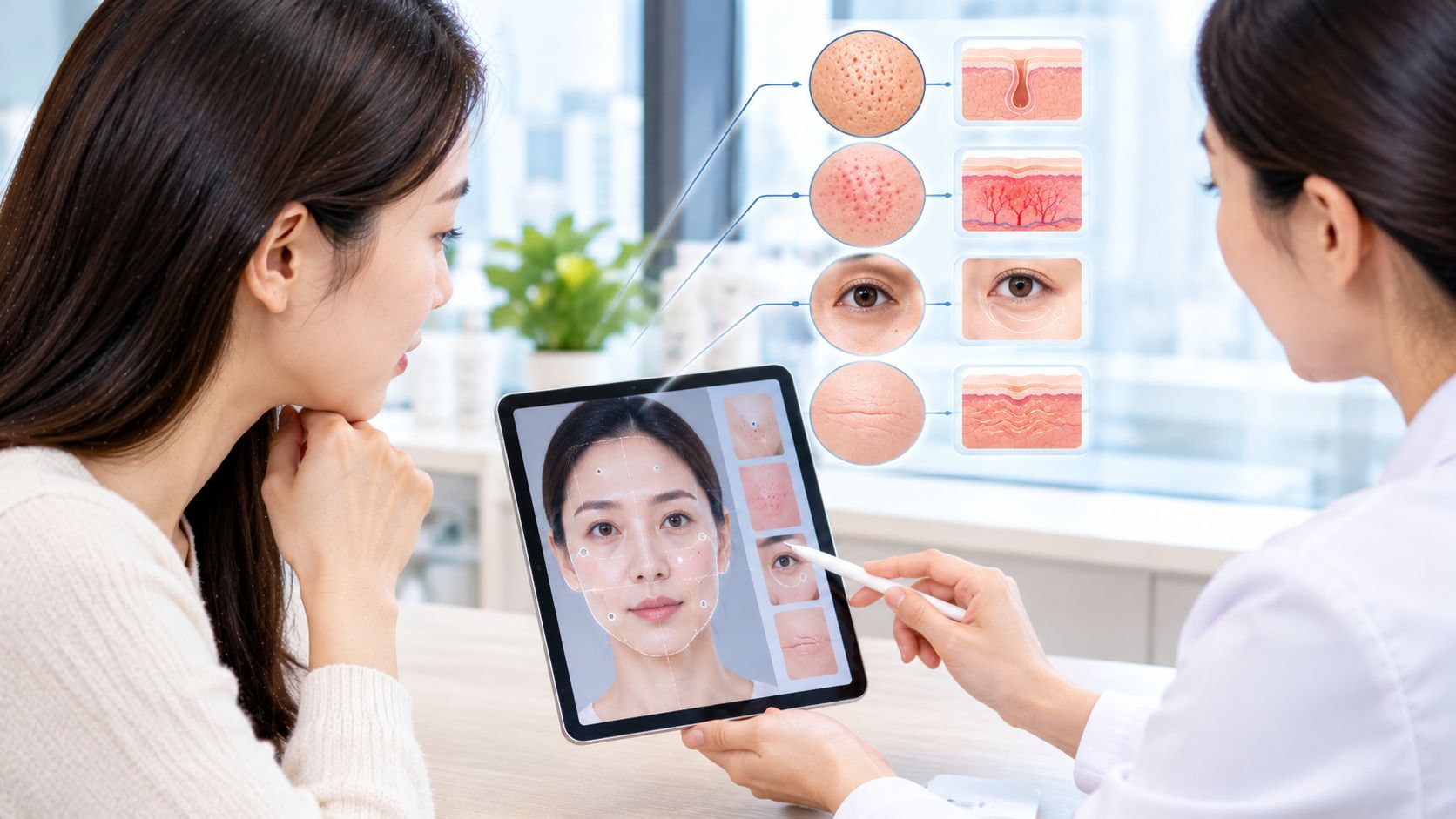
Aging does not always mean that you need more volume, a sharper jawline, or a noticeably tighter face. Many people want to look fresher and less tired while keeping the facial proportions and features that make them recognizable.
If you want to soften aging without changing your facial shape, the best approach is usually to treat the specific signs of aging—such as fine lines, pigmentation, skin texture, or mild laxity—rather than automatically adding volume or aggressively reshaping the face. Depending on your concerns, options can include medical skincare, laser treatments, chemical peels, microneedling, and selected non-invasive tightening procedures.
The objective is not necessarily to make you look dramatically younger. It can simply be to make the signs of aging less noticeable while preserving your existing facial structure.
What Does “Softening Aging” Mean?
When people say they want to age more naturally, they often mean they want to reduce visible signs of aging without looking transformed.
This may involve improving:
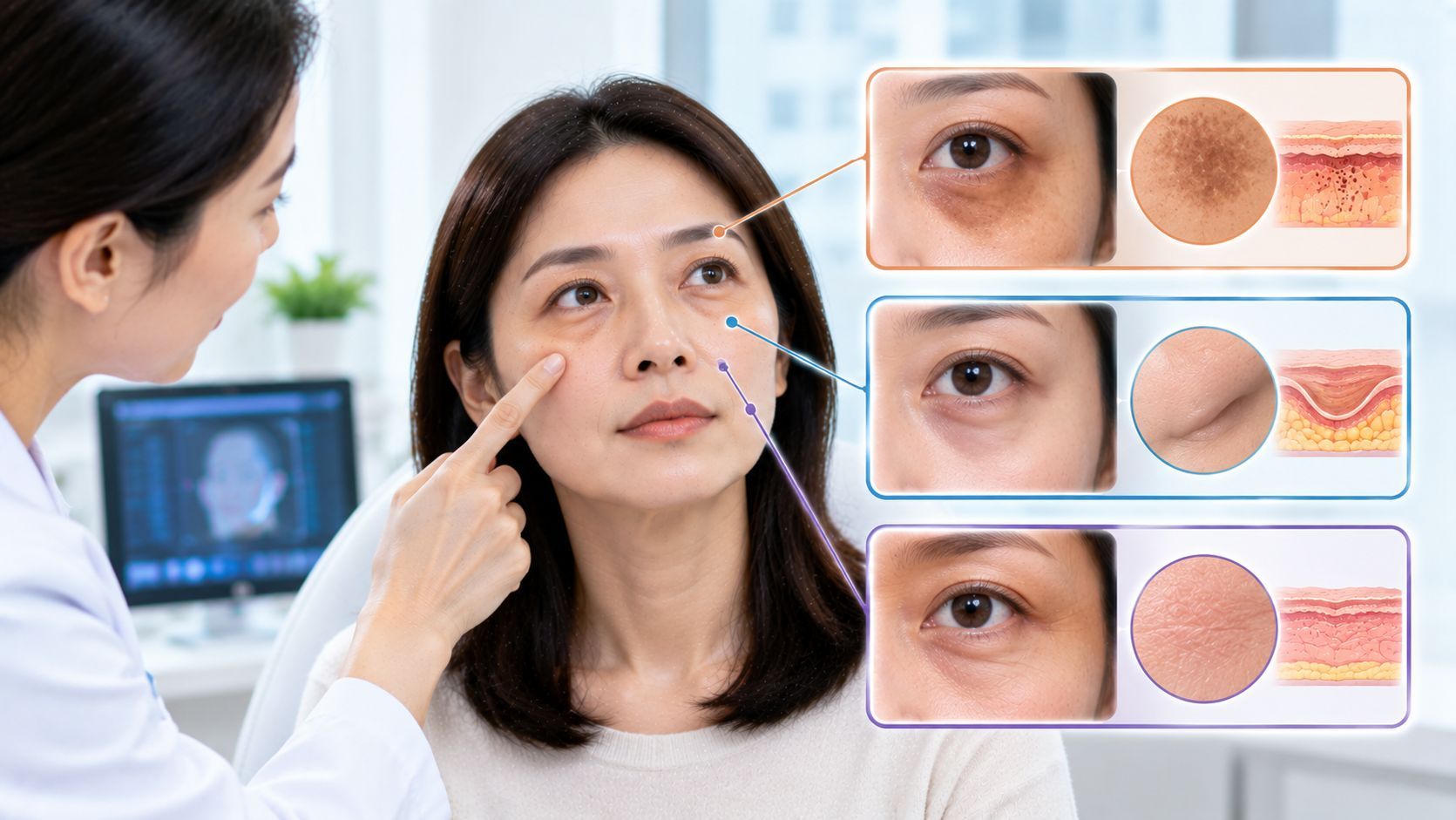
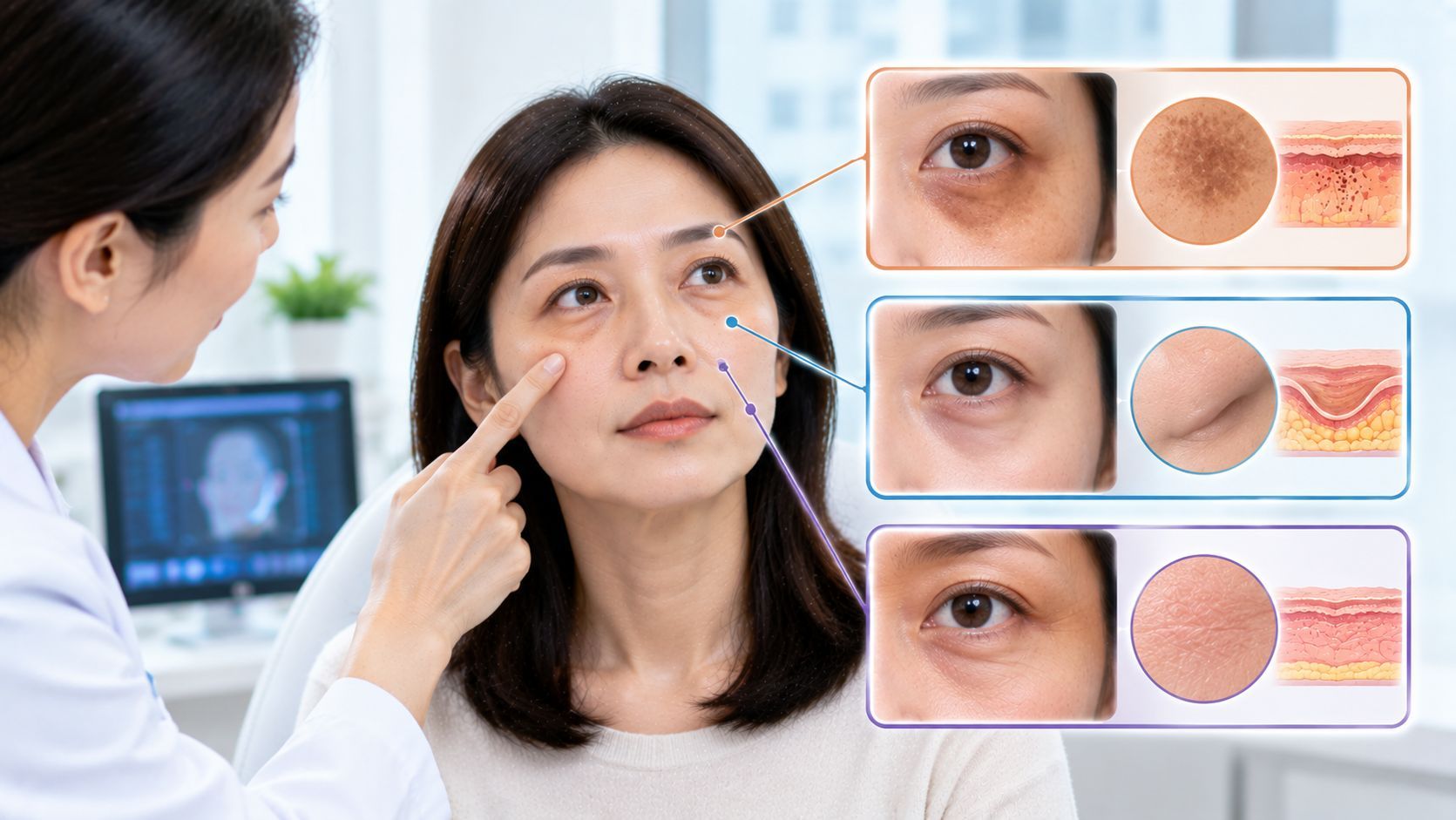
- Fine lines
- Uneven pigmentation
- Dullness
- Rough skin texture
- Sun damage
- Mild skin laxity
- Loss of skin elasticity
- Certain acne scars
- A generally tired appearance
These concerns do not all require the same treatment.
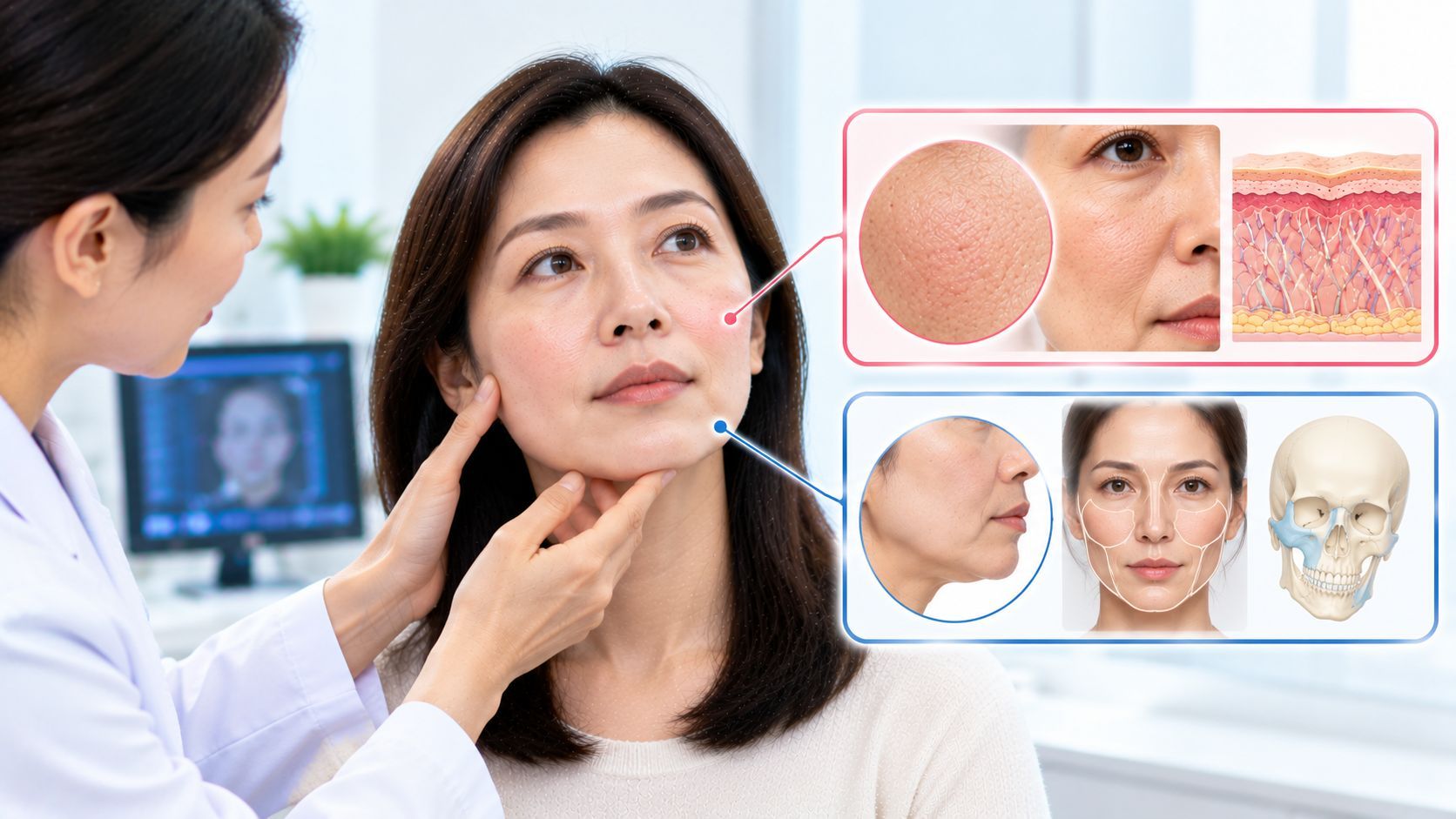
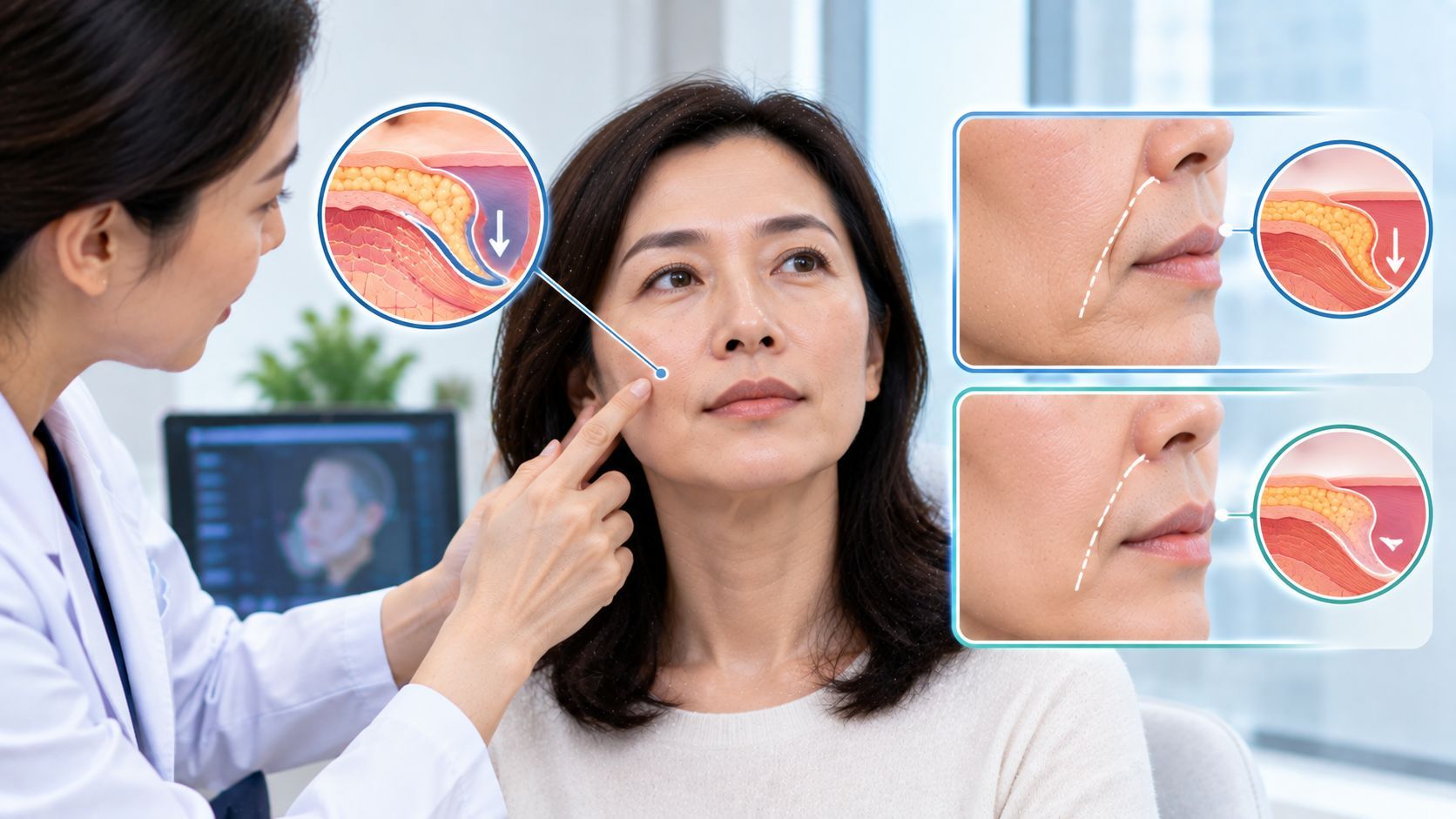
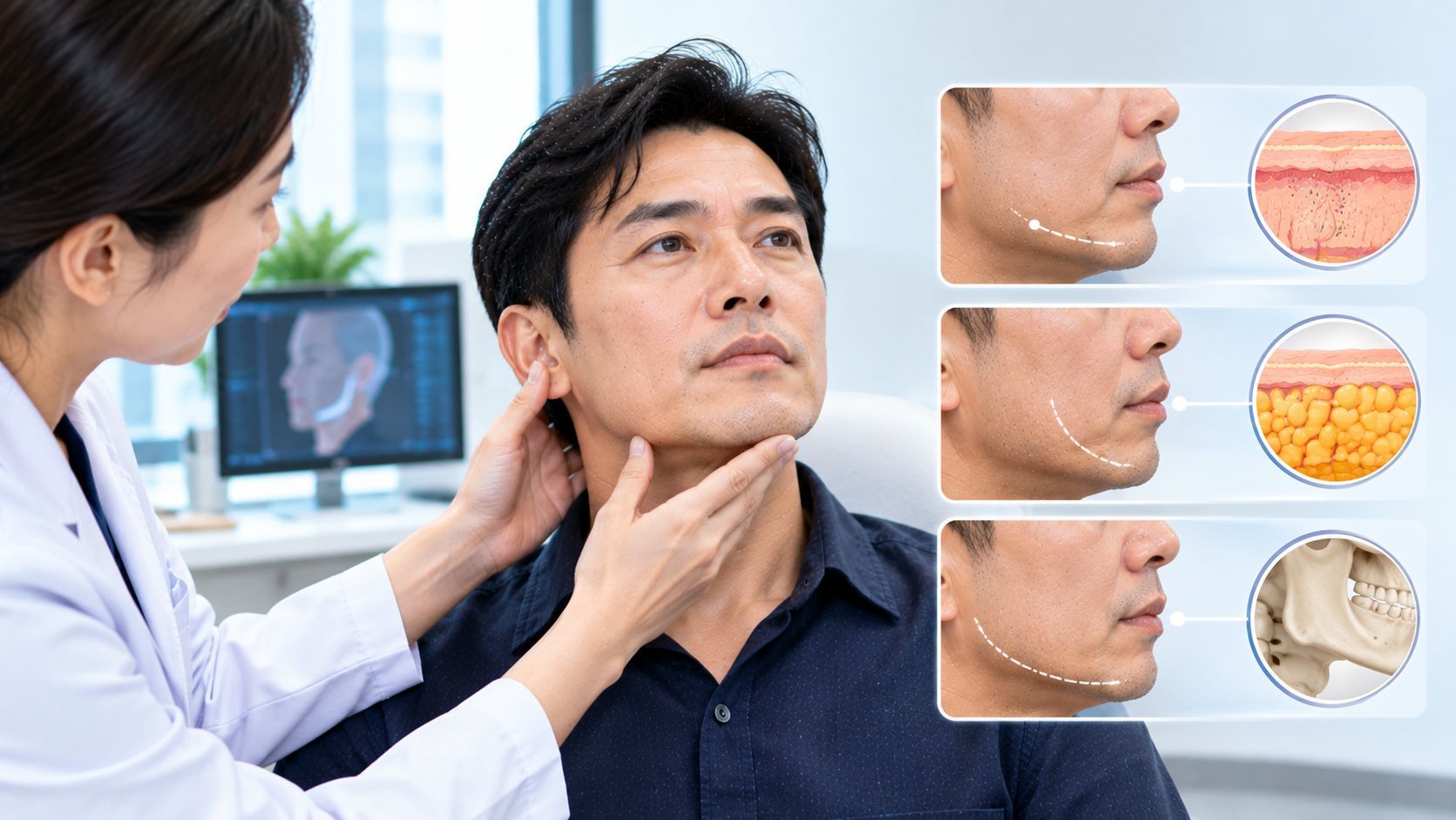
For example, pigmentation is primarily a skin-tone issue, while jowling may involve changes in skin, fat compartments, ligaments, and underlying facial structure.
That distinction is important if your priority is preserving facial shape.
Why Some Anti-Aging Treatments Can Change Facial Appearance
Some treatments are specifically designed to alter volume or muscle activity.
Dermal fillers, for example, restore lost fullness in areas such as the cheeks, under-eye region, and deeper creases.
Botulinum toxin works differently: it temporarily relaxes targeted facial muscles, which can soften certain expression lines.
Neither treatment necessarily has to create an unnatural appearance when appropriately performed. However, if your personal preference is not to change your facial shape or facial movement, you may want to begin with treatments that primarily target skin quality.
Treatments That Can Soften Aging Without Adding Facial Volume
1. Medical Skincare
Skincare is often the most conservative place to start.
A dermatologist may recommend ingredients based on your individual concerns, such as:
- Retinoids or retinol
- Sunscreen
- Moisturizers
- Antioxidants
- Pigment-targeting ingredients
- Other prescription or non-prescription treatments
Daily sun protection is particularly important because UV exposure contributes to wrinkles, age spots, uneven complexion, and other signs of photoaging.
Skincare will not recreate lost facial volume or dramatically lift sagging tissue, but it can improve the condition and appearance of the skin without changing your facial proportions.
2. Laser Treatments
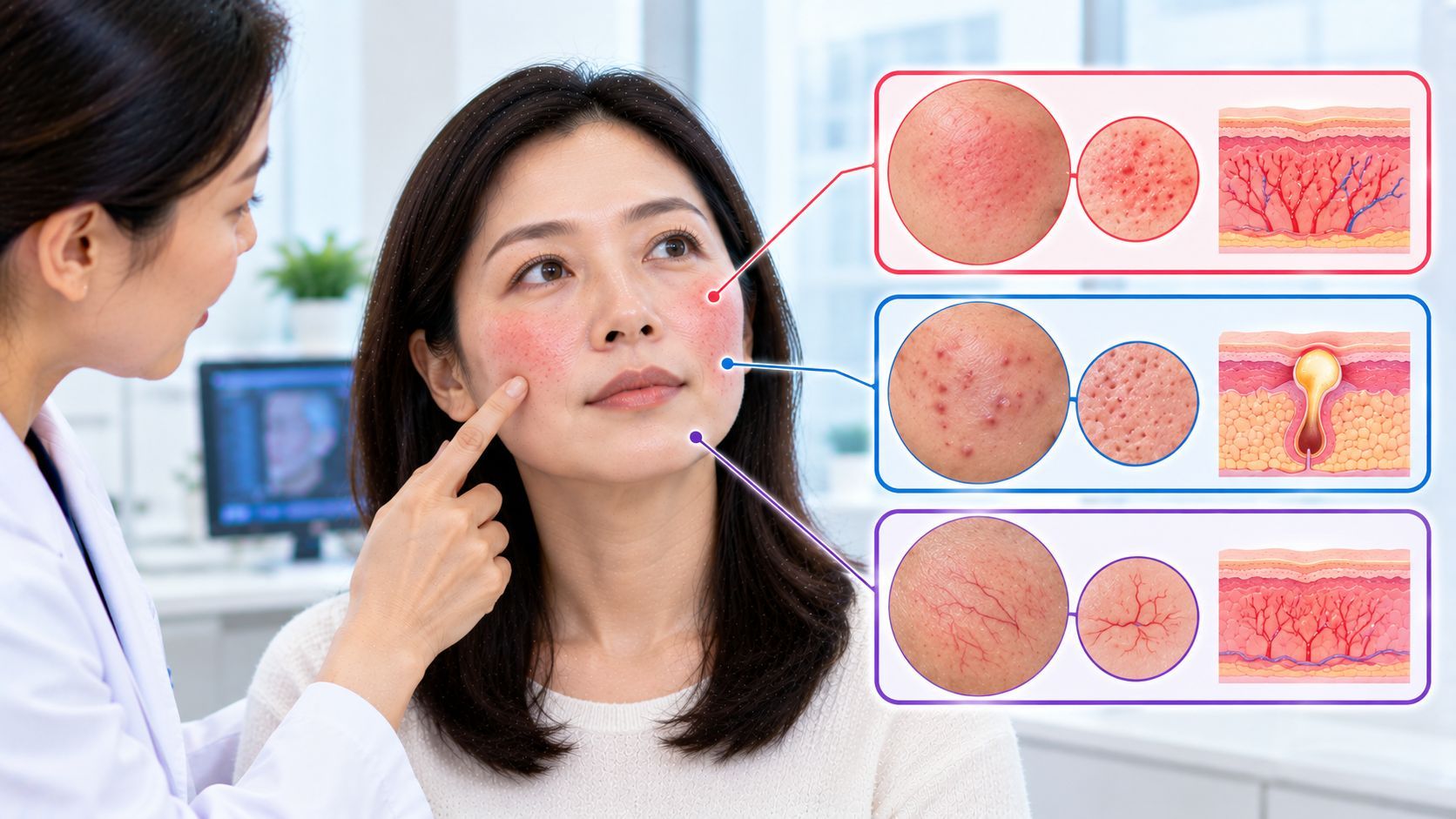
Laser treatment can be useful when aging is accompanied by visible sun damage, pigmentation, uneven texture, or certain fine lines.
Depending on the device and settings, laser treatments may target different aspects of skin aging.
Laser resurfacing, for example, can improve some signs of sun damage, while other laser or light-based treatments may be selected for pigmentation or vascular concerns.
For someone who wants to preserve facial shape, the important question is not simply:
“Which laser is best?”
It is:
“What specific skin problem am I trying to correct?”
A targeted approach can help avoid unnecessary treatment.
3. Chemical Peels
Chemical peels can improve certain forms of:
- Uneven pigmentation
- Dullness
- Rough texture
- Fine lines
- Sun damage
They work primarily at the level of the skin rather than by adding facial volume.
The strength and type of peel should be selected according to your skin condition and treatment goal. More aggressive treatment is not automatically better.
If you have a history of pigmentation after inflammation, particularly careful treatment planning may be appropriate.
4. Microneedling
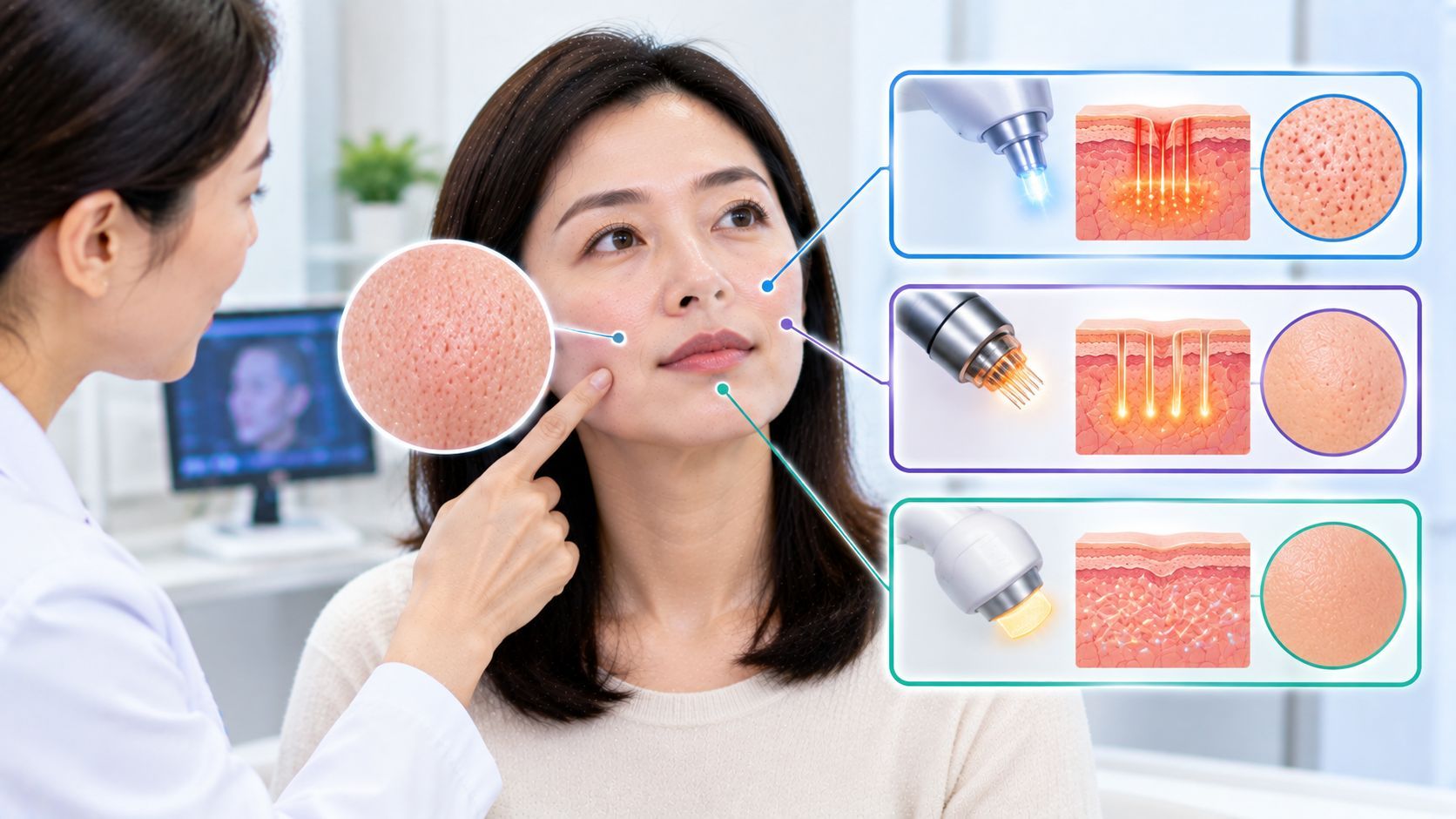
Microneedling is another option when your goal is to improve skin quality rather than facial shape.
It can be considered for concerns such as:
- Fine lines
- Uneven texture
- Acne scars
- Enlarged pores
- Certain signs of photoaging
Because the treatment focuses on controlled skin injury and subsequent healing, the aim is to encourage remodeling rather than add visible volume.
Results develop gradually, so microneedling is generally better suited to someone who wants progressive improvement rather than an immediate structural change.
5. Radiofrequency Microneedling
Radiofrequency microneedling combines microneedling with radiofrequency energy.
It may be considered when you have both texture concerns and mild skin laxity.
For someone concerned about preserving facial shape, treatment settings and depth matter. Excessively aggressive treatment is not necessarily desirable simply because the goal is “tightening.”
The appropriate approach should be determined after examining the skin and underlying anatomy.
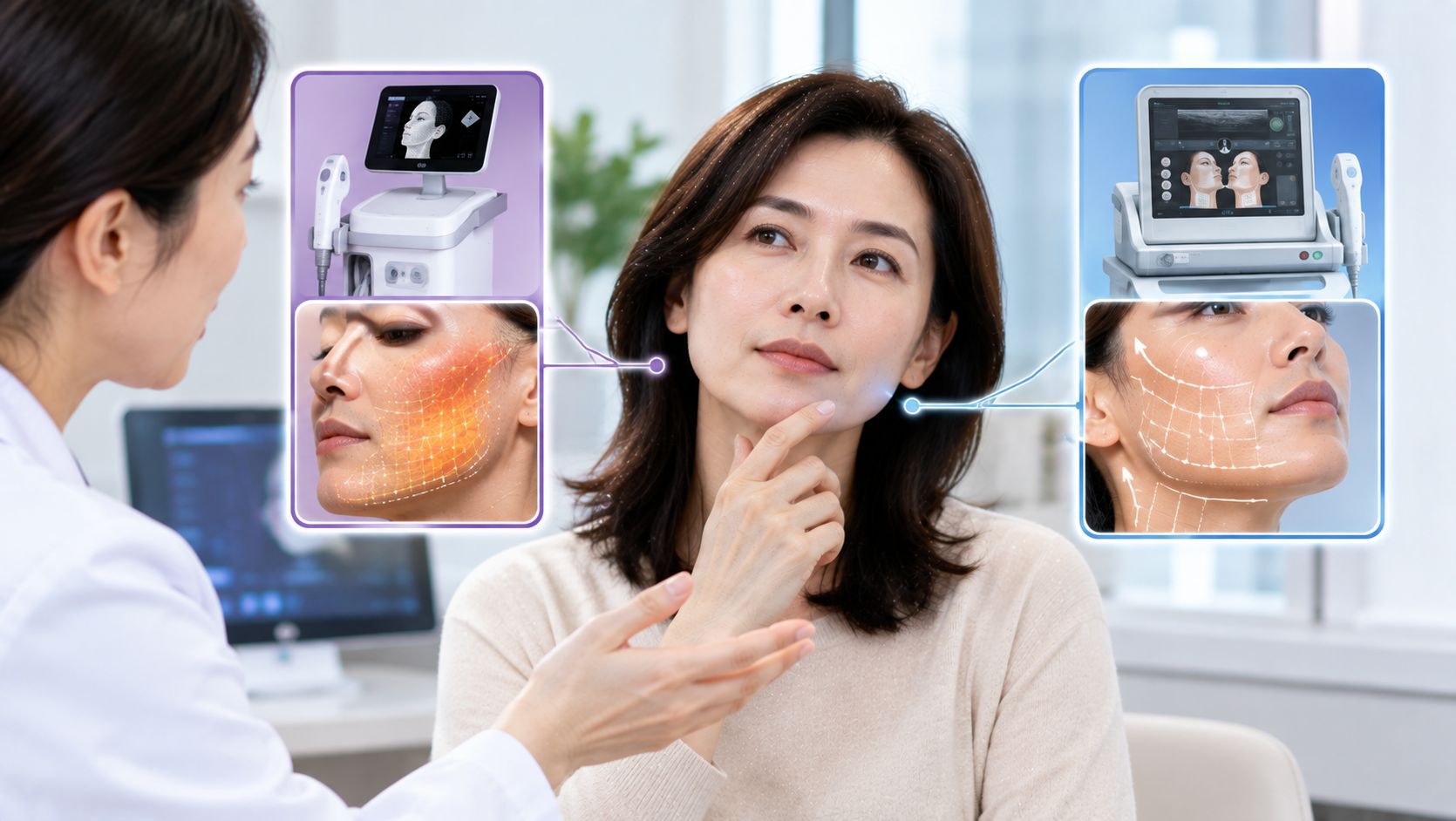
6. Non-Invasive Ultrasound or Radiofrequency
Mild laxity can sometimes be addressed with non-invasive energy-based treatments.
Ultrasound and non-invasive radiofrequency are among the approaches dermatologists may use to address loose or aging skin.
These treatments generally aim to improve firmness rather than add volume.
However, expectations should remain realistic. Non-invasive tightening is not equivalent to a surgical facelift, and results vary between individuals.
What If I Have Wrinkles but Don't Want Botox?
This is an important distinction.
Botulinum toxin is particularly useful for wrinkles associated with repeated muscle movement, such as frown lines and crow's feet.
If you do not want Botox, your dermatologist may instead evaluate whether your wrinkles are primarily related to:
- Sun damage
- Skin thinning
- Dehydration
- Reduced elasticity
- Surface texture
- Repeated facial movement
- Loss of underlying support
Depending on the cause, skincare, resurfacing, or other treatments may improve the overall appearance.
However, non-Botox treatments may not reproduce the same effect on dynamic wrinkles. Being clear about this limitation can help you choose realistically.
What If I Have Facial Volume Loss?
This is where treatment becomes more complicated.
If aging has genuinely reduced facial volume, skin-only treatments may improve the surface without fully restoring the underlying fullness.
Dermal fillers are specifically used to restore lost facial fullness.
If you do not want filler, tell your dermatologist. It is better to understand what can and cannot be achieved without volume restoration than to undergo several skin treatments expecting them to recreate lost volume.
A good treatment plan should respect your preference while also explaining the limitations.
Can You Improve Aging Without Making Your Face Smaller?
Yes, and this is an important consideration.
Some people worry that aggressive treatment will make their face look:
- Narrower
- More hollow
- More angular
- Less youthful
If your goal is to preserve fullness and facial identity, explain this during consultation.
You can specifically request:
“I want to improve signs of aging without slimming, hollowing, or changing the proportions of my face.”
That gives the dermatologist a clear aesthetic boundary.
A More Natural Anti-Aging Strategy
A natural-looking treatment plan does not necessarily mean doing nothing.
It may mean treating different problems separately.
For example:
ConcernPossible approachSun damageSunscreen, skincare, selected laser or peelUneven pigmentationMedical skincare, peel, selected laser/light treatmentRough textureMicroneedling, resurfacing, peelFine linesSkincare, resurfacing, collagen-focused treatmentsMild laxityNon-invasive RF or ultrasoundAcne scarsMicroneedling, laser, combination treatmentSignificant volume lossExplain limitations if avoiding filler
This type of targeted strategy can be more appropriate than selecting a comprehensive facial package simply because it promises “anti-aging.”
What Should You Avoid If You Want to Preserve Your Facial Shape?
If facial preservation is your priority, be cautious about choosing treatments solely because they promise:
- Dramatic lifting
- Extreme contouring
- Facial slimming
- Major volume reduction
- Aggressive tightening
- A completely poreless appearance
That does not mean these treatments are inappropriate for everyone.
It means they may not match your particular goal.
The American Academy of Dermatology emphasizes that there is no single cosmetic treatment that addresses every aspect of aging and that treatment should account for how aging appears in the individual patient.
What Should International Patients Ask in Korea?
If you are traveling to South Korea for dermatology or aesthetic treatment, communicate your desired outcome very clearly.
Ask:
- Will this treatment change my facial volume?
- Could it make my face look slimmer?
- Is the treatment targeting skin quality or deeper facial structures?
- What is the expected amount of tightening?
- What happens if I decide not to have filler or Botox?
- How much downtime should I expect?
- Could I develop temporary pigmentation or swelling?
- How long should I wait before flying home?
- What follow-up care is available after I return home?
If possible, showing photographs of yourself from a time when you liked your appearance can also help communicate what you want to preserve. The AAD similarly recommends using reference photos during cosmetic consultations to help communicate desired results.
Risks and Limitations
No cosmetic procedure is completely risk-free.
Laser treatments, peels, microneedling, and energy-based procedures can cause temporary redness, swelling, irritation, peeling, or pigmentation changes. The likelihood depends on the treatment, settings, skin type, medical history, and aftercare.
There is also a fundamental limitation: skin treatments cannot completely replace structural correction when significant volume loss or substantial sagging is the main problem.
Trying to force a skin treatment to solve a structural problem can lead to unnecessary procedures and unrealistic expectations.
A consultation should therefore identify the actual source of the change before treatment begins.
Conclusion
You can soften many visible signs of aging without changing your facial shape.
If your main concerns are skin texture, pigmentation, sun damage, fine lines, dullness, or mild laxity, treatments such as medical skincare, laser procedures, chemical peels, microneedling, and selected non-invasive tightening treatments may be considered.
The key is to tell your dermatologist what you do not want as well as what you do want.
If preserving your natural facial proportions is important, a reasonable goal may be:
better skin, softer signs of aging, and a refreshed appearance—without adding volume, aggressively slimming the face, or changing your recognizable features.
FAQs
1. Can I reduce signs of aging without changing my facial shape?
Yes. Skin-focused treatments can address pigmentation, texture, fine lines, sun damage, and some forms of mild laxity without deliberately adding facial volume.
2. What is the best anti-aging treatment if I don't want filler?
There is no universal best option. The right choice depends on whether your main concern is skin quality, pigmentation, texture, wrinkles, or laxity. A dermatologist can determine which treatments can realistically address the problem without filler.
3. Can laser treatment make me look younger without changing my face?
Laser treatment can improve certain forms of pigmentation, sun damage, texture, and fine lines. It generally focuses on the skin rather than adding volume, but the exact effect depends on the laser and treatment settings.
4. Can I avoid Botox and still treat wrinkles?
Sometimes. Skincare and resurfacing treatments may improve the appearance of certain wrinkles, but they do not work in exactly the same way as botulinum toxin. Dynamic wrinkles caused primarily by muscle movement may respond differently.
5. Can skin tightening make my face look slimmer?
Some treatments can influence the appearance of facial contours, depending on the procedure and individual anatomy. If you specifically do not want a slimmer face, tell your provider before treatment.
6. What should I tell a dermatologist if I want natural-looking aging?
Explain that you want to soften visible signs of aging while preserving your facial proportions, natural volume, and recognizable features. Being specific about what you want to avoid can be just as useful as describing what you want to improve.