Should I Get Botox Before or After Thermage?
Introduction
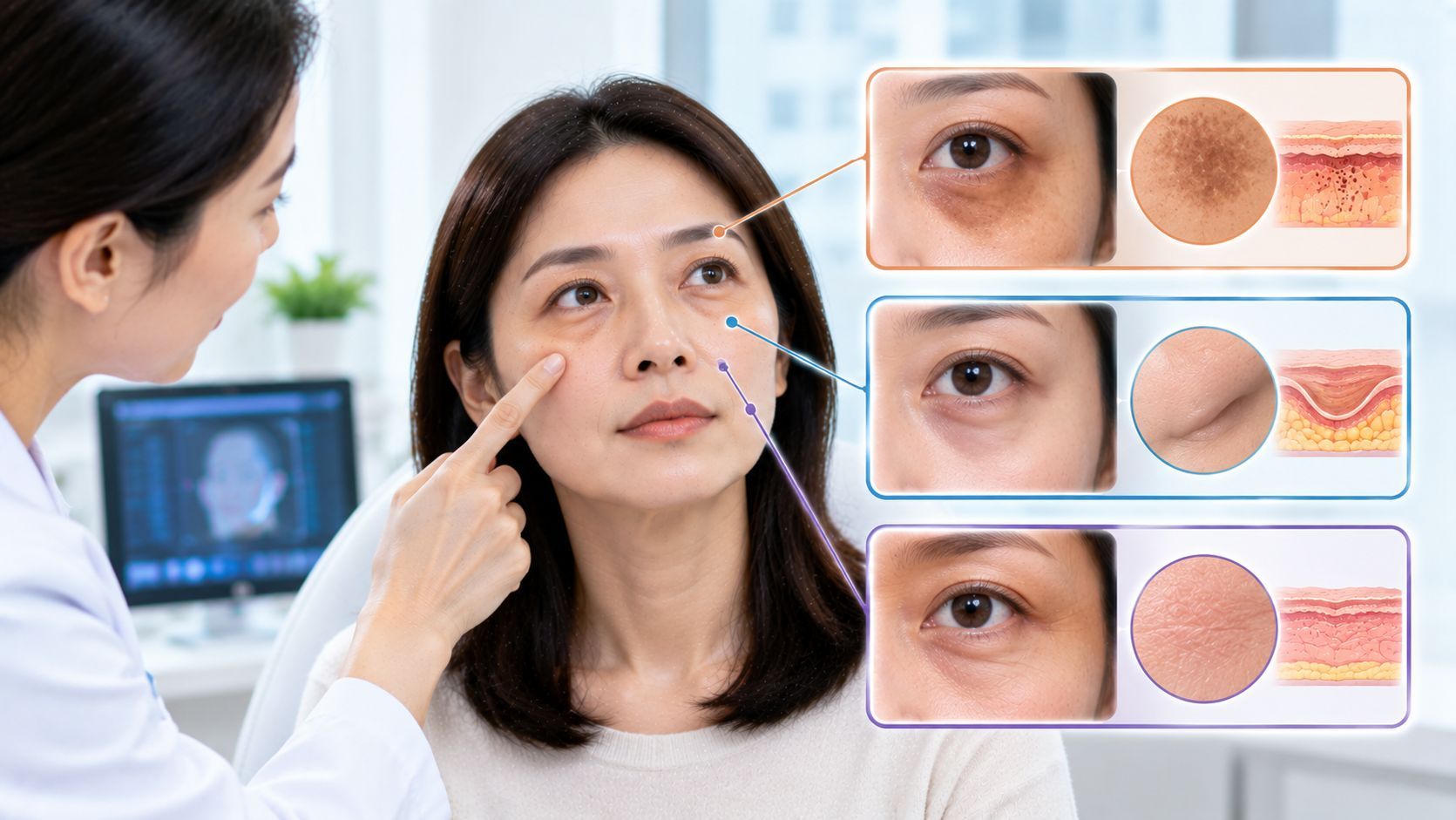
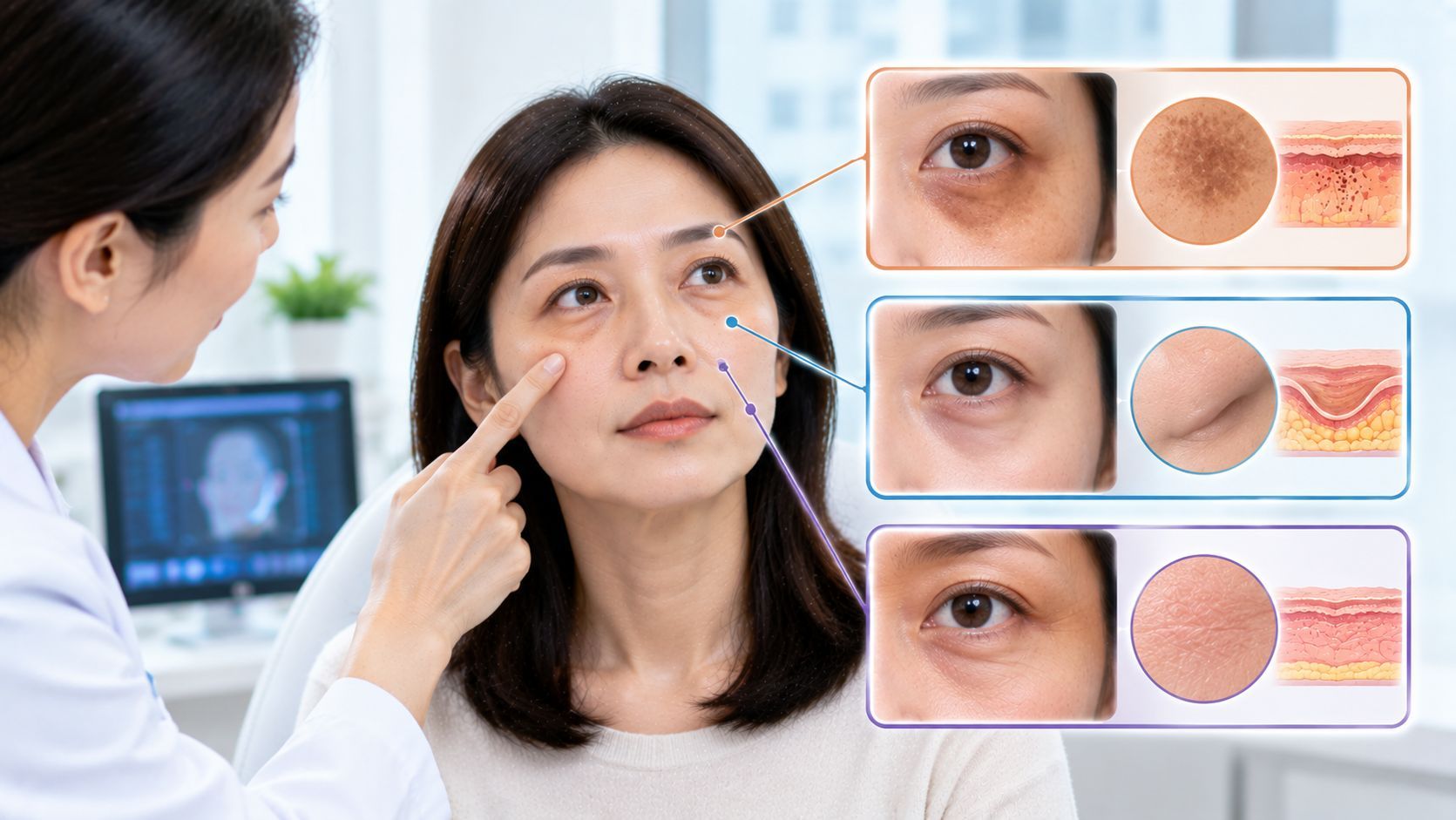
If you are considering both Botox and Thermage, the order of treatment can matter for comfort, swelling, treatment planning, and how the final result looks. Botox primarily reduces the movement of specific muscles, while Thermage uses radiofrequency energy to heat deeper tissue and stimulate collagen remodeling. Because they work differently, they are sometimes combined as part of an overall facial rejuvenation plan.
There is no universal rule that every patient must receive one treatment first. The appropriate sequence depends on the treatment area, the purpose of each procedure, the injection sites, the intensity of the Thermage treatment, and the clinician's assessment of your skin and facial anatomy. For many patients, however, separating the treatments rather than performing everything simultaneously can make treatment planning easier.
Why Botox and Thermage Are Different
Botox Targets Muscle Activity
Botulinum toxin temporarily reduces muscle activity. It is commonly used for dynamic lines caused by repeated facial movements and can also be used in selected areas such as the masseter muscles or lower face.
Because Botox changes muscle movement, its effects depend heavily on precise placement and dose.
Thermage Targets Skin and Deeper Tissue
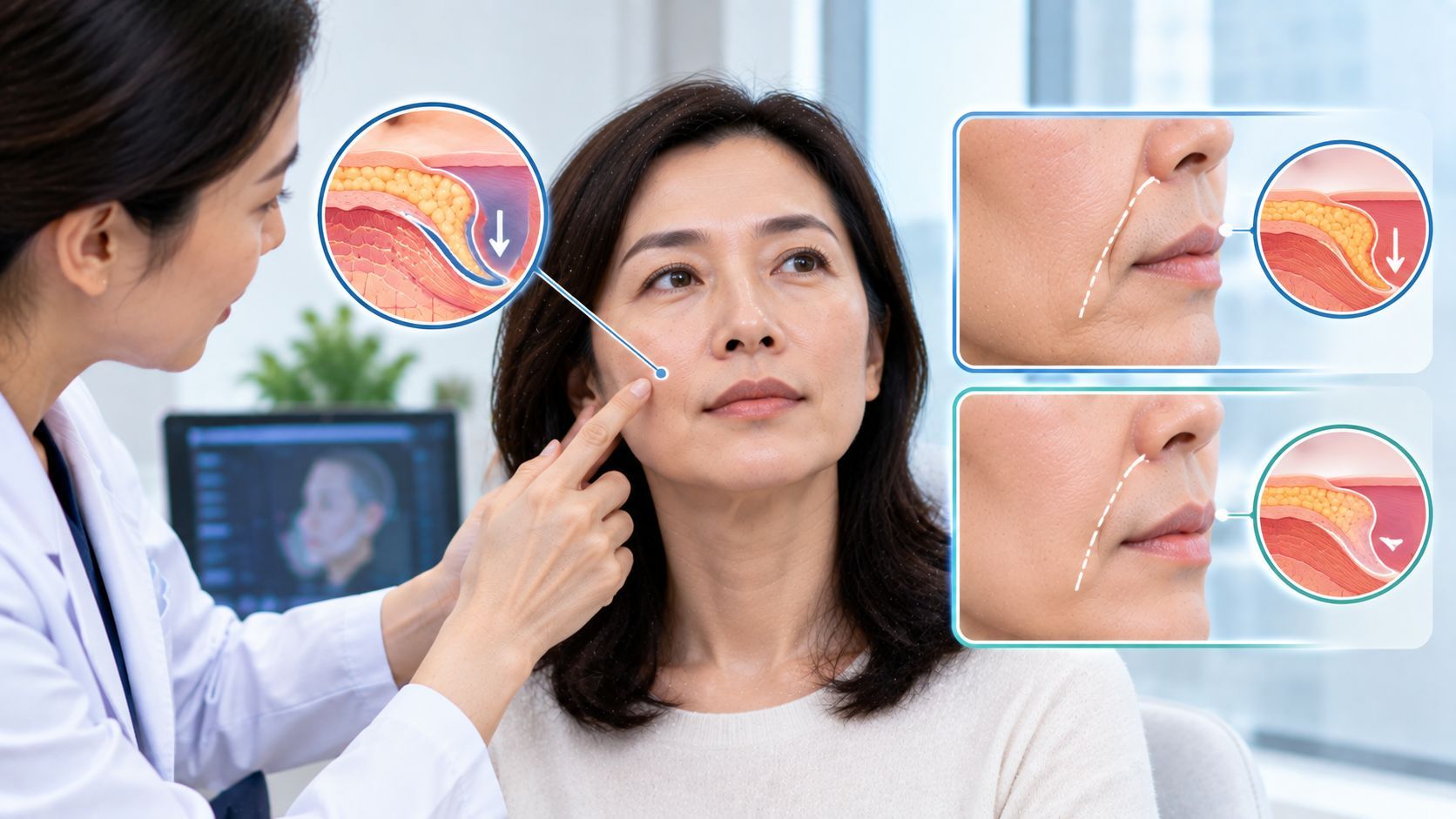
Thermage uses radiofrequency energy to heat tissue and encourage collagen remodeling. It is generally considered a skin-tightening treatment rather than a muscle-relaxing treatment.
The treatment can address concerns such as:
- Mild skin laxity
- Loss of firmness
- Fine lines
- Texture changes associated with aging
- Certain areas of facial or neck laxity
The two treatments therefore address different components of facial aging.
Which Should Come First: Botox or Thermage?
Thermage First Is Often Considered When Both Treatments Target the Same Area
When Thermage and Botox are planned for overlapping areas, a clinician may choose to perform the energy-based treatment before Botox.
One reason is treatment logistics. Thermage involves applying a treatment handpiece over the skin, while Botox involves precise injections. Completing the energy-based procedure first can avoid injecting an area that will subsequently receive significant manipulation or pressure from another treatment.
This does not mean Thermage must always be performed first. The appropriate order depends on the treatment plan.
Botox First May Be Appropriate in Some Treatment Plans
There are situations where Botox may be performed before Thermage, particularly when the clinician wants to establish the muscle-relaxation treatment first or when the treatment areas do not substantially overlap.
For example, someone may receive Botox for forehead lines while Thermage is primarily directed toward the lower face or another area. In such a case, the procedures may have less interaction.
The clinician may also choose the sequence based on the patient's existing treatment schedule and desired timing.
Why Treatment Area Matters
Forehead and Crow's Feet
If Botox is being used for forehead lines or crow's feet and Thermage is being performed elsewhere, the sequence may be less important.
However, treatment planning should still account for the expected temporary effects of injections and the overall recovery schedule.
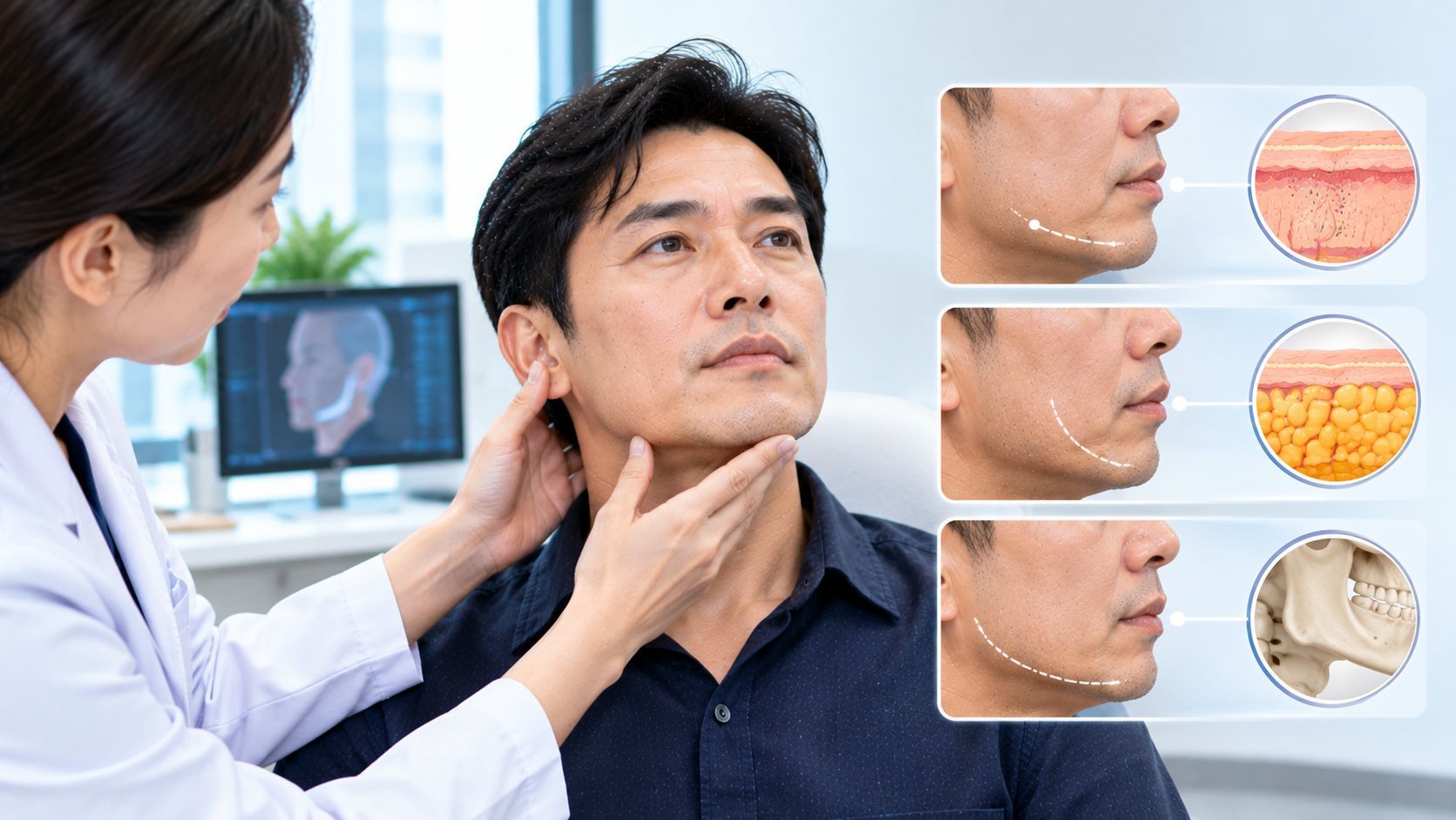
Jawline and Lower Face
The sequence can become more relevant when both procedures are being used around the lower face.
Thermage may be selected to address skin laxity, while Botox may be used in carefully selected patients to modify muscle activity. These treatments affect different structures, so an assessment of facial anatomy is important before deciding on the combination.
Neck
Thermage can also be used on selected areas of the neck. If Botox is being considered for the neck or platysmal bands, the clinician may want to coordinate the treatments carefully rather than treating both areas without a plan.
Can Botox and Thermage Be Done on the Same Day?
Some clinics may perform different aesthetic treatments during the same visit, but whether that is appropriate depends on the specific treatment areas and treatment intensity.
Doing procedures on the same day is not automatically better or more efficient. A clinician may prefer to separate them to make it easier to monitor the response to each treatment and reduce unnecessary irritation or manipulation.
For international patients visiting Seoul, this is particularly relevant because trying to fit multiple procedures into a short trip can sometimes lead to an unnecessarily complicated treatment schedule.
How Long Should You Wait Between Botox and Thermage?
There is no single waiting period that applies to every Botox-Thermage combination.
The appropriate interval can depend on:
- Treatment area
- Thermage treatment intensity
- Number of Botox injection sites
- Amount of Botox used
- Patient's skin response
- Whether swelling or tenderness is present
- The clinician's preferred treatment protocol
Rather than choosing an interval based solely on a generic online schedule, ask the clinic to coordinate the two procedures according to your treatment areas.
Does Thermage Affect Botox?
A common concern is whether radiofrequency energy could interfere with Botox.
The answer depends on the timing, device settings, treatment depth, and location. Thermage and Botox work through different mechanisms, so they are not simply interchangeable treatments.
If Botox has recently been injected, the treating clinician should know the exact injection locations and timing before performing another procedure in the same area.
This is one reason it is important to tell your dermatologist or aesthetic physician about all recent injectable and energy-based treatments.
What If I Also Want Filler?
If your plan includes Botox, Thermage, and filler, the sequence becomes more complicated.
Filler changes facial volume and contour, while Thermage is intended to address tissue firmness and collagen remodeling. Botox modifies muscle activity.
A clinician may therefore want to determine your underlying facial structure and volume loss before deciding how much tightening or injectable treatment is appropriate.
For patients concerned about looking overfilled, this assessment can be particularly important. Tightening the skin and restoring volume are not necessarily the same treatment objective.
What Should You Tell Your Clinic Before Treatment?
Before combining Botox and Thermage, provide the clinic with information about:
- Previous Botox injections
- Recent filler treatments
- Previous Thermage or other RF treatments
- Ultherapy or HIFU
- RF microneedling
- Recent laser treatments
- Skin boosters or biostimulators
- Any previous complications
- Your main cosmetic concern
If you are traveling to Korea specifically for treatment, sending your previous treatment history and photographs before your appointment can help the clinic understand what has already been done.
A Practical Way to Plan Botox and Thermage
Instead of asking only, “Which treatment should I do first?”, consider asking:
“Which treatment should be prioritized based on the structure I want to change?”
If the main concern is dynamic wrinkles, Botox may be central to the plan.
If the primary concern is mild skin laxity and firmness, Thermage may be more relevant.
If both concerns are present, the clinician can determine whether combining them makes sense and how to schedule them.
Final Thoughts
Botox and Thermage can address different aspects of facial aging, so combining them may be considered when a patient has both muscle-related lines and skin laxity. However, there is no universal Botox-before-Thermage or Thermage-before-Botox rule.
When the same facial area is being treated, many clinicians may prefer to coordinate the treatments carefully and may place the energy-based treatment before injections, but the correct sequence depends on the individual treatment plan. The safest approach is to have the treating clinician review your treatment areas, recent procedures, skin response, and desired outcome before setting the schedule.