Can I Get Skin Treatments During a Hot Humid Seoul Summer?
Introduction
Yes, you can get dermatology and aesthetic treatments in Seoul during summer, but hot, humid weather can affect how you plan treatment, recovery, sun exposure, exercise, and sightseeing.
Seoul's summer runs roughly from June through August and is characterized by hot, humid conditions. August has an average mean temperature of about 25.7°C, while the rainy season typically begins around mid-June.
The weather itself does not automatically make skin treatments unsafe. The bigger concern is what you do before and after treatment. Spending hours in direct sunlight, sweating heavily, visiting a sauna, exercising outdoors, or failing to protect recently treated skin can make recovery more difficult.
For international patients, the best strategy is to choose a treatment appropriate for your skin condition and build your Seoul itinerary around its recovery requirements.
Does Hot Weather Make Skin Treatments Unsafe?
Not necessarily.
Many dermatology treatments can be performed throughout the year. However, summer creates practical challenges because of:
- Strong UV exposure
- Heat and sweating
- High humidity
- Outdoor sightseeing
- Swimming
- Outdoor exercise
- Frequent air-conditioning
- Rain and sudden weather changes
- Difficulty maintaining strict sun protection
The treatment itself is only part of the equation. Your ability to follow the required aftercare is equally important.
For example, the American Academy of Dermatology emphasizes that sun protection is crucial before and after laser treatment. A person with a tan or sunburn may not be suitable for laser treatment because of the risk of burns or discoloration.
Which Treatments Need More Summer Planning?
Not every procedure has the same sensitivity to summer conditions.
Laser Treatments
Laser treatments require particularly careful planning.
Recent tanning or sunburn can affect whether laser treatment is appropriate. After treatment, the treated skin also needs protection from sunlight while it heals.
This can be challenging if your Seoul itinerary includes several days of outdoor sightseeing immediately afterward.
Laser hair removal is another example. The AAD recommends avoiding direct sunlight on treated skin and following the dermatologist's aftercare instructions. Temporary redness and swelling can occur after treatment.
Chemical Peels
Chemical peels can also require significant sun precautions.
A superficial or “lunchtime” peel may heal within approximately one to seven days, while medium peels can require seven to 14 days of healing. Deeper peels require substantially longer recovery and strict sun avoidance.
This makes the strength of the peel particularly important when planning a summer trip.
Microneedling and RF Microneedling
These treatments can leave the skin temporarily red and sensitive. If you are spending the afternoon walking around Seoul in hot weather immediately afterward, sweating and sun exposure may make the recovery period less comfortable.
Your clinic should tell you when you can resume outdoor activities, exercise, sunscreen, makeup, and other products.
Injectables and Skin Boosters
Treatments such as Botox, dermal filler, Rejuran, and other skin boosters generally have different recovery considerations from resurfacing treatments.
Summer does not automatically prevent these procedures, but you may want to avoid scheduling an injection appointment immediately before a full day of outdoor activities.
If you develop swelling, redness, bruising, or tenderness, spending hours in the heat may simply be uncomfortable.
Why Is Sun Protection So Important?
UV exposure is one of the biggest practical concerns during a summer treatment trip.
After certain procedures, treated skin can be more vulnerable to unwanted pigmentation. The AAD recommends protecting treated skin from sunlight after laser procedures and avoiding tanning before treatment.
The same principle is relevant after treatments that leave the skin temporarily sensitive.
A good summer strategy includes:
- Broad-spectrum sunscreen
- Reapplication according to the product instructions
- A hat
- Sunglasses
- Shade whenever practical
- Lightweight protective clothing
- Avoiding unnecessary midday sun
The goal is not to stay indoors for your entire Seoul trip. It is to prevent prolonged, unprotected exposure while your skin is recovering.
Can I Go Sightseeing After a Skin Treatment in Summer?
Sometimes, but your treatment determines how much sightseeing is sensible.
A gentle treatment with minimal downtime may allow relatively normal activities if your clinic approves them.
A treatment involving significant redness, peeling, swelling, or barrier disruption may require a much quieter schedule.
For example, spending several hours visiting outdoor attractions immediately after an intensive laser treatment may conflict with the need to protect the treated skin from sunlight. The AAD recommends avoiding excessive sun exposure after treatment while the skin heals.
If sightseeing is important, consider scheduling major outdoor activities before your more intensive treatment.
What About Exercise During a Hot Seoul Summer?
Exercise adds another challenge because it increases sweating and body temperature.
The AAD notes that sweating can contribute to skin irritation and recommends appropriate hygiene and sun protection when exercising outdoors.
After a treatment, follow your clinic's instructions about when exercise can resume.
If exercise is allowed, indoor air-conditioned activities may be more comfortable than running outdoors in hot, humid weather.
This is particularly useful during Seoul's summer because the combination of heat, humidity, and prolonged outdoor activity can make recovery less comfortable.
Can I Visit a Sauna or Jjimjilbang?
You should not automatically schedule a jjimjilbang immediately after a dermatology treatment.
A Korean sauna can involve:
- High heat
- Steam
- Heavy sweating
- Hot baths
- Body scrubbing
- Facial cleansing
- Friction
These may be inappropriate while recently treated skin is irritated or recovering.
If experiencing a jjimjilbang is part of your Seoul trip, consider doing it before your treatment or asking your dermatologist exactly when it is acceptable afterward.
The same principle applies to hot tubs and other activities that produce prolonged heat exposure.
What About Swimming?
Swimming may be possible after some treatments, but it should not be assumed to be appropriate immediately after every procedure.
The answer can depend on whether the treatment has disrupted the skin surface and whether your clinic has given specific restrictions.
If you have had a procedure involving significant peeling, open areas, or barrier disruption, ask your dermatologist before entering a pool.
Also remember that swimming outdoors increases UV exposure, which can be particularly important during post-treatment recovery.
What If I Get Sunburned Before My Appointment?
Tell the clinic.
Do not try to hide a sunburn so that you can keep your appointment.
The AAD specifically states that patients with a tan or sunburn should not undergo laser treatment because laser energy can cause a serious burn or discoloration.
If you develop sunburn during your trip, your dermatologist may recommend postponing certain treatments until your skin has recovered.
The same principle applies if your skin is unusually hot, painful, peeling, or highly sensitive.
Is Summer a Bad Time for Pigmentation Treatments?
Summer does not automatically rule out pigmentation treatment, but sun exposure makes treatment planning more demanding.
Pigmentation problems can be affected by UV exposure, and some procedures can themselves create temporary inflammation.
Chemical peels, for example, can treat conditions involving discoloration and uneven skin tone, but the AAD emphasizes careful aftercare and sun protection during healing.
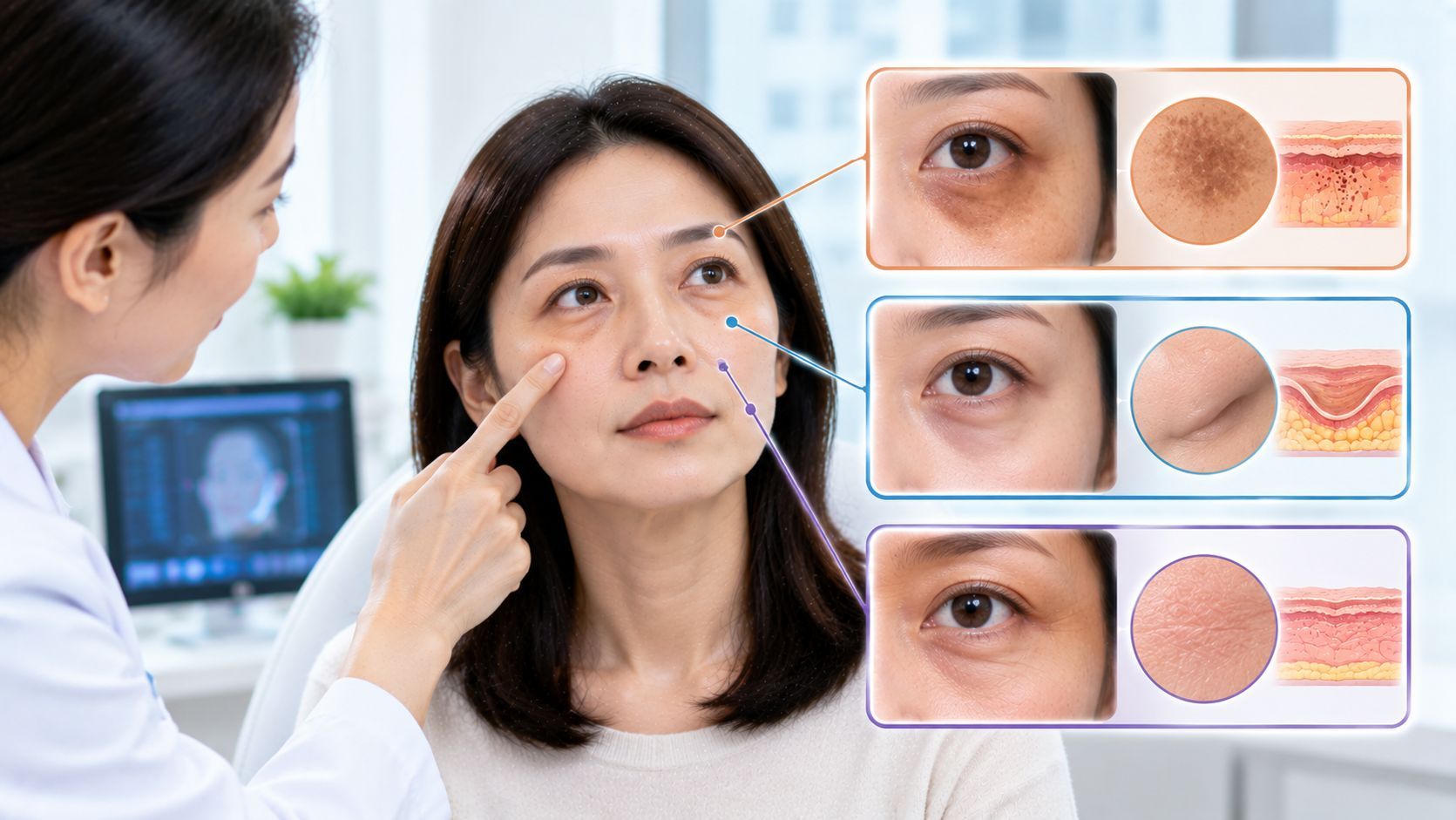
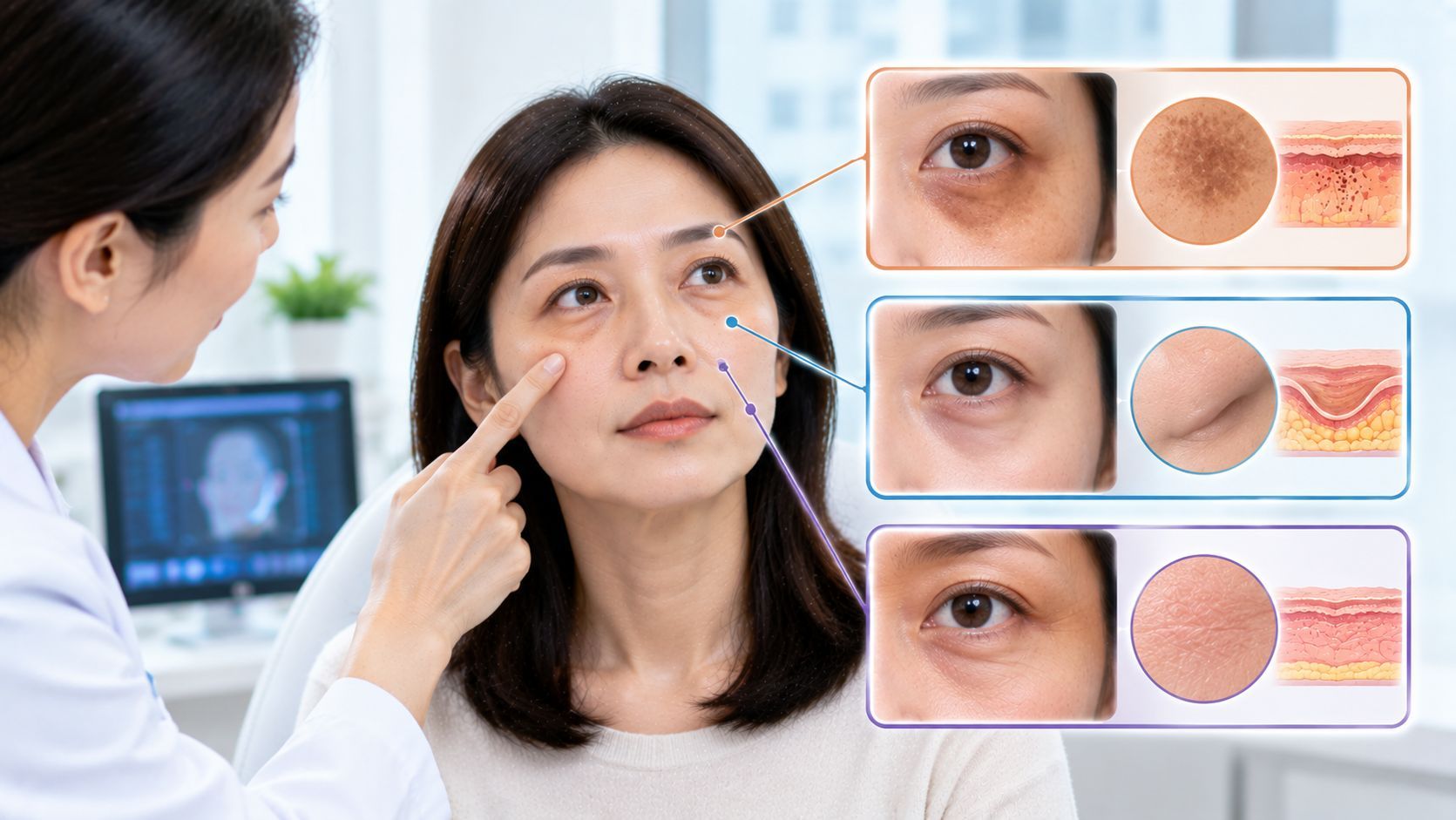
If you are particularly prone to post-inflammatory hyperpigmentation, tell your dermatologist before treatment. This is especially important for patients with darker skin tones because some laser treatments carry a higher risk of burns or dark marks in these patients.
How Should International Patients Plan a Summer Treatment Trip?
A good itinerary separates intensive outdoor activities from procedures requiring recovery.
For example:
Day 1: Arrival and light activities
Day 2: Outdoor sightseeing
Day 3: Dermatology consultation and treatment
Day 4: Indoor, recovery-friendly activities
Day 5: Shopping and gentle sightseeing
Day 6: Additional treatment if medically appropriate
This is only an example. Your actual schedule should be based on the procedure.
For a treatment with minimal downtime, you may be able to do considerably more. For laser resurfacing or a deeper peel, you may need a much longer recovery-focused period.
What Should I Pack for a Summer Dermatology Trip?
Consider bringing:
- Your usual gentle cleanser
- Dermatologist-approved moisturizer
- Appropriate sunscreen
- A wide-brimmed hat or cap
- Sunglasses
- Lightweight clothing
- Clean towels or tissues
- Any prescribed medication
- A list of your current skincare products
Do not assume that you need to bring every active skincare product you normally use. Your Korean dermatologist may temporarily change your routine.
The AAD notes that dermatologists may instruct laser patients to stop certain products before treatment, including retinoids or glycolic acid, depending on the procedure.
What If I Want to Shop for Korean Skincare?
You can still enjoy Seoul's skincare shopping scene.
However, consider buying products after your dermatologist has assessed your skin if you are planning to use them during recovery.
This prevents you from introducing multiple new products immediately after treatment.
A dermatologist may recommend keeping your routine simple while the skin heals, particularly after procedures that make the skin temporarily sensitive.
When Should You Postpone a Treatment?
Ask your clinic to reassess the situation if you arrive with:
- Sunburn
- Significant tanning
- Peeling skin
- Painful or hot skin
- Unusual redness
- Blisters
- Significant irritation
- An unexplained rash
This is especially important before laser or other treatments that can be affected by recent UV exposure.
Do not assume that changing the treatment settings automatically makes it appropriate to proceed.
Conclusion
You can receive skin treatments in Seoul during the hot, humid summer, but your itinerary and aftercare need more careful planning.
Summer itself is not necessarily the problem. The bigger issues are UV exposure, sweating, heat, outdoor activities, swimming, and difficulty giving recently treated skin enough time to recover.
Laser treatments and stronger chemical peels deserve particular attention because sun exposure can affect treatment safety and recovery. The AAD recommends avoiding tanning and protecting treated skin from sunlight around laser treatment, while chemical peels can require anything from several days to several weeks of healing depending on their depth.
For international patients, a practical strategy is to schedule major sightseeing before treatment when possible, keep the immediate recovery period flexible, and ask your Korean dermatologist exactly when you can resume outdoor activities, exercise, swimming, sauna visits, and your normal skincare routine.
FAQs
Can I get laser treatment in Seoul during summer?
Yes, but recent tanning and sunburn can affect whether laser treatment is appropriate. The AAD advises against laser treatment when the skin is tanned or sunburned.
Can I go sightseeing after a Korean skin treatment?
It depends on the procedure. Light activities may be possible after some treatments, while more intensive procedures may require reduced outdoor exposure during recovery.
Can I get a chemical peel during summer?
It may be possible, but sun protection becomes particularly important. Recovery varies significantly according to peel depth.
Should I avoid Korean saunas after treatment?
Ask your clinic. Heat, steam, sweating, and scrubbing may be inappropriate while treated skin is recovering.
Is summer bad for patients prone to pigmentation?
Not necessarily, but strict sun protection and careful treatment selection become especially important. Patients prone to pigmentation should discuss their risk with their dermatologist before laser or resurfacing procedures.
What is the best way to plan a Seoul summer treatment trip?
Schedule your treatment when you can protect your skin afterward, reduce prolonged outdoor exposure, and follow the clinic's recovery instructions. If possible, place major sightseeing activities before the procedure rather than immediately afterward.