Should Filler Be Done Before or After Skin Tightening?
Introduction
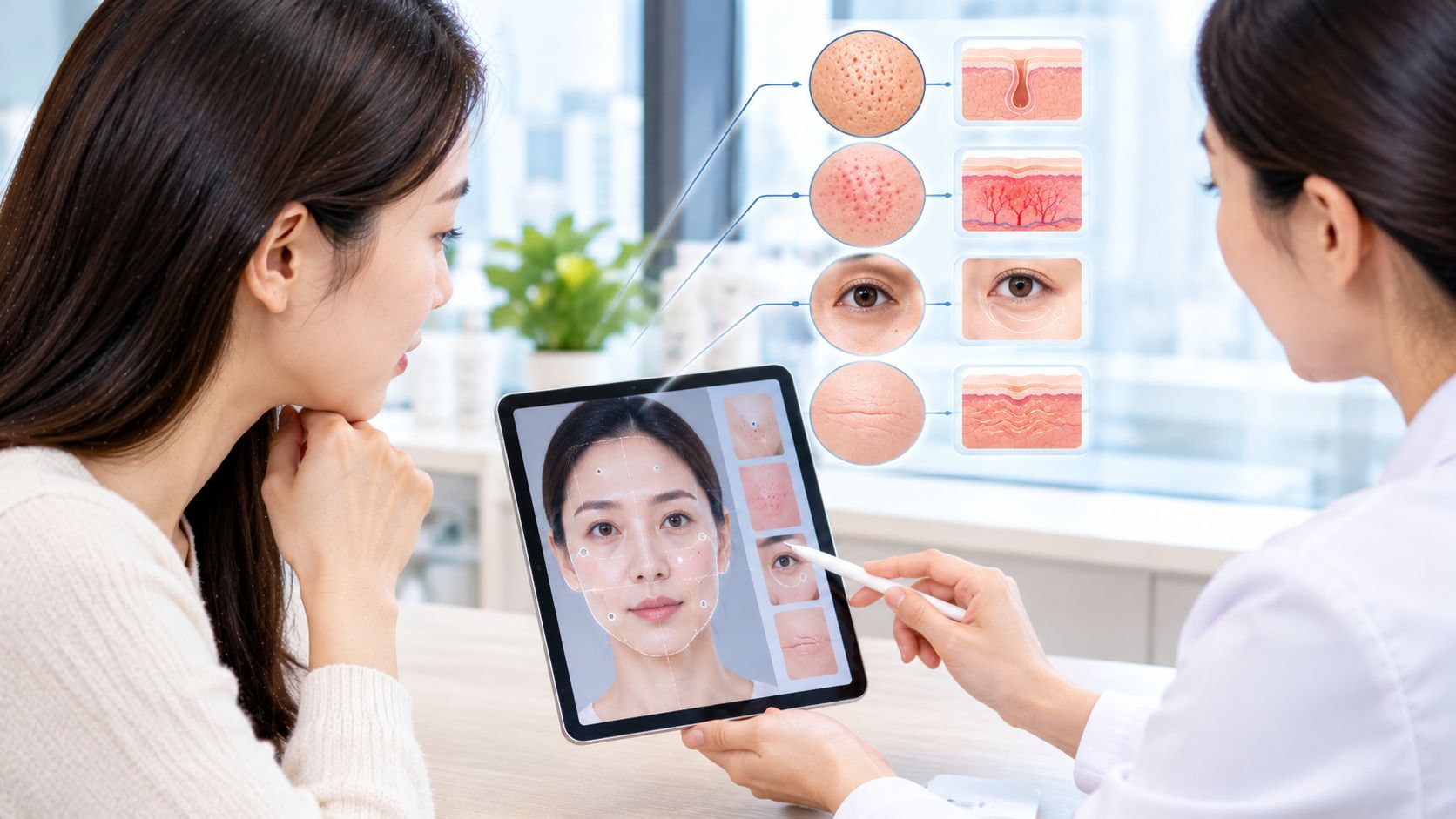
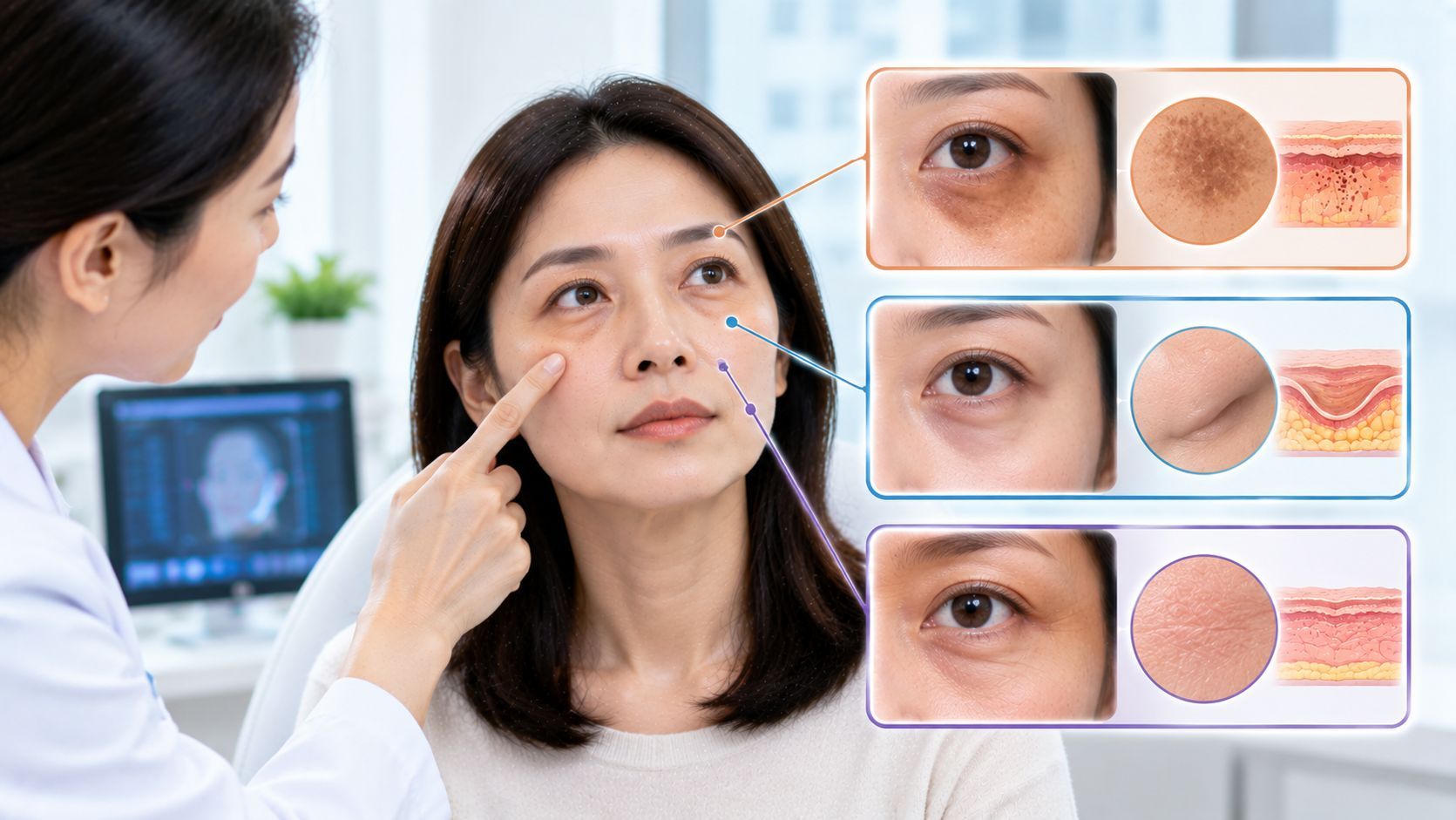
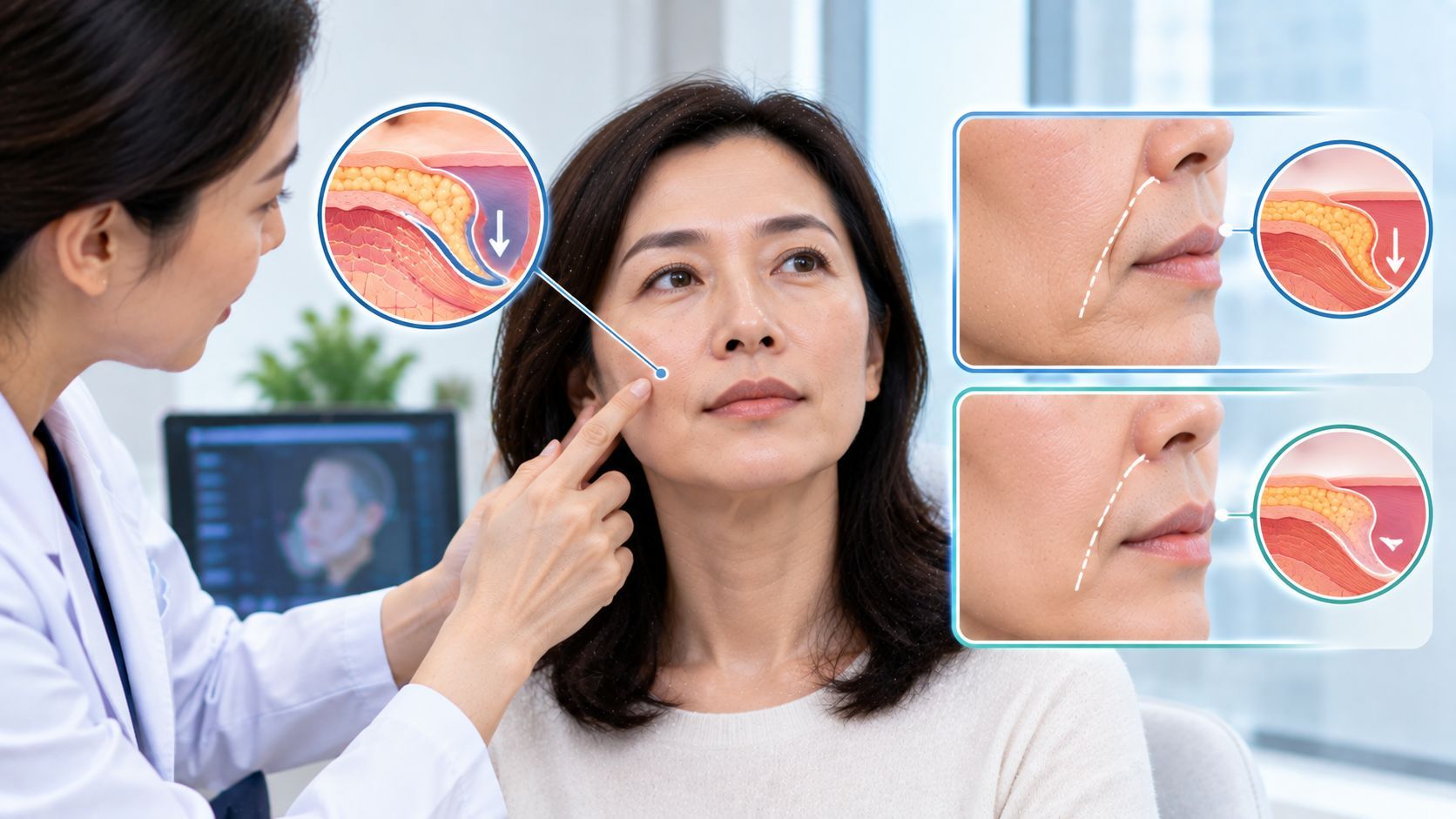
If you are considering both dermal filler and a skin-tightening treatment, the order can affect how your face is assessed, how much volume is added, and how the final result develops. Filler restores or reshapes volume, while treatments such as Thermage, Ultherapy, Sofwave, and other energy-based procedures are generally used to improve firmness and reduce the appearance of laxity.
There is no universal sequence that applies to everyone. The best order depends on whether your main concern is volume loss, loose skin, facial contour, or a combination of these. The treatment area and type of tightening technology also matter.
Why Filler and Skin Tightening Are Different
Filler Restores Volume
Dermal fillers can be used to restore volume or modify facial contours. Depending on the product and injection location, filler may address areas such as:
- Cheeks
- Temples
- Chin
- Jawline
- Nasolabial folds
- Marionette lines
- Under-eye hollows in selected patients
Filler essentially changes the volume and shape of a particular facial area.
Skin Tightening Targets Laxity
Energy-based treatments work differently. Depending on the device, they may use radiofrequency, ultrasound, or another form of energy to heat or stimulate tissue.
Examples include:
- Thermage
- Ultherapy
- Sofwave
- Oligio
- Volnewmer
- Selected HIFU treatments
These treatments are generally intended to improve firmness rather than directly replace lost facial volume.
Should Skin Tightening Come Before Filler?
It Can Make Sense When Laxity Is the Main Concern
If the face has mild-to-moderate laxity and some volume loss, treating the skin first can sometimes make it easier to determine how much filler is actually needed afterward.
This is particularly relevant for patients who want a subtle result rather than a visibly volumized appearance.
After the tightening treatment has had time to produce its intended effect, the remaining areas of volume deficiency can be reassessed.
Why This Approach Can Help Avoid Unnecessary Filler
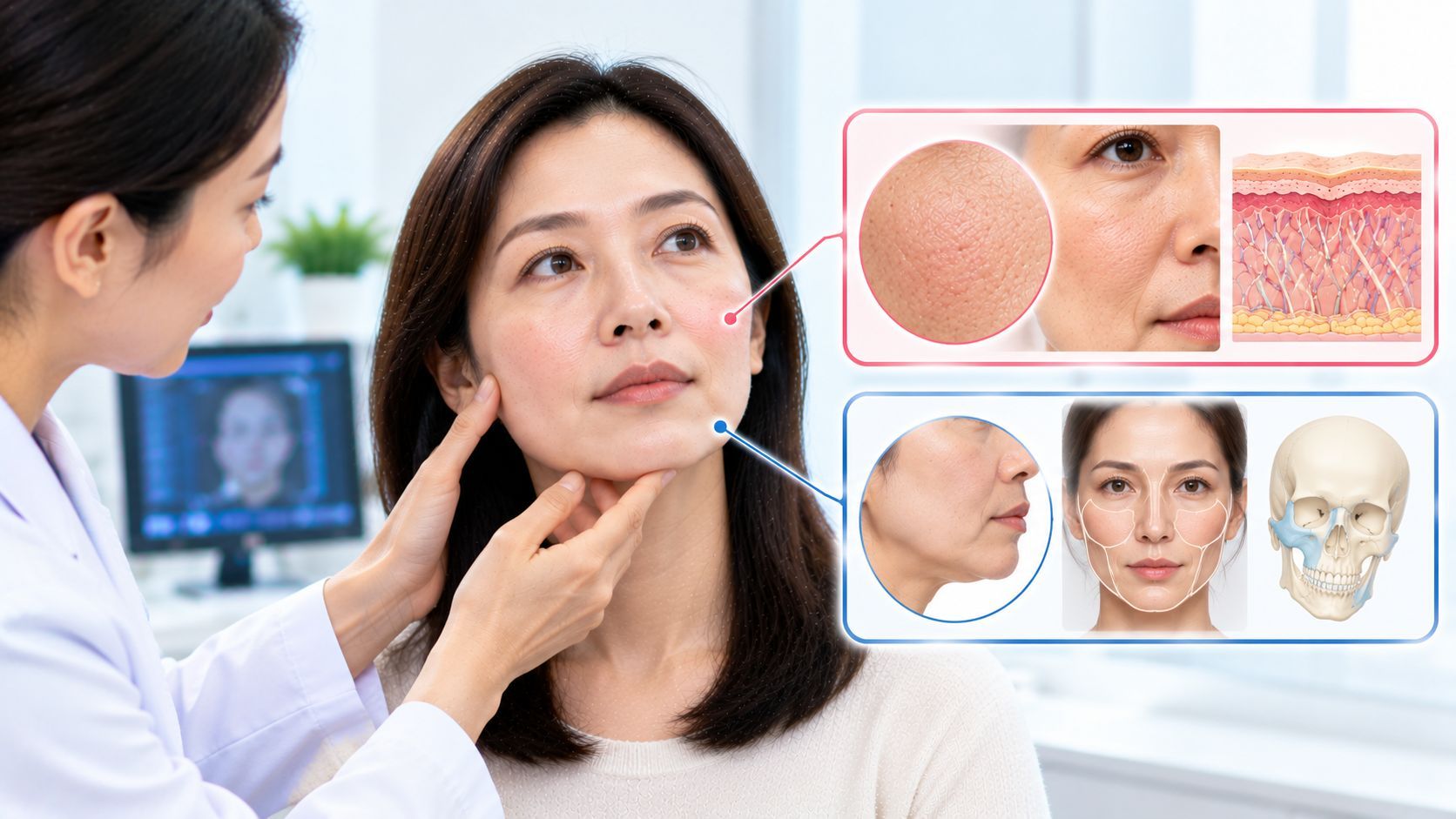
A face can sometimes look less defined because of a combination of:
- Skin laxity
- Tissue descent
- Volume loss
- Changes in facial fat compartments
- Reduced collagen
- Bone-related structural changes
Adding filler immediately does not address all of these factors.
If some of the concern is primarily related to laxity, tightening may address part of the appearance without requiring additional volume.
When Filler May Come First
Significant Volume Loss Can Change the Treatment Plan
If volume loss is the dominant issue, a clinician may determine that restoring selected areas of volume should be prioritized.
For example, substantial cheek or temple volume loss may make the face look flatter or more hollow. In such cases, simply tightening the skin may not restore the missing structural support.
The clinician may therefore consider volume restoration as part of the initial treatment plan.
Filler Can Also Affect Facial Proportions
Adding volume to the cheeks, chin, or jawline can change facial proportions.
That means a treatment plan should consider the face as a whole rather than treating every visible line or sagging area independently.
Why the Treatment Area Matters
Cheek Filler and Full-Face Tightening
If cheek filler and a full-face tightening treatment are being considered, the clinician should evaluate whether the apparent lack of definition is caused mainly by volume loss, laxity, or both.
Jawline Filler and Tightening
Jawline definition can be affected by several factors, including skin laxity, fat distribution, chin projection, and jaw structure.
Using filler to create a sharper jawline without considering laxity may produce a different result from tightening the skin first.
Nasolabial Folds and Midface Volume
Deep nasolabial folds are not always simply a filler problem. Midface volume changes and tissue descent can contribute to their appearance.
A facial assessment can help determine whether restoring volume, improving laxity, or combining approaches is more appropriate.
Can Filler and Skin Tightening Be Done on the Same Day?
Sometimes they can, but same-day treatment is not automatically necessary.
The answer depends on:
- Which tightening device is being used
- Where the filler will be injected
- Whether the procedures overlap
- Energy settings
- Type and location of filler
- The clinician's protocol
- Previous treatments
When an energy-based device will be used directly over an area containing filler, the timing should be specifically discussed with the treating clinician.
How Long Should You Wait Between Filler and Skin Tightening?
There is no single waiting period that applies to every combination.
The appropriate interval may depend on the treatment technology, injection location, filler type, and treatment intensity.
If filler has recently been injected, tell the provider exactly where and when it was placed before undergoing an energy-based procedure.
Likewise, if you recently had Thermage, Ultherapy, Sofwave, HIFU, or another energy-based treatment, tell your injector before receiving filler.
What About Old Filler?
Older filler does not necessarily mean that additional filler is required.
A clinician may need to determine:
- Whether the previous filler is still present
- Where it was injected
- Whether it has migrated
- Whether the current concern is volume loss or tissue laxity
- Whether additional filler could create excessive fullness
In some situations, ultrasound imaging may be considered to identify previously injected filler before another procedure.
What If You Want a Natural, Less-Filled Appearance?
For patients who do not want a heavily volumized look, treatment sequencing becomes particularly important.
A clinician may first determine whether improving skin firmness can address some of the concern. Any remaining structural volume loss can then be assessed separately.
This approach can help distinguish between “I need more volume” and “my skin needs more support or tightening.”
What About Thermage, Ultherapy, and Sofwave?
Different tightening technologies do not necessarily have identical treatment protocols.
Thermage
Thermage uses radiofrequency energy and is commonly used for skin tightening and collagen remodeling.
Ultherapy
Ultherapy uses focused ultrasound energy to target deeper tissue layers.
Sofwave
Sofwave uses ultrasound technology designed to target the mid-dermal tissue layer for collagen stimulation and skin tightening.
Because the technologies and treatment depths differ, you should not assume that the same filler-treatment interval applies to all three.
A Simple Way to Think About the Order
The treatment sequence can be considered according to the primary structural problem:
Mainly loose skin:
A tightening treatment may be considered first, followed by reassessment.
Mainly volume loss:
Filler may be considered as the primary treatment.
Both laxity and volume loss:
The clinician may combine treatments but carefully determine which problem should be addressed first.
Uncertain cause of facial aging:
A detailed consultation and facial assessment should come before deciding on either treatment.
Questions to Ask Your Doctor
Before combining filler and skin tightening, ask:
- Is my main problem volume loss or skin laxity?
- Which treatment should be performed first in my case?
- Will the energy treatment overlap my filler areas?
- How long should I wait between treatments?
- Do I have existing filler that should be evaluated first?
- Would ultrasound imaging help identify previous filler?
- Can tightening reduce how much filler I need?
- What happens if I only do one treatment?
These questions can help you understand the reasoning behind the treatment sequence rather than simply following a package recommendation.
Final Thoughts
Filler and skin-tightening treatments address different aspects of facial aging. Filler can restore or reshape volume, while tightening treatments are generally intended to improve firmness and laxity.
When both are being considered, the order should be based on your facial anatomy, the treatment areas, the technology being used, and your desired outcome. If laxity is the primary issue, tightening may sometimes be performed before reassessing whether filler is still needed. If substantial volume loss is the main concern, filler may play a more important role earlier in the treatment plan.
The goal should not simply be to perform both procedures. It should be to determine which structural issue is responsible for the appearance you want to change and then plan the treatments accordingly.