Can Laser Treatments Trigger Rosacea?
Introduction
If you have facial redness, flushing, burning, or easily irritated skin, you may wonder whether laser treatment could trigger or worsen rosacea. This is an important question because “laser treatment” covers many different technologies, and they do not all affect the skin in the same way.
The short answer is yes, some laser treatments can temporarily aggravate redness or trigger a flare in someone who is prone to rosacea, but laser and light treatments can also be used medically to treat certain rosacea features. The key is identifying what is causing the redness, choosing an appropriate technology, and controlling active inflammation before treatment when necessary.
What Is Rosacea?
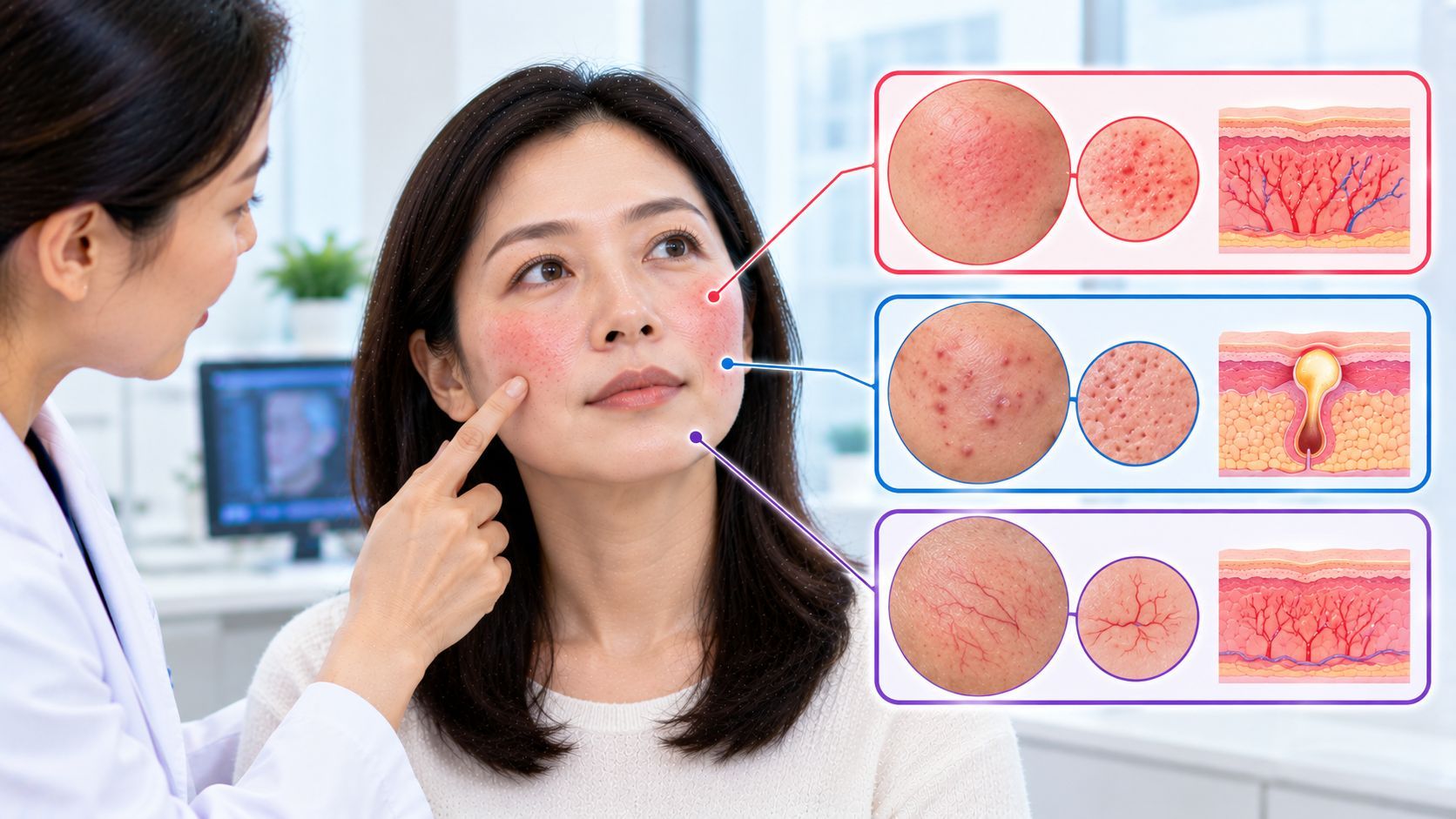
Rosacea is a chronic inflammatory skin condition that commonly affects the central face. Symptoms can include:
- Persistent facial redness
- Episodes of flushing
- Visible small blood vessels
- Burning or stinging
- Small bumps or pus-filled lesions
- Skin sensitivity
- Eye-related symptoms in some people
Rosacea does not look identical in every patient. Some people mainly experience flushing and redness, while others have visible blood vessels, inflammatory bumps, thickened skin, or ocular symptoms.
Because different manifestations require different approaches, a laser chosen simply because your face is red may not be the right treatment.
The American Academy of Dermatology notes that dermatologists may use medications, skin-care measures, and laser or light therapy depending on the symptoms being treated.
Can Laser Actually Trigger a Rosacea Flare?
It can.
Laser and light procedures can temporarily cause heat, redness, swelling, and inflammation. For someone already prone to flushing, these effects may temporarily aggravate symptoms.
Heat is also a commonly recognized rosacea trigger. The AAD lists hot weather, hot baths, overheating, and other heat-related exposures among potential triggers.
However, it would be inaccurate to conclude that all laser treatment causes rosacea.
The response depends on factors such as:
- Laser type
- Wavelength
- Energy settings
- Treatment area
- Number of passes
- Cooling method
- Current rosacea activity
- Individual sensitivity
- Aftercare
Which Rosacea Symptoms Can Laser Treat?
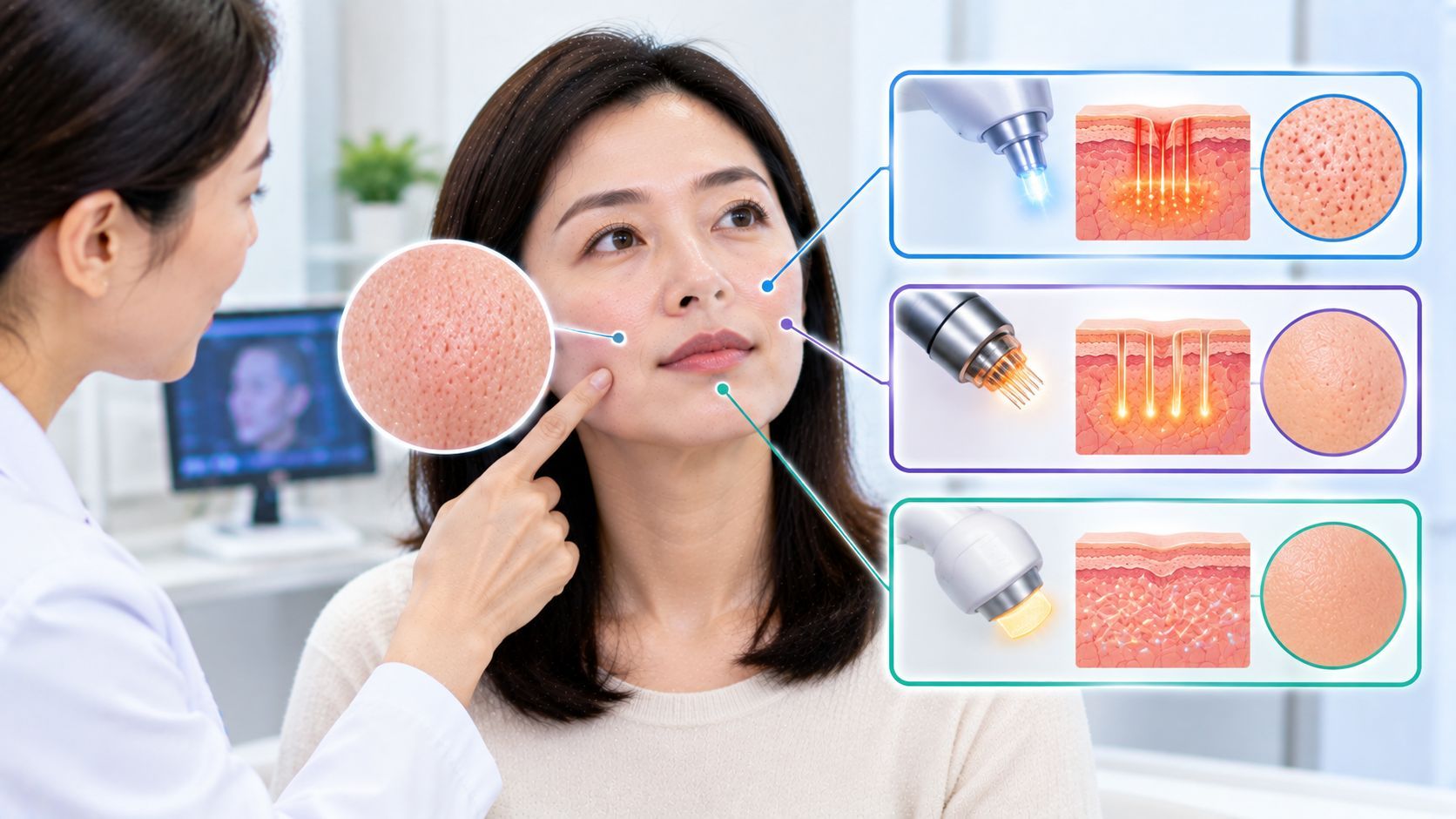
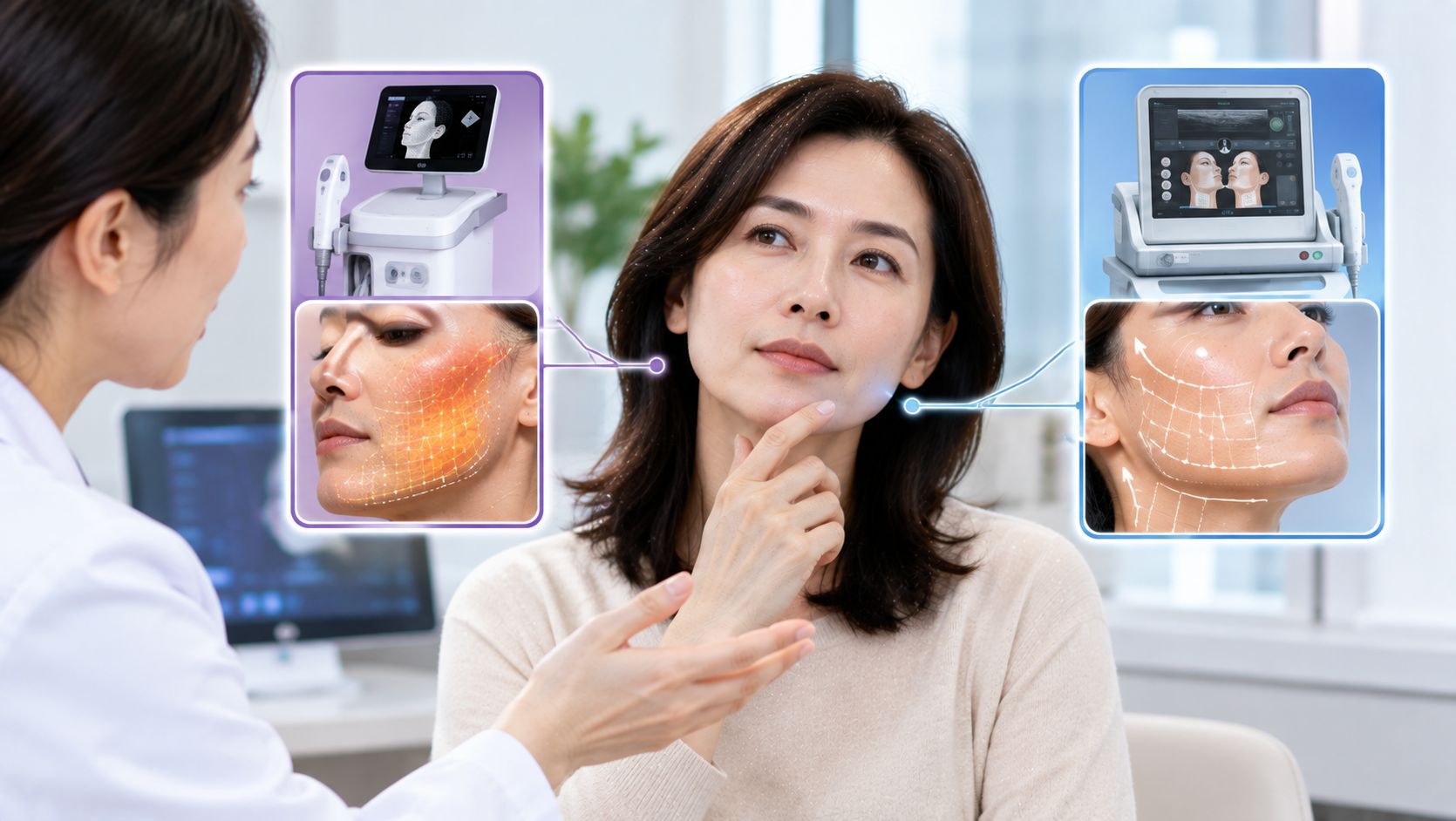
Laser and light therapy are particularly relevant when the main concern is visible blood vessels or persistent redness.
The AAD explains that laser and light treatments can reduce the appearance of visible blood vessels and may help persistent facial redness in appropriate patients.
Vascular-targeting technologies work differently from resurfacing lasers designed primarily for pigmentation, scars, or texture.
This distinction is important.
A person with visible facial vessels may require a very different treatment strategy from someone whose main issue is burning and episodic flushing.
What About Flushing?
Flushing can be one of the more difficult rosacea symptoms to manage.
If your face becomes red after:
- Heat
- Exercise
- Hot drinks
- Spicy food
- Emotional stress
- Alcohol
- Sudden temperature changes
you should tell your dermatologist before treatment.
Laser treatment may help certain vascular components of rosacea, but it should not automatically be assumed to eliminate every trigger or prevent every future flare.
Rosacea is a chronic condition, so treatment often involves a broader management strategy rather than a single procedure.
Can Resurfacing Lasers Make Rosacea Worse?
Potentially.
Resurfacing lasers intentionally create controlled injury or thermal effects in the skin. Depending on the technology and settings, they can cause considerable temporary redness and irritation.
If the skin is already inflamed, adding another significant inflammatory stimulus may be inappropriate.
This is especially relevant when someone is considering a laser primarily for:
- Acne scars
- Enlarged pores
- Uneven texture
- Fine lines
- Skin resurfacing
If rosacea is active, the dermatologist may decide that controlling the inflammatory condition should come before aggressive resurfacing.
What If I Have Rosacea but Also Want Pigmentation Treatment?
This requires careful treatment planning.
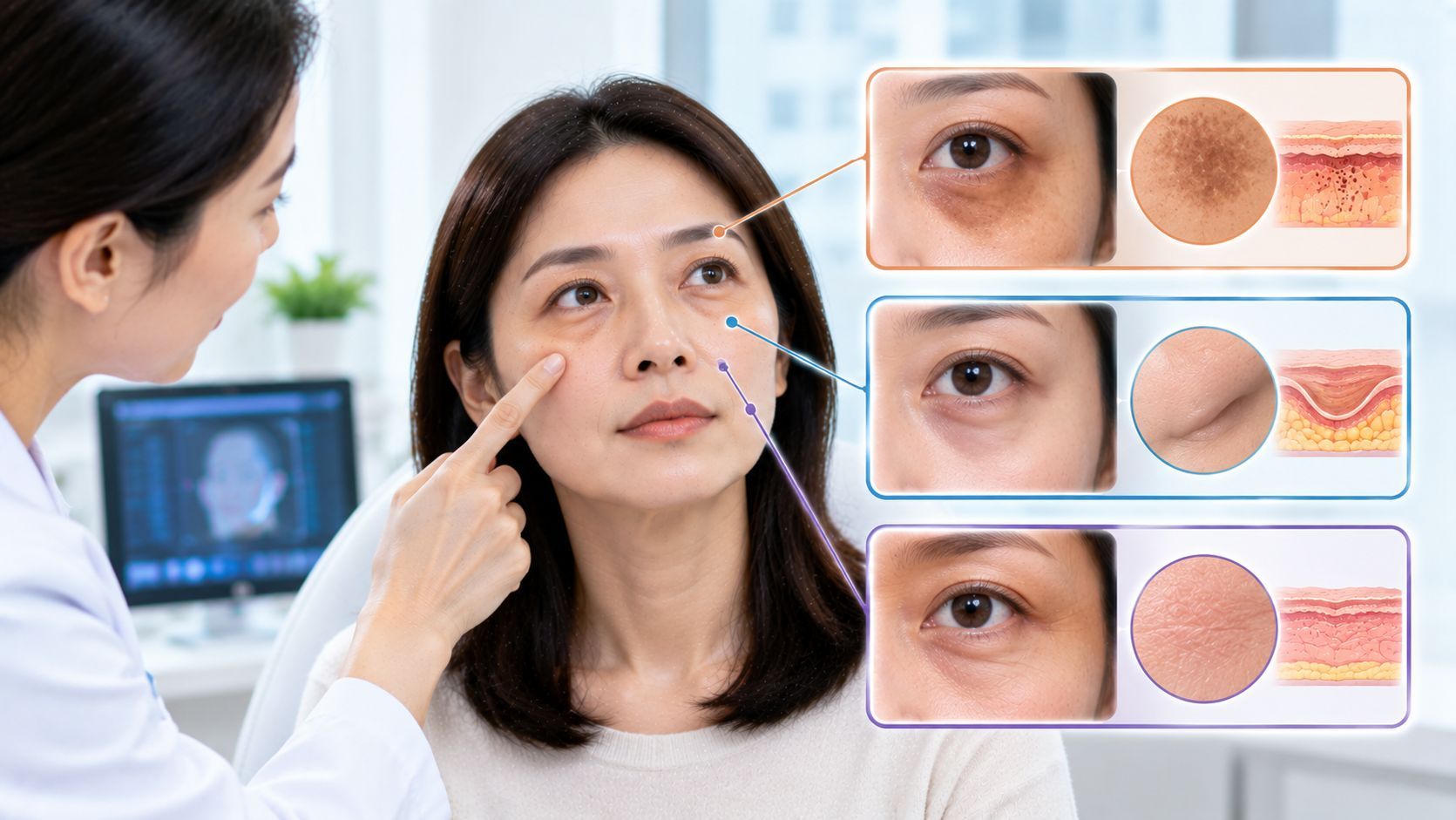
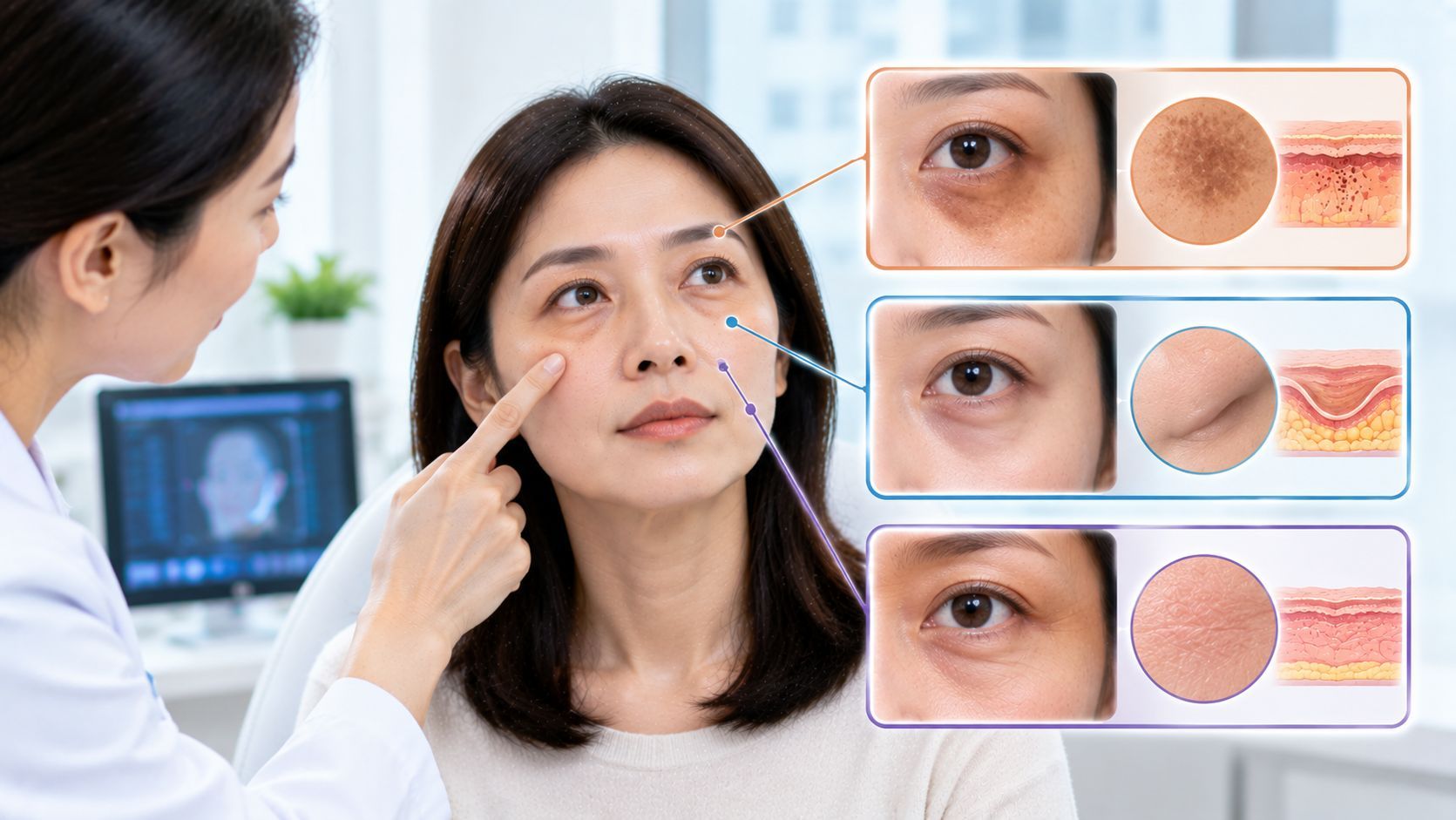
Pigmentation can occur alongside redness, sensitivity, and rosacea. Some pigment-targeting procedures may temporarily irritate the skin, and inflammation can complicate pigmentation management.
Rather than treating every visible concern at once, a dermatologist may prioritize the condition that is currently most active.
For example, the treatment sequence might involve:
First: identify and stabilize active inflammation.
Then: reassess pigmentation and texture.
Finally: consider whether a pigment or resurfacing procedure is appropriate.
This staged approach can be particularly useful for people whose skin reacts strongly to procedures.
Does Laser Cure Rosacea?
No.
Laser and light treatments can improve particular manifestations of rosacea, but they should not be described as a permanent cure.
The AAD notes that laser treatment can reduce visible blood vessels, but new vessels may develop over time and additional treatments may sometimes be needed.
Similarly, improving visible redness does not necessarily eliminate all rosacea symptoms or triggers.
The objective is usually symptom and appearance management, not permanent elimination of the underlying tendency.
How Can a Dermatologist Decide Whether Laser Is Appropriate?
A consultation should examine more than just your skin color or degree of redness.
The dermatologist may ask about:
- When the redness began
- How often you flush
- Your known triggers
- Burning or stinging
- Previous cosmetic treatments
- Previous laser reactions
- Current skincare
- Medications
- Family or personal history of rosacea
- Eye symptoms
They may also examine whether the redness appears primarily vascular, inflammatory, irritation-related, or associated with another skin condition.
This distinction can change the treatment plan significantly.
Should I Treat Active Rosacea Before Laser?
Often, yes.
If you currently have substantial inflammation, frequent burning, active bumps, or a significant flare, your dermatologist may recommend addressing the active condition first.
That does not mean laser is permanently off the table.
Instead, the goal is to bring the skin into a more stable state before introducing another treatment.
If your symptoms are mainly persistent visible vessels and your rosacea is otherwise controlled, a vascular laser or light-based procedure may be considered as part of the treatment plan.
What About Sensitive Skin Without Rosacea?
Not every person with facial redness has rosacea.
Skin can become temporarily reactive because of:
- Over-exfoliation
- Retinoid irritation
- Harsh cleansing
- Damaged barrier function
- Contact dermatitis
- Environmental exposure
- Recent cosmetic procedures
These conditions can sometimes look similar to rosacea.
This is why repeatedly changing lasers without determining the cause of redness may not solve the problem.
What About Laser Treatment in Korea?
Korea has extensive experience with laser and energy-based dermatology, including vascular, pigment, resurfacing, and rejuvenation procedures.
If you are considering treatment in Seoul, tell the clinic that you flush or develop redness easily rather than simply requesting a particular laser by name.
Useful questions include:
- Does my redness look like rosacea?
- Is my rosacea currently active?
- What exactly would this laser target?
- Could this treatment aggravate my flushing?
- Would a vascular laser or another treatment be more appropriate?
- What level of redness should I expect afterward?
- What should I avoid during recovery?
- How should I manage my skincare before and after treatment?
For international patients, these questions are especially important if you have only a few days in Seoul.
How Should I Prepare for Laser Treatment?
Preparation depends on the specific procedure.
Your dermatologist may review your skincare and advise you about products or medications that could increase irritation or photosensitivity.
You should also avoid deliberately exposing your skin to excessive heat or sun before treatment.
After treatment, follow the clinic's instructions regarding:
- Cleansing
- Moisturizing
- Sunscreen
- Exercise
- Sauna and hot baths
- Alcohol
- Active skincare ingredients
- Additional cosmetic procedures
The recovery plan can be particularly important if your skin is already prone to flushing.
When Should You Postpone Laser Treatment?
Consider getting a dermatological assessment before proceeding if you have:
- A significant rosacea flare
- Severe burning or stinging
- Active dermatitis
- Unexplained persistent redness
- Cracked or peeling skin
- A recent severe reaction to skincare
- Significant swelling or inflammation
- An infection
These symptoms do not necessarily mean you can never receive laser treatment. They indicate that the cause and current condition of your skin should be assessed first.
Conclusion
Laser treatments can sometimes temporarily aggravate redness in people who are prone to rosacea, particularly when the skin is already inflamed or the procedure creates substantial heat or irritation. At the same time, laser and light treatments can be useful for selected rosacea symptoms, especially visible blood vessels and persistent redness.
The important distinction is between using an appropriately selected vascular treatment for a diagnosed rosacea feature and applying an aggressive cosmetic laser to already irritated skin.
If you frequently flush, burn, or remain red after skincare and procedures, a dermatologist should determine whether rosacea is actually responsible before you choose a laser.
FAQs
Can laser treatment cause rosacea?
Laser treatment does not necessarily cause rosacea, but it can temporarily increase redness and irritation and may aggravate symptoms in someone who is already prone to rosacea.
Can people with rosacea get laser treatment?
Yes, some people with rosacea can receive laser or light treatment. These procedures are commonly considered for specific features such as visible blood vessels and persistent redness.
Should I avoid laser during a rosacea flare?
A significant active flare generally deserves assessment before elective cosmetic treatment. Your dermatologist may recommend stabilizing the skin first.
Which laser is best for rosacea?
There is no single best laser for everyone. Treatment depends on whether the primary concern is visible blood vessels, persistent redness, flushing, inflammatory lesions, or another skin problem.
Can laser permanently remove facial redness?
Laser can improve certain types of redness, but it should not be presented as a permanent cure for rosacea. New visible vessels or symptoms can develop over time.
What if my skin becomes red after every facial treatment?
Repeated redness deserves evaluation rather than simply switching between procedures. A dermatologist can assess whether the problem is rosacea, barrier dysfunction, dermatitis, or another cause.