My Skin Burns From Most Skincare Products. Should I Even Consider Aesthetic Treatment?
Introduction
If your skin burns, stings, or becomes red after applying ordinary skincare products, the idea of getting an aesthetic treatment can feel contradictory. Treatments such as lasers, microneedling, chemical peels, injectables, and energy-based procedures deliberately create a controlled response in the skin, so highly reactive skin deserves a more careful approach.
The short answer is yes, you may still be able to consider aesthetic treatment, but persistent burning should be investigated before choosing a cosmetic procedure. Burning does not automatically mean that you can never have treatment. It may reflect a temporarily impaired skin barrier, overuse of irritating products, rosacea, dermatitis, allergy, or another condition that needs to be identified first.
Why Does My Skin Burn From Skincare?
Skin burning is a symptom rather than a diagnosis.
One possibility is skin-barrier dysfunction. The outer layer of the skin helps limit water loss and protects against external irritants. When this protective function is impaired, products that normally feel comfortable can sting or burn. Increased transepidermal water loss is one objective measure used when studying barrier impairment.
Potential contributors include:
- Over-exfoliation
- Frequent use of acids
- Retinoid irritation
- Strong cleansers
- Excessive washing
- Scrubbing or friction
- Recent laser or peel treatment
- Dry environmental conditions
- Dermatitis
- Rosacea
- Contact allergy or irritation
Therefore, burning from skincare should not automatically be interpreted as having “very sensitive skin.”
When Burning Means You Should Pause Aesthetic Treatment
If your skin burns from almost everything, rushing into another procedure may make it harder to determine what is actually happening.
Burning Even With Gentle Products
If a basic moisturizer or gentle cleanser causes significant discomfort, your skin may currently be too reactive for an elective procedure.
Visible Peeling or Cracking
Peeling, scaling, or cracking can indicate substantial irritation or inflammation.
Persistent Redness
If your face remains red rather than becoming temporarily flushed, a dermatologist may need to investigate conditions such as rosacea or dermatitis.
A Recent Severe Reaction
If the burning began after introducing a new cosmetic, medication, retinoid, acid, or procedure, identifying that trigger may be more important than starting another treatment.
Does Sensitive Skin Mean I Cannot Have Aesthetic Treatments?
No.
Having sensitive or reactive skin does not automatically exclude you from aesthetic procedures.
The more useful distinction is between stable sensitive skin and actively irritated or inflamed skin.
Someone whose skin is naturally reactive but currently comfortable, intact, and stable may be able to undergo a carefully selected treatment.
Someone whose skin is currently burning, peeling, inflamed, or reacting to multiple products may need evaluation and stabilization first.
This distinction can substantially change the treatment plan.
Which Aesthetic Treatments Require More Caution?
Different procedures create different types and degrees of stress on the skin.
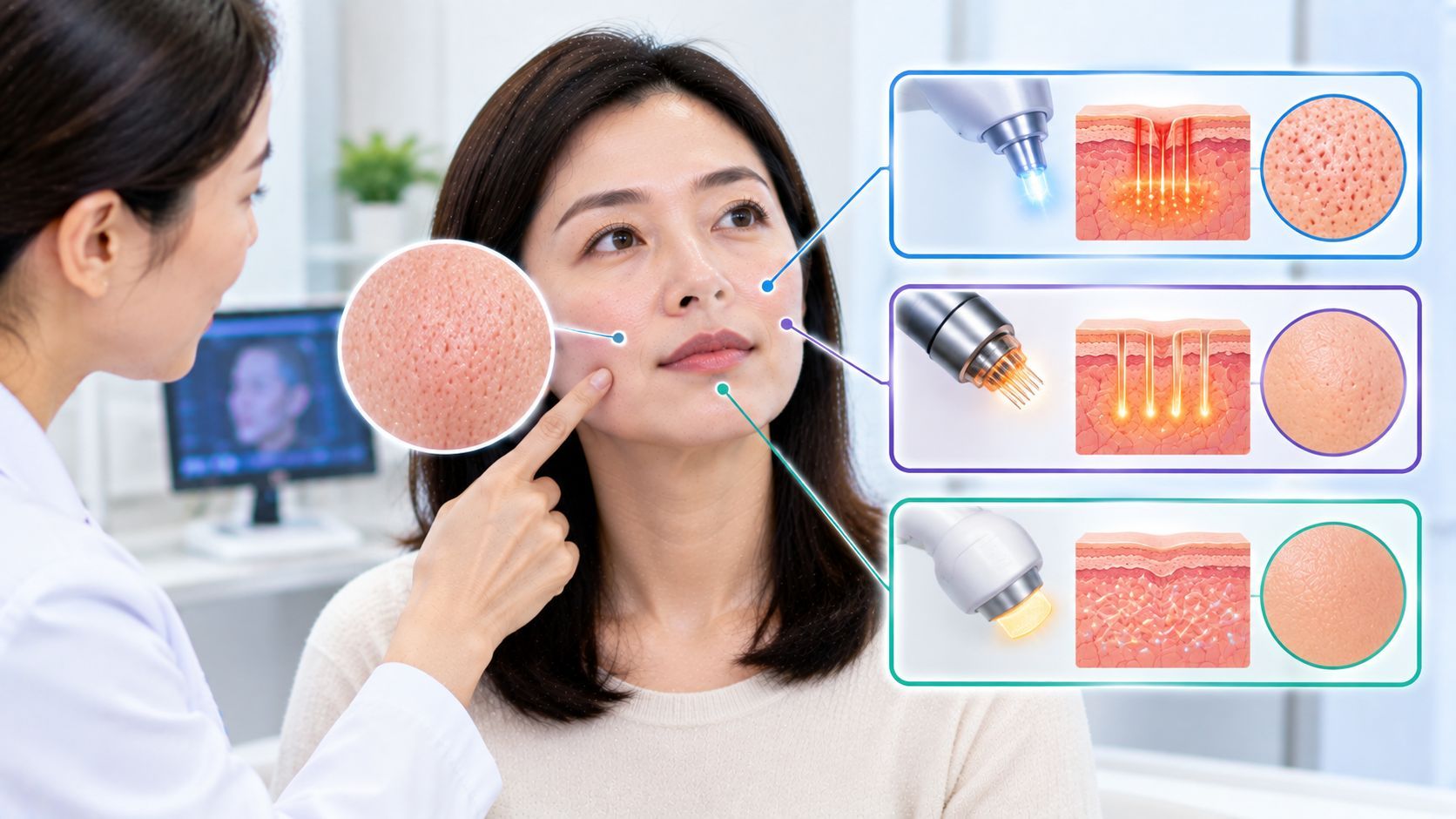
TreatmentMain consideration for reactive skinLaserHeat and/or controlled tissue injuryRF microneedlingNeedling plus thermal energyMicroneedlingControlled mechanical micro-injuryChemical peelsChemical exfoliation and irritation potentialInjectable skin boostersNeedle-related inflammation and product-specific reactionsBotoxInjection-related swelling, bruising, and other risksFillerInjection and product-specific complicationsEnergy-based tighteningHeat or focused energy exposure
This does not mean one category is universally unsuitable.
Instead, the procedure, device, settings, injection technique, product, treatment area, and condition of your skin all matter.
What About Laser Treatment?
Laser treatment should be selected according to the actual problem.
Some lasers target pigmentation, some target blood vessels, and others are used for resurfacing or texture.
The amount of barrier disruption can vary considerably. Research examining different laser procedures has shown that recovery of skin-barrier function depends partly on the type and intensity of treatment.
If your skin is already burning, a dermatologist may recommend postponing treatment or choosing a less aggressive approach.
That does not mean you can never have laser treatment.
What If I Have Rosacea?
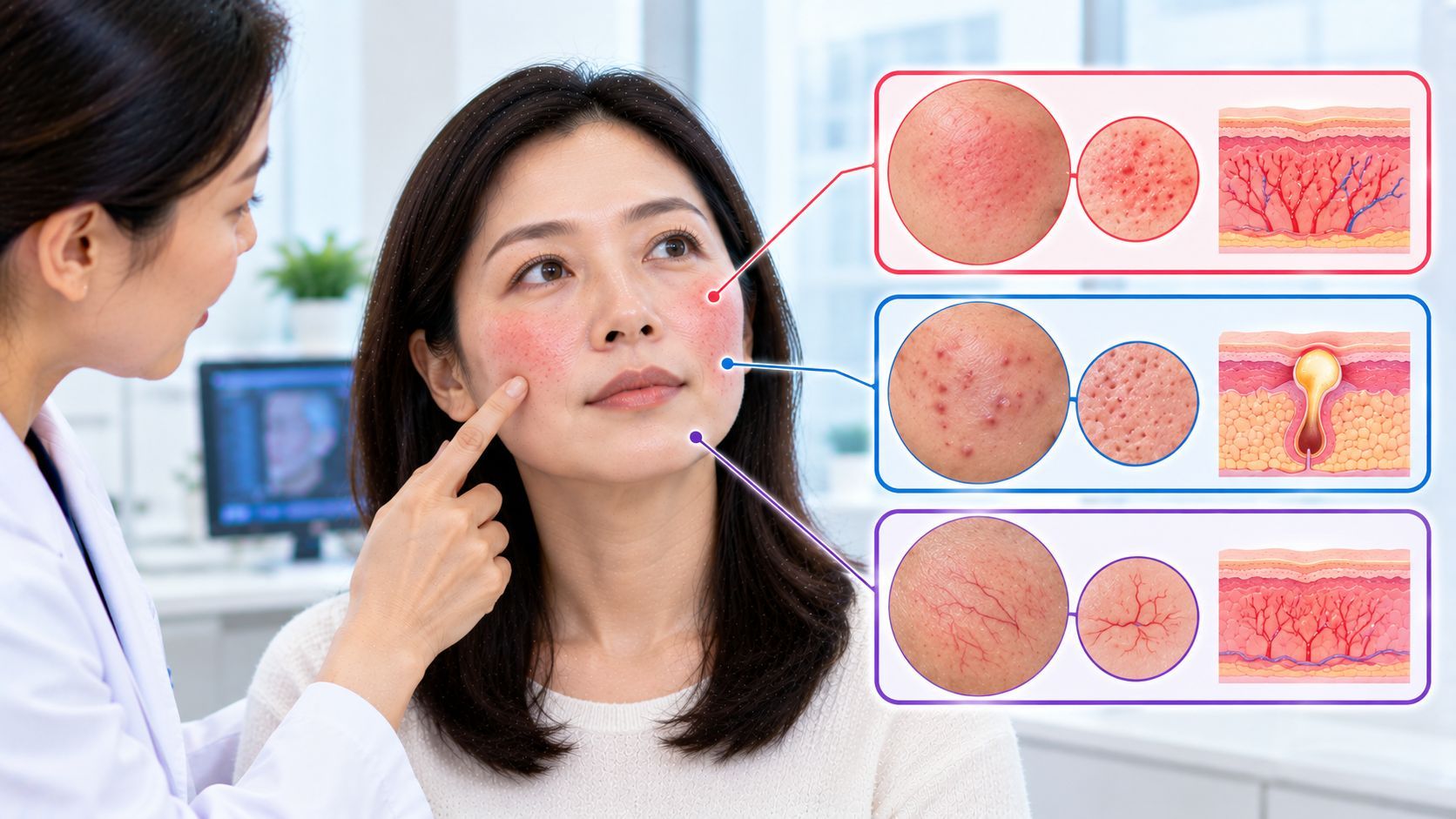
Rosacea is particularly relevant when someone describes frequent burning, flushing, or facial redness.
The American Academy of Dermatology describes burning or stinging among symptoms that can occur with rosacea and notes that heat and other triggers may worsen symptoms.
Some laser and light-based treatments can be used for specific rosacea features, including visible blood vessels and persistent redness. However, the treatment needs to match the particular symptoms and should not be viewed as a universal solution for every type of facial redness.
If you frequently flush or burn, it is therefore useful to establish whether rosacea is involved before choosing a cosmetic procedure.
Should I Repair My Skin Barrier First?
If your skin is actively irritated, barrier stabilization may be more appropriate than immediately adding another aesthetic treatment.
A dermatologist may recommend simplifying your skincare routine. Depending on the cause, this can involve:
- Gentle cleansing
- A fragrance-free moisturizer
- Daily broad-spectrum sunscreen
- Reducing unnecessary exfoliation
- Temporarily adjusting irritating active ingredients
- Avoiding scrubbing
- Avoiding known triggers
Moisturizers containing appropriate combinations of occlusive, humectant, and emollient ingredients can help support barrier function.
However, barrier repair should not be treated as a universal explanation for persistent burning. If an inflammatory or allergic condition is responsible, that condition may require specific medical management.
How Can You Tell If Your Skin Is Ready for Treatment?
There is no single home test that proves your skin is ready for an aesthetic procedure.
Instead, consider your current symptoms.
More reassuring signs include:
- No persistent burning
- No active peeling
- No significant rash
- Skin tolerates basic moisturizer
- Redness is stable rather than rapidly worsening
- No recent unexplained reaction
Reasons to seek assessment first include:
- Burning from almost every product
- Persistent unexplained redness
- Severe itching
- Active dermatitis
- Cracking or significant scaling
- A recent severe reaction
- Repeated prolonged reactions after cosmetic procedures
A dermatologist can then determine whether treatment should proceed, be modified, or be postponed.
Can Aesthetic Treatment Make Reactive Skin Worse?
It can.
Any procedure that creates inflammation, heat, mechanical injury, or injections can produce temporary redness, swelling, tenderness, or irritation.
For someone with reactive skin, the goal is therefore not to find a procedure advertised as “zero downtime” or “gentle” and assume it will be risk-free.
Instead, the treatment should be selected based on:
- The condition being treated
- The current condition of the skin
- Previous treatment reactions
- The intensity of the procedure
- Expected recovery
- The patient's ability to follow aftercare
This approach is more useful than choosing treatments based solely on marketing descriptions.
What Should I Tell a Korean Dermatologist?
If you are considering treatment in Seoul, explain exactly what happens when your skin reacts.
Instead of simply saying, “I have sensitive skin,” tell the dermatologist:
- Which products cause burning
- How quickly the burning starts
- How long it lasts
- Whether redness appears
- Whether you develop swelling or itching
- Whether you peel afterward
- Which procedures you've previously received
- How long previous redness lasted
- Which medications or active skincare ingredients you use
If possible, bring photographs showing your skin during a reaction.
This information can make the consultation more useful, particularly when you are visiting Korea for a limited period.
Should I Test a Treatment on a Small Area?
A dermatologist may sometimes consider a conservative or limited treatment approach when appropriate.
However, a small-area treatment is not a guarantee that a full treatment will produce no reaction.
Different facial areas can respond differently, and delayed reactions can occur.
Testing should therefore be considered part of an individualized medical plan rather than a universal safety requirement.
What If I Still Want Treatment Soon?
If you are traveling to Korea specifically for aesthetic treatment, avoid assuming that every planned procedure must happen during the same trip.
Your dermatologist may determine that:
- The skin is stable enough for treatment
- A less aggressive procedure is preferable
- Certain products should be stopped temporarily
- Treatment should be postponed
- The underlying skin condition should be addressed first
- A different treatment category makes more sense
If you have an important event or return flight shortly afterward, tell the clinic before treatment. Recovery time can be an important part of procedure selection.
Conclusion
If your skin burns from most skincare products, you should not automatically rule out aesthetic treatment, but you should investigate the cause of the sensitivity before choosing a procedure.
A compromised barrier, rosacea, dermatitis, irritation, and allergy can all produce overlapping symptoms while requiring different approaches.
Once the skin is stable and the underlying problem has been assessed, some people with reactive skin can still undergo appropriately selected aesthetic treatments. The objective should be to match the treatment intensity and technology to the condition of the skin rather than assuming that a popular treatment is suitable.
FAQs
Can I get aesthetic treatment if every skincare product burns my skin?
It may still be possible, but persistent burning should be evaluated first. If the skin is actively irritated or inflamed, stabilization may be appropriate before an elective procedure.
Does burning mean my skin barrier is damaged?
Not necessarily. Barrier dysfunction can cause burning and stinging, but rosacea, dermatitis, irritation, and other conditions can produce similar symptoms.
Should I avoid laser if I have sensitive skin?
Not automatically. Some people with sensitive skin can receive laser treatment, but the specific laser, settings, treatment purpose, and current condition of the skin need to be considered.
Can rosacea patients receive aesthetic treatments?
Some can. Certain laser and light treatments are used for specific rosacea symptoms, but treatment should be individualized and active inflammation may need attention first.
How long should I repair my skin barrier before treatment?
There is no universal number of days. Recovery depends on why the barrier is impaired, how severe the irritation is, and what treatment you plan to receive.
What is the biggest mistake sensitive-skin patients make before aesthetic treatment?
One common problem is focusing only on the cosmetic concern while ignoring active burning, redness, or inflammation. Identifying the reason for the reactivity can be more important than immediately choosing a procedure.