My Skin Is Clear but Always Looks Dull. What Treatment Could Change That?
Introduction
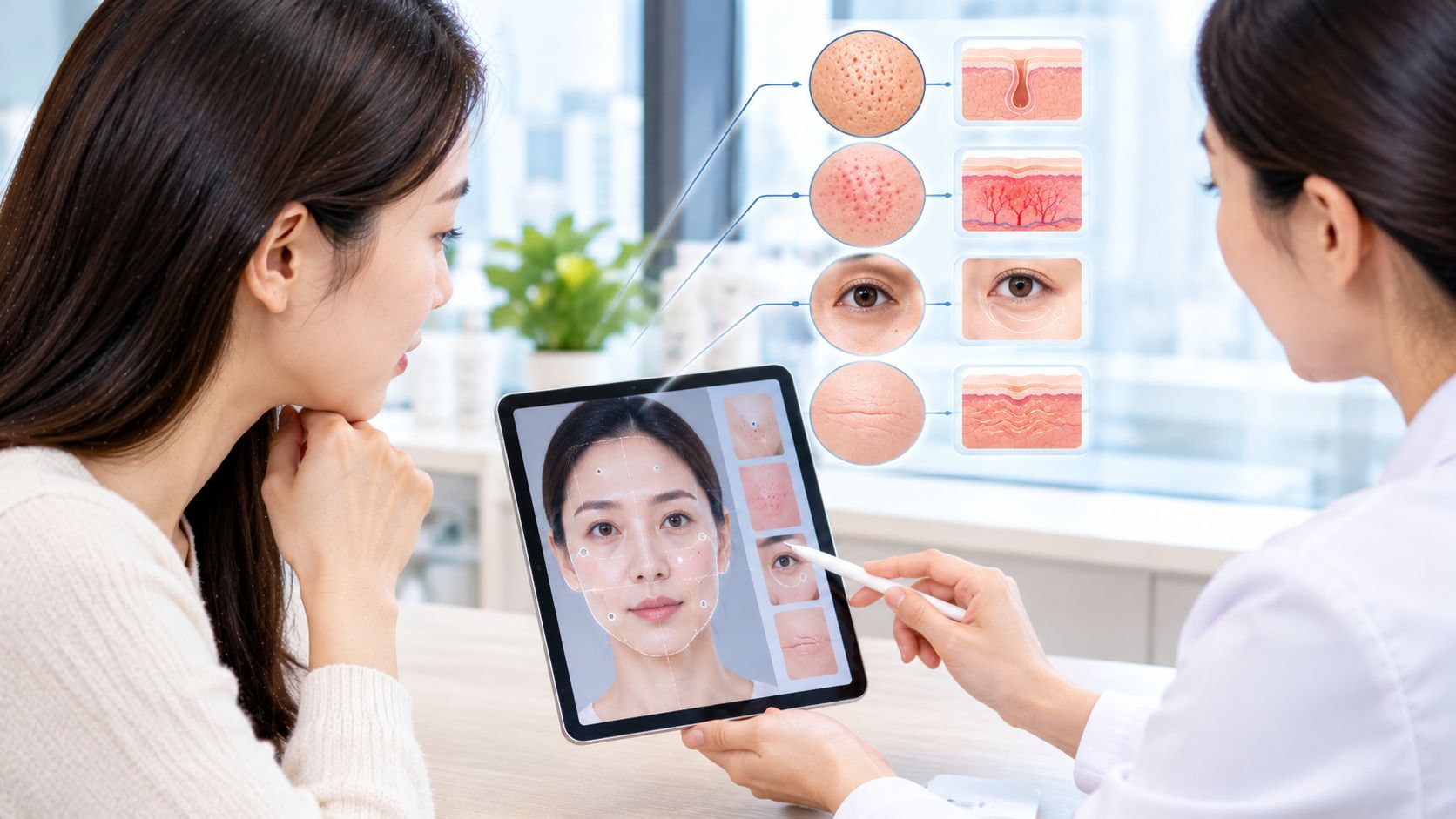
Clear skin and glowing skin are not necessarily the same thing. You can have little or no acne, minimal pigmentation, and a generally healthy complexion while your face still looks flat, tired, or dull.
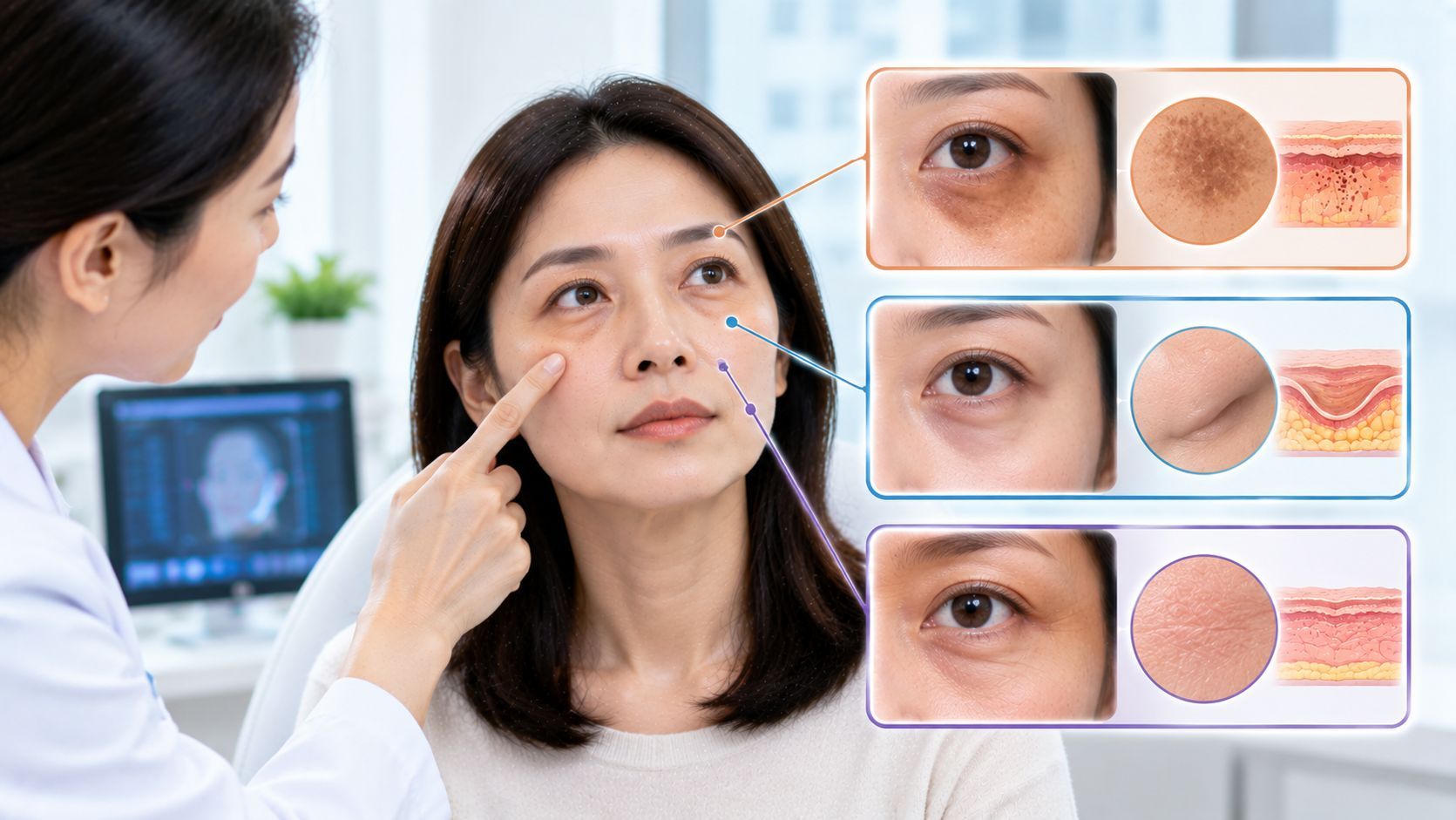
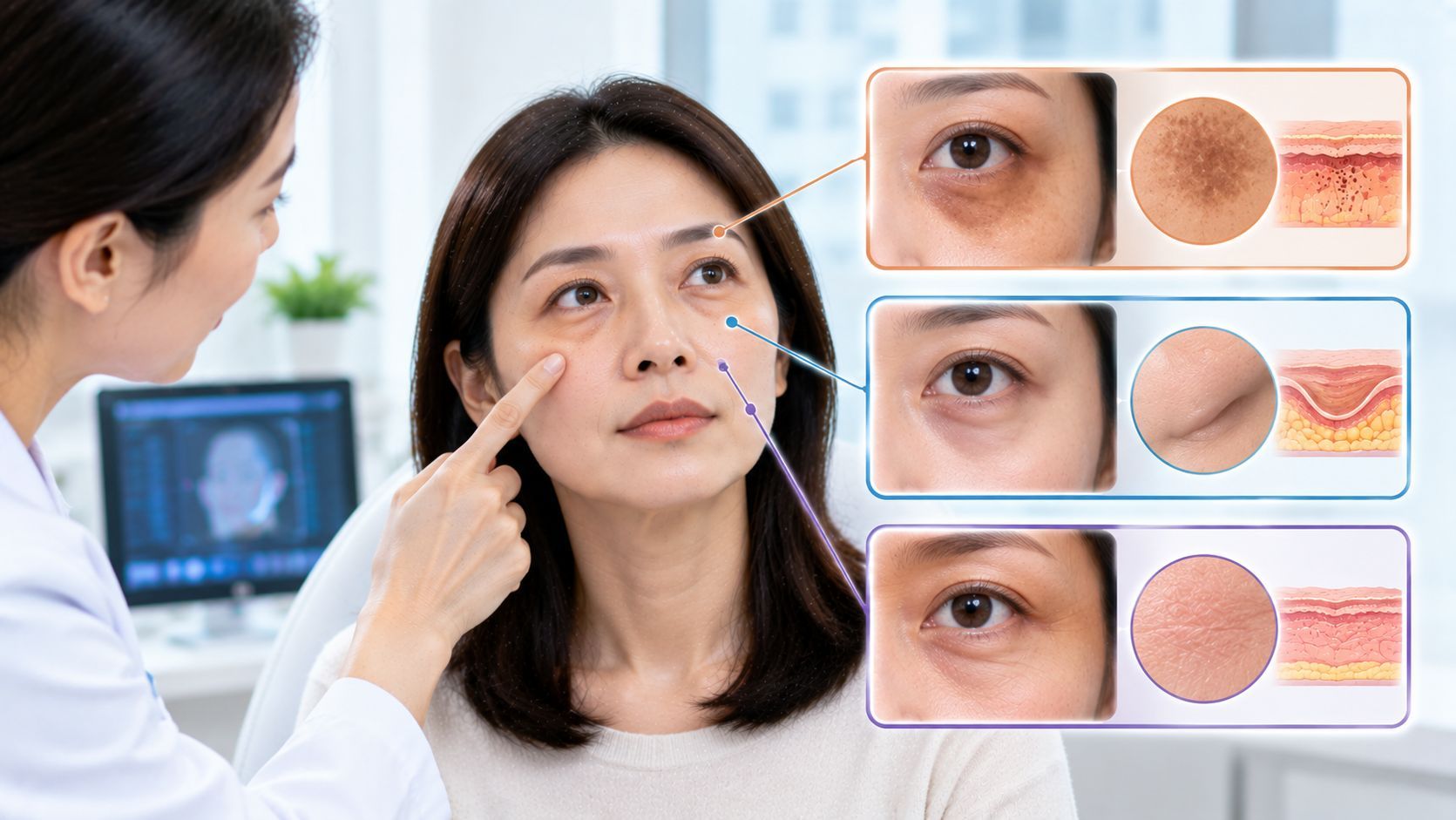
Dull-looking skin can result from several factors, including dehydration, accumulated surface cells, uneven texture, reduced sebum balance, sun exposure, early collagen changes, and the way light reflects from the skin. Lifestyle factors such as poor sleep, stress, smoking, dehydration, and environmental exposure can also influence how the complexion appears.
The best treatment therefore depends on what is making the skin look dull. Someone with dehydrated skin may benefit from barrier-focused care, while someone with rough texture may respond better to exfoliation or resurfacing. If the skin has lost some firmness or reflectivity with age, collagen-stimulating treatments may be considered.
What Does “Dull Skin” Actually Mean?
Dullness is not a specific medical diagnosis. It is a description of how the skin looks.
People may describe dull skin as:
- Flat rather than luminous
- Tired-looking
- Rough or uneven
- Grayish or less vibrant
- Lacking smooth reflection
- Dehydrated despite using moisturizer
- Less radiant than it used to be
Importantly, dullness does not always mean that something is wrong with your skin.
Sometimes the skin is healthy but has a combination of subtle texture, dehydration, and uneven light reflection that makes it look less radiant.
Why Can Clear Skin Still Look Dull?
Dehydration
Dehydrated skin contains less water in the outer layers. This can make fine surface irregularities more visible and reduce the smooth reflection of light.
You can also have oily or combination skin while being dehydrated. Oil and water balance are different issues.
Accumulated Surface Cells
The outermost layer of skin naturally sheds dead cells. When shedding is uneven, the surface can appear rougher and less reflective.
Gentle exfoliation can sometimes improve this appearance, but excessive exfoliation can damage the skin barrier and make dullness worse.
Uneven Texture
Very small irregularities may not be obvious when looking closely at the face but can become noticeable under certain lighting.
Pores, mild acne scarring, fine lines, and uneven surface texture can all scatter light rather than reflecting it evenly.
Sun Exposure
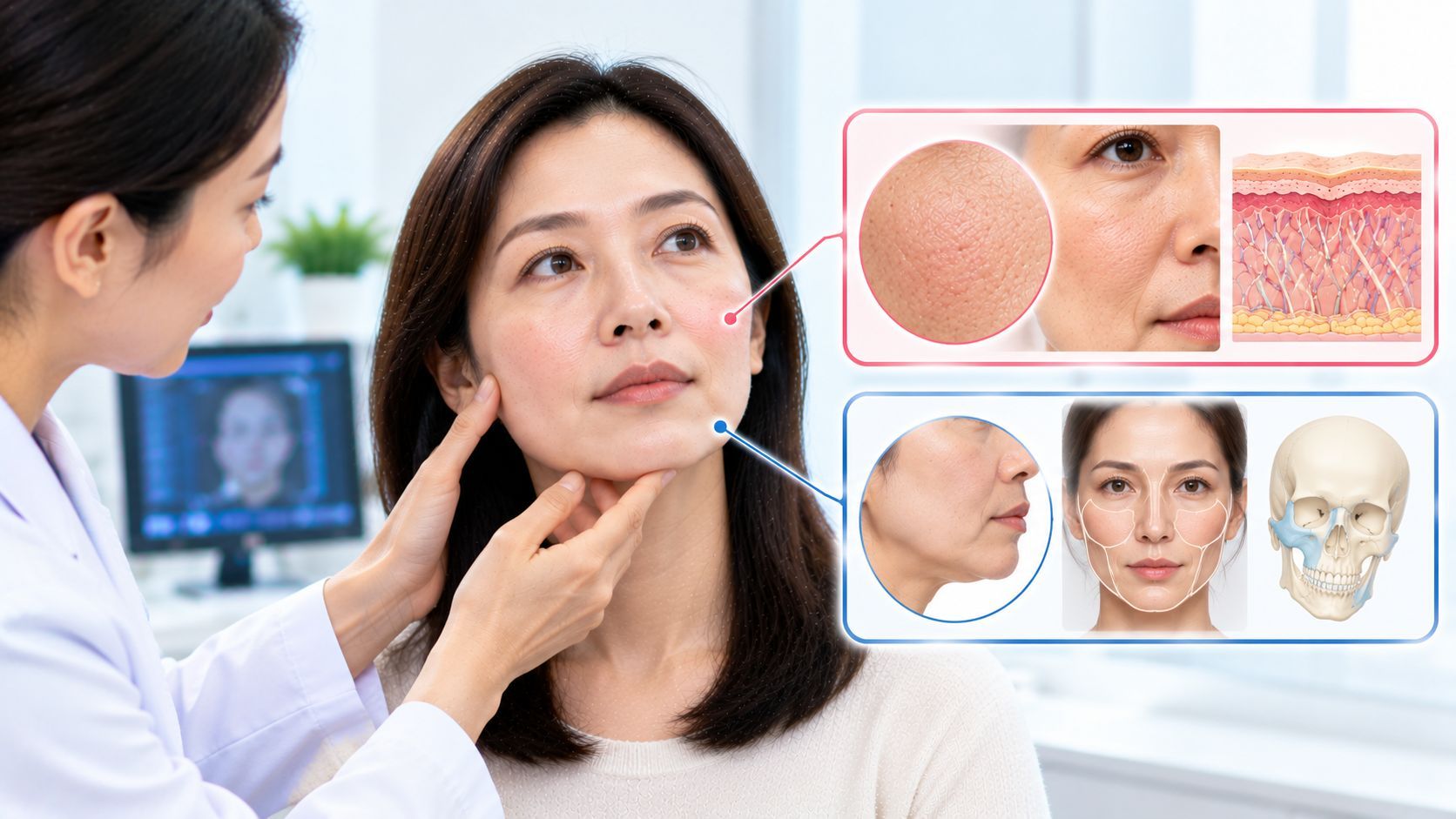
UV exposure contributes to photoaging and can gradually affect skin texture, pigmentation, and collagen. Even when obvious dark spots are absent, cumulative sun exposure can influence overall skin quality.
Early Skin Aging
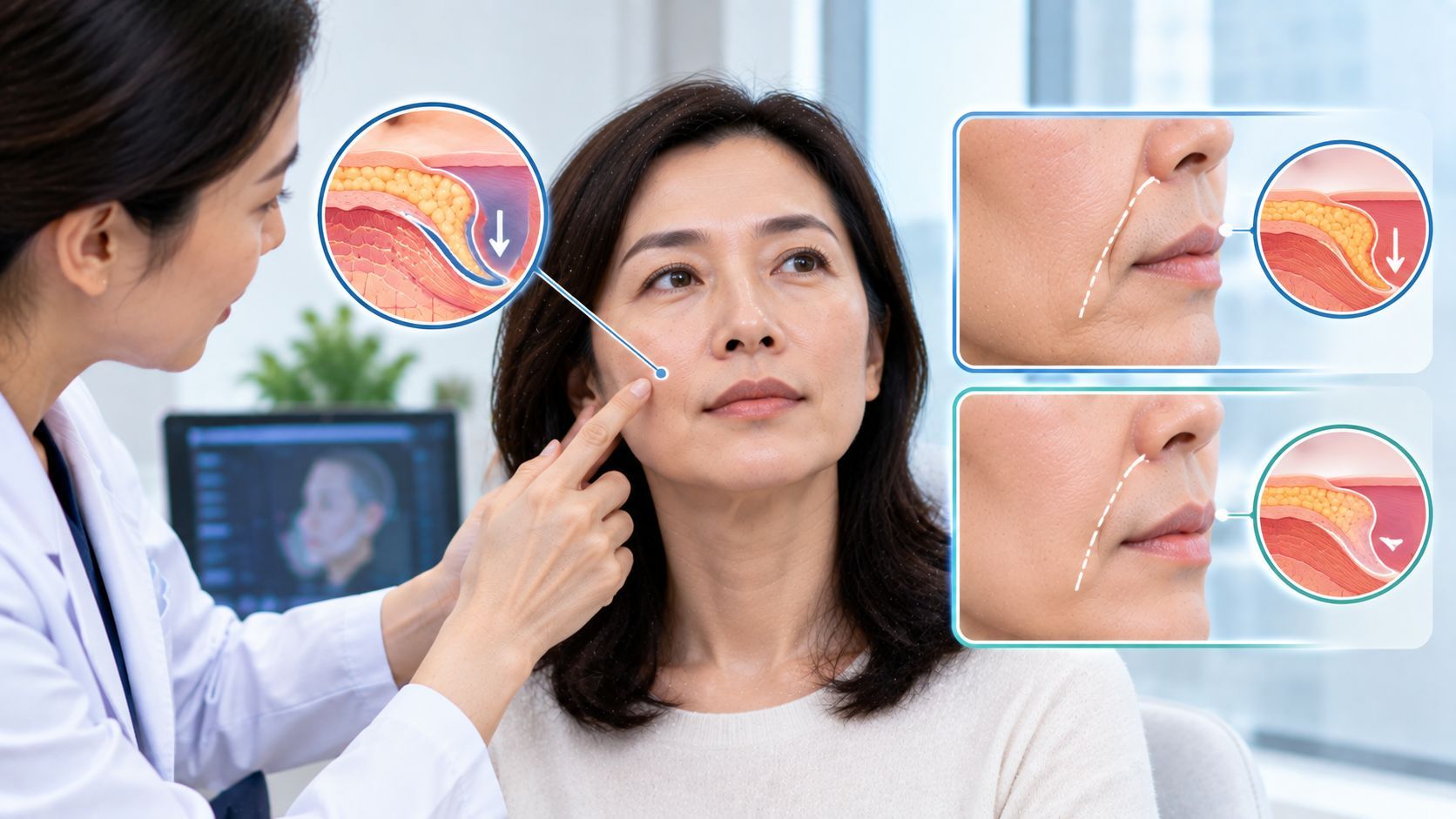
Collagen and elastin gradually change with age. Skin may become less firm and less smooth before obvious wrinkles appear.
This can create a subtle loss of radiance that people sometimes describe as looking “tired.”
Can Skincare Improve Dull Skin?
Yes, particularly when the main issue is dehydration, surface buildup, or an impaired skin barrier.
A basic routine can include:
- Gentle cleansing
- A moisturizer appropriate for your skin type
- Daily broad-spectrum sunscreen
- Carefully selected exfoliation when appropriate
- Ingredients such as niacinamide or vitamin C when tolerated
The goal should be to improve the skin's condition rather than constantly adding more active products.
Using multiple acids, retinoids, scrubs, and strong treatments simultaneously can cause irritation and barrier disruption. Irritated skin may become red, rough, dry, or more uneven-looking.
Could a Facial or Chemical Peel Help?
For dull skin caused mainly by surface texture, a professionally selected chemical peel may improve smoothness and brightness.
Peels work by creating controlled exfoliation of the skin's outer layers. Different acids and concentrations are used for different purposes.
A mild peel may be appropriate when the goal is surface refinement with relatively little downtime. Stronger peels can create more significant peeling and recovery and should be selected carefully.
A facial treatment may also temporarily improve hydration and surface smoothness, but results depend on what is causing the dullness.
If dullness returns quickly, the underlying issue may require a longer-term skin-quality strategy.
What About Hydrafacial-Type Treatments?
Hydration-focused facial treatments can temporarily improve how the skin looks and feels, particularly when dryness or surface buildup contributes to dullness.
They may provide a smoother, fresher appearance without substantial downtime.
However, these treatments generally do not replace therapies designed to address deeper collagen changes, significant textural irregularity, or persistent pigmentation.
Think of them as one possible component of skin maintenance rather than a universal solution for every type of dullness.
Can Laser Treatment Improve Dull Skin?
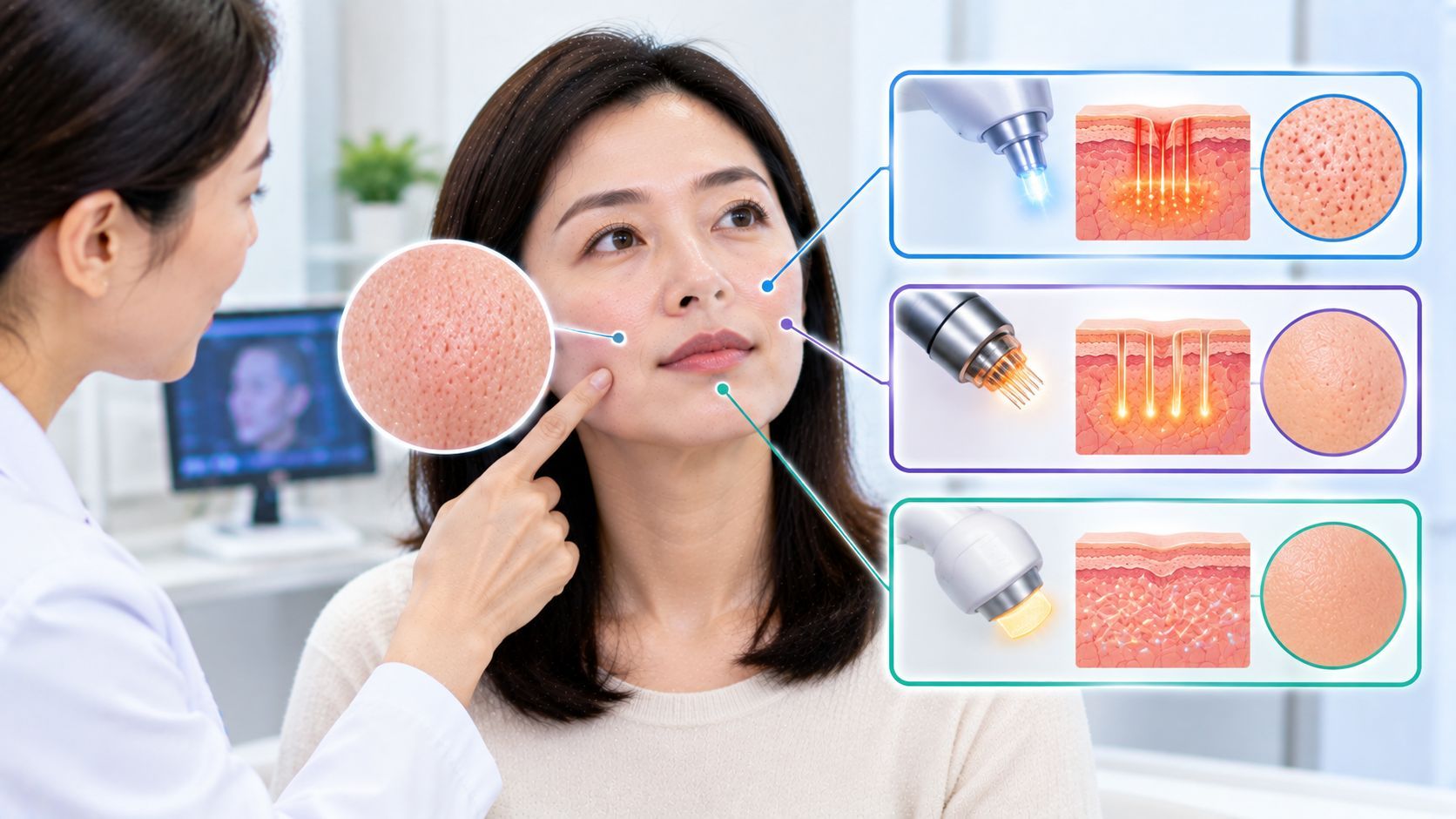
Certain laser treatments can improve overall skin texture and tone.
Depending on the device and settings, laser treatment may be considered for:
- Uneven texture
- Sun-related changes
- Certain pigmentation concerns
- Fine lines
- Reduced skin smoothness
The appropriate treatment depends heavily on skin type and the specific cause of dullness.
For people prone to post-inflammatory hyperpigmentation, aggressive laser treatment can carry a greater risk of unwanted pigmentation. A dermatologist should therefore select the technology and settings carefully.
What About Pico Laser?
Pico laser is commonly used in dermatology for pigmentation and some skin-quality concerns.
It can be useful when dullness is partly related to uneven pigmentation or certain textural issues, but it should not automatically be used simply because the skin looks dull.
If there is no meaningful pigmentation problem, another treatment may be more appropriate.
The important question is not “Which laser is best?” but “What is causing my skin to look dull?”
Can Skin Boosters Make Skin Look More Radiant?
Some injectable skin-quality treatments are designed to improve hydration or other aspects of skin quality.
They may be considered when dullness is accompanied by:
- Fine surface lines
- Dehydration
- Reduced elasticity
- Rough texture
- Early signs of skin aging
However, skin boosters are not interchangeable with fillers. The objective is generally to improve skin quality rather than add substantial facial volume.
Results and suitability vary, and injectable treatments carry risks such as swelling, bruising, infection, nodules, and other complications depending on the product and technique.
What If My Skin Is Dull Because It Has Lost Firmness?
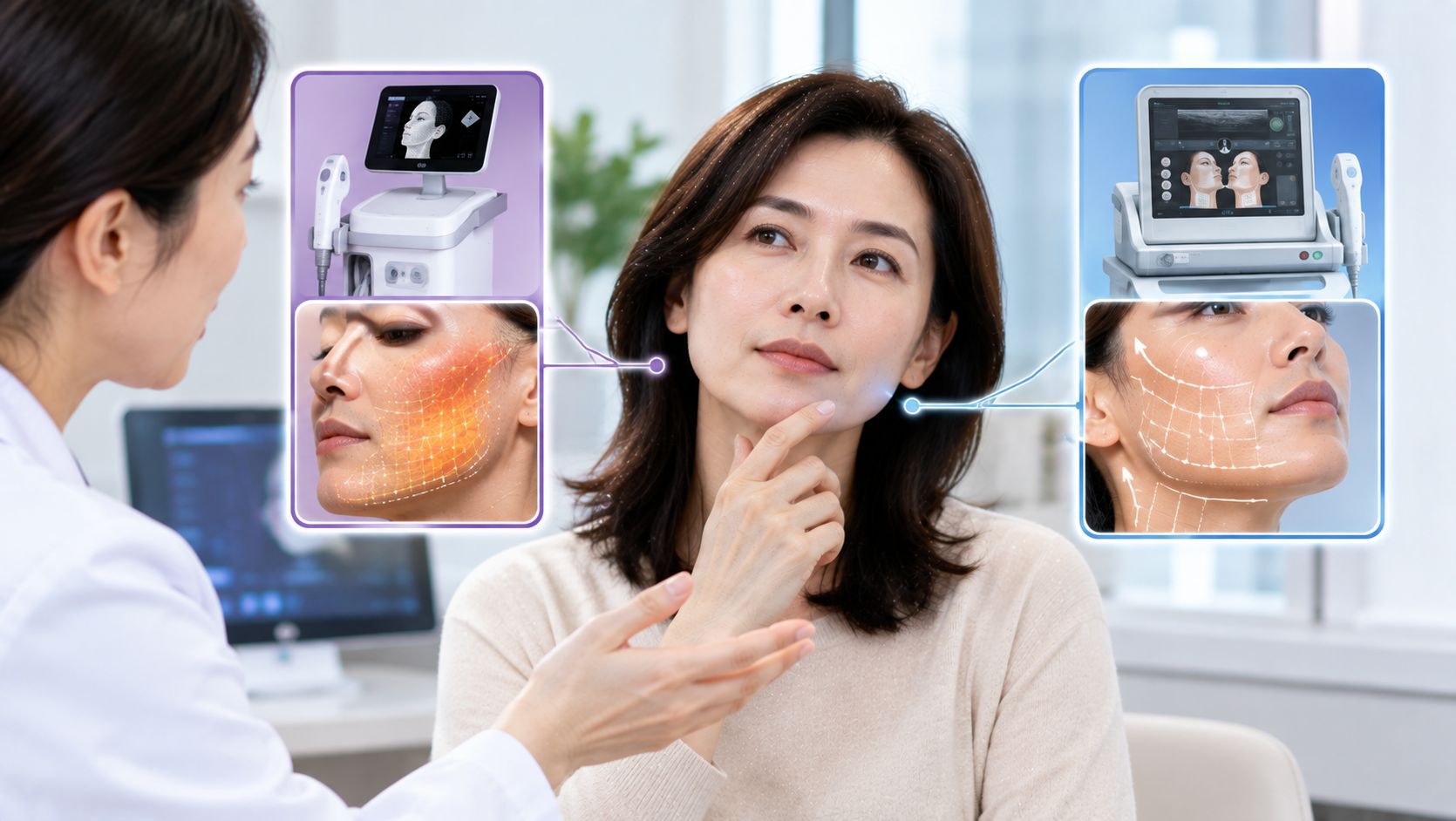
If the skin looks less radiant because it has become less firm or structurally supported, collagen-remodeling treatments may be considered.
Depending on the patient, options can include:
- Radiofrequency treatments
- Focused ultrasound
- RF microneedling
- Other energy-based skin-tightening approaches
These treatments are generally more relevant when dullness occurs together with early laxity or reduced skin quality.
They are not primarily designed to provide an instant “glow.”
Does Botox Create Glowing Skin?
Botox is primarily a neuromodulator used to reduce specific muscle activity. It is not a general treatment for dull skin.
Some people report a smoother appearance after carefully selected cosmetic Botox treatments, but Botox does not directly address dehydration, surface buildup, pigmentation, or most causes of dullness.
It should therefore not be considered a first-line treatment simply because the complexion looks flat.
What Treatment Should Come First?
The answer depends on the dominant problem.
Main cause of dull appearancePossible approachDehydrationMoisturizer and barrier-focused skincareSurface buildupGentle exfoliation or selected peelUneven textureResurfacing or RF microneedlingPigmentationPigment-focused skincare or selected laserEarly laxityRF, ultrasound or other tightening treatmentFine texture and dehydrationSkin-quality treatmentsMultiple causesPersonalized combination plan
These categories can overlap. A dermatologist may recommend addressing several smaller issues rather than treating the face aggressively for one assumed cause.
How Can You Get a More Natural Glow?
A healthy-looking glow usually comes from smooth, hydrated, even skin that reflects light consistently.
That means a good treatment plan does not necessarily need to involve an aggressive procedure.
For some people, the biggest improvement comes from:
- Repairing the skin barrier
- Using appropriate sunscreen consistently
- Controlling excessive surface buildup
- Improving texture gradually
- Addressing early skin-quality changes
- Avoiding unnecessary over-treatment
Trying to create instant “glass skin” through repeated procedures can sometimes produce irritation rather than healthier-looking skin.
What Should International Patients Ask at a Seoul Clinic?
If you are considering treatment in Seoul, ask the dermatologist to identify the main reason your complexion looks dull.
Useful questions include:
- Is my skin actually dehydrated?
- Is surface texture affecting light reflection?
- Do I have subtle pigmentation that I cannot easily see?
- Would a peel be enough?
- Would laser treatment be appropriate for my skin type?
- Do I have early collagen loss or laxity?
- Would a skin-quality treatment be useful?
- How much downtime should I expect?
- What treatments can be safely combined?
A professional assessment can help prevent unnecessary procedures.
Conclusion
Clear skin can still look dull because radiance depends on more than the absence of acne or pigmentation. Hydration, surface smoothness, texture, collagen support, and even light reflection all contribute to how luminous the complexion appears.
If dehydration or surface buildup is the main issue, skincare or a mild professional treatment may be enough. If texture, pigmentation, or early aging is contributing, a dermatologist may consider chemical peels, laser treatments, RF microneedling, skin-quality treatments, or other targeted options.
The most useful approach is to identify the specific cause of dullness first rather than choosing a treatment simply because it is marketed as a “glow” procedure.
FAQs
Why is my skin dull if I have no acne?
Dullness can result from dehydration, uneven surface texture, accumulated skin cells, sun exposure, early collagen changes, or subtle pigmentation. Clear skin does not automatically mean highly reflective or luminous skin.
What is the best treatment for dull skin?
There is no single best treatment. The appropriate option depends on whether dullness is primarily caused by dehydration, surface buildup, texture, pigmentation, or early skin aging.
Can a chemical peel make skin glow?
A suitable chemical peel can improve surface smoothness and may temporarily make the complexion look brighter. The type and strength should be selected according to the individual's skin condition.
Does Pico laser improve dull skin?
Pico laser can be useful for certain pigmentation and skin-quality concerns, but it is not automatically appropriate for every type of dullness.
Can skin boosters improve a dull complexion?
Some skin-quality injectables may improve hydration and other aspects of skin appearance in selected patients. They are not primarily intended to add facial volume like traditional dermal fillers.
How long does a skin glow treatment last?
Duration varies significantly depending on the treatment and the reason for dullness. Some hydration or exfoliation treatments provide relatively short-term improvement, while collagen-remodeling approaches may develop more gradually.