I Have No Acne Anymore but My Skin Still Looks Uneven. Why?
Introduction
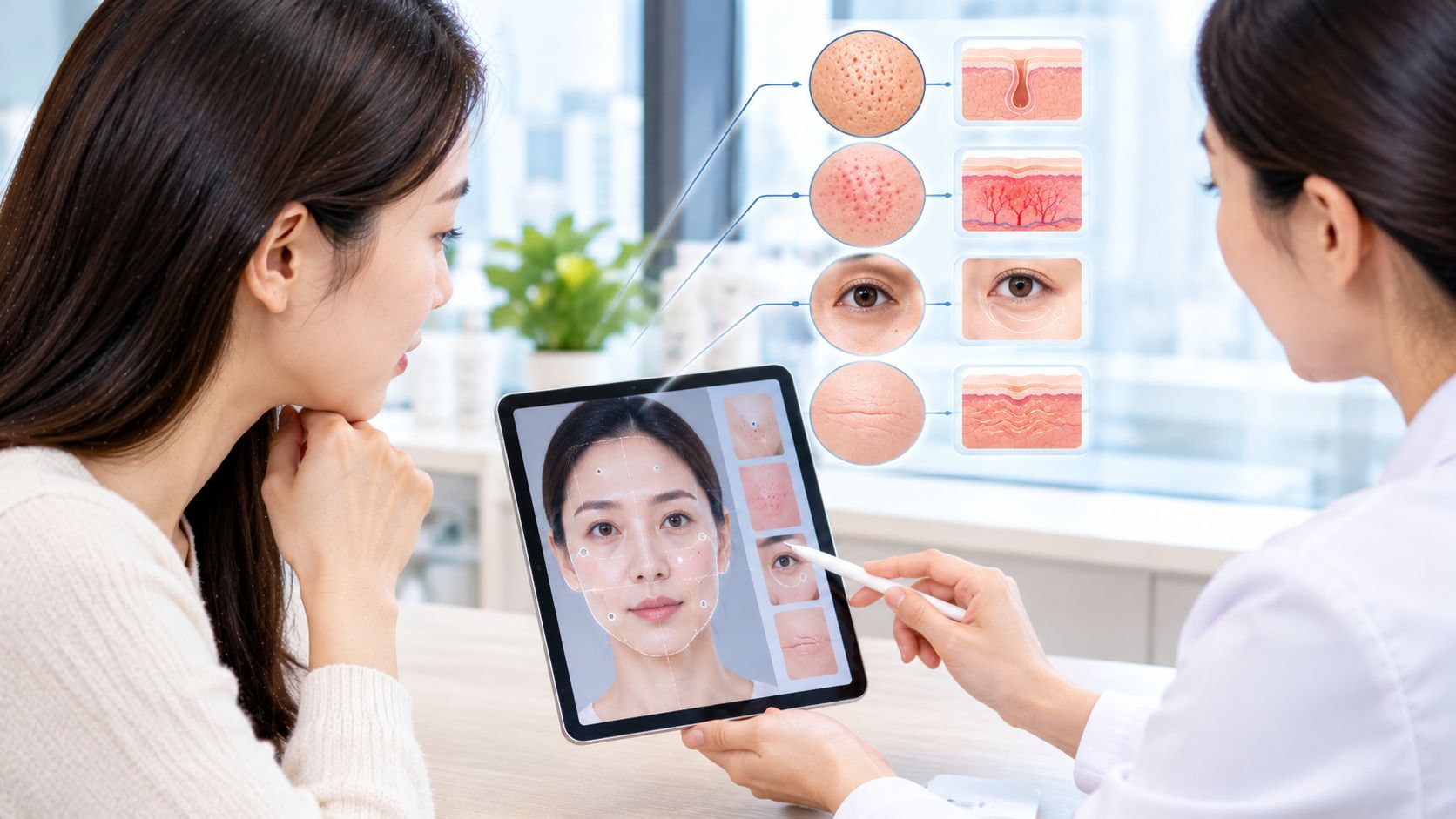
Getting rid of active acne is a major improvement, but clear skin does not always mean completely even-looking skin. Many people stop developing breakouts yet continue to notice roughness, visible pores, shallow depressions, redness, uneven tone, or areas that look different under certain lighting.
This happens because acne can leave changes behind even after the inflammation has stopped. Some changes involve pigmentation, some involve blood vessels and redness, while others affect the physical texture of the skin. In addition, dehydration, enlarged pores, early collagen loss, and naturally uneven skin texture can contribute.
The right treatment depends on identifying exactly what remains after the acne has resolved.
Why Can Skin Look Uneven After Acne Is Gone?
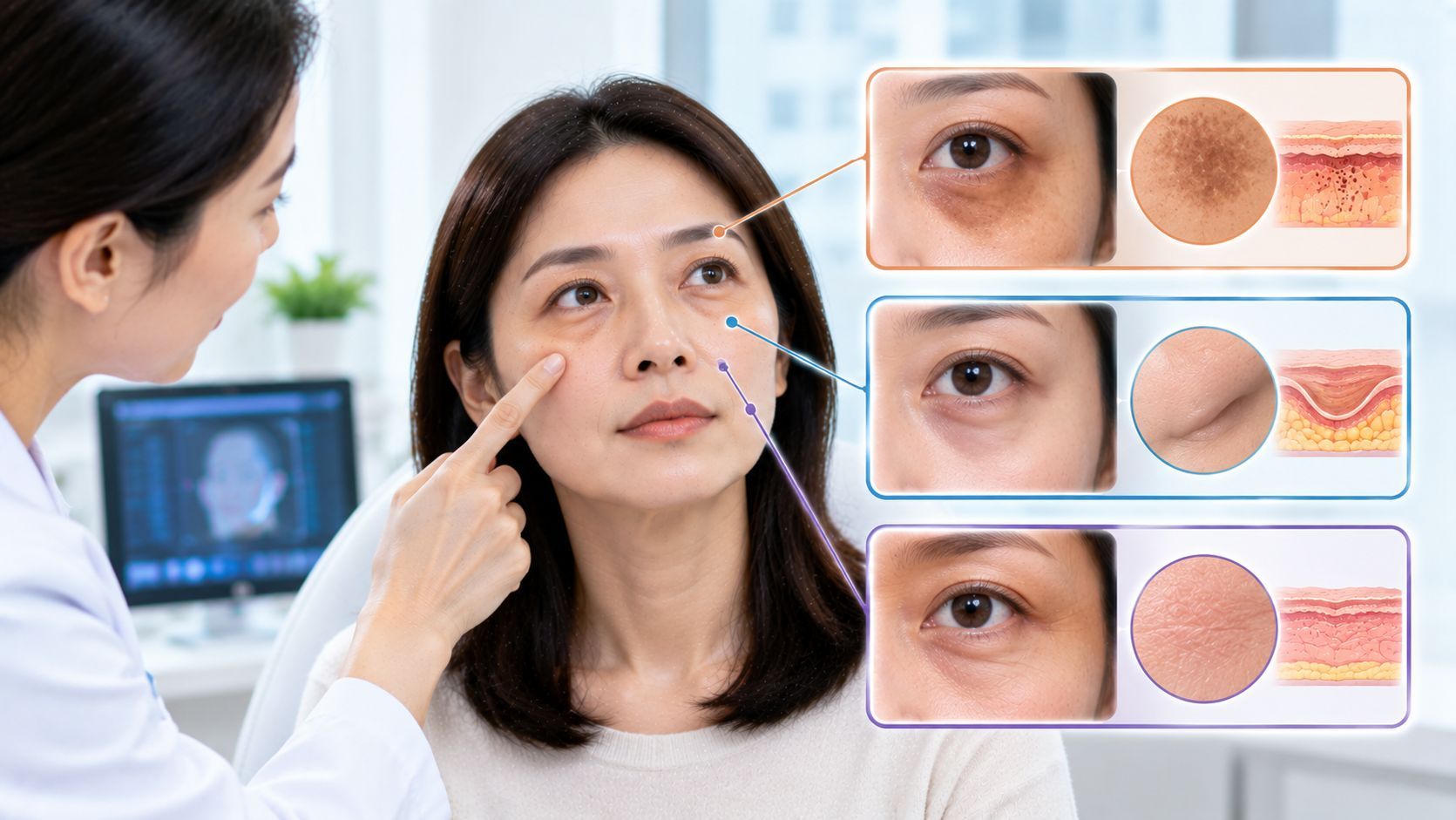
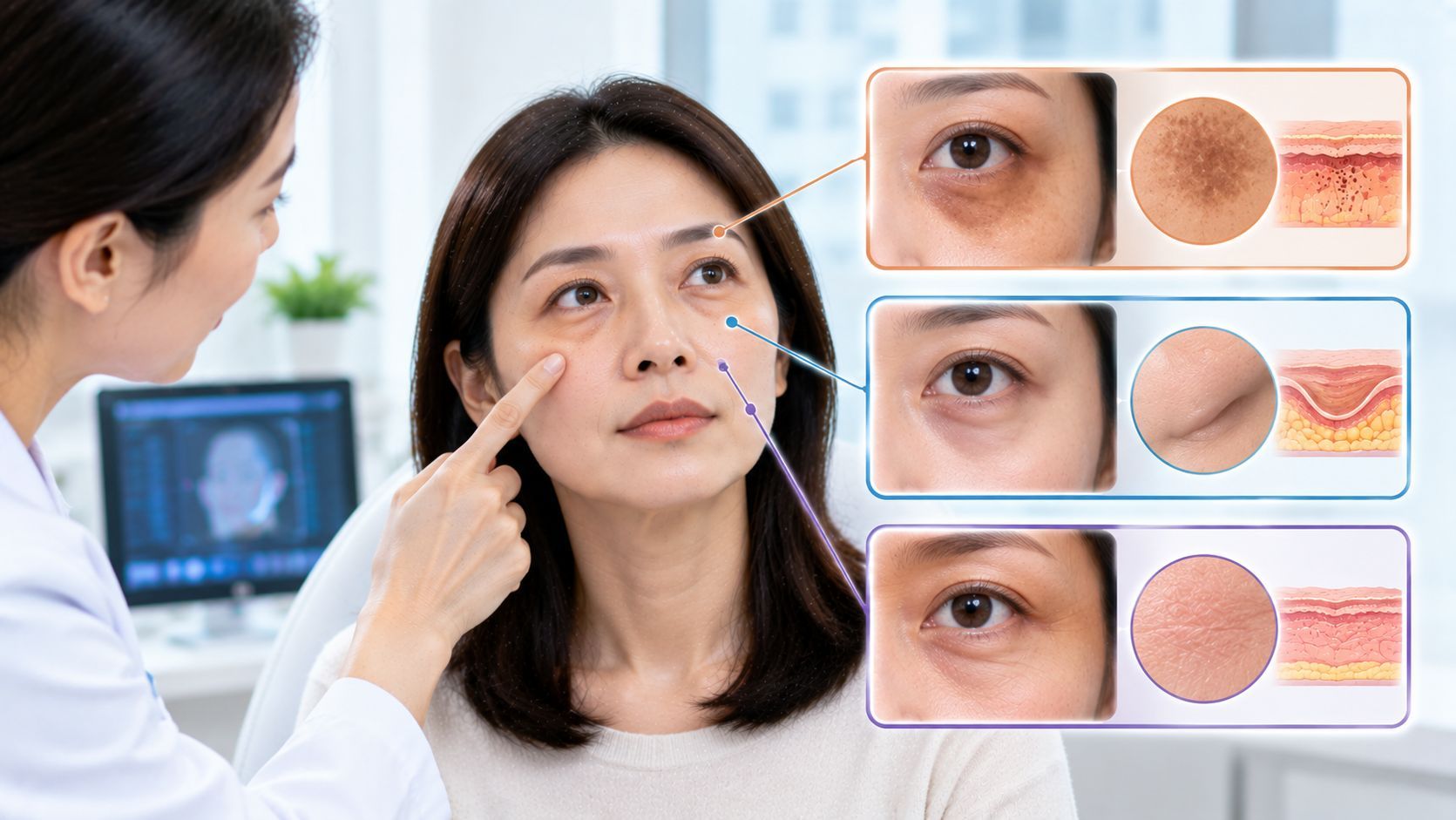
“Uneven skin” can describe several different problems. Treating them all as acne scars can lead to the wrong treatment.
Post-Acne Pigmentation
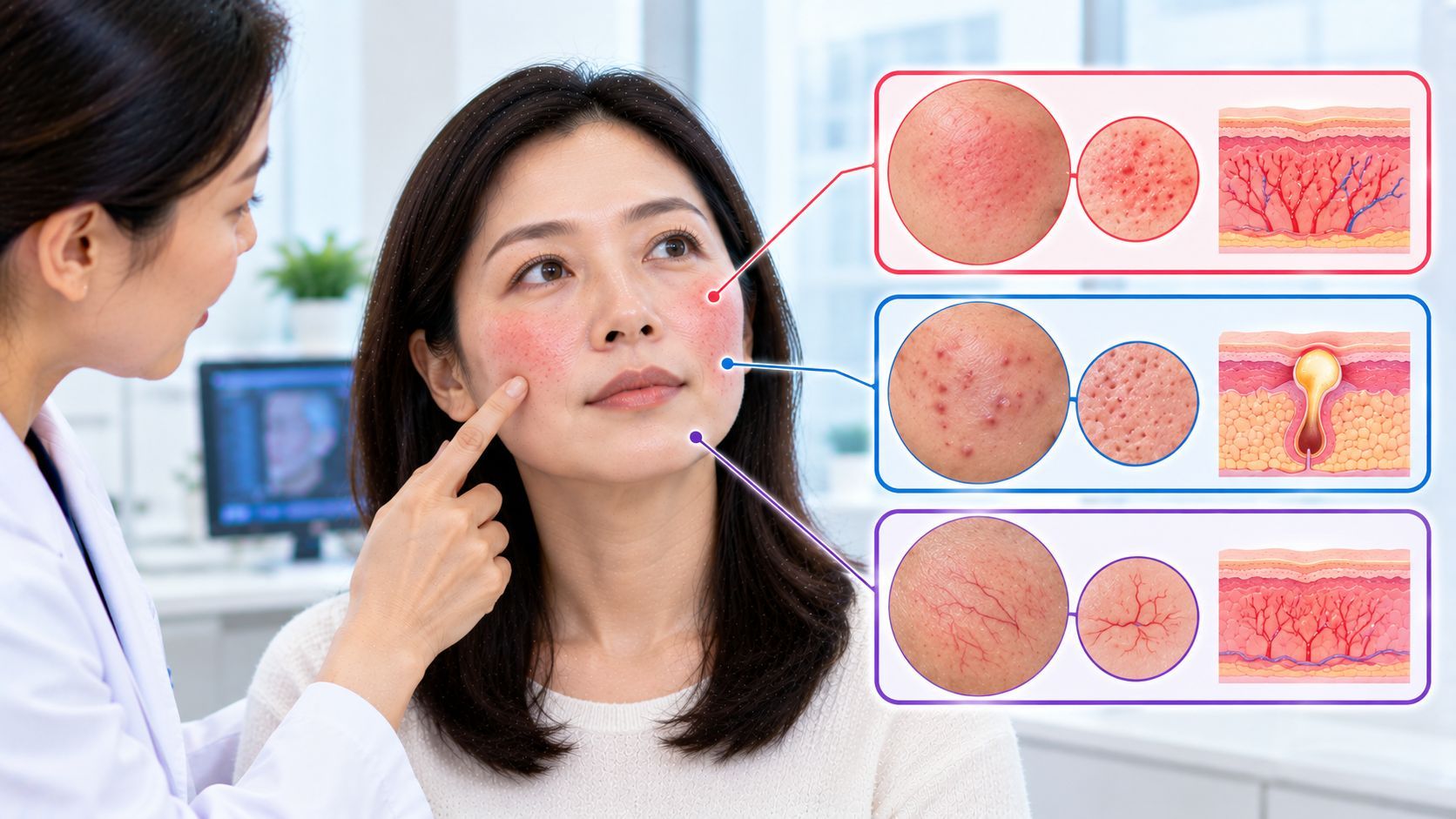
Flat brown, gray, or darker marks can remain after an acne lesion heals. These are often related to post-inflammatory hyperpigmentation.
They are not the same as a scar because the skin surface may remain relatively smooth.
Pigmentation can gradually fade, although the process can take time. Sun exposure can make discoloration more persistent.
Post-Inflammatory Redness
Some people develop persistent pink or red marks after acne. These may be particularly noticeable in lighter skin but can occur across different skin tones.
Redness is different from brown pigmentation and may require a different treatment approach.
Indented Acne Scars
Acne can sometimes damage deeper skin structures, leaving depressions after the active acne disappears.
Common patterns include:
- Rolling scars
- Boxcar scars
- Ice-pick scars
These scars change the physical surface of the skin and may become much more obvious under overhead or side lighting.
Enlarged Pores
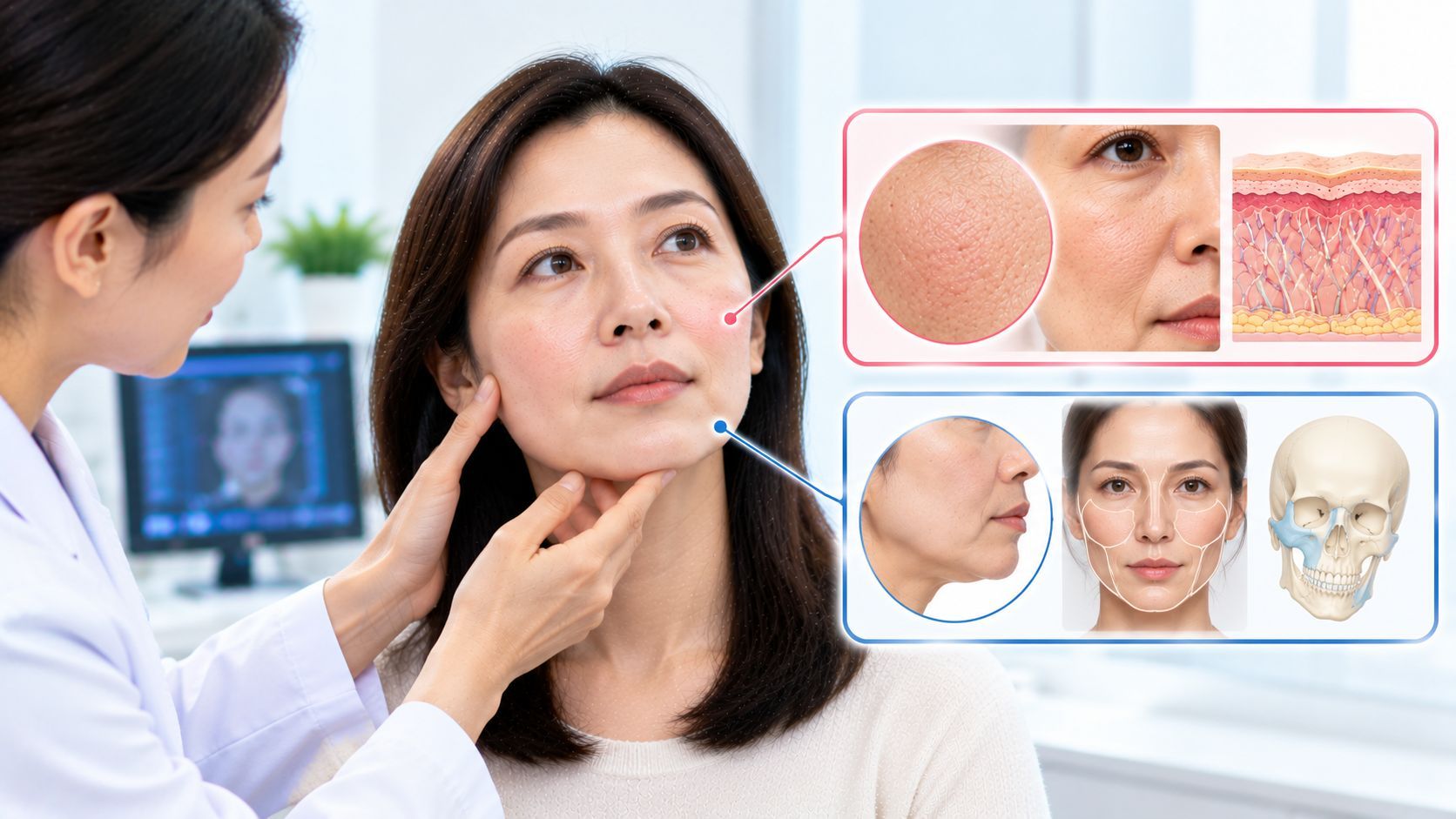
Previous acne, oil production, genetics, and changes in skin support can all contribute to visible pores.
Sometimes what appears to be “uneven skin” is primarily a pore and texture issue rather than scarring.
How Can I Tell What Kind of Unevenness I Have?
One useful distinction is whether the problem is color or texture.
If the skin feels smooth when you run your fingers over it but looks uneven because of brown, red, or darker areas, pigmentation or redness may be the main issue.
If you can see or feel depressions, raised areas, roughness, or irregular pores, a textural problem may be involved.
Both can occur together.
Photography can also exaggerate unevenness. Direct sunlight, overhead lighting, and phone-camera processing may make minor texture look significantly more pronounced.
What If My Skin Is Smooth but Has Dark Marks?
When the surface is smooth but discoloration remains, treatment generally focuses on pigment control rather than scar resurfacing.
Depending on the situation, a dermatologist may consider:
- Sunscreen
- Topical pigment-regulating ingredients
- Chemical peels
- Selected laser treatments
- Other pigment-focused procedures
Daily sun protection is particularly important because UV exposure can worsen or prolong some types of pigmentation.
For patients prone to pigmentation, aggressive procedures should be approached carefully because inflammation itself can sometimes trigger additional discoloration.
What If the Skin Is Uneven Because of Acne Scars?
Acne scars usually require a different strategy because the problem is structural.
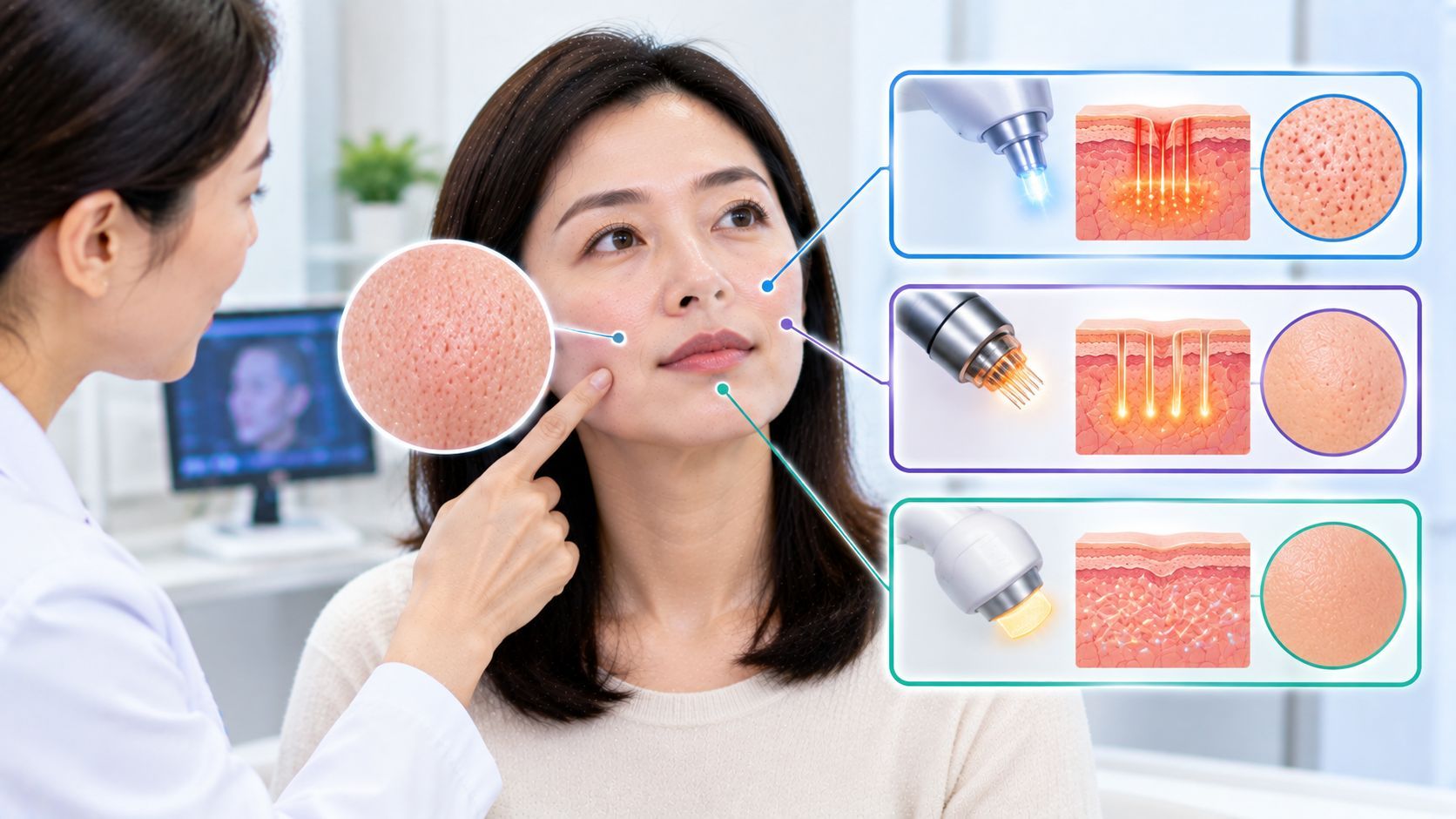
Microneedling
Microneedling creates controlled micro-injuries that can stimulate remodeling. It may be useful for selected shallow acne scars and overall texture.
RF Microneedling
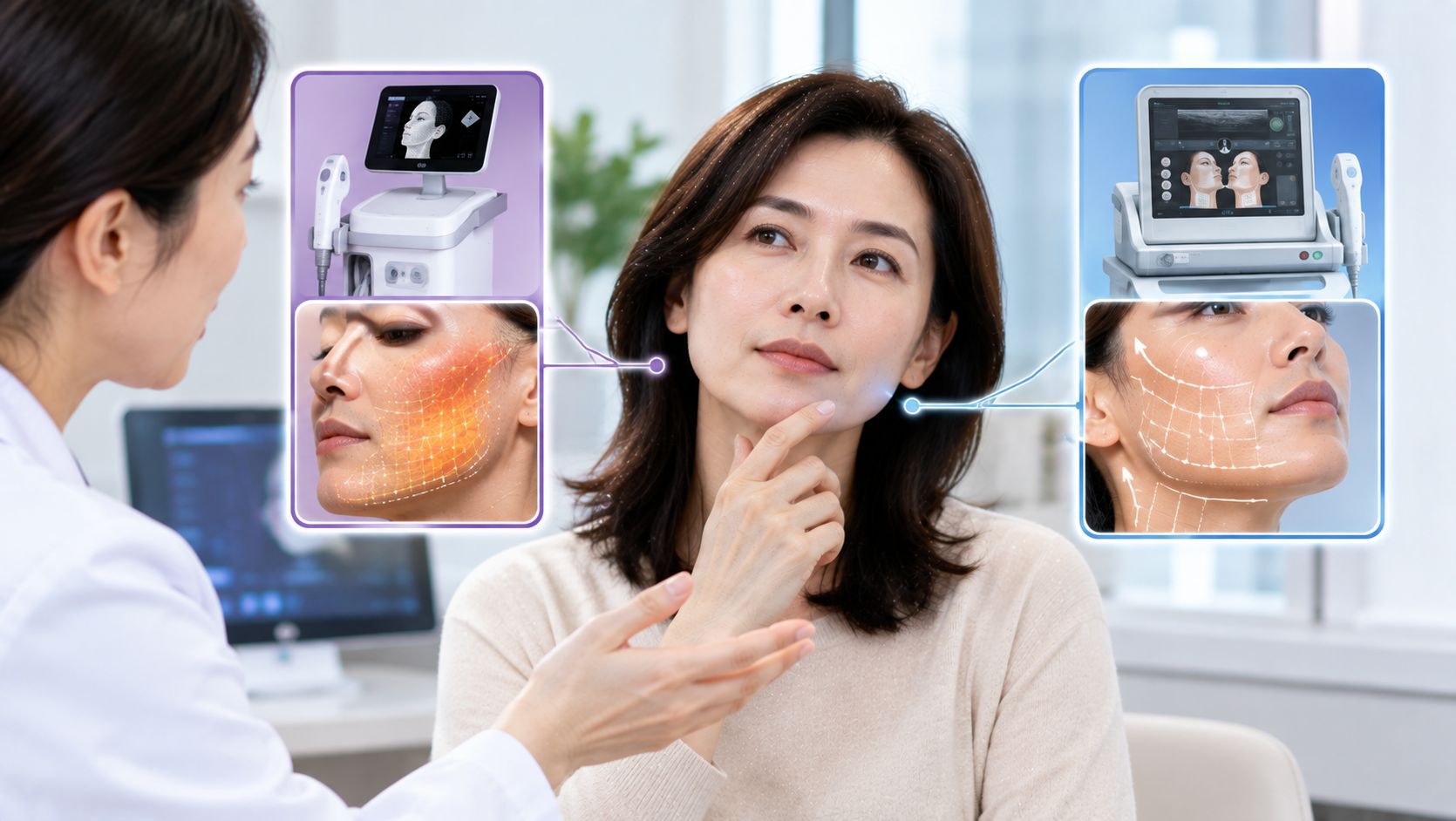
RF microneedling combines microneedling with radiofrequency energy. It may be considered for certain acne-scar patterns and textural concerns.
The depth and treatment settings should be individualized rather than treating every acne scar identically.
Fractional Laser
Fractional laser treatments can remodel portions of the skin while leaving surrounding tissue intact.
They may improve certain types of acne scars and textural irregularity, but downtime and pigmentation risk vary according to the technology and treatment intensity.
Subcision
Rolling acne scars can sometimes be tethered to deeper tissue. Subcision is a procedure designed to release certain fibrous attachments beneath the scar.
It is not appropriate for every scar type.
TCA CROSS
Very narrow, deep scars such as selected ice-pick scars may sometimes be treated with focal chemical reconstruction techniques such as TCA CROSS.
Because different scar types respond differently, scar classification is important before treatment.
Why One Acne-Scar Treatment May Not Work for Everything
Acne scars are not one single condition.
For example, a patient might have:
- Rolling scars on the cheeks
- Boxcar scars near the temples
- A few deep ice-pick scars
- Enlarged pores
- Brown marks from previous inflammation
Trying to treat all of these problems with one procedure may produce limited results.
A dermatologist may instead use a combination approach based on the specific scar pattern.
Could My Skin Simply Be Dehydrated?
Yes.
Not every uneven-looking complexion after acne is caused by scarring.
Dehydrated skin can look rougher, especially around the cheeks and mouth. A damaged skin barrier can also cause flaking, tightness, redness, or increased sensitivity.
If the surface improves substantially after consistent hydration and barrier care, an aggressive procedure may not be necessary.
What About Chemical Peels?
Chemical peels can be useful for selected patients with superficial texture irregularities, clogged pores, or post-acne discoloration.
Different acids have different properties and strengths.
A peel may be more appropriate when the concern is primarily superficial rather than a deeply indented scar.
Repeatedly using strong acids at home, however, can cause irritation and potentially worsen pigmentation. Professional assessment is particularly useful when the skin has a history of acne and inflammation.
Can Pico Laser Improve Uneven Post-Acne Skin?
Pico laser can be considered for certain pigmentation concerns and selected skin-quality applications.
However, it should not automatically be used for every type of uneven skin.
If the primary problem is a deep indented acne scar, a pigment-focused laser alone may not adequately correct the underlying depression.
The treatment should match the problem rather than the device name.
What If I Have Clear Skin but Still Look Rough?
If there are no active breakouts and the primary concern is rough texture, possible contributors include:
- Enlarged pores
- Mild acne scarring
- Dehydration
- Uneven exfoliation
- Early collagen changes
- Sebaceous filaments
- Environmental or sun-related skin changes
A dermatologist can examine the skin under different lighting and magnification to determine whether the irregularity is superficial or structural.
Can Skin Boosters Improve Uneven Skin?
Some injectable skin-quality treatments can improve hydration and aspects of overall skin quality in selected patients.
They may be useful when unevenness is partly related to dryness, fine texture, or reduced elasticity.
However, they generally cannot fill significant acne-scar depressions in the same way that structural scar treatments can address tethered or indented tissue.
They should therefore be considered complementary rather than universal acne-scar treatments.
When Should I Treat Acne Scars?
It is usually helpful to control active acne before beginning intensive scar treatment.
Otherwise, new breakouts can continue to create new inflammation and potentially new marks or scars.
Once acne is reasonably controlled, the treatment plan can focus on whatever remains:
Color → pigmentation or redness treatment
Texture → resurfacing or remodeling
Deep scars → scar-specific procedures
Dryness → barrier and hydration support
Multiple problems → combination treatment
What Should I Ask a Seoul Dermatologist?
If you are considering acne-scar or skin-texture treatment in Seoul, ask:
- Do I have acne scars, pigmentation, redness, or enlarged pores?
- Which scar types are present?
- Is my skin ready for resurfacing?
- What treatment is intended for each specific problem?
- How much improvement is realistic?
- What is the expected downtime?
- What is my risk of post-inflammatory pigmentation?
- How many sessions might be needed?
- Can different procedures safely be combined?
- What aftercare will I need while traveling?
For international patients, recovery time is particularly important. A procedure that produces several days of redness or peeling may need to be scheduled differently from a treatment with minimal downtime.
Conclusion
If your acne is gone but your skin still looks uneven, the remaining problem may be pigmentation, redness, enlarged pores, dehydration, or actual acne scarring. These conditions can look similar in photographs but require different treatments.
Smooth skin with discoloration may benefit from pigment-focused care, while indented scars may require procedures such as microneedling, RF microneedling, fractional laser, subcision, or TCA CROSS depending on the scar type.
The most important step is identifying what is actually uneven—color, texture, or both. Once that distinction is made, treatment can be much more targeted and less likely to involve unnecessary procedures.
FAQs
Why does my skin look uneven even though my acne is gone?
Previous acne can leave pigmentation, redness, enlarged pores, or structural scars. Dehydration and natural skin texture can also contribute.
Are acne marks the same as acne scars?
No. Flat brown or red marks may represent post-inflammatory changes, while acne scars involve structural changes to the skin.
What treatment is best for uneven skin after acne?
It depends on the cause. Pigmentation, redness, enlarged pores, and indented scars require different approaches.
Can laser completely remove acne scars?
Laser treatment can improve certain acne scars, but complete removal is not guaranteed. Results depend on scar type, depth, skin characteristics, and treatment settings.
Can RF microneedling help acne scars?
It can improve certain textural acne scars in appropriately selected patients. Multiple sessions may be needed, and treatment settings should be individualized.
Should I wait until my acne is completely gone before treating scars?
Active acne is generally addressed first so that new inflammation does not continue creating additional marks or scars.