My Skin Is Good but My Pores Are Huge Around My Nose. What Should I Do?
Introduction
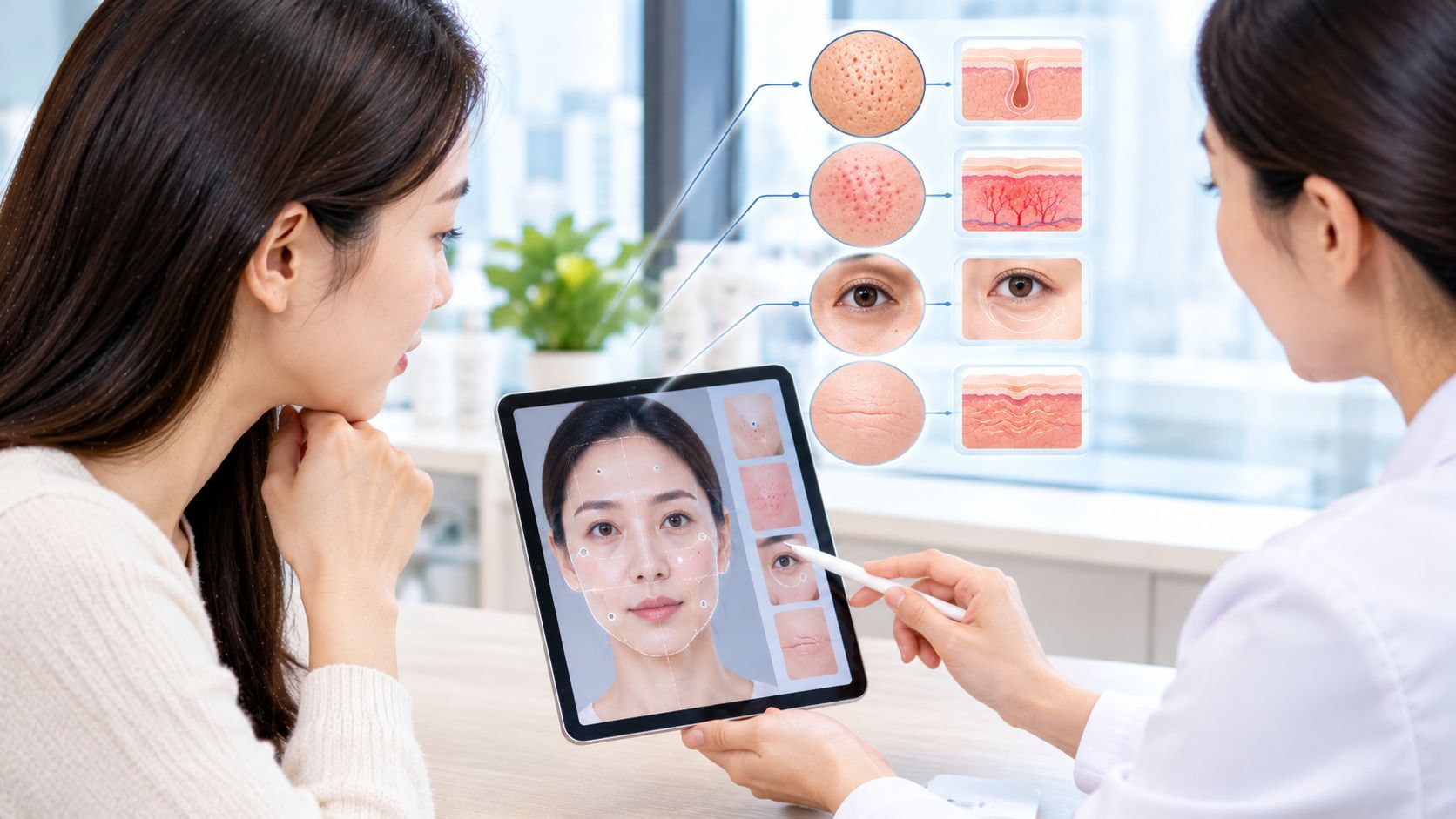
It is possible to have clear, healthy-looking skin and still feel frustrated by enlarged pores around the nose. The nose and nearby cheek area naturally contain many sebaceous glands, so pores in this region can look more noticeable than elsewhere on the face. Genetics, sebum production, skin elasticity, dehydration, and the way light reflects from the skin can all affect their appearance.
The important point is that large-looking pores do not necessarily mean your skin is unhealthy. Treatment is usually about making pores appear less prominent rather than permanently eliminating them. Depending on the cause, options such as retinoids, chemical exfoliation, laser treatments, RF microneedling, or carefully selected skin-quality treatments may help.
Why Are the Pores Around My Nose So Noticeable?
Pores are openings associated with hair follicles and sebaceous glands. They are a normal part of facial skin and cannot simply be removed.
The nose often has particularly visible pores because it contains a relatively high concentration of sebaceous glands. Several factors can make them appear larger.
Genetics and Sebum Production
Some people naturally have larger or more visible pores. Higher oil production can also make pores look more pronounced because sebum and other material can accumulate around the follicular opening.
This means someone can have excellent skin overall while still having visible pores around the nose.
Loss of Skin Elasticity
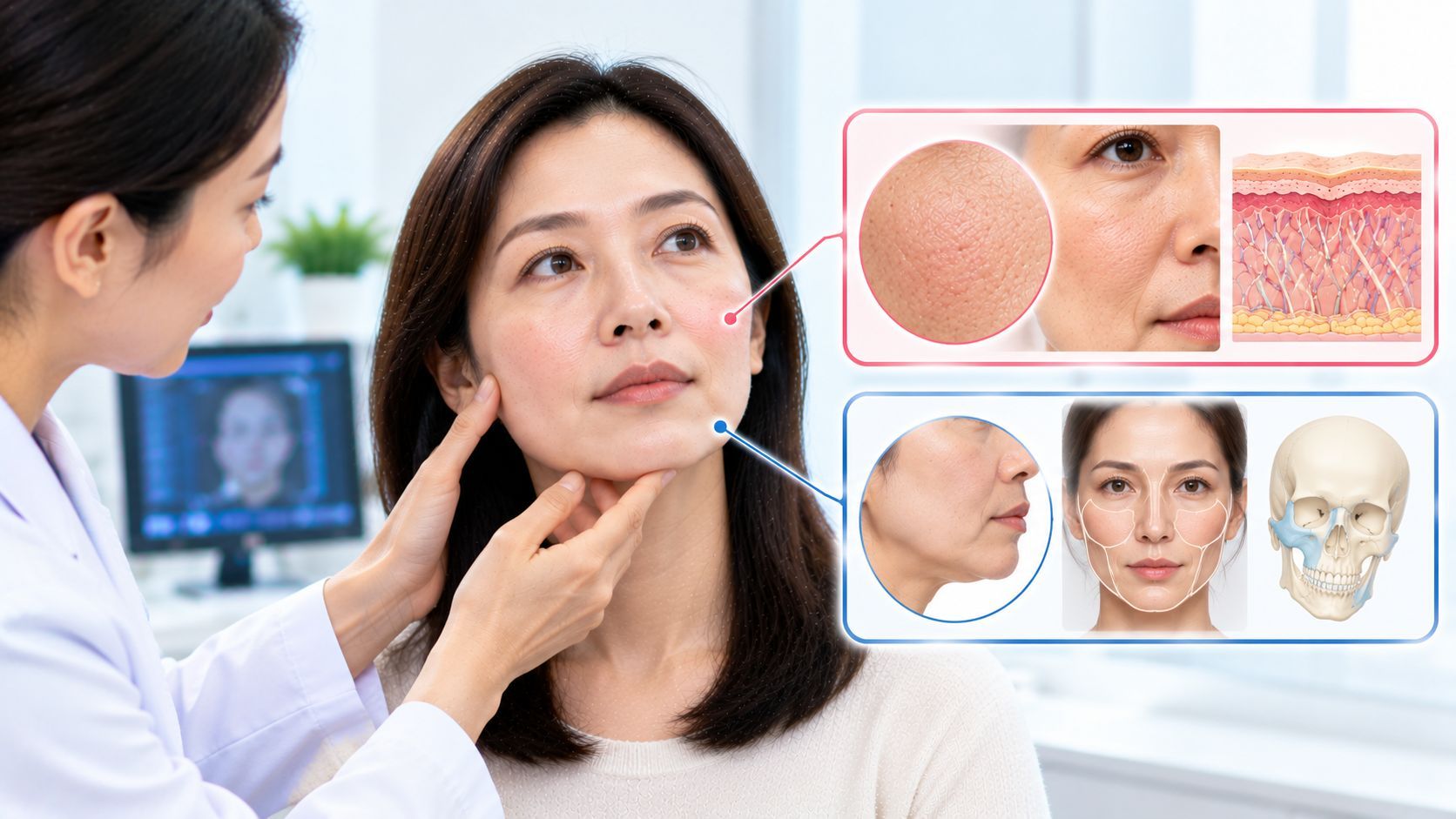
As skin ages, collagen and elastin gradually change. Reduced structural support around follicular openings can contribute to pores appearing wider.
This is one reason pore visibility can change even when acne and oiliness are no longer major concerns.
Dehydration and Surface Texture
Dehydrated skin can develop a rougher or less uniform surface. When light hits an uneven surface, shadows around pores may become more obvious.
Sometimes the problem is therefore not simply the size of the pore itself but how the surrounding skin reflects light.
Sebaceous Filaments
What looks like a collection of enlarged pores around the nose may partly be sebaceous filaments.
Sebaceous filaments are normal structures containing sebum and cellular material within pores. They are particularly common around the nose and should not automatically be treated as blackheads.
Trying to squeeze them repeatedly can irritate the skin without permanently eliminating them.
Can Pores Around the Nose Actually Be Made Smaller?
Pores cannot be permanently erased because they are normal anatomical structures.
However, their visible appearance can sometimes be reduced.
Treatment generally focuses on one or more of these factors:
- Excess oil
- Clogged follicular openings
- Uneven skin texture
- Reduced collagen support
- Rough or dehydrated surface
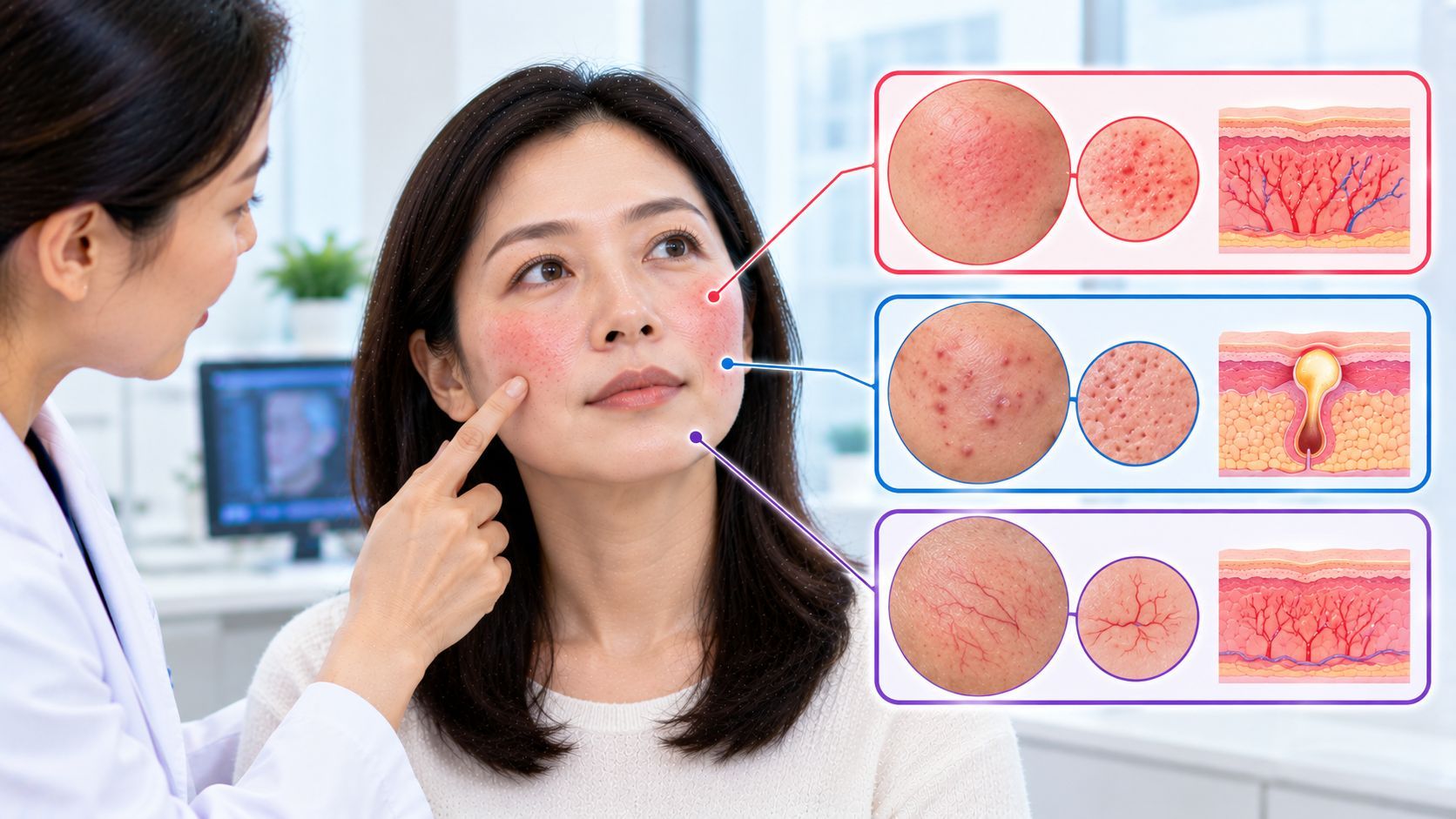
- Acne-related changes
- Uneven light reflection
The best approach depends on which factor is most important for your skin.
What Skincare Can Help?
For relatively mild pore visibility, a consistent skincare routine may be enough.
Salicylic Acid
Salicylic acid is a beta-hydroxy acid that can help exfoliate within oily, pore-prone areas. It may be useful when oil and buildup contribute to the appearance of enlarged pores.
However, stronger or more frequent application is not necessarily better. Excessive exfoliation can cause irritation and make skin texture look worse.
Retinoids
Topical retinoids can help normalize skin-cell turnover and are commonly used for acne and comedonal skin. Over time, they may also improve overall skin texture.
They do not physically close pores, but improving the surrounding skin can make pores appear less prominent.
People who are pregnant or trying to become pregnant should discuss retinoid use with a healthcare professional before using them.
Niacinamide
Niacinamide can support the skin barrier and may be useful for people dealing with oiliness or uneven-looking skin. It is generally considered a supportive skincare ingredient rather than a dramatic pore-reduction treatment.
Daily Sunscreen
Sun exposure contributes to photoaging and can gradually affect collagen and skin texture. Daily broad-spectrum sunscreen is therefore important when the goal is maintaining smoother-looking skin.
A treatment plan for visible pores should not focus only on procedures while ignoring ongoing UV exposure.
What If Skincare Isn't Enough?
If pores remain very noticeable despite appropriate skincare, dermatological procedures may be considered.
Laser Treatments
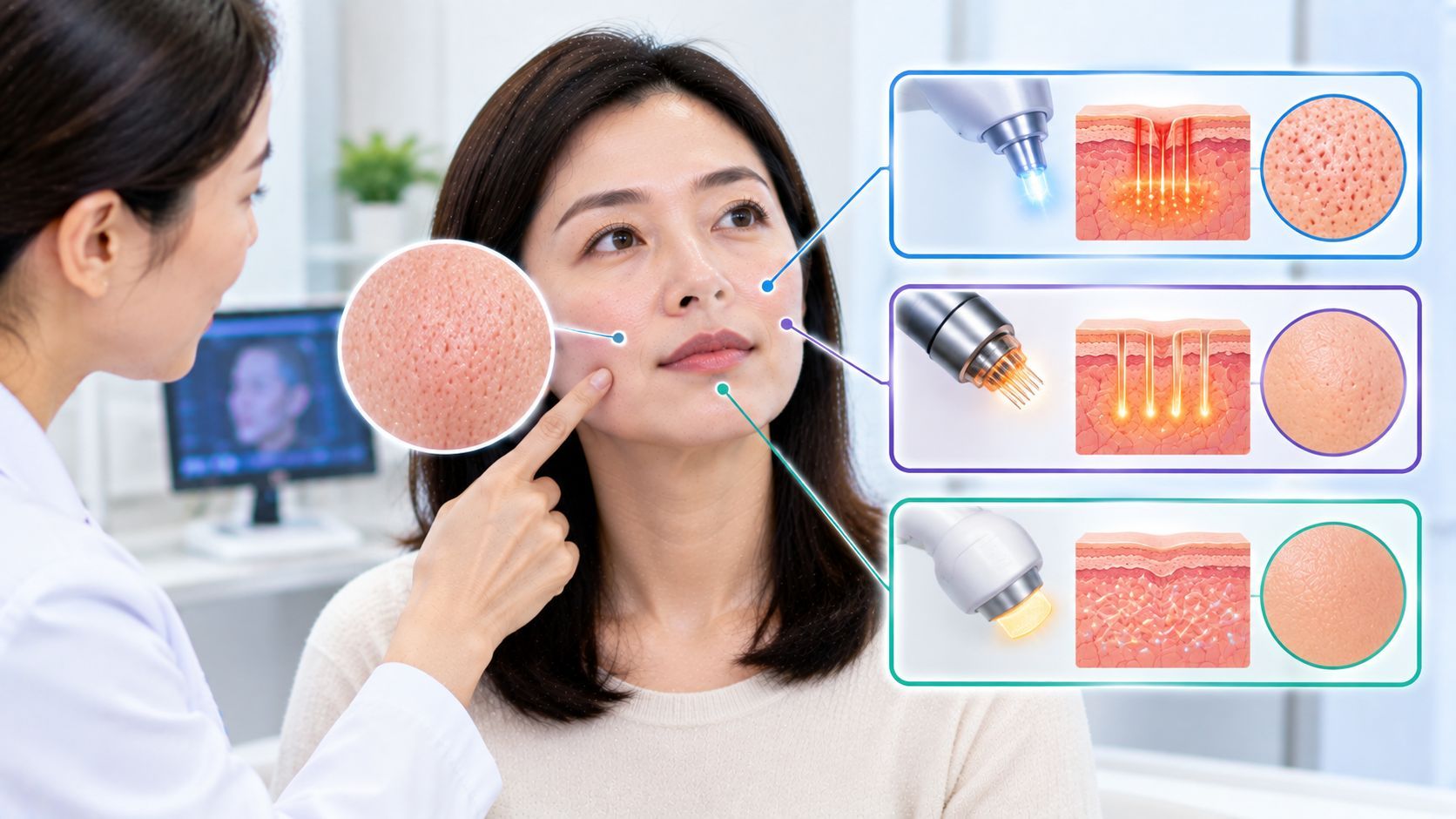
Certain fractional laser treatments can improve skin texture by stimulating controlled remodeling.
They may be considered when enlarged-looking pores are accompanied by:
- Uneven texture
- Fine lines
- Mild acne scarring
- Rough skin surface
- Reduced skin smoothness
Laser treatment must be selected carefully, particularly for people who are prone to post-inflammatory pigmentation.
The appropriate wavelength, energy, treatment depth, and recovery plan depend on the patient's skin type and concerns.
RF Microneedling
RF microneedling combines controlled microneedling with radiofrequency energy. It can be used to address certain textural concerns and stimulate remodeling in the skin.
It may be considered when enlarged pores occur alongside mild textural irregularity or reduced firmness.
However, more aggressive treatment is not automatically better. Excessive inflammation can cause prolonged redness or pigmentation problems in susceptible individuals.
Chemical Peels
Selected chemical peels can improve surface texture and help manage oiliness or clogged pores.
The appropriate peel depends on skin condition and sensitivity. Stronger peeling does not necessarily produce better results, especially around the nose where irritation can become noticeable.
What About Pico Laser?
Pico laser is widely used for several pigmentation and skin-quality applications, but it should not automatically be considered a universal pore treatment.
Depending on the specific device and settings, certain laser approaches may improve overall skin texture or stimulate remodeling. However, the treatment should be chosen according to the actual problem rather than using the device name as the treatment goal.
If your primary concern is enlarged pores without pigmentation, your dermatologist may recommend another approach instead.
Could Skin Boosters Help?
Skin boosters and injectable skin-quality treatments may improve hydration, elasticity, and overall skin appearance in appropriately selected patients.
However, they are not a direct method of physically shrinking pore openings.
They may be more relevant when visible pores are part of a broader concern involving:
- Dehydration
- Fine texture
- Reduced elasticity
- Dullness
- Early skin aging
If the only concern is oily pores around the nose, an injectable treatment may not be necessary.
What If My Pores Are Only Large Around My Nose?
Localized pore visibility is extremely common.
There is no requirement to treat the entire face simply because the nose has more visible pores.
A dermatologist may recommend treating only the areas where the texture is actually noticeable. This can be particularly useful for people who otherwise have smooth, healthy skin.
Overtreating the cheeks or other areas can create unnecessary irritation without improving the concern.
Why Do Pores Look Worse in Certain Lighting?
Lighting can dramatically change how pores appear.
Direct sunlight or overhead lighting can create small shadows around follicular openings. Makeup can also settle into pores and emphasize their edges.
This can create the impression that your pores suddenly became much larger when the underlying skin has not changed significantly.
A useful assessment should therefore consider your skin in different lighting conditions rather than relying on a single close-up photograph.
Should I Get Aggressive Pore Treatment?
Not necessarily.
If your skin is otherwise healthy, the goal should usually be refinement rather than aggressive resurfacing.
Over-treatment can lead to:
- Redness
- Irritation
- Dryness
- Post-inflammatory pigmentation
- Temporary sensitivity
- Unnecessary downtime
This is particularly important if the pores are visible mainly because of lighting or makeup rather than significant structural skin changes.
What Treatment Might Make Sense in Seoul?
A Seoul dermatology consultation can be useful if you want to distinguish between enlarged pores, sebaceous filaments, acne-related texture, dehydration, or early loss of elasticity.
A dermatologist may assess:
- Oil production around the nose
- Pore and follicular appearance
- Skin texture
- Hydration and barrier condition
- Previous acne or scarring
- Skin sensitivity
- Pigmentation risk
- Overall skin elasticity
For international patients, it can also be helpful to ask about expected downtime, skincare restrictions, the number of sessions, and what happens if irritation or pigmentation develops after treatment.
A Simple Way to Think About Pore Treatment
The most appropriate approach depends on the dominant cause.
Main concernPossible approachExcess oilAppropriate skincare, salicylic acidSebaceous filamentsGentle exfoliation and oil controlRough textureChemical peel or resurfacingReduced firmnessRF or other collagen-remodeling treatmentsAcne-related textureLaser, RF microneedling or other resurfacing approachesDehydrated appearanceBarrier repair and hydration-focused careMultiple concernsPersonalized combination plan
These categories can overlap, so a person may need more than one approach.
Conclusion
If your skin is otherwise good but the pores around your nose look large, you probably do not need an aggressive full-face treatment. The first step is determining why those pores are visible.
Oil production, sebaceous filaments, genetics, dehydration, skin texture, sun-related changes, and reduced elasticity can all contribute. Skincare may be enough for some people, while laser, RF microneedling, chemical peels, or other dermatological treatments may be appropriate when texture or collagen changes are more significant.
The realistic goal is not to erase pores completely. Instead, treatment should aim to make the skin surface look smoother, more even, and less visibly textured while preserving healthy skin.
FAQs
Can enlarged pores around the nose disappear completely?
No. Pores are normal anatomical structures and cannot be permanently eliminated. Their visibility can sometimes be reduced through skincare and dermatological treatments.
Why are my pores large only around my nose?
The nose naturally contains many sebaceous glands, so pores and sebaceous filaments are often more visible there than on other parts of the face.
Is laser treatment good for enlarged pores?
Certain laser treatments can improve skin texture and may make pores appear less prominent. The appropriate laser and settings depend on your skin type and the reason the pores are visible.
Does RF microneedling shrink pores?
RF microneedling may improve surrounding skin texture and firmness, which can reduce the visual prominence of pores in some patients. It does not permanently close or remove pores.
Should I squeeze the pores around my nose?
Repeated squeezing can irritate or damage the skin and does not permanently eliminate sebaceous filaments. Gentle cleansing and appropriate exfoliation are generally preferable.
Do I need treatment if my pores are only visible in sunlight?
Not necessarily. Strong lighting can emphasize normal skin texture. If your skin looks smooth under ordinary conditions, aggressive treatment may provide little benefit compared with a simple skincare routine.