What Treatment Helps Collagen Loss After Menopause?
Introduction
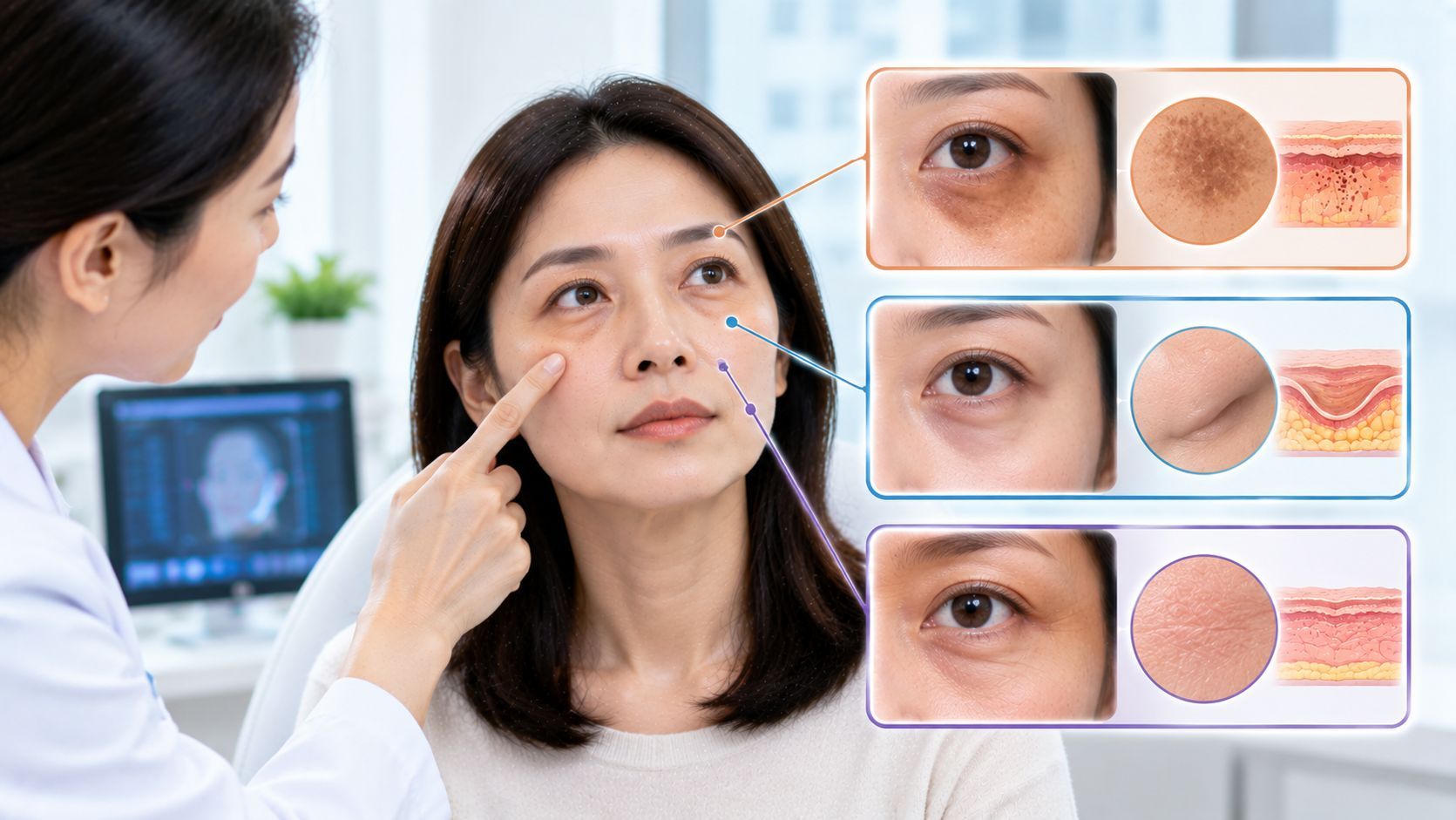
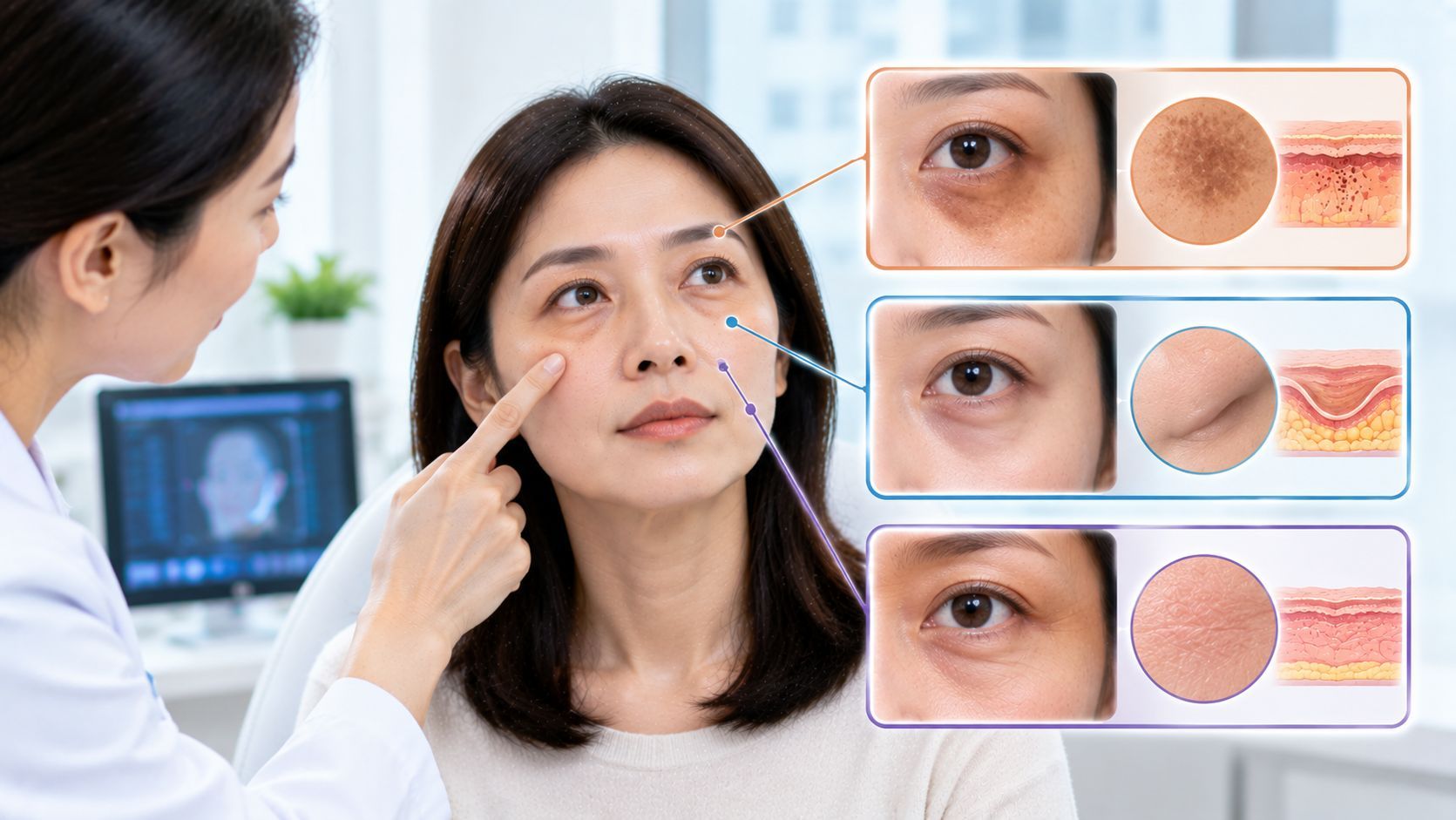
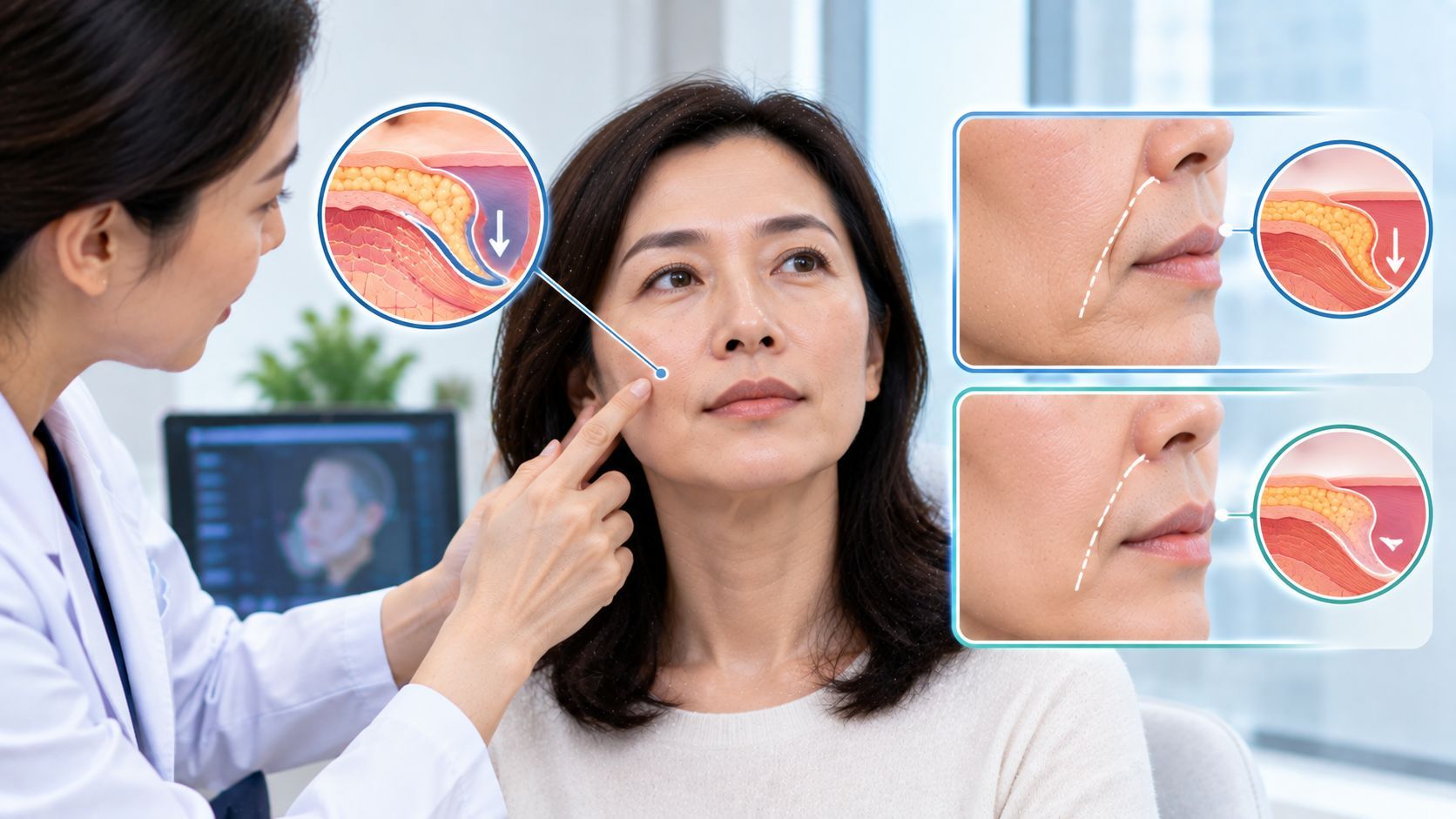
Collagen loss is one of the major reasons skin can look thinner, looser, drier, and more wrinkled after menopause. As estrogen levels decline, menopausal skin can lose collagen and its ability to retain moisture, contributing to reduced firmness, fine lines, jowls, and changes in texture. The American Academy of Dermatology notes that collagen loss can become particularly noticeable during the first years after menopause.
There is no single treatment that completely replaces the collagen lost after menopause. Instead, treatment should match the main problem: retinoids and skin care can support collagen and protect against further damage, while RF, RF microneedling, certain collagen-stimulating injectables, lasers, and other procedures may improve firmness, texture, or skin quality. The right approach depends on whether your main concern is collagen depletion, skin laxity, dryness, volume loss, pigmentation, or a combination of these issues.
Why Does Collagen Loss Increase After Menopause?
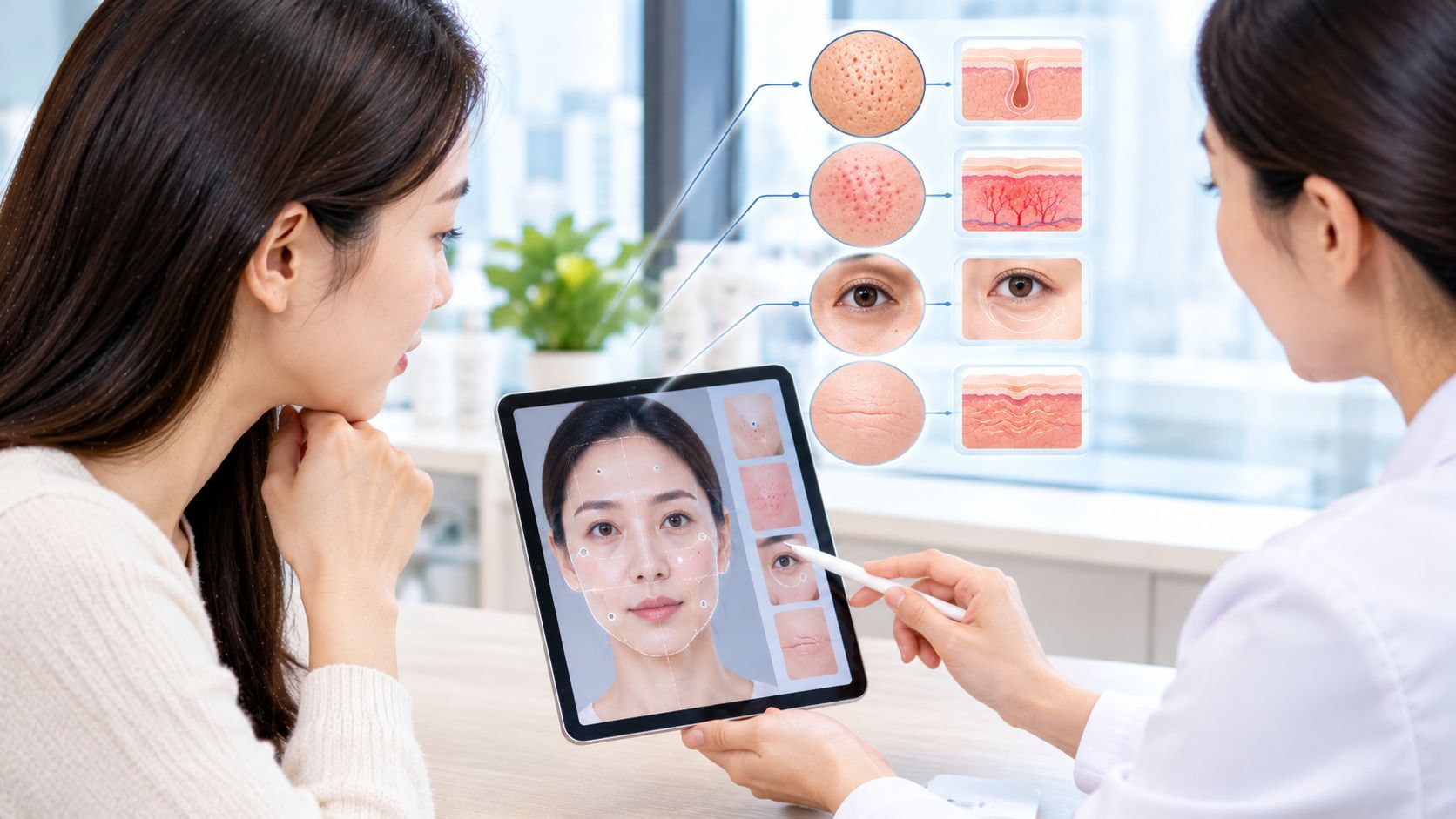
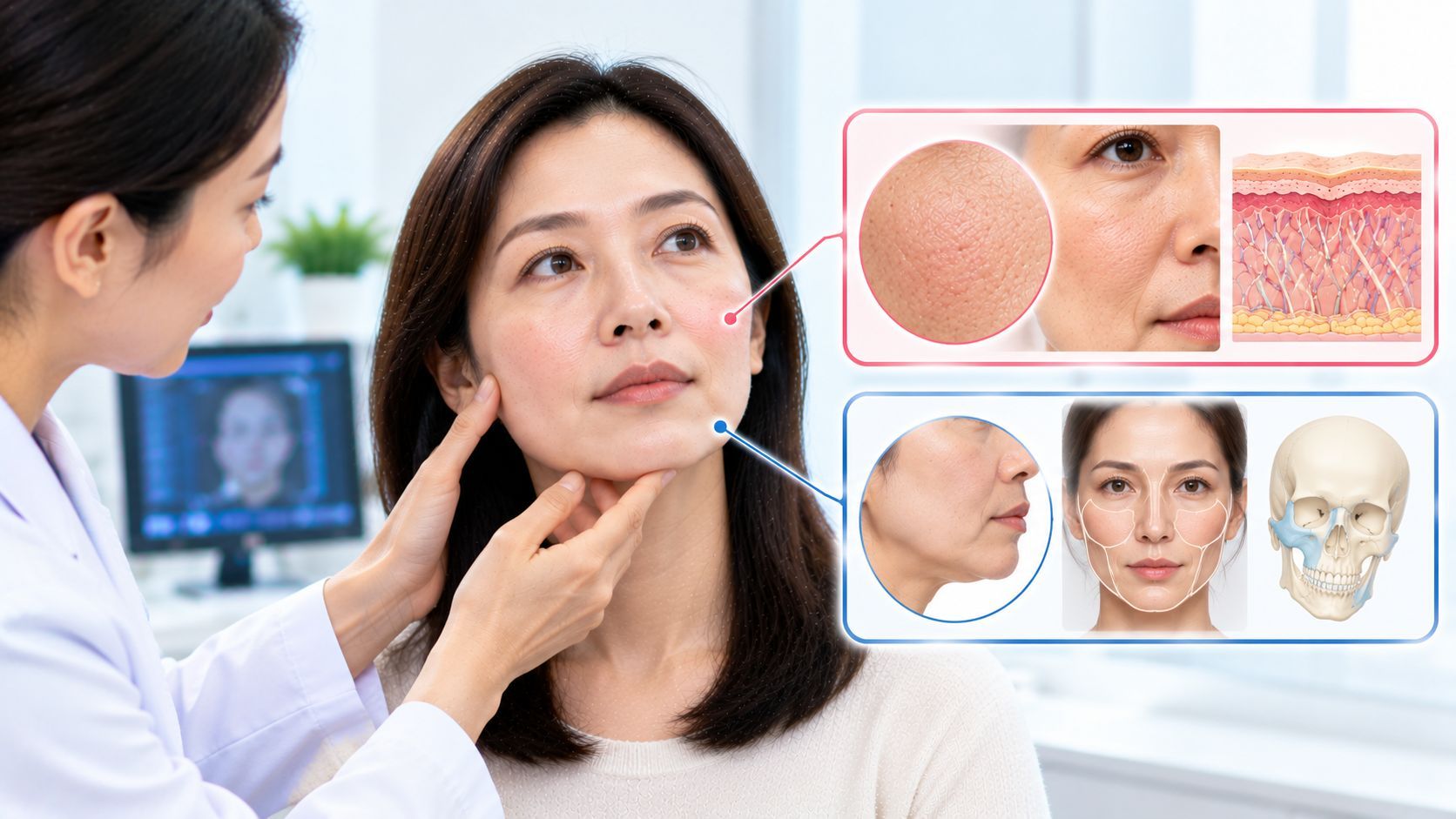
Estrogen plays an important role in maintaining skin structure. When estrogen levels decline around menopause, skin can become thinner, drier, and less firm. The AAD specifically identifies increased dryness, slackness, thinning, wrinkles, and collagen loss among common menopausal skin changes.
However, menopause is not the only cause of collagen loss. Other factors include:
- Natural chronological aging
- Long-term UV exposure
- Smoking
- Environmental stress
- Genetics
- Repeated inflammation or irritation
- Significant weight loss
- Reduced skin hydration
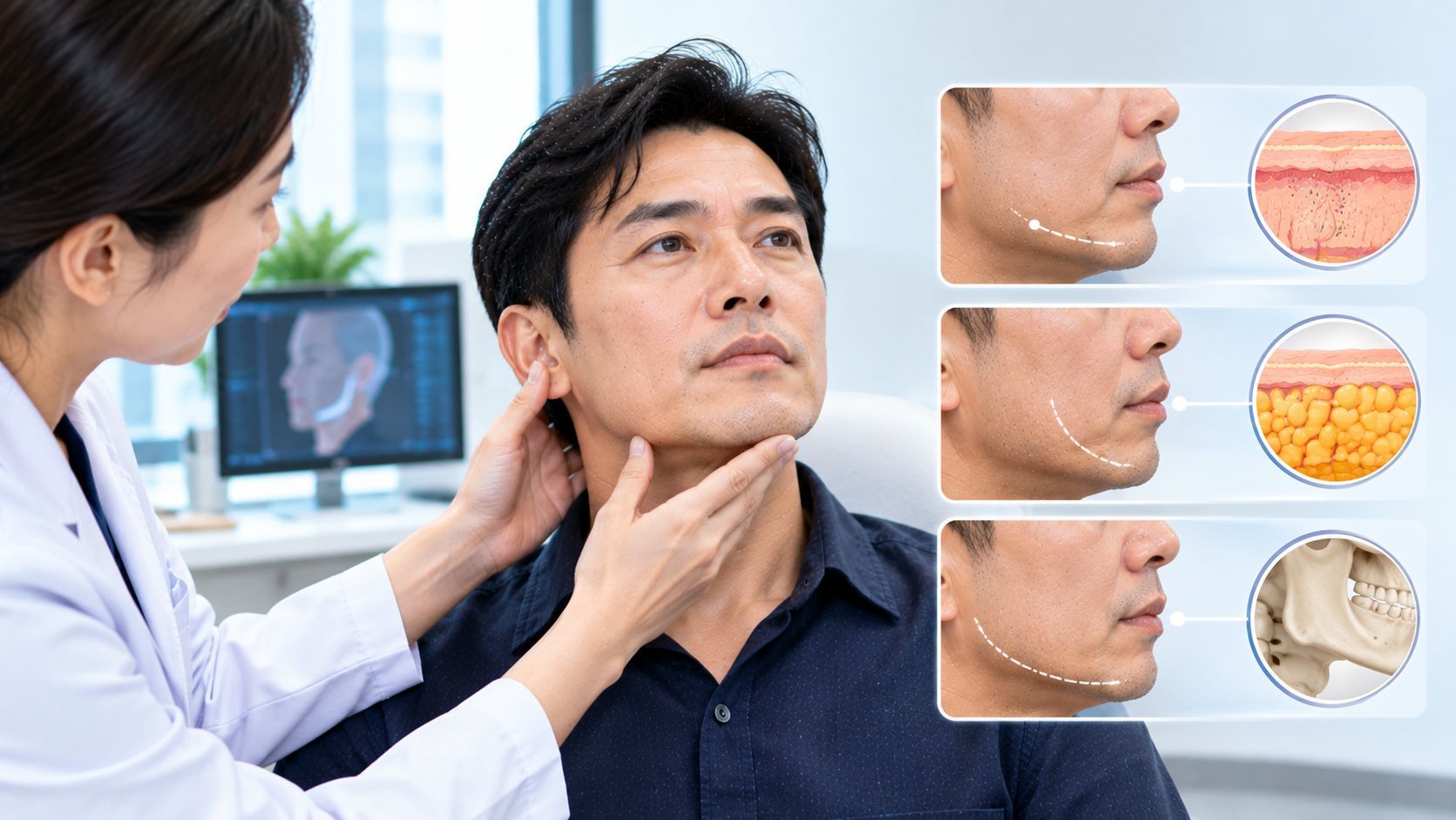
- Changes in facial fat and deeper supporting tissues
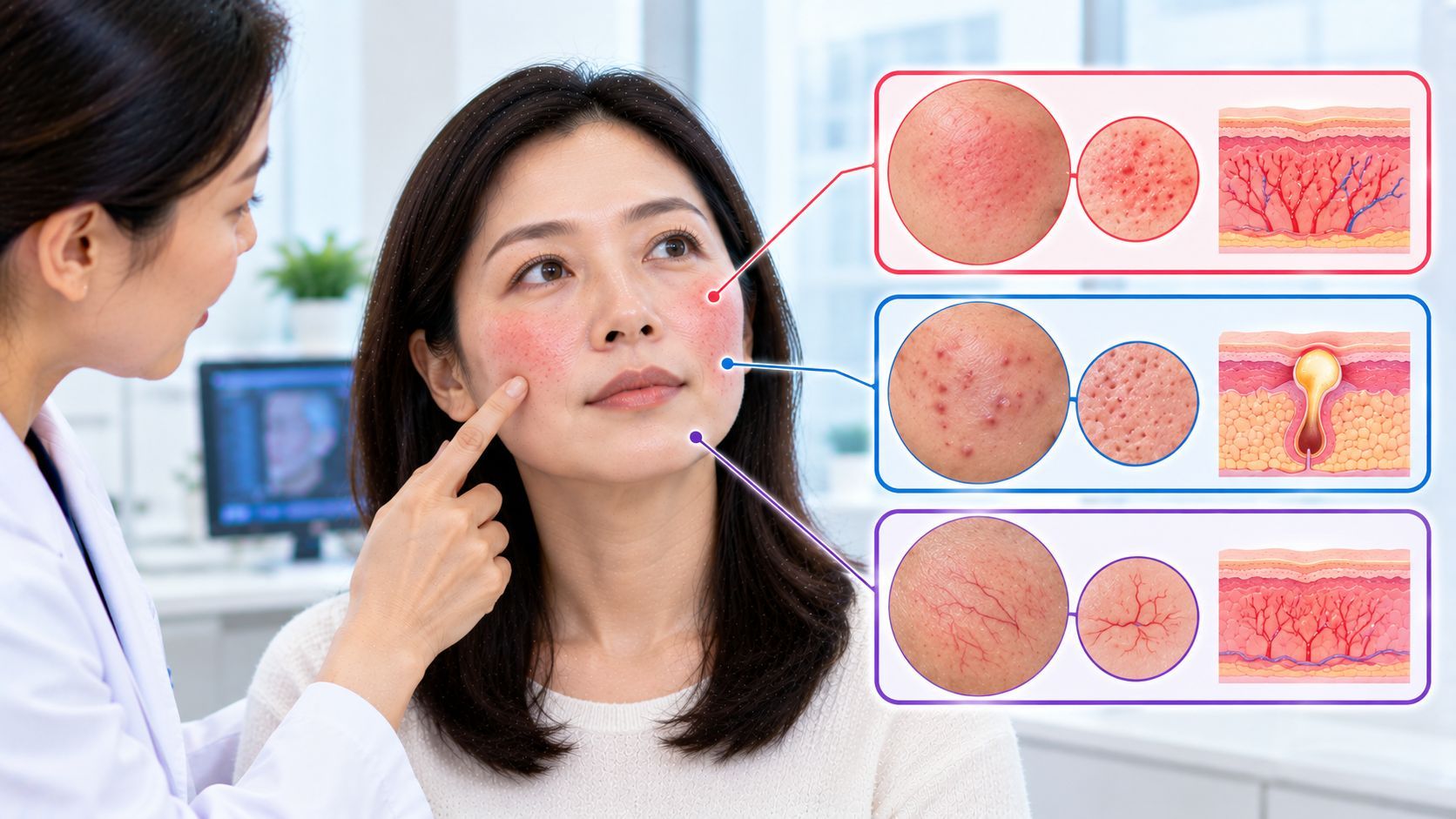
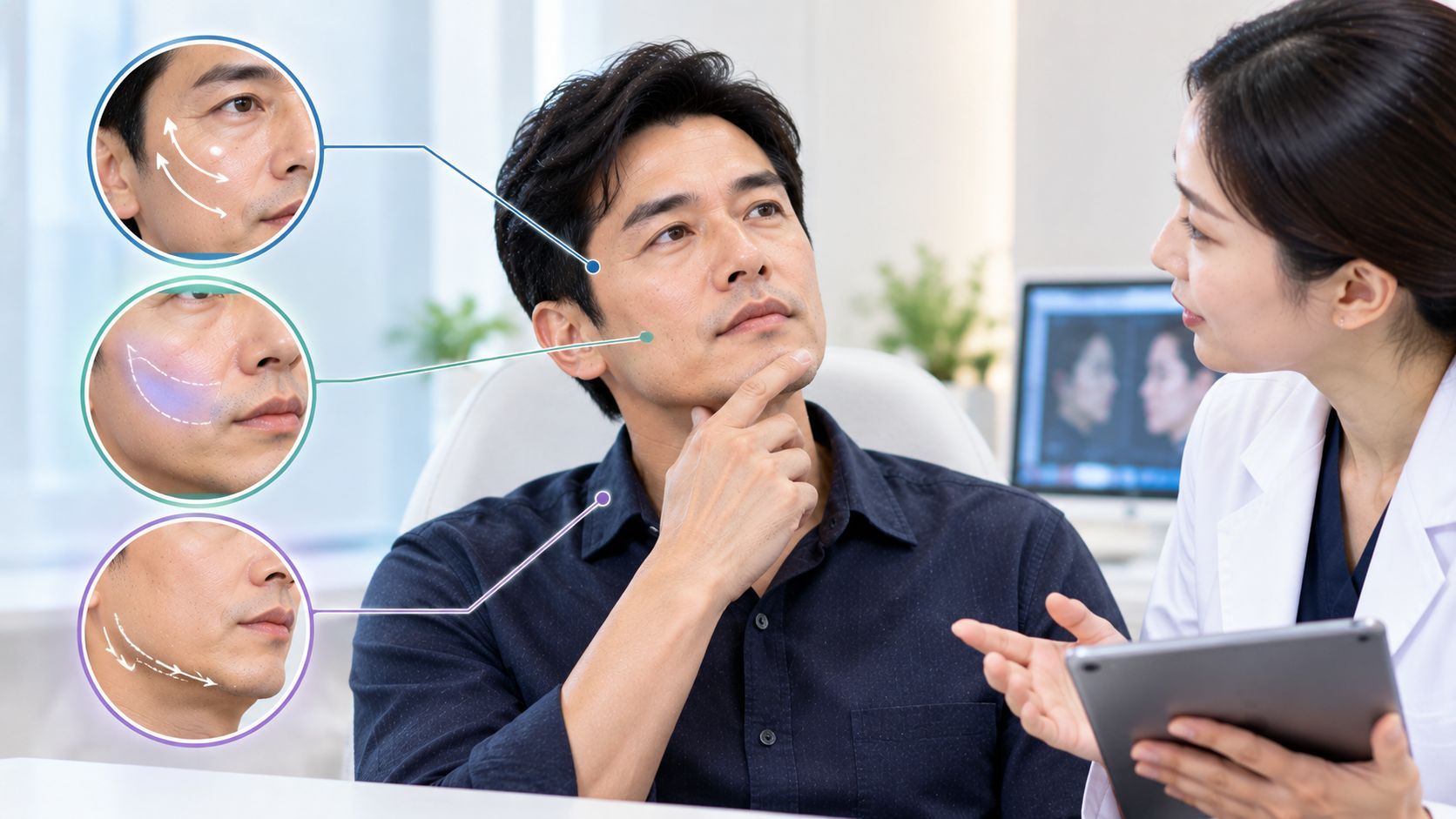
This means that treating "collagen loss" does not necessarily mean using a collagen-stimulating procedure. A dermatologist first needs to determine what is creating the visible change.
Which Treatments Can Help Collagen Loss After Menopause?
1. Retinoids and Retinol
Topical retinoids are among the better-established options for supporting collagen-related skin improvement. Retinoids can increase skin-cell turnover and stimulate collagen, while also improving the appearance of fine lines and uneven texture.
For menopausal skin, however, stronger is not always better. Dry or sensitive skin may become irritated when retinoids are introduced too quickly.
A dermatologist may recommend:
- Retinol for a milder approach
- Prescription retinoids for appropriate patients
- Gradual introduction
- Moisturizer to reduce irritation
- Consistent sunscreen use
Retinoids generally work gradually rather than producing an immediate tightening effect.
2. Radiofrequency Skin Tightening
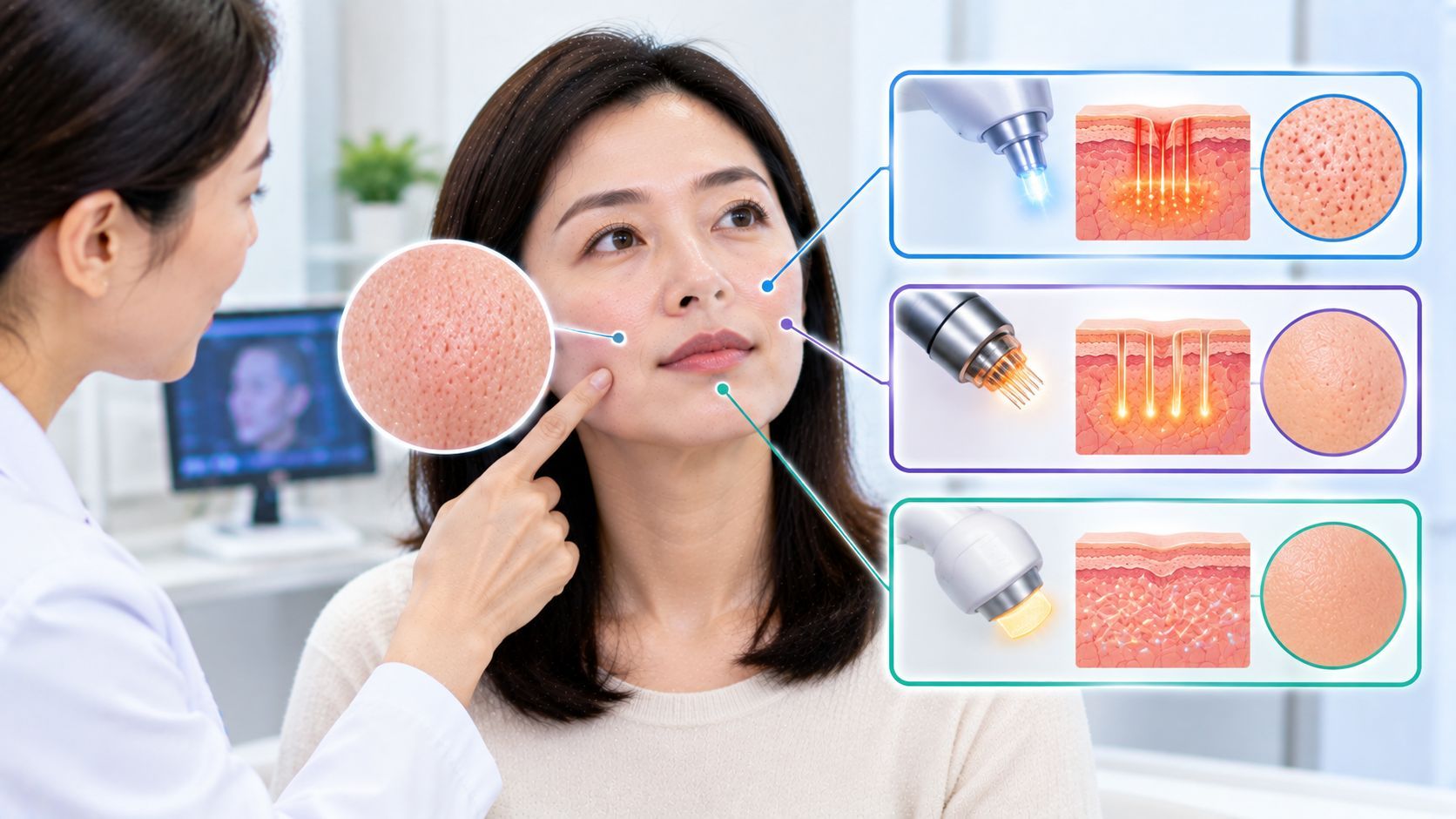
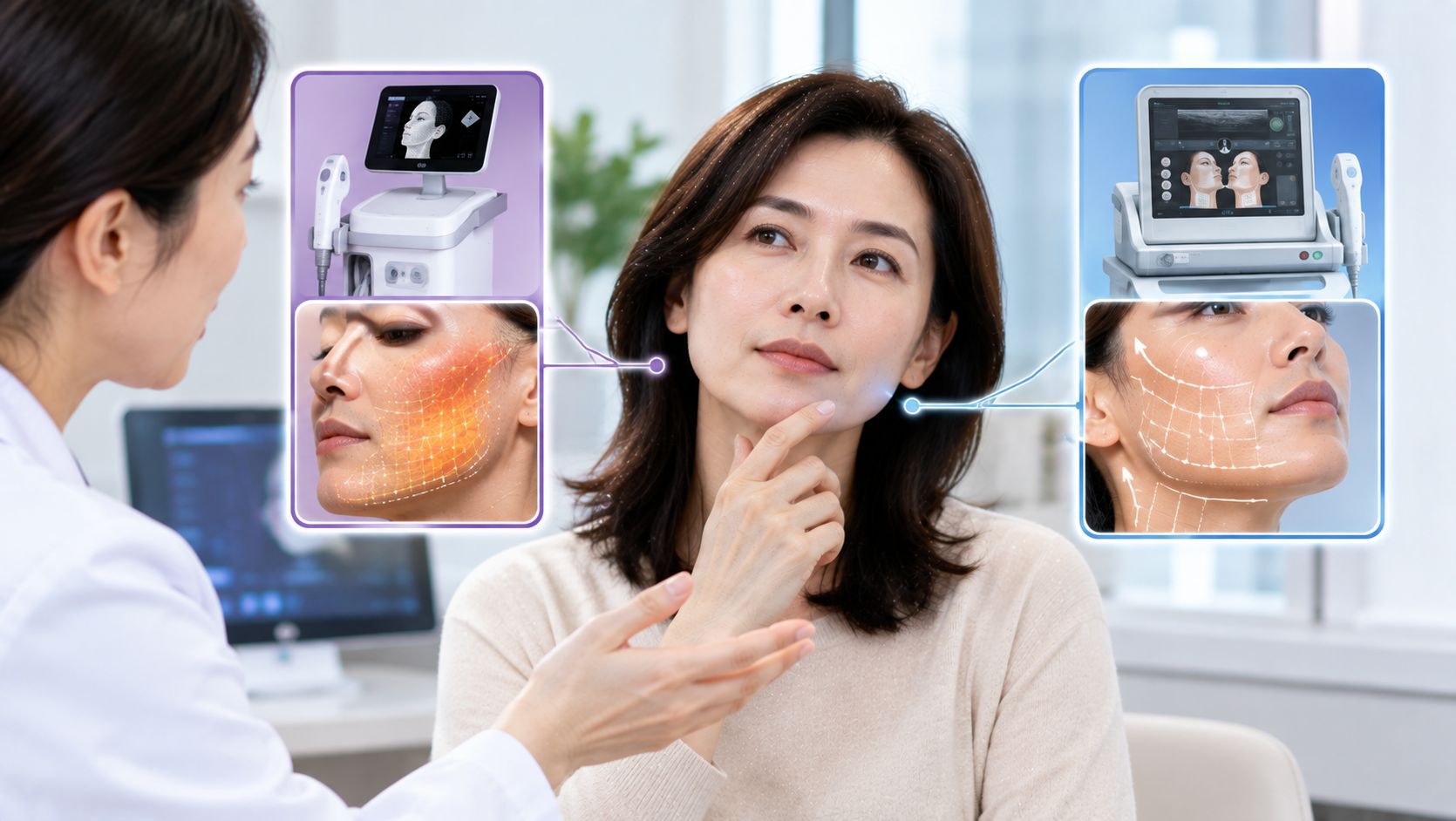
RF treatments use controlled heat to affect deeper skin tissues and stimulate remodeling. RF has been studied for facial rejuvenation, including improvements in skin laxity, elasticity, wrinkles, and overall appearance.
This can make RF particularly relevant when menopause-related collagen loss is accompanied by:
- Mild to moderate facial laxity
- Early jowling
- Reduced jawline definition
- Fine lines
- Loss of firmness
Results generally develop gradually, and treatment parameters differ between devices. A recent systematic review found evidence of improvements in facial texture and firmness but also noted limitations in the quality and consistency of available studies.
3. RF Microneedling
RF microneedling combines controlled microneedling with radiofrequency energy. It can be considered when collagen-related changes occur together with:
- Rough texture
- Enlarged-looking pores
- Fine lines
- Mild laxity
- Acne scars or uneven skin texture
A 2026 systematic review found improvements in facial texture and tightening across the studies it evaluated, with redness and swelling among the commonly reported temporary effects.
Because RF microneedling involves needles and energy delivery into the skin, treatment settings and skin type matter. People prone to pigmentation or prolonged inflammation should discuss those risks with a qualified clinician before treatment.
4. HIFU or Microfocused Ultrasound
HIFU and microfocused ultrasound use focused ultrasound energy to target deeper tissue layers. They are generally considered when the main concern is skin laxity rather than dryness.
They may be considered for:
- Lower-face laxity
- Early jowls
- Jawline definition
- Neck laxity
- Mild to moderate sagging
However, HIFU does not directly replace lost facial volume. If menopause has caused both skin laxity and hollowing, tightening alone may not produce the appearance you expect.
5. Rejuran and Other Skin-Quality Treatments
Rejuran, which uses polynucleotide-based injectable treatment, is commonly discussed in Korea for improving overall skin quality.
It may be considered when menopausal skin has concerns such as:
- Fine lines
- Reduced elasticity
- Rough texture
- Dehydrated-looking skin
- Overall loss of skin quality
The important distinction is that Rejuran is not a direct replacement for lost collagen and is not a treatment for menopause itself. It should be viewed as a skin-quality treatment rather than a substitute for a facelift or major volume restoration.
6. Collagen-Stimulating Injectables
Some injectable treatments are specifically designed to stimulate collagen production or provide structural support. Depending on the product, examples can include poly-L-lactic acid (PLLA), poly-D,L-lactic acid (PDLLA), or calcium hydroxylapatite (CaHA).
These products are not interchangeable. Their mechanisms, injection techniques, indications, duration, and risks differ.
They may be considered when the concern involves:
- Progressive loss of firmness
- Facial volume depletion
- Structural changes after aging
- Certain types of skin laxity
An experienced injector should determine whether the problem is primarily collagen loss, volume loss, or both.
7. Lasers and Microneedling
Lasers and conventional microneedling can be useful when collagen loss is accompanied by surface changes.
Depending on the device and treatment settings, they may address:
- Fine lines
- Uneven texture
- Pigmentation
- Sun damage
- Enlarged-looking pores
- Mild acne scarring
They are not automatically the best choice for every menopausal patient. Skin sensitivity, pigmentation risk, downtime, and the specific skin concern should be considered.
Which Treatment Should You Choose?
Main concernTreatment categories to discussFine lines and early collagen declineRetinoids, RF, microneedlingMild facial laxityRF or HIFULaxity + texture problemsRF microneedlingDry, thin-looking skinMoisturization, skin-quality treatments, selected skin boostersLoss of facial volumeFillers or selected collagen-stimulating injectablesPigmentation + textureAppropriate laser or energy-based treatmentSignificant excess skinSurgical consultation may be more appropriate
The key is to avoid treating every menopausal facial change as a simple collagen problem.
Can a Combination Treatment Plan Work Better?
Sometimes, yes. Menopausal facial aging can involve several layers simultaneously.
For example, a patient may have:
- Reduced collagen
- Mild jawline laxity
- Dry skin
- Fine lines
- Some loss of cheek volume
In that situation, one procedure may not address everything. A dermatologist might recommend a staged plan combining skin care with an energy-based treatment, skin-quality treatment, or carefully selected volume restoration.
The sequence matters. If a face is already thin or hollow, aggressive tightening without assessing volume may not be appropriate. Conversely, adding volume will not necessarily correct significant loose skin.
What About Hormone Replacement Therapy?
Hormone therapy is a medical treatment used for appropriate menopausal symptoms and health considerations. It should not be started solely as a cosmetic collagen treatment.
Some research has investigated hormonal influences on skin aging, but decisions about hormone therapy require an individualized medical assessment of benefits, risks, symptoms, age, medical history, and other factors.
For cosmetic concerns alone, it is better to discuss skin-specific treatments with a dermatologist rather than treating hormone therapy as an aesthetic procedure.
What Can You Do at Home to Protect Collagen?
Professional treatments work best when basic skin care is consistent.
A menopausal skincare routine can include:
- Daily broad-spectrum sunscreen — helps limit UV-related collagen breakdown and visible aging.
- Regular moisturizing — supports the skin barrier and reduces dryness.
- Gentle cleansing — particularly important for thinner, more sensitive skin.
- Appropriate retinoid or retinol use — when tolerated and recommended.
- Avoiding smoking — smoking contributes to premature skin aging.
- Adequate nutrition and protein intake — overall nutritional health supports normal tissue maintenance.
The AAD specifically recommends sunscreen, moisturization, and appropriate dermatological evaluation for menopausal skin changes.
What Should International Patients Ask a Korean Dermatology Clinic?
If you are visiting Seoul for treatment, ask the clinic:
- Is my main problem collagen loss, skin laxity, dryness, or volume loss?
- Which treatment is appropriate for my skin thickness?
- Would RF or HIFU be suitable?
- Would RF microneedling be appropriate?
- Do I need a skin-quality treatment such as Rejuran?
- Would a collagen-stimulating injectable be appropriate?
- How many sessions might be needed?
- What downtime should I expect?
- How soon can I fly home?
- What follow-up is available after returning home?
A consultation should focus on diagnosis and treatment planning rather than simply selecting the newest procedure.
Conclusion
The treatment that helps collagen loss after menopause depends on what the collagen loss is causing. Retinoids can support collagen and improve fine lines, while RF and RF microneedling may help firmness and texture. HIFU may be considered for selected laxity, while Rejuran and other skin-quality treatments can target certain changes in skin quality. Collagen-stimulating injectables may be appropriate when structural or volume changes are also present.
There is no single "best collagen treatment" for every post-menopausal face. A good treatment plan should distinguish collagen loss from dryness, laxity, pigmentation, and volume loss, then choose the least excessive approach that matches the actual problem.
Frequently Asked Questions
Is collagen loss after menopause reversible?
Collagen loss cannot simply be completely reversed, but appropriate skincare and aesthetic treatments may improve the appearance of firmness, texture, and fine lines.
What is the best treatment for collagen loss after menopause?
There is no universal best treatment. Retinoids, RF, RF microneedling, HIFU, collagen-stimulating injectables, and skin-quality treatments may each have a role depending on the patient's specific concerns.
Does Rejuran restore collagen after menopause?
Rejuran is primarily considered a skin-quality treatment. It may improve aspects of skin texture and elasticity, but it should not be described as directly replacing all collagen lost during menopause.
Is RF good for menopausal skin?
RF may be useful when menopausal skin has mild to moderate laxity or reduced firmness. Evidence supports potential improvements in facial rejuvenation, although results vary by device, settings, patient, and treatment plan.
Can skincare alone improve collagen loss?
Skincare can support the skin and help reduce further photoaging. Retinoids can stimulate collagen, while sunscreen helps protect against UV-related collagen degradation. However, skincare cannot reproduce the effects of every professional procedure.
When should I consider professional treatment?
Consider a dermatology consultation if you notice rapid changes in laxity, significant jowling, pronounced thinning, persistent dryness, or facial volume loss. A professional assessment can determine whether collagen loss is actually the main issue.