Is RF Tightening More Appropriate Than HIFU After Menopause?
Introduction
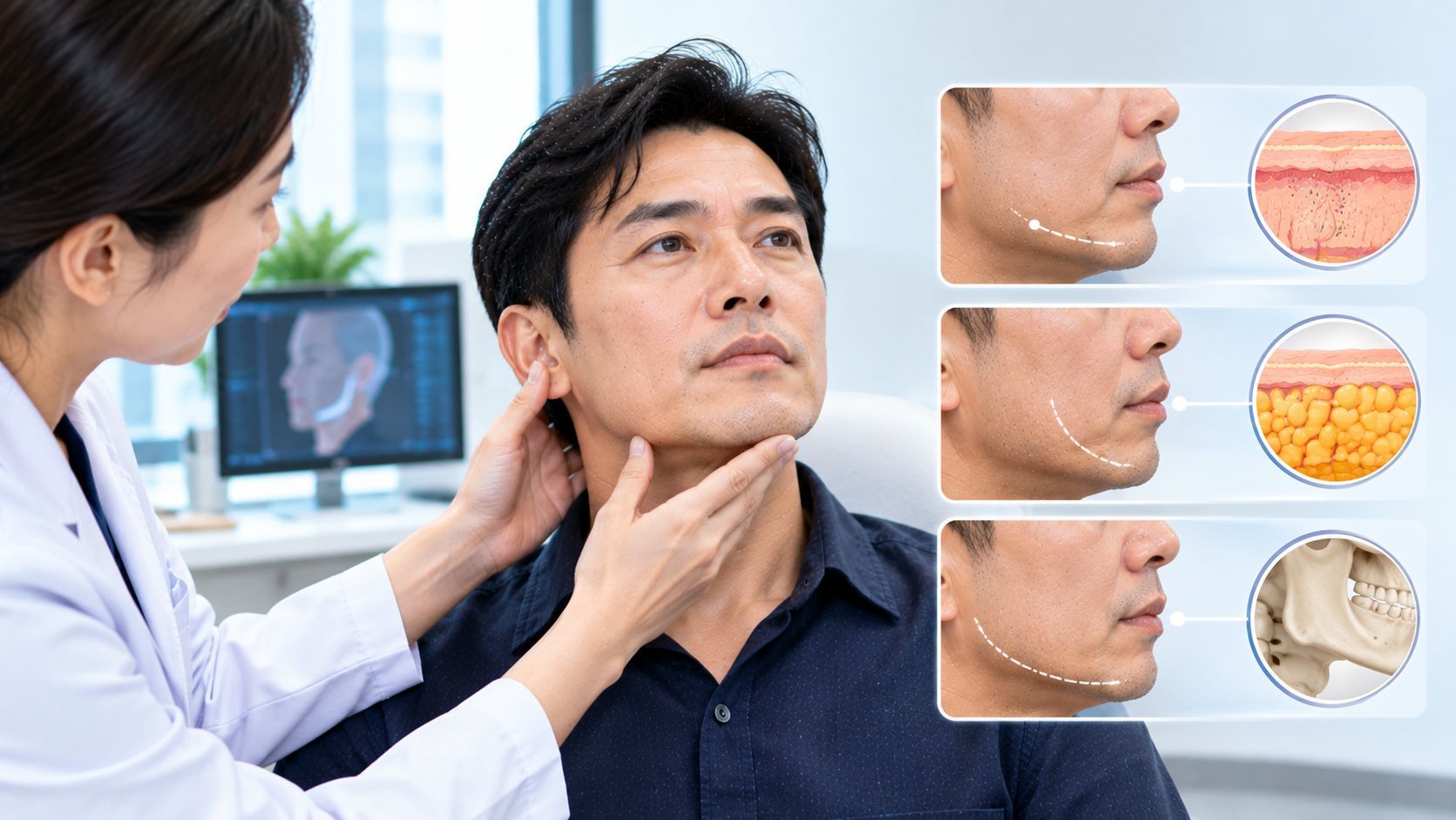
After menopause, many women notice that their skin feels less firm and that the jawline, cheeks, or neck no longer look as defined as they once did. Reduced collagen, changes in skin thickness and elasticity, facial volume changes, and natural aging can all contribute to this appearance. When non-surgical tightening is being considered, two commonly discussed options are radiofrequency (RF) and HIFU or microfocused ultrasound.
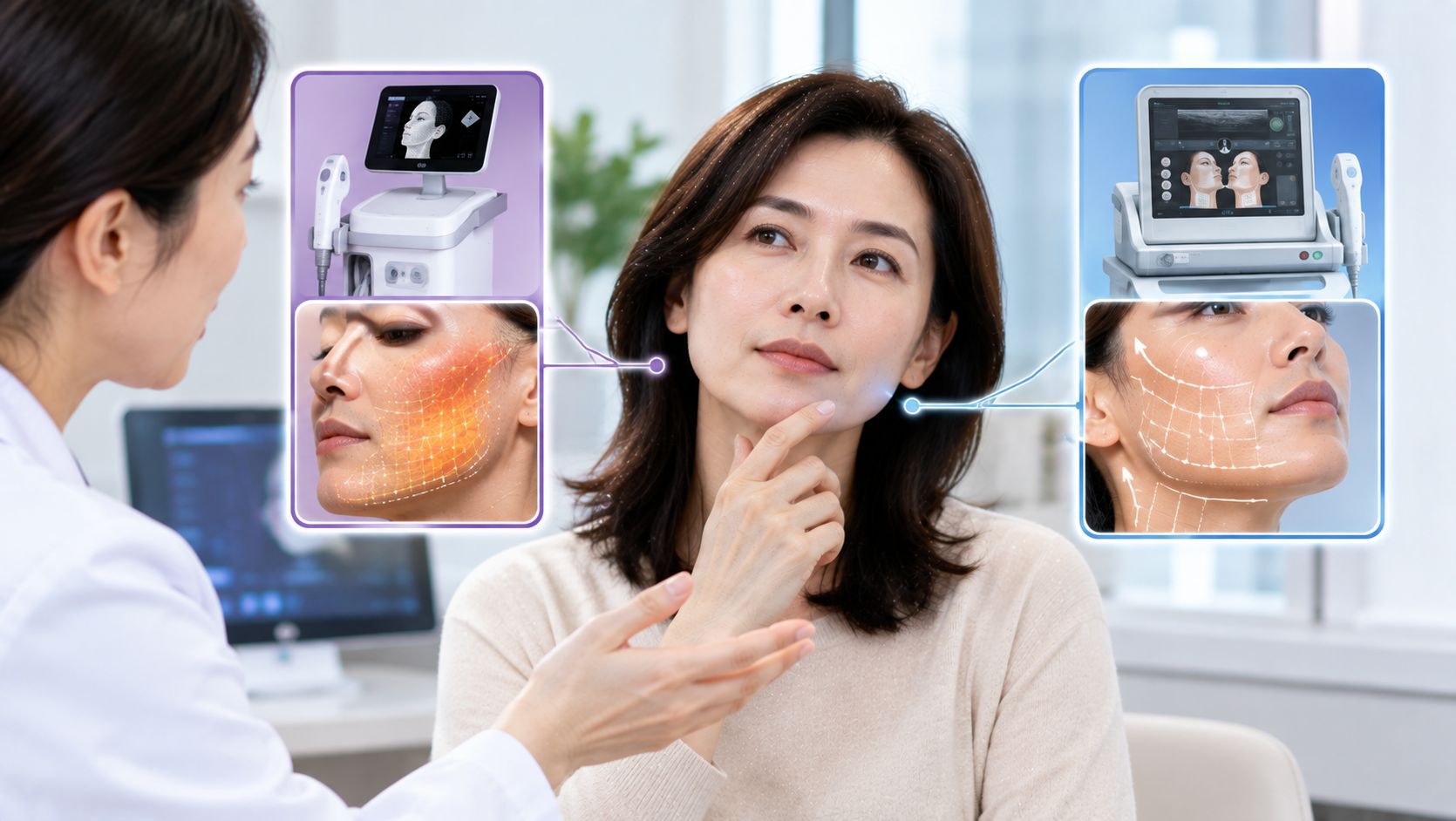
So, is RF tightening more appropriate than HIFU after menopause? Not necessarily. Neither treatment is universally better. RF may be more suitable when the goal is gradual improvement in skin firmness and texture, while HIFU may be considered when the main concern is selected areas of deeper facial or neck laxity. The choice depends on skin thickness, degree of sagging, facial volume, treatment area, and the patient's overall goals.
Why Does Skin Become Less Firm After Menopause?
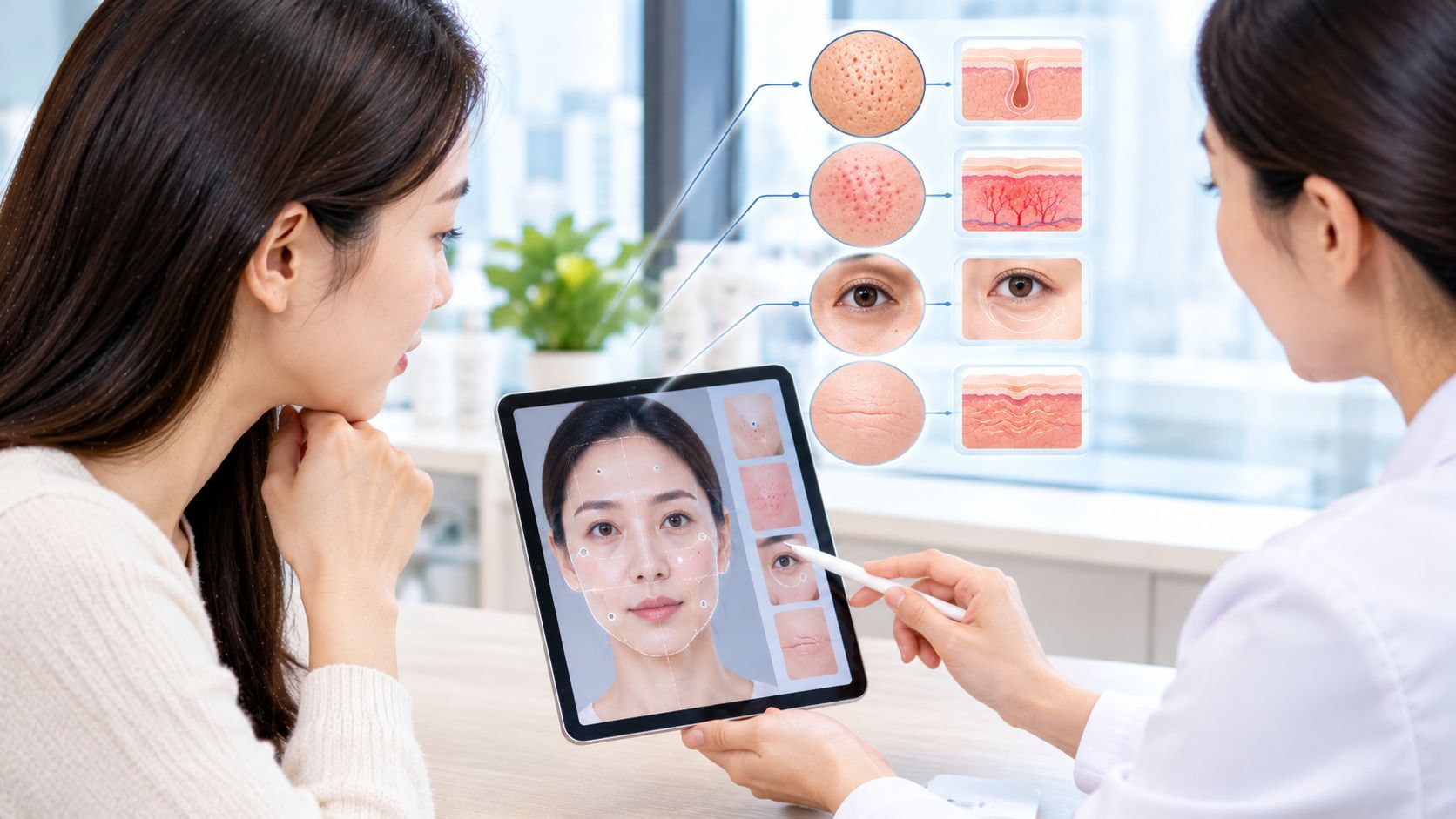
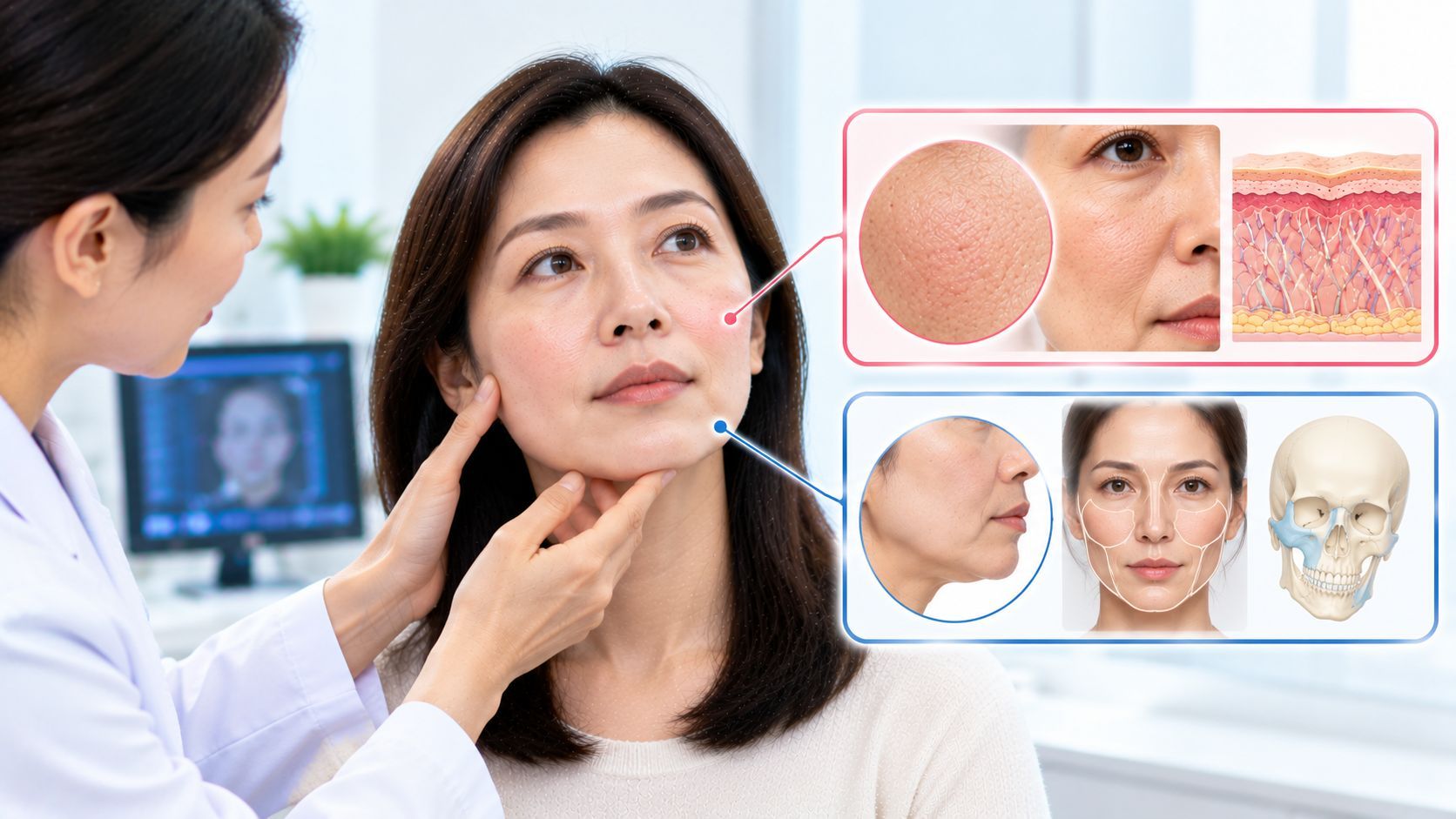
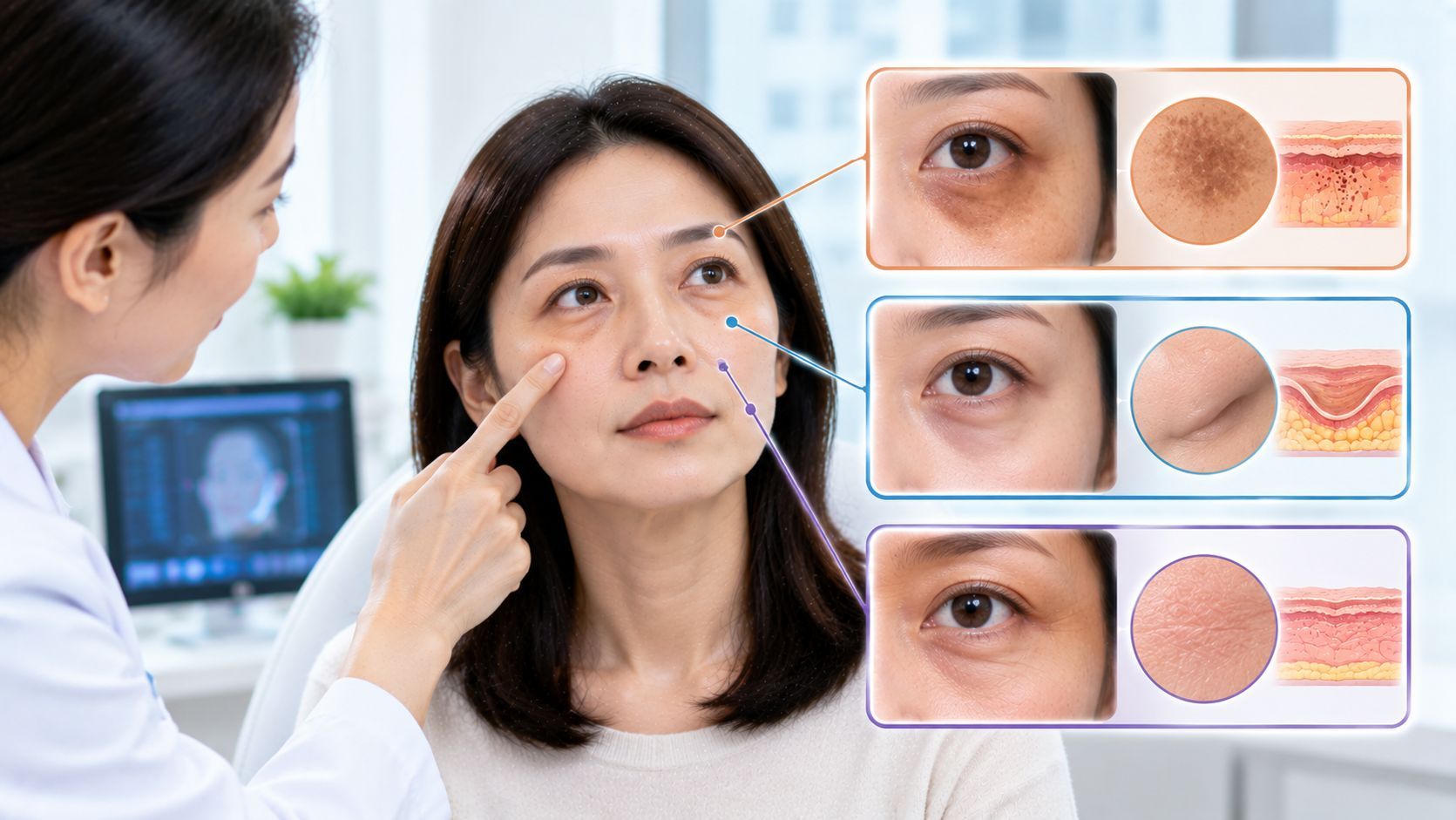
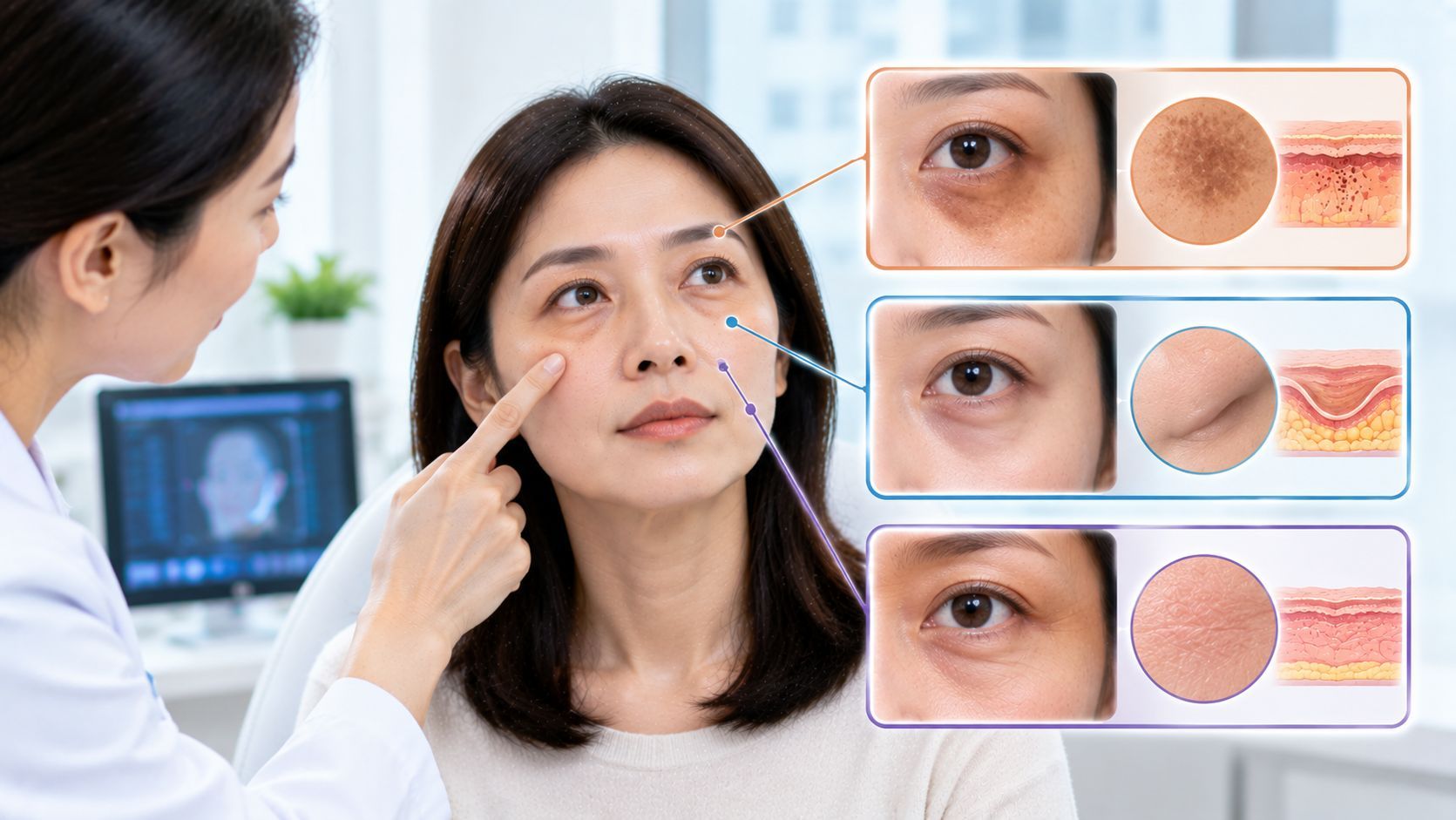
Menopause is associated with hormonal changes that can affect the skin. Lower estrogen levels are linked with changes in collagen, skin thickness, hydration, and elasticity. Natural aging and cumulative UV exposure can add to these changes.
Some women notice:
- Looser cheeks
- Early jowls
- Less defined jawlines
- Neck laxity
- Fine lines
- Crepey-looking skin
- Reduced elasticity
- Drier skin
However, not every case of post-menopausal facial aging is caused by loose skin.
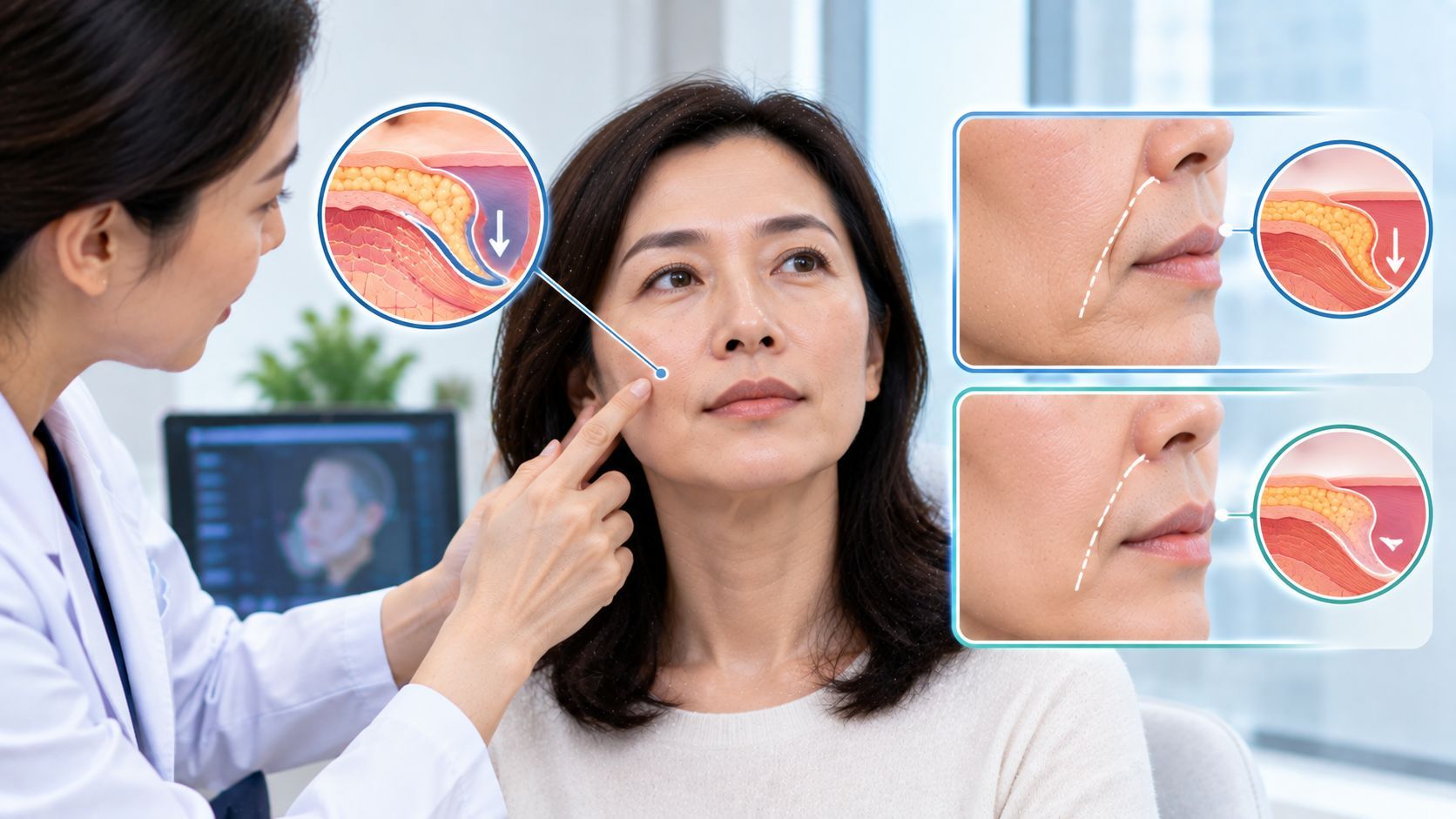
Facial volume loss can also make the face look older. If the cheeks or temples have become hollow, tightening the skin alone may not address the underlying change.
What Is RF Skin Tightening?
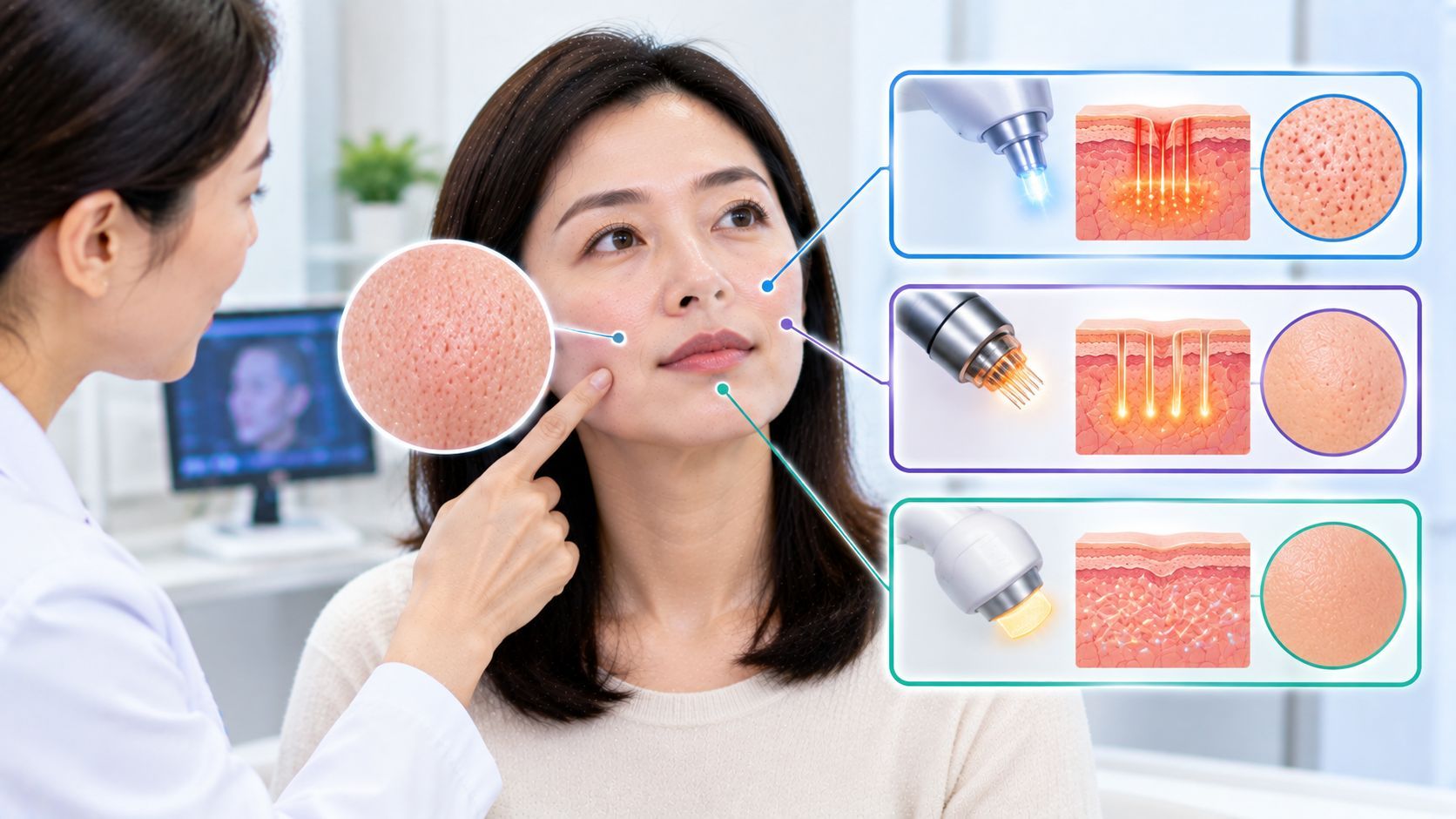
Radiofrequency treatments deliver electromagnetic energy into the skin and underlying tissues, producing controlled heating. Depending on the particular RF technology and treatment settings, this can encourage tissue remodeling and affect collagen and elastic fibers.
Clinical studies and reviews have reported improvements in facial laxity and skin quality with various RF technologies, although devices and treatment protocols differ substantially. (pubmed.ncbi.nlm.nih.gov)
RF may be considered for:
- Mild to moderate facial laxity
- Early jowling
- Reduced skin firmness
- Fine lines
- Some texture concerns
- Neck skin laxity
One potential advantage is that RF can be used at different depths depending on the technology, making device selection particularly important.
What Is HIFU?
HIFU, often referring to focused or microfocused ultrasound technologies in aesthetic medicine, delivers concentrated ultrasound energy to selected tissue depths.
The goal is to create controlled thermal effects that can stimulate tissue remodeling and tightening.
HIFU may be considered for selected patients with:
- Lower-face laxity
- Jawline changes
- Mild to moderate jowling
- Neck laxity
- Reduced definition around the lower face
The depth and energy delivery depend on the specific device and treatment protocol.
HIFU is therefore not simply a stronger version of RF. They use different types of energy and can target tissue differently.
RF vs HIFU After Menopause
FeatureRFHIFU / Microfocused UltrasoundEnergy typeRadiofrequencyFocused ultrasoundMain goalFirmness and tissue remodelingSelected deeper tighteningSkin textureMay improveNot usually the primary focusMild laxityOften consideredOften consideredJawline laxityMay helpMay helpNeck laxityMay helpMay helpSignificant excess skinLimitedLimitedFacial volume lossDoes not replace volumeDoes not replace volumeResultsGenerally gradualGenerally gradualTreatment choiceDepends on device and skinDepends on device and anatomy
This table does not mean one treatment is automatically better. Different devices within the same category can also produce different treatment experiences and results.
When Might RF Be More Appropriate?
RF may be worth discussing when your main concern is skin quality and mild-to-moderate laxity rather than substantial sagging.
It can be particularly relevant when you have:
Fine Lines and Reduced Firmness
Menopausal skin may appear thinner and less resilient. RF can be used as part of a skin-rejuvenation strategy aimed at improving firmness.
Mild Jawline Changes
If the jawline has become less defined but there is not a large amount of excess skin, RF may be considered.
Texture and Skin Quality Concerns
Some RF technologies may also improve aspects of skin texture. RF microneedling combines RF energy with controlled microneedling and may be considered when texture and laxity occur together.
Thinner or More Delicate Skin
This requires individualized treatment planning rather than automatically choosing RF. A clinician should assess skin thickness and facial volume before deciding on energy settings.
When Might HIFU Be More Appropriate?
HIFU may be considered when the dominant concern is deeper tissue laxity around areas such as the lower face or neck.
For example, a patient with:
- Early-to-moderate jowling
- Reduced jawline definition
- Mild neck laxity
- Sagging lower-face tissue
may discuss focused ultrasound during consultation.
However, HIFU should not be expected to recreate the results of surgery when there is substantial excess skin.
The American Academy of Dermatology notes that non-invasive skin tightening tends to be most useful when there is a limited amount of sagging. People with a large amount of loose skin may not achieve the desired result from non-surgical treatment alone. (aad.org)
What If Your Face Became Thin After Menopause?
This is an important consideration.
Some women experience facial volume loss as they age, which can make the face appear hollow. If the face is already thin, simply pursuing more tightening may not produce the desired appearance.
Signs of volume loss can include:
- Hollow cheeks
- Sunken temples
- Deeper under-eye hollows
- Flattened midface
- More visible facial contours
In these cases, the dermatologist may discuss whether volume restoration should be considered before, after, or instead of an energy-based tightening treatment.
The goal should not be to make every face tighter. It should be to restore an appropriate balance between skin, volume, and facial structure.
Can RF and HIFU Be Combined?
Sometimes, but combining treatments is not automatically necessary.
A dermatologist may consider a staged treatment plan when different concerns require different approaches.
For example:
Stage 1: Address significant dryness or compromised skin quality.
Stage 2: Treat selected laxity with an appropriate energy-based procedure.
Stage 3: Reassess whether volume restoration or another skin-quality treatment is needed.
The treatment sequence should be individualized. Performing multiple procedures simply because they are available can increase cost, downtime, and potential side effects without necessarily improving the outcome.
What About Rejuran or Skin Boosters?
Rejuran and skin boosters serve a different purpose.
They may be considered when the primary concern is:
- Dryness
- Fine lines
- Skin texture
- Elasticity
- Overall skin quality
They are not direct substitutes for RF or HIFU when significant laxity is the main concern.
Likewise, RF or HIFU should not be expected to restore hydration or lost facial volume in the same way that other treatments might.
This is why menopausal skin often benefits from a problem-based treatment plan rather than a procedure-based plan.
What Results Should You Expect?
Neither RF nor HIFU should generally be viewed as an instant facelift.
Non-surgical tightening treatments are intended to produce gradual changes, and results can vary according to:
- Age
- Skin thickness
- Degree of laxity
- Collagen status
- Facial volume
- Device used
- Energy settings
- Number of treatments
- Individual healing response
Some patients may notice changes relatively early, while other improvements develop over subsequent weeks or months.
Maintenance treatments may also be discussed because the underlying aging process continues.
What Are the Risks?
Energy-based treatments can cause temporary or, less commonly, more significant adverse effects.
Potential effects may include:
- Redness
- Swelling
- Tenderness
- Temporary sensitivity
- Burns from excessive energy or improper application
- Pigmentary changes
- Unwanted tissue effects
The risk profile depends heavily on the specific device, settings, treatment depth, skin type, and operator technique.
This is especially important for international patients who may be comparing clinics based primarily on price or promotional packages.
How Should International Patients Choose Between RF and HIFU in Korea?
If you are traveling to Seoul for treatment, avoid selecting a procedure solely because it is marketed as the "strongest" or "latest" tightening treatment.
During consultation, ask:
- Is my main issue skin laxity or facial volume loss?
- How much loose skin do I actually have?
- Is my facial skin relatively thin?
- Would RF or HIFU be more appropriate for my anatomy?
- Which exact device will be used?
- What depth and treatment area are planned?
- What downtime should I expect?
- When should I expect visible improvement?
- Could treatment make my face look less full?
- What alternatives are available?
If you have only a few days in Seoul, also ask how long redness, swelling, tenderness, or other temporary effects may last before planning flights and activities.
What About Significant Sagging?
There is an important limit to non-surgical tightening.
If you have substantial excess skin around the jawline or neck, RF and HIFU may not provide the degree of correction you want.
In such cases, a consultation with an appropriately qualified surgical specialist may be more informative.
The purpose of this assessment is not to assume surgery is necessary, but to determine whether a non-surgical procedure is capable of addressing the amount of excess tissue present.
Conclusion
RF tightening is not automatically more appropriate than HIFU after menopause.
RF may be particularly relevant when reduced firmness, fine lines, and mild-to-moderate laxity are important concerns. HIFU may be considered when selected deeper areas of facial or neck laxity are the main issue. Neither treatment directly replaces lost facial volume, and neither is likely to fully correct substantial excess skin.
For menopausal patients, the most useful approach is to identify what has actually changed: collagen and skin quality, laxity, hydration, volume, or a combination of these factors. A personalized assessment can then determine whether RF, HIFU, another treatment, or a staged combination makes sense.
Frequently Asked Questions
Is RF better than HIFU after menopause?
There is no universal winner. RF and HIFU use different energy technologies and can be appropriate for different types and degrees of laxity.
Can HIFU make menopausal skin thinner?
Treatment effects depend on the device, energy settings, treatment depth, and individual anatomy. Patients with thin or volume-depleted faces should discuss treatment parameters carefully with a qualified clinician.
Is RF good for sagging skin after menopause?
RF may help selected patients with mild-to-moderate laxity and reduced firmness. It is less likely to adequately correct substantial excess skin.
Can RF or HIFU restore facial volume?
No. Neither should be considered a direct replacement for lost facial volume. Patients with hollow cheeks, temples, or other areas of volume loss may require a separate assessment.
Can I combine HIFU and RF?
They may sometimes be incorporated into a treatment plan, but combining them is not automatically necessary. The decision should depend on anatomy, treatment goals, device characteristics, and recovery considerations.
How long do RF and HIFU results last?
Results vary considerably. Both treatments address appearance while the natural aging process continues, so some patients may discuss maintenance treatments with their clinician.