Can Collagen Stimulators Be Used Under the Eyes Safely?
Introduction
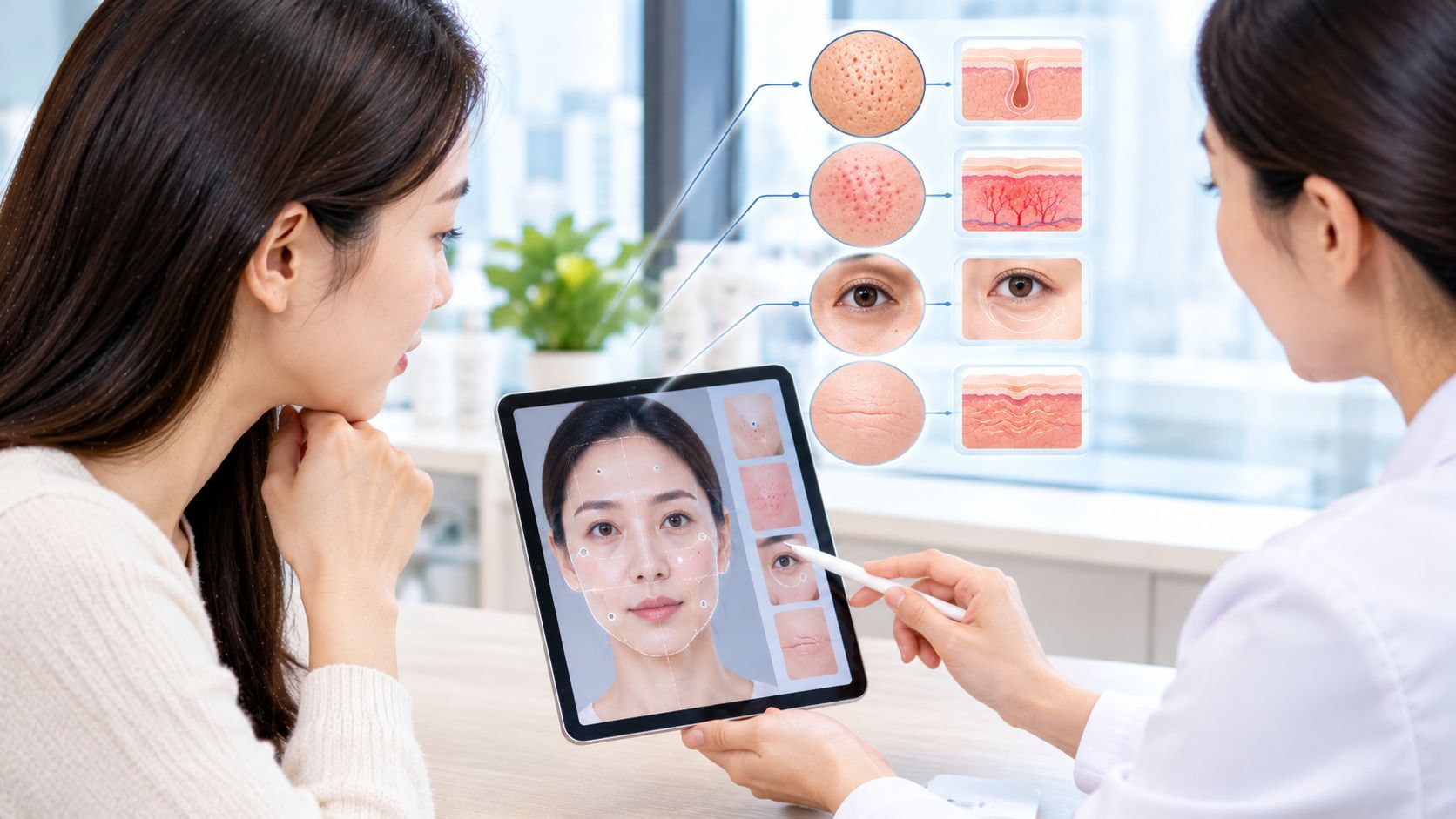
Collagen-stimulating treatments are increasingly discussed as an alternative to traditional under-eye filler, particularly for people whose main concern is thin, crepey, finely wrinkled skin rather than a deep hollow. Treatments such as polynucleotides, certain biostimulatory injectables, microneedling, and selected energy-based procedures are used to target skin quality rather than simply adding volume.
But the area directly beneath the eyes is one of the most delicate regions of the face. The skin is thin, the anatomy is complex, and the area can be prone to swelling and contour irregularities. A treatment that is appropriate for the cheek cannot automatically be assumed to be appropriate directly beneath the eyes.
So, can collagen stimulators be used under the eyes safely? Potentially, yes—but safety depends heavily on the specific product, injection depth, treatment technique, patient anatomy, and the experience of the treating clinician.
What Are Collagen Stimulators?
The term “collagen stimulator” can refer to several different treatment categories.
Depending on the product or technique, the goal may be to encourage remodeling of the skin or connective tissue rather than immediately replacing lost volume.
Examples include:
- Polynucleotides or polydeoxyribonucleotides
- Certain biostimulatory injectables
- Microneedling
- Radiofrequency microneedling
- Selected laser treatments
- Other energy-based skin-remodeling procedures
These treatments should not all be considered interchangeable.
A 2026 review of under-eye treatments categorized options according to the problem being treated, including injectables, energy-based devices, microneedling, topical treatments, polynucleotides, neuromodulators, and surgery. It emphasized that treatment should be individualized according to anatomy and the specific concern.
Why Would Someone Choose a Collagen-Stimulating Approach?
The Problem Is Thin or Crepey Skin
If your main complaint is that the skin under your eyes looks:
- Thin
- Wrinkled
- Crepey
- Dry
- Fine-textured
- Less elastic
then adding substantial volume may not address the underlying issue.
A skin-quality treatment may be considered when the objective is to improve texture and fine lines rather than fill a depression.
You Don't Want a Heavier Under-Eye Appearance
Some patients are specifically trying to avoid the appearance of fullness.
This is relevant because under-eye filler can cause swelling, malar edema, contour irregularities, and blue-gray discoloration in some patients.
For someone with relatively flat but crepey lower eyelids, a volume-focused approach may therefore not be the most logical starting point.
What About Polynucleotides Under the Eyes?
Polynucleotides have attracted considerable interest in aesthetic dermatology because they are being investigated for effects on skin quality, hydration, elasticity, and fine wrinkles.
A 2026 review comparing hyaluronic acid fillers and polynucleotides for under-eye rejuvenation reported that polynucleotides showed improvements in several dermal-quality measures, including elasticity, hydration, and fine rhytides. However, the authors also noted substantial variation in products, study designs, and outcome measurements, meaning the evidence does not yet establish one definitive treatment protocol.
Another recent systematic review of randomized clinical trials found improvements in several skin-rejuvenation outcomes with polynucleotide and polydeoxyribonucleotide treatments, while also noting that the randomized evidence base remains relatively small.
This means polynucleotides are promising, but they should not be described as a guaranteed way to “thicken” under-eye skin.
How Are Collagen Stimulators Different From Filler?
The distinction is important.
Hyaluronic acid filler: primarily used to restore or reposition volume.
Skin-quality treatments: generally aim to improve properties such as texture, hydration, elasticity, or fine lines.
If your under-eye concern is caused by a genuine tear-trough depression, filler may have a role.
If your main concern is very thin, crepey skin without significant hollowing, a skin-quality approach may be discussed instead.
The two goals are not the same.
Is Injecting Under the Eyes Automatically Safe?
No cosmetic injection should be described as risk-free.
The periorbital region has thin skin, important blood vessels, and structures that can be affected by swelling or inaccurate placement. Reviews of periocular filler specifically emphasize the area's complex anatomy and susceptibility to edema and contour irregularities.
Even when a product is marketed as a collagen stimulator rather than a traditional filler, the treatment still involves introducing a substance or energy into delicate tissue.
Potential problems can include:
- Swelling
- Bruising
- Redness
- Temporary tenderness
- Unevenness
- Small lumps or nodules
- Inflammatory reactions
- Persistent contour changes
- Infection
The precise risks depend on the treatment being performed.
Why Product Selection Matters
One of the biggest mistakes is treating “collagen stimulator” as though it were a single type of product.
Different materials have different physical and biological characteristics.
A product designed for deeper facial tissue may not be appropriate directly beneath the lower eyelid. Similarly, a technique suitable for the cheek may not be suitable for the infraorbital region.
Before treatment, ask:
- What exact product will be used?
- Is it specifically appropriate for the periocular area?
- At what tissue depth will it be placed?
- How much will be used?
- How many sessions are normally planned?
- What complications can occur?
- What is the clinic's plan if prolonged swelling or nodules develop?
These questions are particularly important if you are traveling internationally for treatment.
What If I Have Under-Eye Filler Already?
Previous filler should always be disclosed.
If you have had tear-trough or cheek filler in the past, the appearance of the area may be affected by residual product, swelling, or changes in surrounding tissue.
Hyaluronic acid filler in the periocular region can sometimes persist longer than expected and can migrate or contribute to delayed inflammatory reactions.
That does not mean every patient needs to dissolve old filler before considering another treatment.
It means the physician should understand your treatment history before adding anything new.
Could Collagen Stimulation Make Puffiness Worse?
Potentially, depending on the treatment.
The under-eye area is prone to edema. Introducing an injectable product can temporarily increase swelling, and the response varies between patients.
This is especially relevant if you already have:
- Morning under-eye puffiness
- Malar edema
- Prominent lower-eyelid fat
- Loose lower-eyelid skin
- Previous filler
- A tendency toward prolonged swelling
If your main problem is puffiness rather than thin skin, simply choosing a “collagen-stimulating” treatment does not automatically solve the underlying problem.
What About Laser or RF Instead of Injections?
For some patients, a non-injectable approach may be considered.
Laser
Selected laser treatments can target photoaging, pigmentation, fine lines, and skin texture.
Radiofrequency
Selected RF treatments may be considered for mild skin laxity and texture concerns.
Microneedling
Microneedling can stimulate controlled skin remodeling and may be considered for selected superficial texture concerns.
The appropriate treatment depends on your skin type, pigmentation risk, degree of laxity, and the exact location being treated.
A recent systematic review of under-eye treatments found that lasers, microneedling, and polynucleotides may have roles for different aspects of infraorbital aging, reinforcing that treatment selection should be anatomy- and problem-specific.
When Might a Collagen Stimulator Not Be the Right Choice?
A skin-quality treatment may not address the primary issue if you actually have:
- Significant tear-trough hollowing
- Prominent orbital fat
- Major lower-eyelid laxity
- Pronounced pigmentation
- Significant vascular discoloration
- A structural problem requiring surgical evaluation
For example, surgery may be more appropriate than injectable skin treatments when substantial lower-eyelid fat herniation or poor eyelid support is the primary concern.
How Can You Reduce Risk When Treating the Under-Eye Area?
If you are considering treatment, focus on the provider and treatment plan, not simply the brand name.
Ask whether the clinician routinely treats the periocular area and understands its anatomy.
Also ask what emergency protocol exists for complications.
Although severe vascular complications from facial filler are rare, vascular occlusion can cause serious tissue or visual complications. Medical literature emphasizes the importance of anatomical knowledge, appropriate injection technique, and rapid recognition of adverse events.
This is one reason the under-eye region should not be treated as an ordinary injection site.
What Should International Patients Ask at a Seoul Clinic?
If you are traveling to Seoul for under-eye rejuvenation, ask the clinic:
- Is my main problem skin quality or volume loss?
- Do I actually have a tear-trough hollow?
- What exact product or device will you use?
- Is it specifically appropriate for the under-eye area?
- How many sessions might be needed?
- What swelling or downtime should I expect?
- What happens if I develop a lump or prolonged swelling?
- How will follow-up be handled after I return home?
Bring records of previous injections whenever possible.
When Is Urgent Medical Attention Necessary?
After any periocular injectable procedure, sudden vision changes, severe eye pain, double vision, marked eyelid drooping, or rapidly developing unusual discoloration/swelling require urgent medical assessment.
Vision-threatening complications from facial filler are rare but serious, and published cases show that visual symptoms can occur after inadvertent vascular injection.
Do not wait for a routine cosmetic follow-up if significant visual symptoms occur.
Conclusion
Collagen-stimulating treatments can potentially be used for selected under-eye concerns, particularly when the goal is to improve skin quality, fine lines, or crepiness rather than simply add volume.
However, “collagen stimulator” does not automatically mean “safe for the under-eyes.” The exact product, treatment depth, technique, anatomy, and patient history all matter.
For someone with thin, crepey under-eye skin and little true hollowing, a carefully selected skin-quality treatment may make more sense than adding traditional filler. For significant hollowness, pigmentation, vascular darkness, puffiness, or eyelid laxity, a different treatment may be more appropriate.
The safest approach is to identify what is actually causing the under-eye problem before choosing the procedure.
Frequently Asked Questions
Can polynucleotides be injected under the eyes?
Polynucleotides are being studied and used for periocular skin-quality concerns, including fine lines and texture. Current evidence is promising but still developing, so treatment should be individualized.
Are collagen stimulators safer than filler under the eyes?
Not necessarily. They have different purposes and risk profiles. Safety depends on the specific treatment, product, technique, anatomy, and provider experience.
Will a collagen stimulator make my under-eye skin permanently thicker?
There is not enough evidence to promise permanent thickening. Some treatments may improve skin-quality measures such as elasticity, hydration, and fine wrinkles, but individual results vary.
Can collagen stimulators replace tear-trough filler?
Not always. Filler is specifically designed to provide volume, so it may remain more appropriate when a genuine structural hollow is the main problem.
What if I have dark circles and thin skin?
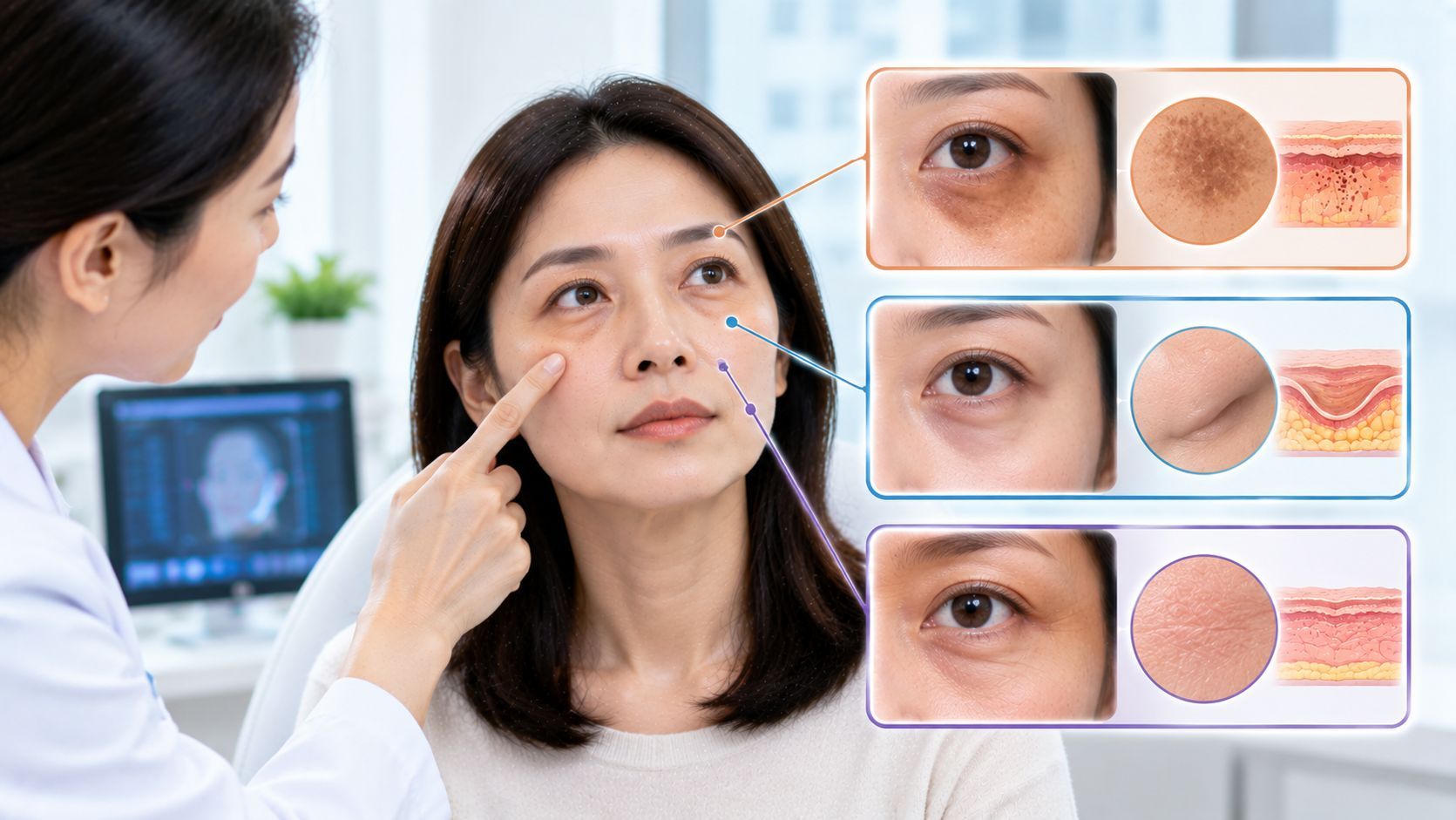
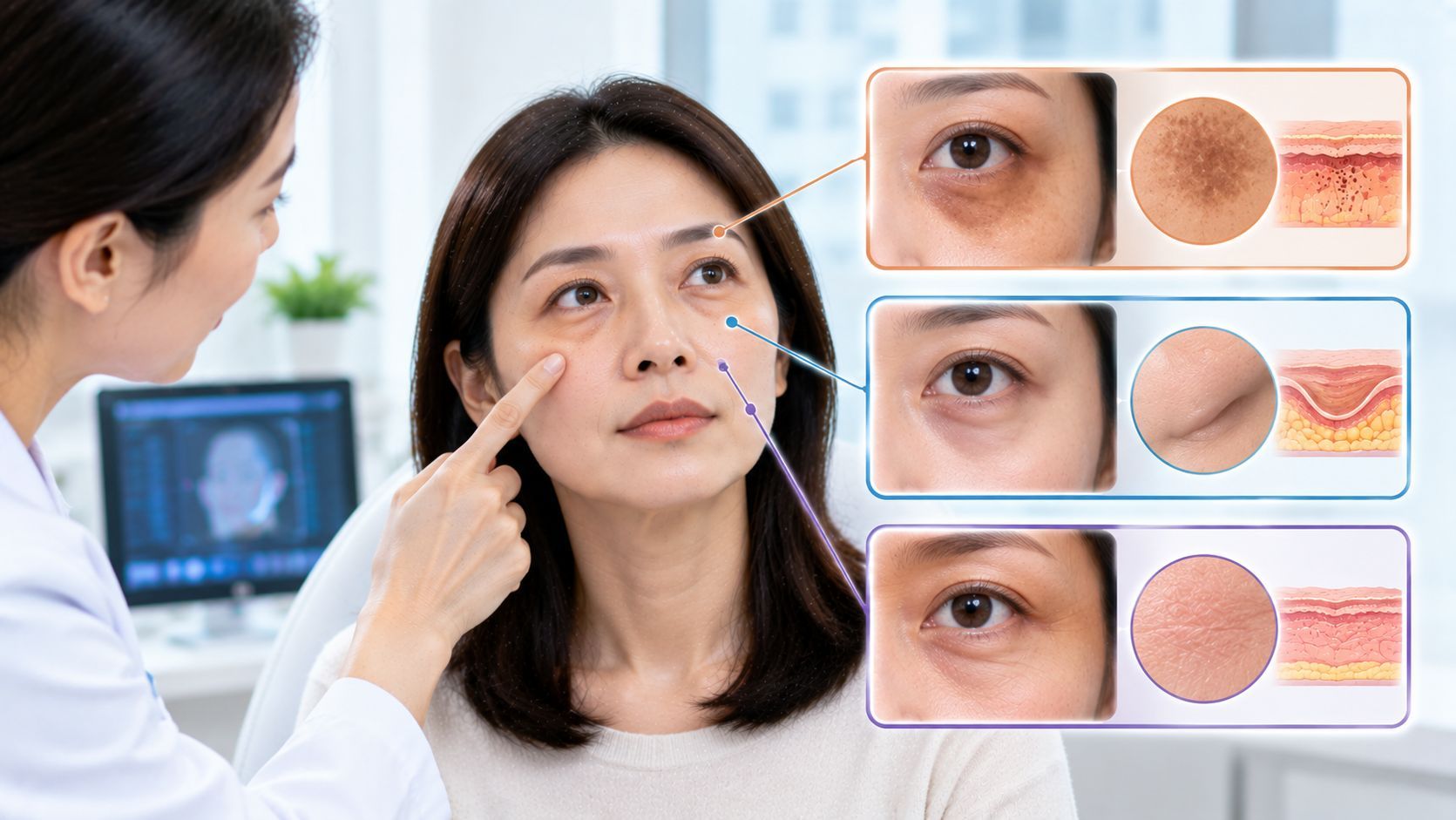
The cause of the darkness should be identified first. Pigmentation, vascular visibility, structural shadows, and thin skin can coexist, and each may require a different approach.
Can I get under-eye collagen treatment in Seoul and fly home soon afterward?
That depends on the treatment and your individual response. Swelling and bruising can occur after injectable procedures, so international patients should discuss recovery time and follow-up arrangements before scheduling treatment.