Why Did My Under-Eye Wrinkles Become More Noticeable After Botox?
Introduction
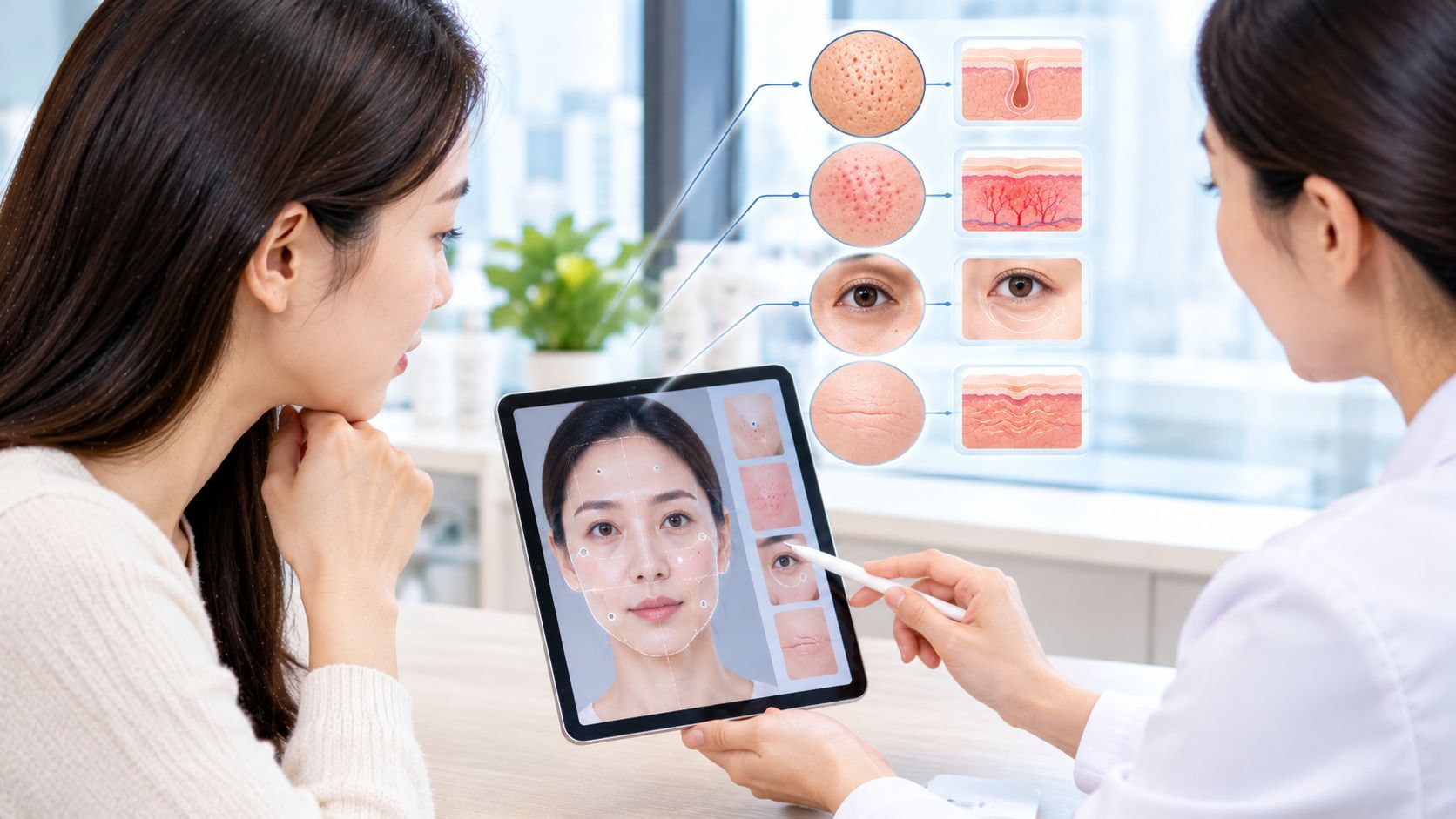
Botox can soften expression lines around the eyes, but some people notice that their under-eye wrinkles appear more visible after treatment. This can be confusing, especially when the original goal was to create a smoother, more rested appearance.
Usually, this does not mean that Botox suddenly created permanent wrinkles. Changes in muscle movement, skin folding, facial expression, swelling, or the way light falls across the lower eyelid can make existing lines more noticeable. In some cases, the treatment may also change how nearby muscles compensate during smiling.
The important question is why the wrinkles look worse. Once the cause is identified, the next step may simply be waiting for Botox to wear off, adjusting future treatment, improving skin quality, or addressing another underlying issue.
Why Can Botox Change the Appearance of Under-Eye Wrinkles?
Botox Changes Muscle Movement
Botulinum toxin temporarily reduces muscle activity by interfering with nerve signaling to treated muscles.
Around the eyes, this can change the way the orbicularis oculi muscle contracts during smiling and squinting.
When one part of the muscle moves less, nearby areas may appear to move differently.
This can make wrinkles in an adjacent area seem more prominent even though the skin itself has not suddenly aged.
Your Wrinkles May Have Been Hidden by Stronger Movement
Before Botox, multiple muscles may contract together during facial expressions.
After treatment, the movement pattern changes.
You may therefore notice a line that was already present but was previously less obvious.
This is one reason before-and-after photographs should be evaluated using similar facial expressions rather than comparing a relaxed photograph with a smiling one.
Can Botox Actually Cause New Wrinkles?
Botox does not generally cause the skin to suddenly develop permanent aging-related wrinkles.
However, the appearance of wrinkles can change after muscle relaxation.
For example, if the outer eye area moves less while another portion of the lower eyelid continues to contract during smiling, creases can become more concentrated in the remaining mobile skin.
This is sometimes described as a change in compensatory movement.
It does not necessarily mean the treatment was harmful or that the skin has been permanently damaged.
What If the Lines Are Directly Under the Eyes?
This is an important distinction.
Botox is commonly used for lateral eye wrinkles, often called crow's feet. The lower eyelid itself is more delicate and requires a different level of caution.
If the wrinkles are directly beneath the eyelashes or across the lower eyelid, treating the area with more Botox is not automatically the solution.
Too much weakening of the orbicularis oculi can potentially affect lower-eyelid support and function in susceptible individuals.
A review of periocular botulinum toxin treatment emphasizes that the technique must account for the anatomy and function of the muscles around the eye.
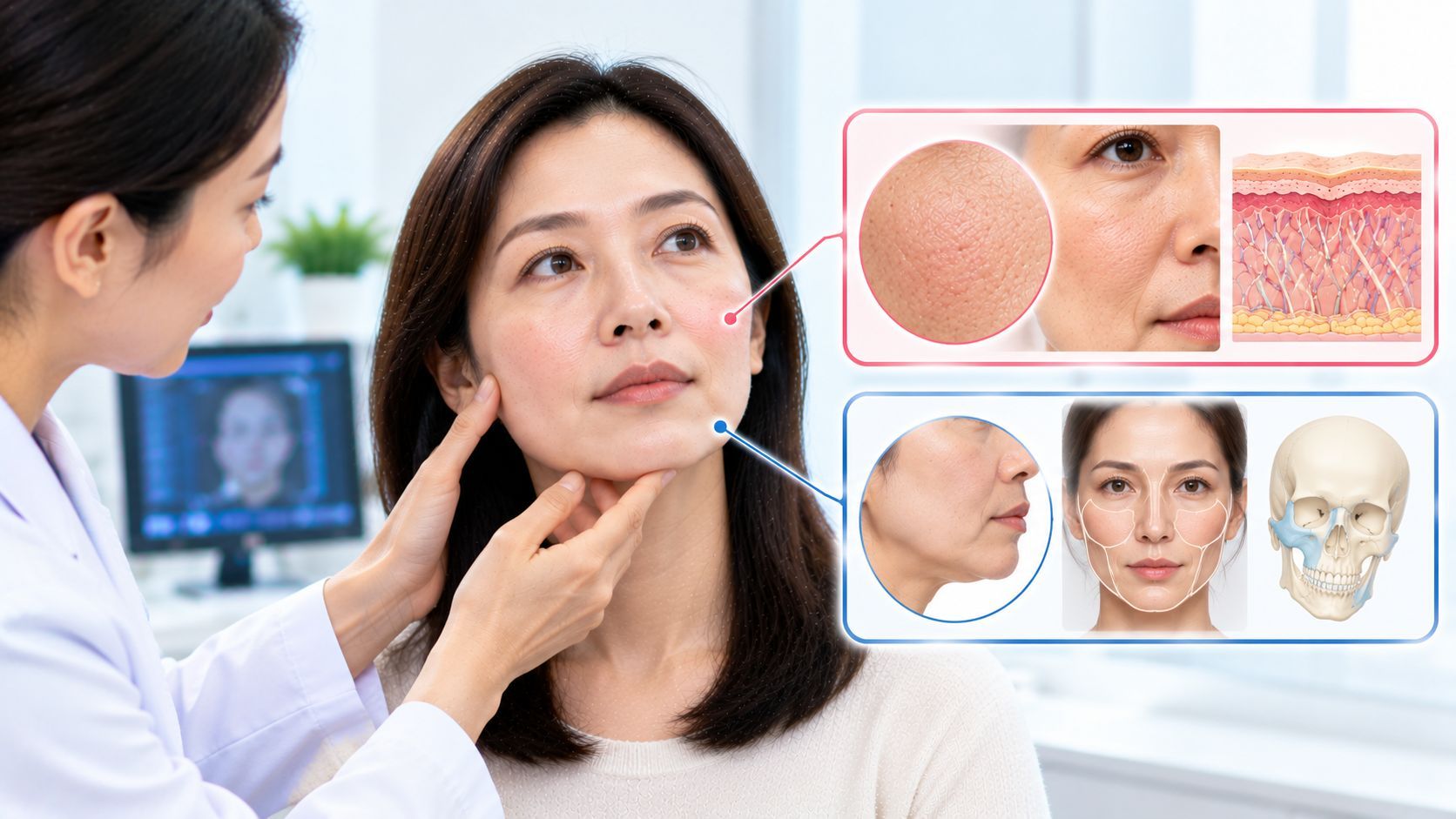
Could Lower-Eyelid Botox Make the Skin Look Looser?
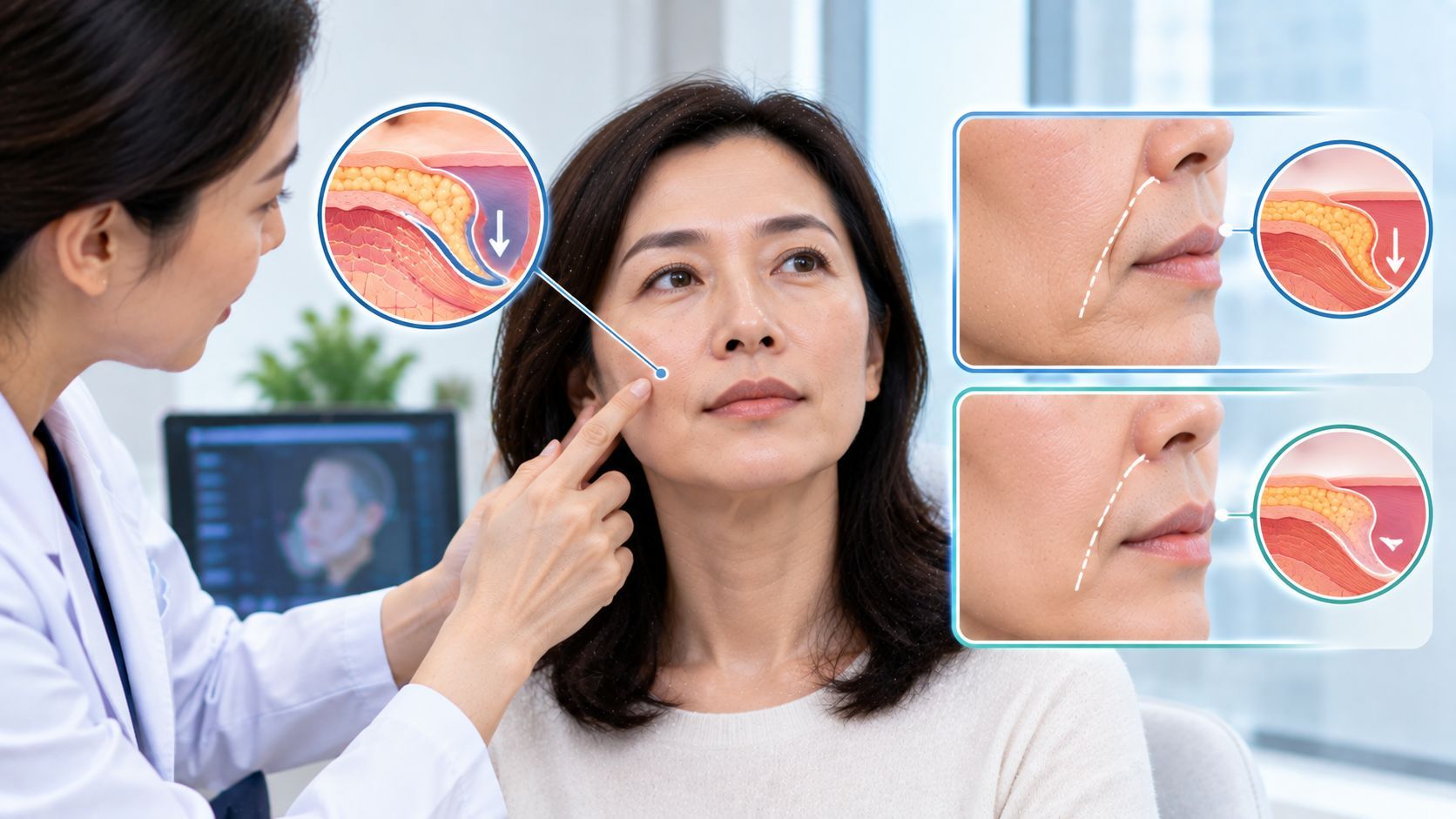
In selected patients, excessive or poorly placed weakening of the muscles around the lower eyelid can change the appearance of the eyelid.
The lower eyelid depends on several anatomical structures for its position and stability.
If you already have:
- Mild lower-eyelid laxity
- Thin skin
- Prominent under-eye bags
- Reduced muscle tone
- Previous eyelid surgery
- A tendency toward puffiness
then treatment requires particularly careful planning.
The objective should be to soften excessive dynamic movement without unnecessarily compromising normal eyelid function.
Could Dryness Make the Wrinkles Look Worse?
Yes.
Sometimes the Botox itself is blamed when the more obvious problem is skin quality.
Dry skin reflects light differently and can emphasize tiny surface creases. Makeup can also settle into these lines.
If you notice that the wrinkles are particularly visible:
- After cleansing
- After applying makeup
- In air-conditioned environments
- When the skin feels tight
- At the end of the day
then dehydration may be contributing.
In this situation, adding more Botox may not address the real issue.
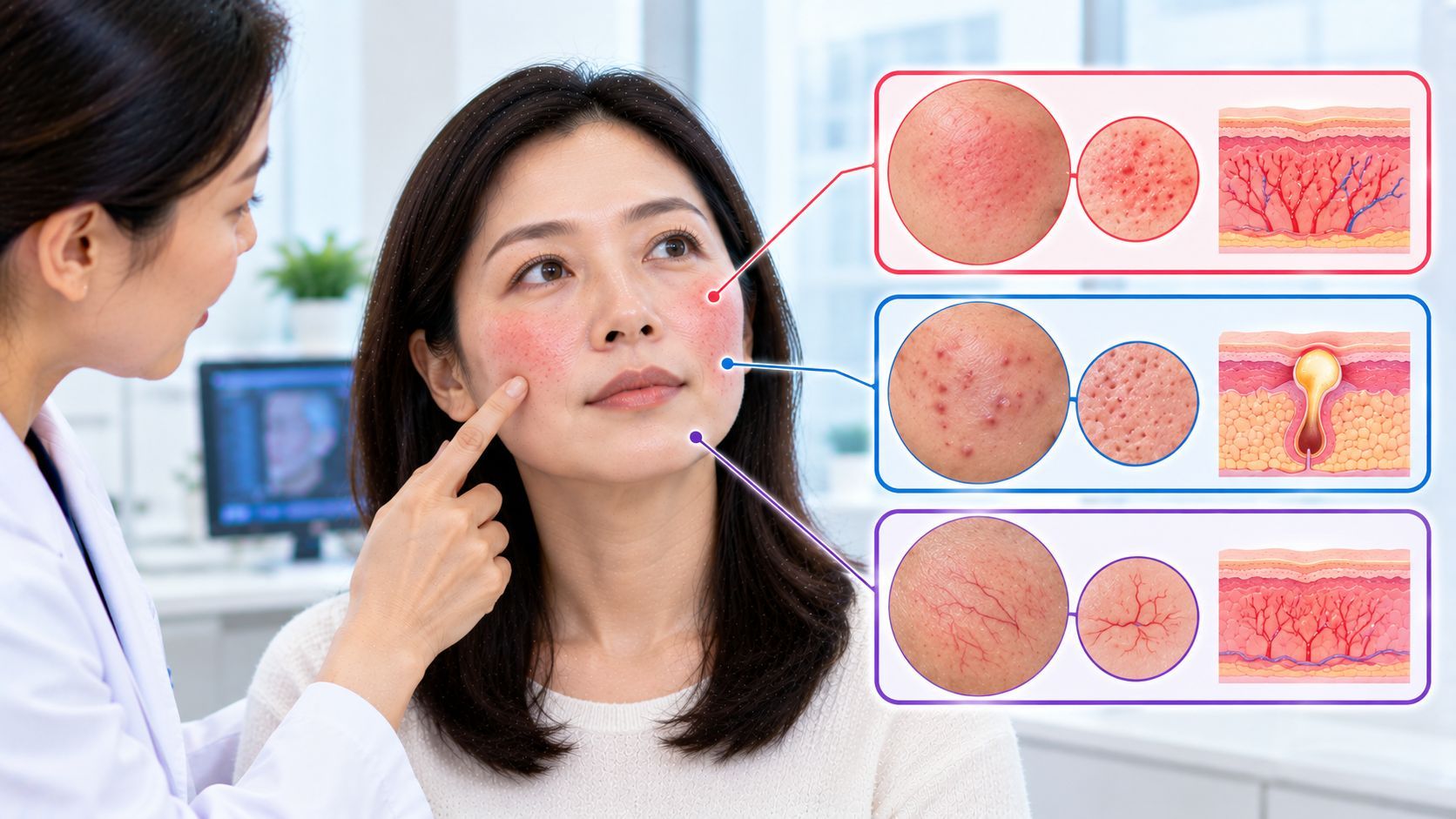
What If My Under-Eyes Look More Crepey After Botox?
Crepey skin is different from a single expression wrinkle.
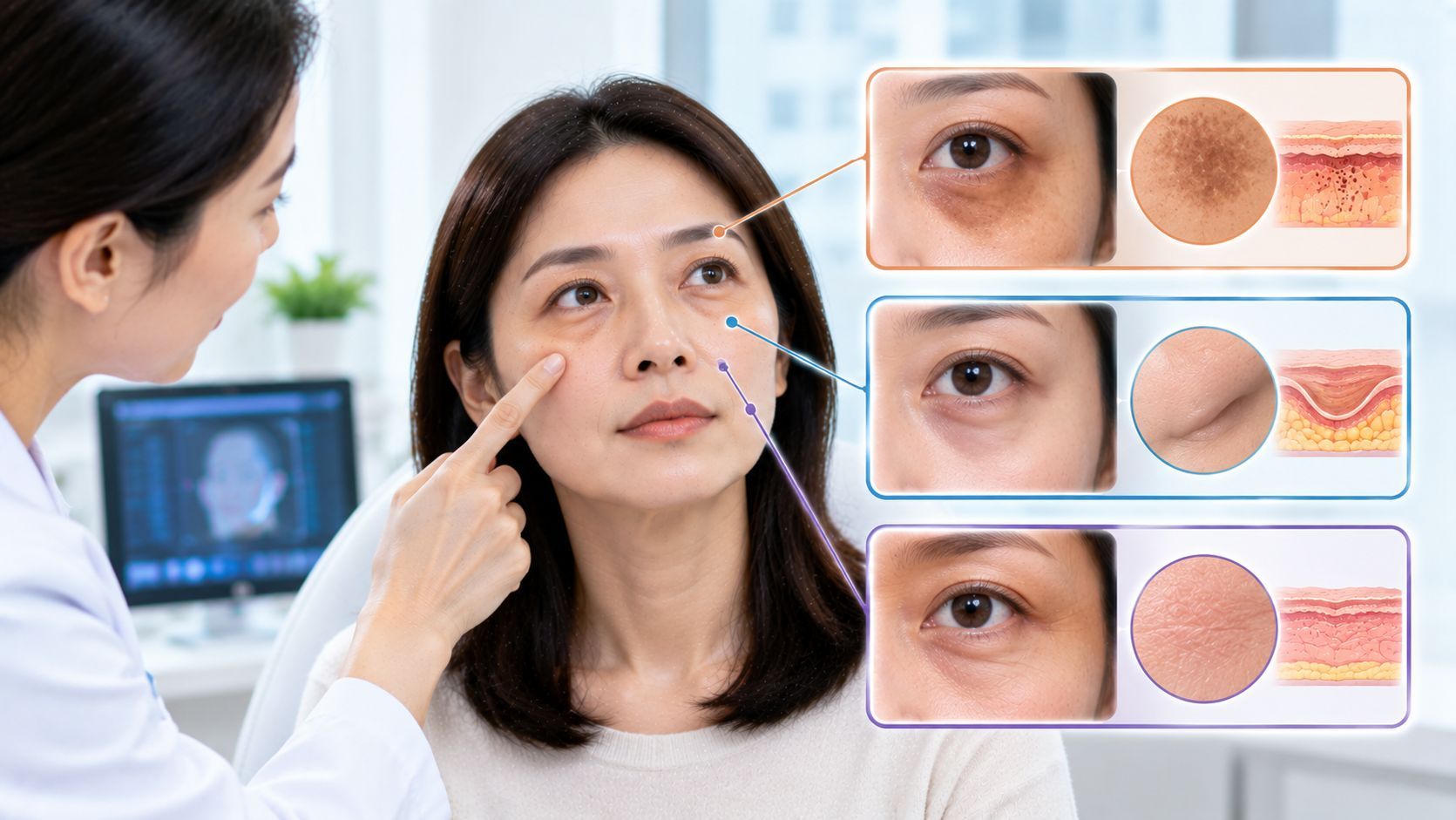
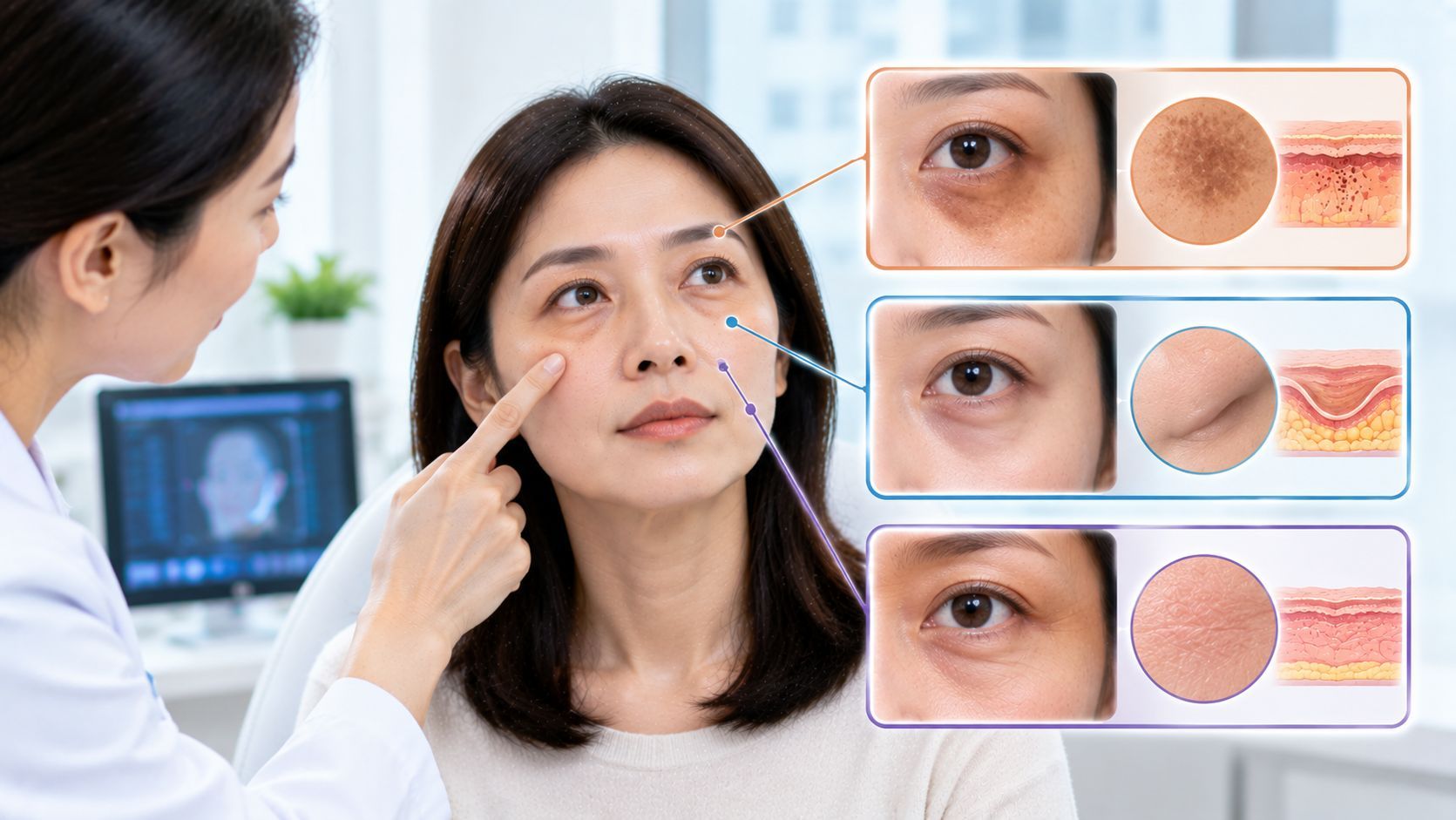
If the lower eyelid looks finely crinkled across a wider area, the problem may involve:
- Thin skin
- Reduced elasticity
- Photoaging
- Dehydration
- Age-related collagen changes
- Changes in underlying support
Botox reduces muscle activity. It does not directly restore lost collagen or repair photoaged skin.
For some patients, improving skin quality may therefore be more relevant than increasing muscle relaxation.
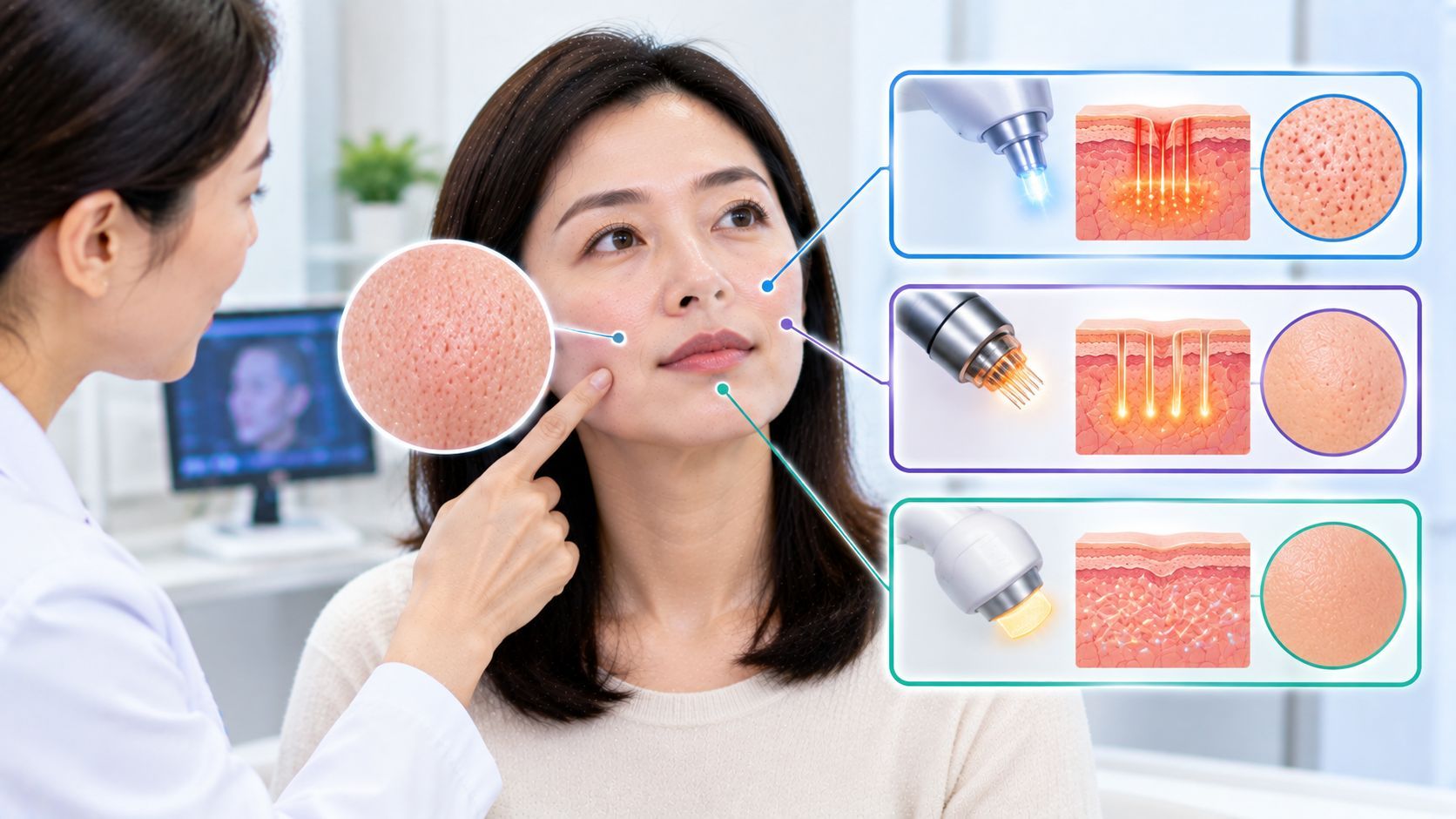
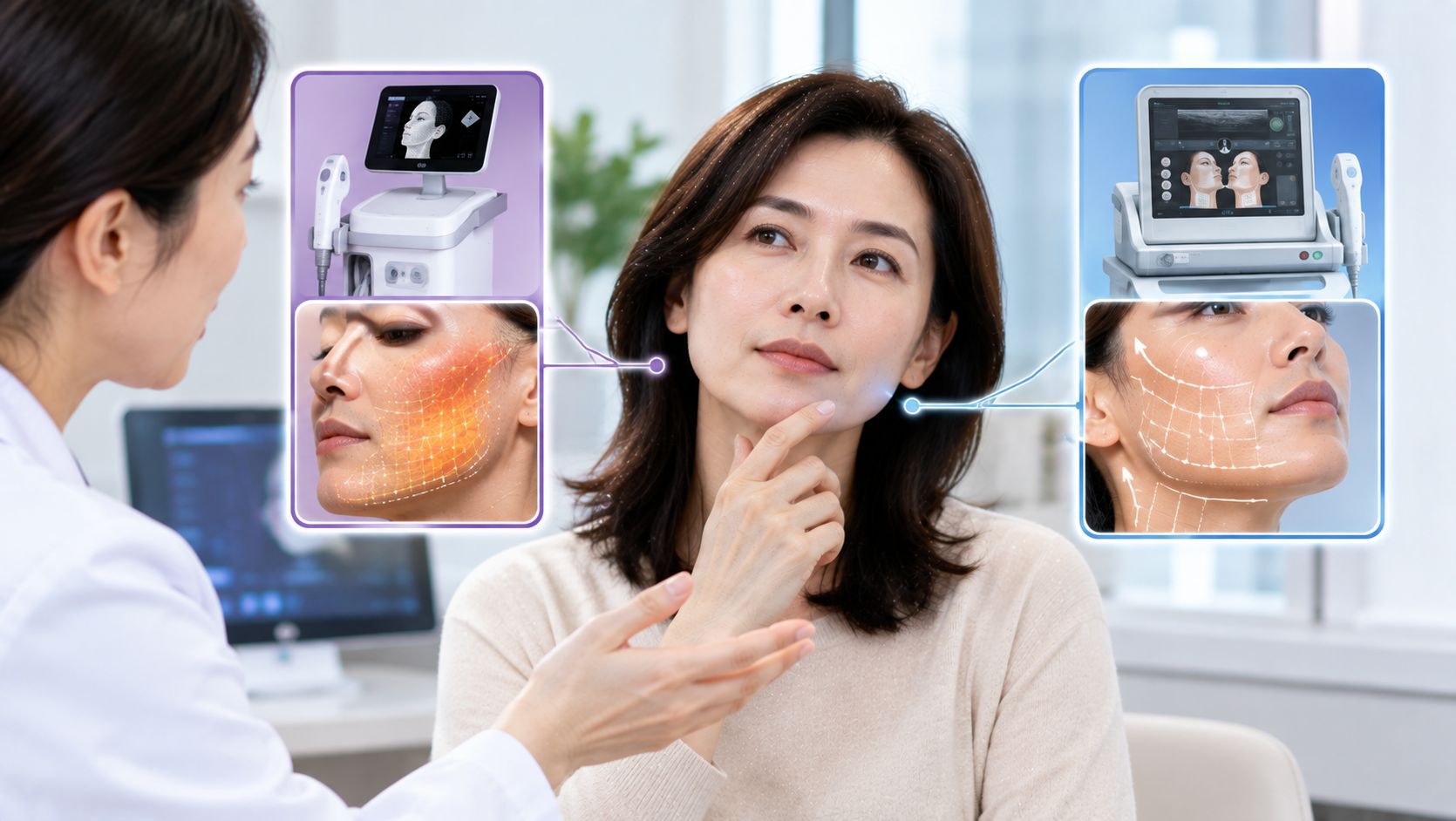
Depending on the individual, a dermatologist may discuss skincare, laser resurfacing, radiofrequency, microneedling, or selected regenerative/skin-quality treatments.
Should I Get More Botox to Fix the Wrinkles?
Not necessarily.
If wrinkles became more noticeable after Botox, automatically adding more toxin may make the situation more complicated.
A better approach is to determine whether the issue is:
- A temporary change in muscle movement
- A dosing or placement issue
- Pre-existing static wrinkles
- Dry or crepey skin
- Lower-eyelid laxity
- Puffiness or swelling
- A change in facial expression
- An unrelated under-eye problem
The treatment plan should follow the diagnosis.
How Long Will the Effect Last?
Botulinum toxin effects are temporary.
The visible effect generally develops over the first several days and reaches its stronger effect within approximately one to two weeks, although individual response varies.
Over subsequent months, nerve-muscle communication gradually recovers and muscle activity returns.
If your under-eye appearance changed after Botox but there are no concerning symptoms, your doctor may recommend observation while the treatment gradually wears off rather than attempting to immediately reverse it.
There is no medication that simply switches off the effect of Botox on demand.
What Can You Do While Waiting?
Avoid Repeatedly Treating the Area
Do not assume that every visible wrinkle requires another injection.
Give the initial treatment time to stabilize before making judgments about the final appearance.
Support Skin Hydration
Use a gentle moisturizer and avoid unnecessary irritation around the eyes.
Daily sun protection is also important because ultraviolet exposure contributes to long-term photoaging.
Photograph the Area Consistently
Take photographs:
- At rest
- With a gentle smile
- With a full smile
- In natural light
- From the same distance
This can help you and your doctor determine whether the change is actually present or primarily related to lighting and facial expression.
What If I Don't Like the Result?
The first step is usually reassessment rather than immediate correction.
Your doctor may evaluate:
- Where the Botox was injected
- How much was used
- When it was injected
- Which muscles were treated
- Your eyelid position
- Your expression at rest and during smiling
- Whether swelling is present
- Whether pre-existing skin laxity is contributing
If the problem is primarily caused by temporary muscle imbalance, waiting for the effect to diminish may be the most appropriate course.
If the underlying issue is skin quality, another treatment may eventually be considered.
Could Filler Fix Wrinkles After Botox?
Usually, filler should not be used simply because wrinkles are visible after Botox.
Filler primarily adds volume.
It may be appropriate when there is a genuine volume deficiency, but adding filler to thin or crepey lower-eyelid skin can potentially create unwanted fullness.
The under-eye region is particularly susceptible to edema and contour irregularities after filler.
Therefore, Botox-related wrinkle visibility should first be evaluated as a movement or skin-quality problem, rather than automatically treated with filler.
What About Laser or Skin-Quality Treatments?
If the lines remain after Botox begins wearing off, a dermatologist may evaluate whether skin resurfacing or another skin-quality approach could help.
Potential options can include:
- Fractional laser
- Carefully selected non-ablative laser
- Radiofrequency
- Microneedling
- Selected skin boosters
- Polynucleotide-based treatments
The appropriate option depends on your skin type, pigmentation risk, degree of laxity, and the exact location of the wrinkles.
No procedure should be selected simply because it is marketed as a collagen treatment.
What Should International Patients Do After Botox in Seoul?
If you receive Botox in Seoul and then return home, ask the clinic before treatment:
- Which muscles are being treated?
- What dose is planned?
- How long should I wait before judging the result?
- Who should I contact if the appearance changes unexpectedly?
- Is remote follow-up available after I leave Korea?
- What symptoms require urgent medical assessment?
Keep the treatment record, including the product name, injection areas, date, and dose if provided.
This information can be extremely useful if you later need assessment from another doctor.
When Should You Seek Medical Attention?
Some symptoms should not simply be attributed to Botox.
Seek prompt medical evaluation if you develop significant:
- Vision changes
- Double vision
- Severe eye pain
- Marked eyelid drooping
- Difficulty closing the eye
- Significant one-sided swelling
- New neurological symptoms
These findings require medical assessment rather than another cosmetic treatment.
Conclusion
If your under-eye wrinkles became more noticeable after Botox, the explanation may be a change in muscle movement rather than new permanent skin aging.
Botox can alter how facial muscles contract, and wrinkles may become more visible in areas that remain mobile. Dryness, crepey skin, lower-eyelid laxity, lighting, and pre-existing wrinkles can also contribute.
The solution is not automatically more Botox or filler. A proper reassessment can determine whether the best approach is simply waiting for the effect to diminish, modifying future injections, improving skin quality, or addressing another underlying cause.
For patients receiving cosmetic treatments in Seoul, keeping detailed treatment records and arranging appropriate follow-up is particularly useful when you will be traveling soon after the procedure.
Frequently Asked Questions
Can Botox make under-eye wrinkles worse?
It can change how wrinkles appear by altering muscle movement. Existing lines may become more noticeable in areas that remain mobile, but this does not necessarily mean Botox has permanently damaged the skin.
How long will under-eye changes from Botox last?
The effect is temporary and gradually decreases as normal nerve-muscle communication returns. The exact duration varies between individuals and treatment areas.
Should I get more Botox if wrinkles appear after treatment?
Not automatically. More Botox may further alter muscle movement. Your doctor should first determine why the wrinkles became more noticeable.
Can filler fix under-eye wrinkles after Botox?
Filler is not primarily a wrinkle treatment. It adds volume and is generally more appropriate when structural volume loss contributes to the problem.
Can laser help wrinkles that remain after Botox?
Selected laser treatments may improve fine lines and photoaged skin. Whether they are appropriate depends on your skin type and the cause of the wrinkles.
Is it normal for my eyes to look different when I smile after Botox?
A change in facial movement can occur because Botox temporarily alters muscle activity. If the change is pronounced or accompanied by eyelid dysfunction, contact your treating clinician for assessment.