My Under-Eye Skin Looks Transparent. Can Anything Make It Thicker?
Introduction
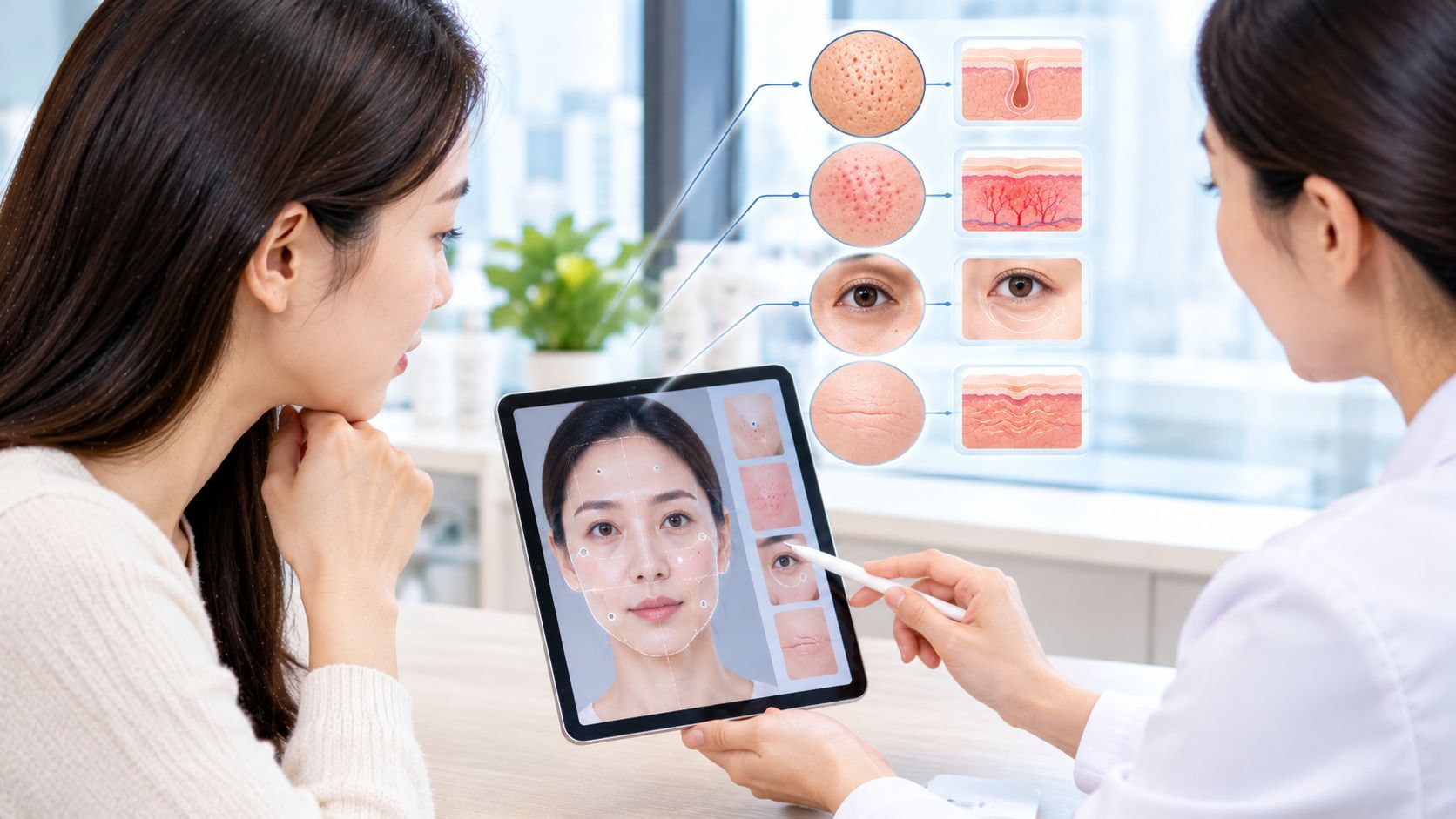
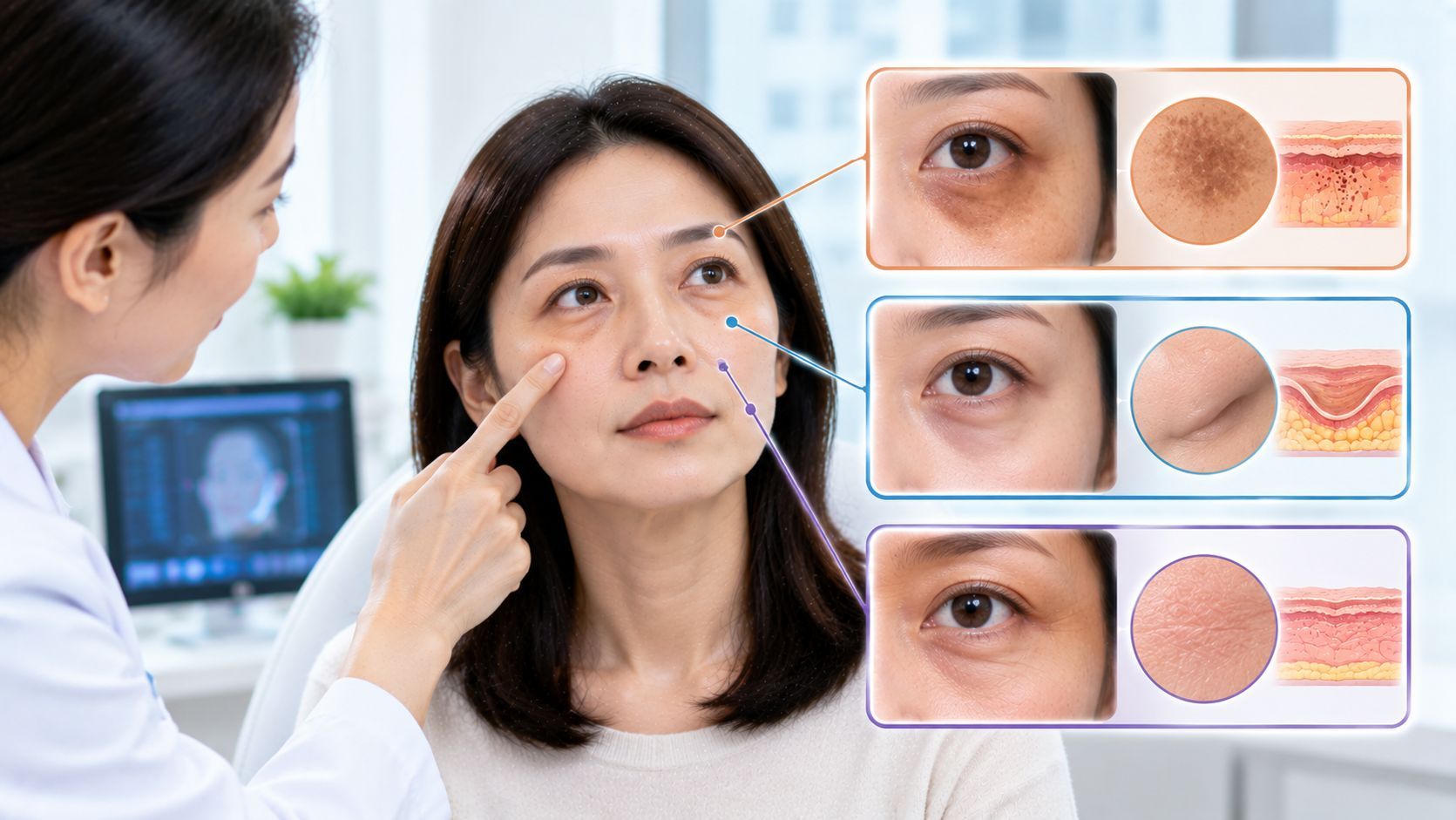
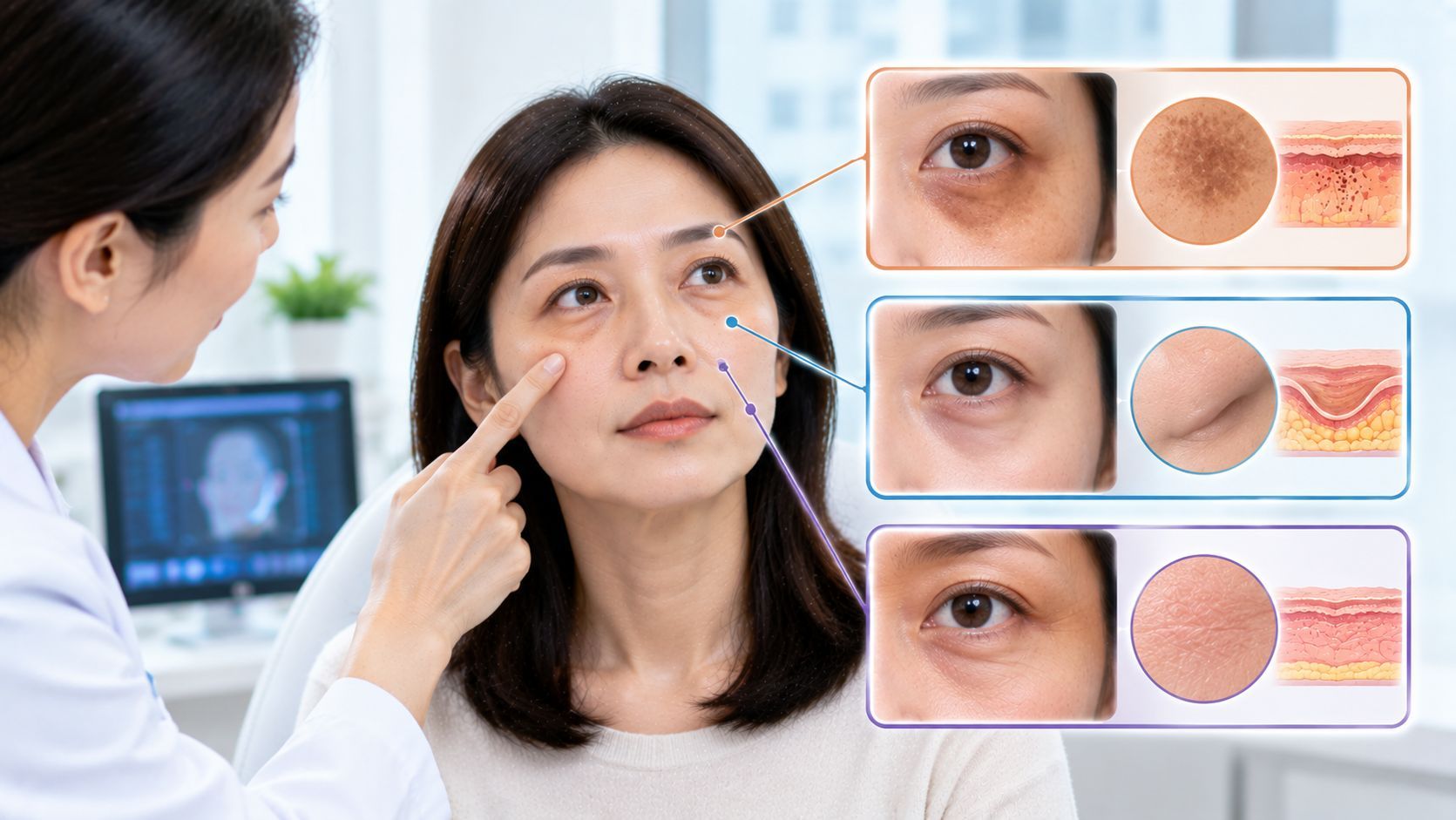
When the skin beneath your eyes starts looking almost transparent, you may notice blue or purple tones, tiny blood vessels, shadows, fine lines, and a generally more fragile appearance. This can make the eyes look tired even when you are well rested.
Thin under-eye skin is common because the periorbital area has relatively delicate tissue. Aging, sun exposure, genetics, dryness, and changes in collagen and elastin can make this appearance more noticeable over time. The important point is that you usually cannot simply “thicken” the under-eye skin with one treatment. Instead, treatment aims to improve skin quality, hydration, texture, or structural support depending on the underlying cause.
Why Does Under-Eye Skin Become So Thin?
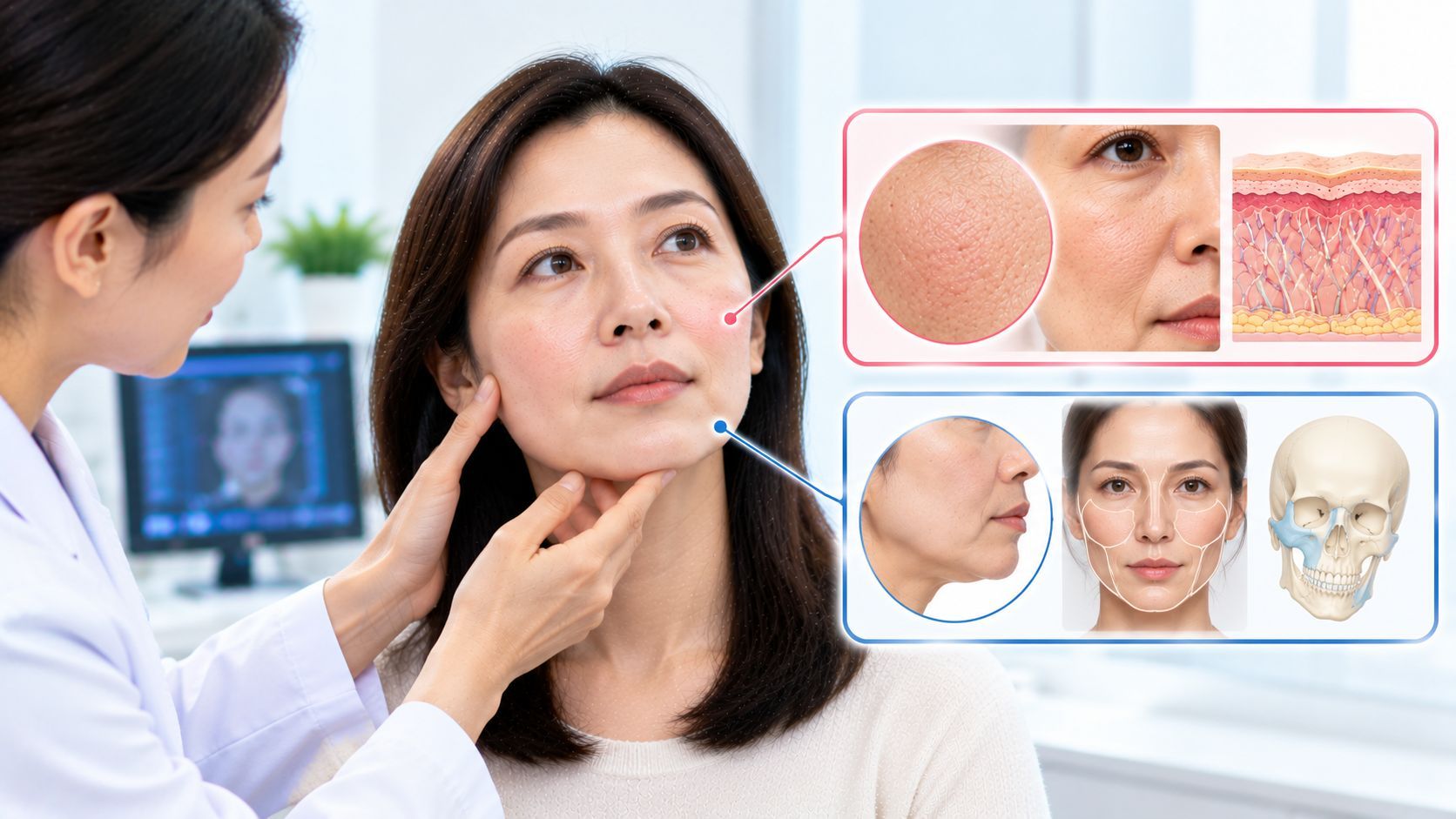
Age-Related Collagen Changes
As skin ages, collagen and elastin gradually change. The lower eyelid may become more finely wrinkled and less resilient.
Because the skin is already delicate in this area, relatively small changes can become visually obvious.
Sun Damage
Cumulative ultraviolet exposure contributes to photoaging. Over time, this can affect collagen, elasticity, pigmentation, and skin texture.
Even if you have protected your face reasonably well, the eye area can receive significant incidental sun exposure.
Genetics and Natural Anatomy
Some people naturally have very thin, translucent lower-eyelid skin.
If your parents have prominent veins or naturally delicate skin around their eyes, genetics may contribute significantly to your appearance.
Loss of Soft-Tissue Support
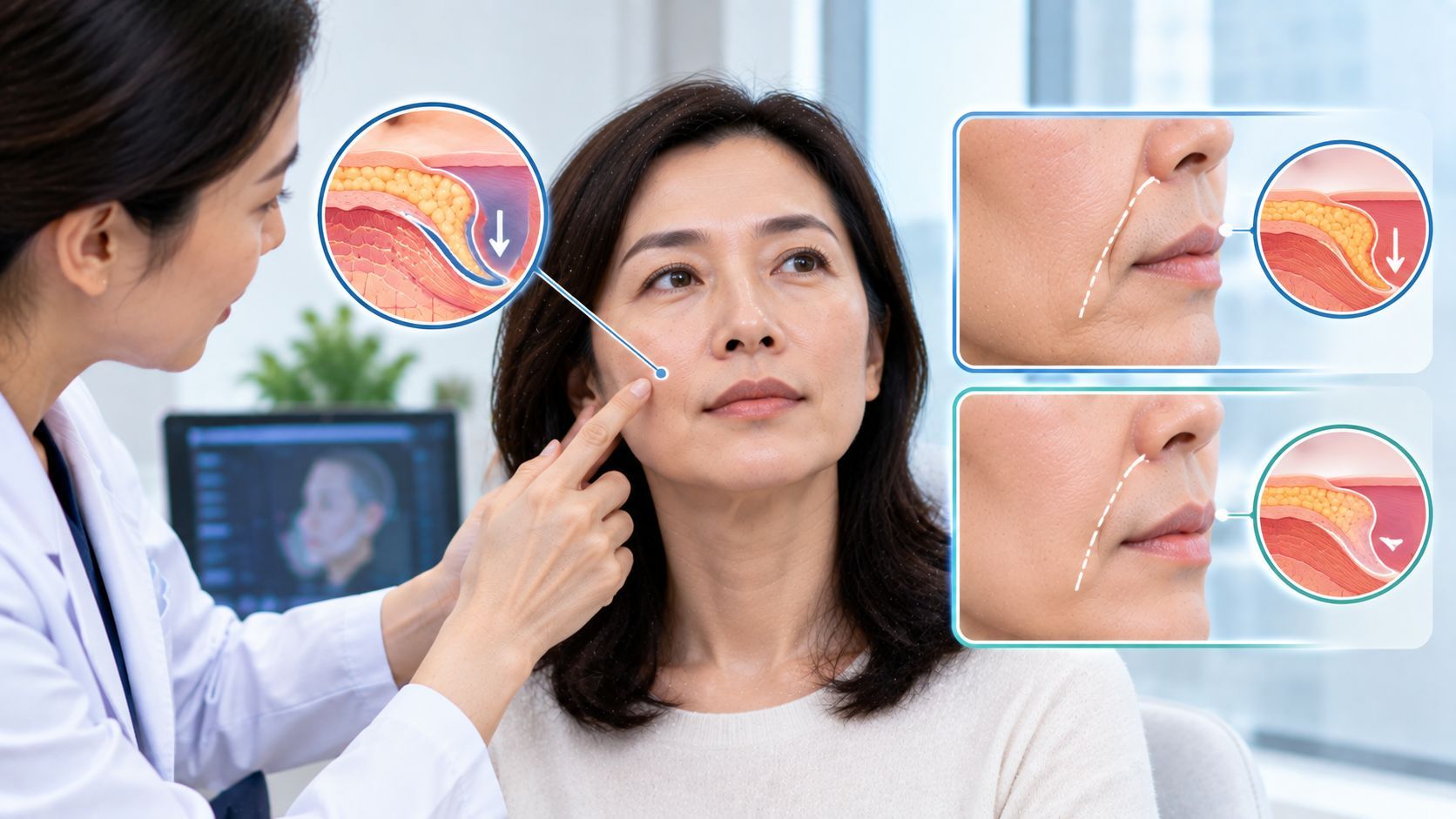
The appearance of the lower eyelid is not determined by skin thickness alone. Changes in fat compartments, ligaments, muscle, and the underlying bone can alter how light and shadows interact with the area.
This means that what appears to be “transparent skin” may sometimes actually be a combination of thin skin and changing underlying anatomy.
Can You Actually Make Under-Eye Skin Thicker?
You may be able to improve its quality and appearance, but treatment does not literally turn thin eyelid skin into thick skin.
The goal is generally to improve hydration, texture, collagen remodeling, or the overall quality of the skin.
The most appropriate treatment depends on why the skin looks thin in the first place.
Can Skincare Improve Transparent-Looking Under-Eyes?
Moisturization
Dehydrated skin often emphasizes fine lines and surface irregularities.
A gentle moisturizer designed for the eye area can improve hydration and make the surface appear smoother. This does not permanently increase anatomical skin thickness, but better hydration can make delicate skin look healthier.
Sun Protection
Consistent broad-spectrum sunscreen is one of the most important long-term measures for protecting against photoaging.
Sunglasses and physical sun protection can also reduce direct ultraviolet exposure around the eyes.
Retinoids
Retinoid-based products can support collagen remodeling and are commonly used for photoaging. However, the lower eyelid is particularly sensitive.
Using a retinoid too aggressively can cause irritation, dryness, and peeling, which can temporarily make the area look worse.
A dermatologist can advise whether a particular retinoid, concentration, and application pattern is appropriate.
What About Laser Treatment?
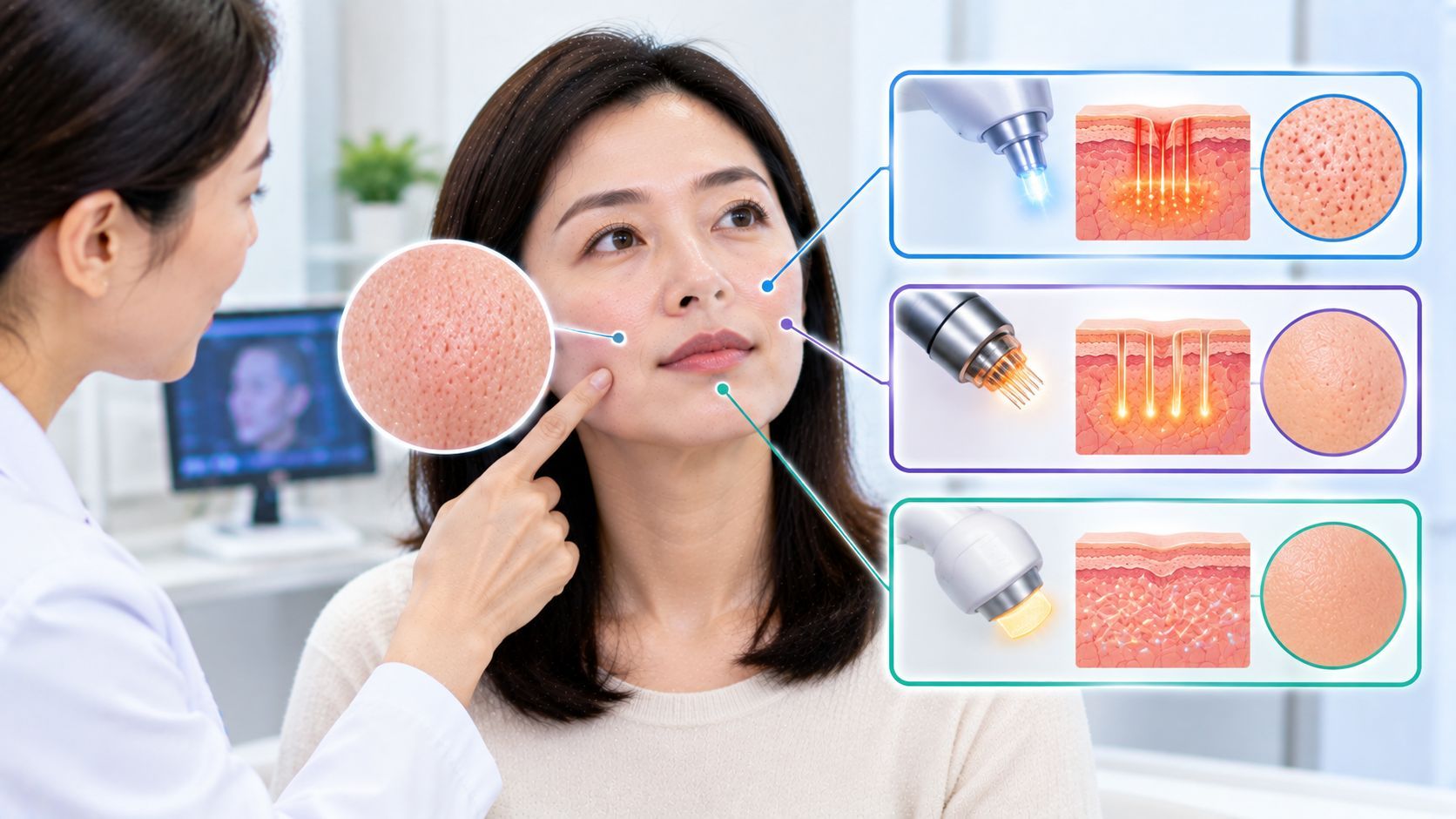
Laser treatment may be considered when thin-looking skin is accompanied by fine lines, photodamage, pigmentation, or poor surface texture.
Depending on the laser and settings, controlled treatment can stimulate skin remodeling.
However, the eye area requires special care. The appropriate wavelength, energy, treatment depth, and protective measures depend on the device and the patient's skin type.
Laser is therefore not simply a way to “make the skin thicker.” It is better understood as a potential skin-remodeling treatment for selected problems.
Patients prone to pigmentation should also discuss the risk of post-inflammatory hyperpigmentation before treatment.
Can Radiofrequency Help Thin Under-Eye Skin?
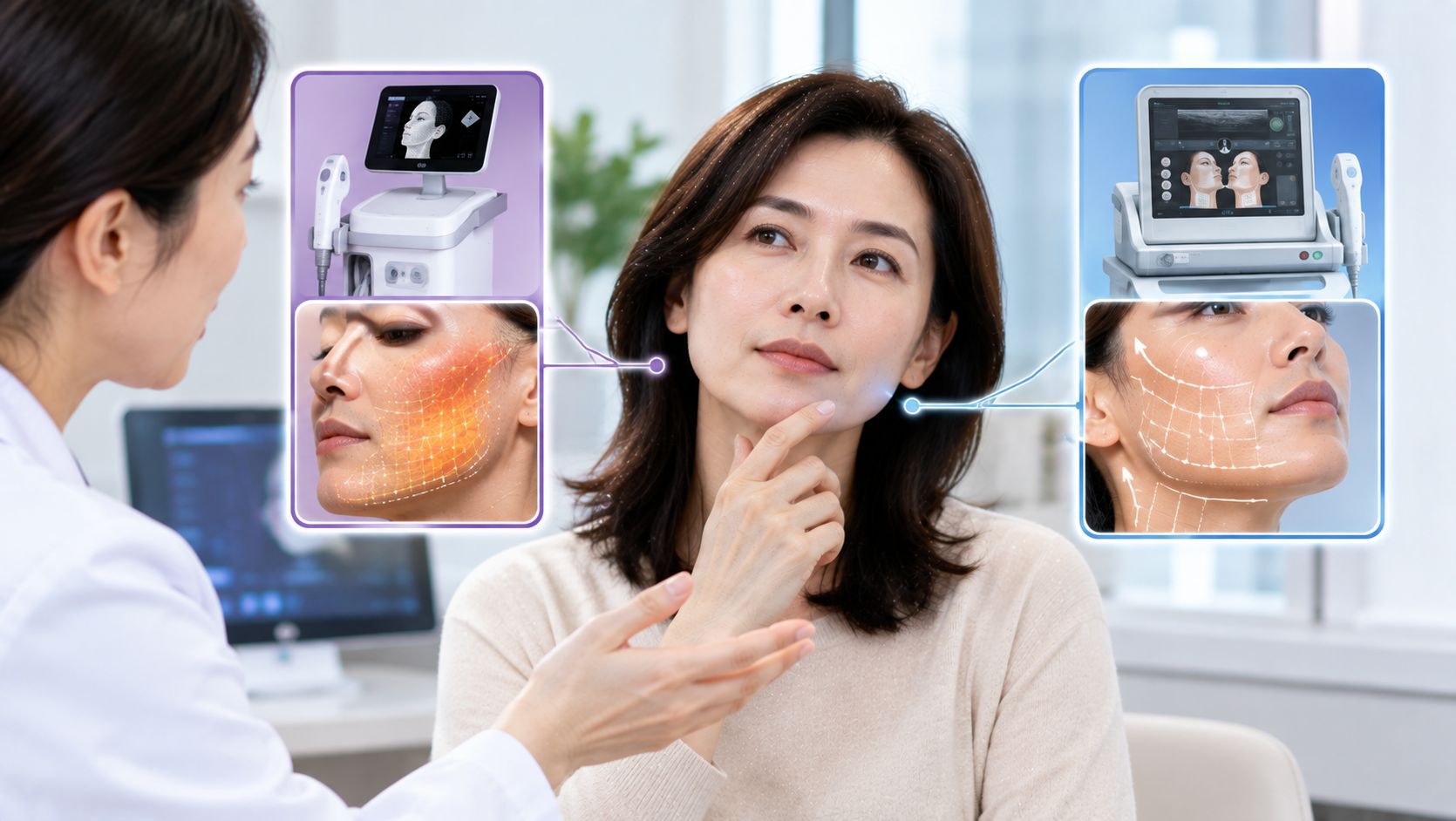
Selected radiofrequency treatments may be considered for mild laxity and skin-quality concerns.
RF works by delivering controlled energy to tissue, with the treatment designed to produce a thermal response that can stimulate remodeling.
But more energy is not necessarily better around the eyes.
The lower eyelid has delicate anatomy, so treatment should be appropriately tailored rather than using settings designed for thicker areas of the face.
What About Polynucleotides and Skin Boosters?
Skin-quality treatments have become increasingly popular for patients who do not want traditional filler.
Polynucleotide-based treatments, for example, are being investigated for improving aspects of skin quality, including hydration and texture. Recent reviews suggest potential benefits for periocular skin, but the evidence is still developing and treatment protocols are not completely standardized.
Similarly, some injectable skin boosters are designed primarily for hydration or skin quality rather than adding significant structural volume.
This distinction is important.
Skin-quality treatment is not the same thing as filler.
If your concern is transparent, crepey skin rather than a deep hollow, adding substantial volume may not be the most appropriate approach.
Could Under-Eye Filler Make Thin Skin Look Better?
Sometimes filler can improve the appearance of a genuine tear-trough depression, but it should not automatically be used to treat thin skin.
If the problem is primarily transparency, pigment, or visible vessels, filler may fail to correct the underlying issue.
Furthermore, the infraorbital area is susceptible to swelling, edema, contour irregularities, and blue-gray discoloration after filler. These complications can make an already delicate area appear less natural.
Therefore, thin-looking under-eye skin does not automatically mean you need filler.
A physician should first determine whether volume loss is actually contributing to the appearance.
What If I Can See Blue Veins?
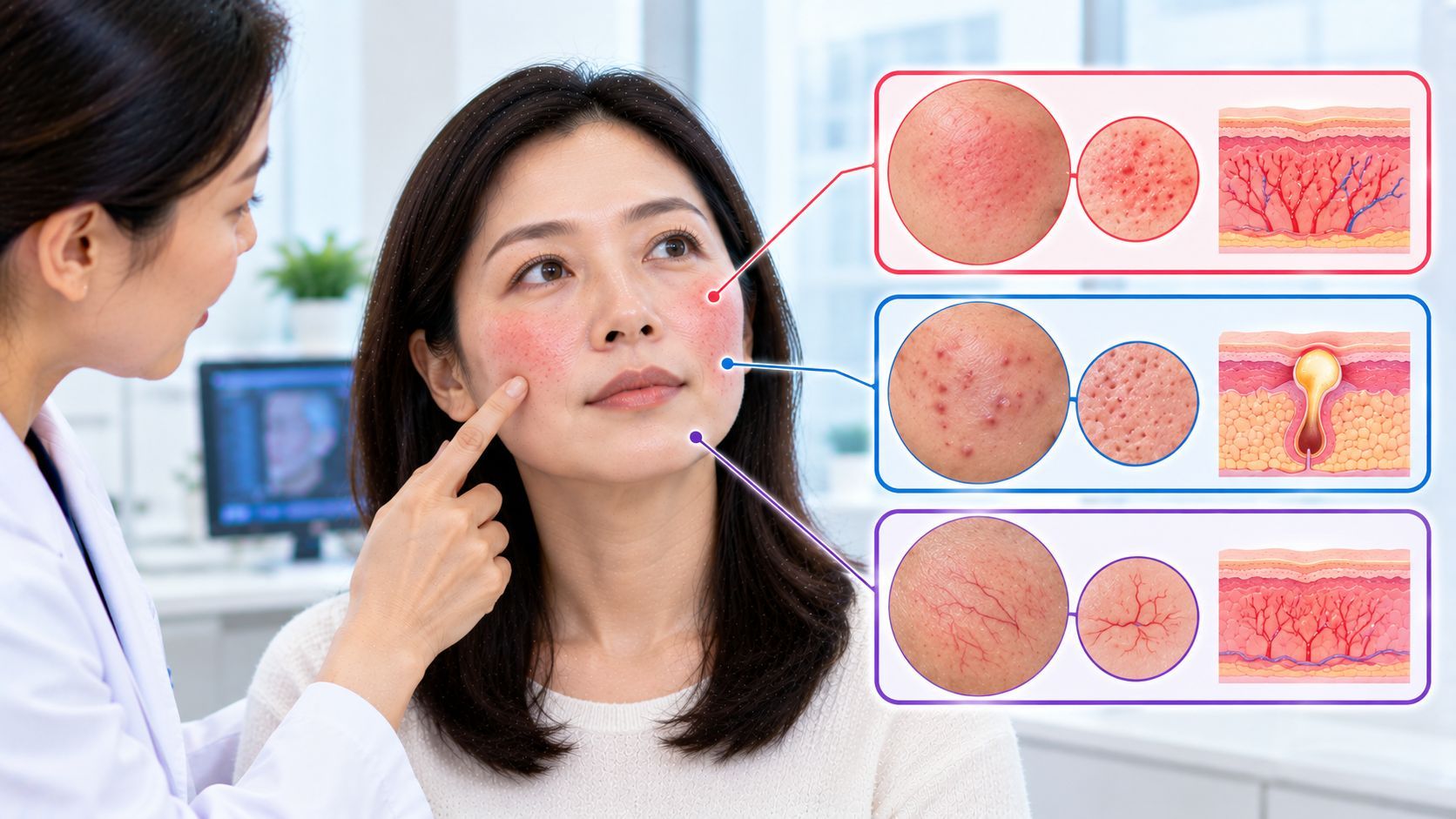
Visible blue or purple veins can become more apparent when the overlying skin is very thin.
In that situation, increasing skin quality may help the overall appearance, but it will not necessarily eliminate visible vessels.
A dermatologist may determine whether the color is primarily vascular, pigmented, structural, or mixed before considering treatment.
This is especially important because different causes require different approaches.
What If the Skin Looks Transparent and Hollow?
This is where diagnosis becomes particularly important.
You may have:
- Thin skin
- A tear-trough depression
- Visible vessels
- Mild pigmentation
- Loss of soft-tissue support
- A combination of these factors
The lower eyelid's appearance can result from several anatomical components rather than one isolated problem. Research on infraorbital anatomy has identified factors including orbital fat, soft-tissue changes, muscle activity, and changes in the underlying bony structure as contributors to the appearance of infraorbital grooves.
If a genuine hollow is present, carefully selected volume restoration may be considered. If the skin itself is the primary problem, however, skin-quality treatment may be more appropriate.
What Treatment Approach Makes Sense for Different Problems?
Main concernTreatments that may be consideredDry, finely lined skinMoisturization, skincare, selected skin-quality treatmentsPhotoaged skinSun protection, selected laser or resurfacingMild crepiness/laxitySelected RF or other energy-based treatmentsVisible vesselsAssessment for vascular treatmentPigmentationPigment-focused skincare or selected proceduresTrue tear-trough hollowCarefully selected volume restorationSignificant eyelid laxity or fat prominenceSpecialist/oculoplastic assessment
This is only a framework. A consultation is necessary to determine whether a particular treatment is appropriate for an individual.
How Should You Prepare for a Seoul Under-Eye Consultation?
If you are visiting Seoul for treatment, bring information about previous procedures, especially:
- Under-eye filler
- Cheek filler
- Botox
- Laser treatments
- RF treatments
- Skin boosters
- Polynucleotide treatments
If you know the product name and approximate date, provide that information.
It is also useful to show photographs taken in natural light. A photograph under strong overhead lighting can exaggerate transparency, veins, hollows, and wrinkles.
Tell the doctor specifically:
“My main concern is that the skin looks transparent and thin. I don't necessarily want more volume.”
That helps distinguish a skin-quality concern from a request for conventional filler.
What Should You Avoid?
Avoid aggressively rubbing or exfoliating the under-eye area.
Be cautious with strong acids, retinoids, bleaching agents, or other potentially irritating products around the eyes.
You should also be careful about choosing a treatment solely because someone describes it as “collagen boosting.” Different procedures affect different tissue depths and have different evidence, risks, and indications.
The goal should be appropriate remodeling, not maximum stimulation.
When Should You Seek Medical Assessment?
If the appearance changes suddenly or is accompanied by significant swelling, redness, pain, discharge, a new lump, or visual symptoms, seek medical evaluation rather than treating it as ordinary cosmetic aging.
A sudden change in one eye can require a different type of assessment.
Conclusion
Transparent-looking under-eye skin can result from natural anatomy, aging, collagen changes, photoaging, dehydration, or underlying structural changes.
You may be able to improve its appearance through better hydration, sun protection, carefully selected skincare, laser, radiofrequency, or newer skin-quality treatments. However, there is no universal procedure that simply makes the delicate lower-eyelid skin permanently thick.
If you also have a genuine tear-trough hollow, volume restoration may have a role. If the problem is mainly transparency or visible vessels, however, filler may not address the underlying cause.
For patients considering treatment in Seoul, the most useful first step is a detailed assessment of skin quality, pigmentation, vascular visibility, laxity, and facial structure before deciding which procedure to use.
Frequently Asked Questions
Can thin under-eye skin become thicker naturally?
Age-related skin changes generally cannot be completely reversed naturally. However, hydration, sun protection, and appropriate skincare can improve the appearance and help protect skin quality.
Does filler thicken under-eye skin?
Filler primarily adds volume rather than simply thickening the skin. It may improve a genuine hollow but is not automatically appropriate for transparent-looking skin.
Can Rejuran or polynucleotides help thin under-eye skin?
Polynucleotide treatments are being studied for periocular skin quality and may improve certain aspects of texture and hydration. Evidence is still developing, so results should not be presented as guaranteed.
Can laser make under-eye skin thicker?
Some laser treatments stimulate remodeling and may improve fine lines and photoaged skin. They do not literally transform thin eyelid skin into thick skin, and treatment must be carefully tailored to the eye area.
Why can I suddenly see veins under my eyes?
As the skin becomes thinner or more translucent, underlying blood vessels can become more visible. Lighting, hydration, temperature, and individual anatomy can also affect how prominent they appear.
Should I get filler or a skin-quality treatment?
That depends on whether your main problem is volume loss or skin quality. If the area is primarily thin and transparent without a meaningful hollow, a physician may consider skin-quality approaches before adding volume.