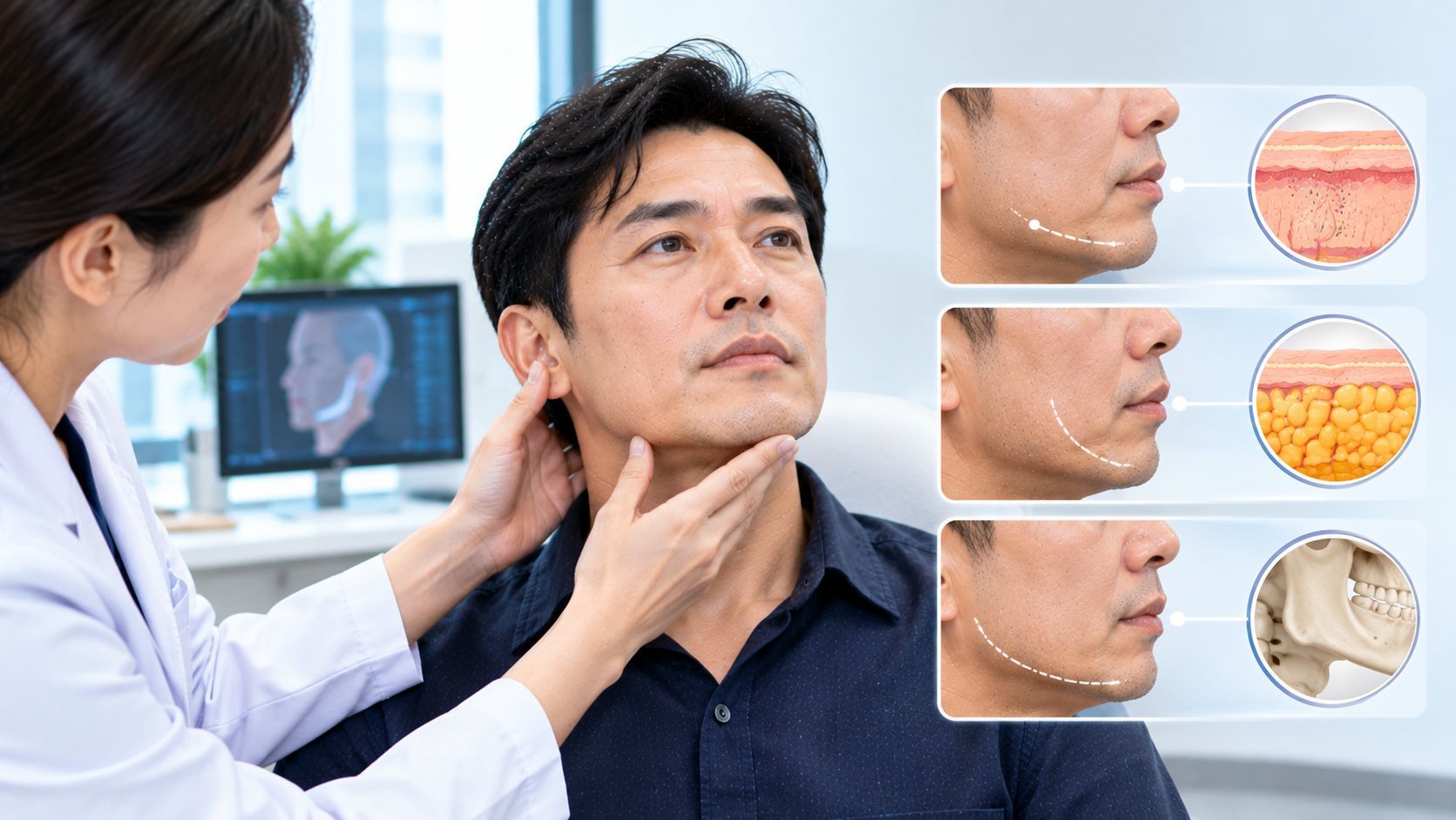
My Face Became Much Thinner After Menopause. What Treatments Can Restore a Healthier Look?
Introduction
If your face became noticeably thinner after menopause, you may feel that you suddenly look more tired, hollow, or older even though your weight and lifestyle have not changed dramatically. Menopause can bring significant changes to the skin, including dryness, thinning and reduced firmness. Collagen loss can also contribute to sagging, jowls and more visible facial lines.
A thinner-looking face, however, does not automatically mean you need more filler. The best approach depends on where volume has been lost, how much skin laxity is present, and whether changes in skin quality are also contributing to the older appearance.
What Causes Facial Thinning After Menopause?
Hormonal Changes Affect Skin Structure
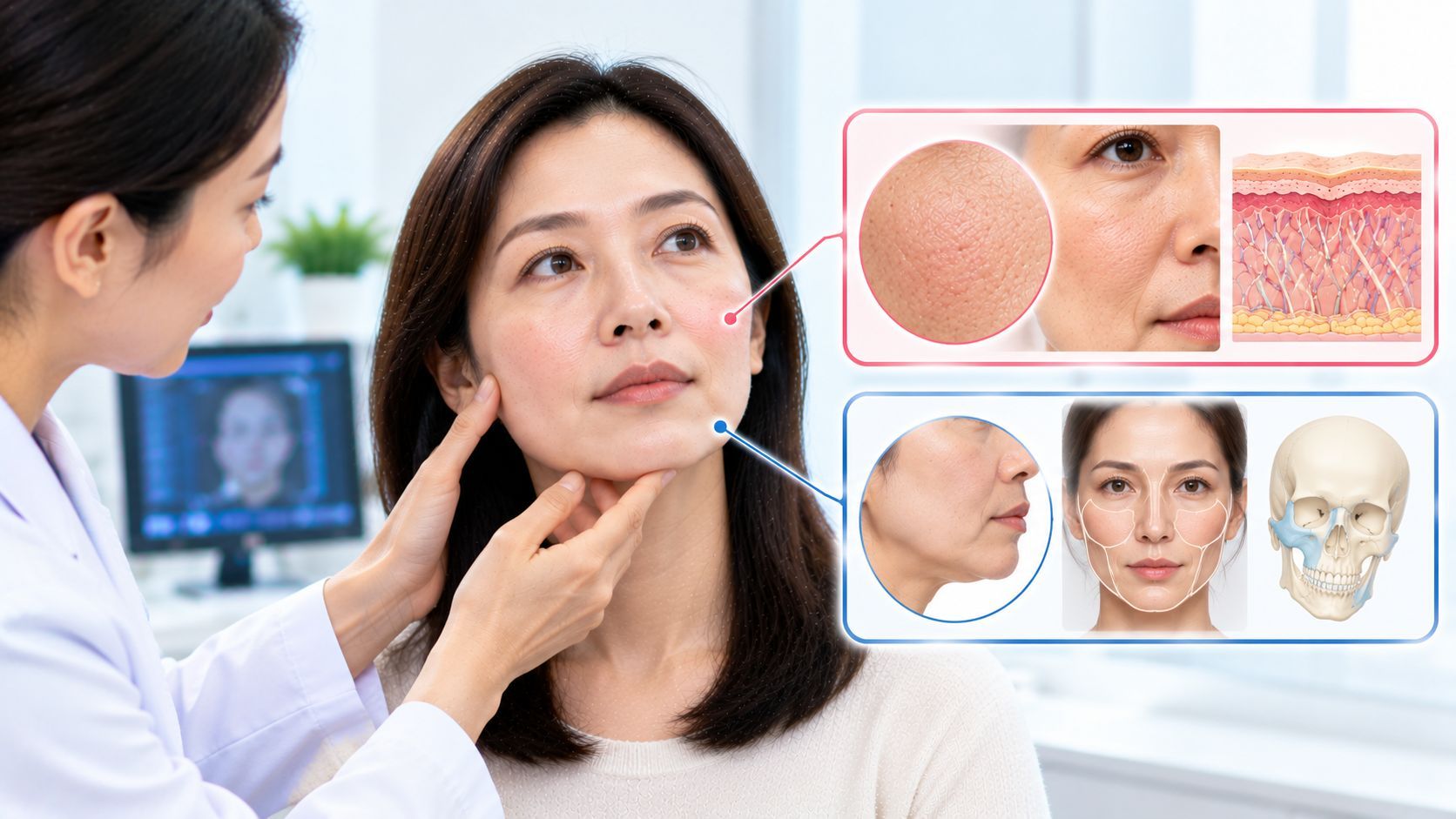
During menopause, declining hormone levels can contribute to skin becoming drier, thinner and less firm. The American Academy of Dermatology also notes that collagen loss can contribute to sagging and jowls during menopause.
These changes can alter the appearance of the entire face rather than producing one isolated wrinkle.
You may notice:
- Flatter cheeks
- More visible temples
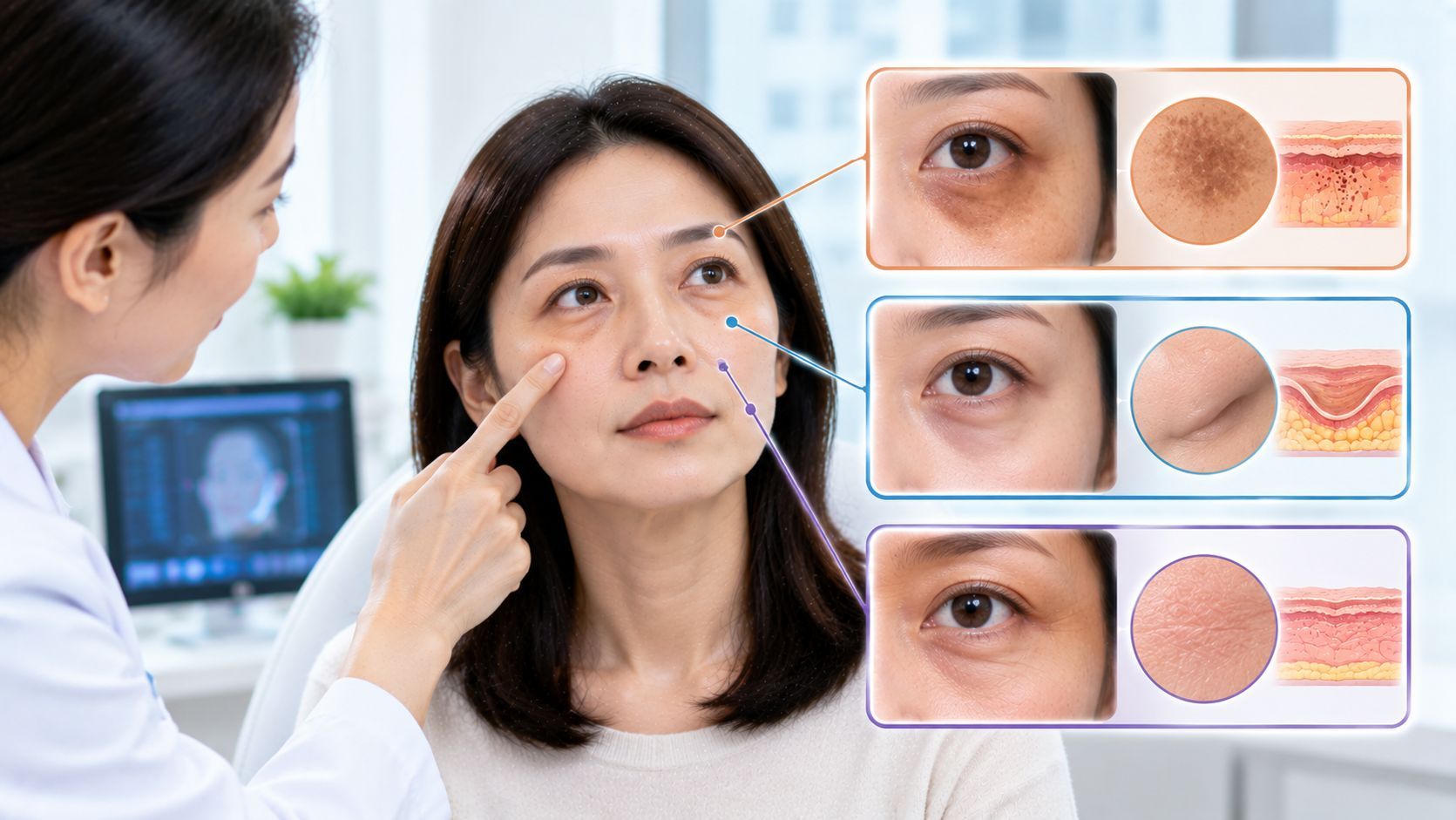
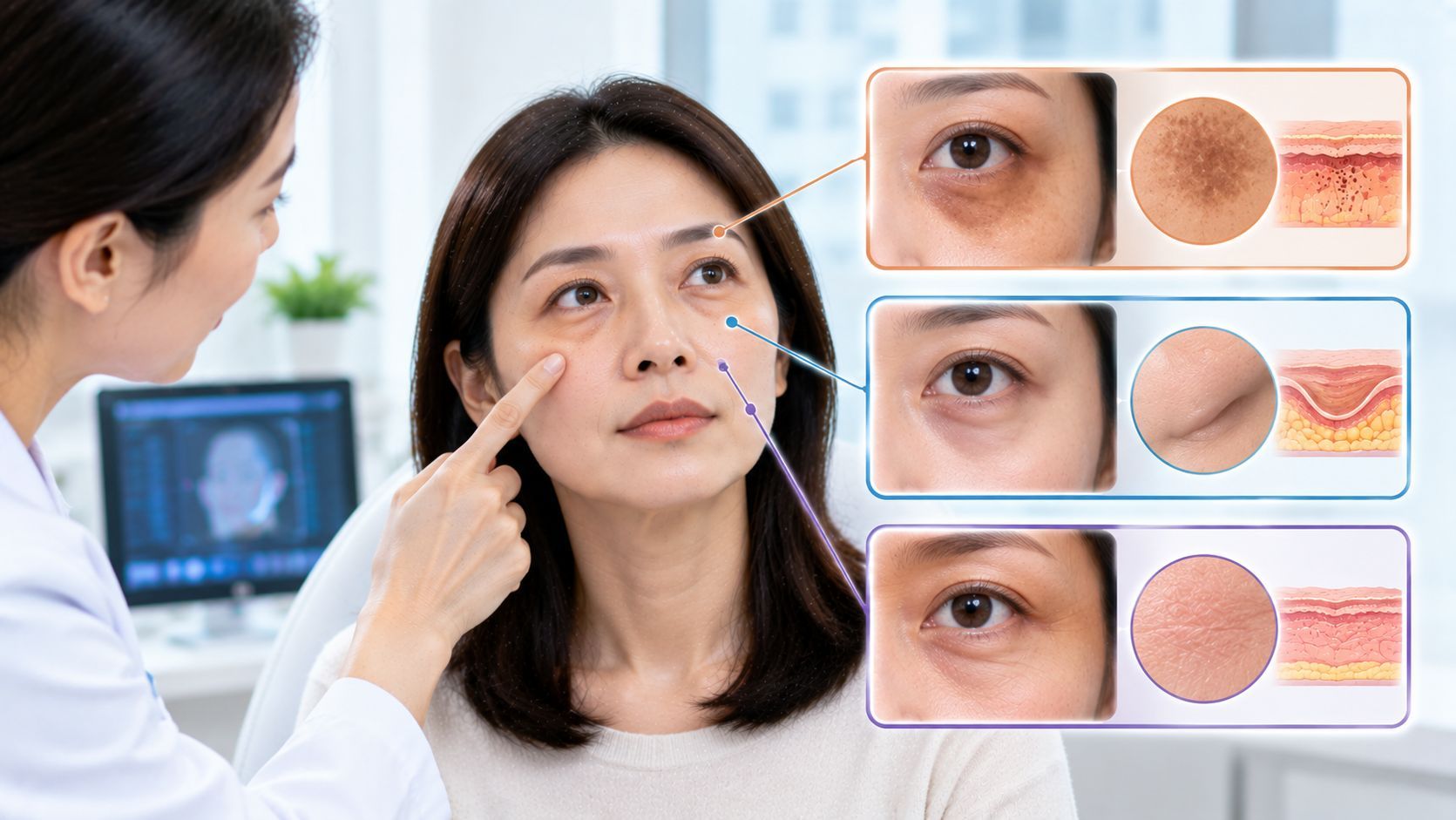
- Under-eye hollows
- Thinner-looking lips
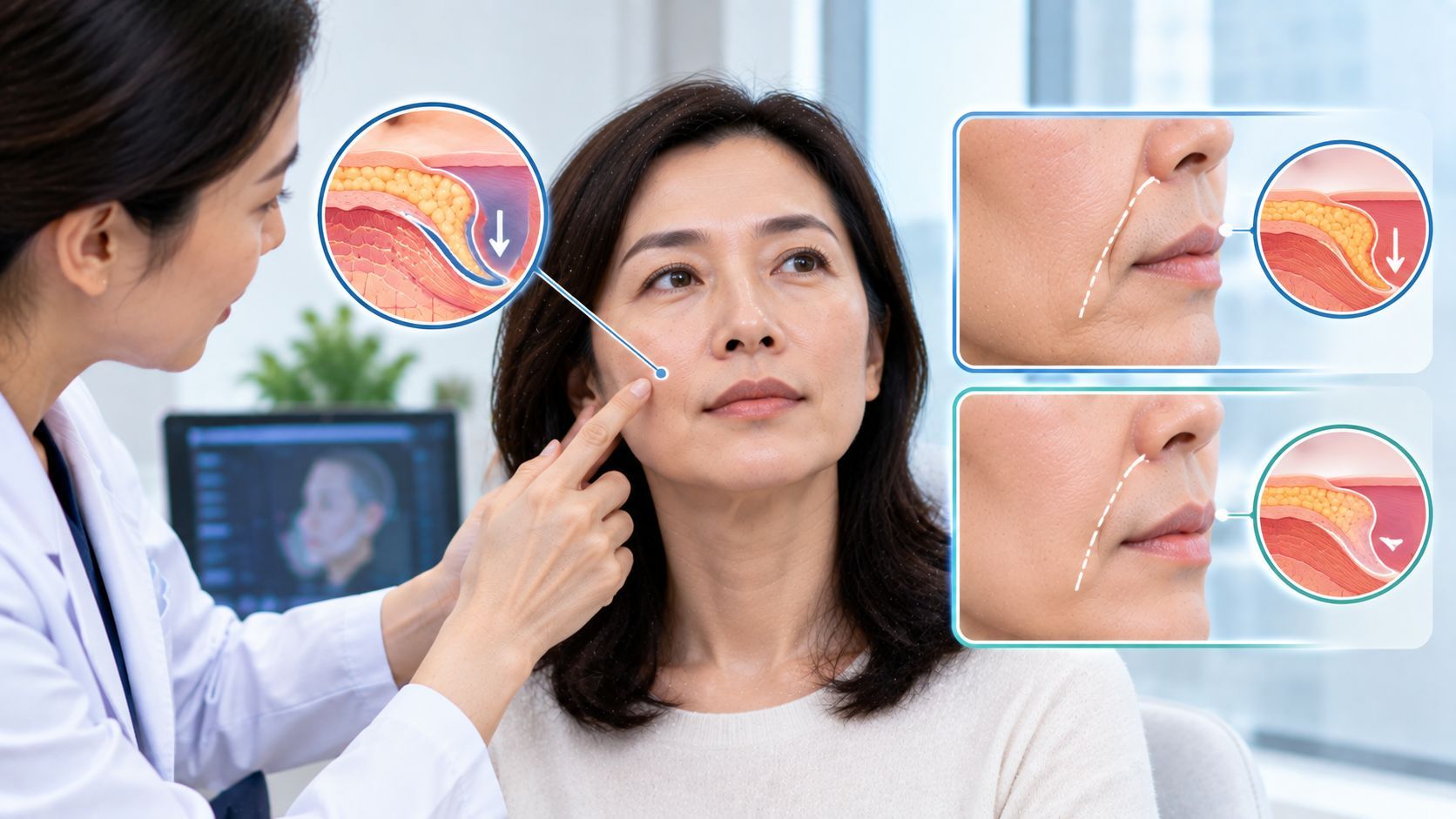
- More prominent nasolabial folds
- Deeper lines around the mouth
- Softer jawline definition
- More visible skin texture
Facial Volume Changes With Age
Natural aging can involve loss of youthful facial fullness. This can make previously rounded areas look flatter and can increase the contrast between hollow and fuller areas of the face.
If you have also lost body weight, the change may become even more noticeable.
Skin Quality Changes at the Same Time
Facial thinning is not necessarily only a volume problem.
After menopause, skin may become:
- Drier
- Thinner
- Less elastic
- More sensitive
- More prone to visible wrinkles
This means restoring volume alone may not completely address the way your face looks.
What Treatments Can Restore a Healthier-Looking Face?
The most appropriate treatment depends on whether your main problem is volume loss, skin laxity, skin quality, or a combination.
Dermal Fillers for Localized Volume Loss
If the face has become visibly hollow or deflated, carefully selected dermal filler may restore volume in areas such as the cheeks or temples.
Fillers can restore fullness, but the goal should generally be replacing lost volume rather than making the face larger.
Overfilling can make an aging face look puffy or disproportionate, particularly when the lower face is already becoming heavier.
Biostimulatory Treatments
Some injectable treatments are designed to stimulate collagen production rather than simply provide immediate volume.
Depending on the patient's anatomy and goals, a clinician may consider collagen-stimulating approaches when the concern includes mild volume loss and declining skin firmness.
These treatments are not interchangeable with traditional fillers, and results can be gradual and variable.
Fat Transfer
For selected patients with substantial facial volume loss, autologous fat transfer may be discussed. This uses the patient's own fat to restore fullness.
It is more invasive than injectable filler and involves additional considerations such as donor-site treatment, swelling, recovery and the unpredictability of how much transferred fat survives.
It is therefore not automatically the best option simply because the face has become thinner.
What If Your Face Is Thin but Also Sagging?
This is where treatment becomes more complicated.
A thinner face can still have loose or sagging skin. In fact, adding volume without considering laxity can sometimes produce a fuller face without adequately improving the overall shape.
Mild Skin Laxity
Non-invasive skin-tightening procedures may be considered when laxity is mild.
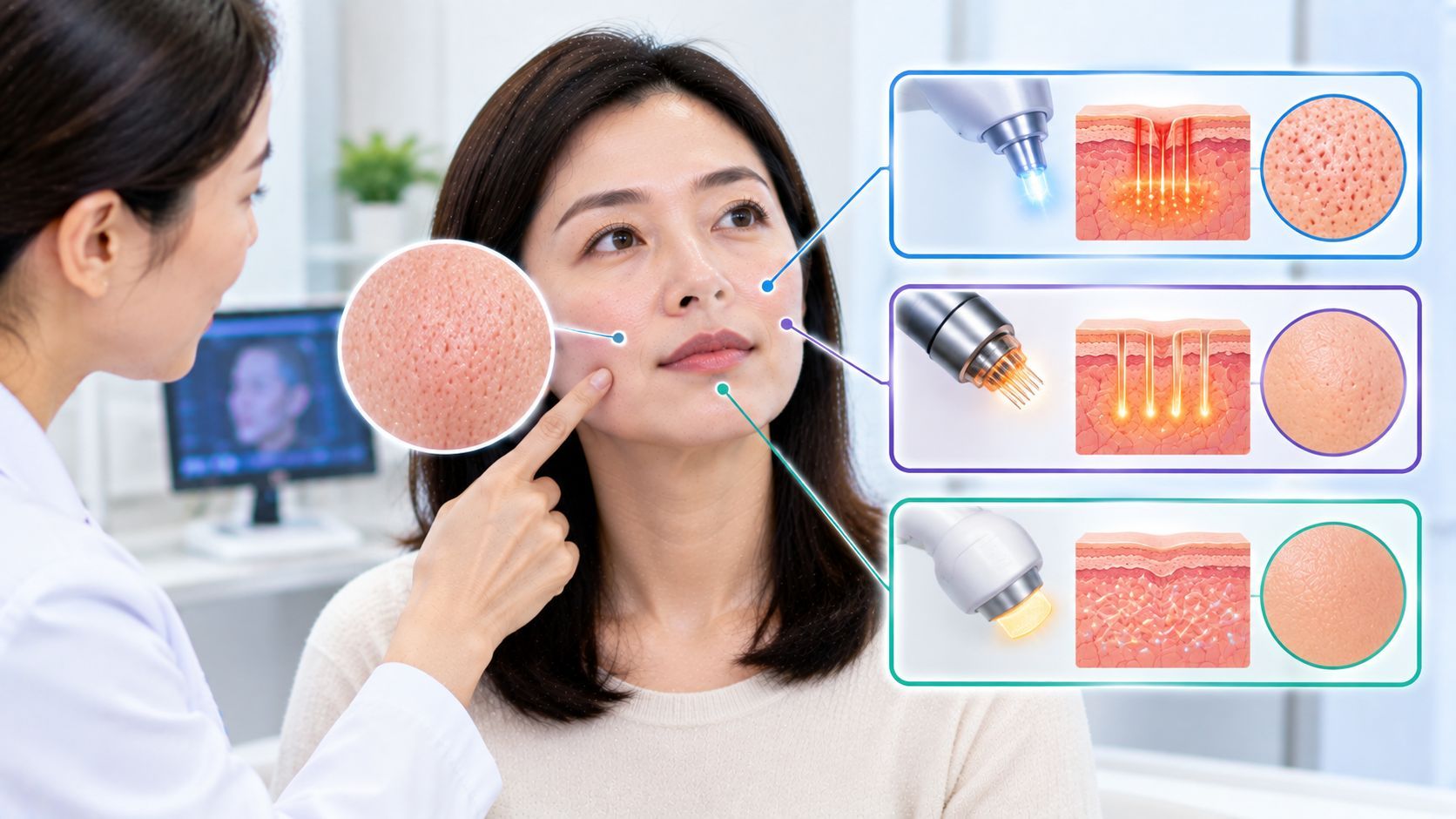
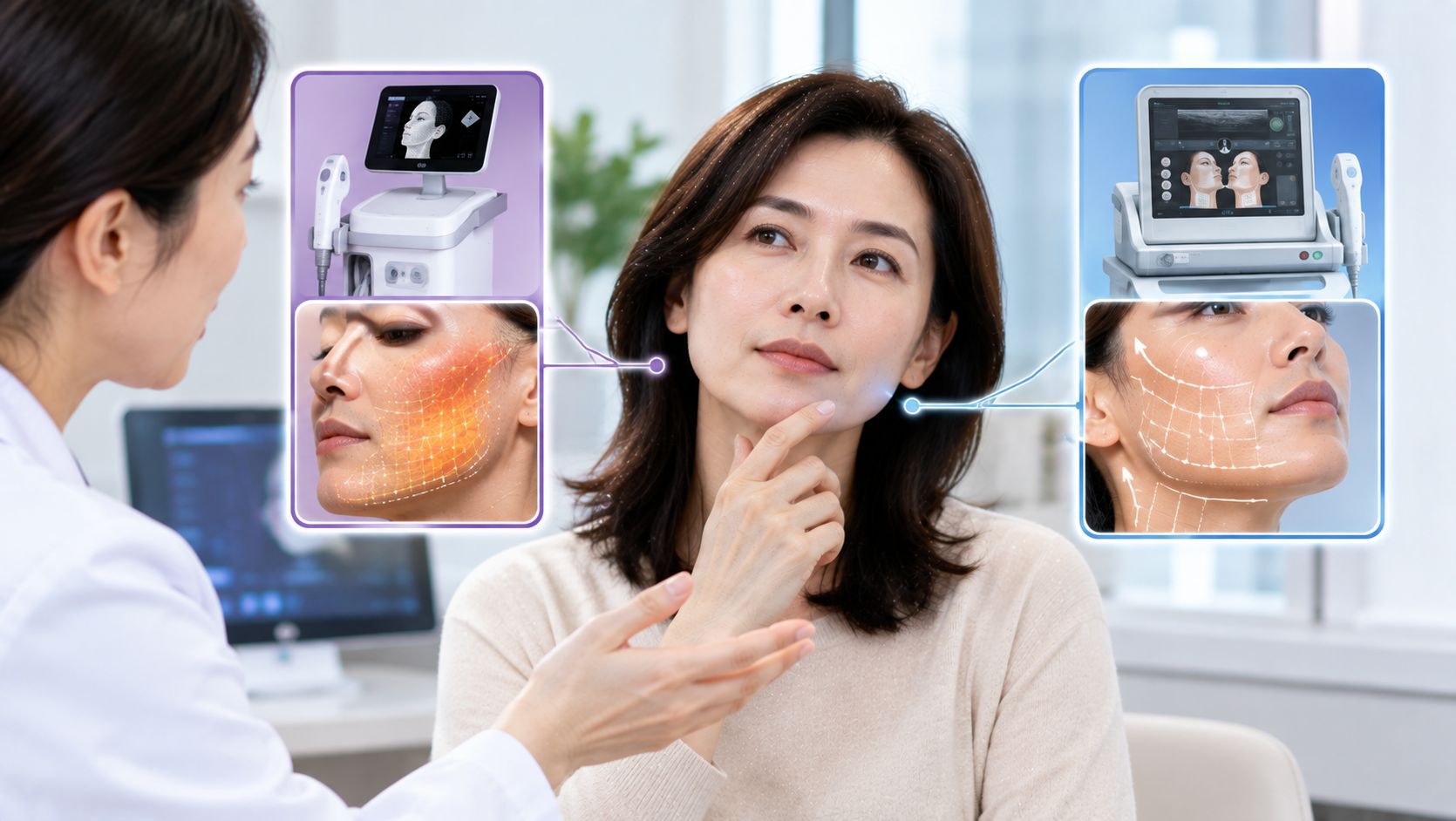
Depending on the patient's needs, options can include radiofrequency- or ultrasound-based treatments. These generally provide gradual, modest tightening rather than the degree of lifting associated with surgery.
Significant Skin Laxity
If there is substantial tissue descent or excess skin, non-surgical tightening has limitations.
A surgical lifting procedure can produce a more dramatic change, but it involves surgery, recovery and surgical risks. The AAD notes that surgical lifting generally produces the most dramatic tightening compared with non-surgical approaches.
For someone with a naturally thin face, treatment planning needs to be particularly conservative so that lifting does not create an excessively hollow appearance.
What If the Problem Is Mainly Skin Quality?
Some women describe their post-menopause face as “thin” when the more noticeable problem is actually thin, dry, crepey or dull skin.
In that situation, adding volume may not be the first priority.
Daily Skin Care
A basic routine remains important:
- Broad-spectrum SPF 30 or higher
- Regular moisturizer
- Gentle cleansing
- Appropriate retinoid or retinol when suitable
- Avoiding unnecessary irritation
The AAD recommends daily sun protection and notes that retinoids or retinol may help support collagen and address some visible signs of aging.
Energy-Based and Resurfacing Treatments
Depending on your skin type and concern, a dermatologist may consider laser or other energy-based treatments for wrinkles, texture, pigmentation or mild laxity.
These treatments address skin quality, not substantial facial volume loss.
That distinction is important: resurfacing cannot replace missing cheek volume, and filler cannot completely correct severely sun-damaged or crepey skin.
Should You Restore Volume Everywhere?
No.
One of the biggest mistakes when treating a thinner face is assuming that every hollow needs to be filled.
A better assessment considers the entire face:
What you noticeWhat may need assessmentHollow cheeksMidface volume lossSunken templesTemporal volume lossUnder-eye shadowsHollowing, pigmentation or skin thinningThin lipsLip volume and surrounding supportMouth linesVolume loss, tissue descent or skin qualityLoose jawlineSkin laxity and tissue descentCrepey skinSkin quality and collagen lossOverall facial thinningVolume, weight changes and hormonal aging
The same patient may need different approaches in different areas.
Can Menopause-Related Facial Aging Be Treated With One Procedure?
Usually, there is no single treatment that addresses every component.
A personalized plan might combine:
- Volume restoration for genuine hollowing
- Collagen-focused treatment for declining firmness
- Skin-quality treatment for texture or pigmentation
- Skin tightening for mild laxity
- Surgery when significant tissue descent cannot reasonably be corrected non-surgically
Treatments can also be staged rather than performed all at once.
This can be particularly useful when the face is already thin because it allows the clinician to reassess facial proportions before adding additional volume.
What About Rapid Weight Loss?
If your facial thinning occurred after substantial or rapid weight loss around the same period as menopause, weight change may be an important part of the explanation.
Rapid weight loss can reduce facial fullness and may make sagging, wrinkles and crepey skin more noticeable. The AAD has also described facial volume loss and sagging following rapid weight loss in the context of GLP-1 medications.
In this situation, simply treating the skin may not restore the facial fullness you have lost.
How Can You Avoid Looking Overfilled?
The goal should be to restore facial proportions, not recreate your younger face by adding as much volume as possible.
A conservative approach may involve:
- Identifying the areas that actually lost volume
- Restoring small amounts gradually
- Considering skin laxity separately
- Reassessing facial balance before additional treatment
- Avoiding unnecessary treatment of every visible line
This is particularly important when the lower face has become heavier while the upper or midface has become thinner.
What Should International Patients Ask Before Treatment?
If you are considering treatment in Seoul or elsewhere in Korea, ask the clinician:
- Is my facial thinning primarily volume loss or skin thinning?
- Which areas have actually lost volume?
- Do I also have skin laxity?
- Would filler make my face look more balanced or simply fuller?
- Would a collagen-stimulating treatment be appropriate?
- Do I need skin resurfacing or tightening as well?
- How much volume would you recommend initially?
- What is the expected swelling and downtime?
- What complications should I know about?
- How will follow-up work if I return home after treatment?
A consultation should consider your facial anatomy, skin condition, medical history and treatment goals rather than recommending a standardized “menopause rejuvenation” package.
Risks and Limitations
Facial rejuvenation cannot completely reverse menopause or stop natural aging.
Fillers can cause swelling, bruising, asymmetry and other complications, including rare but serious vascular complications. Collagen-stimulating treatments and energy-based procedures have their own risks, while fat transfer and surgery involve greater invasiveness and recovery.
Results also vary. A treatment that works well for someone with moderate facial volume loss may be inappropriate for someone whose main problem is loose skin or very thin skin.
If your skin has become unusually thin, irritated, or slow to heal, this should also be discussed with a dermatologist before undergoing an elective procedure. Menopausal skin can become more sensitive and may heal more slowly.
Conclusion
If your face became much thinner after menopause, the goal should not simply be to “add volume.”
Menopause can affect collagen, skin thickness, hydration and firmness, while normal aging and weight changes can alter facial fullness.
The most natural-looking plan usually begins by identifying what has actually been lost: facial volume, skin firmness, skin quality, or some combination.
Carefully selected volume restoration can help when the face has become hollow. Collagen-focused or skin-tightening treatments may be useful when firmness is the bigger concern. Skin care and resurfacing can address texture and photoaging, while surgery may be appropriate when significant laxity is present.
The objective is not to make a post-menopausal face look artificially fuller. It is to restore healthy facial proportions while respecting the changes that naturally occur with age.
FAQs
Why does my face lose volume after menopause?
Menopause is associated with hormonal changes that can affect skin thickness, collagen and firmness. Normal facial aging and changes in body weight can also contribute to reduced facial fullness.
Is filler the best treatment for a thin face after menopause?
Not necessarily. Filler can be useful when there is localized volume loss, but a thin-looking face may also involve skin laxity, collagen loss, dryness or weight changes. A consultation should determine the main cause first.
Can collagen-stimulating treatments help a thin face?
Some treatments are designed to stimulate collagen and may improve selected aspects of skin firmness or volume. They do not necessarily replace substantial lost facial volume, and results vary.
Will skin tightening make my face look even thinner?
It depends on the treatment and your starting anatomy. If the face is already very thin, aggressive treatment may not be appropriate. A clinician should assess volume and laxity together before recommending tightening.
Can I combine filler and skin tightening after menopause?
In selected patients, different treatments can address different aspects of facial aging. They may be combined or staged depending on the patient's anatomy, treatment goals and recovery needs.
How can I make my face look healthier without looking overfilled?
Focus on restoring only areas that have genuinely lost volume and address skin quality separately. A gradual, conservative treatment plan can help preserve natural facial proportions.