I Don't Have Many Wrinkles but Somehow Look Older. What Should I Treat?
Introduction
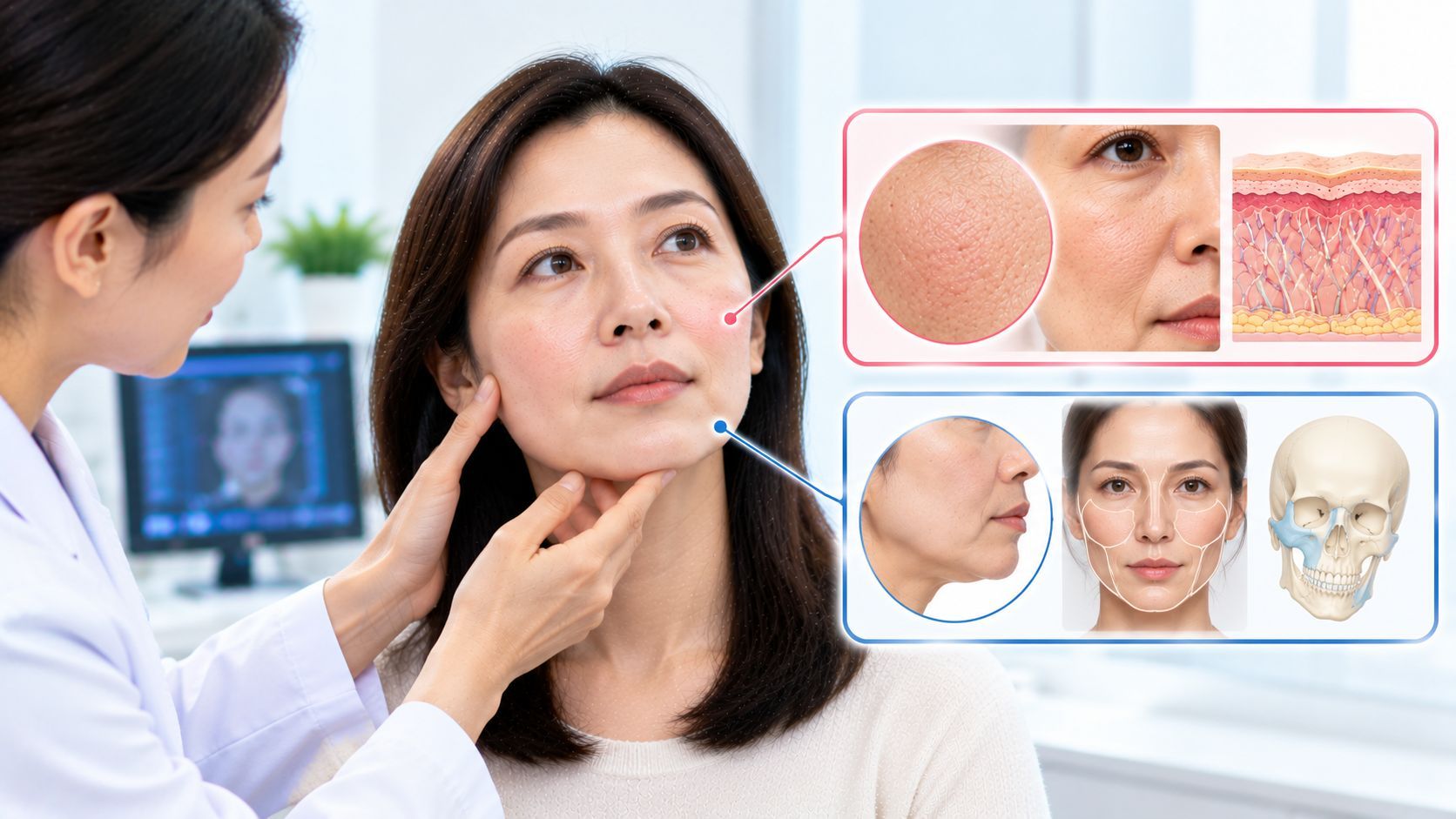
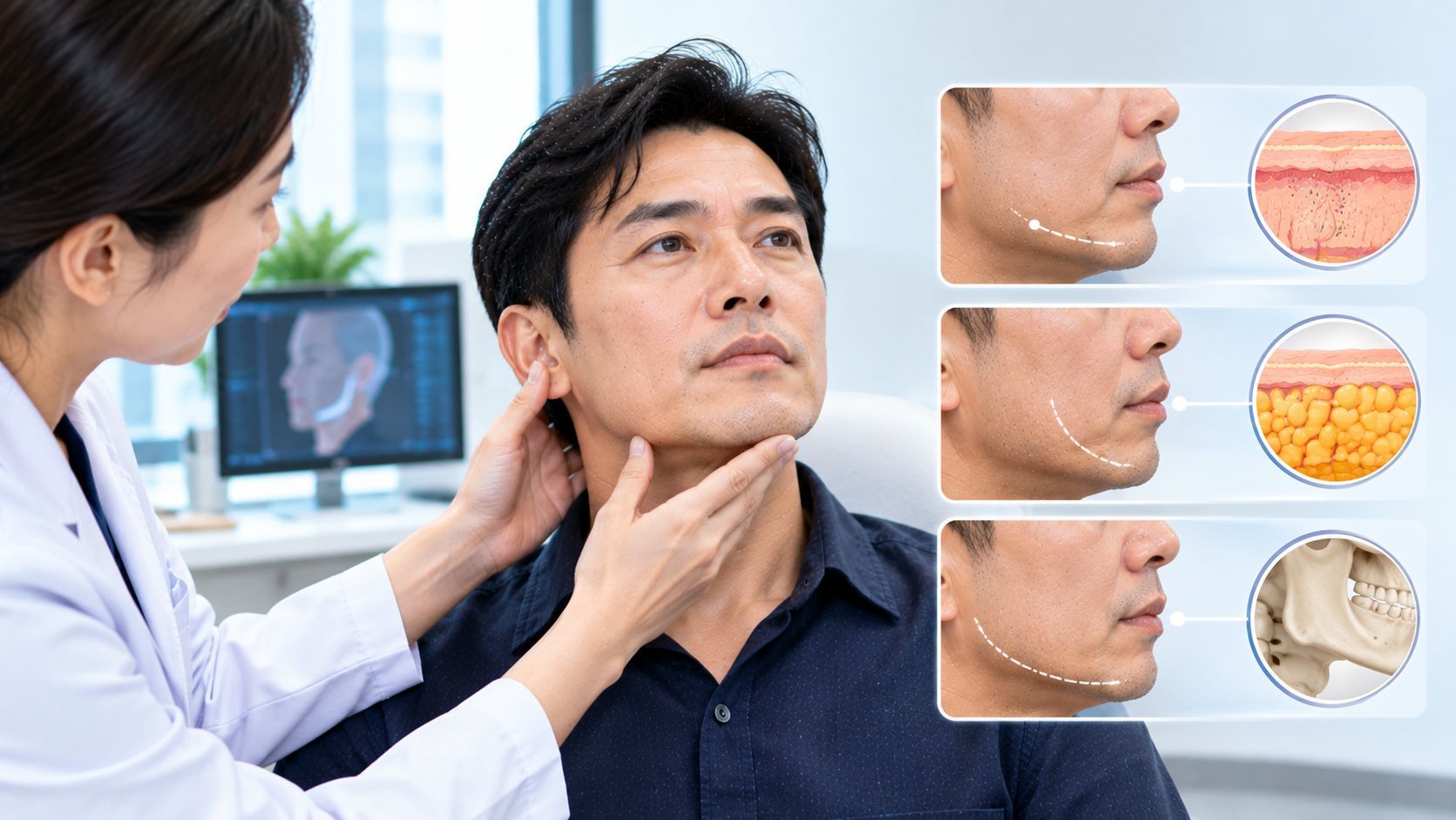
It is possible to look noticeably older without having many obvious wrinkles. Facial aging is not defined by wrinkles alone. Changes in facial volume, skin firmness, texture, pigmentation, facial proportions and the position of soft tissues can all affect how old or tired a face appears.
This is why someone may look in the mirror and think, “I don't really have wrinkles, so why do I look older?” The answer may be that your face has changed in ways that are more structural than wrinkle-related.
What Should You Treat If You Don't Have Many Wrinkles?
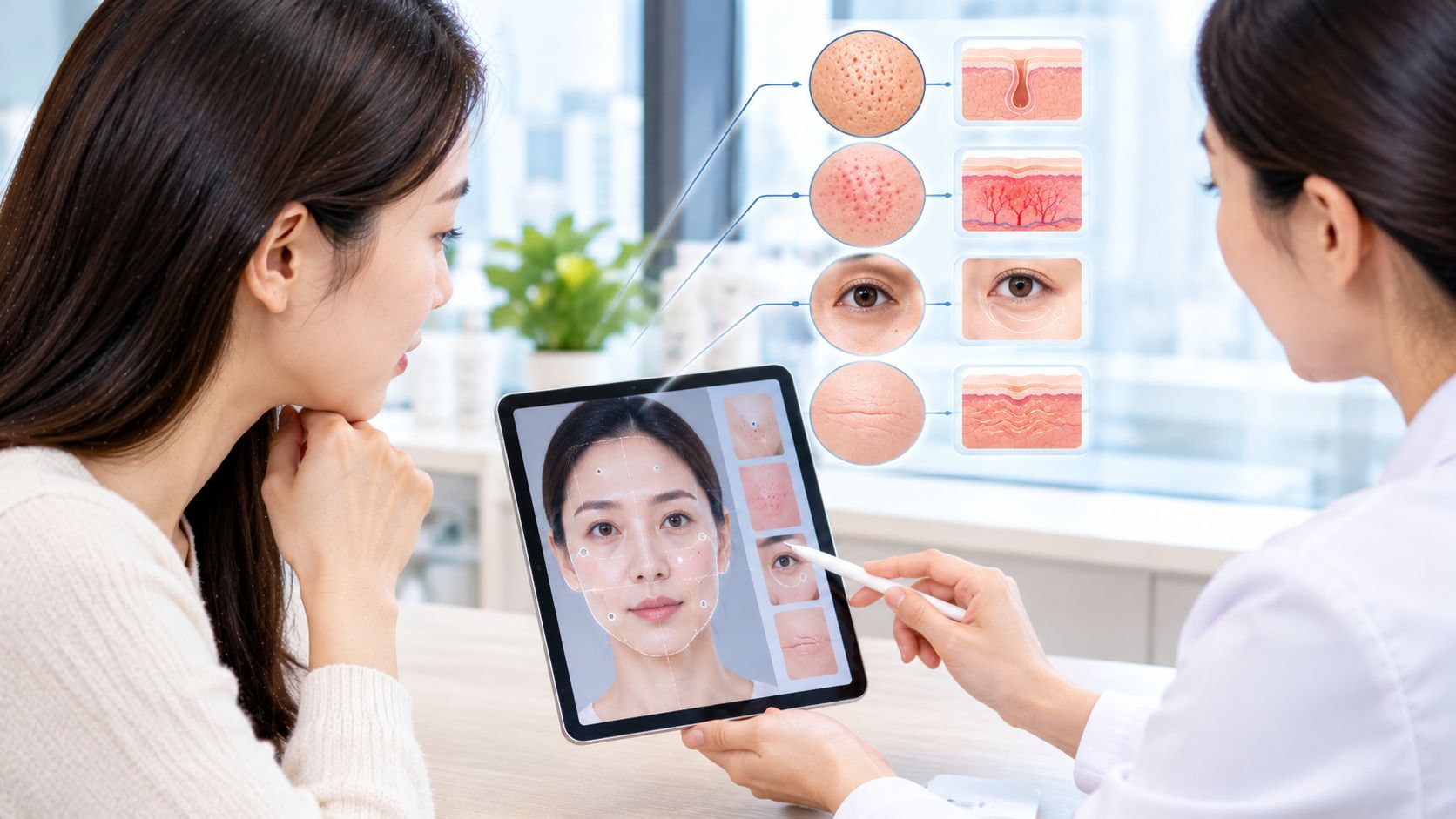
If you do not have many wrinkles but your face looks older, first assess facial volume, skin laxity, skin quality, pigmentation and facial proportions rather than automatically treating wrinkles. Depending on the cause, treatment may involve volume restoration, skin tightening, collagen-focused treatments, resurfacing, pigmentation treatment, or a combination.
Facial aging commonly involves several changes at once. The American Academy of Dermatology notes that age-related changes can include wrinkles, loss of elasticity and volume changes, while sun exposure can accelerate visible aging.
Why Can You Look Older Without Many Wrinkles?
Facial Volume May Have Changed
One of the most important possibilities is loss of facial fullness.
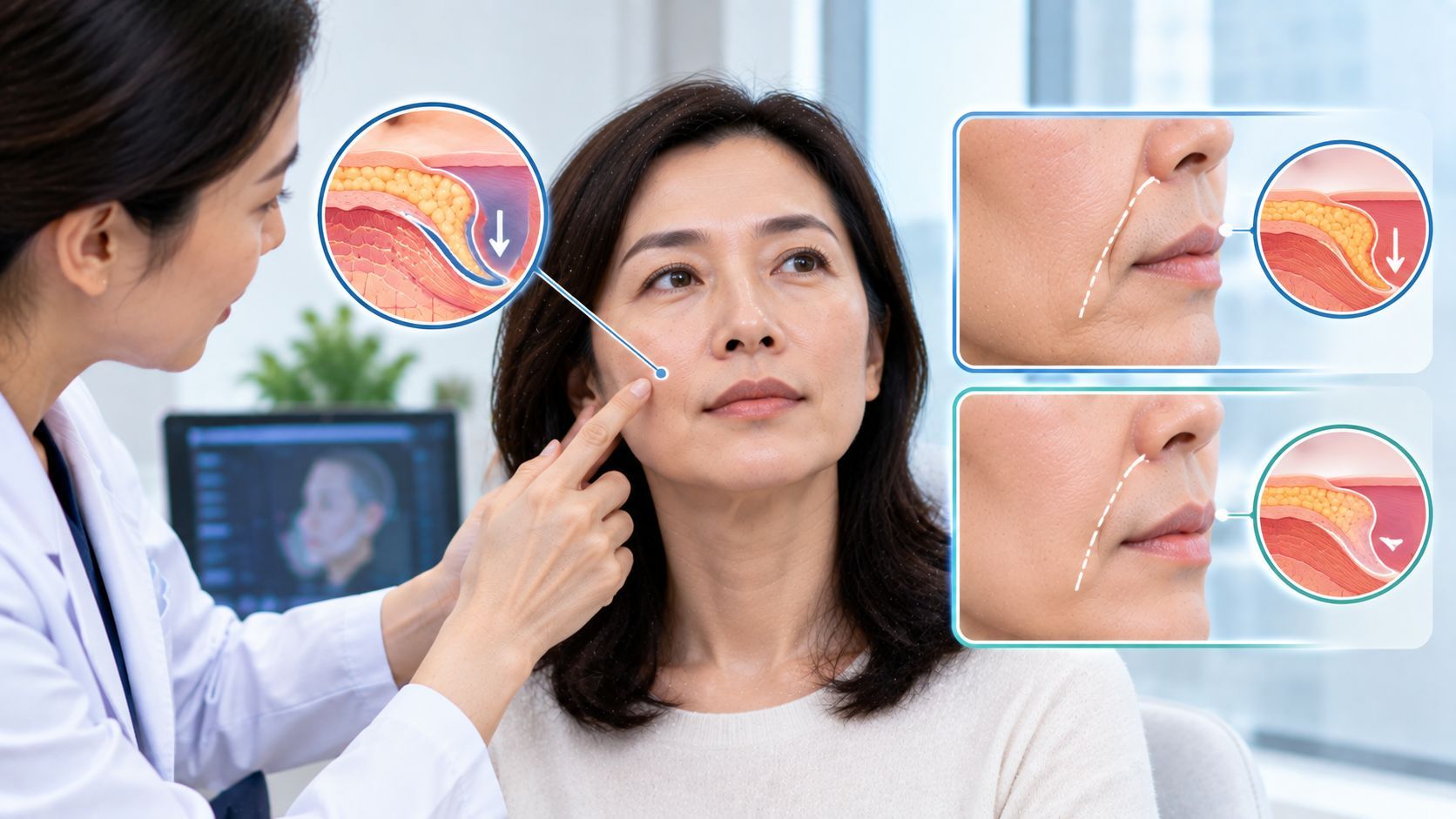
With age, areas such as the cheeks, temples and under-eye region can become less full. This can alter the proportions of the face and make shadows and folds more noticeable even when the skin itself does not have many wrinkles.
Dermal fillers are one option dermatologists use to restore lost fullness in areas such as the cheeks and hollow areas beneath the eyes.
You may notice:
- Flatter cheeks
- More visible temples
- Under-eye hollows
- Thinner-looking lips
- Deeper nasolabial folds
- A more angular or hollow appearance
In this situation, treating wrinkles alone may not produce the change you are looking for.
Your Skin May Have Become Less Firm
Another possibility is skin laxity.
Skin can gradually lose elasticity and become less firm with age. This can soften the jawline and change the position of facial tissues even before significant wrinkles appear.
You may notice that:
- Your cheeks seem lower
- Your jawline is less defined
- Early jowls are appearing
- Your lower face feels heavier
- Your skin does not “bounce back” as it once did
If laxity is the main problem, adding filler everywhere may not be the right answer.
Could Skin Quality Be Making You Look Older?
Dull or Uneven Skin
Sometimes the issue is not facial shape but skin quality.
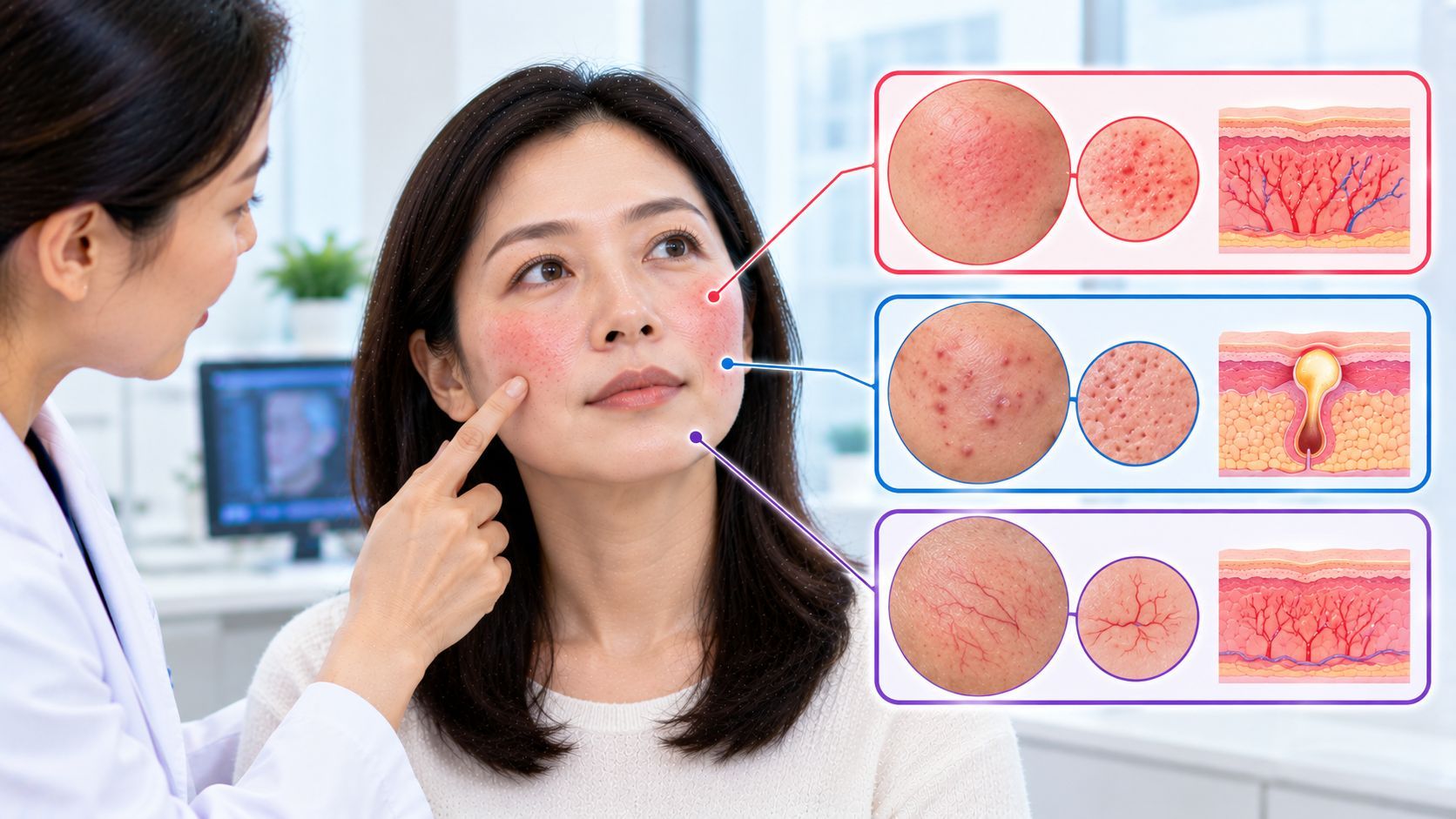
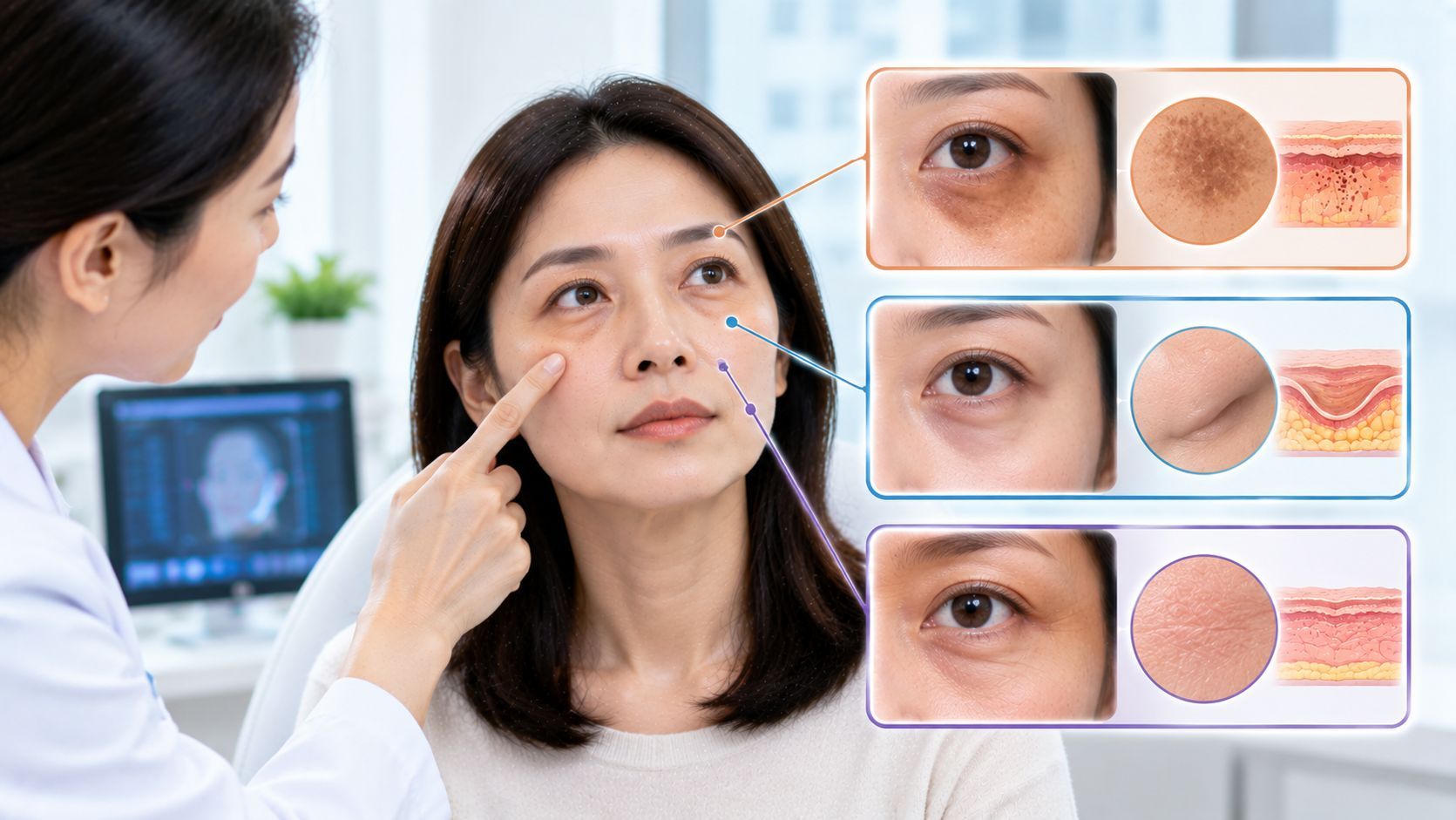
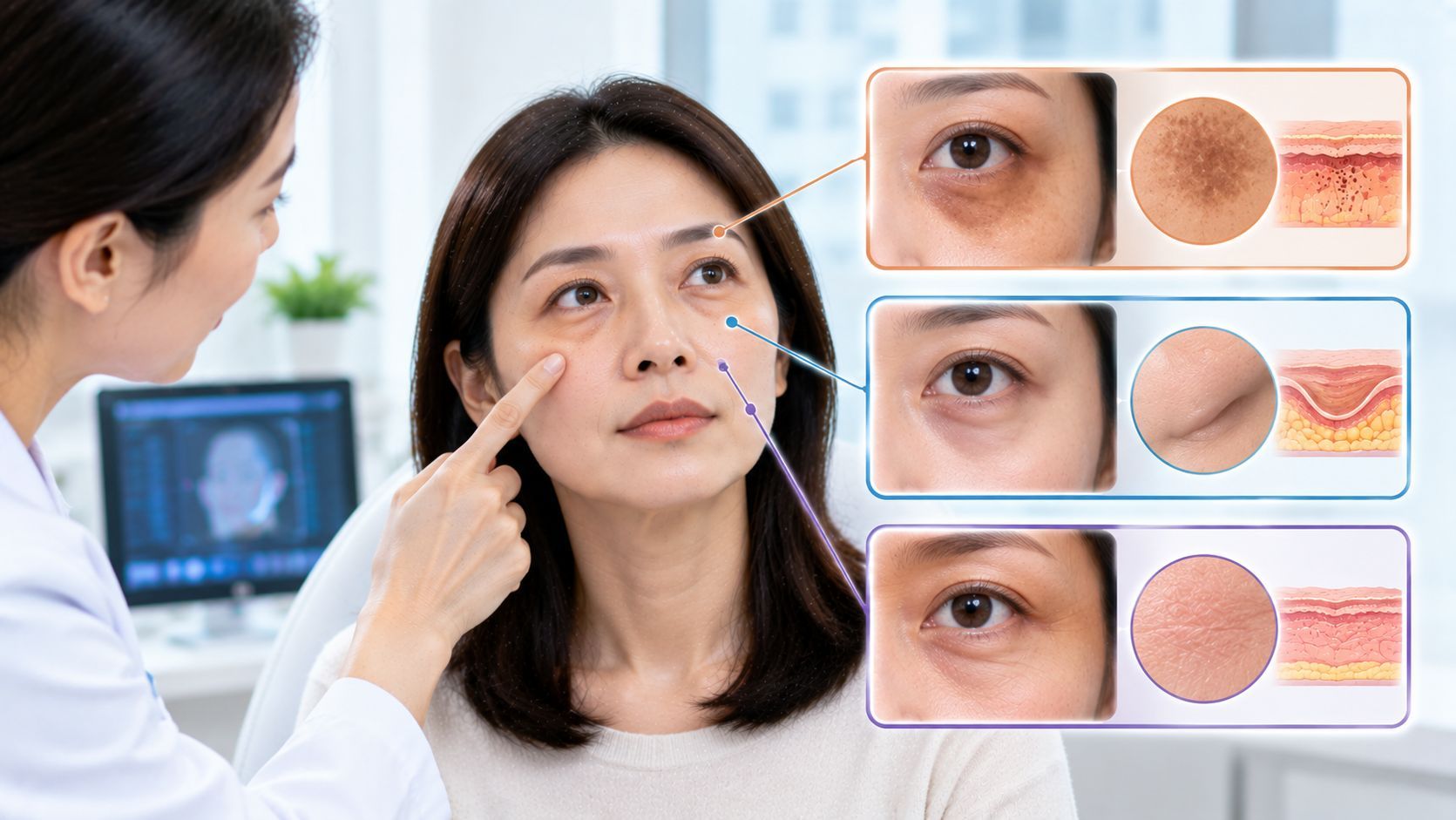
Sun exposure can cause wrinkles, age spots, uneven pigmentation and loose skin over time. This cumulative damage is known as photoaging.
Even relatively smooth skin can look older when it becomes:
- Dull
- Uneven in color
- Rough
- Dry
- Less reflective
- More visibly textured
This is why improving skin quality can sometimes make a greater difference than treating a few tiny lines.
Dryness Can Make Aging More Visible
As skin becomes drier with age, fine lines can become more noticeable and the complexion can lose some of its youthful appearance. Moisturizer can temporarily plump the outer layer of skin and make fine lines less apparent.
Before moving to procedures, it can therefore be worthwhile to make sure the basic skin barrier and sun-protection routine are appropriate.
What If Your Face Looks Tired Rather Than Wrinkled?
A tired appearance often comes from a combination of subtle features rather than one major problem.
Common contributors include:
- Under-eye hollows
- Dark circles
- Flattened cheeks
- Loss of skin firmness
- Dull complexion
- Pigmentation
- Slightly downturned mouth corners
- Early jowling
- Changes in facial volume
These features can create shadows that make the face look older even when wrinkles are minimal.
What Treatments Might Help?
Volume Restoration
If your face has become flatter or more hollow, carefully selected volume restoration may be considered.
Dermal fillers can restore fullness to areas such as the cheeks and certain hollow areas. They can also be used for selected facial folds and contours.
The goal should be restoration, not simply adding more volume.
Too much filler can change facial proportions and may make the face look puffy rather than refreshed.
Skin Tightening
If mild laxity is making your face look older, non-invasive skin-tightening treatments may be an option.
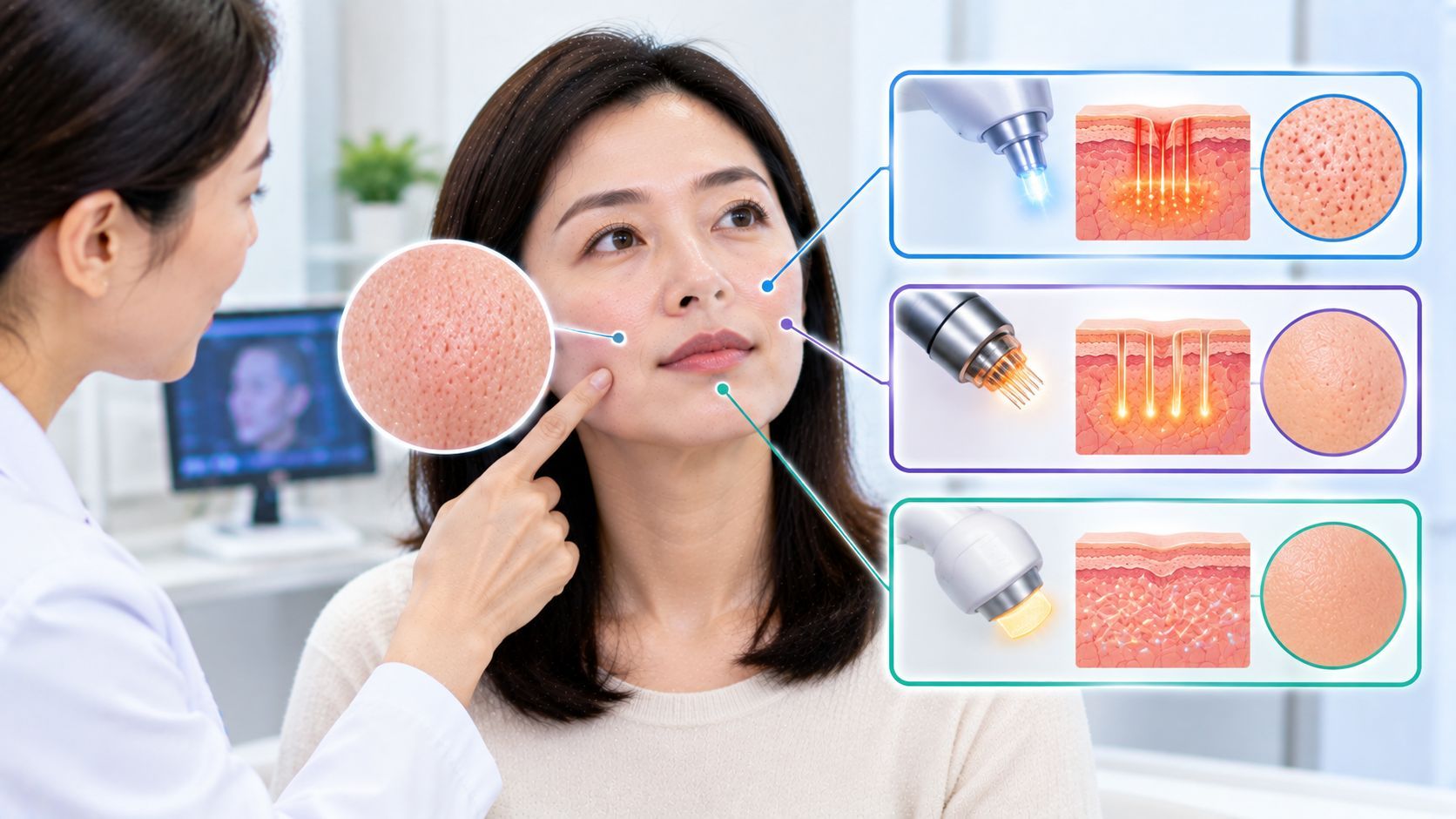
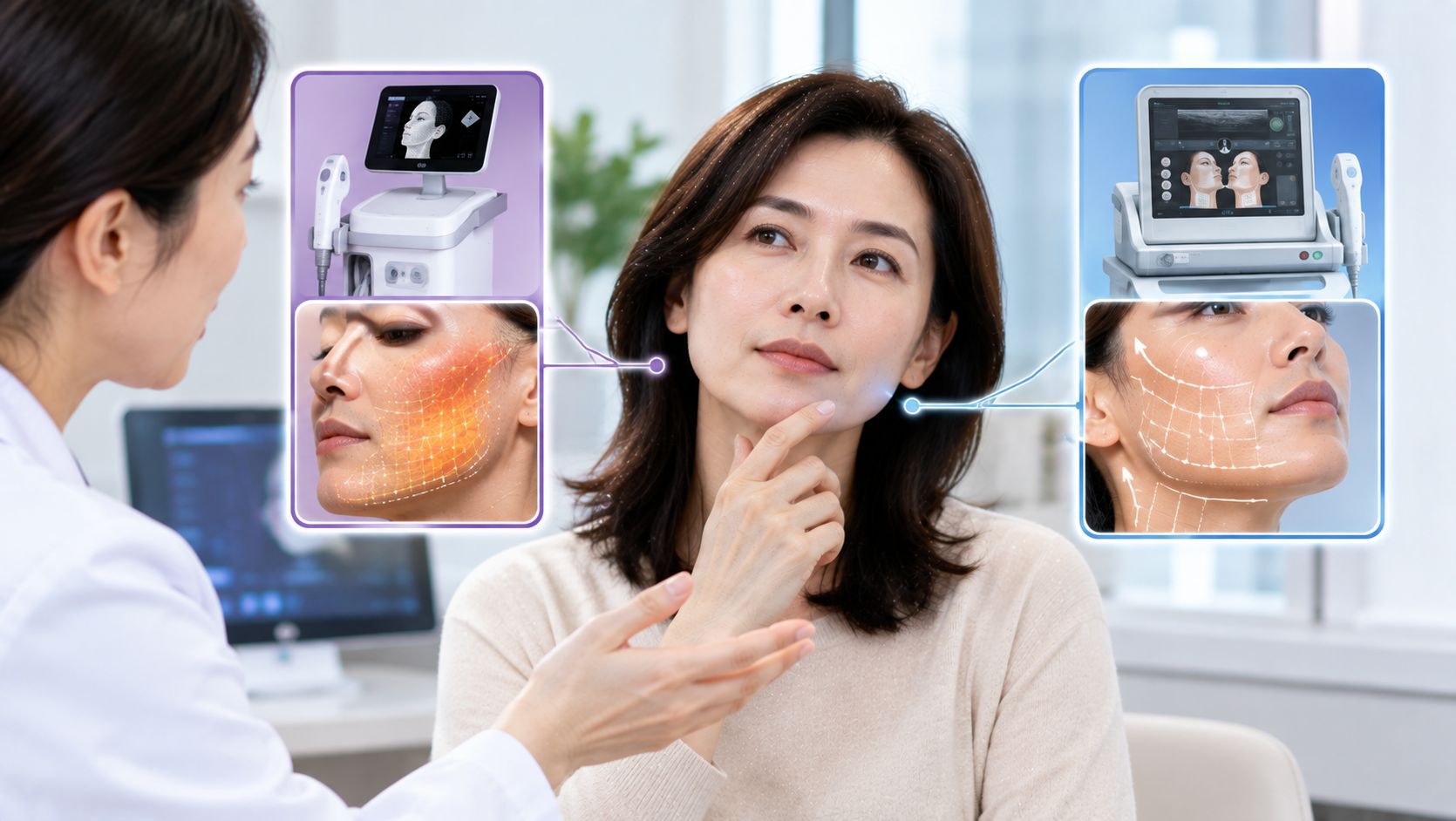
Depending on the treatment, radiofrequency or ultrasound-based approaches may provide gradual tightening. These treatments generally produce more modest changes than surgery.
If there is substantial loose skin, however, non-surgical tightening may not provide the same result as a surgical lift.
Collagen-Focused Treatments
If the main concern is declining firmness or skin quality rather than significant volume loss, a dermatologist may consider treatments designed to stimulate collagen or improve skin texture.
Depending on your skin and goals, possibilities can include:
- Microneedling
- Radiofrequency microneedling
- Certain laser treatments
- Other collagen-focused procedures
These treatments are generally intended to improve skin quality and firmness rather than replace substantial lost facial volume.
Laser and Resurfacing Treatments
If pigmentation, uneven texture or photoaging is making you look older, laser or resurfacing treatments may be appropriate.
Dermatologists use different approaches for wrinkles, pigmentation, uneven complexion and sun-damaged skin, and treatment selection depends on the specific concern.
This is especially important for international patients with darker or more pigmentation-prone skin, because treatment settings and the risk of post-inflammatory pigmentation need to be considered carefully.
Botox for Expression Lines
Botox may be appropriate if specific expression-related lines are contributing to an older appearance.
However, if you have very few wrinkles, Botox may not be the treatment that makes the biggest difference.
Treating a problem you do not actually have can produce little benefit while distracting from the real reason your face looks older.
What If Your Face Looks Older Because of Its Shape?
Facial proportions can have a surprisingly strong effect on perceived age.
You might have:
- A flatter midface
- Less cheek projection
- A longer-looking lower face
- Reduced chin or jawline definition
- More visible under-eye hollows
- A heavier lower face
None of these necessarily involves deep wrinkles.
In such cases, a facial assessment should consider the relationship between different areas rather than treating each line separately.
How Do You Know What You Actually Need?
A useful way to approach the problem is to identify what changed compared with your younger appearance.
What you noticeWhat may be worth assessingFlatter cheeksFacial volumeHollow templesVolume lossDark or hollow under-eyesPigmentation, hollowing or skin thicknessSoft jawlineSkin laxity, tissue descent or volume distributionDull skinPhotoaging and skin qualityUneven pigmentationSun damage or other pigmentation disordersRough textureSkin quality and collagenDownturned mouthVolume, muscle activity or tissue descentSeveral subtle changesOverall facial proportions
This is not a diagnosis. It is a framework for deciding what to discuss during a professional consultation.
Should You Treat Everything at Once?
Usually, no.
When someone feels that their face simply “looks older,” it can be tempting to combine fillers, Botox, lasers, tightening and multiple skin treatments.
A more conservative approach is often easier to evaluate.
Start by identifying the most important contributor. Then consider whether addressing that one issue changes the overall appearance before adding additional procedures.
Dermatologists may use more than one treatment when different signs of aging are present, but combination treatment should be individualized rather than based on a standard package.
What Should Your Anti-Aging Skincare Routine Include?
Daily Sun Protection
Sun protection should remain a foundation of an anti-aging routine. The AAD recommends broad-spectrum sunscreen with SPF 30 or higher to help reduce UV-related skin aging.
Moisturizer
Regular moisturizing can help the skin retain water and temporarily make fine lines less visible.
Retinoids or Retinol
Depending on your skin and medical history, a retinoid or retinol product may be useful for certain signs of aging. It should be introduced appropriately because excessive use can irritate the skin and make its appearance temporarily worse.
What Should International Patients Ask at a Consultation?
If you are considering treatment in Seoul or elsewhere in Korea, avoid beginning with “What treatment should I get?”
Instead, ask:
- What specifically makes my face look older?
- Is the main issue volume, laxity or skin quality?
- Do I actually need filler?
- Would tightening be more appropriate?
- Are pigmentation or sun damage contributing?
- What would you treat first?
- What improvement is realistic?
- What are the risks and downtime?
- Could treatment make my face look heavier or more hollow?
- What follow-up will I need if I return home?
A qualified dermatologist should assess your anatomy, skin condition and expectations before recommending cosmetic treatment.
Risks and Limitations
No cosmetic treatment can completely reverse aging, and not every subtle change needs a procedure.
Fillers can cause swelling, bruising and asymmetry, with rare but serious complications possible. Energy-based procedures can cause redness, swelling, burns or pigmentation changes depending on the treatment. Laser and resurfacing procedures also require appropriate patient selection and aftercare.
Over-treatment is another important concern. If your face does not have significant wrinkles, aggressively treating wrinkles can produce little improvement while excessive filler or tightening may alter your natural appearance.
The AAD recommends consultation with a qualified dermatologist when considering cosmetic treatments, particularly because different treatments address different signs of aging.
Conclusion
If you do not have many wrinkles but somehow look older, do not assume wrinkles are the problem.
Your appearance may have changed because of facial volume loss, early skin laxity, under-eye hollowing, pigmentation, dullness, texture changes or altered facial proportions.
The most useful first step is to determine which of these changes is making the greatest difference. Some people may benefit from skin-quality treatment, others from volume restoration or tightening, and some may need only a better skincare and sun-protection routine.
The goal should not be to make every sign of aging disappear. A better objective is to identify the few changes that are making you look older and address them conservatively while preserving your natural facial structure.
FAQs
Why do I look older if I barely have wrinkles?
Wrinkles are only one component of facial aging. Changes in volume, skin firmness, pigmentation, texture and facial proportions can also affect how old the face appears.
Do I need filler if my face looks older but I have few wrinkles?
Not necessarily. Filler may help when volume loss is contributing to the appearance, but it is not appropriate for every aging concern. A professional assessment should determine whether you actually have meaningful volume loss.
Can skin tightening help if I do not have wrinkles?
It may help if mild skin laxity is the main concern. Non-invasive tightening generally produces gradual and more modest results than surgery.
What treatment is best for an older-looking face?
There is no single best treatment. The appropriate option depends on whether the main issue is volume loss, laxity, pigmentation, texture, under-eye changes or another concern.
Can skincare make a noticeable difference?
Yes, particularly when dryness, photoaging or fine texture changes are contributing. Daily sunscreen, moisturizer and appropriately selected anti-aging products form the foundation of an effective routine.
Should I combine several anti-aging treatments?
Sometimes, but not automatically. Combination treatment can be useful when several different aging mechanisms are present, but a staged and conservative approach can help prevent unnecessary treatment.