My Cheeks Look Flatter and My Mouth Area Looks Older. Should I Lift or Restore Volume?
Introduction
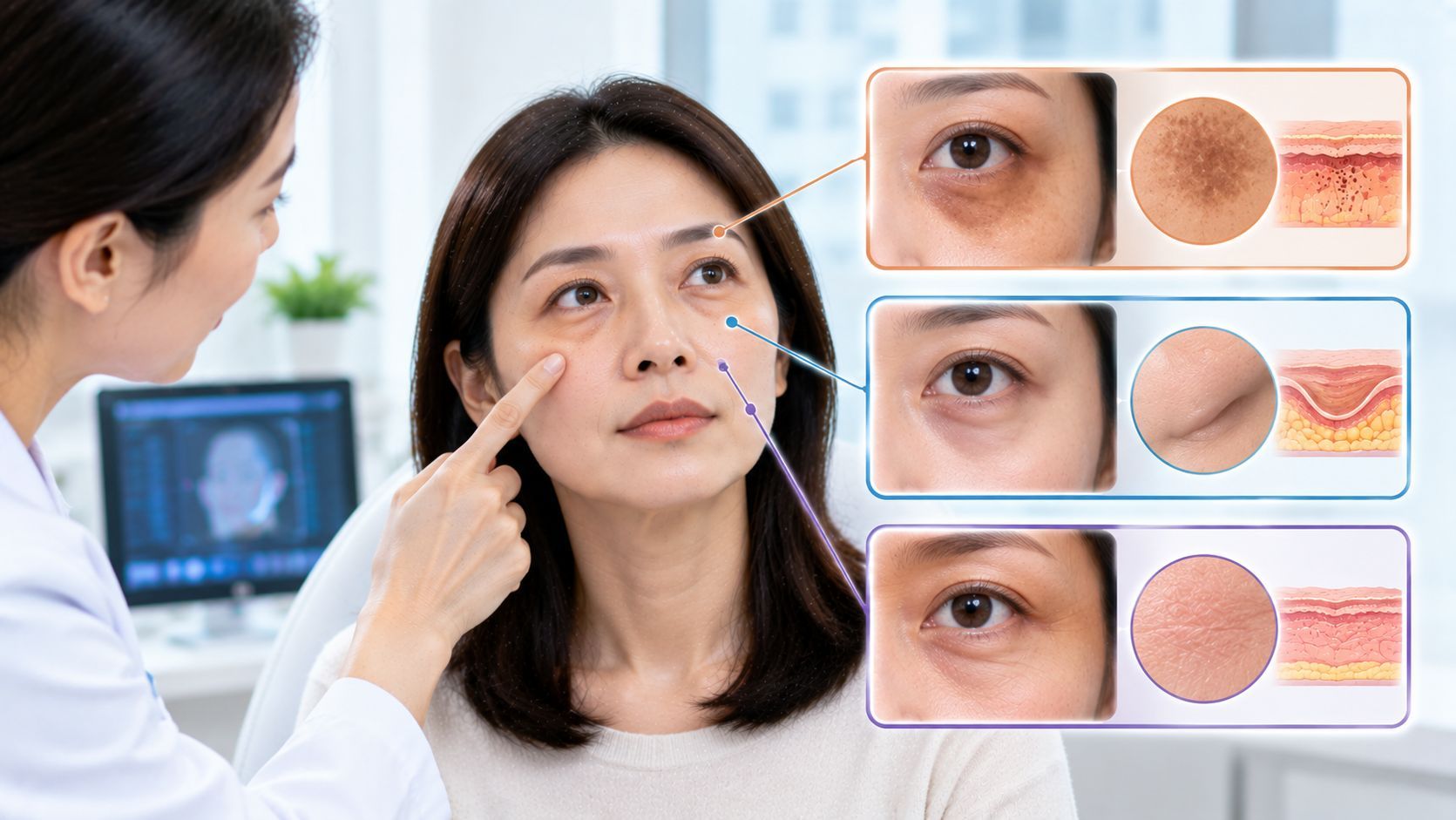
If your cheeks look flatter with age and the area around your mouth seems older, the answer is not always a facelift or a simple filler treatment. These changes can result from several processes occurring together, including loss of facial fullness, changes in skin firmness, tissue descent, and changes in facial proportions.
The key question is whether your face has primarily lost volume, lost support, developed skin laxity, or experienced a combination of these changes. Choosing between lifting and volume restoration should therefore depend on what is actually causing the change rather than on age alone.
Should You Lift or Restore Volume?
If your cheeks have become noticeably flatter and your mouth area looks older, volume restoration may be appropriate when loss of facial fullness is the main issue. A lifting treatment may be more appropriate when skin laxity and tissue descent are the dominant problems. Many people have both, so a conservative combination approach may sometimes make more sense.
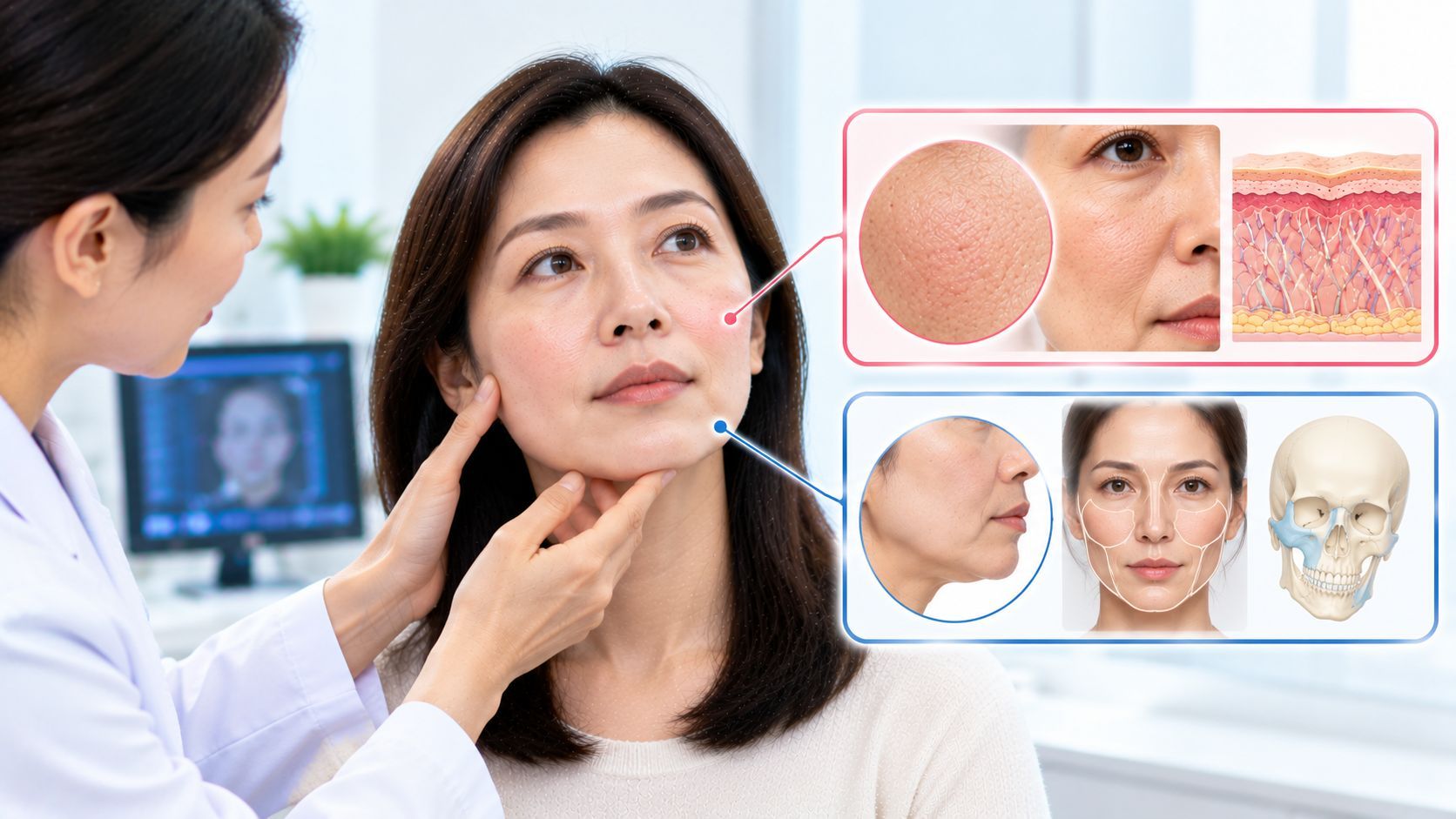
Facial aging is not simply a process of the skin becoming wrinkled. The face naturally loses some youthful fullness with age, while the skin can become thinner and less firm. These changes can alter facial proportions and make areas around the mouth appear more pronounced.
Why Do the Cheeks Look Flatter With Age?
Loss of Facial Fullness
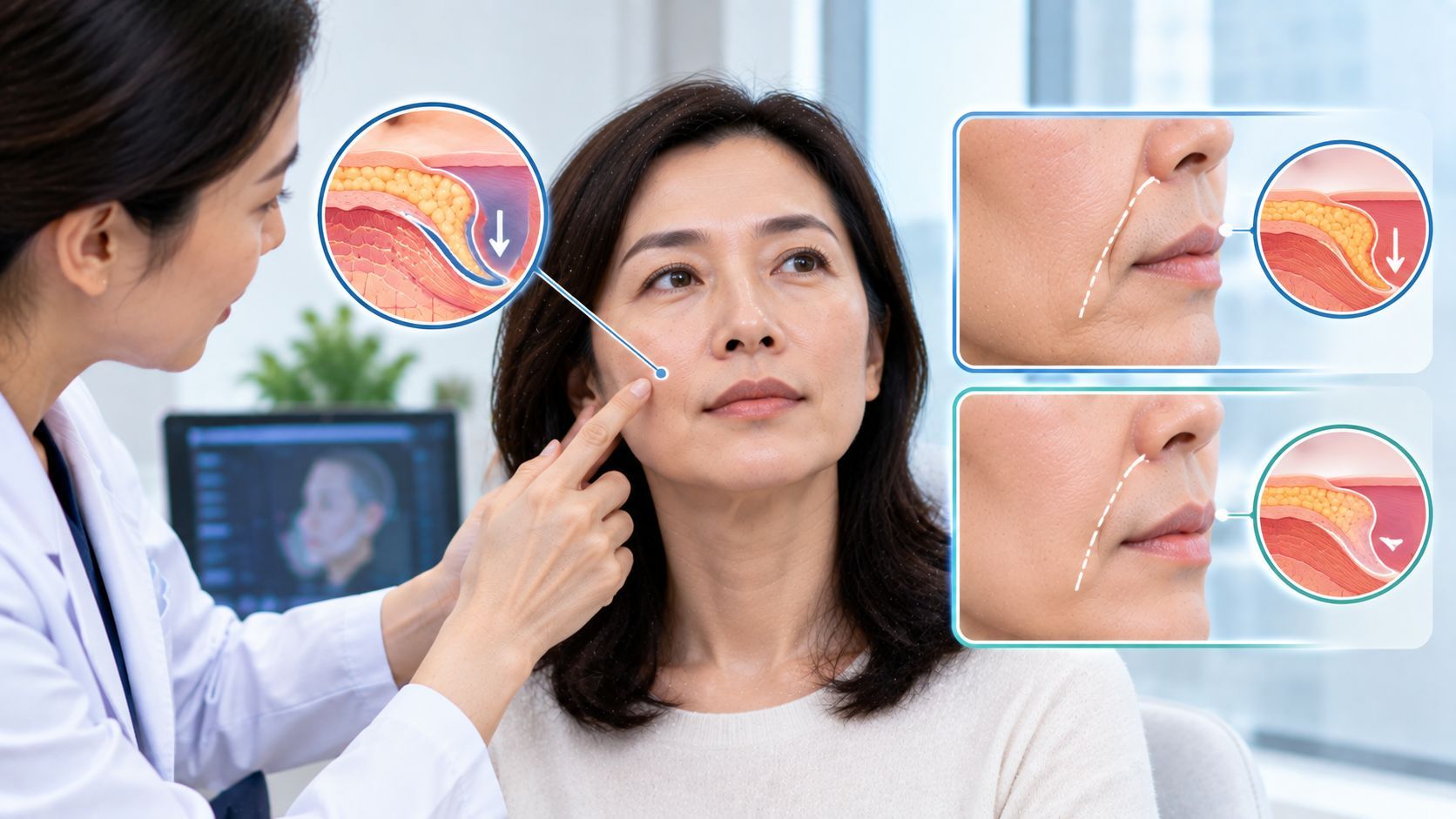
One reason cheeks can appear flatter is age-related loss of facial volume. This may make the midface look less rounded and reduce the transition between the cheeks and lower face.
Dermal fillers are specifically used to restore lost fullness in areas such as the cheeks and hollow areas of the face.
However, not every flatter-looking cheek needs filler. Some people have adequate volume but have developed laxity and downward tissue movement. Adding volume without identifying the underlying problem can produce unnecessary fullness.
Changes in Skin Support
As skin loses collagen and firmness, the tissues of the face can gradually become less supported. This can contribute to sagging, jowling and more visible lines around the mouth.
Menopause can accelerate some of these changes. The American Academy of Dermatology notes that declining hormone levels during menopause can contribute to thinner, drier and less firm skin, while collagen loss can contribute to sagging and jowls.
Why Does the Mouth Area Look Older?
The mouth area can appear older even when you do not have many deep wrinkles.
You might notice:
- Deeper nasolabial folds
- Lines extending from the corners of the mouth
- A downturned appearance at the mouth corners
- Reduced lip fullness
- Flattening around the cheeks
- Shadows beside the mouth
- Early jowling
These changes can be related to both volume changes and tissue descent.
Fillers can sometimes restore fullness around selected facial areas and can be used to soften certain creases or address a downturned mouth in appropriate candidates.
But treating the line itself is not always the best solution. Sometimes the surrounding facial structure has changed, and addressing that underlying change produces a more balanced result.
When Does Volume Restoration Make More Sense?
You Notice Hollow or Flattened Cheeks
If your cheeks clearly appear less full than they did previously, restoring carefully selected volume may be considered.
The objective should be restoration rather than enlargement.
A conservative approach may focus on areas where volume has genuinely been lost rather than filling every visible line.
Your Skin Is Still Relatively Firm
If your skin remains reasonably firm but your face looks thinner or more hollow, volume restoration may be more relevant than a tightening procedure.
This distinction is important because skin-tightening treatments cannot replace significant lost facial volume.
Your Mouth Area Looks Older Because of Surrounding Volume Loss
Sometimes a mouth-area concern becomes more noticeable because the cheek or midface has become flatter.
In such cases, treating only the mouth lines may not address the overall facial balance.
When Does Lifting Make More Sense?
You Have Noticeable Skin Laxity
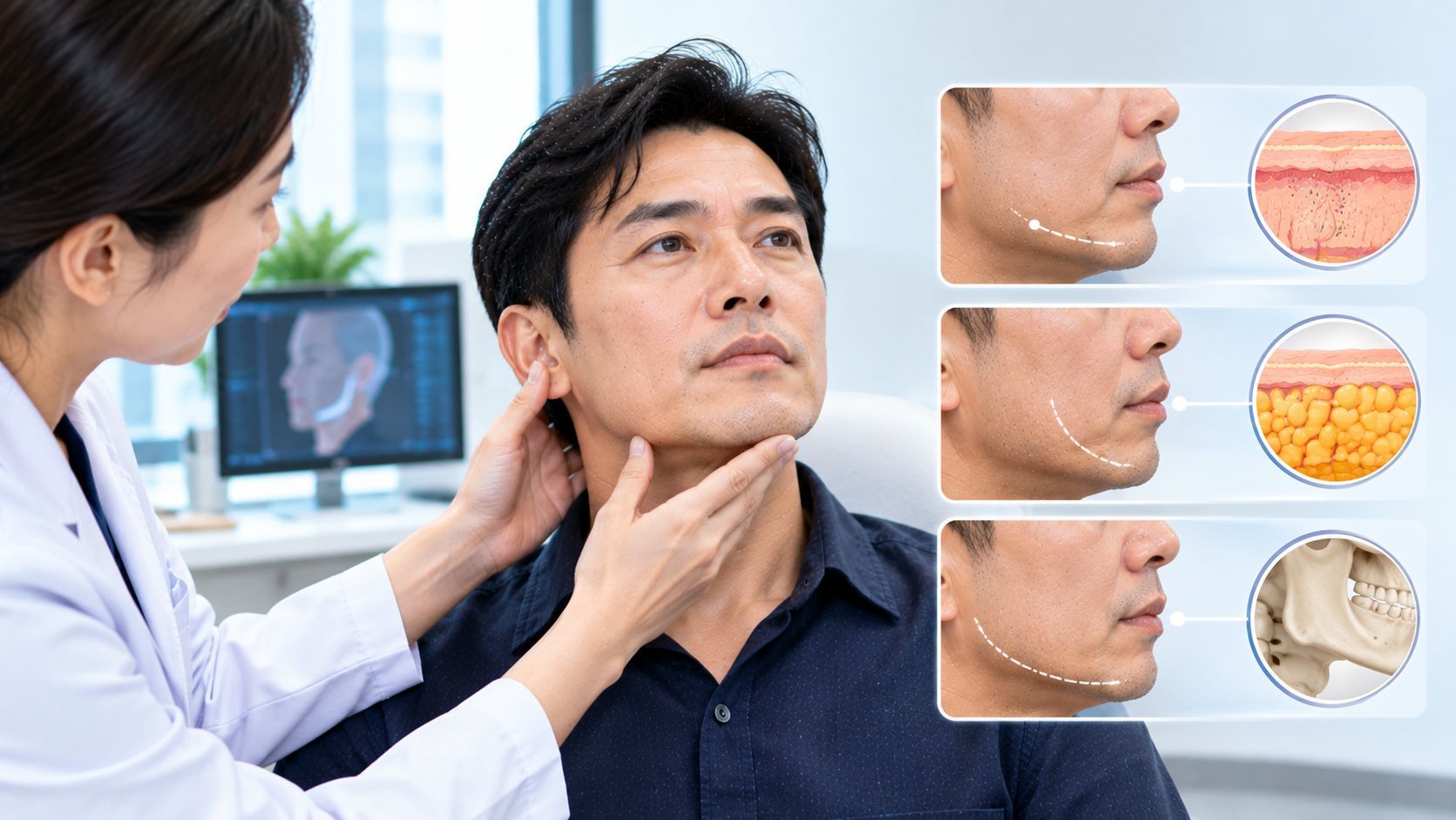
If your cheeks have descended, your jawline has softened, or you have obvious loose skin, the dominant problem may be laxity rather than volume loss.
Non-invasive skin-tightening procedures can provide modest tightening for selected patients with mild laxity, while surgical lifting generally produces a more substantial lifting effect.
Your Face Has Enough Volume Already
If your cheeks are not actually hollow but instead appear lower because tissues have descended, adding more filler may not be the best first step.
In this situation, adding volume can potentially make the face look heavier rather than lifted.
You Have Jowling or Significant Tissue Descent
Jowls and substantial lower-face sagging are signs that the issue may extend beyond simple volume loss.
Non-surgical tightening can be useful for selected cases of mild laxity, but it has limitations when there is substantial excess skin.
What If You Have Both Volume Loss and Sagging?
This is extremely important because facial aging is often multifactorial.
You might have:
- Flatter cheeks from volume loss
- Mild cheek descent
- Reduced skin firmness
- Lines around the mouth
- Early jowls
Treating only one of these factors may leave the face looking unbalanced.
A dermatologist may therefore recommend a staged plan rather than trying to correct everything during one appointment. Different treatments can address different components of facial aging.
Which Treatments Might Be Considered?
Dermal Fillers
Fillers can restore selected areas of lost facial fullness and may be appropriate for cheeks, certain hollows, deep creases or a downturned mouth in suitable patients.
The major consideration is avoiding overcorrection. More filler does not automatically mean a younger-looking face.
Skin-Tightening Treatments
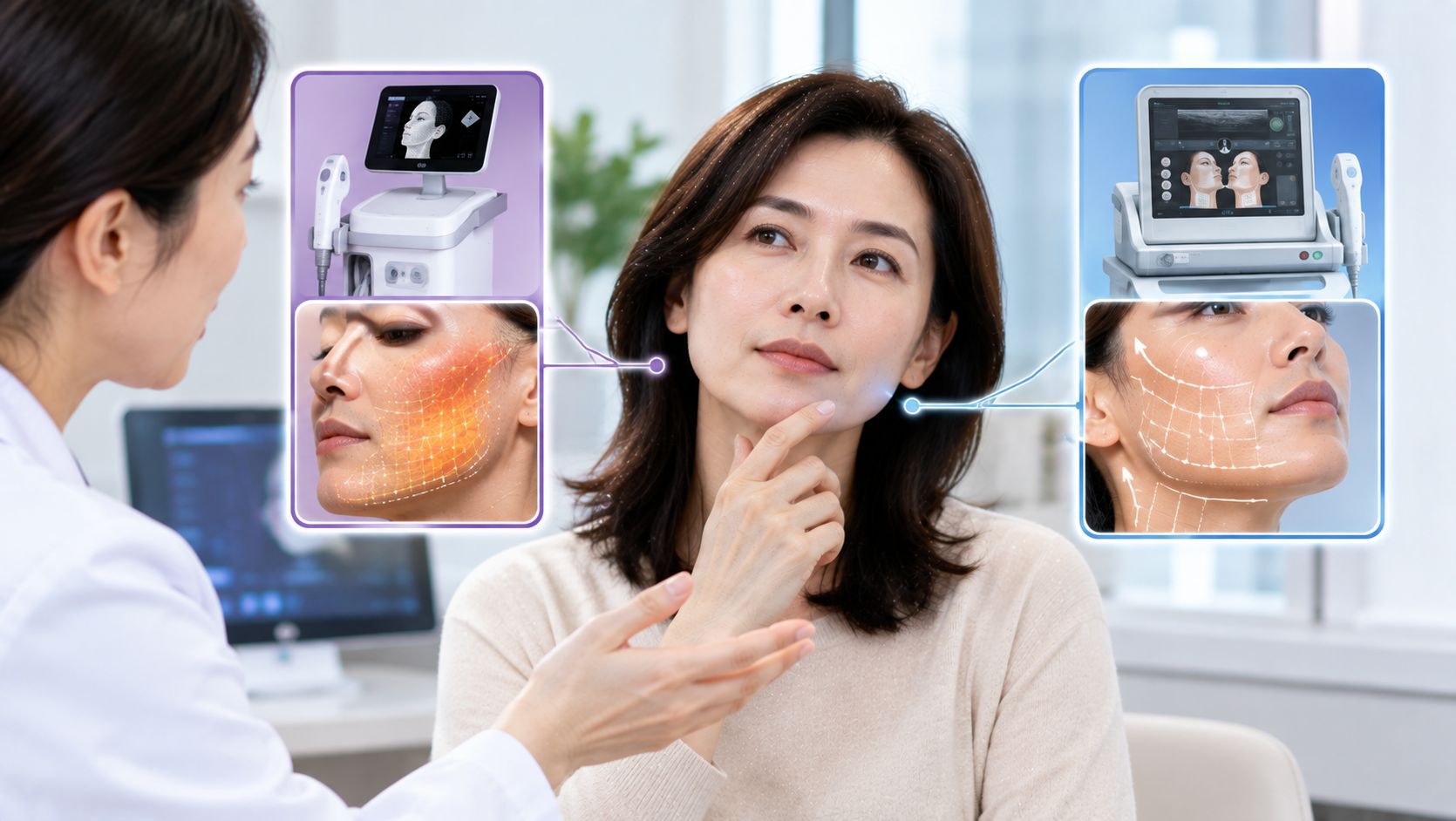
Non-invasive radiofrequency or ultrasound-based treatments may be considered when mild skin laxity is the main concern.
These treatments generally produce more gradual and modest tightening than surgery.
Surgical Lifting
When there is significant skin laxity and tissue descent, a facelift or related surgical procedure may provide a more substantial correction than non-surgical treatments.
Surgery, however, involves greater recovery and surgical risks, so it should not be viewed as the automatic next step simply because the face has aged.
Skin-Quality Treatments
If your cheeks and mouth area look older partly because of thin, dry, rough or sun-damaged skin, improving skin quality may also be relevant.
Options can include medical skincare, retinoids when appropriate, laser treatments, or other dermatologist-selected procedures. Sun protection remains an important part of preventing additional photoaging.
How Can You Tell Whether You Need Volume or Lifting?
A simple way to think about the difference is:
What you noticeMore likely worth assessingCheeks look hollow or deflatedVolume lossFace became noticeably thinnerVolume lossSkin feels loose or hangs lowerSkin laxityJowls have developedTissue descent/laxityCheeks are full but have droppedLaxity/tissue descentMouth lines became deeper after cheek volume decreasedVolume and facial supportHollow cheeks plus loose skinCombination
This is only a starting framework. A physical examination is needed to determine which factors are actually responsible.
Should You Treat the Cheeks or the Mouth Area First?
Not necessarily the area that bothers you most visually.
If the mouth appears older because the midface has lost volume, treating the cheeks may influence the overall appearance more effectively than injecting directly into every mouth line.
Conversely, if the cheeks remain well supported but the lower face has significant laxity, tightening or lifting may be more appropriate.
This is why a good consultation should evaluate the whole facial structure, not simply the most visible line.
What Should International Patients Ask Before Treatment?
If you are considering facial rejuvenation in Seoul or elsewhere in Korea, ask the clinician:
- Is my main problem volume loss or skin laxity?
- Have my cheeks actually lost volume?
- Would adding volume make my lower face look heavier?
- Do I have enough skin elasticity for a non-surgical treatment?
- Should my cheeks be treated before the mouth area?
- What improvement is realistic?
- How much downtime should I expect?
- What complications should I know about?
- Will I need follow-up treatment?
- If I am returning home after treatment, what follow-up arrangements are available?
A qualified clinician should consider your overall health, medications, skin condition, anatomy and desired outcome before recommending a cosmetic procedure.
Risks and Limitations
Volume restoration and lifting treatments have different risks.
Fillers can cause temporary swelling, bruising and asymmetry, and injectable procedures can have more serious complications. Skin-tightening treatments can cause temporary redness or swelling, while more invasive procedures have greater recovery requirements.
No treatment can completely stop facial aging, and results vary between individuals.
One particularly important limitation is that adding volume cannot truly substitute for lifting significantly loose skin. Conversely, tightening a face that has primarily lost volume may not restore a healthy, youthful fullness.
Conclusion
If your cheeks look flatter and the area around your mouth looks older, the choice between lifting and volume restoration should be based on what has changed structurally.
If your face has become hollow or noticeably thinner while the skin remains relatively firm, carefully planned volume restoration may make more sense. If your face has enough volume but the skin and tissues have descended, a lifting or skin-tightening approach may be more appropriate.
Many people have a combination of volume loss and laxity, so the most natural result may come from addressing both gradually rather than aggressively treating one problem.
The goal should not be to make your cheeks bigger or your face tighter at any cost. It should be to restore facial balance while preserving your natural proportions.
FAQs
Should I get cheek filler or a facelift?
It depends on whether your primary concern is volume loss or significant tissue laxity. Cheek filler can restore lost fullness, while a facelift addresses substantial skin and tissue descent. A consultation is needed to determine which problem dominates.
Can cheek filler improve the appearance of mouth lines?
Sometimes. If mouth-area aging is partly related to loss of surrounding facial volume, restoring selected volume may improve overall facial balance. However, not every mouth line should be treated with filler.
Can lifting make my face look thinner?
A lifting procedure is designed primarily to reposition and tighten tissues rather than restore lost volume. If your face is already quite thin, a clinician may need to consider volume changes separately.
Can I combine filler with a skin-tightening treatment?
In selected patients, different treatments may be combined or staged because they address different aspects of aging. The timing and suitability should be determined by the treating clinician.
What if I have very little facial fat?
If facial volume loss is substantial, adding carefully selected volume may be more relevant than aggressive fat reduction or tightening alone. The treatment should be tailored to your anatomy and desired appearance.
How do I avoid looking overfilled?
Ask for a conservative plan based on restoring lost volume rather than maximizing fullness. It can also be helpful to treat one area at a time and reassess the result before adding more.