I Lost Weight but Now Look Older. What Should I Fix First?
Introduction
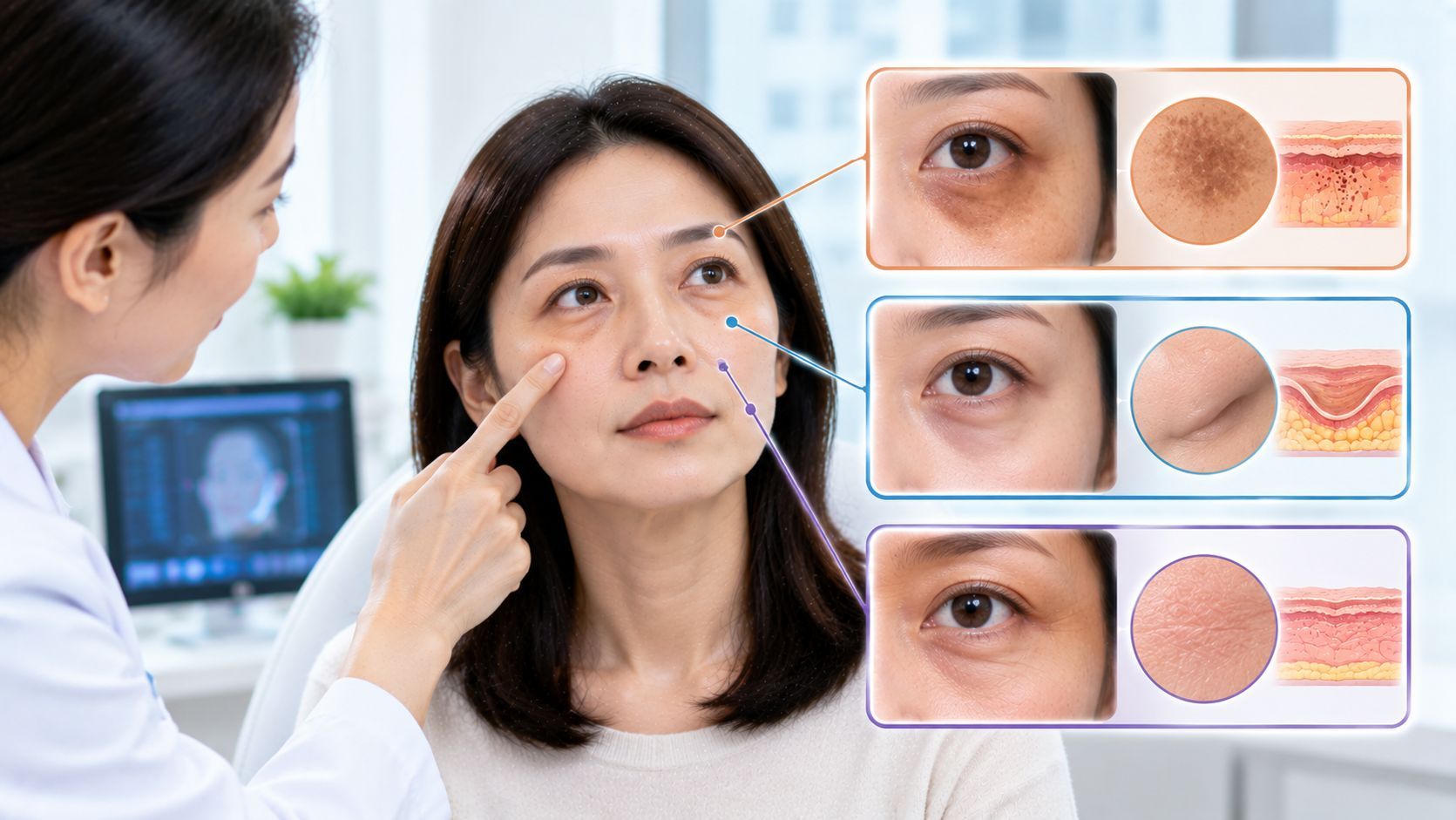
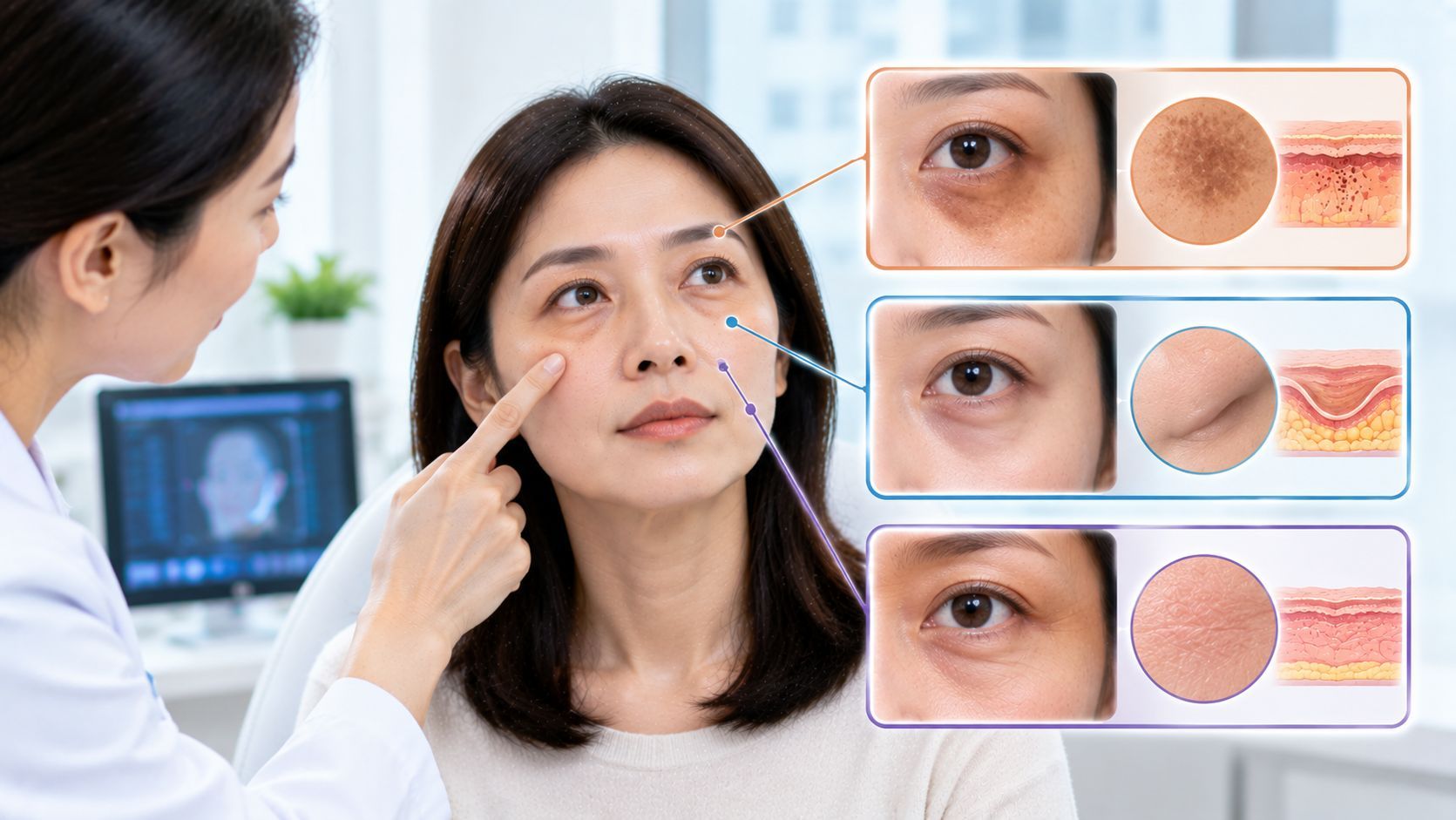
Losing a significant amount of weight can improve overall health and body shape, but sometimes the face changes in ways you did not expect. After weight loss, you may notice hollow cheeks, deeper lines, loose skin around the jawline, jowls, a thinner-looking face, or a generally more tired appearance. These changes can make you feel that you suddenly look older even though you have lost weight.
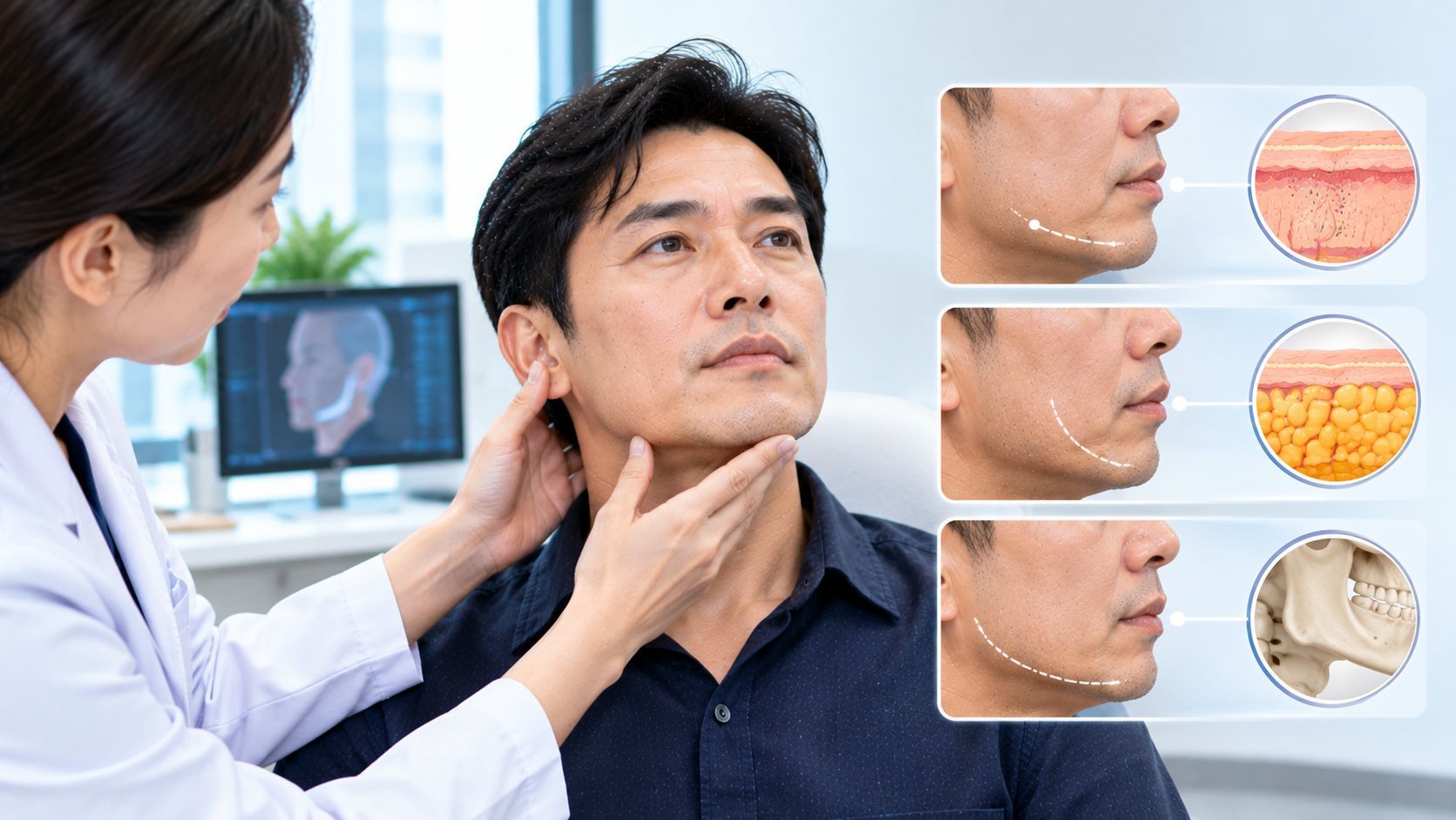
The important question is not simply which treatment is strongest. The first step is identifying what changed most: facial volume, skin laxity, skin quality, or a combination of these. Post-weight-loss facial changes can involve multiple tissue layers, so a treatment designed for only one problem may not address the entire appearance.
Why Can Weight Loss Make the Face Look Older?
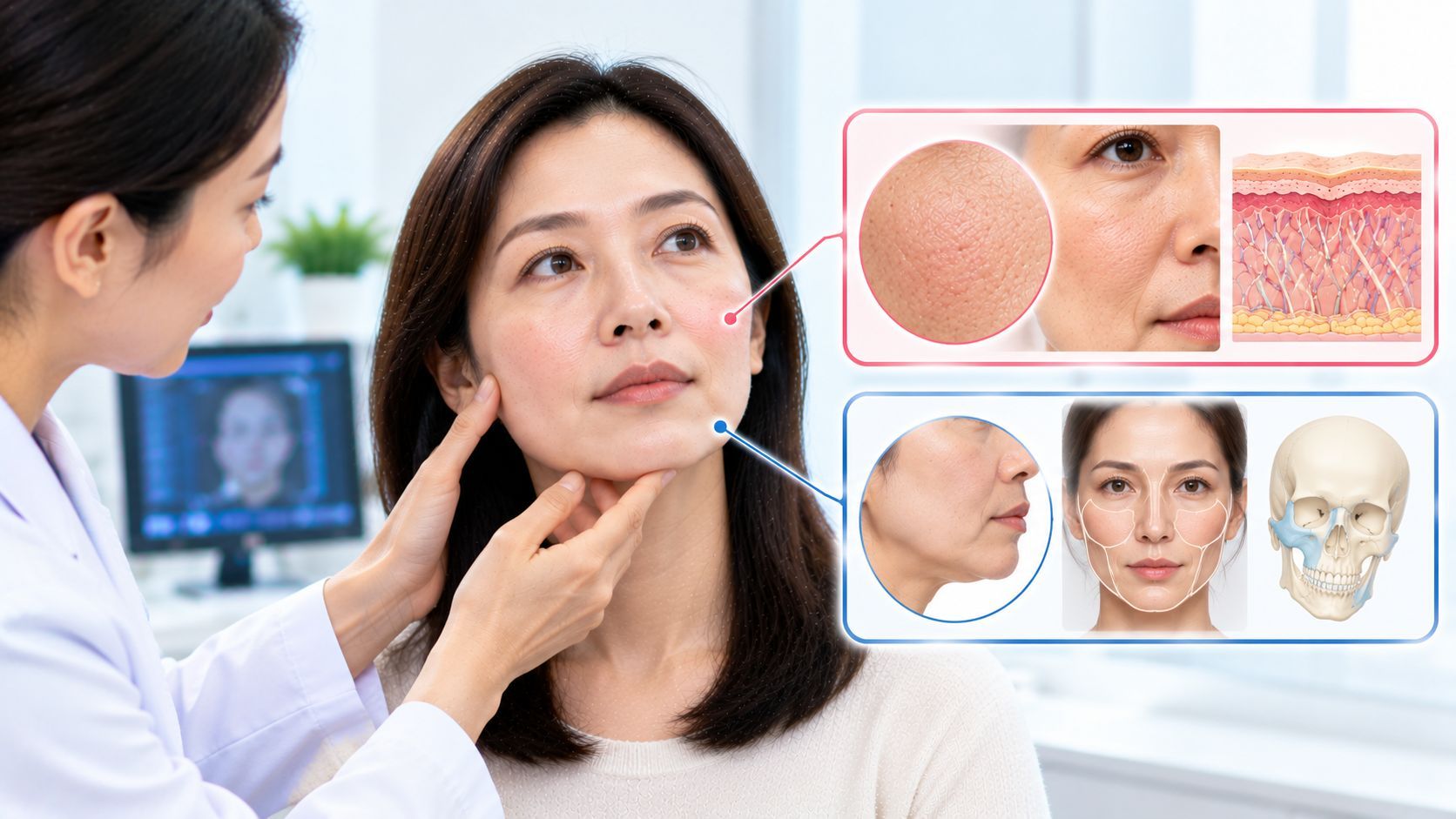
Significant or rapid weight loss can reduce the amount of soft tissue supporting the face. The cheeks and temples may look less full, while the skin may have less underlying support.
Common changes include:
- Hollow or flatter cheeks
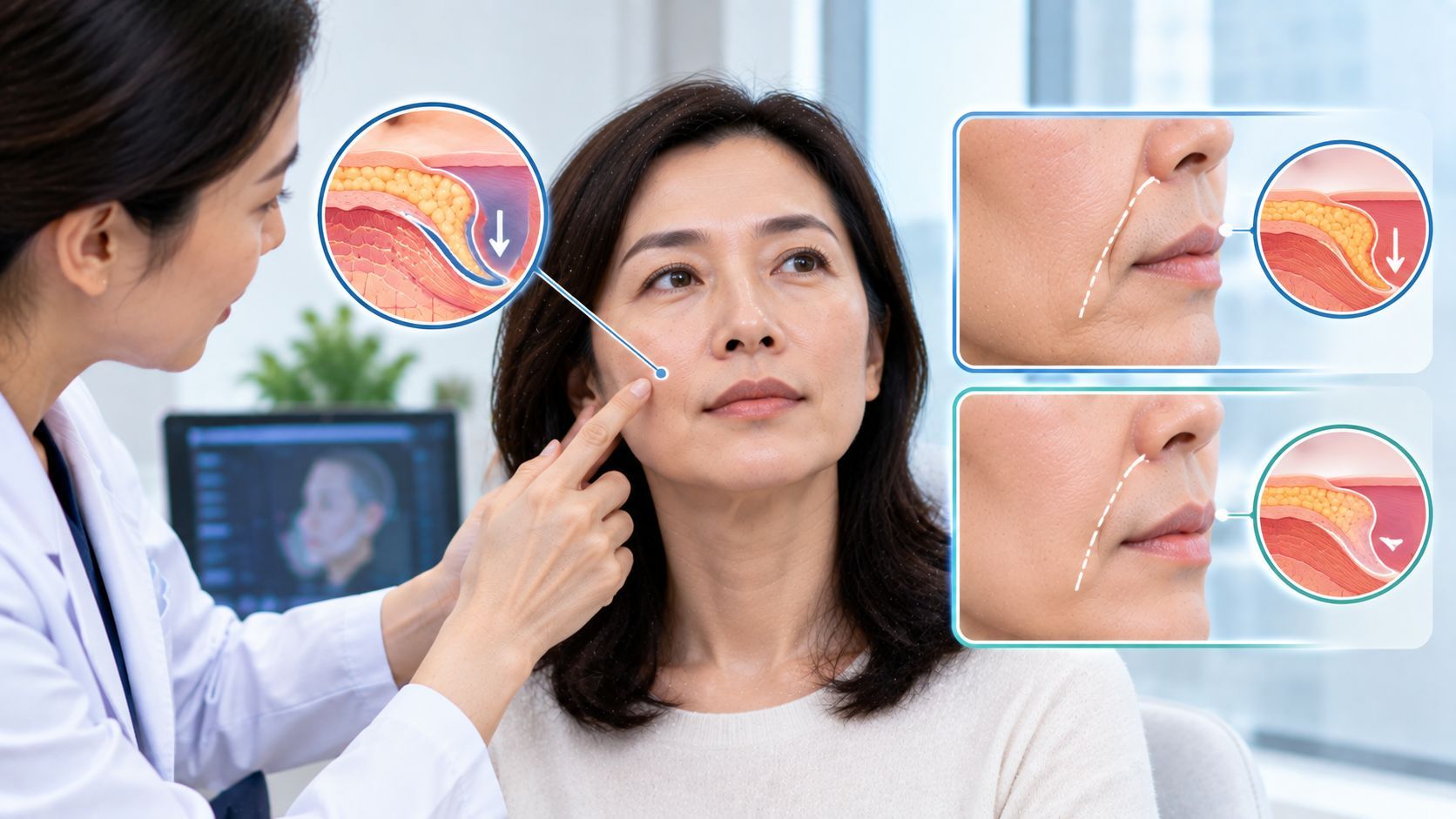
- More visible nasolabial folds
- Temple hollowing
- Under-eye hollowness
- Jowls
- Reduced jawline definition
- Loose or crepey skin
- More noticeable wrinkles
- A thinner or more tired-looking appearance
The American Academy of Dermatology notes that facial changes associated with GLP-1-related weight loss can include less facial fullness, sagging, wrinkles and crepey skin. Importantly, these changes are related largely to the amount and speed of weight loss rather than being unique to one medication.
What Should You Fix First After Weight Loss?
There is no universal treatment order for everyone. However, a useful way to approach post-weight-loss facial aging is to determine whether volume loss or skin laxity is the dominant problem.
If the face looks noticeably hollow or deflated, assessing volume first may be important.
If the face has adequate volume but the skin has become loose, tightening may deserve more attention.
If both are present, addressing only one may leave the face looking unbalanced.
Start by Assessing Facial Volume
Look at the cheeks, temples, midface and areas around the eyes.
If you have lost substantial facial fullness, adding a tightening treatment alone may not address why your face looks older. Skin tightening can improve laxity, but it does not recreate facial fat that has been lost.
Volume restoration may involve carefully selected injectable treatments or, in some cases, surgical fat transfer. Dermal fillers are designed to restore fullness in selected areas, but they require careful assessment because excessive correction can create an unnatural appearance.
Then Assess Skin Laxity
Once volume loss has been considered, look at the quality and tightness of the skin.
You may have:
- Mild jawline laxity
- Early jowling
- Loose skin beneath the chin
- Reduced cheek firmness
- Crepey skin
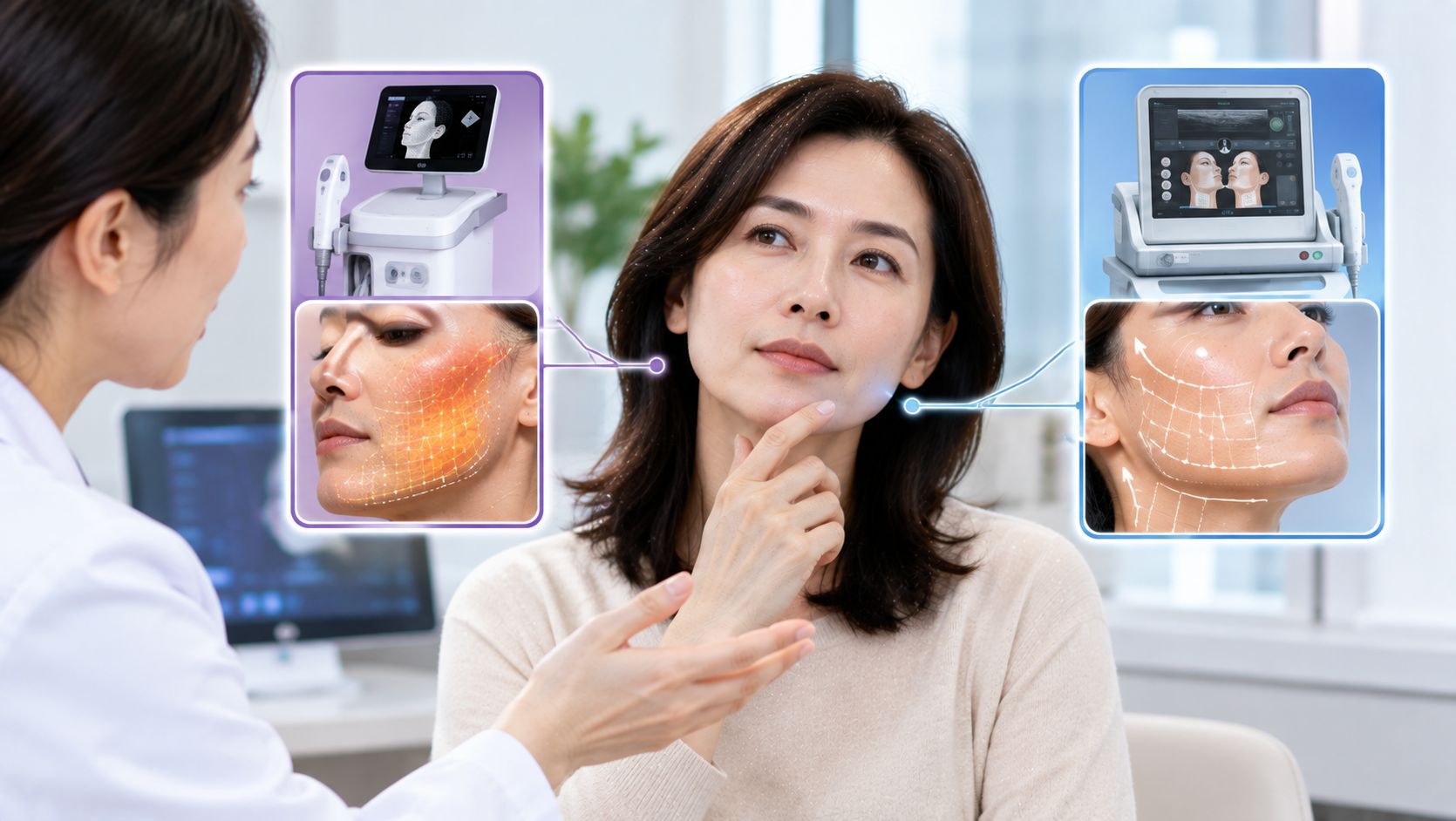
For limited sagging, non-surgical ultrasound or radiofrequency treatments may be considered. The AAD notes that these approaches can provide gradual tightening, while larger amounts of sagging may not respond sufficiently to non-invasive treatment.
When Should Volume Restoration Come First?
Volume may deserve early attention when your face looks deflated rather than simply loose.
Signs can include:
- Hollow cheeks
- Flattened midface
- Sunken temples
- Deepening facial folds after weight loss
- Noticeably thinner facial contours
- Loss of youthful facial support
In these situations, tightening the skin without addressing the underlying volume loss may produce limited visual improvement.
A dermatologist may discuss options such as hyaluronic acid filler, collagen-stimulating treatments or other volumizing approaches depending on your anatomy and goals.
Why Filler Is Not Automatically the Answer
Filler can restore volume, but that does not mean every hollow-looking area should be filled.
Facial volume loss can occur in multiple compartments. Sometimes restoring support in one strategically selected area can improve overall facial proportions without adding large amounts of product.
A conservative treatment plan may therefore focus on facial balance rather than simply increasing volume.
When Should Skin Tightening Come First?
Skin tightening may be more relevant when your face still has reasonable volume but the skin has become loose.
This may be particularly noticeable around:
- Jawline
- Lower cheeks
- Chin
- Neck
- Lower face
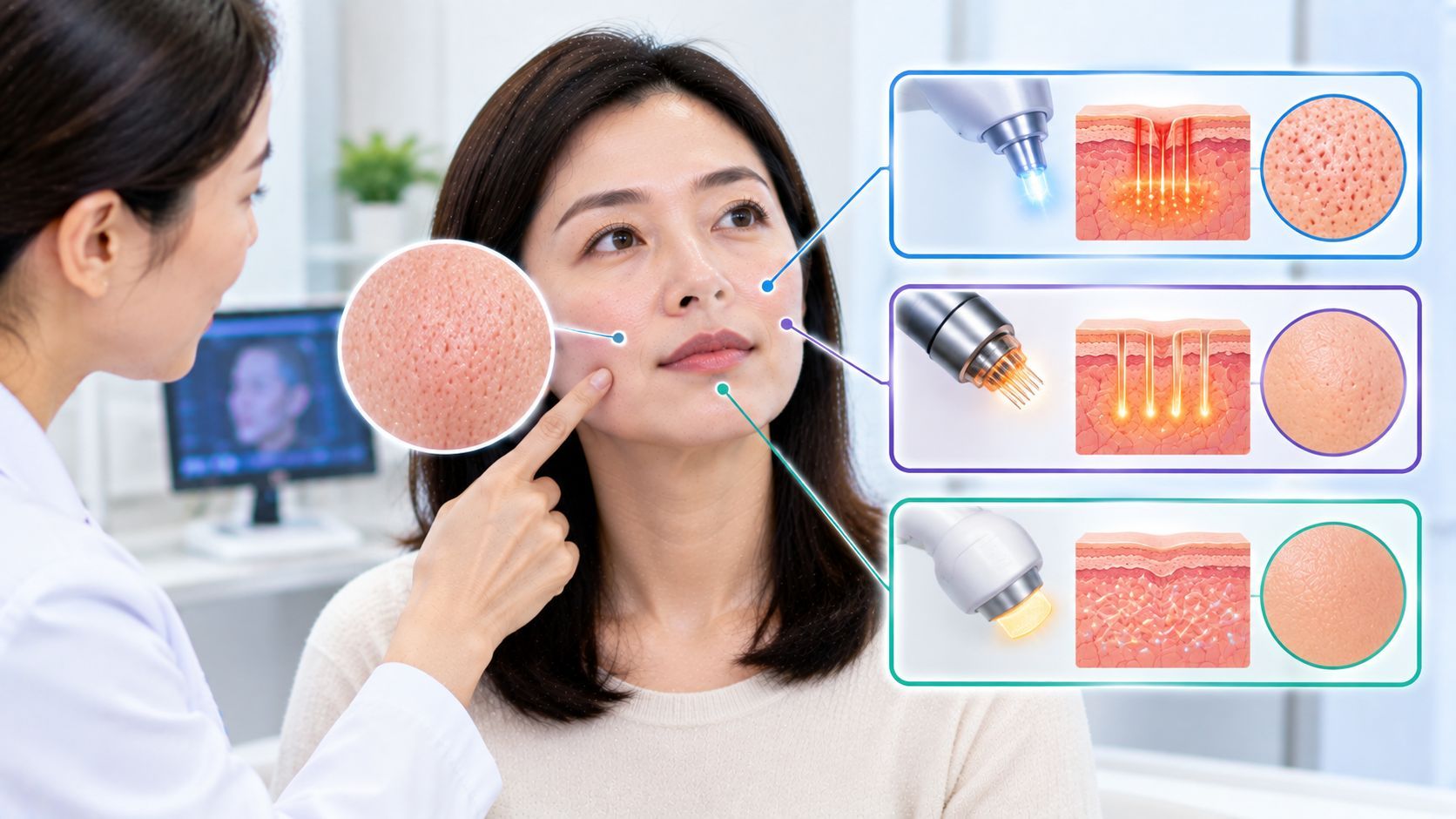
Ultrasound-based treatments such as Ultherapy and radiofrequency treatments such as Thermage are examples of non-surgical approaches used to address selected cases of skin laxity.
These treatments work differently from fillers. Their purpose is primarily to encourage tissue remodeling and improve firmness rather than immediately replacing lost facial volume.
What If You Have Both Hollowing and Sagging?
This is extremely common after substantial weight loss.
For example, you might have hollow cheeks combined with loose skin around the jawline. In that situation, choosing between “filler” and “tightening” may be the wrong question.
You may need to consider both problems separately.
A dermatologist might develop a staged plan involving:
- Assessing remaining facial volume
- Determining where volume support has been lost
- Evaluating skin laxity
- Considering whether collagen stimulation would help
- Treating the dominant concern first
- Reassessing before adding another treatment
Recent literature on aesthetic treatment following GLP-1-associated weight loss emphasizes this multimodal approach because facial changes can involve volume loss, skin laxity and changes in tissue support at the same time.
Could Collagen-Stimulating Treatments Be the First Step?
For some patients, collagen-stimulating treatments may be considered when the main concern is gradual improvement in skin quality and tissue support rather than major immediate volume replacement.
These treatments may be relevant when you have:
- Mild laxity
- Thin or crepey skin
- Reduced firmness
- Early post-weight-loss facial aging
- A preference for gradual changes
However, collagen stimulation should not be viewed as a substitute for substantial volume restoration or surgical removal of significant excess skin.
The appropriate approach depends on how much structural change occurred during weight loss.
What About Ultherapy or Thermage for a Thin Face?
Extra caution may be appropriate when your face has become very thin.
If your cheeks are already hollow, your dermatologist should determine whether tightening is actually addressing the problem. A treatment intended to improve laxity will not restore the volume that created the hollow appearance.
This is why “stronger tightening” is not necessarily the logical next step.
A detailed consultation should assess the thickness and distribution of facial tissue before selecting energy-based treatment and treatment intensity.
Should You Wait Until Your Weight Stabilizes?
If you are still actively losing a substantial amount of weight, your facial appearance may continue changing.
Further weight loss could potentially result in additional facial volume loss or laxity. Recent expert guidance specifically highlights treatment timing during the weight-loss process as an important consideration.
There is no universal waiting period that applies to everyone. Instead, your clinician can consider:
- Whether your weight is still changing substantially
- How much additional weight loss is expected
- Whether facial volume has stabilized
- Whether the skin is continuing to loosen
- Your planned treatment and its expected longevity
What If the Problem Is Mostly Excess Skin?
Non-surgical treatment has limits.
If you have substantial excess skin after major weight loss, ultrasound or RF may provide only limited improvement. The AAD specifically notes that non-invasive tightening is most useful when sagging is limited.
In more advanced cases, a surgical consultation may be appropriate. Facial lifting procedures can address excess tissue more directly than non-surgical treatments, although they involve surgery, recovery and their own risks.
How Should International Patients Plan Treatment in Korea?
If you are traveling to Seoul for facial rejuvenation, avoid booking multiple procedures simply because they are popular.
Before treatment, ask the clinic:
- What changed in my face after weight loss?
- Is volume loss or laxity the bigger issue?
- Do I actually need filler?
- Would tightening alone be enough?
- Could aggressive tightening be inappropriate for my facial volume?
- Would you recommend treating one concern before another?
- How long should I remain in Korea after treatment?
- What swelling or downtime should I expect?
- What follow-up is available after I return home?
Bringing photographs from before your weight loss can also help the clinician understand how your facial proportions changed.
How Do You Know What to Fix First?
A simple framework is useful:
Main changeTreatment category that may be consideredHollow cheeks or templesVolume restorationLoose jawlineSkin tighteningMild crepey skinSkin-quality/collagen-focused treatmentHollowing + laxityCombination or staged treatmentSignificant excess skinSurgical assessmentOngoing major weight lossConsider timing before treatment
This is not a treatment prescription. It is a way to organize the consultation around the underlying problem rather than choosing a procedure first.
Conclusion
If you lost weight but now feel that your face looks older, do not automatically start with skin tightening or filler. First determine whether the primary change is facial volume loss, skin laxity, reduced skin quality, or a combination.
For hollowing and deflation, volume restoration may deserve consideration. For limited loose skin, ultrasound or RF tightening may be relevant. When both problems exist, a staged combination approach may provide a more logical treatment strategy.
The most important goal is not to make the face simply tighter or fuller. It is to restore proportion, support and skin quality while respecting the facial changes caused by weight loss.
FAQs
Why do I look older after losing weight?
Significant weight loss can reduce facial fullness and underlying support while leaving the skin relatively loose. This combination can make wrinkles, hollows and jowls more noticeable.
Should I get filler or skin tightening first?
It depends on the dominant problem. Significant volume loss and hollowing may require assessment for volume restoration, while primarily loose skin may respond better to tightening.
Can Ultherapy fix an older-looking face after weight loss?
Ultherapy may improve selected areas of skin laxity, but it does not directly replace lost facial volume. A thin or hollow face requires particularly careful assessment.
Can Thermage restore facial volume after weight loss?
Thermage is primarily a skin-tightening treatment. It may improve firmness but should not be considered a direct replacement for lost facial fat.
Will my face improve after my weight stabilizes?
Some changes may settle as your weight and facial appearance stabilize, but substantial volume loss or persistent skin laxity may remain. Your clinician can assess your face once your weight-loss trajectory is clearer.
Can Korean dermatology treatments reverse facial aging after weight loss?
Treatments in Korea can address specific components such as volume loss, laxity and skin quality, but no single non-surgical treatment reverses every post-weight-loss change.