Should I Avoid Korean Skincare Products Immediately After Clinic Treatments?
Introduction
If you are visiting Seoul for a dermatology treatment, it can be tempting to buy several Korean skincare products immediately afterward. Korea is known for its wide range of cleansers, essences, serums, masks, moisturizers, sunscreens, and barrier-care products.
But after a medical or aesthetic treatment, more skincare is not necessarily better. Recently treated skin can be temporarily sensitive, and introducing several new products at once can make it difficult to identify what is causing irritation.
The safest approach is usually to follow the specific aftercare plan provided by your dermatologist and keep your routine simple until the skin has recovered. The American Academy of Dermatology recommends gentle cleansing and notes that using too many skincare products can irritate the skin.
Should You Avoid Korean Skincare After Treatment?
Not necessarily.
The issue is not that Korean skincare products are inherently unsuitable after dermatology treatments. The important questions are which product, which ingredients, which treatment, and how your skin currently looks and feels.
A gentle moisturizer or dermatologist-recommended cleanser may be appropriate immediately after some procedures, while an exfoliating acid, retinoid, strong vitamin C product, or fragranced treatment may be inappropriate while the skin is irritated.
Your dermatologist may recommend a temporary routine containing only:
- Gentle cleanser
- Recommended moisturizer
- Sunscreen when appropriate
- Prescribed medication or post-treatment product
The exact routine depends on your procedure.
Why Can New Skincare Cause Problems After Treatment?
A treatment can temporarily change how your skin responds to products.
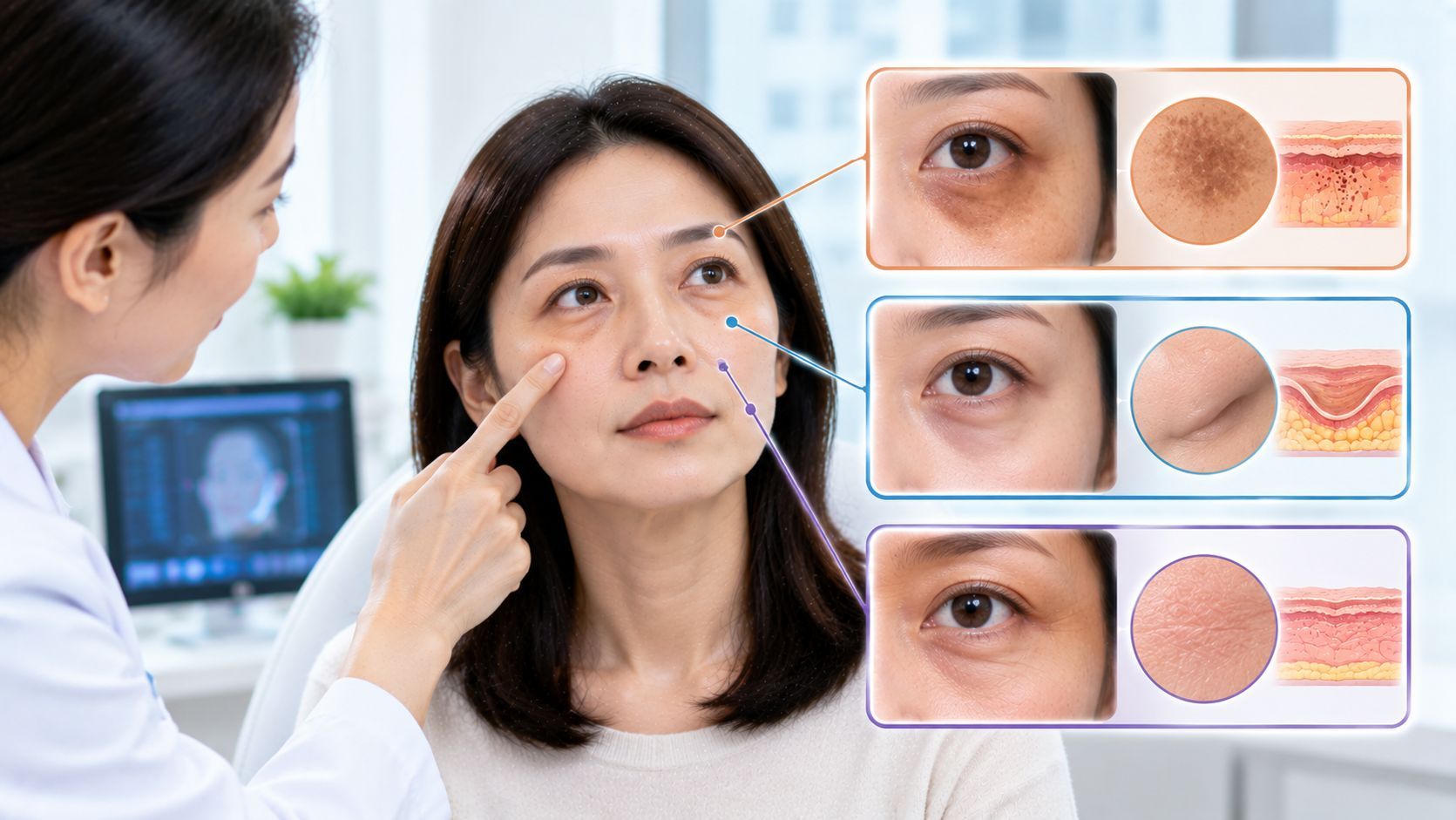
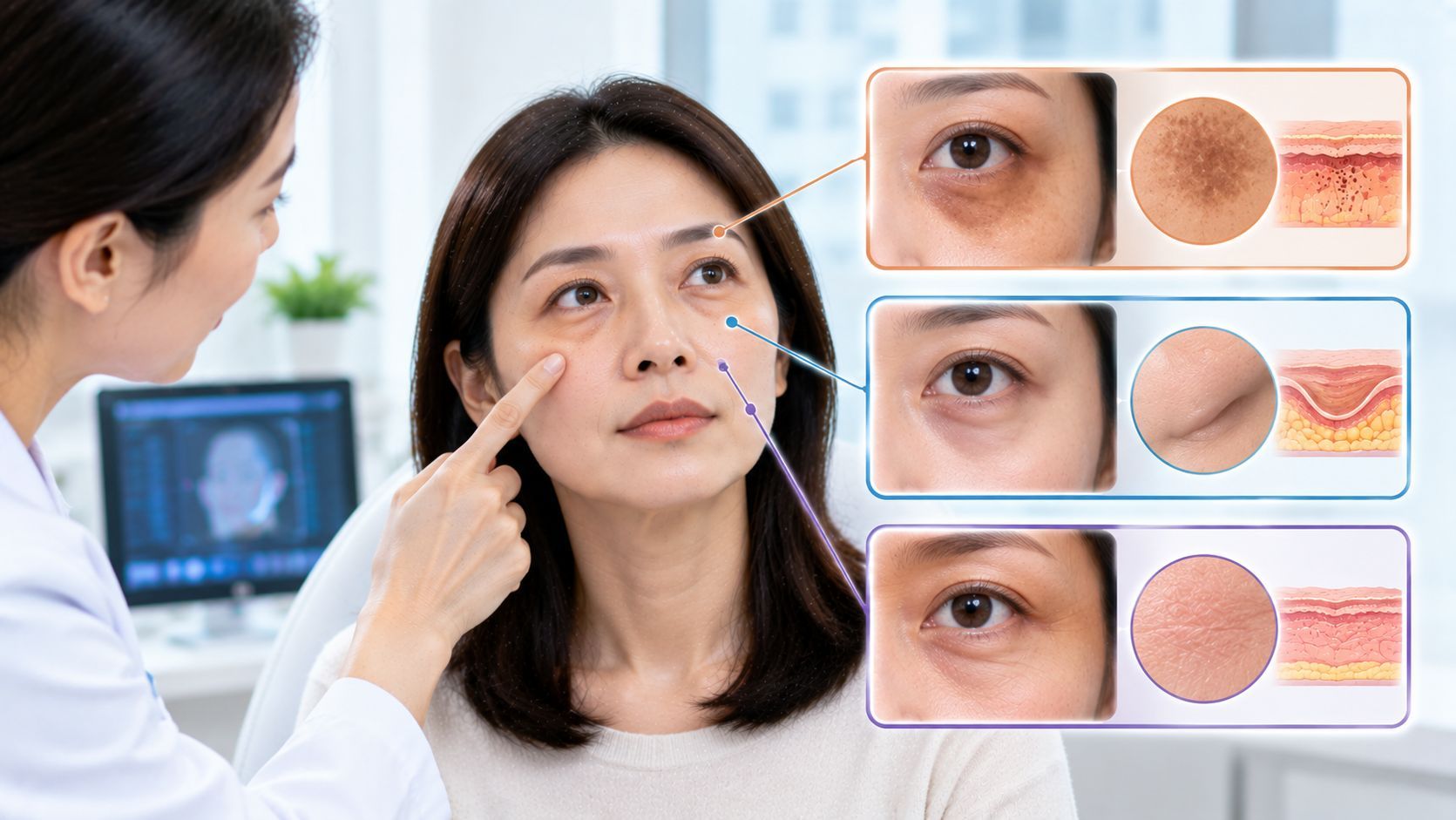
After procedures such as laser treatment, microneedling, chemical peels, or certain acne-scar treatments, the skin may become more sensitive. The AAD notes that treated skin can be sensitive after acne-scar procedures and advises patients to follow their dermatologist's recommended skincare plan.
Adding several unfamiliar products immediately afterward can create problems because you may not know which ingredient caused a reaction.
For example, imagine buying five products in Seoul:
- A toner
- A vitamin C serum
- An exfoliating serum
- A retinol cream
- A sleeping mask
If your skin starts burning that evening, it becomes difficult to determine which product is responsible.
What Korean Skincare Ingredients Should You Be Careful With?
There is no universal list of ingredients that every patient must avoid. However, some active ingredients can be irritating when the skin is already sensitive.
Depending on your treatment, your dermatologist may temporarily restrict products containing:
- Retinoids or retinol
- Glycolic acid
- Lactic acid
- Salicylic acid
- Strong exfoliating acids
- Strong vitamin C formulations
- Scrubs
- Peeling products
- Fragrances
- High-concentration active ingredients
The AAD notes that ingredients such as retinol and glycolic acid can irritate sensitive skin.
This does not mean these ingredients are bad. They can be useful in an appropriate skincare routine, but timing matters after procedures.
What About Korean Sheet Masks?
Sheet masks are extremely popular in Korea, but you should not automatically assume that a sheet mask is appropriate immediately after treatment.
Some masks contain fragrance, botanical extracts, acids, brightening ingredients, or other actives that may irritate recently treated skin.
The AAD advises washing off a facial mask if it causes itching, burning, or stinging and recommends maintaining a basic routine of cleansing, moisturizing, and sun protection.
If your clinic gives you a specific post-treatment mask, that is different from buying a random product at a beauty store.
A dermatologist-selected product is more likely to fit the procedure and recovery stage.
What About Vitamin C After Treatment?
Vitamin C is commonly used for antioxidant protection and pigmentation concerns, but you should not automatically restart a strong vitamin C serum immediately after every treatment.
Some formulations can sting irritated skin.
If your dermatologist tells you to pause vitamin C temporarily, follow that instruction. Once your skin has recovered, they may tell you when and how to restart it.
If you already use a vitamin C product regularly, show the exact product or ingredient list to your Korean dermatologist before treatment. This can help them decide whether you should continue, pause, or modify it.
What About Retinol?
Retinoids can be highly useful for certain skin concerns, but they can also cause dryness and irritation.
The timing of restarting retinol depends heavily on the procedure.
For example, the AAD notes that patients preparing for certain laser treatments may be instructed to stop products containing retinoids or glycolic acid for a period before treatment.
After treatment, your dermatologist may similarly give you a specific restart schedule.
Therefore, don't restart retinol simply because your skin looks normal on the outside. Ask when it is appropriate for your particular procedure.
What About Exfoliating Acids?
AHA and BHA products can be useful for acne, pigmentation, texture, and clogged pores, but exfoliation may be too aggressive while skin is recovering.
This is particularly relevant after treatments that intentionally affect the outer skin layers.
The AAD advises against unnecessary scrubbing because physical irritation can damage or aggravate the skin.
If your skin is peeling after a treatment, do not try to speed up the process by using acids or scrubs unless your dermatologist specifically recommends them.
Let the skin recover according to the treatment's aftercare instructions.
What Skincare Is Usually Simpler After Treatment?
When your dermatologist approves skincare, a simple routine is often easier to manage than a complicated one.
Gentle Cleanser
Use a mild, non-abrasive cleanser and avoid aggressive rubbing. The AAD recommends cleansing with fingertips and lukewarm water rather than using abrasive tools or scrubbing.
Moisturizer
Moisturizer can help reduce dryness and discomfort. The appropriate formula depends on your skin and treatment.
For sensitive skin, fragrance-free products may be easier to tolerate.
Sunscreen
Sun protection is particularly important after many dermatology procedures. After laser treatment, for example, the AAD recommends protecting treated skin from sunlight while it heals.
Your clinic may recommend a particular sunscreen or tell you when sunscreen can be restarted after your procedure.
Should I Buy Korean Skincare Before or After My Treatment?
If you want to shop for Korean skincare during your Seoul trip, it may be better to buy products after discussing your skin with the dermatologist, rather than purchasing a large collection first.
You can bring photos of your existing products or show the dermatologist the ingredient lists.
Ask:
- Can I continue using this cleanser?
- Should I stop this serum?
- When can I restart retinol?
- Can I use acids?
- Which moisturizer should I use?
- Which sunscreen is appropriate?
- Should I avoid fragrance?
- When can I return to my normal routine?
This is particularly useful if you have several treatments during the same trip.
What If the Clinic Gives Me Korean Skincare Products?
Some Korean dermatology clinics provide or recommend post-treatment products.
That does not necessarily mean you need to use every product they offer.
Ask the clinic which products are:
Essential for recovery versus optional for your longer-term skincare routine.
This distinction can make your routine much simpler.
If the clinic gives you several products, ask for written instructions about:
- Which product to use first
- How often to apply it
- How long to use it
- Which products should not be combined
- When to restart your normal skincare
- When to stop a product if irritation develops
What If I Already Bought Several Products in Seoul?
Don't feel that you have to use them immediately.
Keep the unopened products for later if your dermatologist recommends waiting.
This is particularly important if you have just undergone laser treatment, microneedling, a chemical peel, or another procedure that can temporarily make your skin more sensitive.
Introducing products one at a time after recovery can also make it easier to identify which products your skin tolerates.
The AAD recommends testing new skincare products before incorporating them fully into a routine, particularly because individual ingredients can cause irritation or allergic reactions.
What About Korean Sunscreen?
Korean sunscreens can be convenient for travelers, but immediately after treatment you should prioritize what your dermatologist recommends for your specific recovery stage, rather than choosing a sunscreen solely because it is popular.
The AAD recommends broad-spectrum, water-resistant SPF 30 or higher for general sun protection.
If your skin is particularly sensitive after treatment, your dermatologist may recommend a specific formulation or advise you when sunscreen should be applied.
How Should International Patients Plan Skincare Shopping?
If skincare shopping is part of your Seoul itinerary, consider separating it from the actual treatment recovery period.
For example:
Before treatment: Browse stores and compare products
Treatment day: Follow the clinic's minimal aftercare routine
Following days: Use only approved products
After recovery: Introduce new Korean skincare gradually
This approach allows you to enjoy Korean skincare shopping without turning the immediate recovery period into an experiment with multiple unfamiliar products.
When Should You Stop a New Product?
If a product causes significant:
- Burning
- Stinging
- Itching
- Swelling
- Redness
- Rash
- Worsening irritation
stop using it and follow your dermatologist's advice.
A mild temporary sensation is not something to deliberately push through, especially after a medical treatment.
The AAD recommends washing off a product if it causes itching, burning, or stinging and seeking dermatologic guidance if the reaction is significant or persistent.
Conclusion
You do not need to avoid all Korean skincare products after a dermatology treatment. However, immediately after treatment is usually not the ideal time to introduce a complicated new routine.
Recently treated skin may be more sensitive, and active ingredients, fragrance, exfoliation, or too many products can increase irritation. A simple routine based on your dermatologist's instructions is usually easier to manage.
If you are visiting Seoul for medical tourism, consider shopping for Korean skincare before or after the immediate recovery period, but let your dermatologist decide when each product should be introduced.
Your goal after treatment should not be to use as many Korean skincare products as possible. It should be to give your skin the appropriate environment to recover.
FAQs
Can I use Korean skincare immediately after laser treatment?
Only use products your dermatologist has approved for the recovery stage. Laser-treated skin can be sensitive, and the AAD recommends following your dermatologist's specific post-treatment skincare instructions.
Can I use a Korean sheet mask after Rejuran?
Ask your clinic first. A dermatologist-approved post-treatment mask may be appropriate, but randomly selected masks can contain ingredients that irritate recently treated skin.
Should I stop retinol after a Korean skin treatment?
The answer depends on the treatment. Some procedures require retinoids to be paused before or after treatment. Ask your dermatologist when you should restart yours.
Can I use vitamin C after a facial treatment?
It depends on the formulation and procedure. If your skin is sensitive or stinging, your dermatologist may recommend temporarily simplifying your routine.
Is Korean skincare safe for sensitive skin after treatment?
Some products may be well tolerated, while others may cause irritation. Look for products appropriate for sensitive skin and introduce new products cautiously rather than assuming every Korean skincare product is suitable.
When can I return to my normal skincare routine?
There is no single timeframe. It depends on whether you had a facial, injectable, laser, peel, microneedling, RF treatment, or another procedure. Follow the individual recovery instructions from your treating clinic.