Should Pigmentation Laser Be Done Before or After Rejuran?
Introduction
If you are planning both pigmentation laser treatment and Rejuran, the order can matter for skin recovery and treatment planning. Pigmentation lasers primarily target unwanted pigment, while Rejuran is an injectable skin treatment intended to support skin quality and regeneration. Because the procedures work differently, they may be combined, but they should not automatically be performed in any order or on the same day.
For many patients, the pigmentation treatment is planned first and Rejuran afterward, particularly when the laser is expected to cause temporary redness, sensitivity, or peeling. However, the appropriate sequence depends on the specific laser, the pigmentation being treated, the intensity of treatment, the injection areas, and the patient's skin condition.
Why Pigmentation Laser and Rejuran Work Differently
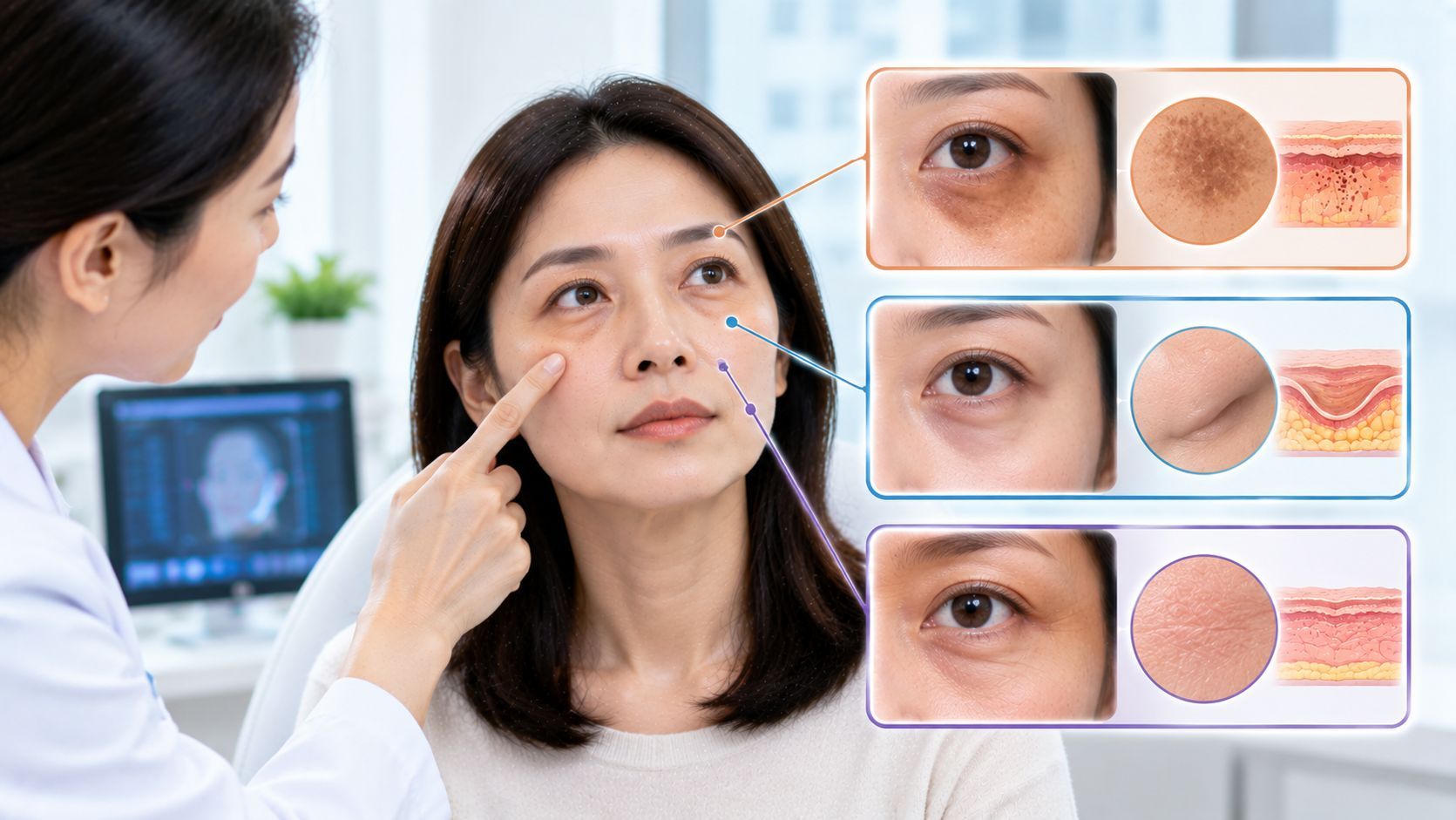
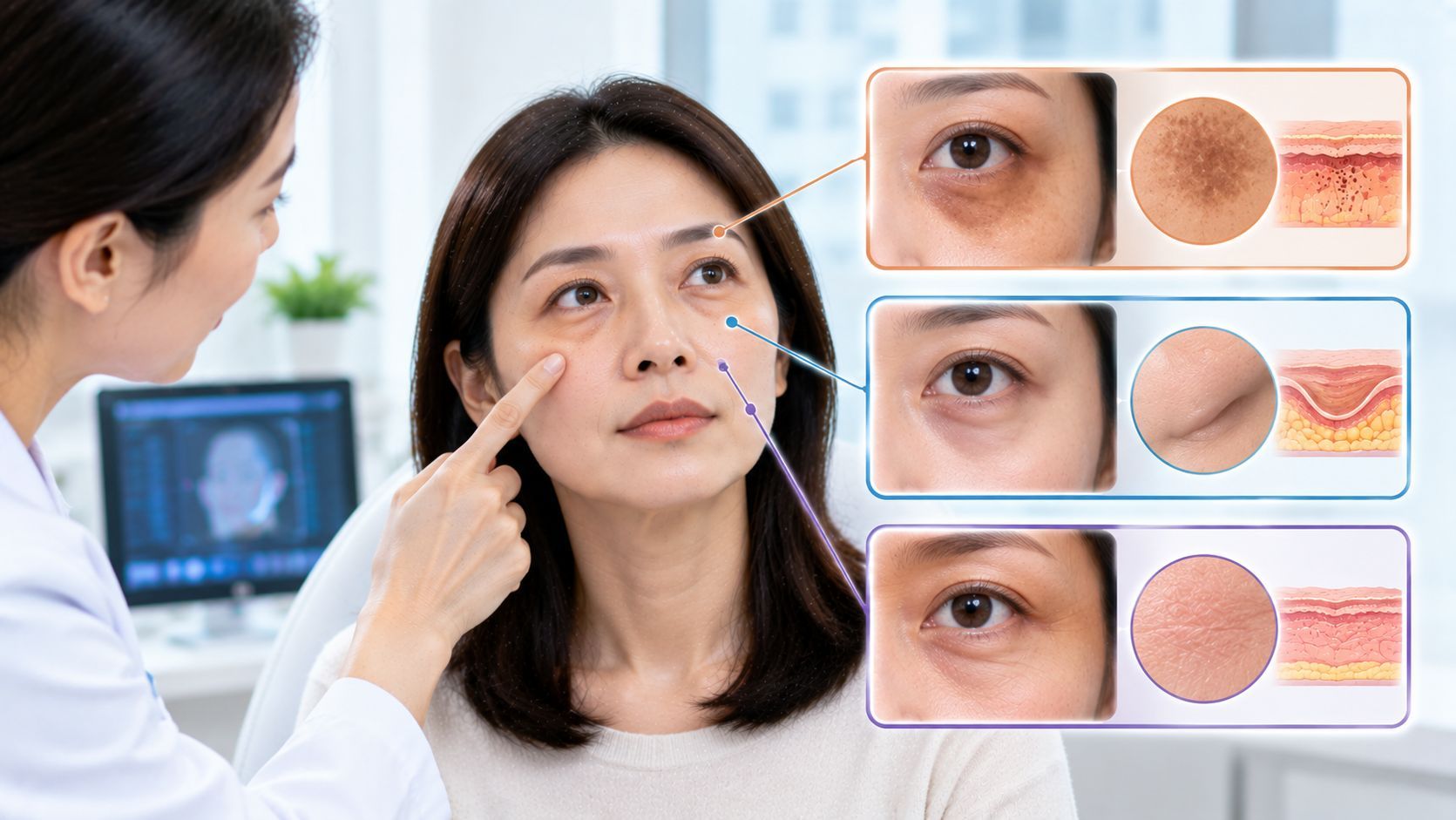
Pigmentation Laser Targets Pigment
Laser and light-based treatments can be selected for different pigmentation concerns, including certain types of:
- Freckles
- Sun spots
- Lentigines
- Uneven pigmentation
- Some forms of melasma
- Post-inflammatory hyperpigmentation
The appropriate device depends on the diagnosis. A pigmentation problem should ideally be identified before choosing a laser because not every brown or gray patch responds to the same treatment.
Rejuran Focuses on Skin Quality
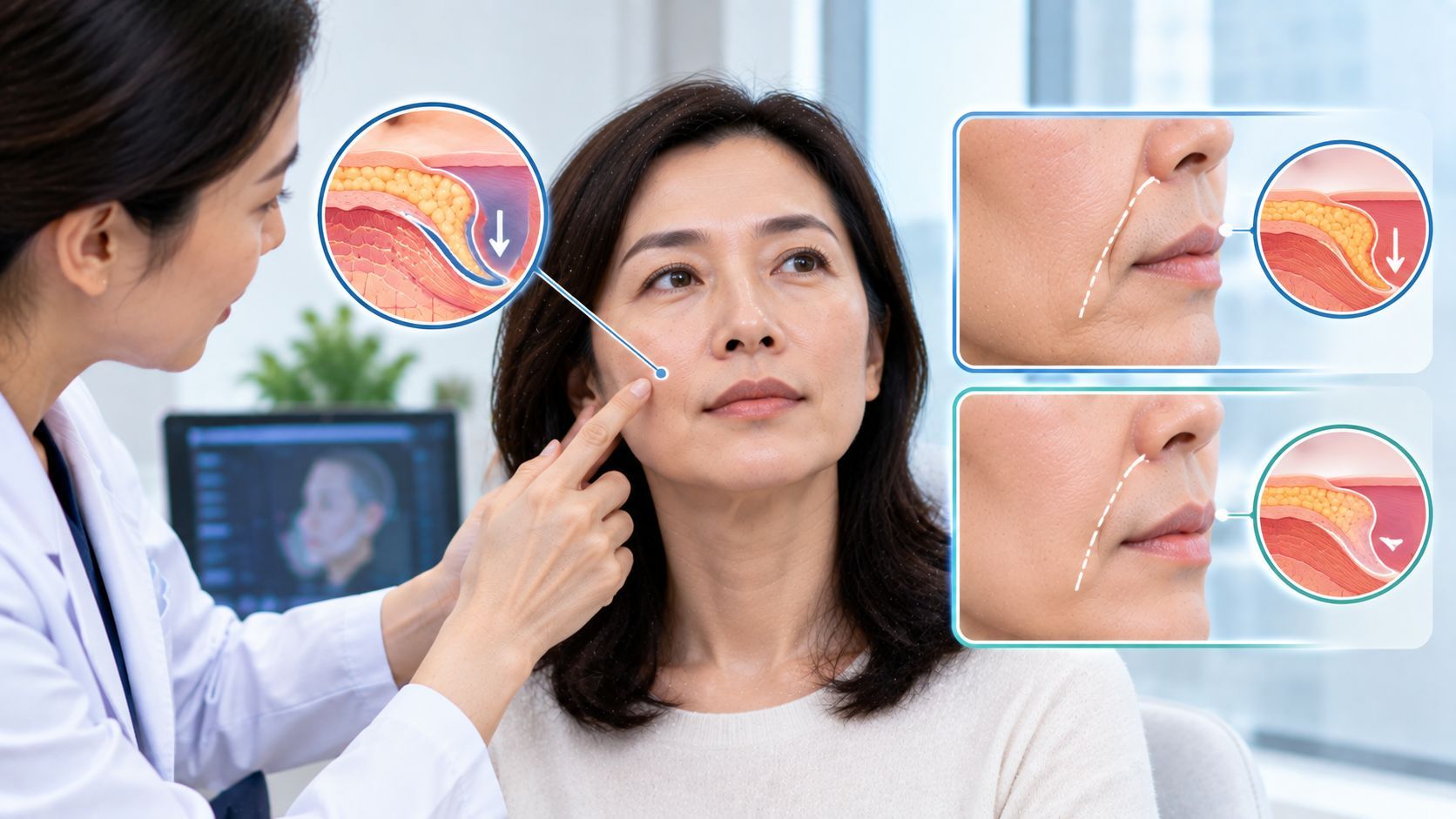
Rejuran is an injectable treatment containing polynucleotide-based material. It is generally used with the goal of improving overall skin quality rather than directly removing pigmentation.
Patients may seek Rejuran for concerns such as:
- Fine lines
- Rough texture
- Reduced skin quality
- Dehydrated-looking skin
- Early signs of aging
Therefore, the two treatments can complement different aspects of a patient's skin concerns.
Which Should Come First?
Pigmentation Laser Is Often Performed First
When both procedures are planned, a clinician may choose to perform the pigmentation laser first.
The reason is straightforward: laser treatment can temporarily make the skin more reactive. Depending on the device and settings, patients may experience redness, warmth, sensitivity, swelling, crusting, or peeling.
Performing an injectable treatment after the skin has recovered can make the overall treatment process easier to manage.
Rejuran Can Follow After the Skin Has Settled
Once the skin has recovered sufficiently from the laser procedure, Rejuran may be incorporated into the treatment plan.
The exact timing should be determined by the treating clinician rather than by a fixed number of days for everyone.
The interval can depend on:
- Laser type
- Treatment intensity
- Pigmentation diagnosis
- Skin sensitivity
- Amount of post-laser inflammation
- Injection sites
- Previous treatment history
Why Doing Rejuran First May Not Always Be Ideal
Rejuran involves multiple small injections. These can temporarily cause swelling, redness, tenderness, or small raised bumps at injection points.
If a strong pigmentation laser is subsequently performed over the same area while the skin is still recovering from injections, the treatment plan may become more complicated.
That does not mean Rejuran must never come first. In selected situations, a dermatologist may intentionally choose that sequence.
The key issue is coordination.
What If the Pigmentation Is Mild?
If the pigmentation is mild and the planned laser treatment is gentle, the clinician may have more flexibility in scheduling.
Some patients may be able to combine treatments during a relatively short Korea medical-tourism visit. However, combining procedures should be based on an examination rather than simply selecting several treatments from a clinic package.
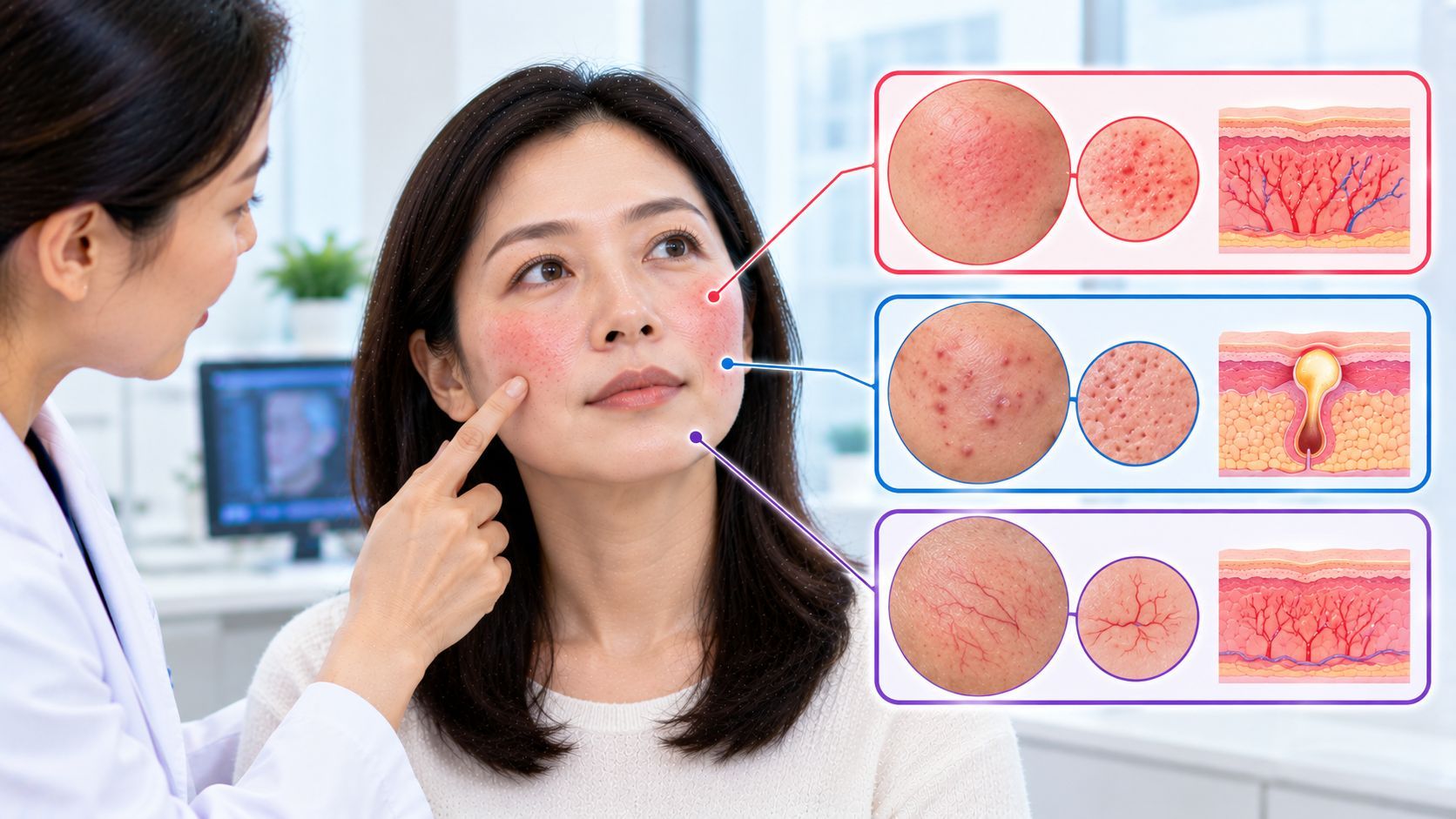
What If You Have Melasma?
Melasma requires particular caution.
Melasma is not simply a surface pigment problem. It can be influenced by factors such as:
- UV exposure
- Hormonal factors
- Heat
- Skin inflammation
- Certain medications
- Individual susceptibility
Aggressive treatment can sometimes worsen pigmentation or trigger post-inflammatory hyperpigmentation.
Therefore, someone with melasma should not assume that a stronger laser will necessarily produce a better result.
The dermatologist should first determine whether the pigmentation is actually melasma and choose the treatment approach accordingly.
What If You Have Post-Acne Pigmentation?
Post-inflammatory hyperpigmentation after acne is another situation where diagnosis matters.
If active acne is still present, the clinician may prioritize controlling inflammation before aggressively treating the remaining pigmentation.
Rejuran may be considered for overall skin quality in selected patients, but it does not replace appropriate acne management.
Can Rejuran and Pigmentation Laser Be Done on the Same Day?
Some clinics may combine multiple treatments during one appointment, but same-day treatment is not automatically appropriate.
The decision depends on:
- Laser type
- Laser settings
- Treatment depth
- Skin sensitivity
- Rejuran injection sites
- Current inflammation
- Previous reactions
If the laser is expected to create significant irritation, separating the treatments may be more comfortable and easier to monitor.
How Long Should You Wait Between Them?
There is no universal waiting period for every pigmentation laser and Rejuran combination.
Instead of relying on a generic interval, wait until the skin has recovered according to the treating clinician's instructions.
Before receiving Rejuran after laser treatment, tell the provider whether you still have:
- Significant redness
- Burning
- Swelling
- Crusting
- Peeling
- Tenderness
- Unusual darkening
- Blistering
Persistent or worsening symptoms should be assessed rather than covered up with another cosmetic treatment.
What About Pico Laser and Rejuran?
Pico laser is frequently discussed in connection with pigmentation and skin rejuvenation.
Whether Pico laser and Rejuran can be combined depends on the Pico treatment being performed and its settings.
A low-intensity treatment for certain pigmentation concerns may involve a different recovery process from a more intensive resurfacing approach.
Therefore, saying simply “Pico and Rejuran can always be done together” would be too broad.
What About Other Pigmentation Treatments?
The same principle applies to other laser and light-based procedures.
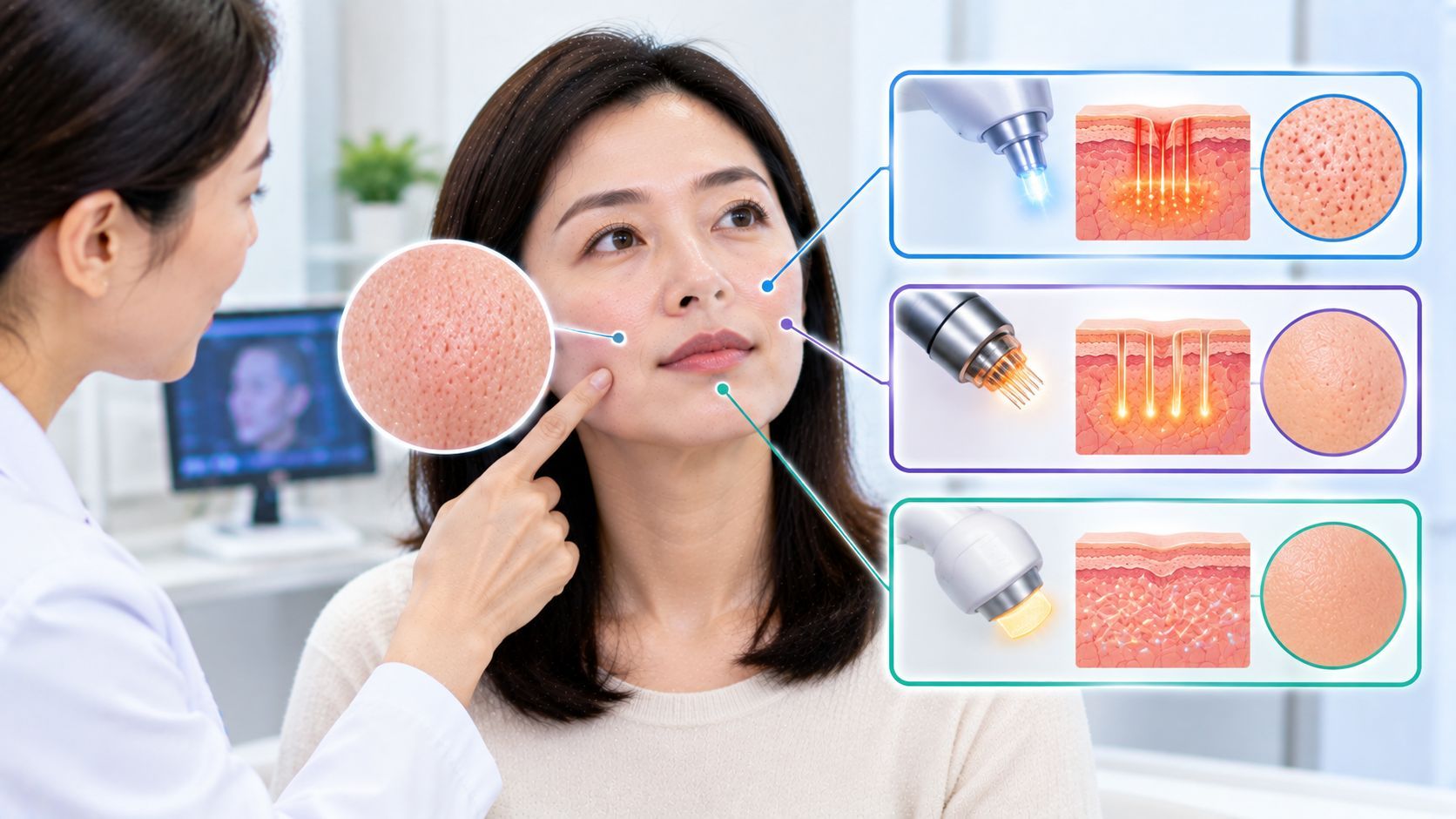
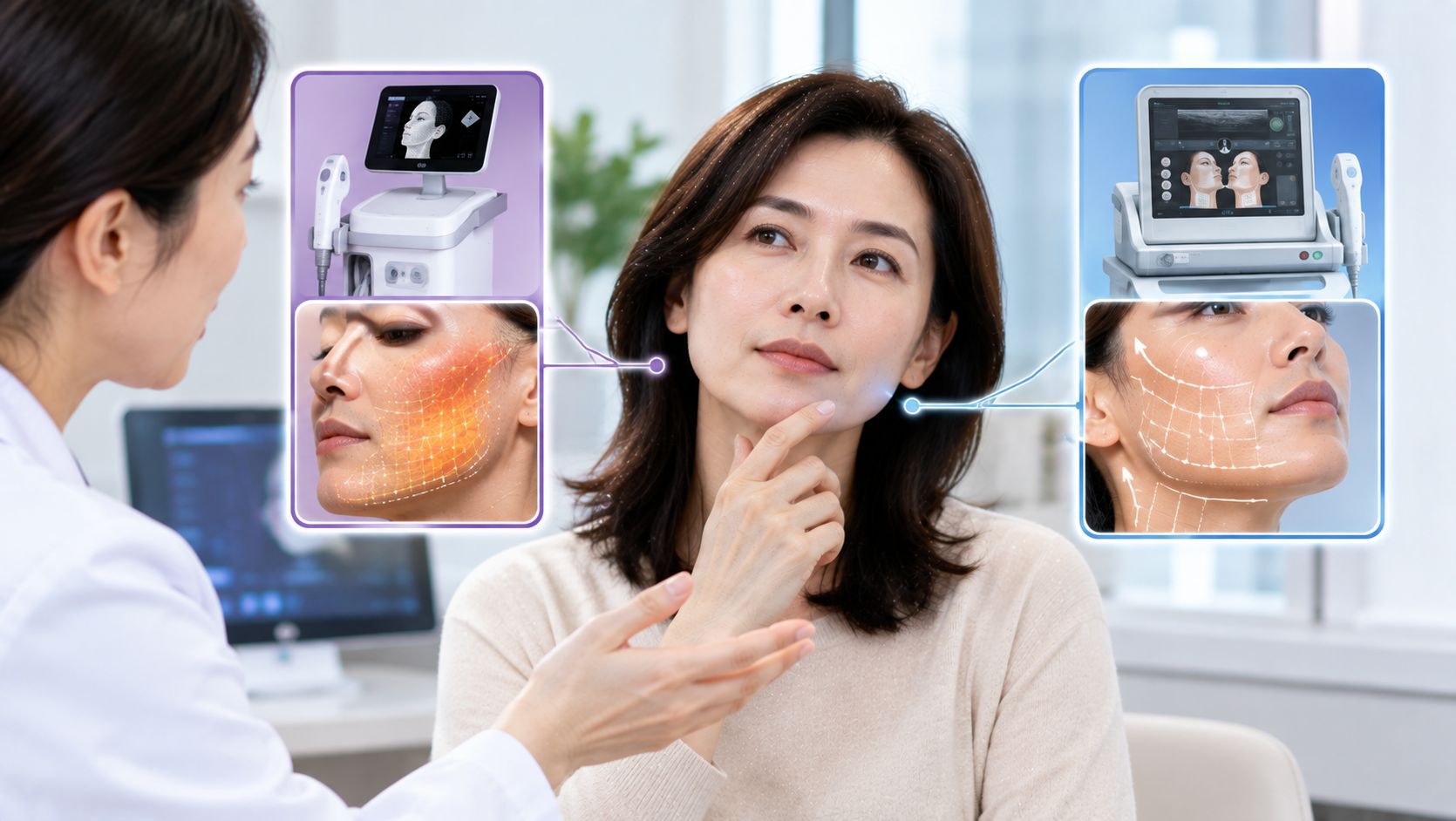
Depending on the diagnosis, a dermatologist may consider treatments such as:
- Pico laser
- Q-switched laser
- Fractional laser
- Selected vascular or pigment lasers
- Intense pulsed light in appropriate cases
Each has different treatment characteristics, so the timing relative to Rejuran should be individualized.
Could Rejuran Help Pigmentation?
Rejuran should not be viewed as a primary pigment-removal treatment.
A patient may notice an improvement in overall skin quality after treatment, but that is different from directly targeting excess melanin.
If pigmentation is the main concern, the treatment plan should specifically address the underlying pigment disorder.
What Should You Do During Recovery?
After pigmentation treatment, protecting the skin from ultraviolet exposure is particularly important.
Follow your clinic's instructions regarding:
- Sunscreen
- Gentle cleansing
- Moisturization
- Makeup
- Exercise
- Heat exposure
- Sauna use
- Other skincare products
Avoid adding multiple active treatments without professional guidance while the skin is recovering.
A Practical Treatment Sequence
For many patients, a logical treatment-planning approach is:
Step 1: Identify the type of pigmentation.
Step 2: Select the appropriate laser or non-laser treatment.
Step 3: Complete the pigmentation treatment.
Step 4: Allow the skin to recover.
Step 5: Reassess the skin.
Step 6: Add Rejuran if it is appropriate for the remaining skin-quality concerns.
This does not mean every patient must follow exactly this sequence. A dermatologist may recommend a different plan based on your skin.
Questions to Ask Your Dermatologist
Before combining Rejuran with pigmentation treatment, ask:
- What type of pigmentation do I actually have?
- Which laser are you recommending and why?
- Will the treatment cause peeling or significant inflammation?
- Should I have Rejuran before or after the laser?
- How long should I wait between treatments?
- Could my pigmentation temporarily become darker?
- Do I have a higher risk of post-inflammatory hyperpigmentation?
- Would treating one concern at a time be better for my skin?
These questions can help you understand the treatment strategy rather than simply combining procedures because they are available at the same clinic.
Final Thoughts
Pigmentation laser and Rejuran can address different skin concerns and may sometimes be included in the same overall treatment plan. In many cases, the pigmentation procedure is performed first, followed by Rejuran after the skin has sufficiently recovered.
However, there is no universal schedule. The correct order depends on the type of pigmentation, laser technology, treatment intensity, skin sensitivity, and injection areas.
If you are traveling to Seoul for treatment, consider discussing the complete sequence with the dermatologist before booking multiple procedures. A personalized plan can help avoid unnecessary irritation and ensure that each treatment has a clear purpose.