Should I Fix My Skin Barrier Before Getting Laser Treatment?
Introduction
If your skin is dry, burning, unusually sensitive, peeling, or becoming red from products that previously caused no problems, you may wonder whether laser treatment is still a good idea. This is especially important if you are considering laser treatment in Korea for pigmentation, acne scars, pores, redness, or uneven texture.
In many cases, stabilizing a significantly irritated or compromised skin barrier before elective laser treatment is a sensible approach. Laser treatments intentionally interact with the skin and can temporarily increase redness, dryness, and barrier disruption. The appropriate timing depends on the condition of your skin, the type of laser, treatment intensity, and the reason your barrier is impaired.
What Is the Skin Barrier?
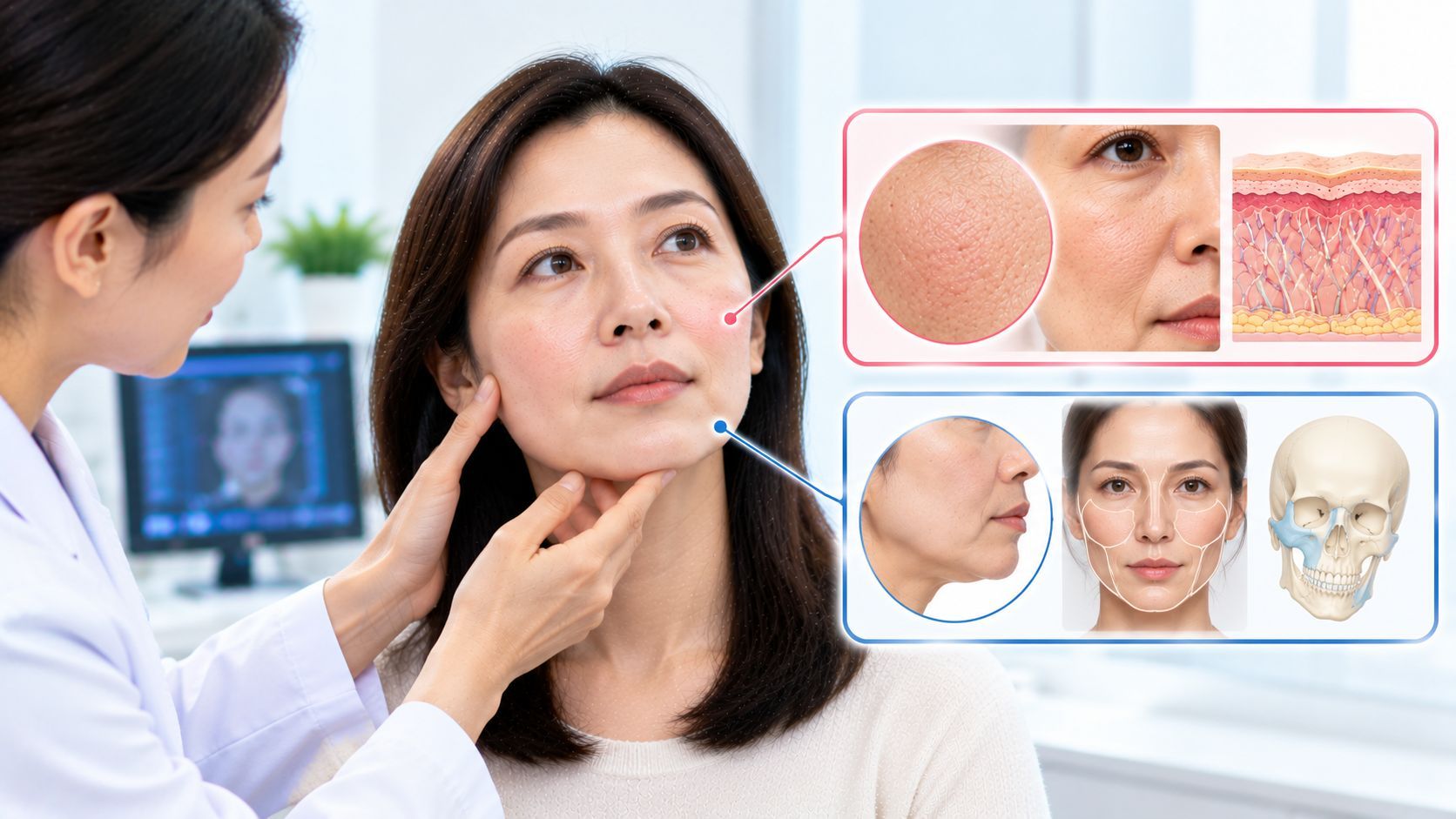
The skin barrier is the outer protective system of the epidermis. It helps keep water inside the skin while limiting penetration of irritants and other external substances.
One commonly studied measure of barrier function is transepidermal water loss (TEWL). Higher TEWL is generally associated with impaired barrier function.
When the barrier is compromised, you may notice:
- Burning or stinging
- Tightness after cleansing
- Increased dryness
- Flaking or peeling
- Redness
- Increased sensitivity to skincare
- Discomfort from sunscreen or cosmetics
- Skin that suddenly reacts to products you previously tolerated
These symptoms do not necessarily mean you have permanently damaged skin. Barrier function can recover, depending on the underlying cause.
Why Does the Barrier Matter Before Laser Treatment?
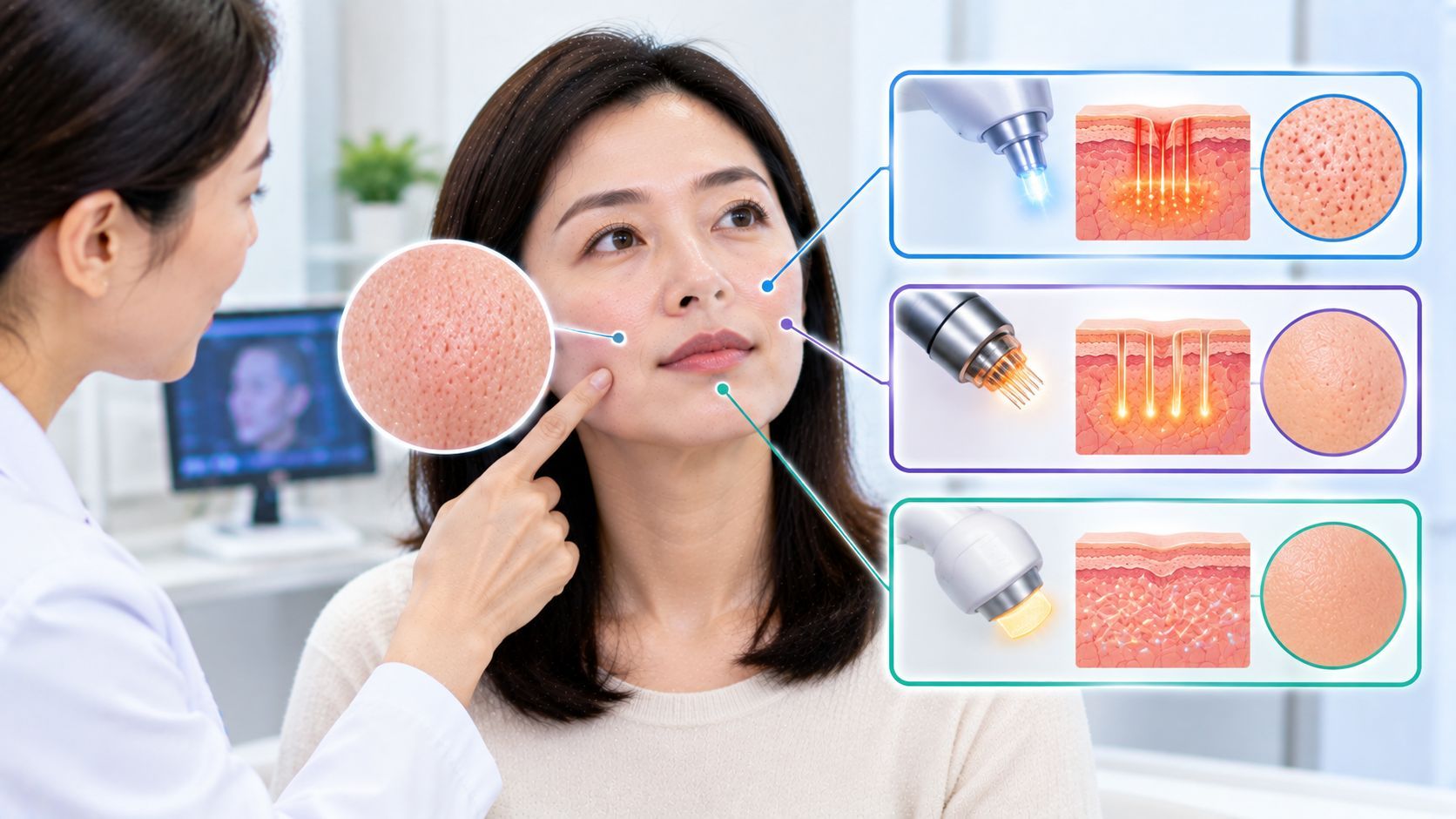
Laser treatment creates a controlled biological response in the skin. Depending on the device and settings, the treatment may heat tissue, affect pigment, target blood vessels, or create microscopic zones of injury.
Some laser technologies are relatively superficial or non-ablative, while others create more substantial injury.
Research shows that different laser approaches can have very different effects on barrier recovery. In one study comparing laser types, a nanosecond non-ablative laser showed rapid barrier recovery, while a fully ablative Er:YAG laser required substantially longer recovery.
Therefore, “laser treatment” is not one single procedure.
A person with stable skin may tolerate a particular laser well, while someone with active irritation may need a different treatment plan or a delay.
How Do I Know If My Skin Barrier Is Too Irritated?
There is no single home test that can determine whether you are ready for laser treatment.
However, certain symptoms deserve attention.
Your Skin Burns Easily
If water, moisturizer, sunscreen, or basic skincare causes significant burning, your skin may not be in an ideal condition for an elective procedure.
Your Skin Is Peeling
Visible peeling can indicate irritation or impaired barrier function. The cause matters before deciding whether to proceed.
You Have Persistent Redness
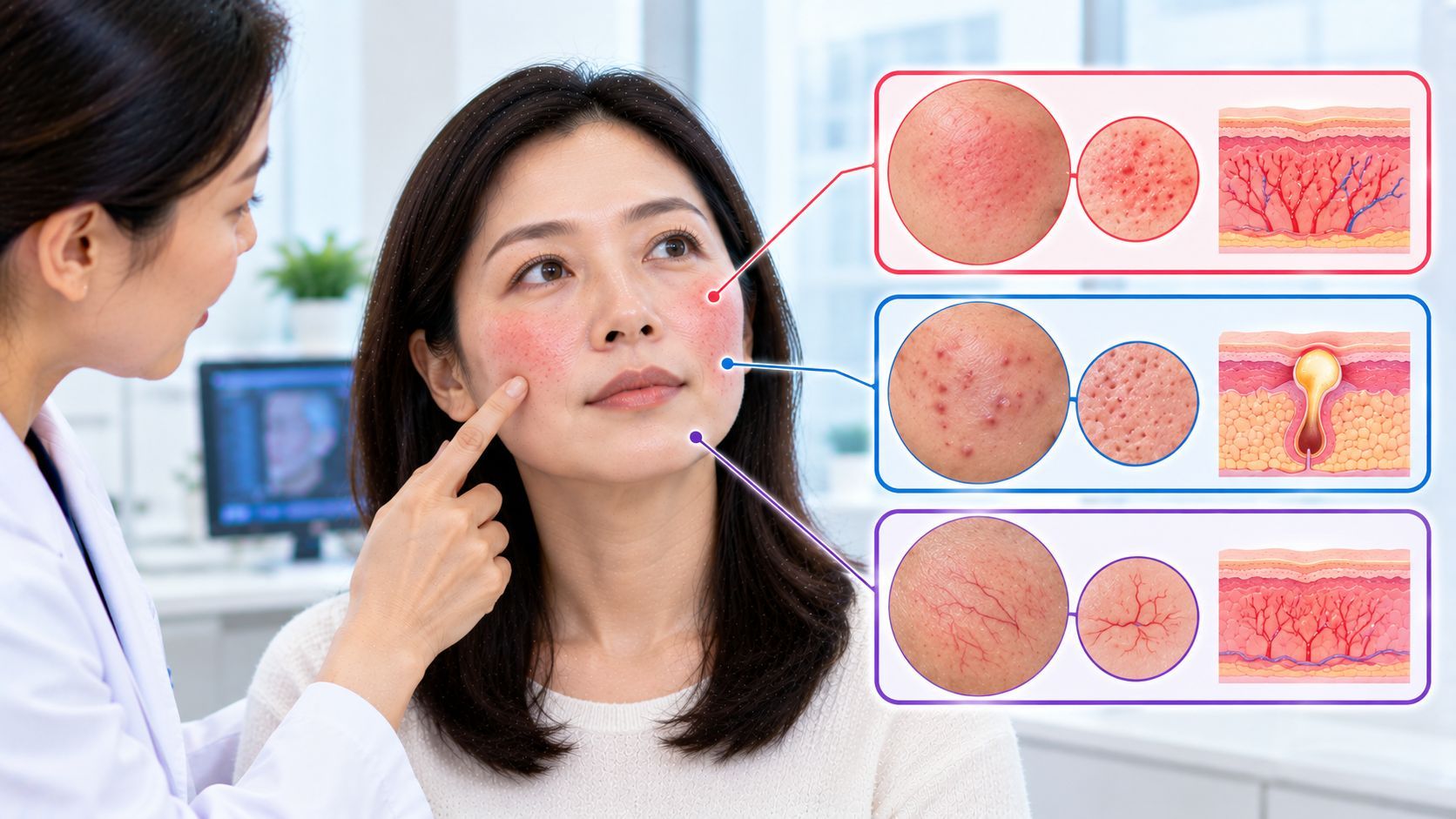
Redness may result from irritation, sun exposure, rosacea, or another inflammatory condition.
If you flush easily or remain persistently red, the dermatologist should determine whether an underlying condition such as rosacea is contributing.
Your Skin Recently Reacted to a Product
If you recently developed severe irritation after using a retinoid, acid, exfoliant, cosmetic, or other skincare product, it may be better to stabilize the skin before adding another source of irritation.
Does Every Laser Require Barrier Recovery First?
No.
The answer depends on the laser and your current skin condition.
For example, some non-ablative or pigment-targeting treatments may produce relatively limited disruption compared with more aggressive resurfacing procedures.
By contrast, ablative resurfacing intentionally removes or vaporizes portions of the epidermis and can require a more substantial recovery period.
This is why asking simply, “Is laser safe for sensitive skin?” does not provide enough information.
The more useful questions are:
- Which laser?
- What wavelength?
- What treatment settings?
- What condition is being treated?
- How irritated is the skin right now?
- Is there an underlying skin disease?
- What recovery period is available?
Should You Treat the Skin Barrier Before Pigmentation Laser?
Often, this deserves consideration.
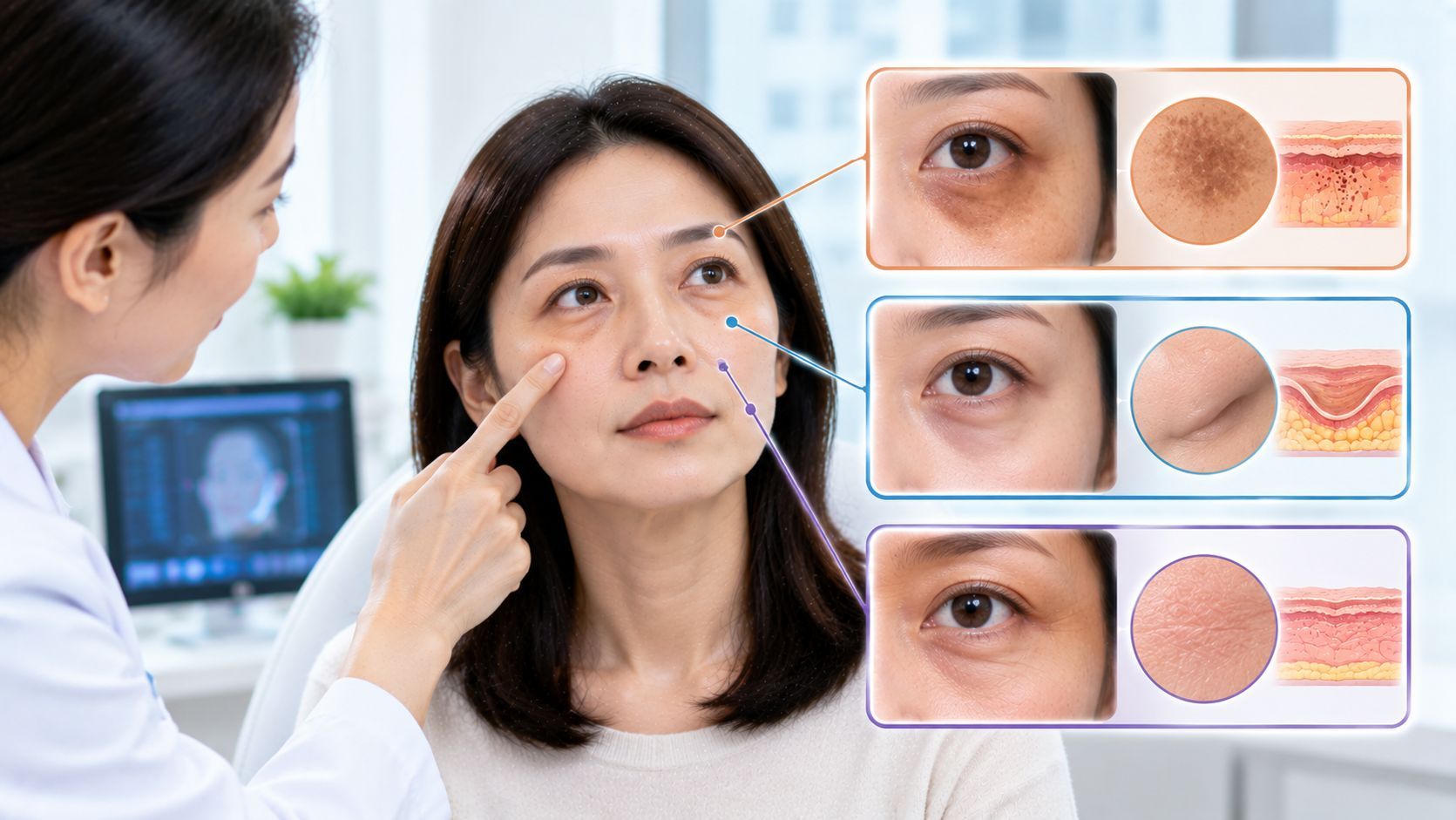
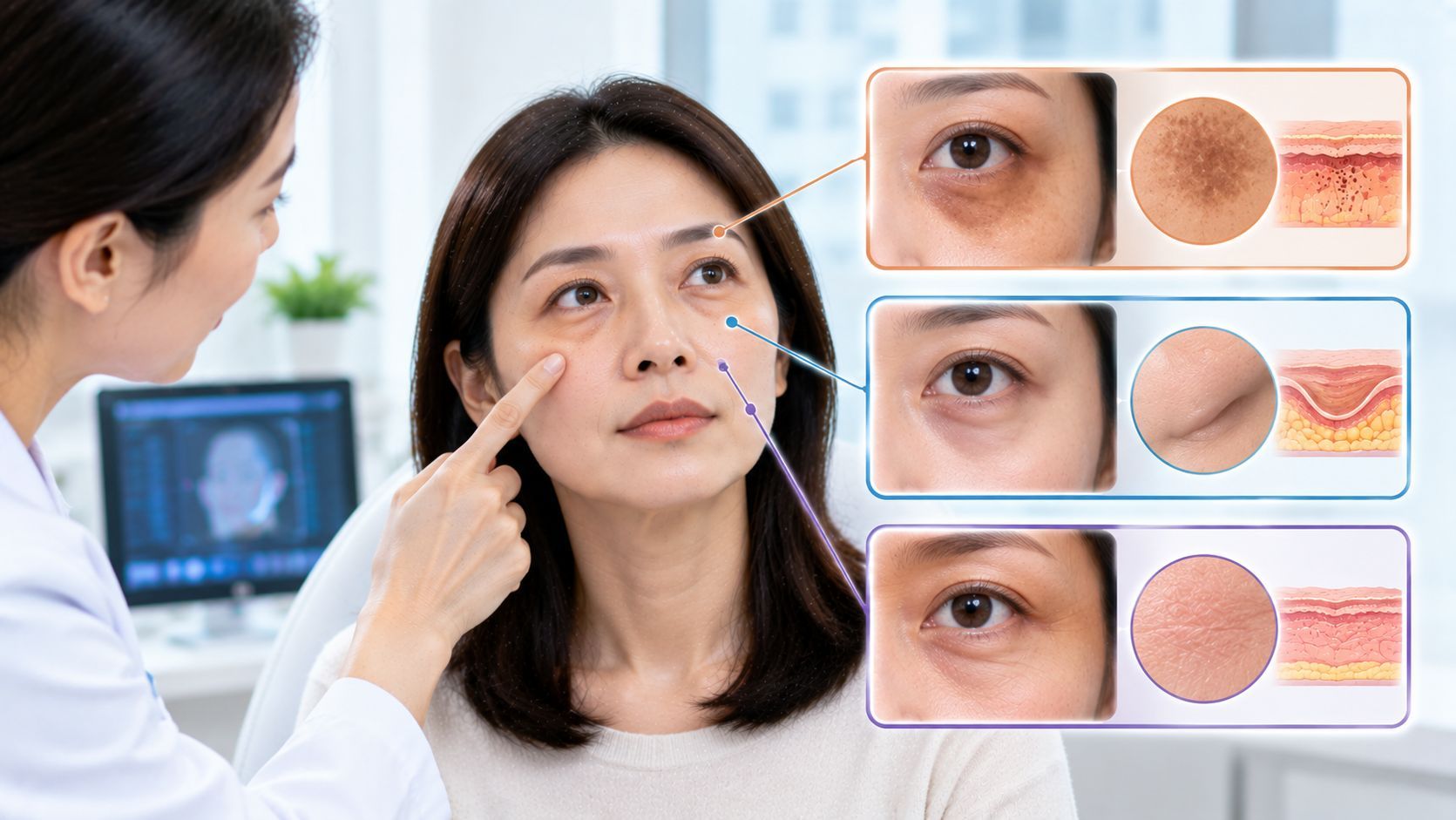
If your skin is simultaneously irritated and pigmented, aggressively treating the pigmentation may not address the underlying problem.
Inflammation itself can make pigmentation management more complicated, particularly in people prone to post-inflammatory hyperpigmentation.
A dermatologist may therefore decide that improving skin stability first is more appropriate than immediately increasing laser intensity.
This does not mean pigmentation treatment has to be abandoned. It means the order of treatment may matter.
What If I Have Rosacea?
Rosacea requires a particularly individualized approach.
Rosacea commonly causes sensitivity and irritation, and dermatologists generally incorporate gentle skincare and trigger avoidance into management.
Laser and light treatments can sometimes be used for specific rosacea features, including persistent redness and visible blood vessels. The American Academy of Dermatology notes that laser or light therapy may form part of a rosacea treatment plan, but it is not necessarily the only treatment required.
Therefore, having rosacea does not automatically mean that all laser treatments are prohibited.
However, the treatment should be selected according to the specific manifestation of rosacea and performed by someone experienced with the condition.
What Should I Do Before Laser Treatment?
If your barrier seems irritated, the first step is usually to simplify rather than add more products.
A dermatologist may recommend a period of gentle skincare that can include:
- Mild cleansing
- A suitable moisturizer
- Daily sunscreen
- Avoiding unnecessary scrubbing
- Reducing irritating exfoliants
- Temporarily adjusting retinoids or acids when medically appropriate
- Avoiding known triggers
Moisturizers can support barrier repair through mechanisms involving occlusives, humectants, and emollients.
The exact routine should depend on why your barrier is impaired.
How Long Should You Wait Before Laser?
There is no universal number of days that applies to everyone.
Someone with mild temporary dryness may need a relatively short period of recovery.
Someone with significant dermatitis, persistent inflammation, or a stronger reaction may require substantially longer treatment or medical management first.
The type of laser also changes the equation.
For example:
Skin situationPossible approachMild drynessConsider stabilization before treatmentBurning/stingingEvaluate before elective laserActive peelingUsually worth addressing firstPersistent rednessDetermine the causeActive dermatitisTreat/stabilize underlying inflammationStable sensitive skinConservative laser protocol may be consideredActive rosacea flareAssess and control the flare firstHealthy, stable barrierLaser selection depends on treatment goal
This is why a consultation immediately before treatment can be more useful than relying on a fixed waiting period.
Can Laser Treatment Actually Help Sensitive or Red Skin?
Interestingly, some lasers and light-based treatments are specifically used for redness and vascular concerns.
For rosacea, the AAD reports that laser or light treatments can reduce visible blood vessels and may improve persistent facial redness in appropriate patients.
But this should not be interpreted as meaning that a laser is automatically appropriate whenever the skin is red.
Redness caused by rosacea, irritation, sun exposure, allergy, and other conditions can require very different approaches.
Correctly identifying the cause is therefore important.
What About Laser Treatment in Korea?
Korea offers many dermatology laser options, including treatments for pigmentation, redness, acne scars, pores, and texture.
The large number of available devices can be useful, but it also makes individualized assessment important.
Before booking a procedure in Seoul, tell the clinic if:
- Your skin burns easily
- You have recently experienced dermatitis
- You have rosacea or frequent flushing
- You are using retinoids or exfoliating acids
- You recently had another cosmetic procedure
- You have previously developed prolonged redness after laser
- You have a history of post-inflammatory pigmentation
If you are an international patient, consider allowing enough time between the treatment and your return flight or important event. You should also understand what aftercare is required before scheduling your procedure.
Can a Skin Analysis Help?
A professional skin assessment can help distinguish ordinary dryness from more significant barrier dysfunction or inflammatory skin disease.
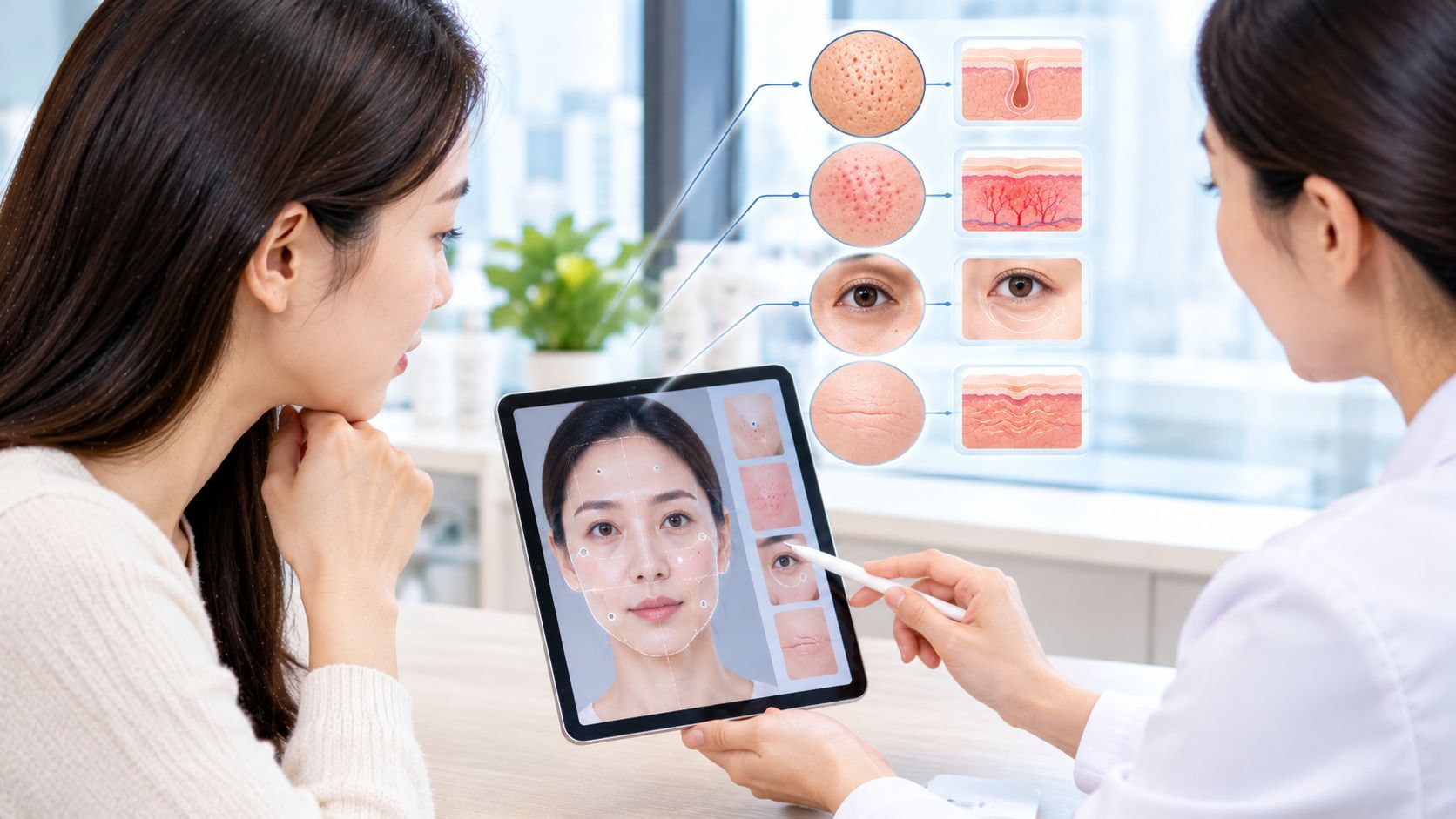
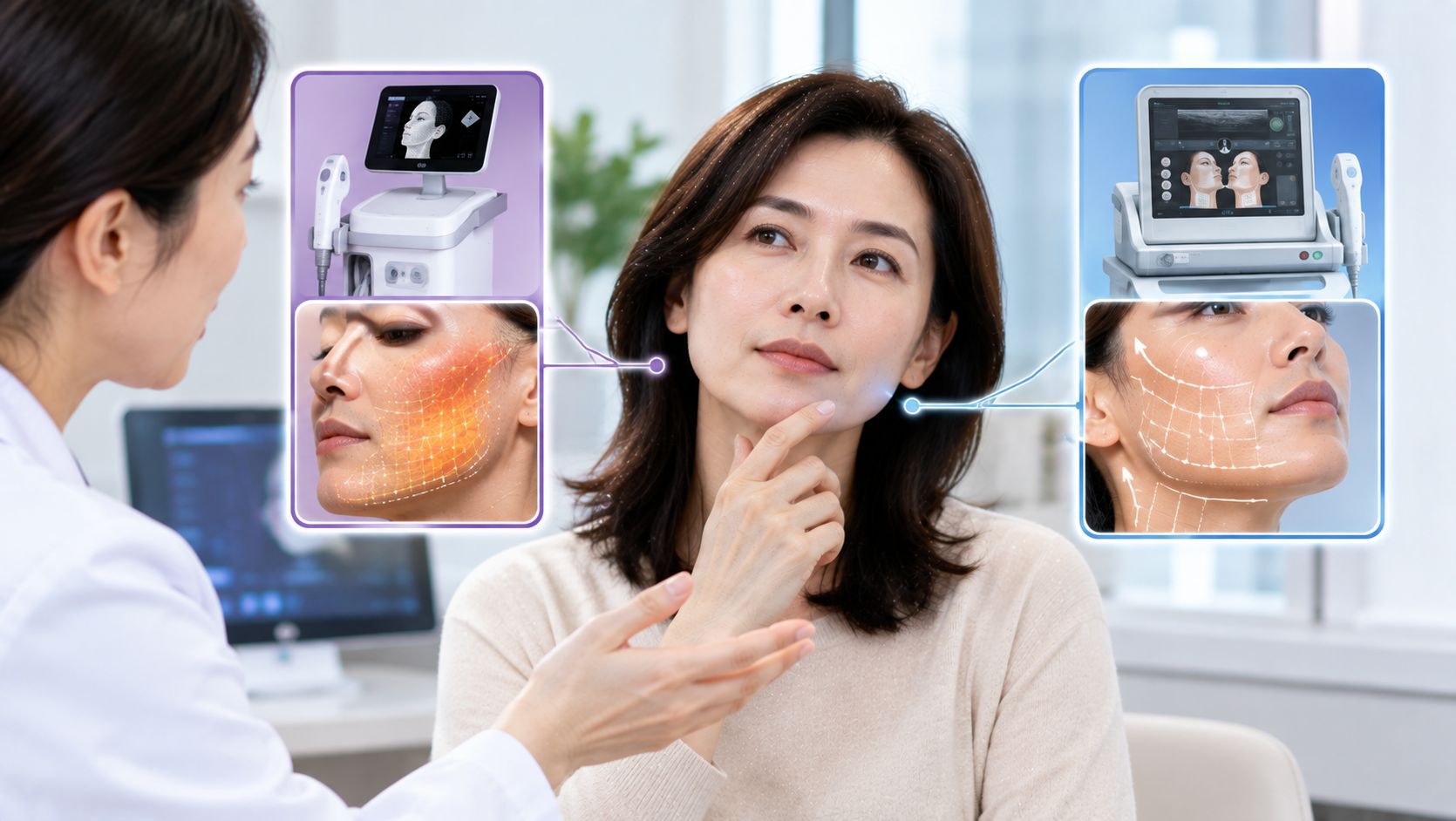
Some clinics may use imaging systems to assess visible redness, pigmentation, pores, or other characteristics. These tools can provide additional information, but they do not replace a dermatologist's clinical assessment.
If your skin repeatedly becomes irritated after treatments, the most useful goal may not be finding a “gentler laser.” It may be determining why your skin is reacting in the first place.
When Should You Postpone Laser Treatment?
Consider postponing elective laser treatment and seeking dermatological evaluation if you currently have:
- Significant burning
- Active peeling or cracking
- Severe unexplained redness
- An active rash
- Suspected infection
- A significant rosacea flare
- A recent severe reaction to skincare
- Persistent inflammation after a previous procedure
The purpose is not to avoid treatment indefinitely. It is to avoid adding a new controlled injury while the skin is already struggling to maintain normal barrier function.
Conclusion
If your skin barrier is significantly compromised, stabilizing it before elective laser treatment is often worth considering. Laser treatment itself can temporarily affect barrier function, and the degree of disruption varies substantially between technologies and treatment settings.
However, sensitive skin does not automatically mean you cannot have laser treatment. Some laser and light procedures are specifically used for conditions involving redness and visible blood vessels, including certain manifestations of rosacea.
The key is to identify why your skin is sensitive, how stable it currently is, and which laser and treatment intensity match your condition.
FAQs
Can I get laser treatment if my skin barrier is damaged?
It depends on the severity and cause. Mild sensitivity may not automatically prevent treatment, but significant burning, peeling, inflammation, or dermatitis should be assessed before elective laser treatment.
How do I know if my skin barrier is damaged?
Burning, tightness, excessive dryness, peeling, redness, and sudden reactions to normally tolerated products can indicate impaired barrier function. These symptoms can have multiple causes, so they do not establish a diagnosis by themselves.
Should I stop retinol before laser treatment?
This depends on the laser, your skin condition, and the retinoid you use. Your treating dermatologist should provide individualized instructions rather than following a universal rule.
Can laser treatment make sensitive skin worse?
It can temporarily increase redness, dryness, or irritation, particularly when treatment intensity is inappropriate or the skin is already inflamed. The risk and recovery period vary according to the technology and settings.
Can people with rosacea get laser treatment?
Some people with rosacea can receive laser or light treatment for specific symptoms such as visible blood vessels or persistent redness. Treatment should be selected and performed by an appropriately experienced dermatologist.
Is non-ablative laser better for a weak skin barrier?
Non-ablative does not automatically mean suitable. It generally produces less surface disruption than fully ablative resurfacing, but the appropriate treatment still depends on your skin condition, treatment goal, device, and settings.