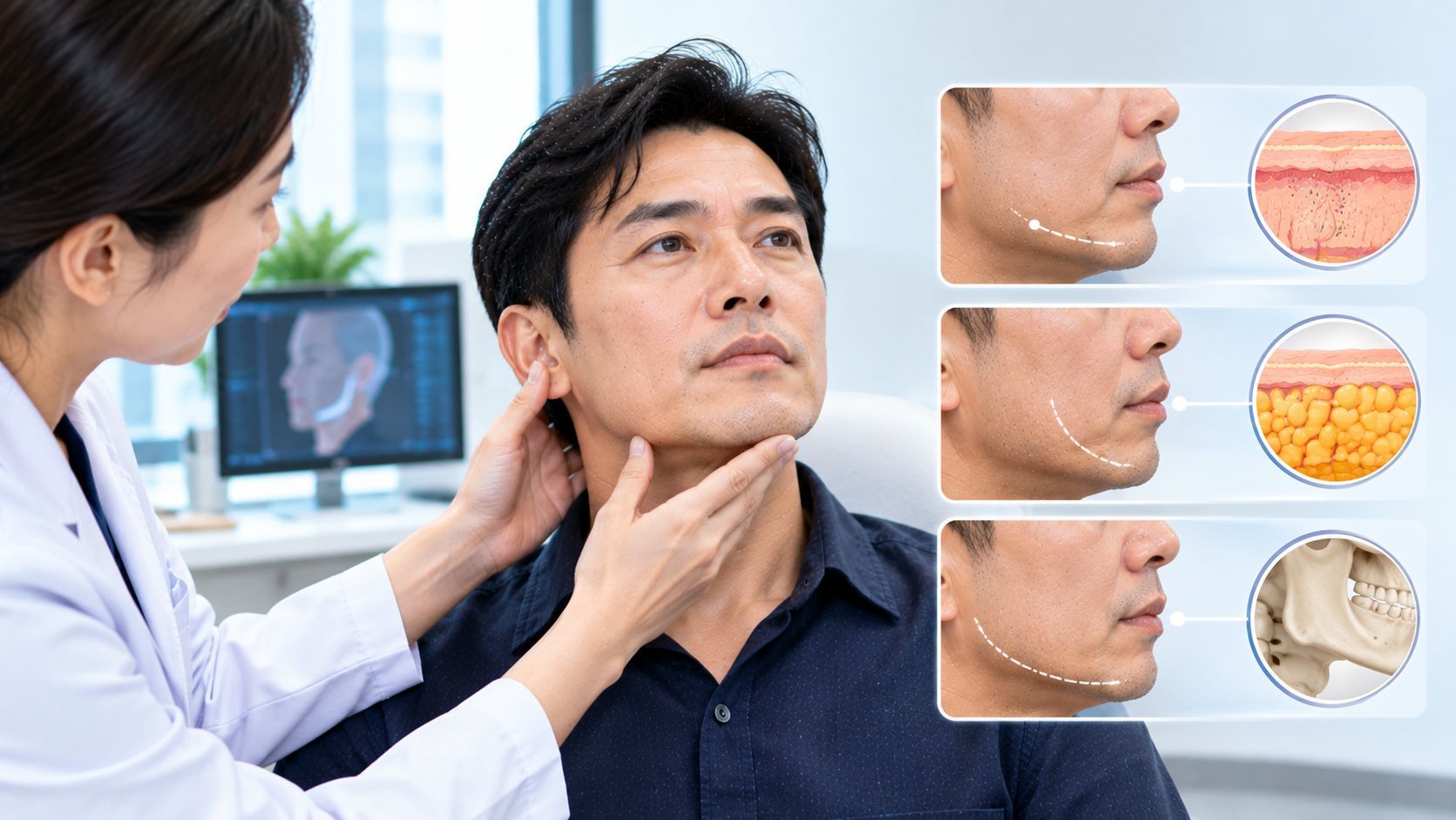
Can Microneedling Damage an Already Weak Skin Barrier?
Introduction
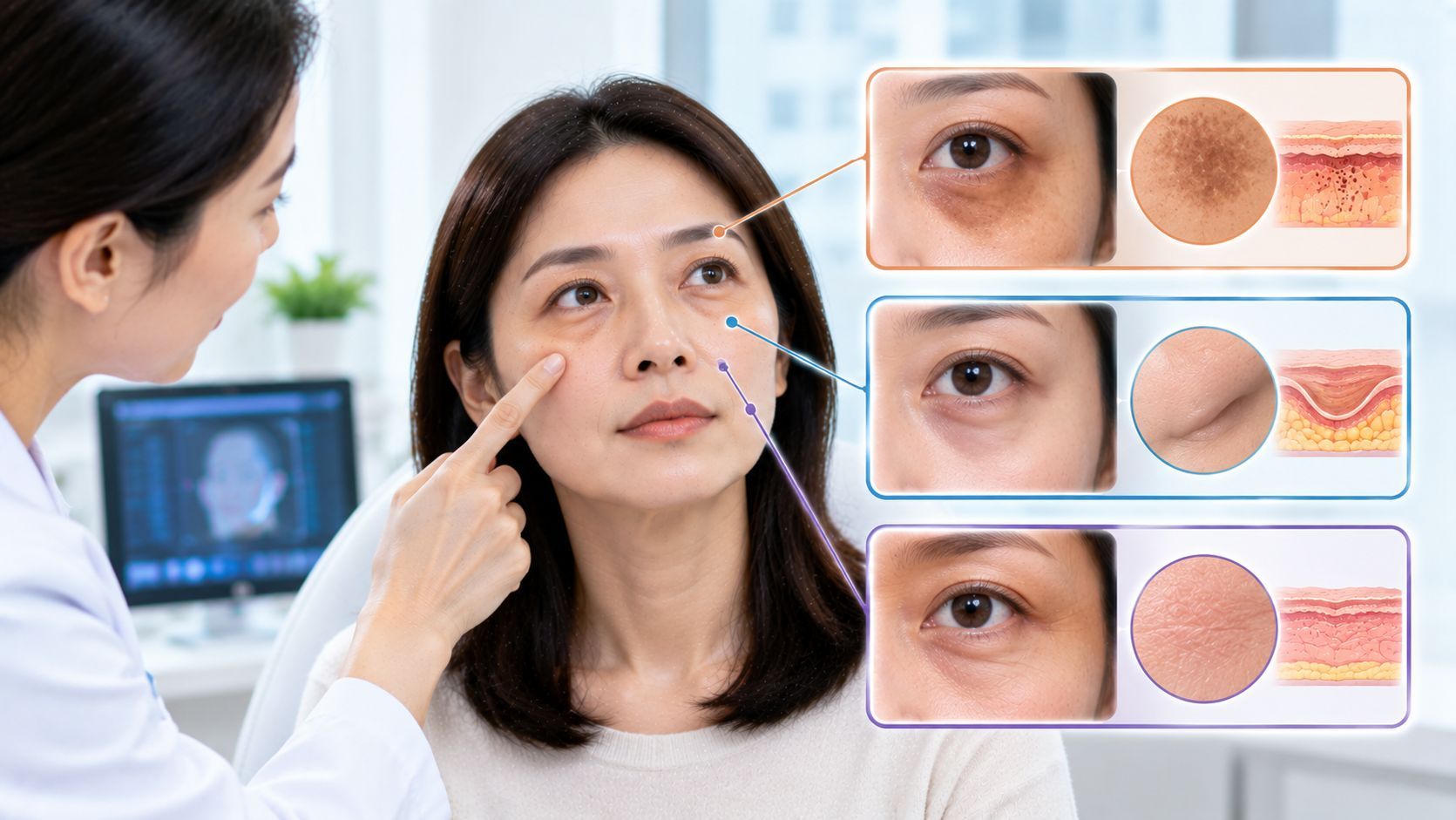
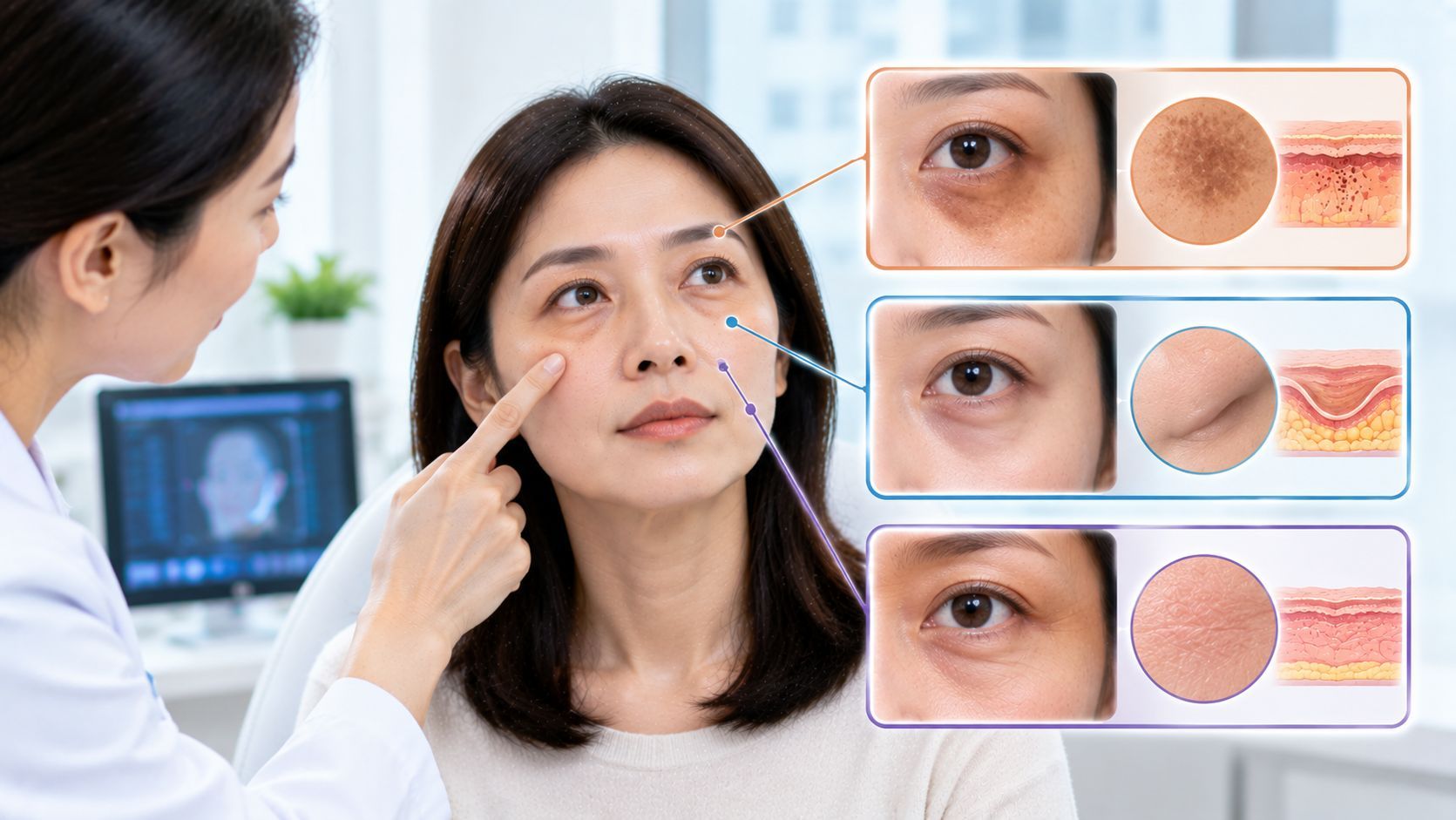
Microneedling is often promoted as a relatively gentle treatment for enlarged pores, acne scars, uneven texture, fine lines, and collagen stimulation. But if your skin already feels fragile, burns easily, becomes red quickly, or reacts to ordinary skincare products, it is reasonable to wonder whether creating controlled micro-injuries could make the problem worse.
The short answer is yes, microneedling temporarily disrupts the skin barrier—but that does not automatically mean it will permanently damage sensitive skin. The important question is whether your skin is stable enough for the procedure, how aggressive the treatment is, and whether the underlying cause of your sensitivity has been identified first. Studies show that microneedling can temporarily increase transepidermal water loss and redness, with barrier recovery occurring relatively quickly in some treatment settings.
What Does a “Weak Skin Barrier” Actually Mean?
The skin barrier is largely provided by the outermost layer of the skin, the stratum corneum. It helps regulate water loss and protects the skin from external irritants. When barrier function is impaired, people may experience dryness, tightness, burning, stinging, scaling, or increased sensitivity.
A weak barrier can develop from several factors, including:
- Over-exfoliation
- Excessive use of acids or retinoids
- Harsh cleansers
- Frequent cosmetic procedures
- Dry environmental conditions
- Certain inflammatory skin conditions
- Excessive friction or scrubbing
- Underlying dermatological conditions such as eczema or rosacea
Importantly, “sensitive skin” is not a single diagnosis. Some people have temporary barrier irritation, while others have an inflammatory condition that needs specific treatment.
What Does Microneedling Do to the Skin Barrier?
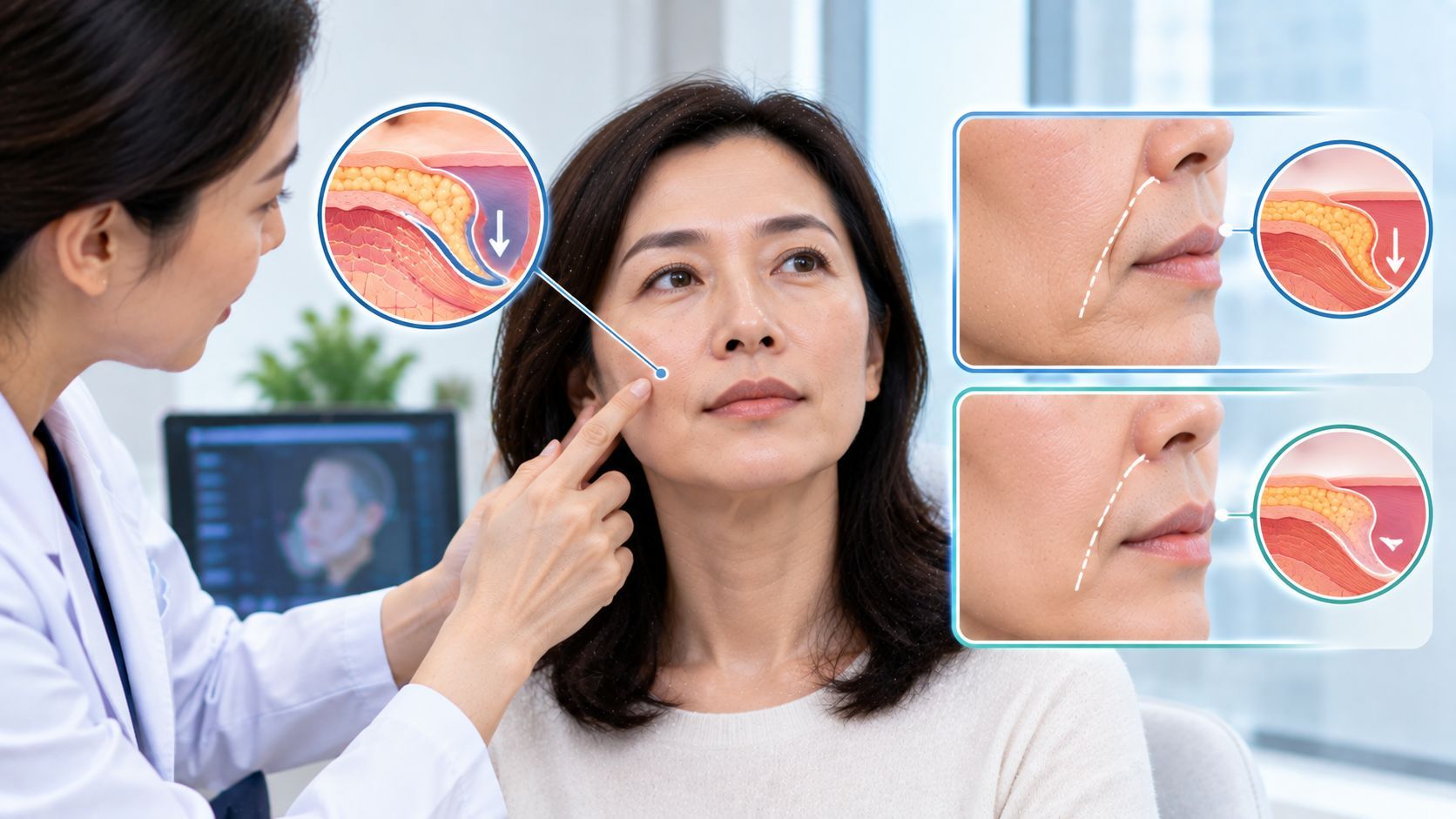
Microneedling uses very small needles to create controlled micro-injuries in the skin. These tiny injuries initiate a wound-healing response associated with collagen production and tissue remodeling.
Because the procedure deliberately creates microscopic openings, the barrier does not remain completely unchanged immediately afterward.
Research examining facial microneedling has found temporary changes in transepidermal water loss and erythema, followed by recovery. One study found that barrier disruption after certain microneedling protocols recovered within approximately 72 hours.
That means temporary barrier disruption is part of the treatment mechanism, not necessarily evidence of permanent damage.
The problem arises when the skin is already significantly inflamed or irritated and another procedure is performed before it has recovered.
When Can Microneedling Be a Problem for Sensitive Skin?
Microneedling deserves more caution when your skin is currently experiencing significant symptoms.
Active Burning or Stinging
If your face burns when you apply moisturizer, sunscreen, or water, your barrier may be substantially compromised.
Performing another procedure during this period can add another source of irritation.
Persistent Redness
Occasional redness is different from persistent flushing or inflammation.
If you frequently become red from heat, exercise, skincare products, alcohol, or temperature changes, a dermatologist may need to determine whether rosacea or another inflammatory condition is contributing. Heat and other triggers can cause rosacea flares.
Active Dermatitis or Inflammation
If the skin is actively inflamed, peeling, cracked, itchy, or highly reactive, treating the underlying problem may need to come before cosmetic procedures.
Recently Over-Treated Skin
A person may develop sensitivity after repeatedly combining exfoliating acids, retinoids, lasers, peels, microneedling, and other procedures.
In this situation, adding another treatment simply because the skin looks imperfect may not be the best approach.
Can Microneedling Actually Improve Sensitive Skin?
This is where the answer becomes more complicated.
Microneedling is not inherently a treatment that damages the skin permanently. Research has investigated microneedling for various dermatological and cosmetic applications, and newer reviews describe potential effects on collagen production, wound healing, and eventual barrier recovery.
There is also clinical research specifically exploring microneedling-related treatment approaches in people described as having sensitive skin. One small study involving 23 women reported improvements in symptoms such as dryness, flushing, burning, itching, and tingling after a specific microneedling protocol. However, this was a small study involving a particular treatment formulation and should not be interpreted as proof that conventional microneedling is appropriate for every person with sensitive skin.
Therefore, the fact that microneedling has been studied in sensitive skin does not mean that aggressive microneedling is automatically suitable for someone with an impaired barrier.
What Should a Dermatologist Check Before Treatment?
A good consultation should go beyond asking whether you have “sensitive skin.”
The dermatologist may consider:
FactorWhy it mattersCurrent rednessMay indicate inflammation or rosaceaBurning or stingingCan suggest barrier dysfunctionDryness and scalingMay indicate impaired barrier functionPrevious reactionsHelps identify procedure-related sensitivityCurrent skincareRetinoids and exfoliants may affect toleranceRecent proceduresSkin may need additional recovery timePigmentation tendencyImportant when choosing treatment intensityActive skin diseaseMay require stabilization first
For international patients visiting Seoul, it is particularly useful to show the dermatologist your normal skincare products and explain which ones cause burning or redness.
Does Deeper Microneedling Mean Better Results?
Not necessarily.
Increasing needle depth and treatment intensity increases the amount of controlled injury. The appropriate depth depends on the condition being treated, anatomical area, skin characteristics, and treatment objective.
For someone with fragile or reactive skin, more aggressive treatment is not automatically better treatment.
A dermatologist may instead consider a conservative protocol, fewer passes, different needle depth, longer recovery intervals, or an alternative procedure.
The goal should be to create an appropriate treatment stimulus while allowing the skin to recover.
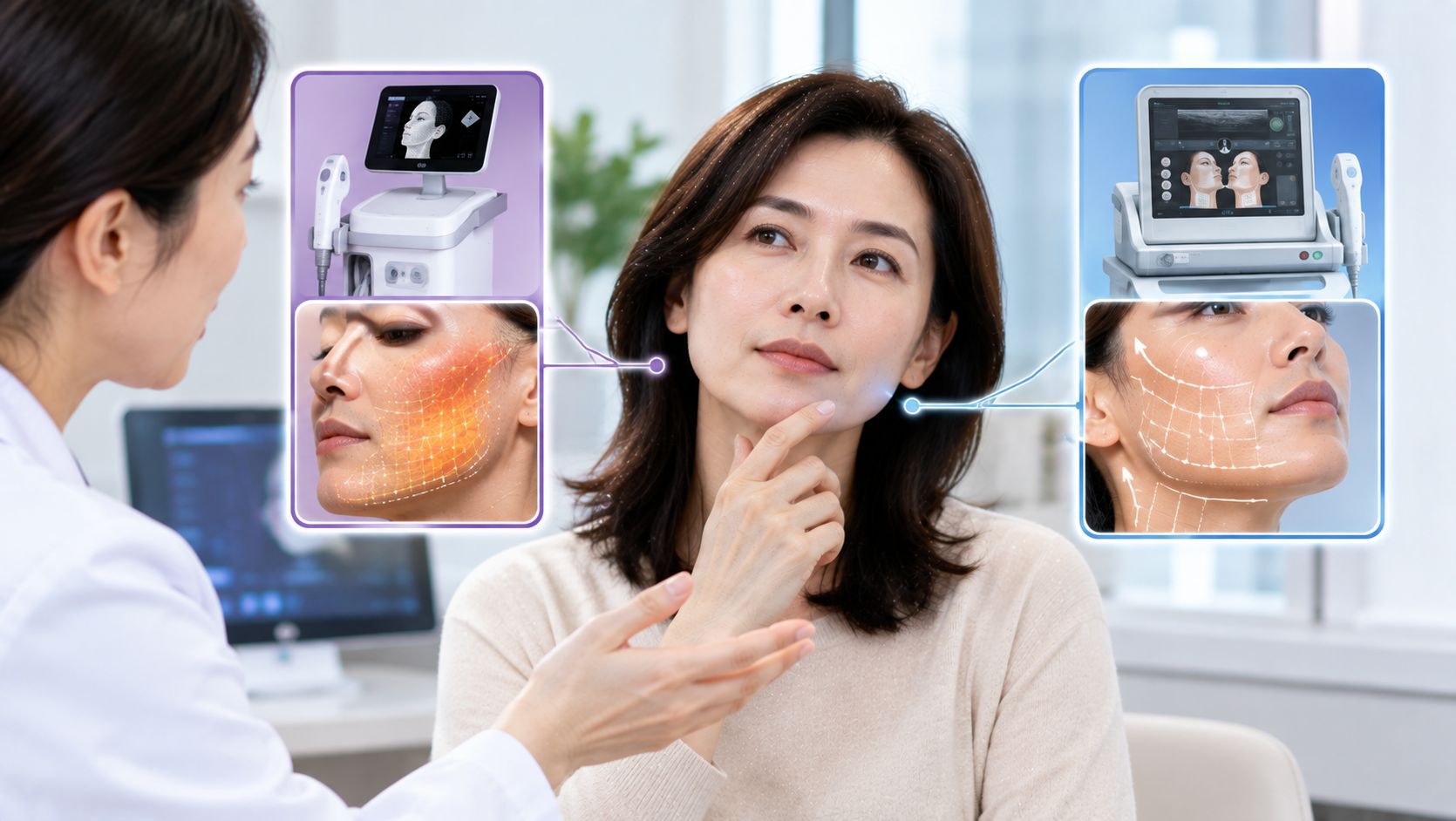
What About RF Microneedling?
RF microneedling deserves separate consideration because it combines microneedling with radiofrequency energy.
This can create both mechanical injury and controlled thermal effects within the tissue.
That does not mean RF microneedling inevitably damages the barrier. A prospective clinical study found temporary increases in transepidermal water loss during the first few days after treatment, with values returning toward baseline by about day seven in the studied group.
However, those findings came from a specific treatment protocol and patient population. They should not be interpreted as a guarantee for every sensitive-skin patient.
If your skin reacts strongly to heat, your dermatologist should know this before RF microneedling is considered.
Should You Repair Your Skin Barrier First?
If your skin is actively burning, peeling, highly inflamed, or reacting to nearly everything, stabilizing the skin should generally be considered before elective microneedling.
A basic barrier-support approach may include:
- Gentle cleansing
- A bland, fragrance-free moisturizer
- Consistent sun protection
- Reducing unnecessary exfoliation
- Temporarily limiting irritating active ingredients when appropriate
- Avoiding aggressive scrubbing
- Identifying possible triggers
The exact plan depends on why your skin is reactive.
If rosacea, dermatitis, allergy, or another condition is suspected, treating that condition may be more important than immediately pursuing a cosmetic procedure.
What About Microneedling in Korea?
Korea offers many forms of microneedling and RF-based skin treatments, but the availability of advanced devices does not mean every procedure is appropriate for sensitive skin.
During a Seoul dermatology consultation, ask:
- What is causing my skin sensitivity?
- Is my skin barrier currently stable enough for treatment?
- Would conventional microneedling or RF microneedling be more appropriate?
- What treatment intensity would you use for my skin?
- How long should I allow for recovery?
- What skincare should I stop before and after treatment?
- What signs would indicate an abnormal reaction?
If you are traveling specifically for treatment, avoid scheduling an aggressive procedure immediately before important events, extensive sightseeing, swimming, sauna visits, or a long flight.
When Should You Postpone Microneedling?
Consider postponing an elective procedure and seeking medical assessment if you have:
- Significant unexplained facial redness
- Active dermatitis
- Severe burning or stinging
- Cracked or peeling skin
- A sudden unexplained change in sensitivity
- An active infection
- A significant rosacea flare
- A history of unusually severe reactions to procedures
A dermatologist can determine whether the issue is simply temporary irritation or something requiring treatment.
Conclusion
Microneedling does temporarily disrupt the skin barrier, but that does not mean it permanently damages healthy skin. The barrier generally begins recovering after the controlled injury, and clinical research has documented recovery following various microneedling protocols.
The bigger concern is performing microneedling on skin that is already significantly inflamed, irritated, or unstable.
If your skin is highly reactive, the safest strategy is not necessarily to avoid every aesthetic treatment. Instead, identify why your skin is sensitive, stabilize the barrier when necessary, and choose the treatment intensity and technology based on your actual skin condition. A dermatologist can also determine whether another treatment would make more sense than microneedling.
FAQs
Is microneedling safe for sensitive skin?
It may be appropriate for some people with sensitive skin, but sensitivity alone does not determine suitability. Active inflammation, rosacea, dermatitis, and significant barrier dysfunction should be evaluated first.
How long does the skin barrier take to recover after microneedling?
Recovery varies with needle depth, number of passes, treatment intensity, and individual skin condition. Research has documented relatively rapid recovery after certain microneedling protocols, but recovery can take longer after more aggressive procedures.
Can microneedling make redness worse?
Temporary redness is a common response to microneedling. Persistent or worsening redness, especially in someone prone to flushing, should be assessed rather than automatically treated with another procedure.
Should I get RF microneedling if my skin is very sensitive?
Not automatically. RF microneedling adds thermal energy to the microneedling process, so your sensitivity to heat and your underlying skin condition should be considered before treatment.
Can microneedling repair a damaged skin barrier?
Microneedling initiates a wound-healing response and has been studied for several skin conditions, but it should not be assumed to be a first-line treatment for an actively damaged skin barrier. Stabilizing the underlying problem may come first.
What should I do if every facial treatment causes severe redness?
Rather than repeatedly changing treatments, consider seeing a dermatologist to determine whether the redness represents barrier dysfunction, rosacea, dermatitis, or another condition. Identifying the cause can make treatment selection much more precise.